What Are The Advantages of an exterior ACP Sheet?
March 26, 2026
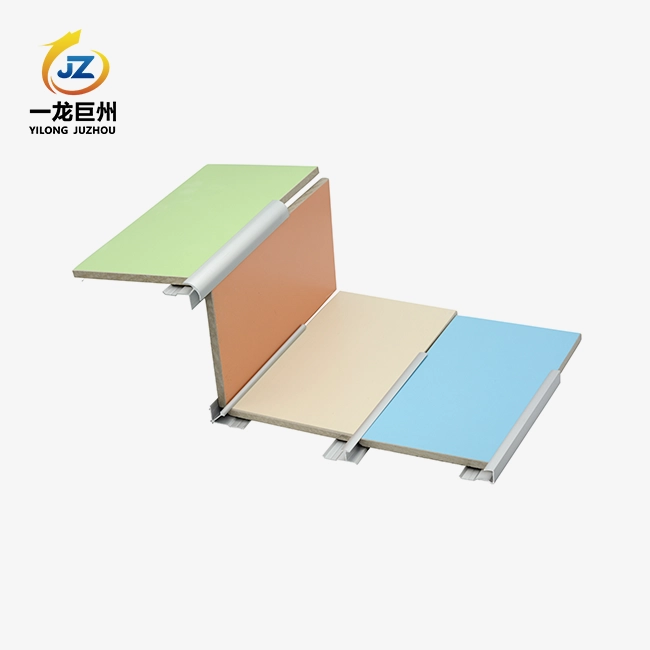
One of the most important advancements in contemporary Exterior wall ACP panel building covering systems is exterior wall ACP panel technology. The two layers of these aluminum alloy panels are joined to a core material. The cores are usually fire-resistant or made of polyethylene materials that are specially made for different uses. Exterior ACP sheets have many benefits that go beyond those of standard cladding materials. They offer procurement professionals an appealing mix of durability, aesthetic freedom, and cost-effectiveness that changes the way we plan and build business buildings.
Understanding Exterior ACP Sheets and Their Core Advantages
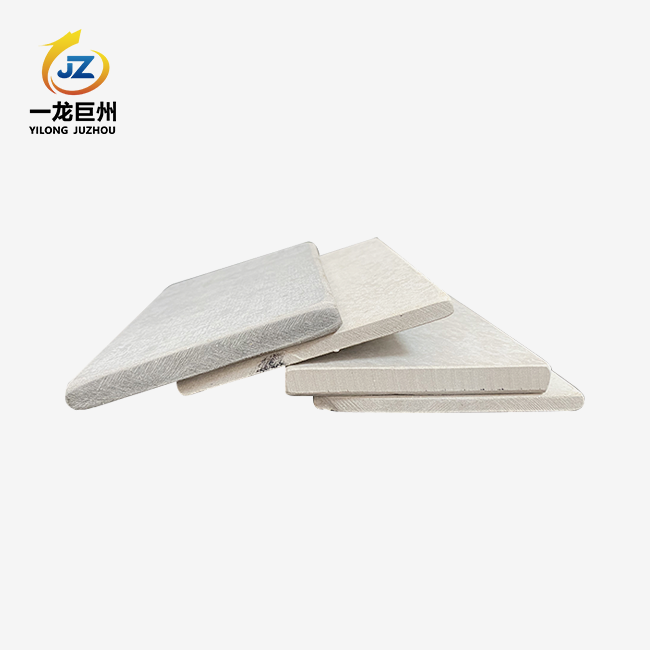
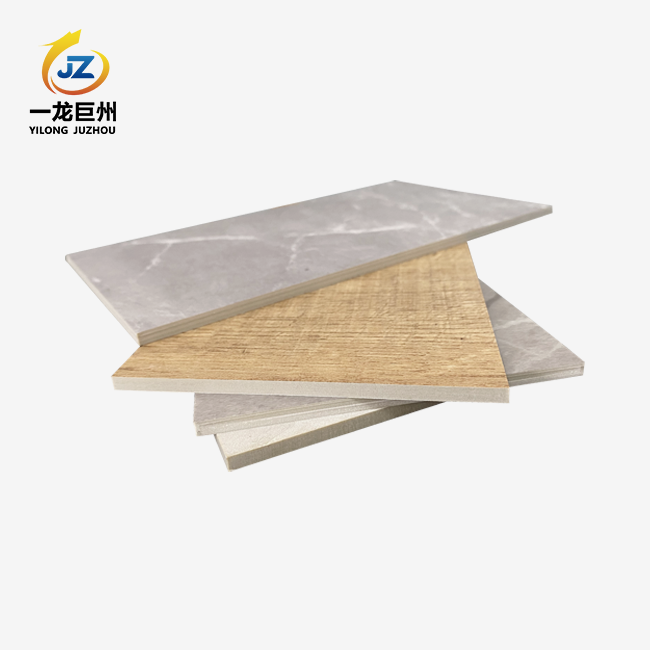
The basic structure of aluminum composite panels makes them both light and strong, and they can be used to solve many building problems at once. The skins of these panels are made of aluminum and range in thickness from 0.1 mm to 0.5 mm. They are bonded to refractory core materials that give them great structural stability while keeping their weight lower than that of solid metal options.
Lightweight Construction Benefits
The best thing about outdoor wall ACP panel systems right away is how well they reduce weight. The weight of these panels is 30–50% less than that of solid aluminum sheets and up to 70% less than that of standard stainless steel siding. This decrease in weight directly leads to decreased structural loads on building supports. This lets builders plan bigger projects without having to add a lot of structural support. The fact that these panels are light makes them much easier to handle and place. Standard tools can be used by construction teams to move bigger panel pieces, which cuts down on labor costs and speeds up project timelines. When working on tall buildings, where getting materials to work areas on higher floors can be hard, this benefit is especially useful.
Exceptional Durability Against Environmental Stressors
Modern external ACP sheets use advanced coating technologies, especially PVDF (Polyvinylidene Fluoride) surface processes that keep colors bright and don't chalk for more than twenty years. These coats can stand up to UV light, acid rain, salt spray, and industrial pollutants that normally break down building materials in a few years. The composite structure stops the oil-canning effects that happen with solid metal sheets, so the surface stays flat over big areas. This flatness makes sure that the building looks good for a long time and reduces the amount of upkeep that needs to be done when panels bend or shift.
Aesthetic Versatility and Design Flexibility
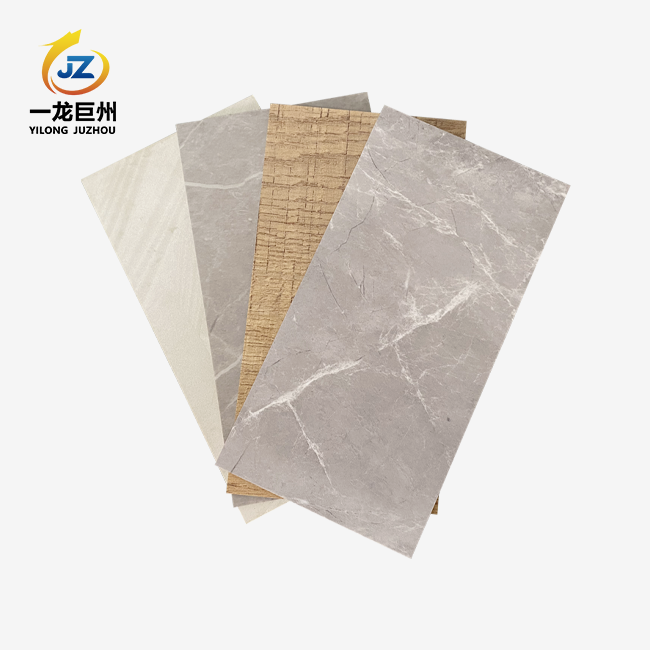
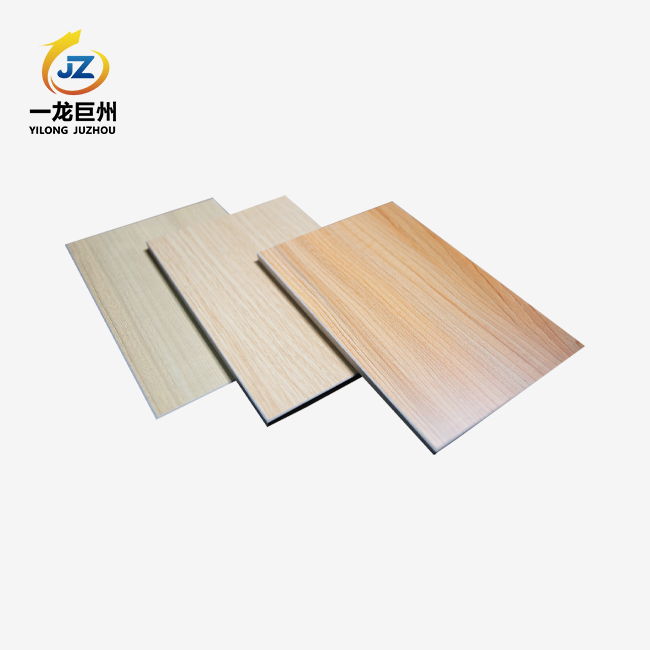
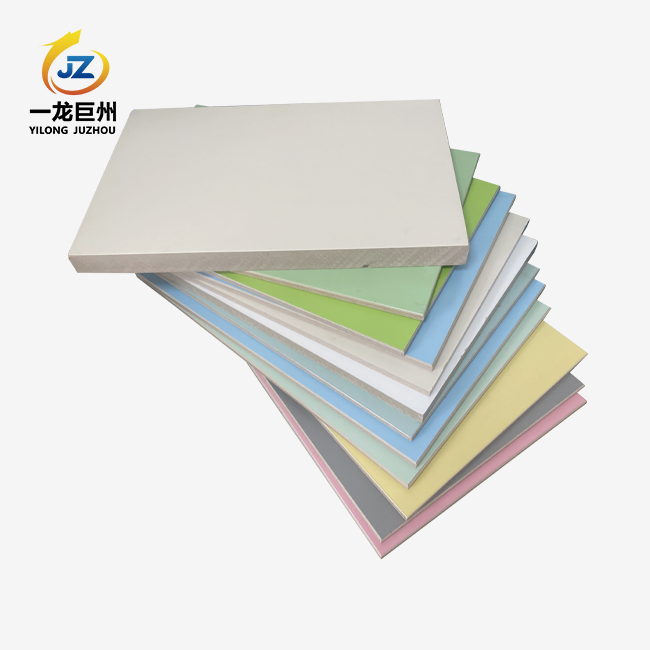
Exterior ACP panels can be customized in a lot of different ways to fit different design ideas. With widths of 1220mm, 1500mm, and 2000mm and lengths that can be changed, planners can make seamless walls that fit the needs of each project. The panels can be customized with colors that match the Pantone chart, which makes it possible for businesses, exterior wall ACP panels, or educational buildings to match brands perfectly.
Performance and Functional Advantages of Exterior ACP Panels
The technical brilliance of aluminum composite panels goes beyond their basic cladding functions to offer a wide range of performance benefits that meet important building system needs.
Fire Safety and Compliance Standards
Modern exterior wall ACP panel systems for outdoor walls get Class A2 or B1 fire resistance ratings, which means they meet strict international fire safety standards that are needed for business and public buildings. These fire-resistant qualities come from mineral-filled cores that are made up of about 70% non-flammable materials. This stops fires from spreading up and down the sides of buildings. The fire-retardant core technology gets rid of the worries about normal plastic cores catching fire. This means that these panels can be used in high-rise buildings where fire safety rules require the highest standards of performance. This compliance feature makes it easier to get approval for complicated business projects while still making sure people are safe.
Moisture Management and Environmental Protection
Outside, ACP sheets are waterproof, resistant to moisture, and not prone to rust. This makes them good at keeping outside wetness out. When you mix the sealed core materials with the impermeable metal skins, water can't get through. In traditional cladding systems, water can break down materials, cause mold to grow, and damage structures. These qualities for managing wetness are especially useful near the coast or in places with a lot of humidity. The panels keep their shape and look even when they are constantly exposed to water, salt air, or industrial air conditions that break down normal materials quickly.
Thermal Performance and Energy Efficiency
The thermal insulation qualities of the composite construction are very good, which makes the house much more energy efficient. The air gap made by properly installing rainscreens, along with the insulation properties of the panels themselves, lowers the building's heating and cooling needs over its entire life. This thermal efficiency means that building owners will save money on energy costs and meet the standards for green building approval. The panels' ability to reduce thermal bridges helps keep the inside temperatures stable and lowers the load on the HVAC system during extreme weather.
Comparison of Exterior ACP Panels with Alternative Cladding Materials
Exterior wall ACP panel systems perform better than standard choices in a number of important ways when cladding options for business projects are being considered.
Cost-Effectiveness Over Project Lifecycle
Aluminum composite panels often seem more expensive than basic materials like vinyl or Exterior wall ACP panel standard metal roofing. However, lifetime cost analysis shows big savings because of less maintenance needed, better energy efficiency, and longer service lives expected to be more than 25 years with little to no upkeep. Installation cost benefits become clear when application processes are sped up, and structural support needs are cut down. Because the panels are flexible, they can be drilled, nailed, and bent to fit complicated building features without the need for special fabrication methods or longer installation times.
Superior Installation Characteristics
When it comes to placement, external ACP panels are much more flexible than rigid materials like brick, stone, or solid metal pieces. The material can be bent into many shapes, which makes it useful for bending building parts, column wrapping, and complicated geometric patterns that would need to be made by hand with other materials and would cost a lot of money. The panels' ability to span longer lengths between fastening points lowers the cost of the foundation while keeping the structure's strength. When paired with standard fastening systems, this ability to span speeds up installation times and makes the work easier for building teams.
Environmental Sustainability Advantages
Modern outdoor ACP panels are made with materials that don't contain formaldehyde, smell bad, or give off radiation. These materials support green building efforts and meet standards for indoor air quality. These formulations are good for the environment and work with companies' sustainability goals. They also meet stricter environmental rules in business buildings. The panels' ability to be recycled at the end of their useful life, along with their long service life, makes them better for the environment than materials that need to be replaced often or cause a lot of trash when they are thrown away.
Procurement Considerations for B2B Buyers
To successfully buy outdoor wall ACP panels, you need to carefully consider the skills of the seller, the specifics of the products, and the project support services that will ensure the best results for complicated business uses.
Supplier Selection Criteria
Leading makers stand out by having a wide range of certifications, such as ISO quality management systems, CE marks for European compliance, and China Environmental Protection Standard Certification. These approvals show that the manufacturing process and product quality meet standards that are necessary for big business projects. Another important rating factor is production ability. Suppliers who keep at least 50,000m² of stock show that they are ready to handle large project numbers without causing delays in building. Standard production times of 3–7 days for custom standards make sure that project plans can still be met, even if design changes are made at the last minute.
Technical Support and Customization Services
Comprehensive technical support includes help with planning, installation, and fixing problems with performance while the job is being carried out. Suppliers who offer quality promises for three years show Exterior wall ACP panel that they are sure their products will last, and they also give buying teams peace of mind about reducing risk. With OEM and ODM skills, suppliers can meet the particular needs of a project, such as panel sizes that aren't standard, special coatings, or specific color standards. This freedom is very helpful for projects that need to fit the architecture perfectly or meet brand-specific standards for how things look.
Sample Evaluation and Testing Protocols
Professional buying processes benefit from full sample testing programs that let materials be evaluated in the context of a real project. Leading providers offer samples within three to five days, which helps people make quick decisions during the planning stages of a project. The evaluation of a sample should include checking its visual appeal, physical properties, and connection with the systems that will be used for installation. This thorough evaluation method lowers the risks of the project and makes sure that the materials chosen meet all performance requirements.
Case Studies and Practical Applications of Exterior ACP Sheets
Real-life uses of outer wall ACP panel systems show how flexible they are across a wide range of business sectors, and they provide real benefits that make investment decisions worthwhile.
Healthcare and Institutional Applications
Hospital and medical center projects show that the panels can meet strict cleaning and safety standards while still looking nice and professional. The surface doesn't have pores, so germs can't grow on it. It also works with strict cleaning rules needed in hospital settings. The panels' ability to withstand impacts and last for a long time in high-traffic areas is good for educational institutions. These materials are often used for school and university projects because they can keep their look even after being exposed to weather and student action all the time, and they also meet fire safety standards for public buildings.
Commercial and Industrial Project Success
Applications in office buildings and shopping centers show how flexible architects' ability to create unique faces that support company branding and architectural vision is in terms of style. Because the panels can fit complicated geometric patterns, new building shapes can be made that set projects apart in competitive business markets. The panels' ability to withstand chemicals and hard weather is valued by industrial sites. These materials are used in food processing plants, pharmacy facilities, Exterior wall ACP panels, and manufacturing operations because they can keep their shape even when they are exposed to cleaning chemicals, changes in temperature, and the conditions of an industrial atmosphere.
Infrastructure and Transportation Projects
The panels' use in airports, train stations, and subways shows that they are good for high-traffic public buildings that need to be durable, fire-safe, and look good at the same time. A lot of changes have to be made to these projects to make sure they meet strict safety rules and meet the needs of the architects. The panels' lightweight makes them especially useful in transportation structures where materials can't be chosen based on their structural load limits. Because they can be used to cover buildings with beautiful, long-lasting siding without adding to the structure, they are perfect for remodeling existing buildings.
Conclusion
Exterior ACP sheets have many benefits that go beyond their basic cladding role to provide complete answers for modern business building problems. Because they are lightweight, very durable, meet fire safety standards, and can look good in a variety of ways, they are very appealing to procurement professionals who are in charge of complicated building projects. The material's proven performance in a wide range of settings, from healthcare facilities to industrial installations, shows that it can be easily changed to meet different operating needs while still keeping quality and look standards.
FAQ
1. What fire safety standards do exterior ACP panels meet?
Modern external ACP panels get their Class A2 or B1 fire-resistant grades from mineral-filled cores that are made up of about 70% non-flammable materials. These ratings meet foreign standards like EN13501-1 and NFPA 285. This means they can be used in high-rise business buildings where fire safety rules require the highest levels of performance.
2. How should exterior ACP panels be maintained for optimal performance?
Cleaning panels once a year with water and a neutral soap (pH 6–8) on soft cloths keeps them looking good and working well. Do not use alkaline cleaners or rough brushes on protection layers because they can damage them. The panels' smooth, non-porous surface keeps dirt from building up and makes upkeep easier than with textured or porous wall materials.
3. What customization options are available for specific project requirements?
Exterior ACP panels can be made in a wide range of sizes and colors, with thicknesses from 2 to 6 mm, widths of 1220, 1500, or 2000 mm, and lengths that aren't limited. They can also be made to meet Pantone chart needs. The thickness of the aluminum skin is between 0.1 and 0.5 mm, and panels can be made to be more than 3 meters tall to meet design needs.
Partner with YILONG JUZHOU for Superior Exterior Wall ACP Panel Solutions
YILONG JUZHOU stands as your trusted exterior wall ACP panel manufacturer, Exterior wall ACP panel combining advanced production capabilities across two modern facilities in Shaanxi and Guangdong provinces, with comprehensive technical expertise. Our panels achieve Class A2/B1 fireproof ratings while offering complete customization through OEM and ODM services that meet your specific project requirements. With 50,000m² stock capacity, 3-7 day production timeframes, and three-year quality guarantees, we ensure reliable project delivery supported by free sample programs and 24-hour response commitments. Contact cnyang2000114@gmail.com to discuss your exterior wall ACP panel supplier needs and discover how our certified, eco-friendly options can enhance your next commercial construction project.
References
1. American Architectural Manufacturers Association. "AAMA 2605 Voluntary Specification for High Performance Organic Coatings on Architectural Extrusions and Panels." 2019.
2. Building and Construction Authority Singapore. "Fire Safety Requirements for External Wall Cladding Systems in Buildings." Technical Guidelines, 2020.
3. European Committee for Standardization. "EN 13501-1 Fire Classification of Construction Products and Building Elements - Part 1: Classification Using Test Data from Reaction to Fire Tests." 2018.
4. National Fire Protection Association. "NFPA 285 Standard Fire Test Method for Evaluation of Fire Propagation Characteristics of Exterior Wall Assemblies Containing Combustible Components." 2019 Edition.
5. International Organization for Standardization. "ISO 14001 Environmental Management Systems - Requirements with Guidance for Use." 2015.
6. American Society for Testing and Materials. "ASTM E84 Standard Test Method for Surface Burning Characteristics of Building Materials." 2021.