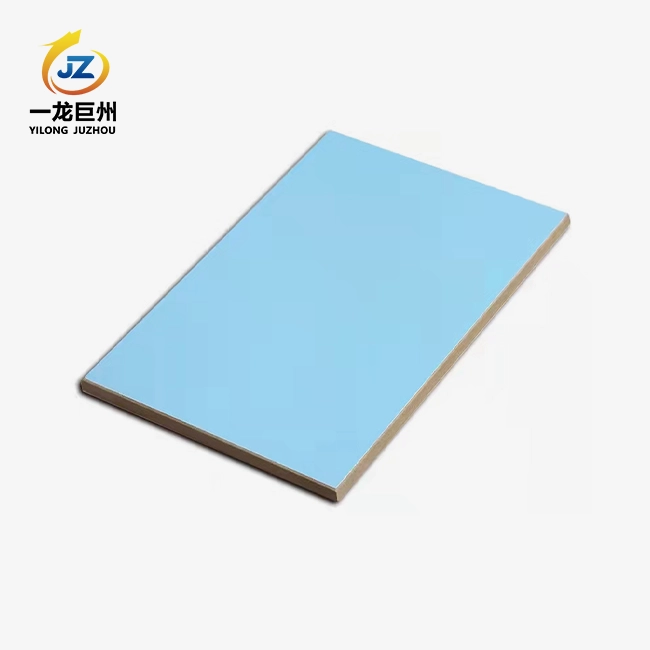
What is an aluminum composite panel?
March 26, 2026
With advanced thermal laminating Aluminum Composite panel technology, two thin aluminum sheets are joined to a core made of a material other than aluminum to form an Aluminum Composite Panel. This is a new type of designed building material. Because of its complicated shape, this panel is both very light and very strong, which is useful in modern factories and buildings. Aluminum is strong and doesn't rust, and the special sandwich construction blends that with the insulation and weight-saving benefits of other core materials. Because of this, hiring workers who want to get the most for their money means using them.
Understanding Aluminum Composite Panels: Composition and Manufacturing
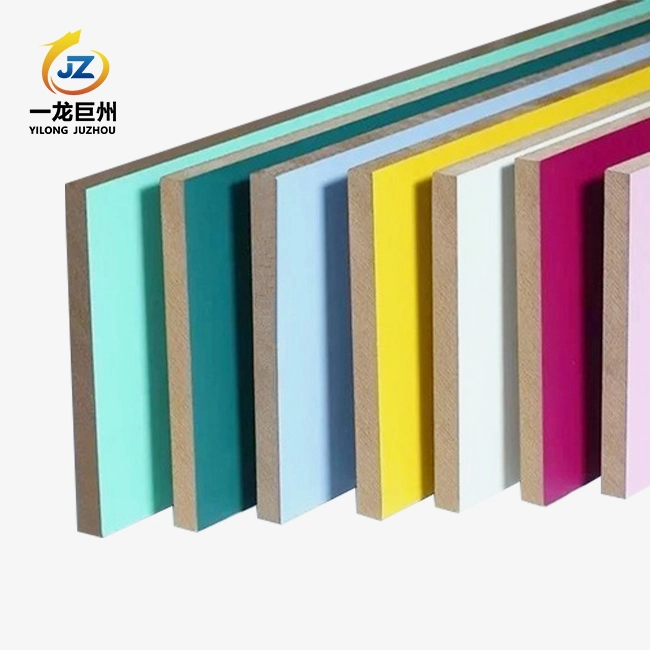
The basic structure of composite aluminum panels comes from careful engineering that blends the need for strength with the need to be helpful. Most of the time, each panel has two metal covers that are 0.1 mm to 0.5 mm thick. These skins go around a core material that makes the panel work well.
Core Materials and Their Applications
The center material you choose has a big impact on how well the panel resists fire, how well it heats, and what it can be used for. Polyethylene cores are cheap and easy to bend for indoor use. But mineral cores that don't catch fire get Class A2 fire ratings, which are needed in high-risk places like schools, hospitals, and airports. Today, heat and pressure are controlled in industrial methods that use continuous lamination technology. This step makes sure that the core material and metal skins stick together properly. This makes panels that are the same way along their length and width in terms of how they work. This flattens the surface more than solid metal sheets and gets rid of the oil-can look that often happens with big metal projects.
Surface Finishing Technologies
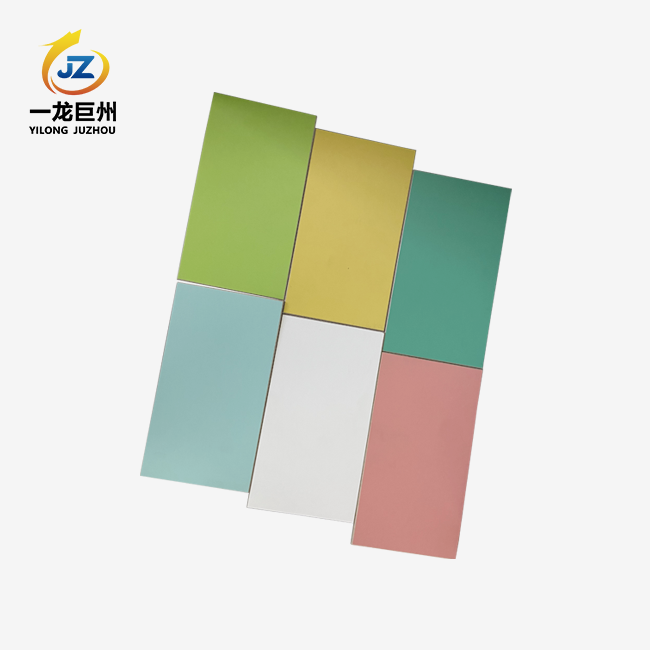
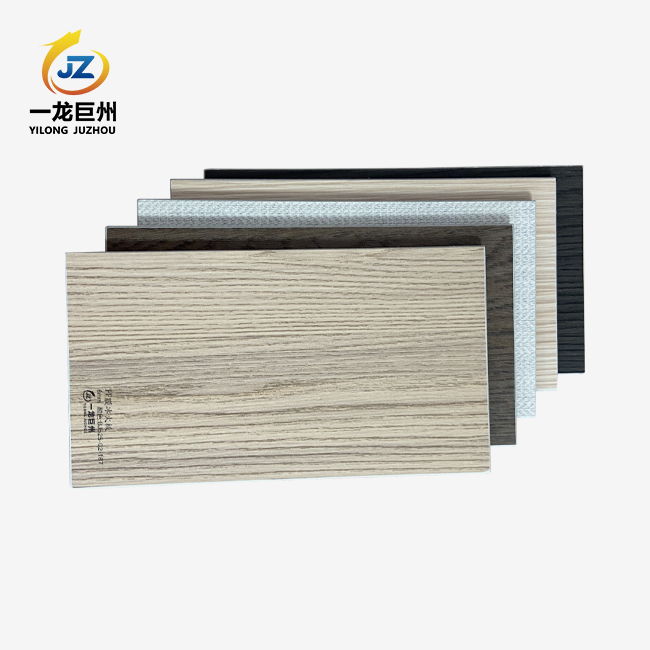
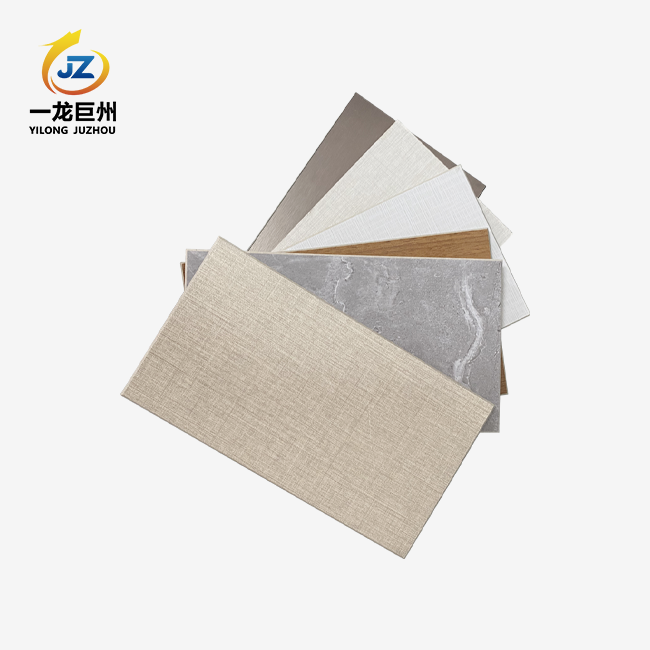
The way a panel looks and how long it lasts depend a lot on how it is treated on the outside. Inside buildings, polyester paint systems keep colors truer than PVDF finishes. Outside buildings, PVDF finishes keep colors truer. Nanoparticles are used in new methods of covering things to help them clean themselves and keep out natural contaminants. Because the production process is so flexible, different shapes can be made. Widths that come standard are 1220mm, 1500mm, and 2000mm. Lengths can be changed to fit the job. This makes it easier to set up and lose less material, which is especially helpful for big business projects where efficiency directly affects income.
Key Uses and Applications of Aluminum Composite Panels in Global B2B Markets
Aluminum Composite Panel technology can be used in many fields, and each one makes the most of its unique strengths to solve its own issues.
Healthcare and Institutional Facilities
Materials that are used in healthcare areas need to look good and meet high standards, an ACP panel for cleaning. Because these panels don't have pores, they are great for hospital buildings because they keep bacteria from growing and are easy to clean. As long as you can change panel sizes bigger than 3 meters, you can cover whole walls in large rooms like hospital halls and operating rooms. The product meets indoor air quality standards because it is free of formaldehyde and has antibacterial properties. This is very important in sensitive areas. Finishes like woodgrain, marble patterns, and silver textures make patient areas feel warm and welcome without taking away from their usefulness. This is especially helpful in medical beauty centers.
Transportation Infrastructure
A lot of people walk through airports, train stations, and subways, so it's important that the surfaces last a long time and don't cost a lot to fix. The screens are great for these tough jobs because they can stand up to water, pressure, and hot and cold changes. Though they are light, they are strong enough to last for years of use and put less stress on building frames. As long as the screens don't catch fire, they meet the strict safety standards needed in traffic hubs. Efficiency in installation is especially important in buildings that are already being used, where work needs to be done with as little impact as possible on current activities.
Commercial and Hospitality Sectors
They are used in hotels, shopping malls, and office buildings to make them look nice and keep the costs of long-term care low. With this material, makers can bend surfaces and make complicated forms that would cost too much to make with other materials. Some core setups are better at controlling sound, which makes them better for busy places like art galleries and meeting rooms, where sound quality is important. Because the pieces can be drilled, nailed, and bent, they are easy to connect to art and mechanical parts.
Comparing Aluminum Composite Panels with Alternative Materials
All material choices must be carefully weighed against the needs of the project and the possible long-term benefits before a decision is made.
Performance Characteristics Analysis
There are choices for aluminum composite panels that are about 60% lighter than solid aluminum sheets, but still do the same job as solid aluminum sheets. This drop in weight means that less support is needed right away, which means that the cost of building goes down. This type of design doesn't have thermal bridging like full metal designs do, so the house uses less energy. Fiber cement boards don't hold up as well against damage as these panels do, and they won't break as cement-based products do. The color will stay stable for longer because the metal surface is stronger against UV damage than the polymer-based ones.
Economic Considerations
It costs more at first than basic materials like plastic or painted steel, but it lasts longer and needs less maintenance, which is why it costs more. Complex surface processes don't have to be done again after the fact if they can be done during production. This saves time and money on labor. When working on projects with tricky shapes or limited time for installation, getting the job done quickly and correctly saves a lot of money. Teams that put up the material don't need to buy or learn how to use special tools because they can work with regular tools.
Environmental Impact Assessment
Parts made of aluminum can be recovered, which supports green building practices that more and more school clients want. These panels don't need to be cleaned with chemicals that could harm the air quality inside, as some wood composite options do. They also don't get ruined by water or fungus. It saves money on building costs over the life of the material because it works better at higher temperatures. Because they are tough, they don't need to be replaced as often as choices that aren't as durable. This is better for the earth, ACP panel over time, because it means less material is used.
How to Choose and Procure Aluminum Composite Panels for Your Project
To make the buying process go smoothly, technical specs must be carefully compared to the needs of the project and the limits that can be reached.
Technical Specification Alignment
The most important thing to think about for most business uses is the fire grade. A2-rated panels meet the toughest fire safety rules for places with a lot of people. It's possible that lower grades will be enough for some needs with lower risk levels. The width of the panels is chosen so that cost and construction needs are met. You can use standard sizes ranging from 2mm to 6mm to meet a variety of wind load and span needs. In terms of utility, the 4mm width is good for most uses inside walls and is also very cheap.
Supplier Evaluation Criteria
It's very important to keep the quality high when projects need a lot of panels or more than one shipping step. Suppliers who have quality control systems and testing facilities that have been around for a while can be more confident that the project will be finished as planned. When samples are being looked at, they should be put through tests that are specific to the project. This is especially important for panels that will be cleaned or exposed to different weather conditions. Color matching is important for projects that need to fit in with the building's style or follow brand guidelines.
Installation and Maintenance Planning
Simple fabrication tools can be used with the panels, making them easy to add to present processes. To make sure the work is done right and nothing gets broken while building, though, it's important to learn the right way to do things. When you're planning upkeep, you should think about how the surface was cleaned and how it will be used. Most of the time, PVDF-coated panels only need to be cleaned every once in a while. When exposed to a lot of light, polyester finishes may need special treatments to keep them safe.
Environmental Impact and Sustainability of Aluminum Composite Panels
The environmental responsibility of businesses is rising above their everyday needs. As a result, sustainability is becoming more and more important in the materials they pick.
Lifecycle Environmental Assessment
It's great that the metal part can be reused after it's been used in something else. It is harder to recover composite materials that have polymer layers on them, but the metal skins can be recycled regularly, and the aluminum composite panel can still retain all of its value. When you look at how long the panels last and how little maintenance they need, aluminum composite panels use less energy to make than other choices. It takes less energy to move because it is light, which is great for projects that need to send things over long distances.
Indoor Environmental Quality
Since the mixture doesn't have formaldehyde in it, it supports healthy living environments without making volatile organic chemicals more likely to be released. The most important places for people's health are hospitals, schools, and homes. This trait is even more important in those places. Mold and mildew can't grow on the walls, so there's no need for antibacterial treatments that could make the air inside less healthy. Because the surface doesn't have pores, allergens and other pollutants can't build up. This makes the air inside better.
Sustainable Design Integration
The material lasts a long time, which supports the idea of Aluminum Composite panel sustainable design by making building parts last longer. A lot of different pieces of material aren't needed to get complex visual effects. This saves material and cuts down on building waste. When the building shell works better, it uses less energy, which lowers the building's carbon footprint over its lifetime. When total cost analysis is used, these long-term benefits often make up for the higher costs at the beginning.
Conclusion
ACP technology is a stable and adaptable answer that can be used in many business, educational, and industry settings. These panels are great for procurement workers who have to deal with difficult project needs. They are safe for the environment, won't catch fire, and are made of light materials. You can make smart choices that meet your performance needs, your budget, and your long-term goals if you know the technical features, the benefits that are specific to the application, and the criteria for reviewing vendors.
FAQ
1. What fire rating standards do aluminum composite panels meet?
A2-rated aluminum composite panels comply with the highest fire safety standards required for commercial buildings, hospitals, and transportation facilities. These panels achieve Class A2 fire resistance through specialized core materials that prevent flame spread and limit smoke generation during fire exposure.
2. Can aluminum composite panels be customized for specific project requirements?
Yes, these panels offer extensive customization options, including custom dimensions, color matching, surface patterns, and thickness specifications. Lengths can be manufactured to any requirement, with panels exceeding 3 meters readily achievable to minimize joints in large wall installations.
3. What is the expected service life for aluminum composite panels in exterior applications?
High-quality panels with PVDF surface coatings typically maintain performance characteristics for 15-20 years in exterior applications, with color retention exceeding 80% throughout this period. Interior applications can expect even longer service life due to reduced environmental exposure.
4. How do installation requirements compare to traditional building materials?
Installation procedures are simplified compared to many alternatives due to the panels' workability with standard tools for drilling, cutting, and bending. The lightweight characteristics reduce structural support requirements and enable faster installation schedules.
Partner with YILONG JUZHOU for Premium Aluminum Composite Panel Solutions
YILONG JUZHOU combines advanced manufacturing capabilities with comprehensive technical support to deliver superior Aluminum Composite Panel solutions for your most demanding projects. Our dual production facilities in Shaanxi and Guangdong provinces ensure reliable supply capacity exceeding 50,000m² inventory with 3-7 day production timelines. We provide complete OEM and ODM services alongside free sample customization to validate material performance under your specific application requirements.
Our A2-rated panels meet international safety standards while offering complete design flexibility through custom colors, patterns, and dimensions. Contact our technical team at cnyang2000114@gmail.com to discuss your project specifications and discover why leading contractors choose YILONG JUZHOU as their trusted aluminum composite panel supplier.
References
1. International Building Code Standards for Composite Panel Fire Safety Requirements, International Code Council Publications, 2023.
2. Aluminum Composite Materials in Modern Architecture: Performance and Applications, Journal of Construction Materials Engineering, Volume 45, 2023.
3. Fire Safety Assessment of Building Cladding Systems: Aluminum Composite Panel Analysis, Fire Safety Research Institute Technical Report, 2022.
4. Sustainable Building Materials: Lifecycle Assessment of Aluminum Composite Panels, Green Building Research Quarterly, Issue 3, 2023.
5. Commercial Building Envelope Performance: Comparative Analysis of Cladding Materials, American Institute of Architects Research Publication, 2023.
6. Advanced Manufacturing Techniques for High-Performance Composite Panels, Materials Science and Engineering Review, Volume 78, 2022.