How Antibacterial Wall Panels Improve Hygiene in High-Traffic Areas
June 2, 2026
These antibacterial wall panels are special types of building cladding systems that are made to stop microbes from growing on vertical surfaces by using antimicrobial technologies like silver ions or UV-cured antibacterial coatings. These screens make it much harder for pathogens to settle in places with a lot of foot traffic, like schools, hospitals, food processing plants, and transportation hubs. This helps stop Healthcare-Associated Infections (HAIs) and cross-contamination. Antibacterial wall panels are different from other wall finishes because they offer continuous, passive protection while still being durable and aesthetically flexible. They solve important hygiene problems in both business and institutional settings.
Introduction
Facility managers, procurement workers, and construction teams all have a hard time keeping areas clean that get a lot of use. People are always coming and going from hospitals, drug plants, business kitchens, schools, and public transit systems. This makes surfaces perfect for bacteria, mould, and viruses to grow quickly. Even after strict cleaning, traditional wall materials like painted plasterboard, ceramic tile, and even stainless steel can still have microbial colonies in the grout lines, surface scratches, and porous areas. This guide is for purchasing managers, engineers, distributors, and OEMs who need to know how antimicrobial wall cladding systems fill in these hygiene gaps. We look into the science behind these panels, contrast them with common options, and offer selection factors that are in line with operational needs and compliance standards. Our goal is to give you the information you need to make smart purchasing choices that will improve safety at work, lower upkeep costs, and meet strict government standards.
Understanding Antibacterial Wall Panels and Their Hygiene Benefits
What Makes Antibacterial Wall Panels Effective?
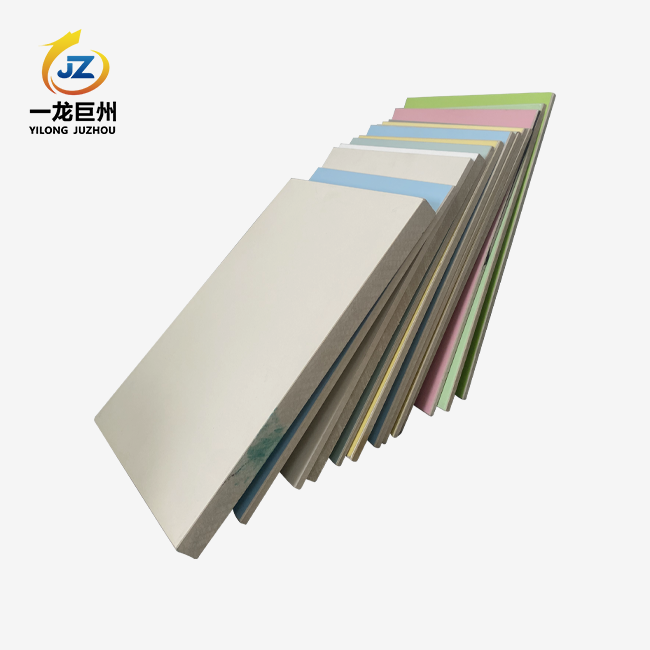
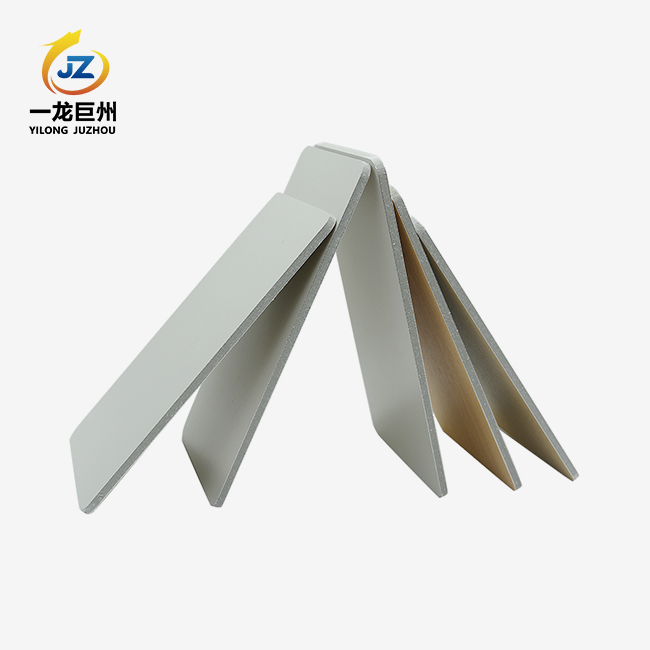
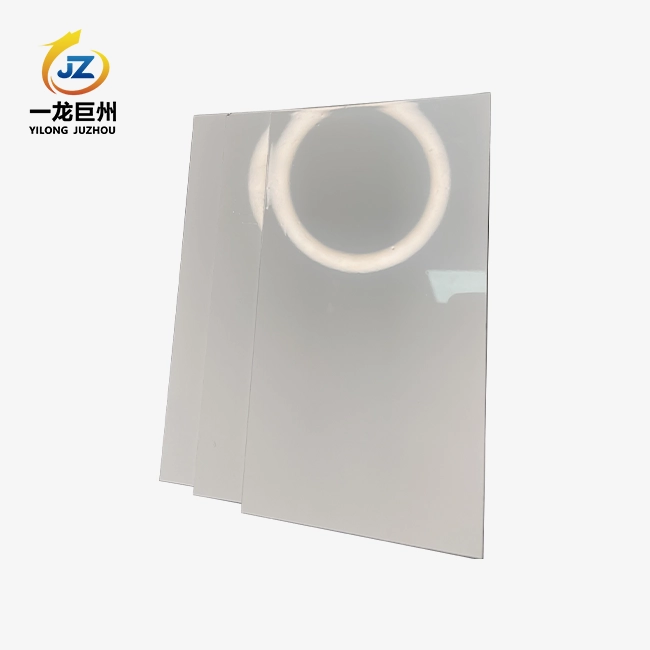
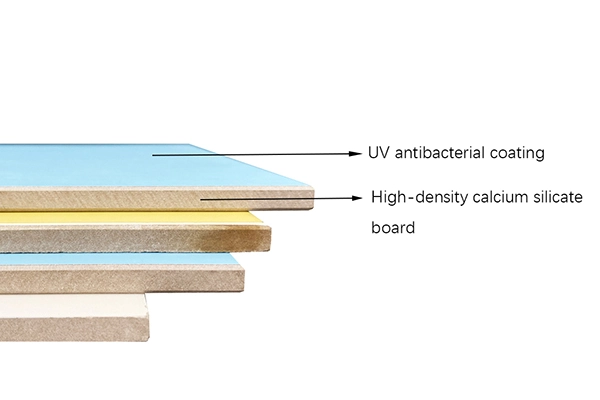
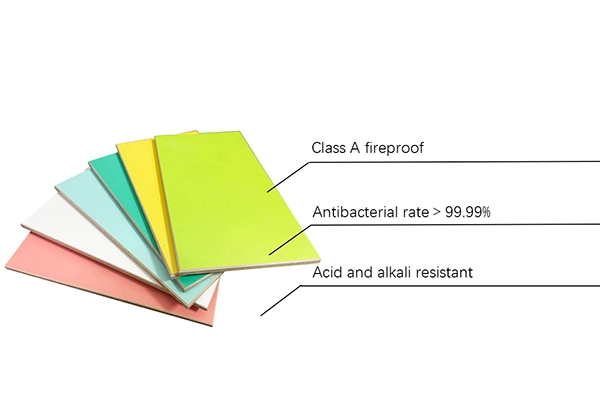
Antibacterial wall panels have antimicrobials built right into their structure or on the surface. Some common technologies are photocatalytic titanium dioxide, zinc pyrithione compounds, and silver ion (Ag+) additives. These can be mixed into the polymer matrix or painted on using UV-cured antibacterial paint. These chemicals break down bacterial cell membranes, stop enzymes from working, and stop DNA replication. They are 99.99% effective against common pathogens like Staphylococcus aureus and Escherichia coli. Modern panels usually have a calcium silicate board core with a UV antibacterial painting or PVC film layer on top. This design is both stable and good for keeping things clean. Through the UV curing process, a thick, non-porous surface is made that doesn't let water through and stops biofilm formation, which is how bacteria usually colonise surfaces in damp places.
Core Hygiene Benefits
The health benefits of antimicrobial wall panels go beyond just being easy to clean. These panels, Medical antibacterial wall panels, protect for a long time and don't need energy or human help to do their job. They create a clean barrier around important areas. The non-porous surface gets rid of grout lines and tiny cracks where dirt and germs can hide in regular tiles. The antibacterial coating makes maintenance a lot easier because it cuts down on how often harsh chemicals need to be used for cleaning. Facilities can switch from harsh biocidal cleaners to gentler detergents, which will make the panels last longer and save money on maintenance. This benefit is especially important in hospital settings where the turnover of cleaning staff and adherence to rules can affect how well infections are controlled. Following health and environmental rules is still very important. Panels that meet the GB8624 non-combustible Class A fire resistance standards and have no benzene content meet both safety and environmental requirements.
Comparing Antibacterial Wall Panels with Traditional Wall Solutions
Traditional Materials and Their Limitations
Painted plasterboard is still the most common interior finish in business buildings because it's cheap to install, but it doesn't work well in places with a lot of moisture and movement. Paint surfaces are porous, so they soak up water and need to be repainted often after being cleaned up. Ceramic tile with grouted joints gives germs a lot of places to live, and the grout breaks down when cleaned with chemicals, so it needs to be replaced every few years, which can be expensive. Stainless steel is easy to clean and is commonly used in food processing, but it gets dents and scratches easily, which over time make it less hygienic. The material is also more expensive and can't be changed in how it looks, so it can't be used in public areas like hospital halls or school hallways. Fiber-Reinforced Plastic (FRP) panels keep out water but don't have any active antimicrobial qualities, so they only stop contamination passively and don't stop bacteria from multiplying.
Comparative Advantages of Antimicrobial Cladding
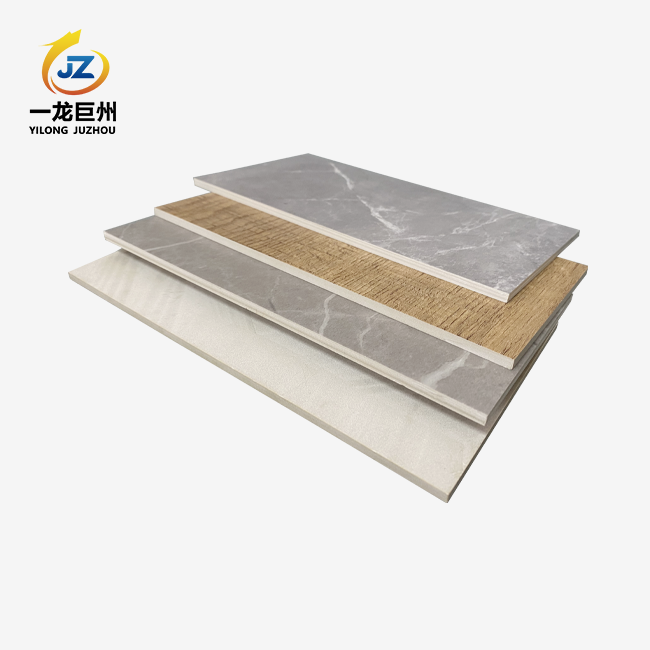
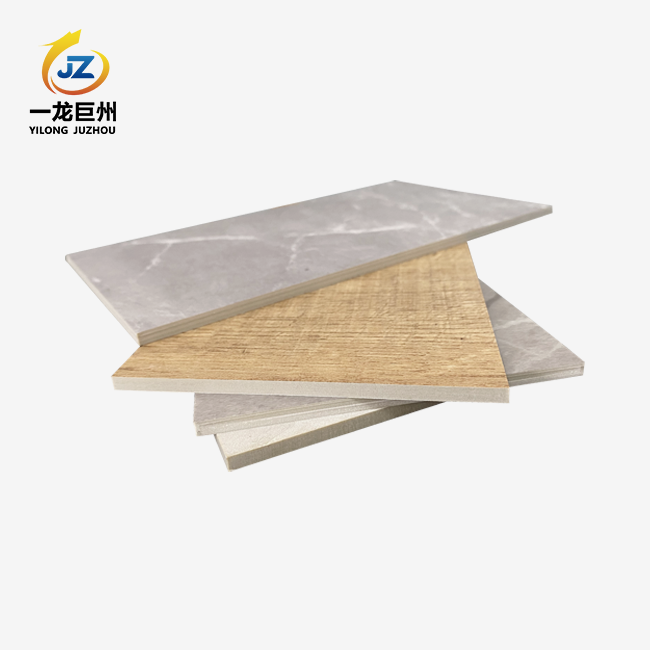
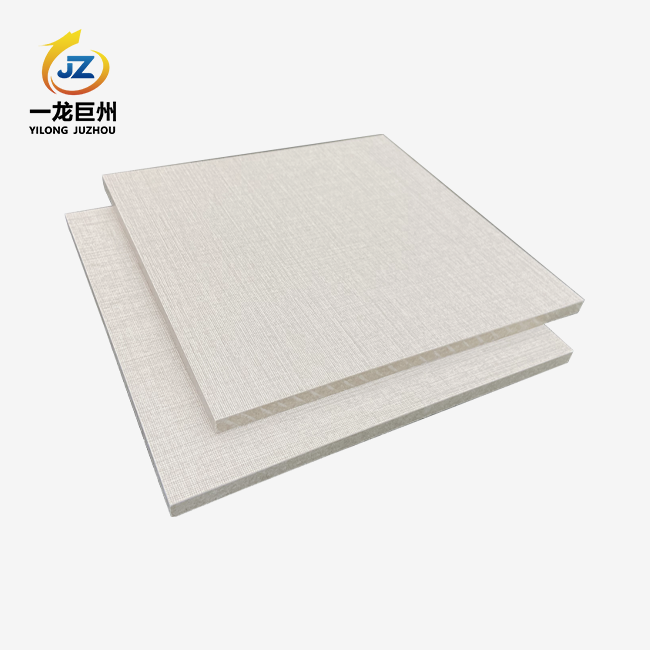
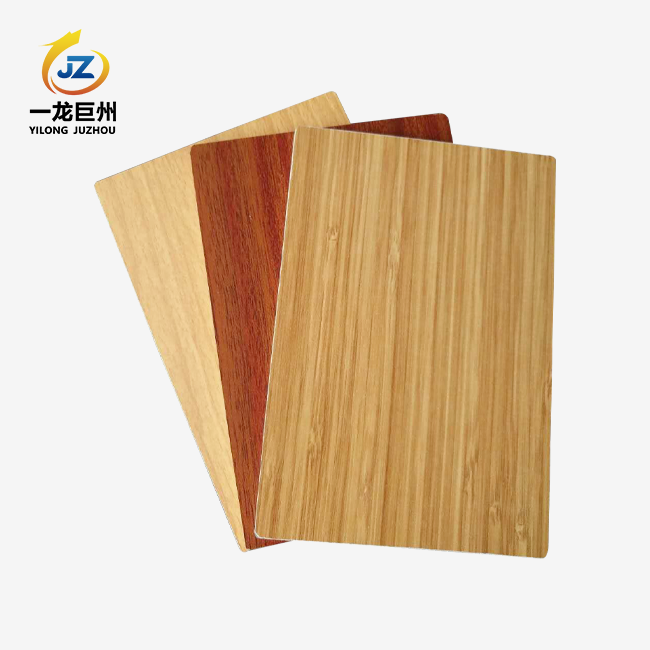
Antimicrobial wall cladding systems fill in holes in performance in a number of areas. They are resistant to impact, which is important for places with a lot of foot traffic, and they are also resistant to moisture, fire, and microbes. Panels come in a range of thicknesses, from 4.5 mm to 20 mm, to meet different structural and sound needs. Standard sizes of 1220 mm width and up to 3050 mm height cut down on seam counts and installation time. Another big benefit is that the panels are very flexible when it comes to design. Antimicrobial panels today come in solid colours, woodgrain patterns, marble finishes, metallic textures, and cloth patterns. This lets builders keep their design goals without lowering hygiene standards. This versatility is especially helpful for healthcare facilities that want to make patient rooms feel like a relaxing hotel while still following strict infection control rules. An analysis of the lifecycle costs of different options shows that antimicrobial panels are more cost-effective when considering the lower number of times they need to be cleaned, the longer time between replacements, and the avoided liability related to infections. If you use traditional materials to build a pharmaceutical cleanroom, you might have to deep clean and fix the surfaces every six months. But antimicrobial panels keep their protective properties with regular upkeep, which saves you money over ten years of use.
Selecting the Right Antibacterial Wall Panels for Your Business Needs
Performance Standards and Certifications
Panels must be judged by procurement teams based on the Medical antibacterial wall panels performance standards that are specific to their business. Testing for antimicrobial effectiveness according to ISO 22196 or JIS Z 2801 standards shows that bacterial reduction rates are real in healthcare settings. In hospitals and schools, fire resistance certification under GB8624 Class A or ASTM E84 Class A makes sure that building codes are followed. In food processing and pharmaceutical manufacturing, where chemicals and hot water are used to clean equipment every day, moisture resistance performance is very important. Panels should be resistant to mould growth and keep their shape even when exposed to high humidity for a long time. Impact resistance testing shows that the material won't crack or dent when gurneys hit it in hospital hallways or when carts hit it in business kitchens.
Customization and Technical Support
Standard product specs are not enough for large-scale installations to go smoothly. With OEM and ODM possibilities, facilities can choose custom sizes, edge profiles, and integration details that work with the building systems that are already in place. For example, a hospital renovation might need panels with recessed areas for handrails or electrical outlets. A food factory, on the other hand, might need custom corner treatments that get rid of horizontal surfaces where dirt and dust can gather. Technical support during the specification phase is very helpful when turning regulatory requirements into product choices. Manufacturers who give help with design, testing of samples, and installation training help make sure that projects are successful. Companies with two production bases, like those in Shaanxi and Guangdong provinces, close to major ports, offer a more reliable supply chain and faster delivery times, which are very important for building projects that are completed in stages.
Cost Considerations and Procurement Strategy
When purchasing things on a budget, buyers have to weigh the initial prices of the materials against the savings and lower risks they will experience in the long run. Bulk purchasing deals often offer big price cuts, especially for builders working on multiple projects at once or institutional clients who want to do renovations in stages. Standard stock of 50,000 square meters makes it possible to finish projects quickly, while 3–7 day production times for custom specifications keep schedules flexible. The total cost of ownership is affected by warranty terms and help after the sale. Three-year quality guarantees keep products from breaking down too soon, and companies that offer installation expert services lower the risk of using them incorrectly, which could lower their antimicrobial effectiveness. By getting free samples before making a full purchase, you can test the product on-site in real-life working conditions, making sure it meets cleaning standards and aesthetic standards.
Implementation and Maintenance Best Practices for Optimal Hygiene
Installation Guidelines
Proper installation directly impacts the long-term hygienic performance of antimicrobial panels. The quick pressure strip installation method simplifies the process, allowing crews to work efficiently even in occupied facilities. Surface preparation begins with ensuring walls are clean, dry, and structurally sound, with any moisture issues resolved before panel application. Seam treatment requires particular attention because gaps between panels create opportunities for moisture intrusion and microbial colonization. Heat-welded or chemically sealed seams provide hermetic barriers appropriate for critical hospital decoration antibacterial wall panel environments like operating rooms. Panel corners should receive thermoformed treatments or purpose-designed corner pieces that eliminate sharp edges and horizontal ledges where debris accumulates. Installation teams benefit from factory training on proper techniques, fastener spacing, and integration with flooring and ceiling systems to create continuous hygienic envelopes.
Maintaining Antimicrobial Effectiveness
Routine maintenance preserves the panels' protective properties while extending service life. Daily cleaning with neutral pH detergents removes surface soiling without degrading the antimicrobial coating. Facilities should avoid abrasive scrubbing pads or scouring powders that can scratch the UV-cured surface, creating microtexture where bacteria can attach. Periodic inspection identifies areas of wear or damage requiring attention. High-contact zones around door frames, light switches, and handrails may need more frequent assessment. Minor surface scratches typically do not compromise antimicrobial function since the protective agents are distributed throughout the coating layer rather than only on the surface. Damaged panels can be individually replaced without disturbing adjacent sections, minimizing disruption to facility operations. The odorless, zero-VOC properties of properly installed panels mean rooms remain immediately usable after maintenance, avoiding the downtime associated with painting or tile work.
Real-World Applications and Case Studies
Healthcare Facility Infection Control
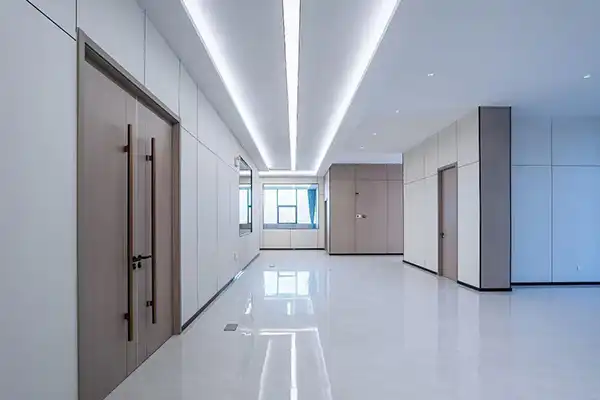
Operating rooms, intensive care units, and patient wards face constant pressure to reduce Healthcare-Associated Infections, which affect millions of patients annually and carry substantial legal and financial consequences. A metropolitan hospital system implementing antimicrobial wall cladding in surgical suites documented a measurable reduction in surface contamination during routine environmental sampling. The panels' seamless integration with ceiling and flooring systems created a fully enclosed sterile environment that simplified cleaning protocols and reduced custodial labor hours by approximately 15%. The impact resistance proved particularly valuable in high-activity areas where equipment carts and beds frequently contact walls. Traditional painted surfaces required touch-up every few months, while the antimicrobial panels maintained their appearance and function after two years of intensive use. The hospital's infection control team noted the psychological benefit of visible cleanliness, with patients and families expressing greater confidence in facility hygiene standards.
Food Processing and Commercial Kitchen Environments
Compliance with HACCP and FSMA rules requires food preparation areas to be very clean. A bakery in the area had problems with mould growing on painted concrete block walls in production areas with a lot of moisture. After putting in moisture-resistant antimicrobial panels with UV antibacterial coatings, the building passed all of its health inspections without any sanitation violations. The panels' chemical resistance meant that acidic and alkaline cleaners could be used without damaging the surface, and the non-porous finish got rid of the grout maintenance issues that came with their old tile installation. Production managers said that daily washdowns took less time, and there were fewer unplanned pauses for cleaning after contamination scares. Antimicrobial cladding paid for itself in three years by keeping output from going down and cutting down on cleaning costs.
Educational and Public Infrastructure
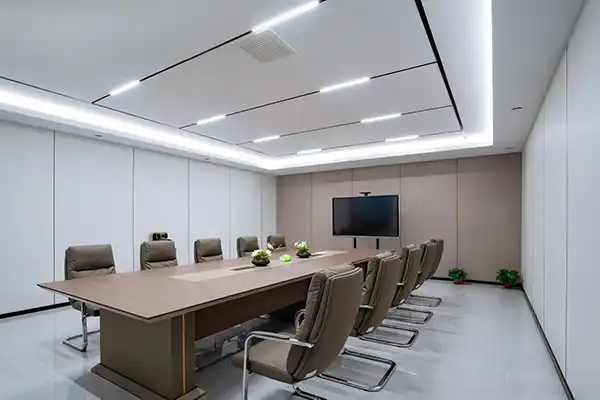
Every day, thousands of people visit places like schools, tube stops, and shopping malls. These are all places where hospital decoration antibacterial wall panels, where surface hygiene has a direct effect on public health. A school district decided to replace damaged painted drywall in classrooms and cafeterias with antimicrobial panels because they are both resistant to vandalism and keep germs from spreading. The panels were strong enough to withstand student activity while also stopping the spread of common respiratory and gastrointestinal pathogens. The maintenance staff liked how easy they were to clean, especially during flu season, when stricter cleaning procedures used to require a lot of extra hours. The panels' varied looks let the district keep an inviting look by giving them woodgrain and solid colour choices that went well with the school's unique architecture. Parents and people in the neighbourhood could see that the facilities had been improved, which made them think that the district cared about the health and safety of its students.
Conclusion
Antimicrobial wall cladding systems are a smart investment for places where cleanliness has a direct effect on operational success, legal compliance, and the trust of stakeholders. Traditional wall finishes have major flaws that these panels fix by combining active microbial inhibition with durability, resistance to moisture, and design freedom. When purchasing, professionals look at these options, they should put performance certifications, manufacturer expert support, and lifecycle cost analysis higher on the list of priorities than just comparing the prices of materials. If you follow the right steps for installation and upkeep, it will work for a long time. In the real world, it works better at preventing contamination and running more efficiently in healthcare, food processing, and public infrastructure.
FAQ
1. How long does the antibacterial effectiveness last?
The antimicrobial properties in quality panels remain effective throughout the product's service life, typically 10-15 years, because the active agents are integrated throughout the coating layer rather than applied only on the surface. UV-cured antibacterial coatings resist degradation from cleaning chemicals and maintain their 99.99% bacterial inhibition rate even after years of use.
2. Can antibacterial panels be installed over existing walls?
Installation over existing walls is possible when the substrate is structurally sound, dry, and properly prepared. The quick pressure strip mounting system allows application directly to drywall, concrete block, or other stable surfaces without extensive demolition, reducing renovation costs and project timelines while minimizing disruption to occupied facilities.
3. Are these panels safe for environments with vulnerable populations?
Antimicrobial panels meeting environmental protection standards contain no benzene or volatile organic compounds, making them safe for hospitals, schools, and other sensitive environments. The UV curing process creates a dense surface that prevents substrate outgassing, allowing immediate room occupancy after installation without odor concerns or air quality impacts.
Partner with YILONG JUZHOU for Your Antimicrobial Wall Panel Requirements
YILONG JUZHOU specializes in engineering antimicrobial wall panels that Antibacterial wall panels deliver proven performance across healthcare, food processing, and institutional applications. Our dual production facilities in Shaanxi and Guangdong provinces maintain 50,000 square meters of stock inventory and offer 3-7 day custom production timelines, ensuring your project stays on schedule. As an established antibacterial wall panels manufacturer, we provide comprehensive OEM and ODM services, free sample customization typically delivered within 3-5 days, and three-year quality guarantees backed by technical installation support. Our calcium silicate board panels with UV antibacterial coatings meet GB8624 Class A fire resistance standards while achieving 99.99% antibacterial rates and maintaining zero-VOC environmental safety. Contact our team at cnyang2000114@gmail.com to discuss your specific requirements, request samples, or receive technical guidance on selecting the optimal solution for your facility.
References
1. Centers for Disease Control and Prevention. "Guideline for Environmental Infection Control in Health-Care Facilities." Atlanta: U.S. Department of Health and Human Services, 2019.
2. Sehulster, Lynne, and Raymond Y. W. Chinn. "Guidelines for Environmental Infection Control in Health-Care Facilities." Morbidity and Mortality Weekly Report, Vol. 52, 2003.
3. International Organization for Standardization. "ISO 22196:2011 Measurement of Antibacterial Activity on Plastics and Other Non-Porous Surfaces." Geneva: ISO, 2011.
4. U.S. Food and Drug Administration. "Food Safety Modernization Act (FSMA): Sanitary Design Principles." Washington: FDA, 2020.
5. Weber, David J., et al. "Role of Hospital Surfaces in the Transmission of Emerging Health Care-Associated Pathogens." American Journal of Infection Control, Vol. 38, 2010.
6. National Fire Protection Association. "NFPA 101: Life Safety Code, Interior Finish Requirements." Quincy: NFPA, 2021.