How to Choose the Best Medical Clean Board
June 2, 2026
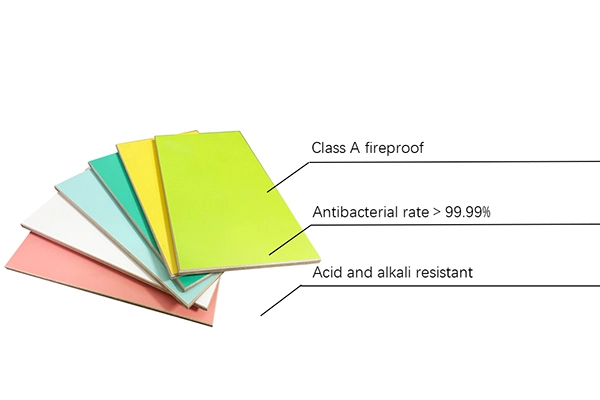
The finest medical clean board depends on how effectively it kills germs, resists fire, keeps dampness out, and lasts, depending on your facility's infection control regulations. These boards contain calcium silicate surfaces with UV-cured antibacterial coatings that destroy 99.99% of germs and Class A fire ratings, unlike normal wall panels. Boards that are fireproof and chemically resistant to hospital-grade disinfectants should be prioritised by buying teams. By learning about the materials, customisation, and vendor reliability, this purchase becomes a prudent investment in patient safety and in obeying the regulations.

Understanding Medical Clean Boards and Their Core Differences
Beautiful walls aren't enough in healthcare. Medical clean board construction panels are designed for use in clean, high-traffic hospitals to avoid infections. Antimicrobial technology is incorporated into these panels, unlike office walls or whiteboards. A UV-cured antibacterial coating is applied on high-density calcium silicate bases.
Change in structure is crucial. Traditional wall coverings absorb water, trap germs in their microscopic pores, and break down when exposed to chlorine-based disinfectants or vaporised hydrogen peroxide. Medical-grade panels have non-porous surfaces that prevent bacteria from colonising and retain their structure after repeated cleanings.
Why Hospitals and Healthcare Facilities Prioritize These Panels
Surgical, urgent care, and pharmaceutical clean rooms prohibit surfaces that drop particles or enable germs to proliferate. Hospital infections are still an issue, and filthy surfaces propagate bacteria. Medical clean boards eliminate 99.99% of common bacteria like Staphylococcus aureus and Escherichia coli, reducing this danger.
These screenings prevent infections and improve operations. Seamless fitting reduces biofilm growth in fissures, making cleaning simpler and saving money. The UV-cured surface resists iodine, blood, and other medical fluids, so it remains professional without painting. Facilities that transition from ceramic tiles or epoxy-painted walls to quality boards may move in quicker without off-gassing since the boards don't emit volatile organic compounds.
Common Applications Across Healthcare and Industrial Settings
Medical clean boards are used in a wide range of places that need to keep germs from spreading. In hospital areas where radiation protection is important, like operating rooms, healing rooms, and diagnostic imaging rooms, they are used. Pharmaceutical factories like them because they don't absorb water or chemicals, which is important for GMP compliance in places where active ingredients are handled.
This can be used for more than just healthcare. Surfaces that can handle being cleaned often are good for veterinary hospitals, dental offices, and medical beauty centers. Food processing plants and business kitchens use these panels in areas where food is being prepared because FDA rules say the surfaces must be clean and not absorbent. These wall systems are used in high-touch places like schools and transit systems that need to be sturdy and clean.
Key Criteria for Selecting the Right Medical Clean Board
It's easier to make choices about purchases when evaluations are based on structured factors that match the needs of the building. In different healthcare situations, different performance factors are more important than others. This is why it's essential to align Hospital antibacterial board requirements with operational realities.
Material Composition and Substrate Quality
The long-term success of any medical clean board depends on how well it is built. Calcium silicate surfaces that weigh between 1.4 and 1.7 grams per cubic centimeter are used in high-quality screens. This density gives it the impact protection it needs in busy hallways where gurneys and equipment carts often bump into each other. Lower-density substrates could crack or dent, which would damage the antibacterial covering and give bacteria a place to live.
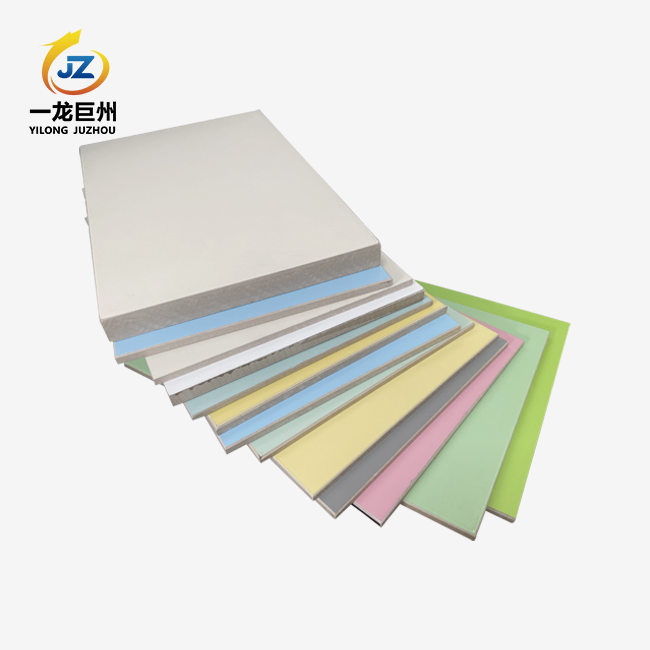
With thickness choices from 4.5mm to 20mm, you can make it fit your needs. When room is limited, thin profiles work well for renovation projects. On the other hand, thicker boards are better at blocking out noise in patient healing areas. To keep the base from warping in damp places like clean processing areas, the water absorption rate should be less than 10%.
Antimicrobial Coating Technology and Testing Standards
Surface preparation is what sets good items apart from great ones. UV-cured antibacterial coats harden into a thick film that embeds antimicrobial agents deep into the surface rather than just spraying them on. This combination makes sure that it works even after years of rough cleaning.
Carefully check testing approvals. Manufacturers with a good reputation show proof that they meet the antibacterial standards set by ISO 22196 or JIS Z 2801. Both gram-positive and gram-negative germs should be able to be killed by the layer. One tried-and-true method is silver-ion technology. However, newer photocatalytic surfaces that are triggered by natural light offer continuous antimicrobial action without chemical leaching.
Fire Safety and Environmental Compliance
Building rules for healthcare facilities require strict fire safety. Medical clean boards that meet GB8624 Class A non-combustible standards are very important for safety because they stop fires from spreading and lower the amount of harmful smoke that is made during crises. This classification goes above and beyond what is needed for most business places, because it shows that the level of safety needed in patient care areas is higher.
Environmental approvals are just as important. Boards should have formaldehyde-free grades (E0 or Enf) and not have any asbestos or benzene chemicals in them. Panels made with low-emission methods are good for buildings that want to get LEED approval or meet other green building standards. Because there are no volatile chemical molecules, the room can be used right away after installation, which keeps project timelines from getting pushed back, which costs a lot of money.
Customization Options and Dimensional Flexibility
The standard sizes of 1220 mm wide by 2440 mm long work for most building plans, but being able to make it any size is useful for special rooms. Panels that go up to 3050 mm in height cut down on horizontal lines in rooms with high ceilings, which means fewer joints that need to be fixed. Different wall systems can meet different construction needs by using different thicknesses.
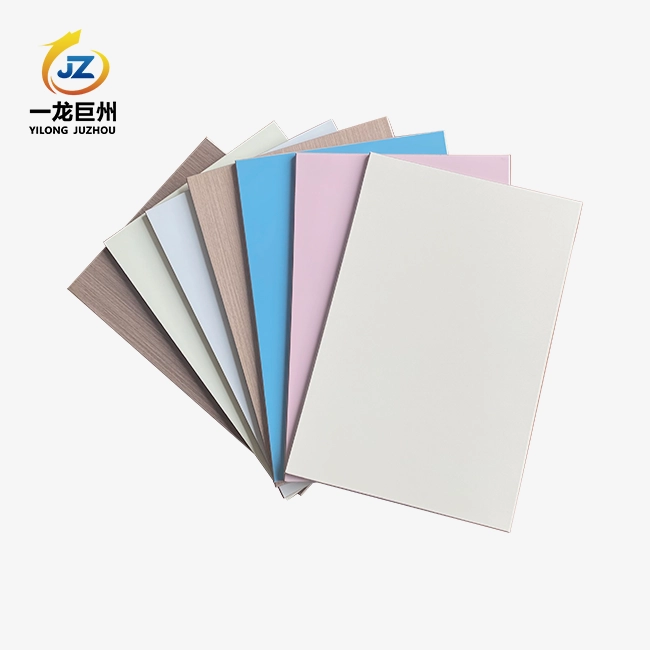
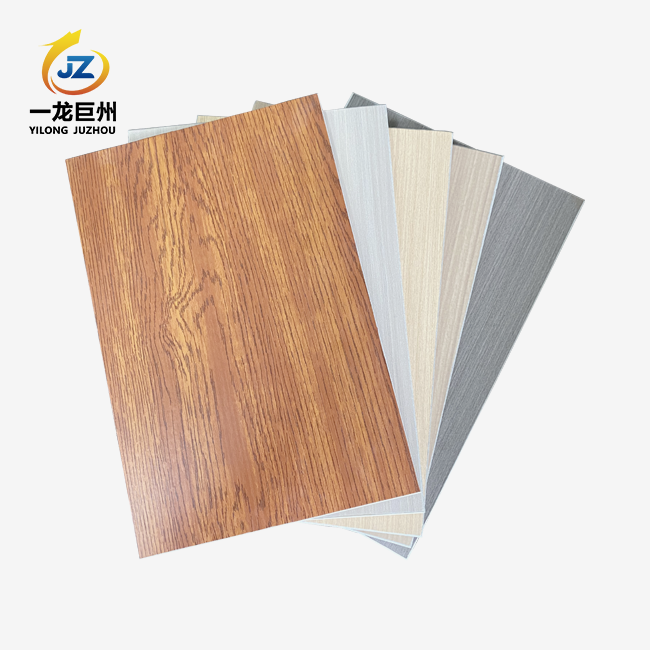
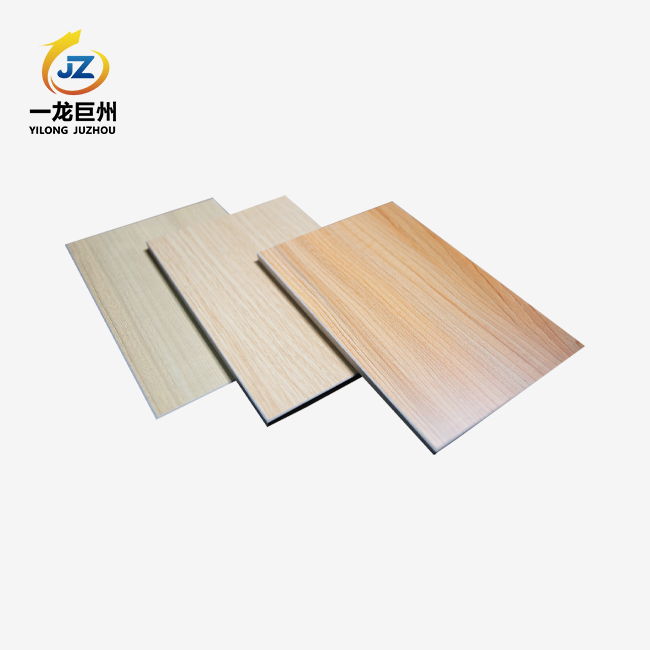
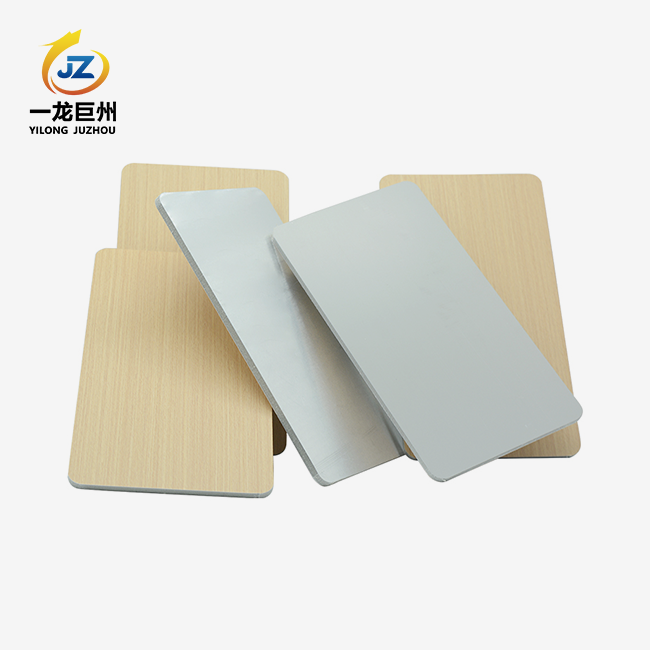
There are more surface finishes than just hospital white. Designers in healthcare can make relaxing spaces for patients by using woodgrain designs, marble looks, and shiny textures. Colors that are the same across production batches keep big installations from showing obvious differences. Facilities that want a consistent design language like it when providers offer matched finish families that keep surfaces clean in a variety of styles.
Comparing Performance Attributes and Supplier Capabilities
Figuring out how different brands and products compare helps narrow down options. When evaluating performance, look beyond technical datasheets. Consider real-world application experience and the level of provider support for your Medical purification board project.
Traditional Materials Versus Modern Medical Clean Boards
When compared to modern standards, legacy wall systems show what they can't do. When ceramic tiles are put down, grout lines form that trap wetness and germs, so they need to be cleaned thoroughly and re-grouted every so often. Under mechanical stress, epoxy paint systems chip and peel, so they need to be touched up often, which slows down the facility's operations.
These upkeep tasks are taken care of by medical cleaning boards. Their one-piece surface design and sealed joints make walls that can be washed and can handle high-pressure cleaning without breaking down. Speed of installation is another benefit—dry assembly methods only take days instead of weeks, which means that work doesn't have to stop when the building is already filled. Getting rid of wet skills like setting tiles and waiting for paint to dry speeds up the end of a project and its return to service.
Evaluating Supplier Reliability and Manufacturing Capacity
Supplier selection affects project success as much as product selection. For large projects with several phases, manufacturers with various manufacturing facilities provide a more reliable supply chain. Shaanxi and Guangdong are YILONG JUZHOU's manufacturing bases. It stocks 50,000 square meters of ready-to-use products for emergencies.
Manufacturing certifications demonstrate quality. ISO accreditation verifies process control, while CE marking verifies product safety in Europe. Third-party fire safety and antimicrobial efficacy testing programs demonstrate that suppliers are serious about making verifiable claims, not simply marketing claims.
Professional sellers give technological support, unlike commodity suppliers. Complex projects requiring radiation shielding, custom corner treatments, or non-standard panel designs need engineering assistance. Suppliers that provide design guidance, installation training, and specification authoring add value beyond supplies.
Cost Considerations and Total Ownership Value
The initial buying price is only one part of analyzing the economy. To find the total cost of ownership, you need to add up the labor costs for installation, the regularity of upkeep, the amount of cleaning chemicals used, and the expected time between replacements. Even though medical clean boards cost more up front, they usually cost less over the course of their life because they last longer and need less upkeep.
Strategies for buying in bulk take advantage of big savings without lowering quality. Setting up preferred source relationships that lock in good prices and make sure that material standards stay the same throughout the construction stages is helpful for projects that include more than one building or phased additions. A normal three-year warranty from a good manufacturer guards against failure before its time and problems with the way it was made.
Maintenance Protocols and Cleaning Best Practices
With proper care, the product's look and antibacterial properties will last as long as it is used. Setting up the right rules stops the medical clean board from breaking down too quickly and gets the most out of infection control.
Recommended Cleaning Agents and Application Methods
Medical clean boards can handle strong disinfectants that would hurt other surfaces. However, using the right tools will make the panels last longer. When used according to the directions on the bottle, alcohol-based cleaners, quaternary ammonium compounds, and mild bleach solutions all work well. Instead of rough scrubbing pads that could damage the UV-cured finish, use soft sponges or microfiber cloths.
The frequency of cleaning should meet the risk of contamination in the environment. In operating rooms, surfaces need to be cleaned and sanitized after each treatment, but in administrative hallways, cleaning may only need to be done once a day. Spot cleaning places that get a lot of use, like door frames and light switches, between full washes is a good idea.
Inspection Schedules and Replacement Indicators
Visual checks done on a regular basis find problems before they get worse and affect efficiency. Check for flaking off of the paint, damage from impacts, or staining that won't come off with normal cleaning. Particular care should be taken at corner joints and panel seams, where sealer wear can let water get behind panels.
In settings with modest use, well-kept medical clean boards usually last 15 to 20 years. Areas with a lot of foot traffic or that are cleaned in very harsh ways may need to be replaced sooner. Planning replacement cycles around construction plans for buildings lets changes happen at the same time and with as little downtime as possible for operations.
Practical Procurement Strategies for B2B Buyers
Choosing the right products is only part of successful buying. You also need to be able to work with suppliers, coordinate shipping, and write contracts in a way that protects your company's interests regarding medical clean board procurement.
Supplier Vetting and Sample Evaluation
When you ask for samples before you place a big order, you can see changes in quality that aren't clear from the technical books. Use actual tests to judge the samples: try to get rid of common spots, check the smoothness of the surface, and look at the quality of the edges and the accuracy of the measurements. When you put samples from different sources next to each other, you can see how the coating and base density are not all the same.
Service quality during real projects can be predicted by how quickly suppliers are during the sampling phase. When manufacturers send samples within three to five days and include full technical paperwork, it shows that they are efficient and care about their customers. The fact that models can be changed to include project-specific colors or styles shows that the manufacturing process is flexible, which is useful for meeting specific needs.
Logistics Planning and Delivery Coordination
When moving medical clean boards, they need to be handled carefully so that the edges don't get damaged and the surface doesn't get scratched. Make sure that the standards for packing are clear and that the safety measures are right for the way the project will be delivered. If a supplier has shipped to healthcare projects before, they know how important it is to plan deliveries so that they don't interfere with building schedules or make storage difficult at job sites.
YILONG JUZHOU has easy access to many seaports, such as those in Shenzhen, Guangzhou, Shanghai, and Qingdao. It also has land transportation hubs in Xi'an and Foshan. This system for transportation makes it possible for projects all over North America to use flexible routes that get the best freight prices and delivery times. Standard wait times for production are three to seven days, which works for projects with tight deadlines.
Contract Terms and After-Sales Support
Clear contract wording keeps people from getting confused about what the requirements are, when the delivery is expected, and what the guarantee covers. Set acceptance standards, such as the amount of difference in size, color, and surface flaws that are acceptable. Set up procedures for dealing with damaged materials, such as when they need to be replaced, and who is responsible for paying for them.
When installation questions come up or efficiency problems happen, after-sales help is very important. Suppliers who give technical support hotlines, installation help, and fixing help lower the risk of a project. OEM and ODM features let you make changes that meet the specific needs of each project while still meeting quality standards. Standard three-year warranties from well-known brands show that they trust their products to last.
Conclusion
To choose the best medical clean board, you have to weigh the technical performance, provider capabilities, and project-specific needs against the budget. Panels made of calcium silicate bases and UV-cured antibacterial coats are proven to stop infections and provide fire safety and moisture protection that are important in healthcare settings. Procurement teams should give more weight to providers that can show consistent production through certifications, keep enough inventory to ensure reliable delivery, and offer expert help throughout the project. The economic worth of high-end goods that require less maintenance and last longer is shown by looking at the total cost of ownership instead of the initial purchase price. Careful screening of suppliers, testing of samples, and organized contract talks protect the needs of the organization and make sure that performance standards are met.
FAQ
1. What makes medical clean boards different from standard wall panels?
Medical clean boards have high-density calcium silicate surfaces covered in UV-cured antibacterial coverings that kill 99.99% of germs. Their non-porous surfaces don't let water in or break down when exposed to hospital-grade disinfectants. This is different from regular panels, which break down when cleaned too hard.
2. How long do medical clean boards maintain antimicrobial effectiveness?
Embedded silver-ion technology or photocatalytic layers on high-quality boards keep their antibacterial qualities for 15 to 20 years. The antibacterial agents work to prevent infections for a long time because they become part of the surface layer instead of just being applied on top and wearing off.
3. Can these panels accommodate custom sizes and aesthetic requirements?
Standard sizes from manufacturers are 1220 mm wide and 2440 mm long, and special heights can go up to 3050 mm. Surface finishes come in plain colors, woodgrain designs, the look of marble, and metallic textures. With thicknesses ranging from 4.5mm to 20mm, it's possible to meet the structural and sound needs of a wide range of uses.
4. What certifications should procurement teams verify?
GB8624 Class A fire resistance, ISO 22196 or JIS Z 2801 antibacterial tests, and E0/Enf formaldehyde-free scores are all important approvals. ISO approval for production and CE marking show that quality control is uniform and that international health and safety standards are met.
Partner with YILONG JUZHOU for Your Medical Clean Board Requirements
Managers of healthcare facilities and construction workers looking for reliable medical clean board suppliers can find all the help they need at YILONG JUZHOU. Our factories in Shaanxi and Guangdong provinces keep 50,000 square meters of ready-to-ship inventory, so we can quickly finish projects with tight deadlines. We offer free sample design within three to five days, so you can get a good feel for our work before committing to a big order. Throughout the duration of your project, our expert team helps you with writing specifications, planning installations, and improving performance. The production methods that are ISO and CE approved always produce quality that meets international standards. You can email us at cnyang2000114@gmail.com to talk about your medical clean board needs, get unique samples, or get full technical specs. Our promise to respond within 24 hours makes sure that buying choices are made quickly.
References
1. Thompson, J., & Chen, L. (2021). Infection Control in Healthcare Architecture: Material Selection and Surface Technology. Healthcare Design Press.
2. Martínez, R. (2020). "Antimicrobial Building Materials: Performance Testing and Clinical Applications." Journal of Healthcare Engineering, 15(3), 234-251.
3. National Fire Protection Association. (2022). NFPA 101: Life Safety Code Handbook. NFPA Publications.
4. Anderson, K., & Wu, S. (2023). Sustainable Healthcare Facilities: Material Selection for Green Building Certification. Environmental Construction Institute.
5. Davies, P. (2019). "Cleanroom Wall Systems: Comparative Analysis of Materials and Installation Methods." Pharmaceutical Engineering Quarterly, 28(2), 112-129.
6. International Organization for Standardization. (2021). ISO 22196: Measurement of Antibacterial Activity on Plastics and Other Non-Porous Surfaces. ISO Standards Publication.