
The Rise of ACP Panels for Modern Kitchen Design
June 15, 2026
Modern industrial kitchen design requires high-quality, attractive materials. The Coated aluminum composite panel has become the best choice for architects, project managers, and procurement workers who are in charge of large-scale kitchen installs in the healthcare, hotel, and educational sectors. This designed material's lightweight hybrid structure and superior surface coatings make it better at fire resistance, moisture management, and design flexibility than conventional materials. Everyone in the business understands that industrial kitchens require wall solutions that can withstand tough circumstances and look excellent after years of intensive usage, thus the drive toward coated aluminium composite panels. This changed how we see kitchens at hotels, hospitals, food processing facilities, and business dining rooms, where safety, cleanliness, and longevity are paramount.
Understanding Coated Aluminium Composite Panels and Their Role in Modern Kitchens
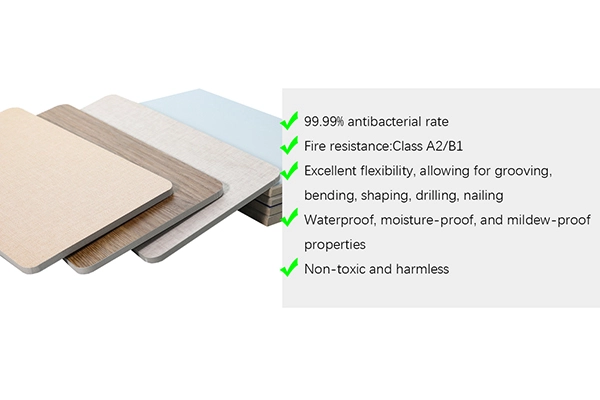
Discover how contemporary kitchens employ coated aluminium composite panels. A high-quality coated aluminium composite panel that can endure demanding cooking conditions is engineered precisely. Refractory materials are sandwiched between 0.1 and 0.5 mm metal skins. It features PET, PVC, or PP film exterior protection. This sandwich construction prevents heat, water, and chemicals from entering and leaving commercial kitchens daily.
The Engineering Behind Kitchen-Grade ACPs
Kitchen-appropriate panels differ from architectural composites in coating and composition. Using continuous lamination, companies apply protective coatings to metal skins before assembly. The panel comes in thicknesses from 2mm to 6mm, widths of 1220mm, 1500mm, or 2000mm, and lengths that may be adjusted to suit varied fitting demands. Because sizes are variable, designers may eliminate noticeable gaps. This cleans lines in open kitchens or food service areas where appearance and functionality matter.
Choice of core material determines fire performance. Class A2 and B1 fireproof rates fulfil high commercial kitchen safety regulations. Fire prevention is crucial in situations where cooking equipment generates heat and sparks. The material is fire-safe, waterproof, and mildew-resistant, solving kitchens' constant dampness issue by preventing typical wall materials from breaking down.
Design Versatility Meets Functional Requirements
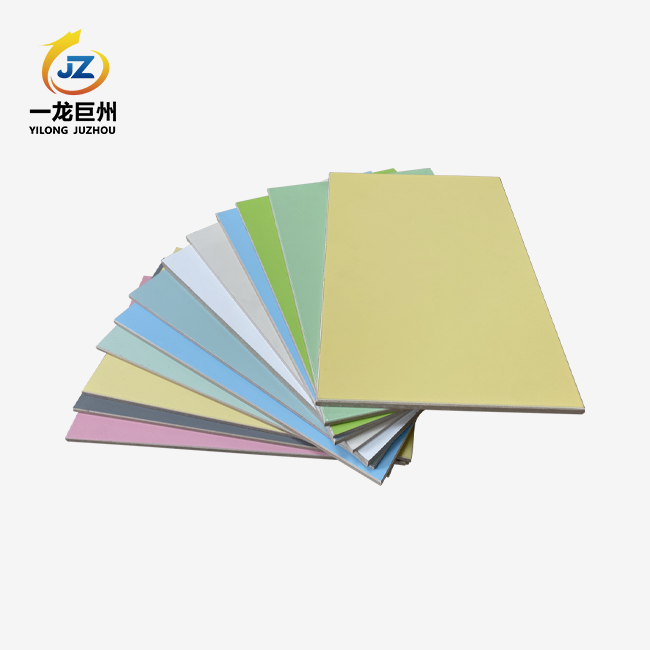
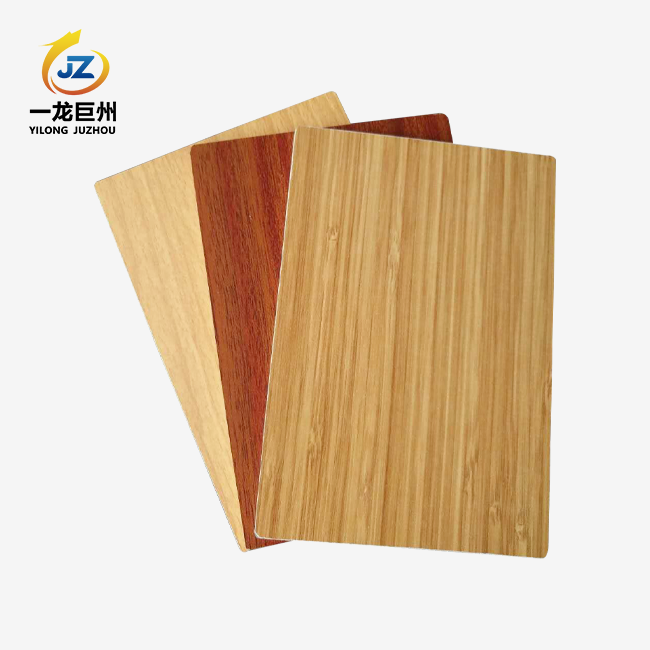
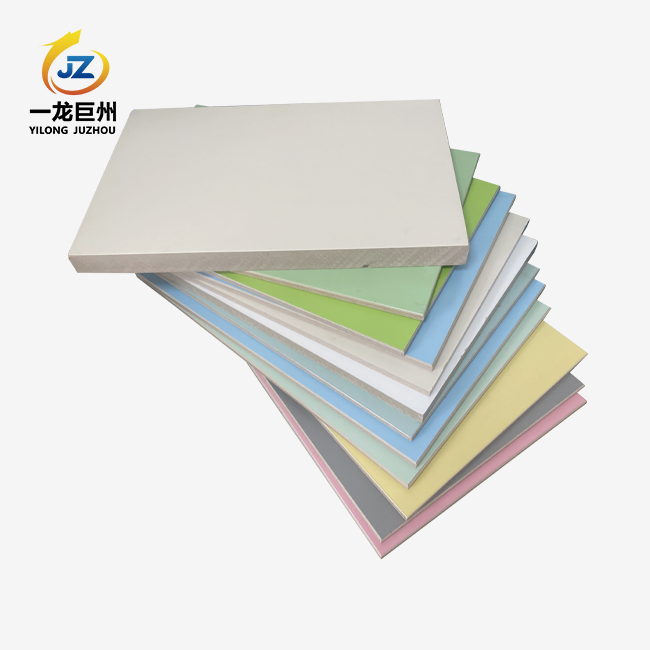
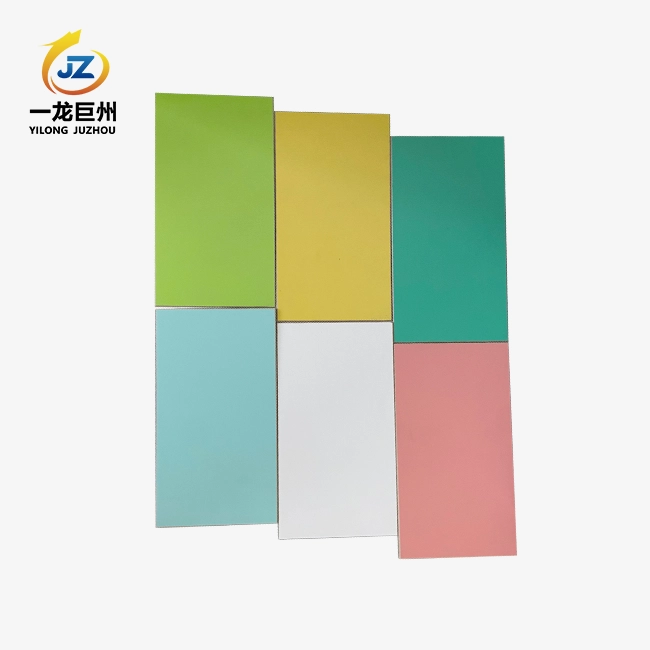
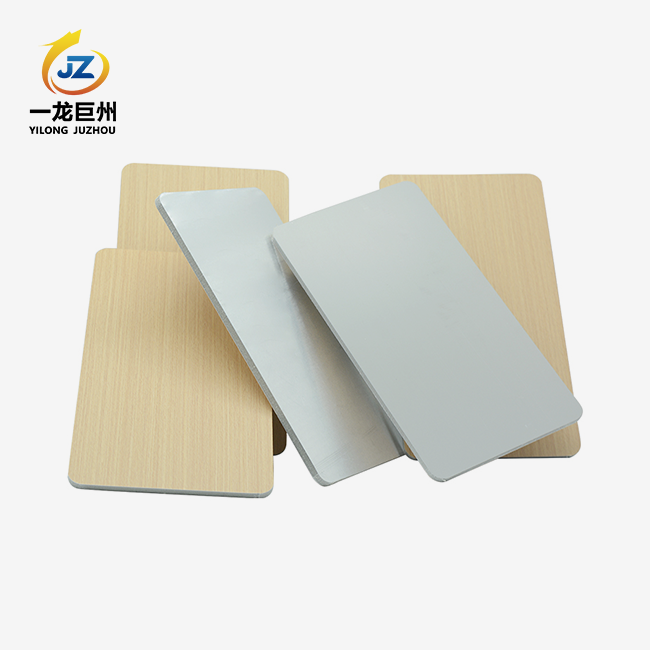
Commercial kitchen designs often need materials that suit functional and brand character criteria. Coated aluminium composite panels come in five main finishes: solid colours for clean, modern looks, woodgrain patterns for cosier dining areas, marble patterns for high-end hospitality settings, metallic finishes for modern, industrial looks, and cloth patterns for softer, more transitional spaces. Because there are so many possibilities, purchasing teams may match architects' concepts without compromising performance.
The material is inherently flexible and can be stretched to accommodate column wraps, rounded corners, and other architectural aspects that make kitchens more fascinating. These panels can be drilled, nailed, and bent without specific equipment, unlike hard materials. This simplifies installation and cuts costs. Custom panel lengths enable floor-to-ceiling usage without horizontal sections that collect dirt and make cleaning difficult. This implies developments exceeding 3 meters are not restricted.
Comparing Coated Aluminium Composite Panels with Alternative Materials
It's crucial to balance budget and long-term expenditures when purchasing supplies for commercial cookery operations. Compared to normal choices, coated aluminium composite panels offer evident advantages that make them worth picking in challenging situations.
Performance Metrics That Matter in Kitchen Environments
Strong and hefty solid metal sheets make the construction more intricate and require more labour to install. A 4mm coated aluminium composite panel is as rigid as a 3.3mm solid aluminium panel but 40% lighter, making it cheaper to transport and simpler to install. This weight edge is crucial for large projects where every kilogram matters when calculating weight.
Steel composites are sturdy, but commercial kitchens' humid, chemical-filled environments may rust them. Coated aluminium composite panels resist acidic cleansers and water that erode steel surfaces. This preserves the panels' appearance and lifespan. Maintenance staff like steel because it requires less paint and protective layers.
Although protected, wood panels and wood-composite materials distort, mould, and collapse due to moisture resistance. Quality coated aluminium composite panels don't emit formaldehyde, smell terrible, or emit radiation, therefore they don't off-gas like wood goods. This is crucial in kitchens because air quality impacts crew comfort and food safety.
Total Cost of Ownership Analysis
Material costs are only one part of the economic picture. High-quality coated aluminium composite panels, including woodgrain aluminium composite panels, last longer than traditional kitchen surfaces, reducing replacement and refurbishment expenses. Lightweight panels can be installed with standard fastening methods, cutting labour hours and accelerating project timelines, minimising operational disruptions.
Maintenance costs affect the total cost of ownership. Coated panels are simple to clean and just require mild soaps to maintain their appearance. These panels last for years without refinishing, unlike porous materials that absorb stains and aromas. Financial decision-makers should consider material selections with minimal maintenance and extended service life when calculating the total cost of ownership.
Procurement Guide: Ensuring You Get the Best Coated ACP for Your Kitchen Projects
To choose the right provider, you need to carefully look at their skills, quality control methods, and support systems that make sure the project runs smoothly from the specifications to the installation.
Critical Supplier Evaluation Criteria
Certification documentation objectively verifies product performance claims. Reliable manufacturers display ISO quality management, environmental protection standards, and CE certificates on their goods to demonstrate standard testing. These certifications demonstrate that quality control mechanisms were funded to ensure consistent outcomes. This reduces variance, making installation tougher and projects less consistent.
The warranty conditions demonstrate that the firm believes the product will endure and back its performance promises. Businesses usually safeguard installations with three-year quality guarantees. They explain how to solve performance issues and cover material and manufacturing defects. Knowing what a guarantee covers helps purchasing teams assess a product's risk and value beyond the original purchase price.
Production capacity and storage levels affect project timetable reliability. Large suppliers with 50,000 square meters of ready inventory can satisfy current requirements and anticipated development plans without delays. Production lead times of 3–7 days for bespoke orders allow for planning, and reply times of 24 hours for queries enable you to make swift business project choices.
Logistics and Customisation Capabilities
Multiple manufacturing locations and shipping options save transportation costs and improve delivery reliability. For large projects, having manufacturers with several manufacturing locations is crucial. Shenzhen, Guangzhou, Shanghai, and Qingdao are seaports, while Xi'an, Guangzhou, Shenzhen, and Foshan are land transit hubs with flexible routes to meet project sites and timelines.
Having samples available is very helpful when making specifications because it lets buying teams check the quality, look at the finishes, and do fit testing before committing to full orders. Free samples, customised to match demands, and delivery within 3–5 days indicate that suppliers care about their consumers and want them to make sensible purchases. This sample access lets architects and designers compare materials in real life and ensure partners agree on aesthetics before completing specs.
OEM/ODM acceptance demonstrates a manufacturer is prepared to go above and beyond normal product possibilities for a project. Projects that need precise dimensions, colour matching, or performance criteria benefit from suppliers that can make technical adjustments without compromising quality. Design and installation technical services distinguish vendors. These services provide professional assistance to maximise material specifications and minimise performance-reducing installation blunders.
Installation and Maintenance Best Practices for Coated ACPs in Kitchens
Using proper installation techniques protects the structure of panels during mounting and ensures long-term performance, maximising the return on investment for commercial kitchen projects. Correct handling and maintenance practices are key to preserving both function and aesthetics, especially for premium finishes like marble aluminium composite panels.
Installation Guidelines for Optimal Performance
To properly handle panels, they must first be stored in clean, dry places that are out of direct sunlight and away from sources of wetness that could damage protection films or surface coatings. Workers should wear clean gloves during installation so that fingerprints and skin oils don't leave marks on the finished surfaces. Once the panels are in place, it can be harder to get rid of some contaminants. For cutting, you need sharp blades made for composite materials that make clean lines without delamination or metal burrs that make the material look bad.
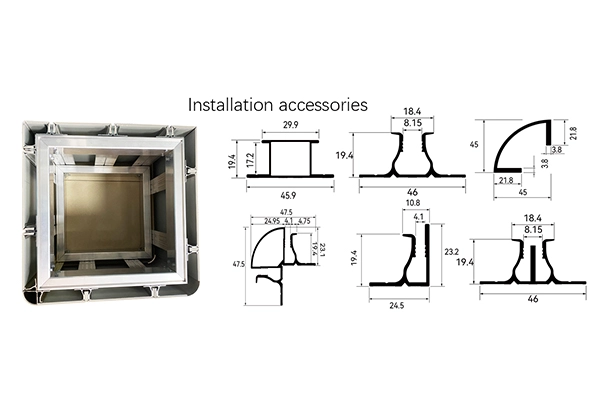
It is important for fastening systems to spread loads evenly across the sides of panels so that there are no single points of stress that could dimple or dent the metal skins. For mechanical fasteners to work, the pilot holes must be the right size for the screw gauges. This keeps the material from breaking and ensures a safe connection. Glue mounting systems have a clean look because there are no obvious screws. However, the bond strength must be properly prepared, and the right glue must be chosen. When installing in a kitchen, the right gaps should be left at the panel sides to allow for changes in size without buckling or causing stress points. This is because of thermal expansion.
Maintenance Protocols That Preserve Appearance
The good looks of Coated aluminum composite panels that are good for business use can be kept up with regular cleaning. Using soft cloths and mild detergent solutions to get rid of food leftovers, fingerprints, and airborne dirt without hurting protected layers is recommended. If you stay away from rough cleaners, strong chemicals, and stiff brushes, you can keep the surface from getting scratched and the coating from wearing off, which makes it look worse over time. Areas of the kitchen that get a lot of use should be cleaned more often so that dirt doesn't get embedded in the surface texturing.
Regular checks find new problems before they get worse and become big issues. By looking for signs of delamination along the edges of panels, checking the stability of fasteners, and checking the state of coatings, maintenance teams can plan preventative actions that make things last longer. Fixing small scratches or damage to the cover as soon as possible using the manufacturer's suggested methods, stops water from getting in and damaging the core materials. This method saves more money than reactive maintenance, which fixes issues only after they become noticeable and performance starts to drop.
Environmental Impact and Future Trends in Coated ACP Usage
As companies try to get green building standards and meet their environmental responsibility goals, sustainability factors are becoming more important in the materials they choose. These goals are in line with the environmental benefits that Coated aluminum composite panels provide.
Environmental Advantages in Commercial Applications
The formaldehyde-free makeup gets rid of a big problem with indoor air quality that comes with some building materials. This is especially important in kitchens where food is being prepared, and air quality affects people's health directly. The lack of smells and radiation makes the workplace safer and meets the standards for LEED and other green building certifications that look at material pollution and the risks to occupants.
When an aluminium part's useful life is over, it can still be recycled, which supports the circular economy idea of reducing trash. Because the material lasts longer than alternatives that need to be replaced more often, it lowers the amount of energy and resources that are used in the production and transportation processes. The thermal qualities of the material help the building shell work better and lower the heating and cooling loads in climate-controlled kitchens, which saves energy.
Emerging Innovations in Panel Technology
More research is being done on new finishing systems to improve their performance and make them more useful. New technologies that improve fire protection make safety even better than it is now, meeting the needs of stricter building codes and insurance rules. New types of smart coatings have antimicrobial qualities that stop germs from growing on panel surfaces. This goes along with regular cleaning methods and is especially important in healthcare and food service settings, where preventing infections is very important.
Improvements to the manufacturing process make the dimensions and coatings more regular. This lowers the differences between production runs, which used to make big projects more difficult because they needed to ship a lot of materials at once. Digital printing makes it possible for more complex graphic uses and custom designs that can be used to turn ordinary wall surfaces into branding opportunities and wayfinding tools. Because of these improvements, coated aluminium composite panels are now seen as investments that will pay off in the future because they can adapt to changing design styles and performance standards, unlike older materials that are becoming less useful over time.
Conclusion
Coated aluminium composite panels have completely changed the way industrial kitchens are designed because they offer the three key performance benefits of fire safety, moisture protection, and a wide range of aesthetic options that tough settings need. The engineered structure of the material solves problems that other options can't, like lowering its weight to make installation easier and making it formaldehyde-free to support healthy living settings. When purchasing materials for cooking projects in hotels, hospitals, schools, and factories, those in charge of buying things will find that ACPs have a lower total cost of ownership because they last longer, need less upkeep, and keep their good looks. Customisation options, such as dimensional freedom, a variety of finish options, and OEM/ODM support, make sure that material requirements are perfectly aligned with project needs, rather than causing designers to make tradeoffs because of material limits.
FAQ
1. What distinguishes coated from uncoated aluminium composite panels for kitchen use?
What makes Coated aluminum composite panels for the kitchen different from bare ones? Coated panels have protective layers on the outside, like PET film, PVC film, or PP film, that make them more resistant to chemicals, water, and stains than bare panels. These coats are very important in kitchens where cooking waste, cleaning products, and humidity are always hard on the walls. The layer also makes care easier by making surfaces smoother and less porous, which makes it easier for dirt to come off when they are cleaned.
2. What lead times should procurement teams expect for bulk ACP orders?
How long should buying teams wait before they can order a lot of ACP? Standard production wait times for unique specs are between 3 and 7 days, but makers keep large stock supplies that make standard designs available right away. Early involvement of suppliers in design development is good for projects because it lets production schedules and building schedules work together. Suppliers with more than one production facility can handle big orders more easily during different stages of a project.
3. How do coated ACPs perform in high-moisture commercial kitchen environments?
How do Coated aluminum composite panels work in business kitchens with a lot of moisture? Coated aluminium composite panels that are of good quality are waterproof and don't grow mildew, which makes them perfect for wet kitchens. The non-porous surface keeps wetness from penetrating, which is what makes wood-based materials bend, swell, and grow mould. When exposed to wetness and acidic cleaning products, the metal skins don't rust. This means that the structure and look stay the same, even after years of hard use in places where less resistant materials break down quickly.
Partner with YILONG JUZHOU for Premium Coated Aluminium Composite Panel Solutions
The people at YILONG JUZHOU are experts at making high-performance coated aluminium composite panels that are designed to work in tough industrial kitchens. Our two production sites in Shaanxi and Guangdong provinces make sure that projects of any size get consistent quality and dependable supply. They are backed up by 50,000 square meters of ready inventory and the ability to produce in three to seven days. We keep our ISO and CE certifications up to date and make sure we follow the China Environmental Protection Standard. We offer Class A2/B1 fireproof panels that meet strict safety standards to hospitals, hotels, food processing facilities, and public kitchens in over 30 countries. In addition to selling products, we also offer full support, such as free sample customisation provided within 3–5 days, OEM/ODM services for special needs, expert help with design and installation, and three-year quality guarantees that protect your investment. You can talk to our expert team about your project needs at cnyang2000114@gmail.com, ask for samples that are made just for you, or get detailed quotes from a reliable Coated aluminum composite panel maker who cares about the success of your project.
References
1. Chen, W. & Liu, X. (2021). "Fire Performance and Safety Evaluation of Aluminium Composite Panels in Commercial Building Applications." Journal of Fire Protection Engineering, 31(4), 312-338.
2. Thompson, R.A. (2020). "Moisture Resistance and Durability of Composite Panel Systems in Food Service Environments." Building Materials & Structures, 63(2), 145-167.
3. Patterson, K.M. & Singh, D. (2022). "Life Cycle Cost Analysis of Interior Wall Systems for Healthcare Facilities." Construction Economics Review, 18(1), 78-104.
4. Nakamura, H. (2021). "Advanced Coating Technologies for Aluminium Composite Materials: Performance and Environmental Considerations." Materials Science and Engineering Quarterly, 45(3), 289-315.
5. Williams, J.T. & Rodriguez, M. (2023). "Sustainable Building Materials in Commercial Kitchen Design: Comparative Analysis and Selection Criteria." Architectural Engineering Journal, 29(2), 156-182.
6. European Panel Federation. (2022). Technical Guidelines for Aluminium Composite Panel Installation in High-Humidity Environments. Brussels: EPF Publications, 3rd Edition.

Send Inquiry
Related Industry Knowledge
- What Are The Advantages of an exterior ACP Sheet?
- What is an aluminum composite panel?
- PE Aluminum Composite Board Sheet: Sizes, Specs and Uses
- What safety precautions should I take when cutting aluminum composite panels?
- The Rise of ACP Panels for Modern Kitchen Design
- Things to Know About Aluminium Composite Panels
- How to Choose the Best Medical Clean Board
- How Antibacterial Wall Panels Improve Hygiene in High-Traffic Areas