
What safety precautions should I take when cutting aluminum composite panels?
June 15, 2026
Safety is paramount while creating A2 Aluminum Composite panels, particularly those with fire-rated mineral cores. Use N95 or P100 respirators to block fine mineral dust, along with safety glasses, gloves, and ear protection. Ensure adequate airflow or dust collection systems are in place. Use diamond or carbide-tipped blades designed for composite materials to prevent dangerous breakage or kickback. Before cutting, secure the A2 Aluminum Composite panel, limit feed rates, and clear the work area of flammable materials to reduce the risk of sparks and fire.
Introduction
A2 Aluminium Composite panels are used in contemporary architecture, mainly for fireproofing and architectural options. A2 fire-rated panels' non-flammable mineral core makes them stand out. This makes them ideal for schools, hospitals, airports, and towering corporate buildings with rigorous safety standards. As a buyer, you should be aware of the hazards of cutting during production.
These high-tech materials emit microscopic particles from their mineral-rich core when cut. You need specific tools to prevent equipment breakage from flying bits and sharp edges. Business-to-business purchasers of panels for large projects should buy from authorised vendors with thorough safety advice. The article discusses industrial firm management and strategies for worker safety and commercial success. You'll learn how to prioritise safety in a manner that fulfils OSHA standards, reduces your chance of being sued, and completes the project.
Understanding the Safety Challenges When Cutting Aluminum Composite Panels
Material Composition and Unique Hazards
Polyethylene-core and A2 Aluminium Composite panels differ greatly. More than 90% of their bodies are inorganic rocks, usually aluminium or magnesium hydroxide. This is joined by two 0.1–0.5 mm metal skins. EN 13501-1 classifies this material as fire-resistant Class A2. However, cutting is difficult. Normal cutting tools wear very fast due to the rough, dense mineral core. It also produces fine dust that is unhealthy and hard to notice in small factories.
Mineral dust from A2 panels falls gently and is simple to discharge. Unlike polyethylene cores, which generate soft plastic shavings. Without proper protection, long-term contact might harm your lungs. Cutting metal skins rapidly creates sharp pieces and burrs that may cut or lacerate. Even if a panel is fireproof, cutting it the incorrect way might release heat that can ignite adjoining combustible items.
Regulatory Framework and Compliance Requirements
OSHA mandates workplace safety by eliminating recognised dangers. Cutting composites requires sophisticated tools and safety gear. To avoid dust irritation, maintain a workstation with air quality below 15 mg/m³ for total dust and 5 mg/m³ for respirable parts. The EU Machinery Directive and REACH require garbage and dust management. Businesses that acquire products must ensure that their manufacturers obey these regulations. If not, firms might be sued and projects delayed.
Environmentalism demands more than worker safety. Cutting dust must be collected and disposed of according to local waste regulations. Because aluminium composite waste may be reused, several localities segregate it from regular rubbish. Trash regulations must be explicit so everyone follows them. This aligns with green aims that healthcare and public infrastructure customers are seeking.
Essential Personal Protective Equipment for Cutting A2 Aluminum Composite Panels
Respiratory and Eye Protection
Lung protection is the most necessary PPE while producing mineral-core A2 ACP panels. For short-term tasks, use NIOSH-approved N95 respirators. For extended work or areas with poor airflow, P100 or powered air-purifying respirators are recommended. These respirators filter 99.97% of airborne particles, blocking fine mineral dust that ordinary masks cannot.
Your glasses or contacts should shield your eyes from minute and large dirt particles. Impact-resistant face shields improve safety for high-speed cutting. Secondary vents on safety glasses keep dust out while letting you see. Factory managers often require workers to wear goggles and face shields while making panels because metal shavings may fly.
Hand, Body, and Hearing Protection
ANSI/ISEA 105 Level A4 gloves protect your hands from accidental cuts from sharp panel edges or tools. Glove hands and fingers should be reinforced yet flexible for precision handling. Long-sleeved, tight-woven work clothing keeps skin clean and prevents cuts and scratches. Steel-toed safety shoes protect feet from falling panels or tools.
Hearing protection is required while cutting aluminium composite panels with power tools at 85 dB or higher. Earplugs or earmuffs that block out noise are needed while utilising circular saws, cutters, or CNC machines in industrial settings. Mineral dust is abrasive, and safety gear wears out more quickly than metal. Thus, procurement managers who establish industrial facilities should often alter PPE.
Best Practices and Cutting Techniques to Minimize Safety Risks
Tool Selection and Dust Extraction Systems
Choosing the right cutting tools is very important for both safety and getting work done on an A2 Aluminum Composite panel. Triple-chip grind saw blades with carbide tips can cut through the mineral core and metal skins without getting too hot. Diamond-edged blades save you time because they last longer, making up for the fact that they cost more at first. Your blade should be moving at the same speed as the maker suggests, so it doesn't get stuck or kick back. This is generally between 3,000 and 4,000 spins per minute for hand-held circular saws.
If your business works with A2 panels often, you need to have built-in dust collection tools. By putting extraction hoods right at the cutting edge, dust is collected where it starts and doesn't spread to other parts of the area. Before the clean air is sent back into the room, high-efficiency particulate air filters catch any fine particles that are in the air. If your business deals with a lot of stuff, you might want to get centralized dust collection systems with vents that lead outside. In this way, the particles will never get back into places where people are.
Step-by-Step Cutting Procedures
The first step in properly arranging a panel is to handle the job safely. Clamp panels to a stable cutting table with several points of contact so they don't move or jiggle while you cut. Make clear lines for cutting with a straightedge and a felt-tip pen. To make sure the numbers are right, think about the blade kerf width. Make sure the blade guards work and that there are no people or things in the way of the cutting before you turn on the tools.
During the cut, keep the feed rate steady and under control so that you don't push the tool too hard through the material. Too much pressure makes tools wear out faster and increases the chance that a panel will crack or stick. Before letting go of the pressure on the work, let the blade make one full pass. When you cut a panel into pieces, stress can build up and cause it to break as you touch it. Once you're done cutting, use a hand file or a deburring tool to make the edges smooth. Before the item is touched or put in place, this is done.
Post-cutting practices stress getting rid of the scrap and cleaning up right away. Before dust builds up and makes it dangerous to breathe or for housekeepers to trip over, quickly sweep or clean the work area. Put trash into bins that are made just for recycling. You can follow the rules for the environment and get money back for the things you used. Following these rules makes the workplace safer and more organized, which is good for the health of the workers and the success of the business.
Case Study: Successful Implementation of Safety Protocols in B2B Fabrication Settings
A well-known company in the Southeast of the US, which specializes in commercial building materials, faced a rising number of injuries while manufacturing A2 ACP boards. The plant produced roughly 15,000 square meters of A2 fire-rated panels every month for school and healthcare projects, but there were no formal safety protocols for handling mineral-core materials. Company officials engaged a safety expert to review the processes and implement comprehensive improvements.
As part of the intervention, diamond-tipped cutting tools were improved, dust collection systems were set up at each cutting station, and P100 respirators had to be worn by all factory workers. It was set up by the company so that workers could learn about the risks of different materials, how to properly wear PPE, and what to do in an emergency. The number of accidents that were recorded dropped by 63% in just six months, and productivity went up by 12%. This was because tools were being properly kept and dust was being controlled, which cut down on equipment downtime.
Checks for compliance 18 months after the program began showed that OSHA's allowed exposure limits were never broken and that proper trash management was always done. When the company bid on government contracts that needed safety plans to be written down, its better safety image put it ahead of other companies. Putting money into safety on a daily basis pays off in many ways. For example, it lowers workers' compensation costs, makes you look better to regulators, and improves your reputation with big buyers who put a lot of value on contractor safety records.
Choosing the Right A2 Aluminum Composite Panel Supplier for Safe and Efficient Operations
Certifications and Quality Standards
You should make sure that a provider has the right fire safety standards for the A2 Aluminum Composite panel grade before you choose them. A standard called EN 13501-1 or one like it, ASTM E84, says that panels must have surface fire performance of Class A2-s1, d0. Companies you can trust will give you test results from third-party, approved labs that show how much heat and smoke the product gives off and whether it can catch fire. It is important for Yilong Juzhou to keep its ISO and China Environmental Protection Standard licenses up to date. This makes sure that its products meet high standards of quality so they can be used in schools and hospitals.
You should look at more than just fire ratings. You should also look at mechanical traits that are important for safe making. The peel strength between the metal skins should be more than 7 N/mm so that they don't come apart when they are being cut and put together. Core densities of all panels should be the same, which is usually between 1.8 and 2.0 g/cm³. This keeps the cutting action the same from one batch of production to the next. Fabricators can make sure that the models they offer work with the tools they already have and figure out the best way to cut before making large orders.
Value-Added Services and Technical Support
Leading providers stand out because they offer more than just providing the goods. They also offer full expert help. Full manufacturing instructions with suggested tools, cutting speeds, and safety rules make it easy for business-to-business buyers to set up standard work processes quickly. Installing fire-rated assemblies is easy if you follow the steps in the installation directions. This way, field teams can keep the panel's approved performance traits.
Yilong Juzhou is a good example of this type of business because they offer OEM and ODM customization so that each project's needs are met. The company has plants in Shaanxi and Guangdong provinces and a stock room that is more than 50,000 square meters. This means that they can quickly fill urgent orders while making sure that all of their batches are of high quality. They are willing to give away free samples so that buying teams can fully test them before they buy large amounts. This lowers the project's risk and makes sure that the materials can be used with current ways of making things.
Procurement Strategy and Logistics Considerations
A competitive price for big sales is another important thing to look at. When a supplier can make a lot of the same thing, they can offer economies of scale that help projects make more money without lowering the quality. Customizations like non-standard sizes, special finishes, or color matching that don't match exactly can be planned for in clear price plans. This way, there are no budget shocks during project management. Yilong Juzhou lets you change the sizes to 1220mm, 1500mm, or 2000mm, and the lengths to up to three meters. This way, you can meet a lot of different design needs and make it easier to plan your purchases.
Logistics skills have a direct effect on how long a job takes and how well the supplies are kept. When suppliers have built relationships at major seaports like Shenzhen, Guangzhou, and Shanghai, they can speed up the export paperwork and container filling process. This makes it easier to ship goods around the world. With the right packing, panels can be kept safe from water and damage while being shipped. This keeps the quality of the product high and reduces the amount of waste that comes from damaged materials. If a provider promises a quick response time and clear delivery dates, as Yilong Juzhou does, it can help large school projects with staged building plans go more smoothly. This makes it easy for the teams that buy, build, and install to work together.
Conclusion
For safety, you need a full plan that includes the right safety gear, the right cutting tools, good dust control, and following the rules when cutting A2 Aluminum Composite panels. Since the heart is full of minerals, it is very fire-resistant. However, this comes with new risks that need to be understood and planned for. Some people who buy things for businesses need to look at more than just the product's specs. They also want to know how well the seller can deal with technology problems, make sure the quality is always the same, and handle shipping. When businesses protect their employees by giving them the right tools, training, and working with knowledgeable providers, they finish projects faster and keep their most valuable asset safe: their employees. If you use the advice in this guide, you'll be able to set up manufacturing methods that follow the rules, lower risk, and give both private and public clients the high-quality results they want.
FAQ
1. What makes cutting A2 panels different from standard aluminum composite panels?
Because their solid core is more than 90% man-made, A2 panels are much harder and rougher than polyethylene-core panels. To cut this mix, you'll need blades with carbide tips or diamond tips. Instead of soft plastic bits, it makes fine mineral dust. Most of the time, cutting tools and methods made for PE-core panels don't last long and don't make good cuts on A2 materials.
2. Can I use conventional dust masks when cutting these panels?
Not at all. When you're making an A2 panel, regular dust masks don't get rid of small mineral bits as well as they should. You should wear N95 respirators that have been approved by NIOSH at the very least. You should get a P100 or a powered air-purifying mask for longer jobs. These keep you safe from breathing in dust that can get through normal masks and hurt your lungs or have health effects that last for a long time.
3. How should I dispose of waste generated from cutting operations?
Make sure to put dust and trash in the right bins. A lot of metal composite trash can be reused or recycled. Get help from your local trash management or disposal center to learn how to properly deal with aluminum composite waste in your area. Metal trash needs to be kept separate from other trash in many places. Putting things away in the right way not only follows the rules, but recycling programs can also get things back to their original value.
Partner with YILONG JUZHOU for Premium A2 Aluminum Composite Panel Supply
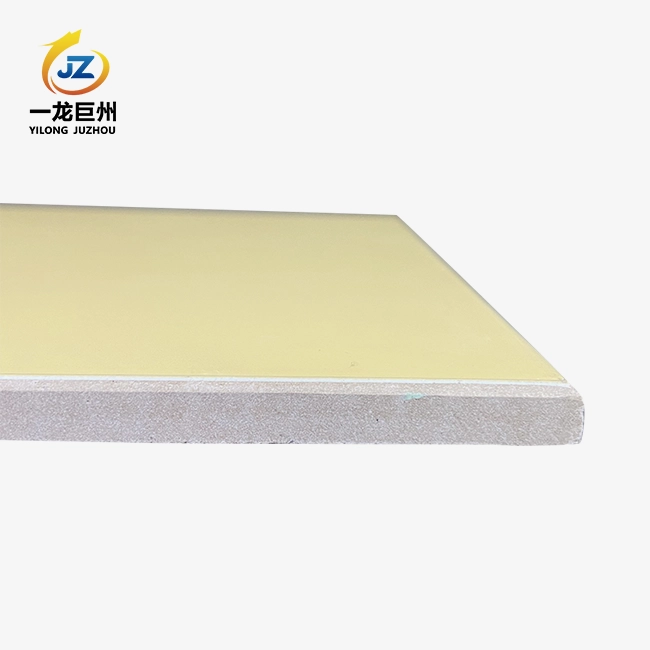
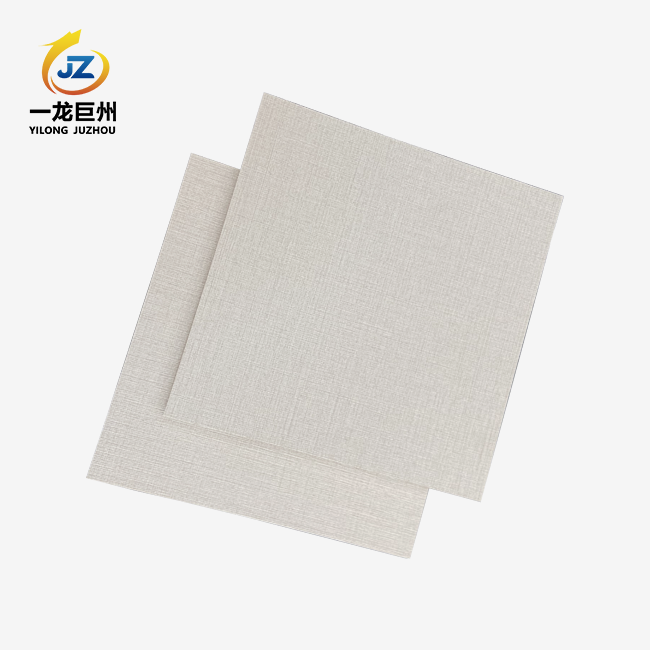
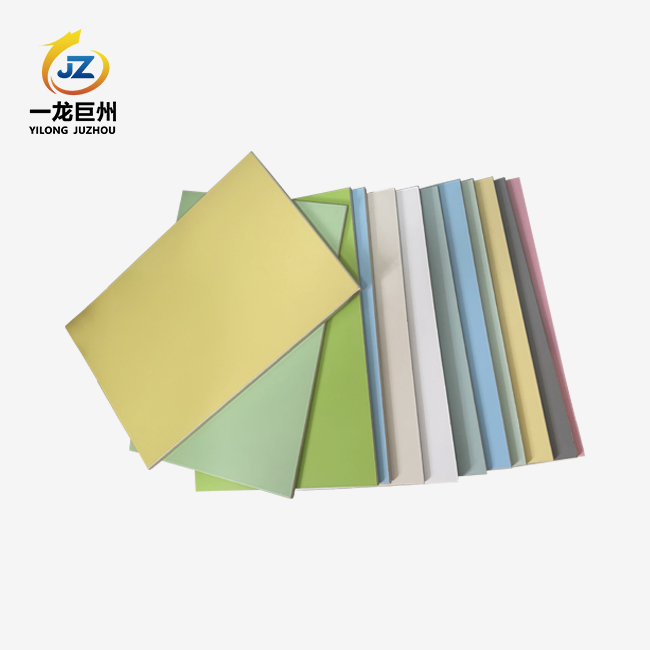
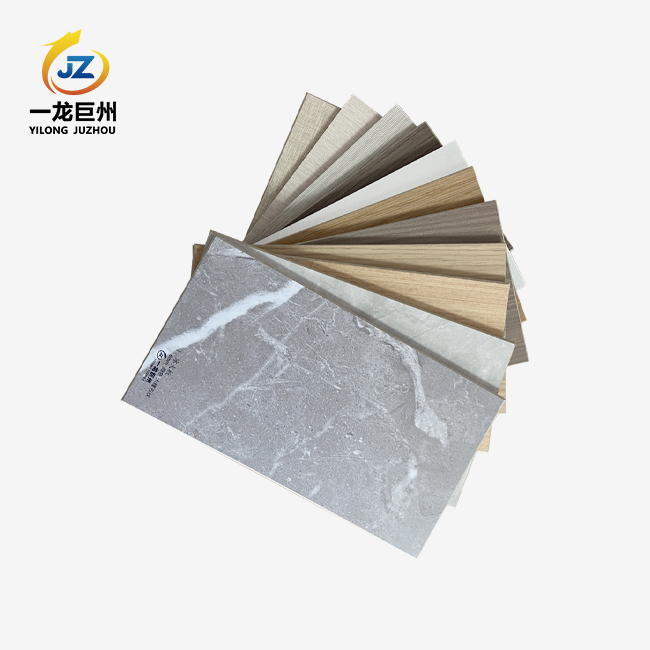
Quality and safety go hand in hand when you choose the right A2 Aluminum Composite panel provider for your business or project. YILONG JUZHOU combines advanced production skills with customer-focused service to offer fire-rated panels that meet Class A2 standards and give your project the flexibility it needs to be customized. The way our panels are made means they won't get wet. You can change the sizes and pick from different styles, like marble and wooden print. They are between 2mm and 6mm thick. From concept to installation, we help your fabrication team succeed with two production bases that promise a steady supply, free samples to make sure the project is going well, and full OEM/ODM services with a three-year quality warranty. Emailing cnyang2000114@gmail.com will let you talk to our technology experts about your needs and ask for samples. It's great to work with a skilled maker who cares about your project's safety, efficiency, and look.
References
1. National Fire Protection Association (2019). NFPA 285: Standard Fire Test Method for Evaluation of Fire Propagation Characteristics of Exterior Non-Load-Bearing Wall Assemblies Containing Combustible Components. Quincy, MA: NFPA Publications.
2. European Committee for Standardization (2018). EN 13501-1: Fire Classification of Construction Products and Building Elements - Part 1: Classification Using Data from Reaction to Fire Tests. Brussels: CEN Publications.
3. Occupational Safety and Health Administration (2020). Personal Protective Equipment Standards for General Industry. Washington, DC: U.S. Department of Labor.
4. American Society for Testing and Materials (2021). ASTM D1781: Standard Test Method for Climbing Drum Peel for Adhesives. West Conshohocken, PA: ASTM International.
5. Health and Safety Executive (2017). Control of Substances Hazardous to Health Regulations: Guidance on Working with Composite Materials. London: HSE Books.
6. International Code Council (2021). International Building Code Chapter 14: Exterior Walls and Fire-Resistance-Rated Construction. Washington, DC: ICC Publications.

Send Inquiry


Related Industry Knowledge
- What Are The Advantages of an exterior ACP Sheet?
- What is an aluminum composite panel?
- PE Aluminum Composite Board Sheet: Sizes, Specs and Uses
- What safety precautions should I take when cutting aluminum composite panels?
- The Rise of ACP Panels for Modern Kitchen Design
- Things to Know About Aluminium Composite Panels
- How to Choose the Best Medical Clean Board
- How Antibacterial Wall Panels Improve Hygiene in High-Traffic Areas