
Things to Know About Aluminium Composite Panels
June 15, 2026
The correct interior wall finish material for large corporate projects may affect price, time, and safety. Coated aluminum composite panels are the most popular material for healthcare, education, hospitality, and transportation architects, procurement managers, and construction planners. Aluminium composite panels with coatings are common. Designed sandwich constructions feature two carefully rolled metal coverings and a fire-resistant core. After being coated with protective film, they are resilient, flexible, and simple to install. Any company buyer dealing with today's tight requirements and high project standards must know what distinguishes high-quality coated panels from cheaper ones.
Understanding Coated Aluminium Composite Panels
What Makes Coated Panels Different from Standard ACPs
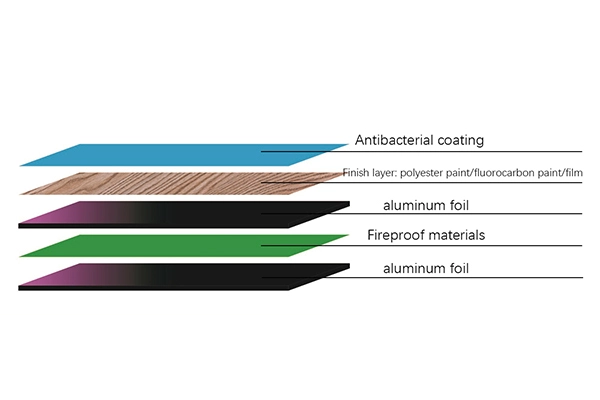
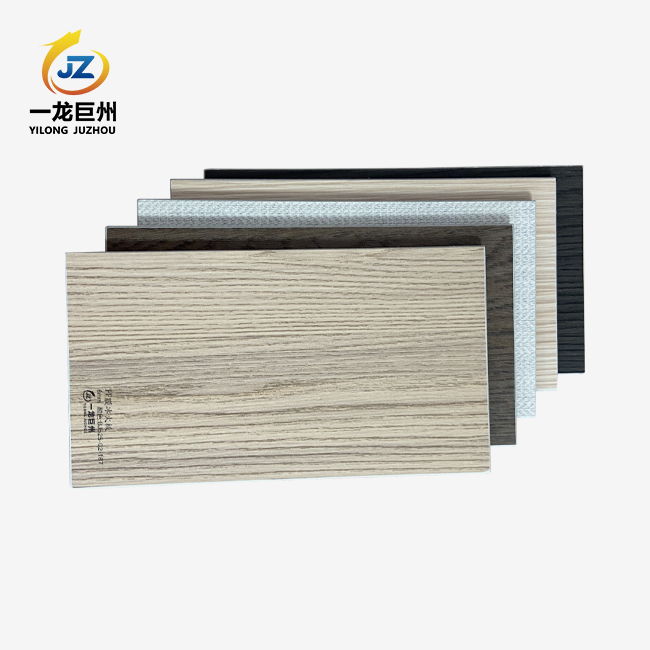
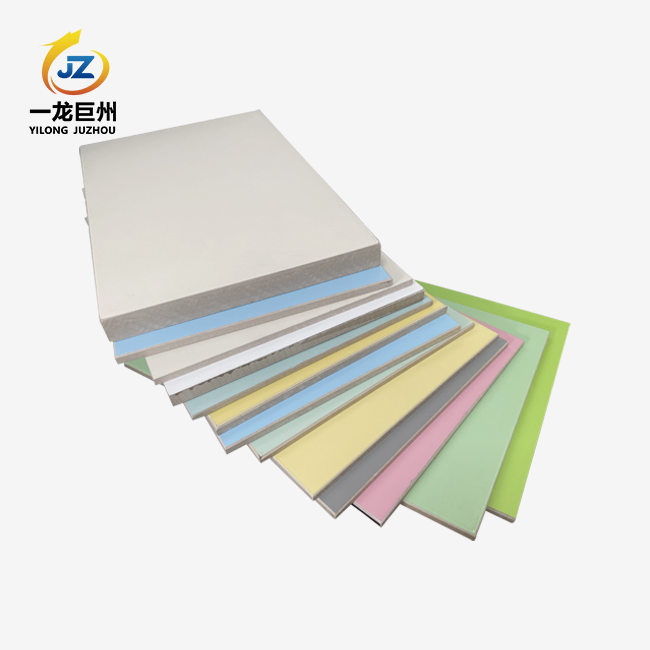
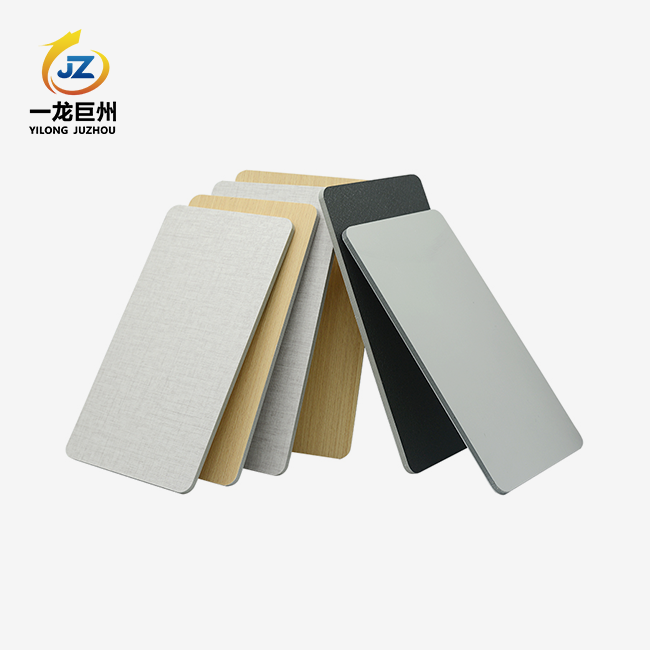
The multi-layer surface safety method of coated aluminium composite panels is unique. These panels are scratch-resistant, chemical-resistant, and simpler to clean than bare metal sheets because they contain PET, PVC, or PP surface films glued on during manufacture. Refractory materials are sandwiched between 0.1-0.5 mm metal skins in the core sandwich construction. This creates a lightweight, stiff panel system. This structure overcomes a common difficulty in high-traffic areas: maintaining the building's appearance while obeying fire safety requirements. The layer decorates and protects. It comes in basic colours or genuine woodgrain and marble designs and doesn't need maintenance like natural materials.
Manufacturing Process and Quality Control Standards
Before thermally binding surface layers under regulated temperature and pressure, continuous coil coating prepares metal sheets with chemicals. The fire-resistant cores are attached to the metal skins using innovative adhesive technology to increase peel strength beyond industry requirements. Quality manufacturers employ ISO-certified procedures to test each batch for fire safety, moisture resistance, and size stability. This stringent process distinguishes trustworthy vendors from those selling low-quality items that might break or fail safety assessments. Thus, a panel system is available in thicknesses from 2 mm to 6 mm, widths up to 2000 mm, and lengths up to 3 meters for seamless floor-to-ceiling installations.
Critical Specifications That Impact Performance
Your covered panel's performance depends on three technological criteria. Thickness affects panel stiffness and sound dampening. For high-impact areas like hospital pathways and school halls, 4mm to 6mm is optimal. The thickness of an aluminium skin impacts its shapeability and dent resistance. 0.3mm to 0.5mm skins may handle mechanical fastening and thermal expansion better than thinner ones. Maintenance and lifespan depend on the surface covering type. PET films withstand scratches better in public settings, whereas PVC films cover low-traffic areas cheaply. Understanding these standards helps procurement teams match product attributes to the setting requirements. Thus, they may prevent over-specification, which raises costs, and under-specification, which prematurely breaks down products.
Benefits and Uses of Coated Aluminium Composite Panels
Performance Advantages in Demanding Environments
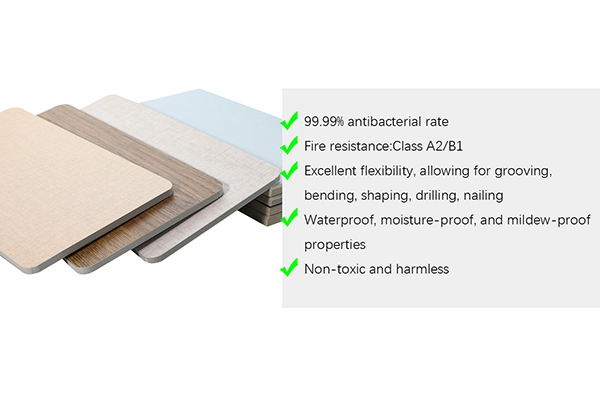
The structural and functional features of coated aluminium composite panel systems make them an excellent value. Since it's 40% lighter than solid metal, it requires less support and is simpler to install, particularly in retrofit work. Class A2 or B1 fire performance ratings fulfil building code standards in inhabited spaces, the key safety concern for public buildings, schools, and hospitals. These advantages are even more useful when considering the material's water, mould, and bacteria resistance. In hospitals, infection control requirements need surfaces that can be cleansed with chemicals repeatedly without breaking down.
Coated panels are flexible beyond their appearance. They may also be manufactured differently. Drilling, nailing, routing, and bending the material allows for complicated curved designs and combination mounting systems without specific equipment. It installs faster and cheaper than ceramic tile or stone flooring since it is easier to deal with. Procurement teams that combine performance and sustainability also include environmental credentials. Low-VOC, formaldehyde-free materials exceed green construction regulations, and their extended service life reduces replacement cycles and waste.
Real-World Applications Across Industries
Coated aluminium composite panels may serve numerous purposes in healthcare facilities. Use antimicrobial coatings on the exterior and moisture-proof cores to prevent mould growth in hospital halls, patient rooms, and clinical facilities. The smooth appearance and easy-to-clean surfaces prevent infections and reduce floor work. Schools favour impact- and graffiti-resistant coatings that keep surfaces looking excellent despite student activity and damage efforts.
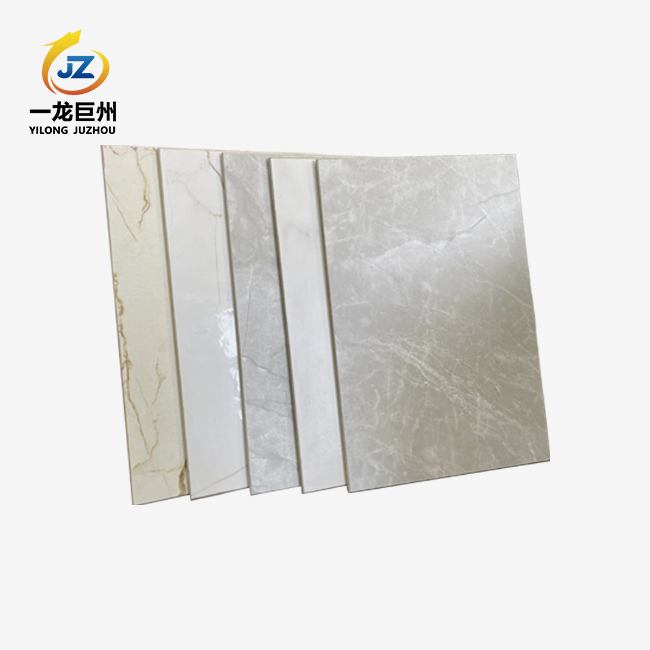
Fire-resistant and customisable with colours and patterns, these panels are used at airports, train stops, and subways for wayfinding. The material's vibration-dampening properties reduce noise transmission in busy regions. Woodgrain aluminum composite panels provide retail malls, office buildings, hotels, and conference centers with high-end appearances at a fraction of the expense of natural materials. Their ease of installation helps building plans stay on schedule. Surface patterns like authentic woodgrain and marble provide builders greater creative flexibility without the maintenance of actual materials.
Key Comparisons for Decision-Making in Procurement
Coated ACP Versus Alternative Interior Finishes
When buying, managers look at different material options; they need to be able to clearly compare results to back up their choices. Coated aluminum composite panel systems work better than regular gypsum board systems in damp places, so you don't have to worry about the paper facing falling apart and mold growing, which are problems that come with regular drywall. When compared to solid phenolic panels, coated ACPs offer similar longevity at much lower material costs while also giving you more design choices through the variety of surface patterns. Stainless steel coating is very easy to clean, but it costs three to four times as much and is heavier, which makes fitting more difficult.
When projects are on a tight budget, PVC wall panels are often used as a cheaper option. While PVC systems are cheaper to buy at first, treated metal composites are better at keeping fires out, resisting dents better, and lasting longer. The metal base keeps its shape even when the temperature changes, which can make PVC warp or bow, especially in warm places or rooms that haven't been conditioned. Coating technologies on good aluminum composites are also better than PVC surface treatments at keeping colors and not scratching easily. This lowers the cost of ownership over time by requiring less upkeep.
Evaluating Suppliers and Certification Requirements
To be successful in procurement, you need to choose manufacturers whose output skills have been checked and whose quality paperwork is clear. Check that the companies you're considering have ISO 9001 certification to show that they have good process control. Also, make sure that certain product lines have been independently tested for fire safety according to established standards. Manufacturers with a good reputation will give you technical data sheets with information like peel strength, fire rating, and environmental compliance. This is information that you need for application packages and getting building official approvals.
When deciding between domestic and foreign sourcing, you have to weigh the cost benefits against the difficulty of logistics and the availability of help. International sellers usually have good deals on large orders, but you have to be careful to coordinate container ships and wait a long time for delivery. Manufacturers with multiple production bases can make the supply chain more flexible. For example, companies with plants in both Asia and North America, like those in Guangdong and Shaanxi provinces, and good export logistics through major ports, can get the best delivery times while keeping quality standards high. Post-purchase support, such as installation instructions, maintenance schedules, and warranty response times, should be a big part of how suppliers are judged because they have a big effect on the success of a project after the materials have been bought.
Procurement Guide: How to Buy Coated Aluminium Composite Panels
Structuring Your RFQ for Accurate Quotations
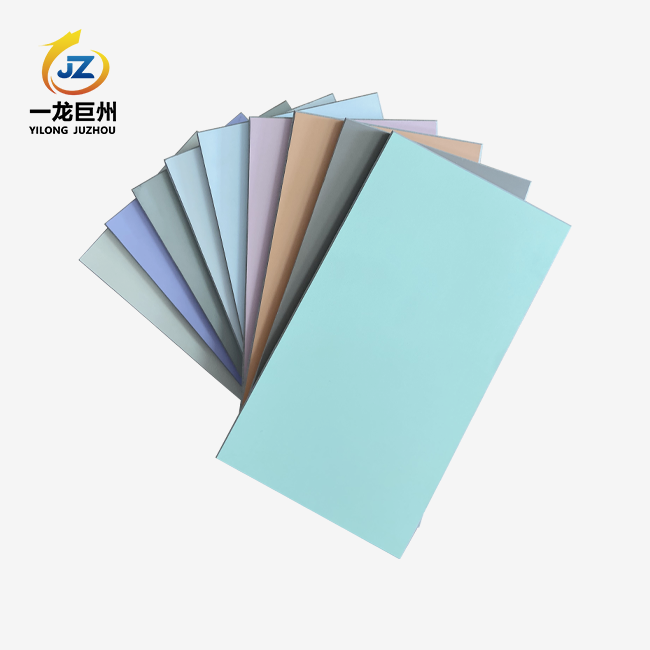
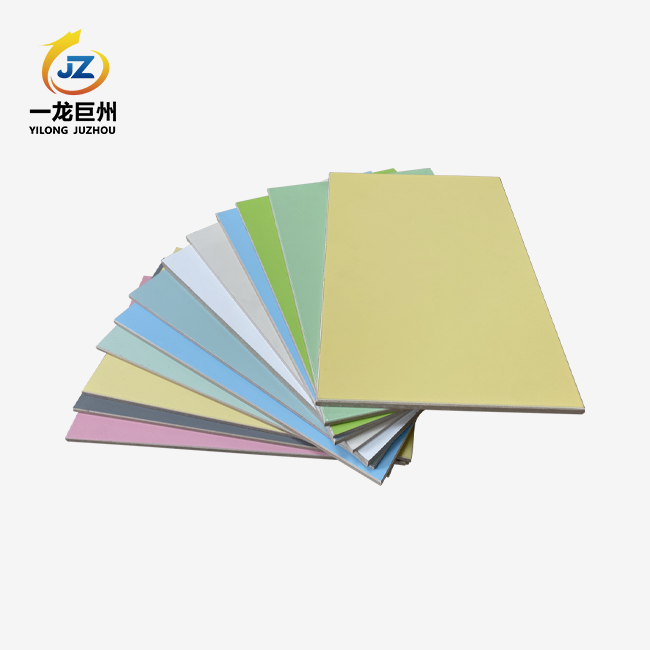
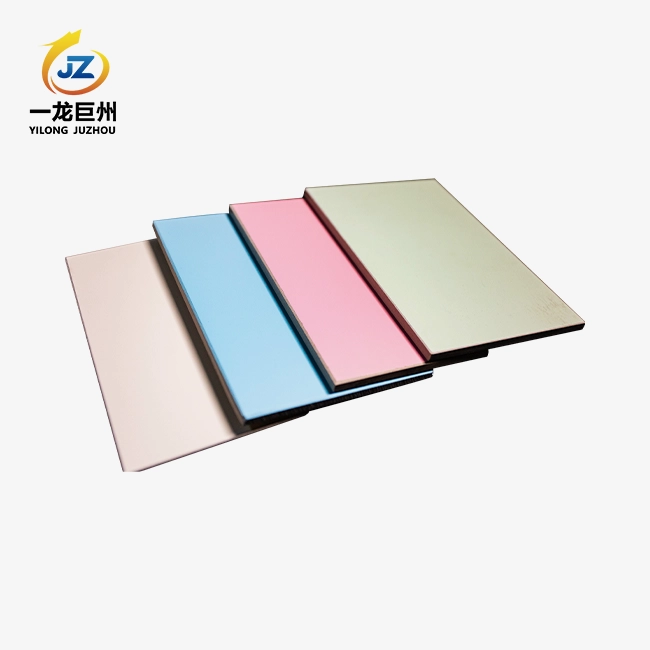
A clear request lets providers give accurate, comparable quotes, which is the first step in good buying. Give accurate measurements, such as the thickness (2mm to 6mm range), the width (1220mm, 1500mm, or 2000mm normal widths), and the total square or linear meters you need. Prices vary a lot depending on the surface finish, such as a solid color with specific RAL codes, a woodgrain design, marble aluminum composite panels, a shiny finish, or a fabric texture. Find out what kind of metal skin gauge you need (0.1mm to 0.5mm) based on your structural and sturdiness needs. Also, make sure you know what kind of fire ratings you need, like a Class A2 or B1 grade.
Understanding Pricing Variables and Volume Discounts
Coated aluminum composite panel price takes into account a number of cost factors that buying teams should be aware of when they look at bids. Base material costs depend on the price of metal in the market, the specs of the core material, and the type of surface film used. Premium coatings cost more but last longer. Thickness and metal skin thickness have a direct effect on how much material is used, which in turn affects the unit price. Customization costs more; choosing a standard color from a manufacturer's catalog usually costs less than matching colors or making a new pattern that is just right for you.
Sample Evaluation and Pre-Production Testing
Before you place a big order, ask for examples that are exactly what you want. Suppliers with a good reputation will send samples within three to five business days, and for serious buyers, they will often do so for free. You can check the color accuracy, surface roughness, and finish quality with physical samples in the lighting you have chosen. Check examples for important performance traits that are important for your application, such as how well they resist scratches using ASTM D7027 test methods, how easy they are to clean with the care chemicals you specify, and how well they bend if your design calls for curved installations.
The review of samples is also used as a quality standard for accepting the production. Take pictures and keep the approved sample so that you can compare it to the bulk packages when they come. This method keeps substitutions and quality loss from happening during production. For projects that need to meet strict fire safety standards, make sure that the providers can provide third-party test results that match the sample material makeup. This is because the performance of the panel depends on the core formulation and the way it is built as a whole.
How to Choose the Right Coated Aluminium Composite Panel for Your Project
Matching Panel Specifications to Environmental Conditions
Different interior settings have very different needs when it comes to wall finishes, so careful planning is needed to make sure they work well. Places with a lot of wetness, like hospital bathrooms, business kitchens, or natatoriums, need panels with stronger coated aluminum composite panel moisture barriers and mold-proof cores. Aluminum skins that are thicker (0.4mm to 0.5mm) and PET surface films that are better at resisting water than normal PP films are useful in these situations. In exit hallways, enclosed stairwells, and rooms with more than a certain number of people, where building rules require Class A or Class 1 flame spread rates, the fire rating is very important.
Industry-Specific Considerations and Best Practices
When it comes to healthcare projects, the highest standards must be met for cleanliness, antibacterial qualities, and resistance to moisture. Choose panels with smooth, non-porous surface films that can handle the daily use of quaternary ammonium disinfectants and bleach-based cleaners. The structure and placement of seams should try to keep horizontal surfaces to a minimum, as this is where dust and germs tend to gather. Durability and resistance to graffiti are important to schools, so darker colors or patterned finishes hide small scratches better than light, plain colors.
For transportation and public infrastructure, you need to follow more fire testing rules than just following the building codes. These rules include rules about how much smoke and harmful gases can be released during a fire. Instead of normal polymer cores, panels with mineral-filled fire-retardant centers work better for these projects. Aesthetics are important in hospitality and high-end business projects, which use all kinds of surface designs to make branded spaces. Because access is limited and care programs are strong, these apps let you focus more on how they look and less on how long they last. When procurement teams know about these industry specifics, they can avoid the common mistake of over-specifying (and overpaying) for performance qualities that don't match up with the real service conditions.
Conclusion
Coated aluminum composite panel solutions offer a sophisticated answer to the problems of modern internal walls by combining fire safety, longevity, and design freedom in a single material. To do a good job of buying, you need to know the technical details that affect performance, judge providers based on their certifications and production capabilities, and make sure that the panel properties meet the needs of your particular environment. The benefits over standard options—from less weight and easier installation to less upkeep and lower lifecycle costs—make the specification research needed to choose the best product worth it. If you want to keep germs from spreading in healthcare, make sure buildings last for years in schools, or improve the look of a business, quality protected panels can help you reach your goals—as long as you buy them from a reliable company.
FAQ
1. Why Do Coated Panels Outperform Uncoated Alternatives?
The protection layers on the outside of Coated aluminum composite panels give them important benefits that go far beyond those of uncoated panels. Coating systems protect aluminum surfaces from damage like scratches, chemicals, and UV rays that would happen quickly to bare metal. The better ability to clean supports strict hygiene rules in places like hospitals and food service, where screens that aren't covered would break down quickly. Keeping the color for decades instead of years cuts down on the cost and trouble of repainting. Fire-rated coatings help panels get the Class A2 or B1 ratings that are needed in residential areas by reducing the spread of flames generally.
2. Can Suppliers Accommodate Custom Sizes and Small Orders?
This is a very important thing to look at when evaluating sources because manufacturing freedom varies a lot between them. Manufacturers who have been around for a while and have a lot of production capacity will usually accept custom length specs at no extra cost, especially for orders bigger than 500 square meters. Customizing the width beyond the standard 1220mm, 1500mm, and 2000mm choices may cost more for the tools needed, based on how the product is made. For custom specs, the minimum order quantity is between 200 and 1,000 square meters. However, makers with big stock inventories can meet smaller needs with standard configurations. OEM and ODM features allow for the creation of products for specific uses that need special core formulas or surface treatments.
3. How Do I Verify Fire Safety Compliance?
For fire safety proof, you have to look at independent test results from well-known labs that show they meet the standards. Ask for full test records that show the exact panel structure, such as the core type, total width, and surface materials. Make sure that the tried setup exactly matches the product you ordered, since changes to any part can make fire performance claims useless. Reliable providers keep their certifications up to date and can give you results within 24 hours of your request. Building officials might need more proof, like material safety data sheets and fitting directions that show the right way to use the product so that it keeps working as expected.
Partner with YILONG JUZHOU for Superior Coated Aluminum Composite Panel Solutions
YILONG JUZHOU brings decades of specialized manufacturing experience to every project. It has two production bases in the provinces of Shaanxi and Guangdong, which together have more than 50,000 square meters of ready inventory. Our coated aluminum composite panel systems are certified by the China Environmental Protection Standard, ISO, and CE, which shows that we care about quality and the environment. We know how hard it is for businesses, healthcare facilities, and educational projects to find the right supplies. That's why we offer free, customized samples that are sent to you within three to five days. This way, you can see how well they work before committing to full orders.
As an experienced producer of coated aluminum composite panels, we offer full OEM and ODM services along with design and installation technical support for the whole span of your project. Our three-year quality promise shows that we are confident in the performance of our materials, and our 24-hour response times make sure that your questions are answered quickly. Our transportation services make sure that your deliveries are on time and in line with your building plan, whether you're buying through major ports in Shenzhen, Guangzhou, Shanghai, or Qingdao or need to be sent to markets in the middle of the country. You can email our procurement team at cnyang2000114@gmail.com to talk about your unique needs and get a quote that is tailored to your job. You can look at our full line of products and technical tools at yljz.aixdb.cn to help you make smart material choices.
References
1. Chen, J., & Wang, L. (2021). Fire Performance Characteristics of Aluminum Composite Panels in Building Applications. Journal of Building Materials Science, 15(3), 234-251.
2. International Code Council. (2021). International Building Code: Chapter 8 - Interior Finishes. ICC Publications.
3. Kumar, R., & Thompson, M. (2020). Comparative Analysis of Interior Wall Cladding Systems for Healthcare Facilities. Construction Materials Review, 42(2), 112-128.
4. National Fire Protection Association. (2022). NFPA 285: Standard Fire Test Method for Evaluation of Fire Propagation Characteristics of Exterior Wall Assemblies. NFPA Standards Directory.
5. Smith, A., Davis, P., & Martinez, C. (2019). Lifecycle Cost Assessment of Commercial Interior Finishes. Building Economics Quarterly, 28(4), 67-83.
6. Zhang, H., & Liu, Y. (2023). Advanced Coating Technologies for Aluminum Composite Building Materials. Materials Engineering International, 51(1), 45-62.

Send Inquiry
Related Industry Knowledge
- What Are The Advantages of an exterior ACP Sheet?
- What is an aluminum composite panel?
- PE Aluminum Composite Board Sheet: Sizes, Specs and Uses
- What safety precautions should I take when cutting aluminum composite panels?
- The Rise of ACP Panels for Modern Kitchen Design
- Things to Know About Aluminium Composite Panels
- How to Choose the Best Medical Clean Board
- How Antibacterial Wall Panels Improve Hygiene in High-Traffic Areas