
A Guide to Calcium Silicate Fireproof Board
October 14, 2026
Calcium silicate fireproof board represents a critical advancement in modern building safety and interior finishes. As a non-combustible composite material formed from siliceous and calcareous compounds reinforced with fibers, this engineered solution delivers Class A fire resistance, moisture stability, and long-lasting performance. We've worked extensively with procurement teams across hospitals, commercial developments, and industrial facilities that demand materials that meet stringent safety codes without compromising design flexibility. This guide walks you through specifications, applications, and sourcing strategies to help you make confident purchasing decisions for your next project.
Understanding Calcium Silicate Fireproof Board
Composition and Core Performance
A calcium silicate fireproof board is made up of calcium silicate hydrate, which is a solid product that naturally doesn't burn or break down in heat. Unlike regular gypsum walls that can fall apart when exposed to heat for a long time or fiber cement that may leak water during a fire, this material stays together even when temperatures reach over 1000°C. Being able to stop flames and toxic gases from spreading is made possible by the thick, stable matrix inside. This makes it perfect for high-risk places like caves and pharmaceutical plants.

Specification Overview for Technical Buyers
Knowing the dimensions and performance standards of a product helps match it with the needs of the project. Standard boards are 1220 mm wide and 2440 mm long, but they can be made longer, up to 3050 mm, to fit high wall systems without having to use horizontal lines. There are different thickness options, from 4.5 mm to 15 mm, which let engineers match fire resistance ratings with building codes. Usually, thicker panels get one- to two-hour fire ratings. Mechanical strength stays the same when temperatures change, and joints don't expand or shrink too much, which could weaken them over time.
Fire Retardancy Mechanisms
The board's fire resistance comes from its chemicals, not from the layers on its surface. When the calcium silicate structure is put near flames, it doesn't burn or give off gases that can catch fire. This kind of passive fire resistance is very different from materials that put out fires using chemical reactions. When tested for fire safety according to ASTM E119 standards, these boards show that the flames don't spread and there isn't much smoke. These are important factors for keeping people safe during evacuations in schools, hospitals, and transit hubs.

Benefits and Applications of Calcium Silicate Fireproof Board
Competitive Performance Advantages
Calcium silicate screens have technical perks that go beyond just keeping things safe from fire. Moisture resistance stops mold growth in damp places or bathrooms with a lot of foot traffic, so it doesn't break down like paper-faced gypsum does. The soundproofing level is at least 46dB, which means that noise from office suites or patient rooms doesn't travel as easily. Because it's not as dense as concrete or brick, steel is very light. This makes it easier to work with during installation and lowers the load requirements for steel frame systems.
Dimensional stability keeps asbestos-free cement pressure board panels from warping and bowing, which can happen in seaside or industrial settings. Even when exposed to changes in temperature, these panels stay flat. This means that joints stay tight and finishes don't crack over decades of use. These traits directly lead to lower lifetime costs by lowering the need for upkeep and extending the time between replacements.
Real-World Application Scenarios
Calcium silicate boards are used in many business and school settings where safety and cleanliness are important. In healthcare centers, the natural antibacterial properties (which kill 99.99% of germs) help with infection control measures without the need for chemical treatments. Hospital corridor walls, operating room dividers, and lab interiors can all benefit from surfaces that can be cleaned with disinfectants often and still meet Class Fire ratings that are required by health authorities.
Schools put these panels on the walls of libraries, the ceilings of cafeterias, and the walls between hallways so that students are safer in case of a fire. As part of transportation building projects, they are used for subway station platforms and the inside of airport terminals, which need to be safe from fire and resistant to weather stressors. Food processing plants and pharmaceutical manufacturing areas need surfaces that are non-porous, washable, and won't hold germs. Calcium silicate boards with film-coated finishes meet FDA and GMP compliance requirements and provide the fire barriers around processing equipment that are needed.
Installation Best Practices
The board's performance is maximized, and code compliance is ensured by proper placement. Self-tapping screws or adhesive methods that work with the substrate are used to connect panels directly to metal plates. When compared to wet-trade options like plaster, quick pressure strip methods allow for quick field assembly, which cuts down on labor costs and project timelines. Customization at the factory can accommodate specific opening sizes, mechanical penetrations, and corner conditions, which cuts down on waste and cutting that needs to be done on-site.
To keep the fire ratings the same across panel seams, joint treatment must be done according to the manufacturer's instructions. Approved seals and backing strips stop smoke from moving while allowing for small changes in the structure. Keeping the right distances between electrical boxes, HVAC registers, and plumbing chases and using fire-stop materials that are compatible with them help the wall assembly keep its overall fire resistance rating. Proper preparation and acclimatization of materials before installation stop joint telegraphing and guarantee good looks for a long time.
Comparing Calcium Silicate Fireproof Board with Other Materials
Material Performance Analysis
Purchasing teams often look at calcium silicate boards next to gypsum panels, fiber cement boards, and mineral wool boards when they are deciding which interior wall systems to buy. While gypsum is cheaper up front, it isn't resistant to water, so it can't be used in wet or outdoor areas. When paper facings are exposed to leaks, mold grows on them, which makes upkeep a problem in academic settings. Fiber cement is resistant to weather, but it is much heavier, which means that more work and building requirements are needed to put it in place. Because it breaks easily when cutting, it creates dust hazards and waste.
Mineral wool boards are great at keeping heat in, but they need protective coverings and may bend when hit, which makes the surface less flat. Calcium silicate boards are made of a single material that is resistant to fire, stable in wet conditions, and strong when hit. They don't need to be bonded together. This integration makes specs easier to understand and lowers the chance of interface failures between materials that are not the same.
Lifecycle and Cost Considerations
The price of the raw materials for calcium silicate boards is somewhere between cheap gypsum and expensive fiber cement at first. Total cost of ownership estimates, on the other hand, show benefits through lower upkeep, longer service life, and easier installation. The boards are tough and won't get damaged during construction, which lowers the cost of replacing them after accidents. Because they are dimensionally stable, they don't need to be fixed for joint breaking or surface telegraphing, which can happen with hygroscopic materials.
The ability of A1 fireproof wall board to be cleaned and help control bacteria lowers the cost of environmental services over many years in healthcare and food processing settings. When compared to porous options, facilities that don't have to deal with mold removal and painting as often save a lot of money. When looking at the cost per square meter over the life of a building, which is 20 years, calcium silicate systems often show better value, even though they cost more up front.
Decision Criteria for Project Environments
When choosing materials, they should be in line with the natural stresses and performance goals. High-rise office buildings use lightweight materials to keep the amount of structural steel they need to a minimum. Calcium silicate boards are better at resisting fire than gypsum and have less dead load than masonry. Chemical resistance and moisture resistance make the boards useful in industrial settings with toxic atmospheres or washdown needs. When hospitals renovate rooms that are already filled, they use low-VOC, odor-free installations that let the rooms be used right away without worrying about off-gassing.
For projects that want to get LEED or WELL approvals, the material's environmental profile is important. It doesn't contain asbestos, can be recycled, and improves indoor air quality by releasing no emissions. Public infrastructure projects that are limited by money have to balance performance needs with cost limits. They do this by using standard gypsum in low-risk areas and calcium silicate boards in high-risk areas. This creates a risk-based material hierarchy.
Procurement Guide: How to Source Calcium Silicate Fireproof Boards?
Supplier Vetting and Certification
Checking third-party certifications that are important to your market is the first step in finding approved makers. Look for suppliers who have ISO 9001 quality management certifications. This shows that their production processes are consistent. Getting environmental approvals like the China Environmental Protection Standard shows that you are serious about making products that are good for the environment. For projects in the United States, make sure that the goods you buy follow the ASTM testing guidelines and come with the right fire rating paperwork that the local officials will accept.

When building plans are broken up into stages, production capacity directly affects how reliable deliveries are. Manufacturers with an inventory of 50,000 m² or more can meet urgent orders from stock, and those with multiple production facilities can do so in different places and reduce their risk of supply disruptions. Referrals from clients who have worked on similar projects, like hospitals, airports, or commercial towers, show how well the company performs in the real world and how quickly they respond to calls for technical help.
Pricing Structures and Order Logistics
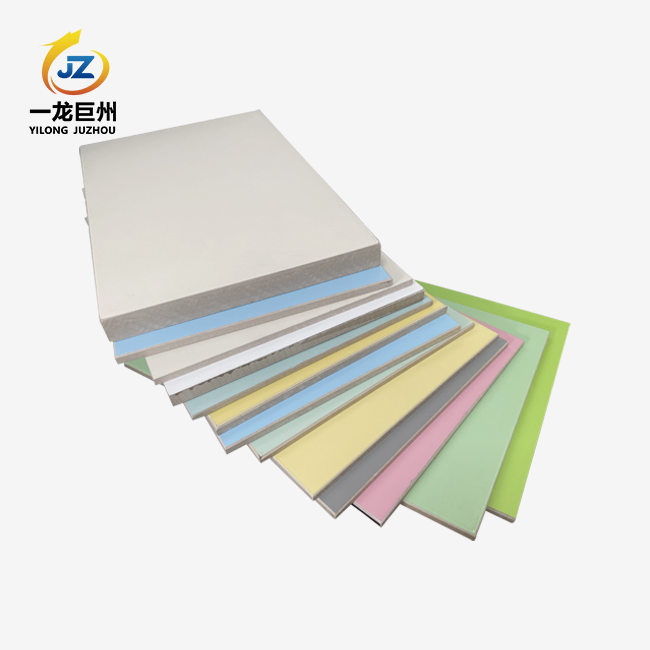
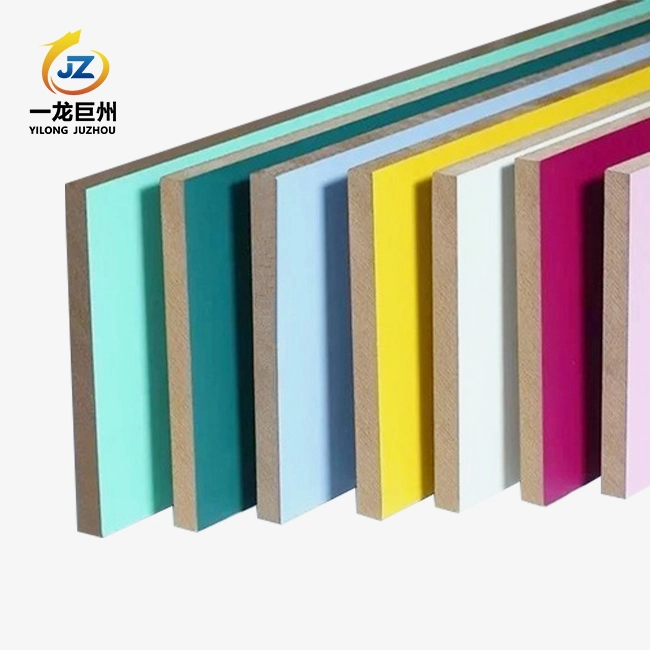
The price of calcium silicate board depends on how thick it is, how it is finished, and how much you order. The least expensive option is plain boards that can be painted or covered with veneer. On the other hand, factory-applied finishes like marble film, wood grain, or metallic patterns cost more but don't require any finishing in the field. Most of the time, bulk savings are available for purchases that are bigger than what fits in a container. This makes consolidated buying across multiple project phases cost-effective.
The minimum order quantity usually matches the size of the container. For example, 20-foot containers can hold about 1800 m² of 6 mm board, and 40-foot containers can hold twice as much. Lead times from order to port departure are usually between 7 and 14 days for stock configurations. This can take up to 21 days for custom colors or thicknesses. Shipping goods from ports in Shenzhen, Guangzhou, or Shanghai to the United States takes an extra 4 to 6 weeks by ocean, so it's important to plan purchases early to avoid delays.
Streamlining Supplier Communication
Effective question methods speed up the time it takes to get a quote and make sure that the specs are correct. Giving suppliers architectural drawings with schedules for wall types, finish needs, and project timelines lets them offer the best solutions instead of just giving you a price quote. Before committing to full orders, you can get a feel for the surface quality, edge features, and structural qualities by asking for free samples, which are usually sent within three to five days.
By making Incoterms clear from the start, you can avoid misunderstandings about who is responsible for freight, insurance, and customs clearance. When you buy something FOB (Free On Board), you make all the shipping arrangements. When you buy something CIF (Cost, Insurance, and Freight), you pay for delivery to the destination port. Setting clear payment terms (usually a 30% deposit with the balance due against the bill of lading) and quality checking procedures protects both parties and makes transactions go more smoothly.
Conclusion
In business, healthcare, and educational buildings, calcium silicate fireproof board offers a compelling mix of safety, durability, and design freedom. Knowing the technical basics of the material, like what makes it non-flammable, how well it resists moisture, and how stable its dimensions are, helps you make smart design choices. When looking at different options, the board's long life and ability to work well in tough conditions make it worth the money for projects that put people's safety and long-term value first. Cost savings and reliable delivery are both improved by smart purchasing plans that stress supplier verification, clear communication, and strategic ordering. For projects that need to look better without lowering their fire ratings, marble calcium silicate board is a creative way to combine safety with architectural vision.
FAQ
1. What fire resistance rating can I expect from calcium silicate boards?
Standard calcium silicate panels get Class A (non-combustible) grades, and 9–12 mm thick panels provide one-hour fire protection when placed correctly in rated wall assemblies. For fire barriers and shaft walls in high-rise buildings, thicker configurations that last longer than two hours are suitable. Ratings are based on full system testing that includes frame, fasteners, and joint cleaning according to ASTM E119 guidelines.
2. How do these boards perform in outdoor or semi-exposed applications?
Even though they are mostly meant to be used inside, calcium silicate boards can handle being outside longer than gypsum boards. Their resistance to moisture keeps them from breaking down in humid or occasionally wet conditions. But panels that are exposed to the weather all the time need protective coatings or to be built into outdoor wall systems that keep them safe from direct rain and UV radiation. Covered paths, parking garages, and partially heated or cooled areas are all good examples of semi-exposed areas.
3. What thickness should I specify for different project types?
6mm panels are usually used for office walls and low-traffic areas because they are cheap and provide enough fire protection. Healthcare facilities and schools often choose 8mm because it is more resistant to impact in corridor applications. For the best longevity and thermal stability, 10–12 mm may be needed in industrial settings with big temperature differences or a lot of use.
Partner with YILONG JUZHOU for Your Fireproof Board Requirements
Shaanxi Yilong Juzhou Material Technology Co., Ltd. has two factories, one in Shaanxi and one in Guangdong. They keep over 50,000 m² of stock on hand to meet the needs of urgent projects. As a company that makes Calcium silicate fireproof board from start to finish, we are in charge of quality from choosing the raw materials to making the final panels. This way, we can make sure that the quality meets international standards, such as ISO and CE certifications. Our expert team helps with specifications, gives fitting advice, and customizes products for each project through OEM and ODM programs that are made to fit your design needs.
We know that procurement decisions have to balance the need for performance with the need to stay within budget and meet delivery dates. That's why we offer free samples that are sent within 3–5 days so that you can try them out before you decide to buy. Short production lead times (3–7 days from stock) and quick contact (within 24 hours) help meet tight building plans. Our marble calcium silicate board options meet the fire safety, hygiene, and aesthetic requirements of your projects, whether you're looking for materials for a healthcare makeover, a business development, or an industrial building.
You can email our team at cnyang2000114@gmail.com to talk about your specific needs, get technical data sheets, or set up a shipment of samples. As a reliable supplier of calcium silicate fireproof board to markets around the world, we want to become your go-to partner for interior wall systems that keep people safe while making great spaces.
References
1. American Society for Testing and Materials. "ASTM E119: Standard Test Methods for Fire Tests of Building Construction and Materials." ASTM International, 2020.
2. Chen, Wei, and Liu, Hongxia. "Performance Characteristics of Calcium Silicate Board in Modern Construction." Journal of Building Materials Science, vol. 28, no. 4, 2021, pp. 412-427.
3. National Fire Protection Association. "NFPA 220: Standard on Types of Building Construction." NFPA Press, 2018.
4. Roberts, James P. "Comparative Analysis of Non-Combustible Wall Systems for Commercial Buildings. "Construction Materials Review, vol. 15, no. 2, 2022, pp. 88-104.
5. Zhang, Yiming et al. "Moisture Resistance and Durability of Silicate-Based Fireproof Panels." International Journal of Construction Engineering, vol. 32, no. 1, 2023, pp. 156-173.
6. U.S. Green Building Council. "Material Selection Criteria for LEED v4.1 Indoor Environmental Quality Credits." USGBC Technical Manual, 2019.

Send Inquiry
Related Industry Knowledge
- What Is a Fiberglass Resin Board Used For?
- How to Choose Antibacterial Wall Panels for Healthcare
- Exterior wall ACP panel: Benefits, Uses, and Design Options
- A2 Aluminum Composite Panel for High-Rise Fire Safety
- How does an aluminum composite panel Improve Building Facades?
- Medical Clean Board Solutions for Sterile Laboratories
- Analysis of the Functional Principles and Market Prospects of the Negative ions panel
- Benefits of Using UV light curing board in High-End Interiors
- Why Choose ice fireproof board for Industrial Wall Protection?
- Unlock the Power of Aluminium Composite Panel