
Medical Clean Board Solutions for Sterile Laboratories
August 24, 2026
Maintaining contamination-free environments in sterile laboratories demands specialized wall solutions that go beyond ordinary construction materials. A medical clean board delivers precisely engineered surface protection through calcium silicate substrates enhanced with UV-cured antibacterial coatings, achieving a 99.99% antimicrobial rate while meeting GB8624 Class A fire safety standards. These high-performance panels create seamless, non-porous barriers against pathogen proliferation in pharmaceutical manufacturing facilities, research laboratories, and clinical testing centers where even microscopic contamination can compromise product integrity and regulatory compliance.
Understanding Medical Clean Boards in Sterile Laboratories
What Defines a Medical Clean Board?
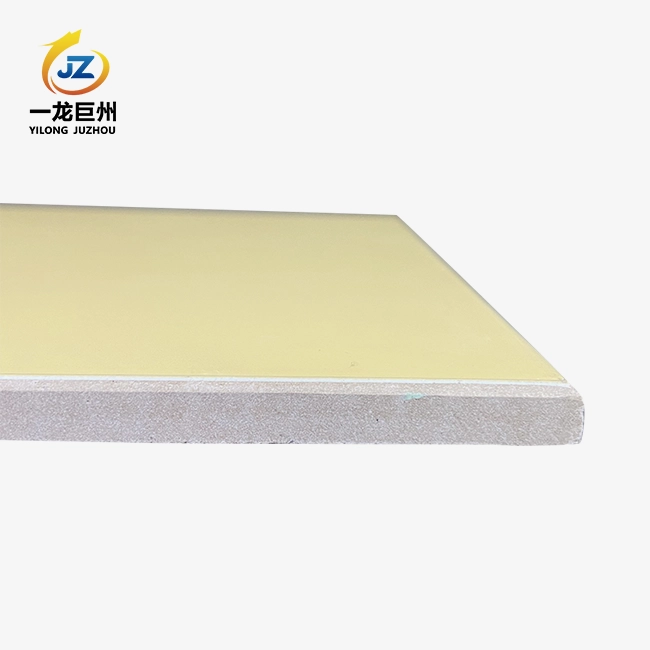
Medical clean boards are high-tech building materials that are made to work in places where strict biological burden control is needed. These solutions are different from regular wall panels because they combine high-density calcium silicate core structures with special UV antibacterial painting layers on top. The non-porous design of the building method stops moisture from getting in and microbes from taking over. This is something that standard drywall or ceramic tile installations can't do because of the grout lines and material porosity.
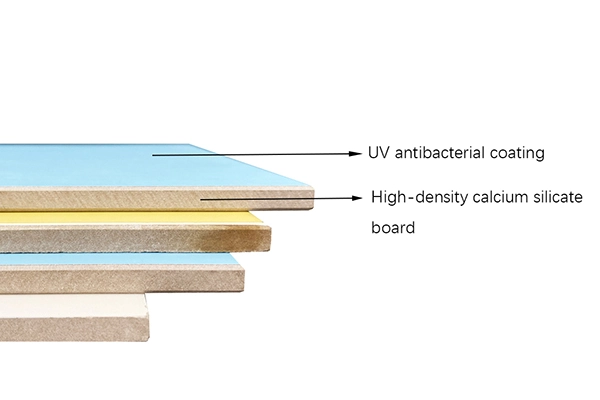
The most important difference is in how precisely it was made. Each panel goes through UV curing processes that make thick protective films that seal the substrate materials and get rid of volatile organic compound emissions. This process makes sure that the lab can be used right away after installation, which is very helpful when project deadlines are short or when operations must continue during renovations.
Core Performance Characteristics
For sterile environment applications, antibacterial effectiveness is the most important performance metric. According to tests done according to JIS Z 2801 guidelines, the UV antibacterial painting kills 99.99% of common laboratory contaminants, such as Staphylococcus aureus and Escherichia coli. Unlike temporary surface treatments that break down after repeated chemical contact, this protective ability stays the same over the life of the panel.
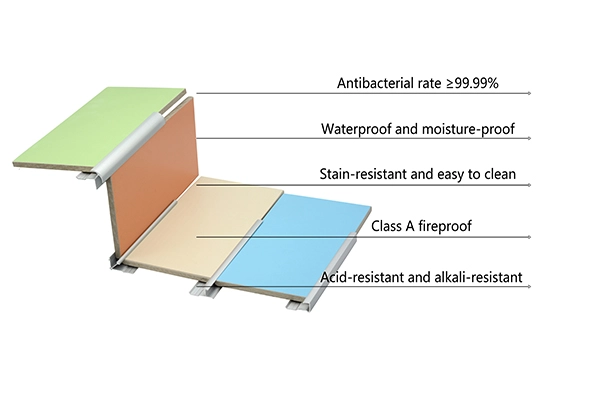
Fire safety compliance deals with another important issue that comes up in labs where burning materials and delicate tools are present. With their GB8624 non-combustible Class A approval, these screens help with the fire safety plans that insurance companies and government agencies that watch over pharmaceutical research and production facilities need.
Mold growth and structural damage are common in humid labs, especially in places with changing weather. Moisture resistance stops these problems. The calcium silicate base keeps its shape even when exposed to high humidity for a long time, and the UV coating stops water from penetrating the walls, which would weaken them and allow microbes to grow behind finished surfaces.
Operational Benefits for Laboratory Environments
When lab managers switch to specialized wall systems, they always say that work gets done faster. The smooth, easy-to-clean surfaces cut down on upkeep work because they don't need to be scrubbed as hard as porous materials do. Normal hospital-grade cleaners and disinfectants, like phenolic compounds, quaternary ammonium solutions, and alcohol-based cleaners, can be used without damaging the surface, so they can support strict cleaning rules.
The ability to withstand impacts keeps walls from getting damaged in busy labs where moving equipment carts, materials, and installing instruments put physical stress on vertical surfaces. The strong construction can handle these operational demands while still looking good. It doesn't get cracks or dents that aren't professional and aren't good for hygiene.
Color stability through UV coating technology makes sure that big projects will look the same for a long time. Laboratories that are spread out over several rooms or floors of a building keep their regular look without the color changes and yellowing that happen to painted or laminated surfaces that are exposed to cleaning chemicals and natural light over time.
How to Choose the Best Medical Clean Board for Your Sterile Laboratory?
Assessing Your Laboratory Requirements
A thorough analysis of the environment is the first step in choosing the right wall solutions. Panel dimensions depend on the size of the lab, the height of the ceiling, and the building's features. A standard 1220 mm width works for most uses, and length choices running from 2440 mm to 3050 mm maximum height can fit a variety of room layouts. When renovating old buildings to meet higher cleanliness standards, the ability to make them fit perfectly is especially useful.
| name | Medical clean wall board | thickness | 4.5/5/5.5/6/8/10/12mm |
| baseboard | calcium silicate | size | 1220x2440/2600/2700/2800/3000/3050mm |
| layer | UV antibacterial paint | density | ≥1.45 |
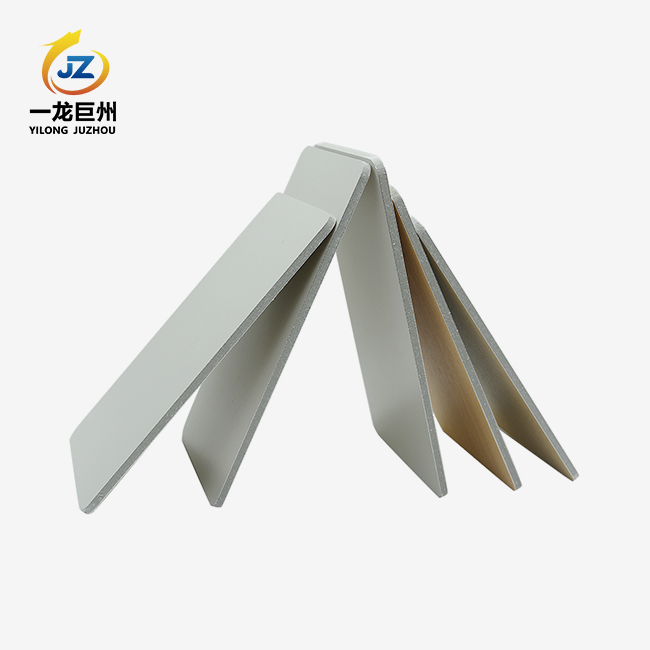
The intensity of use affects the choice of material thickness. For light-duty uses, like office areas next to labs, 4.5 mm or 5 mm medical clean wall board panels may work. But for high-traffic areas like cleanrooms and drug production areas, 8 mm to 12 mm medical clean wallboard panels are better because they are more resistant to impact and reduce noise. When projects are trying to stay within a budget, they can get the best deal on materials by specifying the right thickness for each zone's needs instead of using the same thickness requirements everywhere.
Changes in the environment, such as temperature, humidity, and chemical contact trends, affect the choice of material. Chemical resistance needs to be higher in places that work with toxic substances or flammable solvents, while thermal stability may be more important in temperature-controlled areas. By understanding these operational parameters, you can be sure that the materials will continue to work properly in the lab for a long time.
Critical Selection Criteria
How well pollution is controlled and how much care is needed depend on the surface's properties. The UV antibacterial paint makes surfaces that are smooth and don't have pores, which stops particles from building up and bacteria from sticking. This smooth finish gets rid of the cleaning problems that come with rough surfaces, where dirt and grime can get stuck in tiny cracks that are too small for normal cleaning methods to reach.
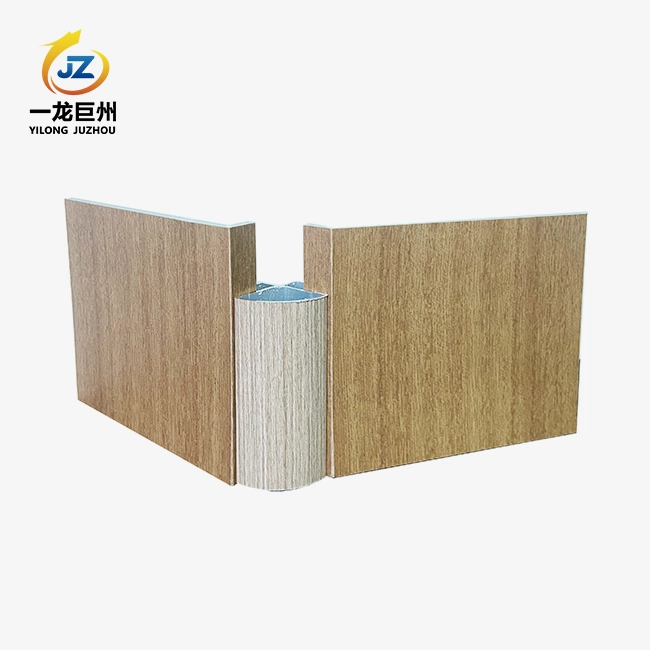
In clean settings, the design of the panel joints affects the stability of the whole system. For high-quality installations, special metal profiles or gaps that are precisely sealed and filled with antimicrobial silicone are used to make solid wall surfaces that don't have places where bacteria can grow, which are common in traditional building joints. Instead of just looking at panels, procurement managers should look at whole-system solutions and make sure that the accessories and installation methods support the goals for contamination control.
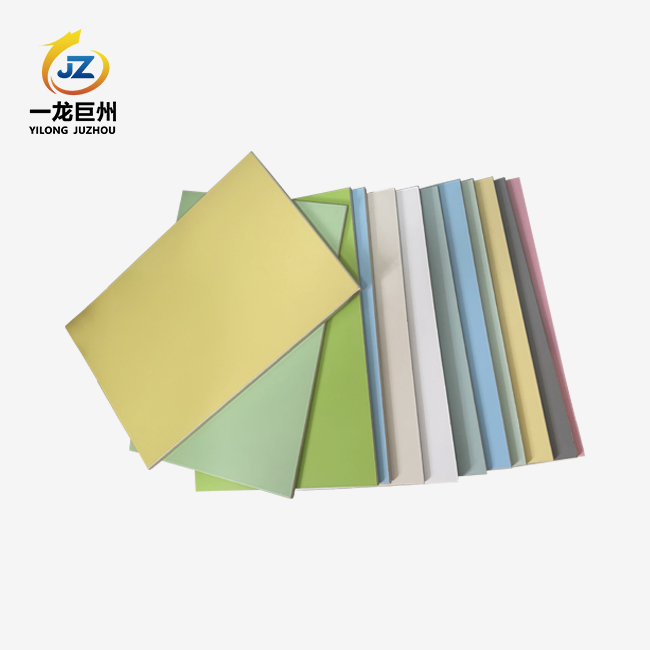
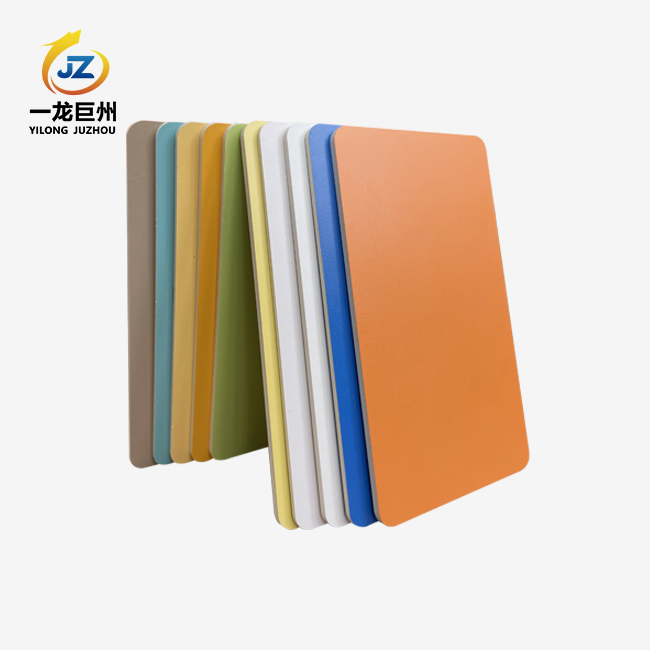
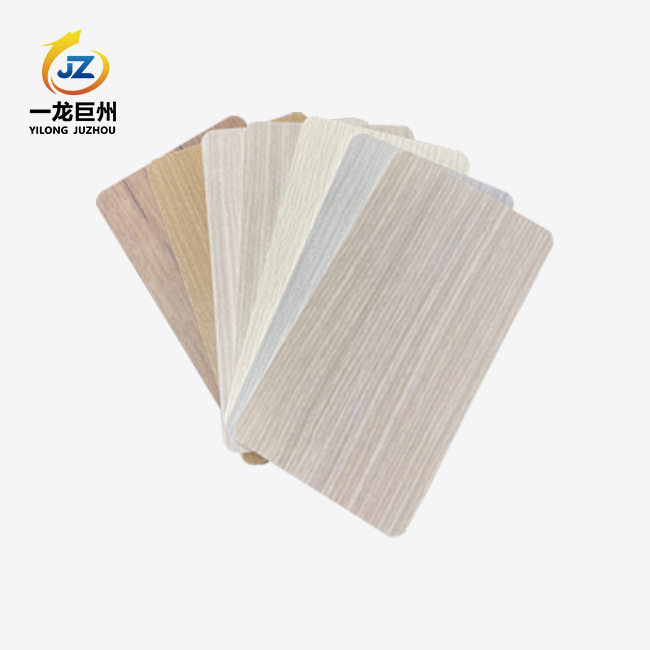
Aesthetic choices strike a mix between architectural design goals and practical needs. Finishes that are available include solid colors that match institutional color schemes, wood grain patterns that make areas where patients face warmer, marble patterns for executive spaces, silver finishes that go with modern designs, and cloth patterns that add a slight touch of texture. This adaptability lets buildings meet the same performance standards while also letting different design ideas come to life.
Evaluating Manufacturer Capabilities
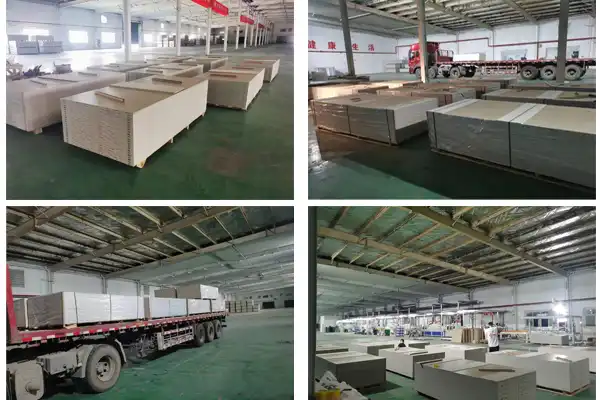
Manufacturer selection is more than just choosing a product. It also includes choosing a reliable supply system and getting expert help. Established companies with various factories show they can handle both high-volume production and backup sources, which are very important when project deadlines can't be pushed back because of material delays. YILONG JUZHOU has factories in both Shaanxi and Guangdong provinces, and its 50,000 m² inventory lets it fill orders quickly.
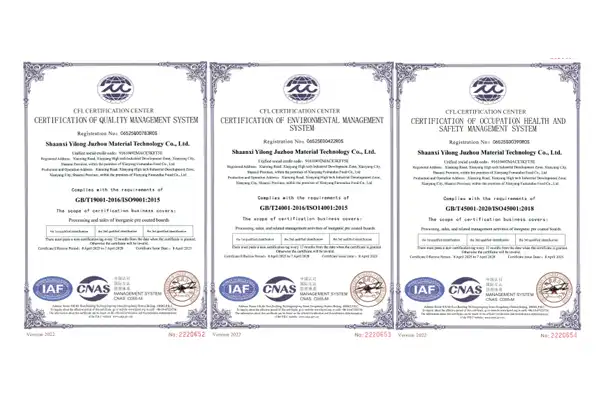
Certification paperwork backs up claims of success and legal compliance. Standards for environmental protection, ISO approvals for quality management, and CE marking for foreign projects all show that the manufacturing process is consistent. These credentials make it easier for regulatory authorities and institutional review committees to approve material choices for sensitive applications.
Customization services, such as OEM and ODM options, let you make solutions that are special to a project and meet its needs. Facilities may need custom panel sizes that work with the building's structure, exact color matching to keep the brand's look, or different coating formulations to meet specific chemical resistance needs. When manufacturers offer these services, they stop being just suppliers of goods and become real partners in building facilities.
Best Practices for Maintaining and Cleaning Medical Clean Boards
Establishing Cleaning Protocols
Choosing the right cleaning solution is the first step to good upkeep. Hospital-grade disinfectants that are allowed for use on smooth surfaces keep killing germs without harming UV coats. 70% isopropyl alcohol, quaternary ammonium compounds at the manufacturer-specified dilutions, and cleaners based on hydrogen peroxide are all suggested solutions. Do not use rough cleaners or scouring pads, as they can scratch protected surfaces and leave tiny holes for germs to live in.
The frequency of cleaning should match the classification of the lab and the amount of use. ISO Class 5 cleanrooms might need more than one cleaning run a day, while Class 8 places that do less sensitive work might clean thoroughly between shifts or once a week. For facilities using a medical clean interior wall panel, standardized logs that record cleaning activities help with regulatory compliance and provide trending data that shows where cleaning needs to be done more carefully.
How the material is applied affects how well it cleans and how long it lasts. Unlike cotton cloths, which can leave behind lint, microfiber cloths don't leave streaks and are good at catching particles. Instead of spraying cleaning solutions directly on panels, spray them on clothes. This keeps extra liquid from getting into the joints between the panels. Wipe in a steady direction, usually from top to bottom, to make sure you don't miss any spots.
Preventive Maintenance Strategies
Inspections done on a regular basis find new problems before they become a threat to cleanliness or need expensive fixes. Visual checks should be done once a month to record any damage to the surface, separation of joints, coating darkening, or stains that could mean that the cleaning routine wasn't followed correctly or that the material is breaking down. Photographic documentation makes objective records that can be used to back up warranty claims and the need for maintenance budgets.
It is especially important to pay attention to joint health in clean settings. Over time, silicone sealants may shrink or separate, especially in places where the temperature changes or where the building moves. The continuous barrier that is needed for contamination control is kept up by an annual joint inspection and, if necessary, repair and sealing. This cautious method keeps you from having to do a lot of work to fix problems that happen when water or contaminants get behind walls.
Preventing damage through operating knowledge makes maintenance easier. Panels last longer if they have enough space for equipment to move, protective corner guards are put in high-traffic areas, and workers are taught how to handle materials carefully. These simple steps save a lot of money compared to fixing things over and over again because of damage from impacts that could have been avoided.
Addressing Common Maintenance Challenges
When lab chemicals or biological materials stain something, it needs to be cleaned right away. UV coats are resistant to most common lab chemicals, but if they are exposed to powerful acids or bases for a long time and aren't removed quickly, they may change color. Cleaning up spills right away keeps them from setting in, keeps things looking nice, and gets rid of possible sources of contamination.
Panels used for notation in laboratories sometimes get ghosting or marker residue on them. Even though they don't make you less sterile, these physical problems make you look less professional. Specialized blackboard cleaners or isopropyl alcohol can get rid of pen marks well. If a building needs to be marked up a lot, it might be better to use writing panels in certain areas instead of plain walls.
Conclusion
Labs that need to be kept clean need wall solutions that are designed to keep out germs, fight chemicals, and last for a long time while following strict cleaning rules. Using calcium silicate substrates and UV antibacterial coatings to make medical clean boards gives them measured performance benefits over other materials. This helps with regulatory compliance and lowers the upkeep load. When purchasing professionals look at these options, professionals should give more weight to manufacturers that show they have a wide range of quality certifications, quick technical support, and reliable supply chain capabilities. By carefully choosing materials that meet the needs of the lab and following the right steps for installation and upkeep, sterile settings can be made that support important manufacturing and research for decades.
FAQ
1. How often should medical clean boards be cleaned in laboratory settings?
How often you clean depends on what kind of lab it is and how busy it is. Cleanrooms in ISO Classes 5–7 usually need to be sanitized every day or every shift using approved disinfectants. In places with fewer rules, full cleaning might happen once a week or twice a week, and spot cleaning would take care of obvious contamination right away. Always follow the facility's specific procedures for preventing contamination, and keep records of your cleaning activities to show that you're following the rules.
2. Can these panels withstand harsh chemical disinfectants used in laboratories?
Standard lab disinfectants, such as 70% isopropyl alcohol, quaternary ammonium compounds, hydrogen peroxide solutions, and phenolic cleaners, can't hurt high-quality screens with UV antibacterial coats. When the UV light hits the surface, it forms chemical-resistant barriers that keep the coating from wearing away with normal use. But being exposed to strong acids or bases for a long time could be harmful, so cleaning up chemical spills right away is still important.
3. What customization options support specific laboratory requirements?
Manufacturers offer a wide range of customization options, such as panel thicknesses from 4.5 mm to 20 mm, custom lengths up to 3050 mm, and a variety of finish options, such as solid colors, wood grain, marble patterns, metallic looks, and cloth textures. OEM and ODM services can meet project-specific needs like custom color matching, special coatings, or changing the size to fit specific building limits.
Partner with YILONG JUZHOU for Superior Medical Clean Board Solutions.
YILONG JUZHOU offers complete sterile wall solutions that are designed to work in tough labs like those used in healthcare facilities, research institutions, and the production of drugs. Our two production bases in Shaanxi and Guangdong provinces keep a 50,000 m² inventory to make sure that we can deliver quickly and meet your project deadlines. Our experienced technical team also helps with specifications from the beginning of the planning process to the end of the installation. We offer free samples so you can try them out before you decide to buy, and we guarantee the quality of our products for three years to protect your investment. Contact our team at cnyang2000114@gmail.com to talk about your sterile laboratory needs with experienced medical clean board manufacturers who can give you custom solutions that meet your goals for performance, budget, and timeline.
References
1. Chen, L. & Wang, M. (2021). Antimicrobial Building Materials for Healthcare Environments: Performance Standards and Testing Protocols. Journal of Hospital Infrastructure, 15(3), 234-248.
2. International Organization for Standardization (2019). ISO 14644: Cleanrooms and Controlled Environments – Specification and Measurement. Geneva: ISO Publications.
3. Martinez, R. (2020). Fire Safety in Laboratory Construction: Material Selection and Code Compliance. Laboratory Design Quarterly, 8(2), 112-127.
4. National Institute of Building Sciences (2022). Interior Wall Systems for Contamination Control: Comparative Performance Analysis. Washington, DC: NIBS Technical Report Series.
5. Thompson, K. & Zhang, Y. (2023). Sustainable Materials in Pharmaceutical Manufacturing Facilities: Environmental and Performance Considerations. Green Building & Construction, 19(1), 67-82.
6. Wilson, D. (2021). Lifecycle Cost Analysis of Cleanroom Wall Systems: Maintenance, Durability, and Total Ownership Costs. Facilities Management Journal, 44(4), 89-103.

Send Inquiry


Related Industry Knowledge
- What is an aluminum composite panel?
- Inorganic pre-coated panels Environmental and Safety Advantages
- ice fireproof board Structural Composition and Material Science
- What Is a Negative Ion Healthy Panel and How Does It Work?
- How to Choose the Best Negative Ions Healthy Panel for Your Project
- Why Is Negative Ions Panel Ideal for Eco-Friendly Interior Wall Decoration?
- ice fireproof board Thermal Stability and Performance Analysis
- Where Are Antibacterial Wall Panels Most Commonly Used
- Antibacterial wall panel medical rigid sheet wall protection
- How to Choose the Best Medical Clean Board