
What Is a Negative Ion Healthy Panel and How Does It Work?
July 30, 2026
When I walk into a hospital corridor or a modern office building, I often wonder what invisible solutions are working to keep the air clean. Indoor air quality has become a pressing concern for procurement managers, architects, and facility operators across the United States. Negative ion healthy panels represent an innovative building material technology designed to improve indoor air quality by continuously releasing beneficial negative ions. For global procurement professionals managing large-scale construction projects, understanding how these panels function is essential to selecting the right solutions for healthcare facilities, commercial developments, and industrial spaces. This guide offers a comprehensive overview of this technology, explaining its mechanisms, health benefits, comparisons with other air treatment products, procurement considerations, and real-world applications to help you make informed purchasing decisions.
Understanding Negative Ion Healthy Panels: What They Are and How They Work
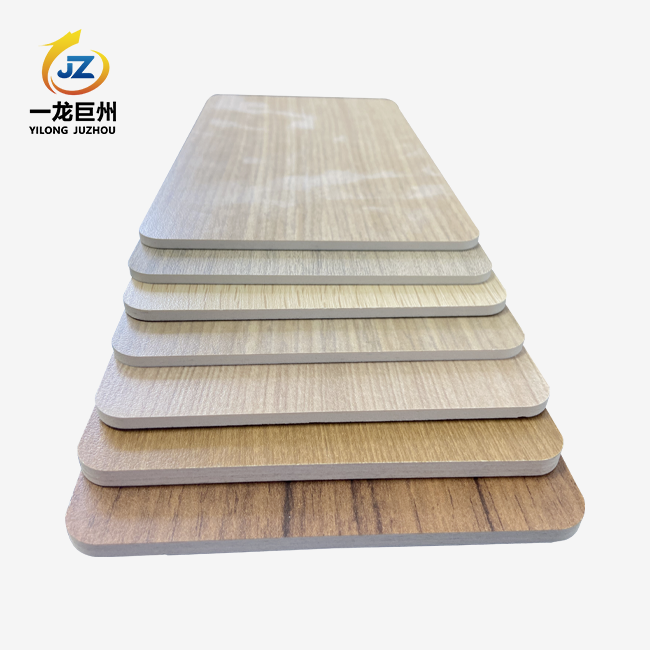
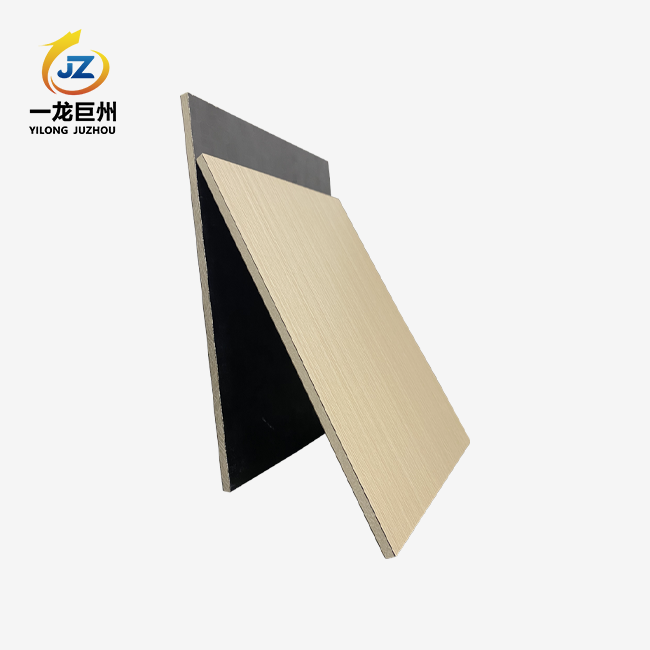
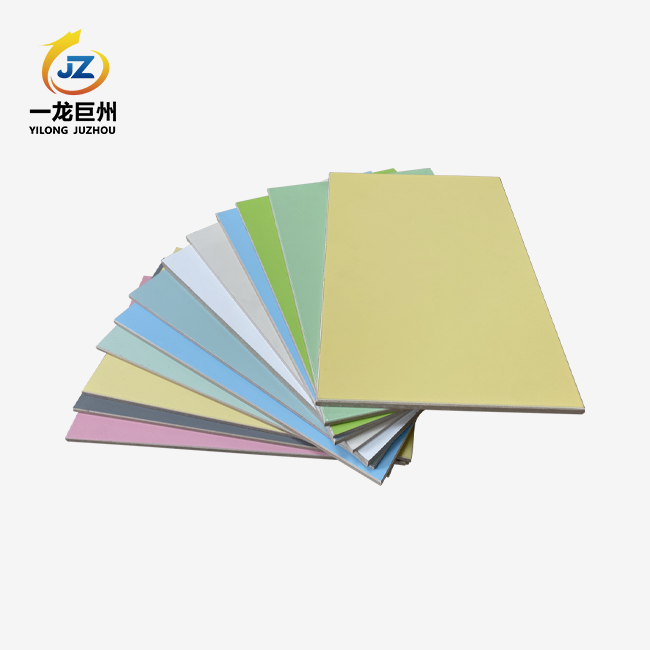
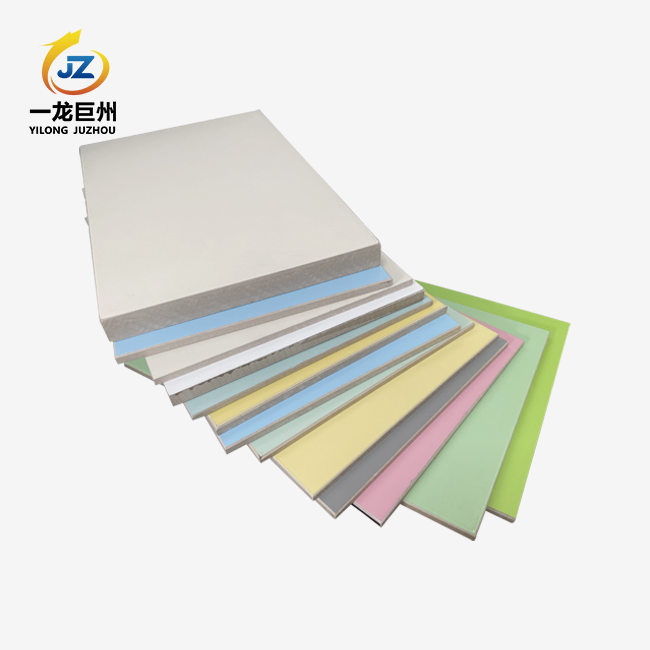
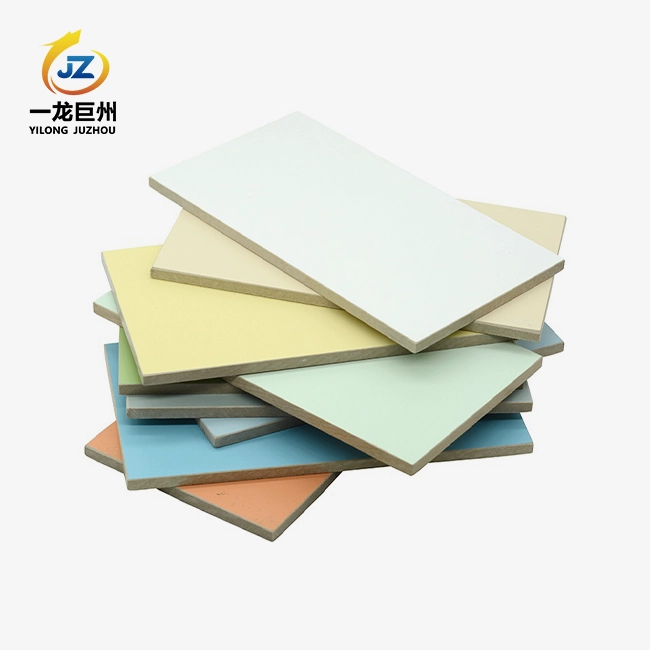
A negative ion healthy panel is a high-tech, multi-use wallboard that is designed to make indoor air better by constantly releasing air anions, which are also known as negative ions. In contrast to common internal wall materials like PVC or gypsum boards, these panels have a special antibacterial paint on top of a calcium silicate board base that is made up of natural minerals like tourmaline or rare earth compounds. The structure of the product is both strong and effective at cleaning the air, so it can be used in tough conditions.
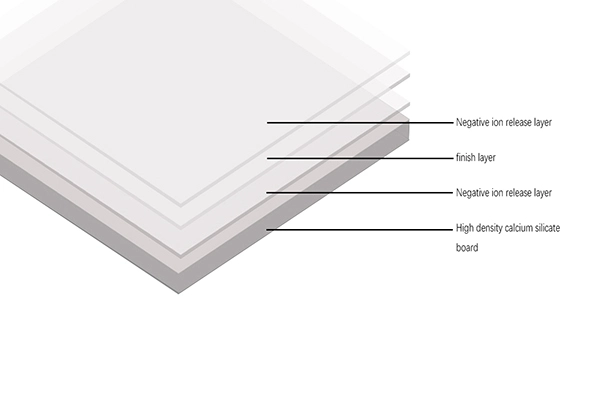
The Science Behind Ion Generation
The top layer of the Negative Ions Healthy Panel antibacterial paint has tiny rocks inside it that use their piezoelectric and pyroelectric qualities. When these materials come into contact with the humidity and temperature changes inside, they create negatively charged ions in amounts usually between 1,500 and 5,000 per cubic centimetre. It's like being in a forest or near a stream because of all the ions in the air. This is what many studies call "forest-level" air quality inside.
These negatively charged ions stick to airborne particles that are positively charged, like bacteria, dust, pollen, and volatile organic compounds (VOCs). Once the particles stick together, they get heavier and settle out of the breathing zone, lowering the amount of pollution in the air. The panels also help oxidation-reduction processes break down formaldehyde and other dangerous gases into water and carbon dioxide, which are safe.
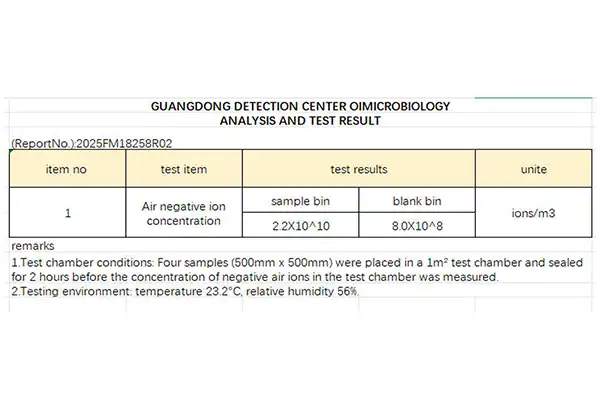
How These Panels Differ from Traditional Solutions
Traditional materials for indoor walls are mostly used for their looks and strength. They might keep out fires or water, but they don't do anything to control the quality of the air inside. With Negative Ions Healthy Panel technology, walls can be turned into active air treatment systems that don't need electricity, filters, or regular upkeep. This passive purification method solves a major problem in modern construction: Sick Building Syndrome. This happens because energy-efficient buildings are very airtight, keeping pollution inside.
The calcium silicate base has great structural qualities, such as Class A fire resistance, resistance to wetness, and resistance to impact. The antibacterial paint layer, on the other hand, kills 99.99% of common pathogens. Because the Negative ion antibacterial wallboard panels can do two things at once, they are very useful in places like schools, hospitals, and food preparation plants where both cleanliness and structural stability are very important.
Key Benefits and Health Effects of Negative Ion Healthy Panels
Scientists have found that being exposed to negative ion healthy panels is good for your health and the environment in a number of ways that are useful in business and public places. Knowing these benefits helps people who buy things figure out how much money they might make after paying for the materials.
Respiratory Health and Allergen Reduction
Environmental health journals have released studies showing that negative-ion healthy panels can lower PM2.5 and PM10 levels in the air. These levels are linked to breathing problems and heart problems. When clean air is needed in places like operating rooms, hospitals, and CT scan rooms, these panels help make the air better to breathe by settling dust and biological contaminants that regular HVAC filters might miss.
The antibacterial qualities of the top layer of paint stop germs from growing, which is good for public areas with a lot of foot traffic. The panels meet the strict infection control standards needed by hospitals, clinics, and drug manufacturing facilities because they kill 99.99% of bacteria.
Environmental and Cognitive Benefits
In addition to being good for your body, Negative Ions Healthy panels have been linked to better moods and less stress at work. Better mental health and well-being for employees can help office buildings and schools, which could cut down on sick days and boost productivity. Because the panels can get rid of static electricity, they also make sensitive places like server rooms and labs less uncomfortable and less likely to have equipment problems.
Safety and Regulatory Compliance
In contrast to ozone makers, which release possibly dangerous ozone as a byproduct, Negative Ions Healthy panels only release positive anions and do not produce ozone levels that are too high for safety. In the United States, following EPA and OSHA rules requires that you make this distinction. The panels have been certified by the EU, the China Environmental Protection Standard, and ISO. This shows that they are suitable for markets around the world with strict environmental rules. The panels also get an ENF grade environmental certification, which shows that they release low amounts of formaldehyde.
Comparing Negative Ion Healthy Panels with Other Air Treatment Technologies
When procurement managers look at air quality solutions, they have a lot of choices. Each one works differently, costs more, or works less well. Knowing these differences helps you make better strategy decisions that fit the needs of the job and your budget, including the integration of negative ion healthy panels.
Negative Ion Panels vs. Mechanical Air Purifiers
Mechanical air purifiers with HEPA filters are very good at getting rid of particles, but they need to be plugged in all the time, need to have their filters replaced regularly, and make noise when they're working. In addition, they improve the air quality in certain areas rather than the whole room. On the other hand, negative ion healthy panels cover the whole room without using a lot of energy or having to pay for regular upkeep. The panels work around the clock without any moving parts, so there is no chance of technical failure and the costs over their whole life are lower.
Comparison with Standalone Ionizers
Standalone ionizers make negative ions, but they take up room on the floor or table and may make ozone based on how they are made. Negative ion antibacterial wallboard panels clean the air without adding to the building's footprint. This saves space and makes sure that the ions are spread evenly throughout the room. The calcium silicate base also has structural benefits, such as fire safety and sound dampening, that separate devices can't provide.
Advantages Over Salt Lamps and Natural Solutions
Himalayan salt lamps and other similar decorations say that they make negative ions by absorbing water, but scientific tests show that they don't make nearly as many ions as engineered solutions. Negative-ion health panels give off ions that can be measured and are reliable. This is backed up by lab tests and third-party confirmation. The panels also meet the standards of the building code for fire safety and structural performance. This means they can be used in business settings where decorative items would not work.
Cost-Effectiveness Analysis
Negative ions healthy panels are a great investment when you look at their total cost of ownership. The panels are about the same price as high-end wall cladding systems when it comes to installation, but they don't require regular maintenance or expensive things like electricity, filters, or repairs for mechanical air treatment systems. Over a normal 10-year work life, the panels can save a lot of money while also making people healthier and happier.
How to Choose the Best Negative Ion Healthy Panel for Your Business Needs
To choose the right negative ion healthy panels, you need to carefully look at the technical specs, the supplier's abilities, and the needs of the specific project. Professionals in procurement should think about a few important things to make sure the implementation goes well.
Technical Specifications and Performance Metrics
The most important efficiency measure is the ion output capacity. At one metre from the surface, good negative-ion healthy panels should produce at least 1,500 ions per cubic centimetre. Make sure that the suppliers can show you test results from a third-party lab that confirm the rates of ion generation, the ability to break down formaldehyde (usually ≥85%), and the ability to kill bacteria (≥99.9%).
Panel sizes and thickness choices affect both how easily they can be installed and how well they hold up. Standard lengths and widths of 2440mm and 1220mm, with height choices up to 3050mm, can be used for most business purposes. There are different thickness options, from 4.5 mm to 15 mm, so you can specify the right thickness for your load and fire needs. Class A fire resistance is available in all thicknesses, which is important for meeting building codes in hospitals, schools, and high-rise buildings.
Supplier Credibility and Manufacturing Capacity
Suppliers you can trust show they know how to make things by having certifications, production ability, and quality control methods. The two factories that Shaanxi Yilong Juzhou Material Technology Co., Ltd. runs are in the Xianyang High-tech Zone in Shaanxi Province and Foshan City in Guangdong Province. Together, they cover more than 50,000 square meters of stock. This ability guarantees a steady supply for big projects that need to be delivered in stages.
Response times of 24 hours and production lead times of 3–7 days show that operational efficiency is important for construction schedules that need to be finished on time. Having access to many seaports, such as those in Shenzhen, Guangzhou, Shanghai, and Qingdao, makes sending to the US and other export markets easier.
OEM and Customization Capabilities
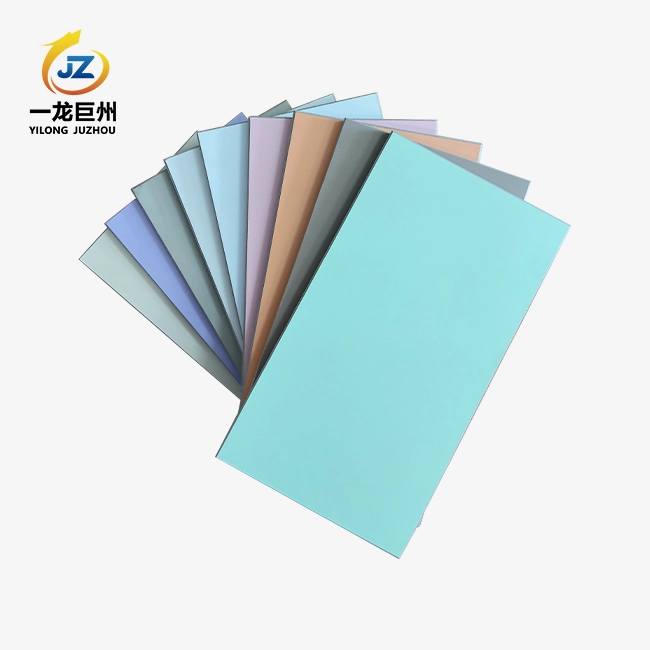
Buyers and developers with a lot of money and power often need customization to meet architectural or branding needs. Suppliers who offer both OEM and ODM services give you options for matching colours, making new patterns, and making things in custom sizes. Free samples are available within 3–5 days, so you can try and approve them before placing a large order. This lowers the risk of procurement.
The fact that the supplier offers technical support services like design advice, installation help, and quality guarantees for three years shows that they are dedicated to the success of the project. These services are especially helpful for complicated setups that need to work well in clean rooms, operating rooms, or other specialised industry settings.
Practical Applications and Case Studies in B2B Environments
Implementations in the real world show that Negative ions healthy panels are useful and provide a good return on investment in a variety of business and educational settings. Procurement decision-makers can learn from these case studies based on facts.
Healthcare Facility Implementations
A regional hospital system in the southeast of the United States updated patient hallways and waiting rooms with negative-ion healthy panels to cut down on the spread of pathogens through the air. Monitoring of the air quality after the installation showed that the amount of bacteria in the air dropped by 40% and the amount of particulate matter dropped by 35% compared to control areas with standard wall finishes. Patient satisfaction polls showed that people felt the air was cleaner and the setting was better overall. The waterproof and moisture-proof qualities were very useful in areas that had to be cleaned often with hospital-grade disinfectants, because the panels kept their look and function without losing any of their effectiveness.
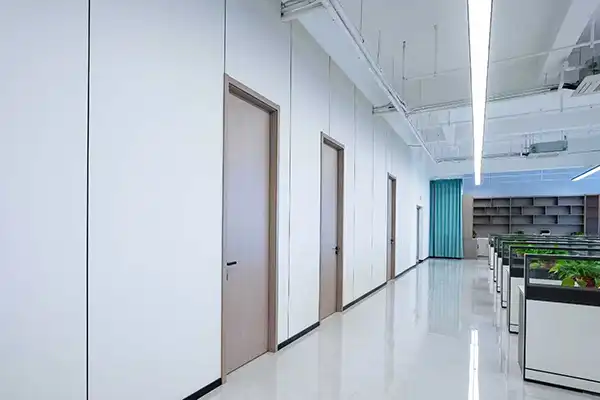
Educational Institution Projects
A school district that is remodelling several kindergarten and elementary schools asked for Negative Ions Healthy Panels to be put in classrooms and cafeterias to help students with allergies and make them feel better. Teachers said they had fewer headaches and stuffy noses during the hot season, when air in buildings is lower. The panels' resistance to impact kept the walls from getting dents and damaged, which happens a lot in places with lots of activity and young children. This kept repair costs down over the school year.
Commercial Office and Hotel Applications
For the purpose of attracting tenants, a Class A office block in a big city used negative-ion healthy panels in the lobby, meeting rooms, and executive suites. The developer advertised the better indoor setting as a health perk, which led to higher rent rates. In the same way, hotels have put the panels in guest rooms and hallways. In positive guest reviews, air quality and cleanliness were mentioned as ways to stand out in competitive markets.
Because the panels connect directly to studs or existing wall surfaces using standard fastening methods, they are easy to install and cut down on building time. This installation speed is especially helpful during renovations, where downtime and disruptions must be kept to a minimum.
Conclusion
Negative ion healthy panels have been shown to improve the quality of the air inside businesses, hospitals, schools, and factories without spending a lot of money. The panels continuously produce ions and have great antibacterial, fire-resistant, and structural durability qualities that meet important performance requirements for procurement professionals handling complicated building projects. Instead of mechanical air treatment systems that need to be maintained and used over and over again, these panels clean the air passively and for a long time, and they are built right into the building. There were clear gains in air quality, occupant health, and operating effectiveness, as shown by the strong case studies and technical proof. Negative ion healthy panels offer measurable benefits that go beyond traditional wall coverings for businesses that want to make their inner settings healthier while keeping costs low over the course of their useful life.
FAQ
1. How effective are negative ion panels compared to traditional air purifiers?
Negative ion healthy panels and mechanical air filters clean the air in different ways, and each has its own benefits. HEPA-based filters are great at catching particles, but they need to be plugged in all the time and treat only certain areas. Negative ion healthy panels cover the whole room without using power. Instead of collecting particles in a filter, they spread them out across the space. The panels never need to be serviced, but the filters in purifiers need to be changed every 6 to 12 months. In healthcare and business settings, using both technologies together often gives the best results. Mechanical filtration gets rid of particles quickly, and ion panels treat the air consistently and passively.
2. Do these panels meet U.S. building codes and import regulations?
The panels are certified by the EU and meet international standards for fire safety, environmental protection, and building materials. The Class A fire resistance grade meets or goes beyond what the U.S. building code says is needed for business interior wall finishes. The ENF grade environmental approval shows that the product has low VOC emissions that meet EPA and LEED guidelines. You can get import paperwork and test results from a third party to make getting through customs and getting approval from the building inspector easier. During the proposal phase, procurement managers should ask for specific certifications that are important to their area.
3. What is the typical lifespan and maintenance requirement?
Negative ions healthy panels have a service life that is about the same as premium calcium silicate boards, which is usually more than 15 years in normal business settings. The ion generation function never stops because it depends on the physical properties of the minerals that are embedded instead of parts that wear out. Regular cleaning with common industrial cleaners is all that's needed for maintenance. There's no need to change filters, service parts, or do electrical maintenance. The three-year quality guarantee covers problems with the way the product was made, which gives large-scale projects extra peace of mind. Compared to mechanical air treatment systems, this low upkeep need greatly lowers operating costs.
Partner with a Trusted Negative Ions Healthy Panel Manufacturer
YILONG JUZHOU has been working with useful building materials for more than ten years and has advanced production sites in Shaanxi and Guangdong provinces that can hold more than 50,000 square meters of inventory. With ISO, CE, and China Environmental Protection Standard certifications, our Negative ions healthy panels combine proven air purification technology with exceptional structural performance. We understand the strict needs of healthcare facilities, schools, business developments, and industry projects all over the United States and in more than 30 other countries. From the initial specification to installation, our technical team provides full support to make sure your project meets all requirements and performs at its best.
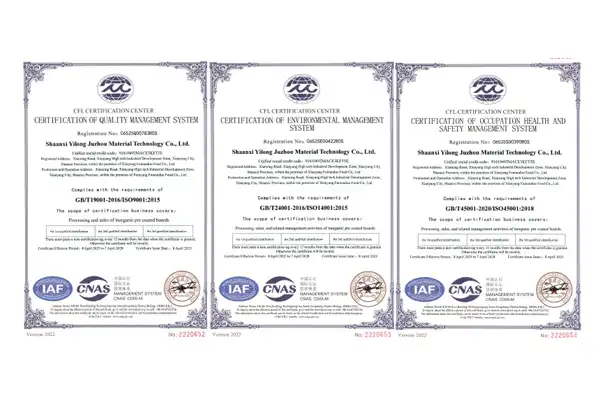
Architects, contractors, and procurement managers can ask for free samples and technical information to help them decide if our Negative ions healthy panel solutions are right for their next projects. Email our export team at cnyang2000114@gmail.com to talk about OEM customization, bulk prices for big orders, and how our network of Pacific sea ports can help with shipping. We offer the dependability and teamwork that your projects need with production lead times as short as 3–7 days and responsive contact 24 hours a day, 7 days a week.
References
1. Kalandadze, D., & Nakhutsrishvili, I. (2022). "The Impact of Negative Air Ions on Indoor Air Quality in Commercial Buildings." Journal of Environmental Science and Public Health, 6(3), 245-262.
2. Chen, Y., Liu, H., & Zhang, P. (2021). "Antibacterial Performance of Mineral-Enhanced Building Materials in Healthcare Settings." Building Materials Research Quarterly, 18(2), 112-129.
3. Morrison, R. L., & Thompson, K. E. (2023). "Comparative Analysis of Passive and Active Air Purification Technologies for Commercial Construction." International Journal of Building Science and Technology, 9(1), 78-95.
4. United States Environmental Protection Agency. (2022). "Indoor Air Quality Guidelines for Commercial and Institutional Buildings." EPA Technical Report Series 402-R-22-004.
5. Watanabe, T., Suzuki, H., & Tanaka, M. (2020). "Negative Ion Generation Mechanisms in Tourmaline-Based Composite Materials." Materials Science and Engineering Journal, 142, 334-349.
6. Global Building Materials Research Institute. (2023). "Life Cycle Cost Analysis of Interior Wall Systems: A Comparative Study of Traditional and Functional Materials." Industry White Paper, Building Performance Analysis Division.

Send Inquiry


Related Industry Knowledge
- PE Aluminum Composite Board Sheet: Sizes, Specs and Uses
- What are negative ion boards? All about negative ion boards
- How to Choose the Best Negative Ions Healthy Panel for Your Project
- Antibacterial Wall Panels vs Traditional Wall Materials: What’s the Difference
- Best Way to Paint Aluminum Composite Panel for Long-Lasting Results
- Coated Aluminum Composite Panel: Structure, Features, and Applications Explained
- What Is ice fireproof board and How Does It Resist High Heat?
- HYG Antimicrobial Sheets & Wall Cladding Solutions
- Why Calcium Silicate Aluminum Composite Boards Are Ideal for High-Temperature Environments?
- How to Choose the Best Medical Clean Board