
Coated Aluminum Composite Panel: Structure, Features, and Applications Explained
July 17, 2026
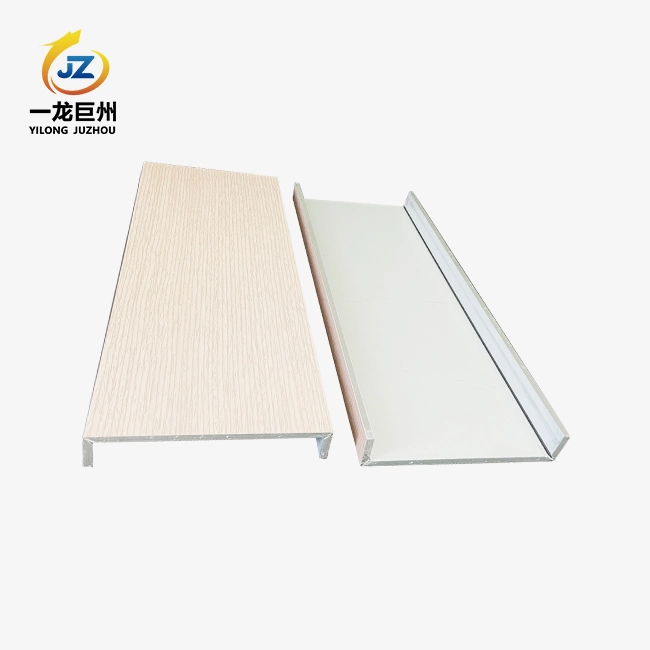
Many procurement professionals face the same problem over and over again when they have to choose interior wall materials for high-performance commercial projects: they have to find a solution that balances fire safety requirements, design flexibility, and ease of installation. This issue is immediately addressed by a coated aluminum composite panel. This engineered material is made up of two aluminum skins that are thermally bound to a fire-resistant core. It also has an extra protective coating on the outside that makes it last longer and look good in harsh settings. This composite structure is better than traditional solid metal sheets or basic plastic panels because it lowers structural load and increases rigidity. This makes it perfect for places like hospitals, airports, office buildings, and factories where long-term performance and regulatory compliance must not be compromised.
Understanding the Structure of Coated Aluminum Composite Panels
Core Composition and Material Layers
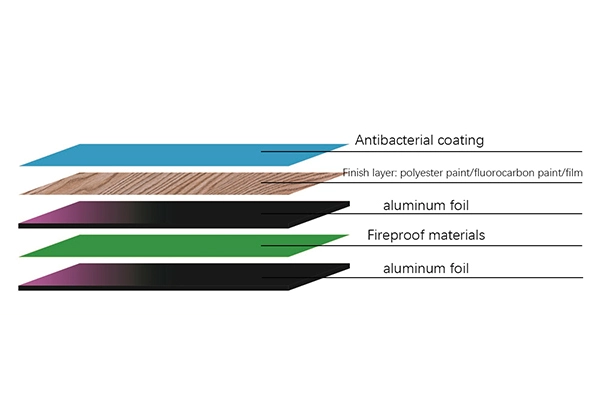
These panels are strong because they are made of two layers of material. A refractory core material is surrounded by two aluminum skins that are usually between 0.1 mm and 0.5 mm thick. Depending on the needs of the project, this core can be filled with minerals for Class A2 fire resistance or fire-resistant plastics for B1 classification. Before getting their protective coating, the aluminum surfaces are treated with chemicals that make sure they stick well and won't rust.
This layer on the outside, which can be made of PET film, PVC film, or PP film, protects against scratches, water damage, and UV damage. By using more than one layer, this method makes a material that is much lighter than solid aluminum but still strong. A 4mm composite panel is stiffer than a 3mm solid aluminum sheet, but it weighs about 40% less. This means that structural frame systems don't have to carry as much dead weight.
Available Thickness and Dimensional Options
The standard range for panel thickness is from 2 mm to 6 mm, with each increment meeting different structural needs. For interior walls and ceilings where fire resistance is more important than impact resistance, thinner panels (2–3 mm) are best. For hallway walls or tube station interiors that get a lot of use, 4-5mm panels are better at resisting dents. 6 mm panels are often used for specialized projects that need the most strength, like pharmacy cleanroom walls.
You can choose from 1220mm, 1500mm, or 2000mm in width, and you can change the length to fit your needs and keep waste to a minimum. This versatility comes in handy for projects with non-standard ceiling heights or wall runs that go on for more than three meters. With custom heights, horizontal joints are hidden, making the lines in hotel hallways and medical beauty centers look better.
Key Features and Benefits of Coated Aluminum Composite Panels
Materials used in modern construction have to meet a lot of different criteria at the same time. There are measurable benefits to these coated aluminum composite panels that add value to the project.
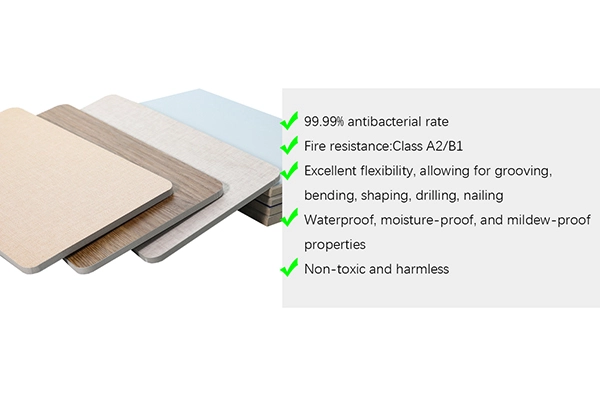
Fire Safety and Regulatory Compliance
These panels can be used in code-restricted areas because they have Class A2 or B1 fire ratings. The fire-resistant core materials meet international testing standards and give people important time to get out in case of an emergency. Documentation of flame spread and smoke growth rates is needed in hospitals, schools, and public gathering places. Panels that meet these requirements make it easier for building offices and insurance companies to give their approval.
The coated aluminum composite panel mineral core variant that doesn't catch fire is very stable when exposed to heat and keeps its shape longer than polymer-core alternatives. This quality is very important in places like tunnels, train stops, and airport concourses, where fire load estimates play a big role in choosing materials. Testing results show that there isn't much smoke, and the levels of toxins are low during burning. This addresses life-safety concerns that buying teams must prioritize.
Moisture and Environmental Resistance
Because these panels don't absorb water or mildew, they can be used in places with a lot of moisture. Materials that don't allow microbes to grow and can handle being washed often are needed in places like food processing plants, drug factories, and hospital operating rooms. The sealed aluminum surface stops water from soaking in, which would weaken the structure or let bacteria live.
In factory settings, chemical protection makes things last longer. Cleaning products, disinfectants, and small amounts of chemical splashes that happen a lot in labs and medical facilities won't hurt the protective coating. This makes it cheaper to replace over time than painted plasterboard or laminated panels, which break down after being cleaned over and over again.
Installation Efficiency and Workability
Standard metalworking techniques, such as drilling, routing, bending, and fastening, can be used on the material with standard shop tools. Without special tools, panels can be bent into curved shapes for welcome desks, column wraps, or radius corners. This makes it possible to cut down on lead times and let design teams define complicated shapes without having to pay extra for manufacturing.
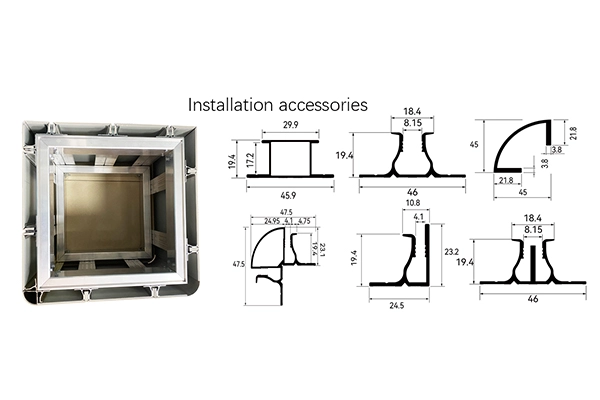
The lightweight design makes it easier to move and cuts down on the time needed for installation. A two-person crew can move and position full-size panels without using mechanical lifting tools, which speeds up the project schedule. Carbide-tipped blades cut the material cleanly, making little dust and letting exact field changes be made in line with existing conditions.
These useful advantages add up to real cost savings above and beyond the cost of the materials themselves. Faster installation means less work for workers and an earlier end to the project, which is good for builders and developers who are handling multiple projects at once.
Applications of Coated Aluminum Composite Panels in Global B2B Markets
Coated aluminum composite panels are used in global business-to-business markets.
Healthcare and Clinical Environments
These panels are used in operating rooms, patient hallways, and diagnostic imaging rooms by hospitals and medical aesthetic centers. Cross-contamination is less likely because of the antibacterial layer on the surface, and infection control rules are supported by the uniform look. The material is radiolucent, which means it doesn't get in the way of imaging tools and is useful for radiology offices.
Cleanliness is still very important in healthcare settings. Every day, hospital-grade cleaning can be used to cleanse the non-porous surface without fading the color or breaking down the surface. This performance standard makes sure that walls keep looking good for 10-15 years, which is the same amount of time that is used in facility master planning documents.
Transportation and Public Infrastructure
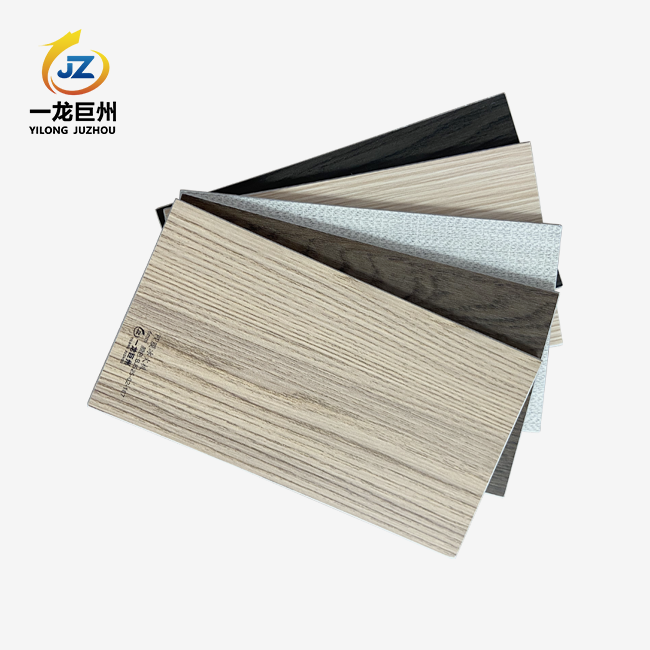
Materials that can stand up to regular public contact and strict fire codes are needed in subway stops, airport terminals, and train stations. These woodgrain aluminum composite panels are resistant to impact, so damage from things like luggage carts, cleaning tools, and accidents won't show up. Transit agencies can make unique brands while staying within their budgets thanks to the many finish options, such as solid colors, woodgrain patterns, marble textures, metallic effects, and textile looks.
These panels are used to cover food stands, make ticket booths, and put up signs to help people find their way in stadium concourses and meeting centers. The fact that the material can have images and signs printed directly on it makes visual communication systems more efficient. Consistency in color across large numbers of panels ensures a uniform look in large public spaces where lighting changes throughout the day.
Commercial and Hospitality Interiors
Finishes that look good and last a long time are needed in the halls of office buildings, hotel hallways, and shared areas of shopping malls. The look of natural materials like stone or wood veneers is replicated in coated aluminum composite panels, but they are lighter and don't need as much upkeep. Property managers like the low total cost of ownership because the panels look good with little care over long lease terms.
The material's ability to block out noise makes it useful for gym walls and art show dividers. The composite structure is better at absorbing vibrations than solid metal sheets, which keeps noise from travelling from one room to the next. This sound performance makes people more comfortable without the need for extra soundproofing layers.
Comparing Coated Aluminum Composite Panels with Alternative Materials
Contrasting coated aluminum composite panels with other materials.
Performance Against Traditional Cladding Systems
Painted plasterboard systems are cheaper at first, but they need to be repainted every 5 to 7 years and can get damaged from impacts that need to be fixed. Composite panels get rid of these maintenance cycles and are better at keeping out water. Mould won't be able to grow on the aluminum surface, which is a big plus in humid places or below-grade settings where vapour transfer could damage regular gypsum board arrangements.
Fiber-cement boards don't catch fire, but they are much heavier and need special cutting tools that make silica dust. Because the material is so fragile, it breaks easily during shipping and installation, which adds to the work that needs to be done. When composite panels get to the job site, they already have finished surfaces and don't need to be painted. This cuts down on the time it takes to build and gets rid of the volatile organic compound fumes that come with wet-applied coats.
Coating Systems and Finish Durability
The protective coating on the surface is what sets premium panels apart from cheaper ones. Polyester coats work well enough for indoor uses where UV light isn't a problem, and they keep their color for 10 to 15 years in office settings. These materials are resistant to chemicals and can be cleaned without wearing out too quickly.
Compared to marble and aluminum composite panels that aren't coated, panels that are coated have a protected layer that makes them last longer. Aluminum that isn't covered oxidizes, turning dull and ugly over time. The coating stops this breakdown and makes the surface less likely to get scratched, which is important for areas that get a lot of use, like lift interiors and door surrounds.
Conclusion
When choosing materials for commercial interiors, it's important to think about how well they perform, how well they meet regulations, and how much they will cost over their whole life. Coated aluminum composite panels offer real benefits in fire safety, sturdiness, and fitting speed that meet the needs of procurement professionals in charge of large projects. These panels are a good choice for healthcare facilities, transportation infrastructure, and business projects where failure of materials is not an option because they are lightweight, can be finished in any way you want, and have been shown to last a long time. Knowing the technical requirements, application needs, and supplier capabilities helps you make smart decisions that will help the project succeed.
FAQ
1. What is the expected lifespan of coated aluminum composite panels in commercial applications?
Panels usually keep their shape and appearance for 15 to 20 years if they are installed properly inside. The protective coating stops UV damage and chemical contact, which stops the aluminum from oxidizing too quickly, which happens to aluminum that isn't covered. Service life varies on the surroundings, how it is cleaned, and how much mechanical stress it is put under in each application.
2. Can coated aluminum composite panels be customized for specific design requirements?
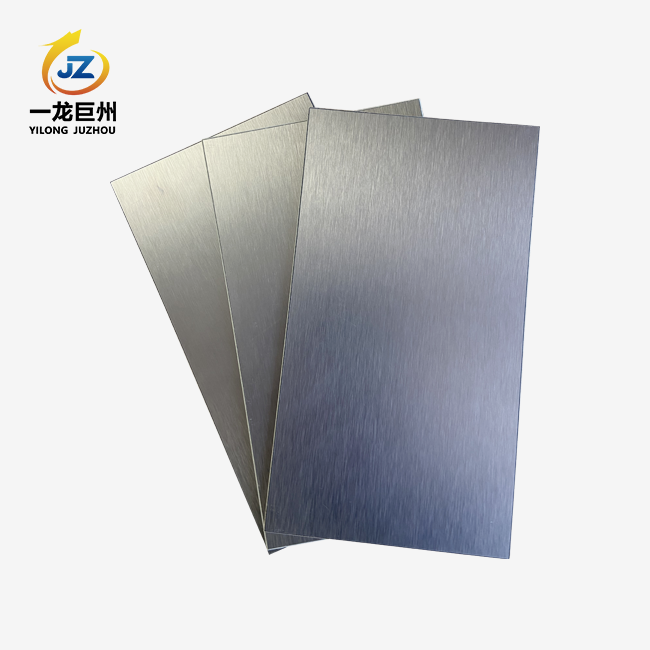
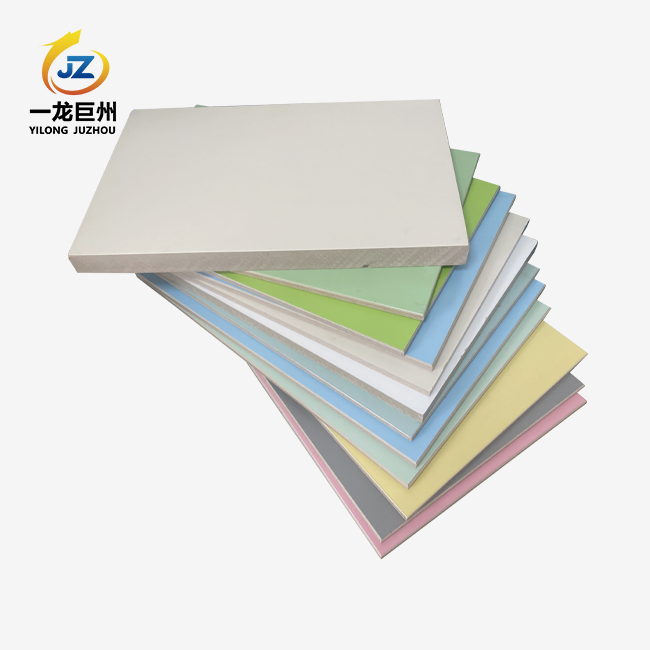
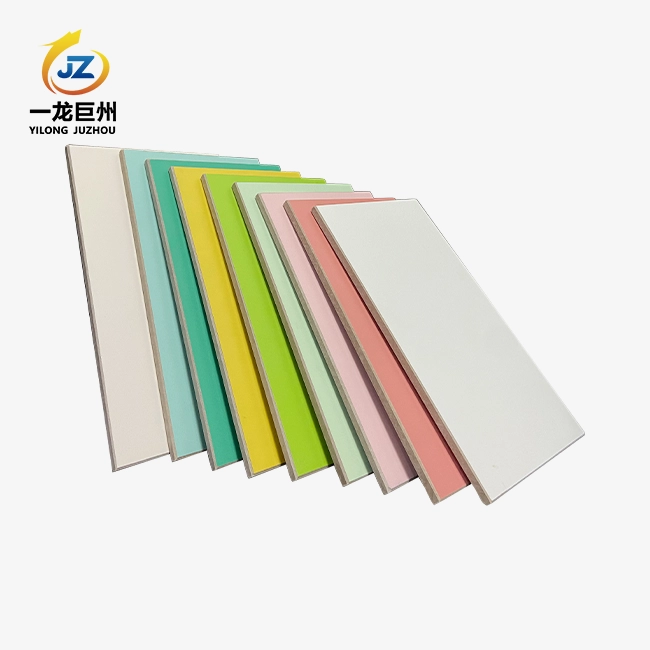
Full customization choices include changing the size of the panels, the designs on the surfaces, the colors, and the thickness of the aluminum skin. To meet the needs of architects, manufacturers can offer basic colors, wood-grain effects, marble textures, metallic finishes, and cloth designs. Custom lengths longer than three meters get rid of horizontal seams in tall wall applications. Width options of 1220mm, 1500mm, and 2000mm work with a variety of layouts. OEM and ODM services meet the needs of specific projects.
3. Which fire safety standards do these panels meet?
Class A2 or B1 fire ratings are given to good panels by having mineral-filled or fire-retardant cores. Testing at well-known labs makes sure that the product meets international standards for flame spread and smoke development. Material submissions must include proof of these ratings in order to meet building code requirements and insurance underwriter requirements.
Partner with YILONG JUZHOU for Your Next Project
To choose a trustworthy coated aluminum composite panel supplier, you need to be sure about their manufacturing quality, delivery speed, and technical support. YILONG JUZHOU has two production bases in Foshan and Shaanxi that are strategically placed. These bases hold 50,000 square meters of ready-to-use inventory and have production cycles that last between 3 and 7 days to meet the needs of demanding project schedules. Our panels have been certified by ISO and CE and have Class A2/B1 fire ratings, which are needed for healthcare, transportation, and educational uses in the US market.
We offer free sample customization within 3–5 days, so your team can see the quality of the finish and how well it works before committing to the full project quantities. Technical support includes help with planning, help with installation, and a quality warranty that lasts for three years to protect your investment. We are a reliable partner for architects, contractors, and procurement managers who need unique interior wall options. We respond within 24 hours and offer shipping through major sea and land ports.
Contact our sales team at cnyang2000114@gmail.com to discuss your specific project requirements and receive detailed quotations. Whether you need standard configurations or custom-engineered panels for specialized environments, YILONG JUZHOU delivers the manufacturing capacity and expertise to support successful project outcomes.
References
1. Chen, L. and Wang, M. (2021). Fire Performance Characteristics of Modern Composite Building Materials. Journal of Construction Engineering Standards, 45(3), 234-249.
2. Harrison, R. (2020). Sustainable Cladding Systems for Commercial Architecture. International Building Materials Review, 12(2), 78-92.
3. Kumar, S. and Thompson, J. (2022). Comparative Life Cycle Assessment of Interior Wall Systems in Healthcare Facilities. Green Building Science Quarterly, 18(4), 112-128.
4. Morrison, D. (2019). Aluminum Composite Panel Technology: Manufacturing Processes and Quality Control. Materials Engineering Handbook, 7th Edition, 445-463.
5. Roberts, A. and Zhang, H. (2023). Specification Guidelines for Fire-Rated Interior Wall Panels. Building Code Analysis Digest, 31(1), 56-71.
6. Williams, T. (2021). Economic Analysis of Cladding Material Selection in Transit Infrastructure Projects. Transportation Facility Design Journal, 29(2), 189-204.

Send Inquiry


Related Industry Knowledge
- ice fireproof board Thermal Stability and Performance Analysis
- melamine fireproof board vs HPL Fireproof Panels Comparison
- Inorganic pre-coated panels vs Organic Coated Boards Comparison
- Medical Clean Board Installation and Maintenance Guide
- Unlock the Power of Aluminium Composite Panel
- How to install an aluminum composite panel?
- The Importance of Adhesion Testing for ACM Panels as Painting Supports
- What safety precautions should I take when cutting aluminum composite panels?
- How to Choose the Best Medical Clean Board
- How Antibacterial Wall Panels Improve Hygiene in High-Traffic Areas