
Unlock the Power of Aluminium Composite Panel
June 25, 2026
The A2 Aluminium Composite panel is a revolutionary material for business and public infrastructure projects because it offers modern interior wall solutions that are safe, long-lasting, and easy to design. This high-tech cladding system has a mineral-rich, non-flammable core sandwiched between two high-quality aluminium skins. It has great fire protection that meets the strict EN 13501-1 classification. Adopting A2-rated panels is a smart way for procurement managers, architects, and facility developers across the US to meet regulatory requirements while also achieving aesthetic goals. This is because they protect lives, property, and the long-term value of projects in high-traffic areas like hospitals, transit hubs, and commercial office buildings.
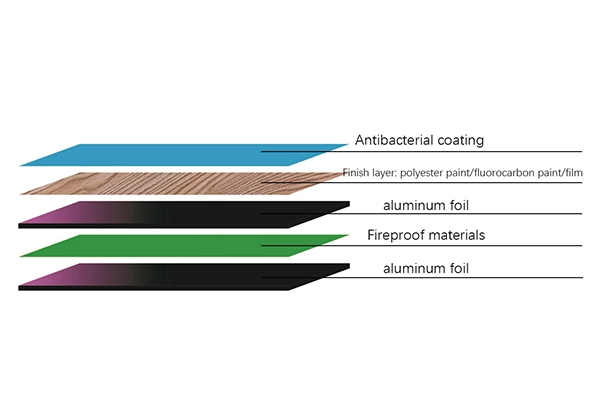
Understanding A2 Aluminum Composite Panels: Definition, Composition, and Manufacturing Process
What Makes A2 Panels Distinct from Standard Cladding
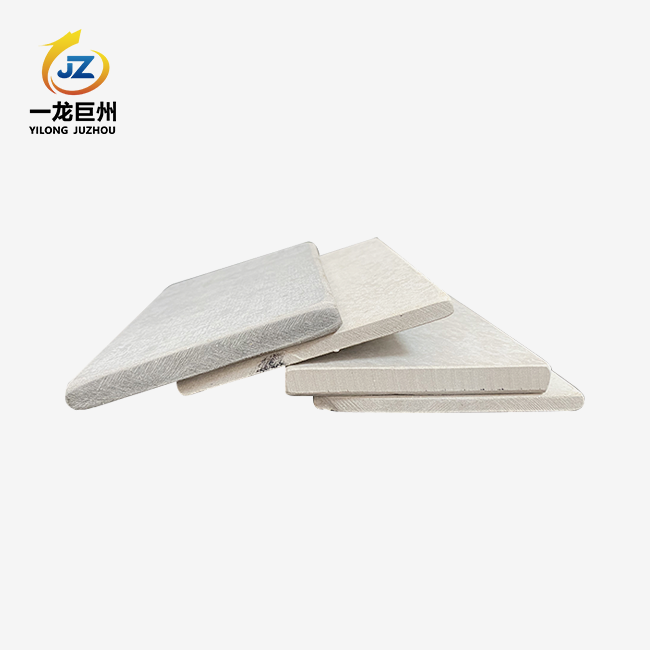
The main thing that makes A2 aluminium composite panels unique is what they are made of. A2 panels are different from regular panels because they are mostly made of inorganic rocks, usually magnesium hydroxide or aluminium hydroxide. The mineral-dense core makes it naturally non-flammable, which stops flames from spreading during fires. The aluminium skins, which are between 0.1 mm and 0.5 mm thick, are joined together using high-pressure lamination to make a strong frame that is both lightweight and strong. This building solves one of the most important safety problems in vertical sites, where fires can spread quickly through building facades.
Layered Construction and Surface Finishing Options
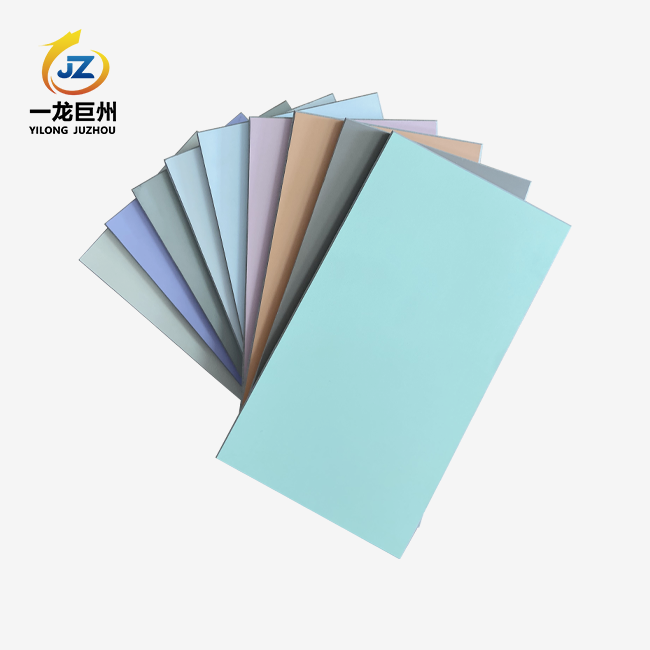
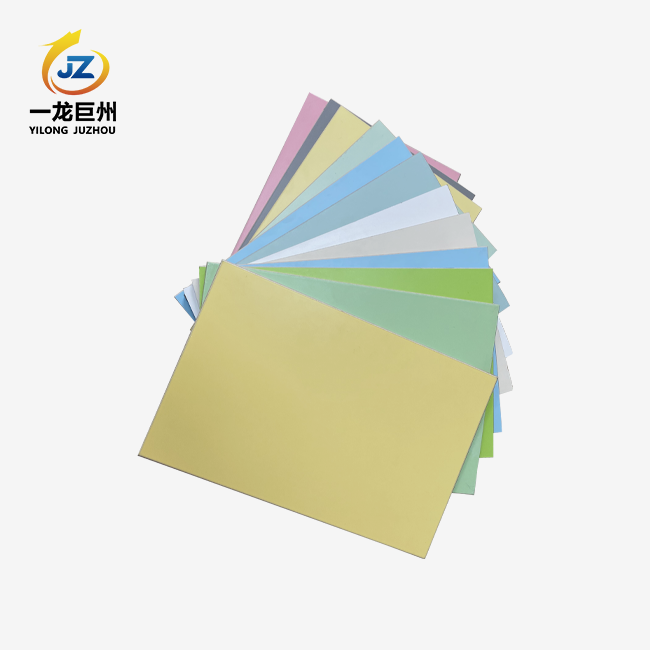
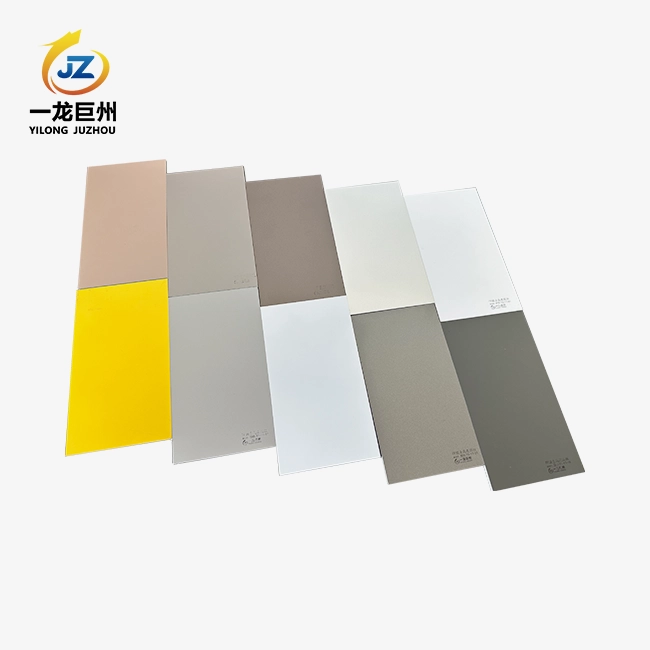
Our A2 aluminium composite panels come with a variety of surface layers so that they can be used for a wide range of projects. Polyester paint finishes keep colours bright for indoor uses, while PET film coats make surfaces less likely to get scratched in areas that get a lot of use. PVC film and PP film alternatives offer more texture options, such as finishes that look like woodgrain, marble, metal, or fabric. This flexibility lets builders stay true to their design goals without lowering fire safety standards. The panels come in regular widths of 1220mm, 1500mm, and 2000mm, and thicknesses of 2mm, 3mm, 4mm, 5mm, and 6mm. The lengths can also be changed to fit the needs of each project.
Manufacturing Standards and Quality Assurance
At YILONG JUZHOU factories in Shaanxi and Guangdong, strict quality A2 ACP board control rules are followed when products are made. Each panel is tested for peel strength to make sure that the bond between the aluminium skins and the mineral core is stronger than 7N/mm. This keeps the panels from coming apart when they are stressed. Checking the ash content makes sure that the A2 classification is correct by showing that the amount of inorganic residue left over after burning is higher than 90%. Precision coating application, controlled curing cycles, and checks for dimensional accuracy are all part of the production process. Panels get ISO and CE certifications along with approval from the China Environmental Protection Standard. This shows that they meet foreign safety standards. With 50,000m² in stock and production times of 3–7 days, we keep the supply chain reliable for jobs that need to be done quickly.
Benefits and Applications of A2 Aluminum Composite Panels in B2B Projects
Superior Fire Safety and Regulatory Compliance
The A2 fire grade is a very important safety level for buildings. With an S1 smoke production grade, these panels give off very little smoke when they're heated, which is important for seeing people who need to leave a room quickly. The d0 designation means that there are no flaming droplets during fire exposure, which stops other places of ignition. With this performance profile, A2 aluminium composite panels can legally be used in high-rise buildings taller than 18 meters, where building rules require materials that can't catch fire. Infection control rules say that surfaces must be able to be cleaned and meet strict fire codes. This standard helps healthcare facilities a lot.
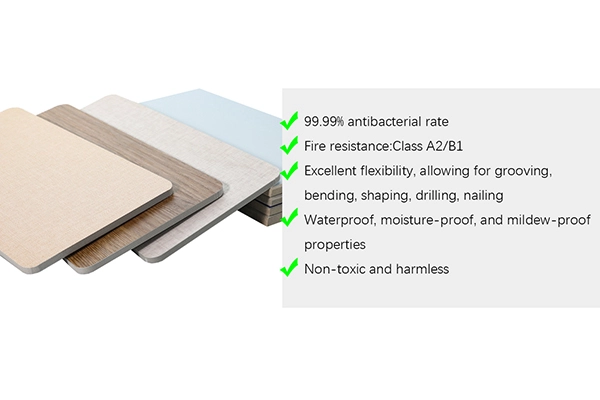
Here are the core performance advantages that distinguish A2 panels in commercial applications:
- Environmental Health Protection: Formaldehyde-free, odorless, and radiation-free composition aligns with green building certifications and occupant wellness initiatives in schools, hospitals, and office environments.
- Moisture and Mold Resistance: The mineral core structure prevents water absorption and microbial growth, essential for food processing plants, pharmaceutical facilities, and humid climates.
- Installation Flexibility: Panels accommodate drilling, nailing, and bending operations, enabling curved architectural features and customized mounting systems without specialized tools.
- Dimensional Customization: Heights exceeding 3 meters can be fabricated as single pieces, reducing seam visibility and installation labor costs in grand lobbies or auditoriums.
These advantages translate directly to reduced lifecycle costs and enhanced occupant safety across diverse project types.
Versatile Application Scenarios Across Industries
A2 aluminum composite panels serve multiple commercial and institutional environments. Subway stations and airports utilize these panels for ceiling and wall systems where crowd management during emergencies demands non-toxic smoke profiles. Shopping malls and conference centers appreciate the aesthetic customization—solid colors, wood grain finishes, and marble patterns—that maintain brand identity while satisfying fire marshals. Stadiums and gyms benefit from the panels' impact resistance and easy maintenance protocols. Medical aesthetic centers and hotels leverage the material's cleanability and sophisticated appearance to create welcoming spaces. Office buildings and art galleries employ A2 panels for interior feature walls that combine visual interest with code compliance.
Design Freedom Without Performance Compromise
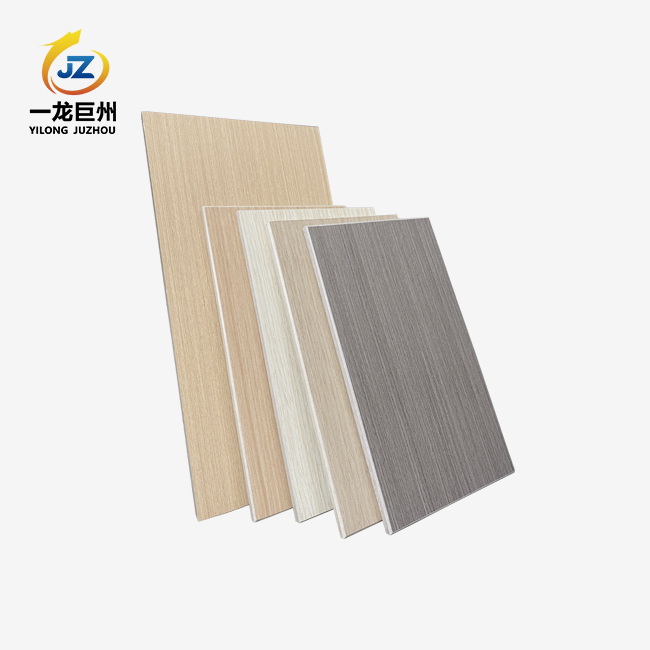
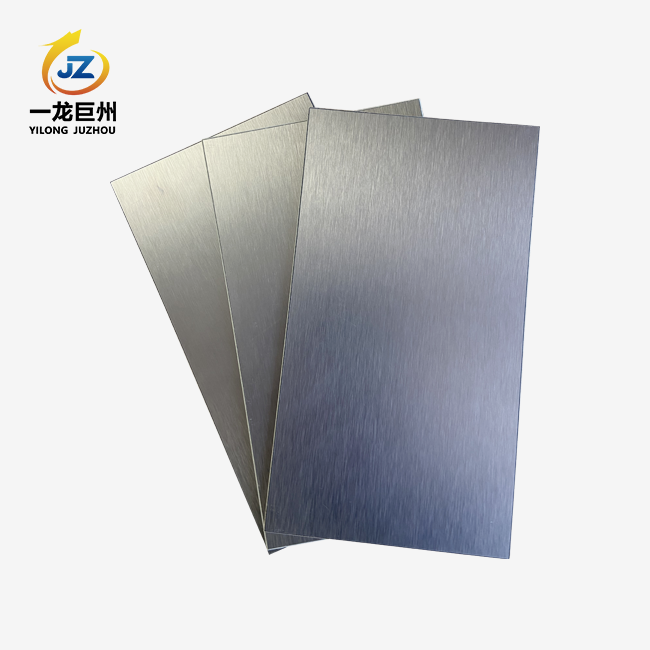
The color palette spans solid hues, metallic patterns, woodgrain textures, A2 ACP board, and marble aesthetics, providing architects with extensive creative latitude. Surface treatments accommodate digital printing for wayfinding signage in transit hubs or branding elements in corporate headquarters. The material's flexibility allows forming into curved or angled shapes, enabling sculptural design elements previously limited to heavier materials. This combination of safety certification and aesthetic versatility resolves the traditional trade-off between compliance and creativity, empowering designers to realize ambitious visions within regulatory frameworks.
Comparing A2 Aluminum Composite Panels with Other Cladding Materials
A2 Versus A1 and Fire-Retardant Alternatives
Understanding classification differences guides informed material selection. A1-rated panels contain entirely non-combustible materials but command premium pricing due to production complexity. A2 aluminum composite panels achieve practical fire safety through mineral cores while maintaining cost-effectiveness for large-scale projects. Standard B1 fire-retardant panels contain only 50-60% minerals and can sustain combustion despite self-extinguishing properties, making them unsuitable for many regulatory environments. The performance gap between B1 and A2 classifications becomes critical in liability assessments and insurance considerations for commercial property developers.
Weight and Structural Implications
The mineral-dense core increases panel weight to approximately 7-8 kg/m² for 4mm thickness, exceeding polyethylene-core alternatives. This characteristic requires structural load calculations during subframe design, particularly for retrofit applications on existing buildings. The trade-off delivers superior rigidity and impact resistance that reduces maintenance expenses from accidental damage in public spaces. Contractors appreciate that proper structural engineering at the project outset prevents costly corrections compared to lighter materials that may require mid-project reinforcement.
Lifespan and Warranty Considerations
Quality A2 panels with PVDF coatings deliver 15-20 year warranties against color fading and chalking, provided maintenance guidelines are followed. This durability surpasses painted gypsum or standard plastic laminates that degrade under UV exposure and cleaning chemicals. The non-porous surface resists staining from graffiti or environmental pollutants, maintaining appearance in urban settings. When evaluating the total cost of ownership, the extended service life and minimal replacement frequency justify initial investment premiums over shorter-lived cladding systems.
How to Procure A2 Aluminum Composite Panels: A Guide for Global B2B Buyers
Evaluating Supplier Credentials and Certifications
Procurement professionals should verify manufacturer test reports from accredited laboratories confirming EN 13501-1 or NFPA 285 compliance. Request documentation of ISO quality management systems and environmental certifications. YILONG JUZHOU maintains transparent quality records and responds to technical inquiries within 24 hours, facilitating specification reviews during design development phases. Our dual production bases in Foshan and Shaanxi enable geographic redundancy for supply security, A2 metal Aluminum Composite panel, while export experience across 30+ countries demonstrates regulatory adaptation capabilities.
Sample Testing and Technical Approval Process
We offer free sample customisation within 3–5 days, so project teams can test the products in real life before committing to a buy. On-site flame testing, peel strength testing, and mock-ups for appearance should all be done on the samples in real lighting circumstances. During this prototyping process, compatibility with certain fastening systems is checked, and colour matching is confirmed against approved palettes. OEM and ODM services can meet the specific needs of each project, such as making custom perforation designs for better soundproofing or coatings that can withstand harsh environmental conditions.
Logistics and Order Fulfillment Strategies
We are close to important seaports like Shenzhen, Guangzhou, Shanghai, and Qingdao, which makes shipping arrangements more flexible for buyers around the world. Land transportation hubs in Xi'an, Guangzhou, Shenzhen, and Foshan help with shipping goods within China and putting multiple containers on one truck. Minimum order numbers make sure that container optimisation meets the needs of each project, and bulk discounts encourage buying in stages for things like campus expansions or franchise rollouts. Managing lead times makes sure that panel deliveries don't interfere with building schedules, which can cause delays that cost a lot of money.
Installation and Maintenance of A2 Aluminum Composite Panels
Best Practices for Panel Installation
Preparing the base is the first step in a proper installation. This includes making sure that the wall surfaces are flat enough and have enough fastener anchoring. The panels can be easily attached to metal or wood frame systems because they can be drilled and nailed. Installers should know that the mineral core is rough, so they need to use carbide-tipped tools to keep them from wearing out too quickly while cutting. Expansion joints allow for heat movement, which keeps stress from building up and weakening the seam. Our technical support team gives construction drawings and advice to help workers do their jobs better and get better results.
Common Installation Pitfalls to Avoid
If you don't leave enough space between your fasteners, the panel could buckle in the wind or A2 metal Aluminum Composite panel when the temperature changes. If you tighten the screws too much, they could break the material core and make the structure less strong. Ignoring the types of sealant recommended by the maker can lead to water getting in and damage from freeze-thaw cycles in cold places. When contractors are working on mineral-core panels, they sometimes use too much force, which damages the edges and makes the panels look bad. These problems can be avoided by teaching installation crews the right way to handle different materials. This also keeps the warranty current.
Long-Term Maintenance Protocols
Regular washing with mild soaps and soft brushes keeps the look of the surface without hurting the coatings. Coatings last longer if you don't use harsh cleaners or high-pressure washes. Fastener strength, sealant condition, and panel alignment should all be checked once a year. The waterproofing and mildew resistance stop living things from growing, but regular cleaning gets rid of surface dirt that could be home to microbes in healthcare situations. Keeping records of maintenance tasks helps with warranty claims and shows that you're following the rules during facility visits.
Conclusion
Aluminium composite panels (A2) are a smart choice for commercial and institutional buildings that need to be fire-safe, last a long time, and be easy to plan. Their mineral-rich, non-combustible cores provide proven protection against the spread of flames vertically, passing the strictest building codes for high-rise and high-occupancy structures. In addition to meeting safety standards, these panels are waterproof, good for the environment because they don't contain formaldehyde, and come in a variety of colours and styles, from solid to woodgrain. For people who work in procurement who are looking at cladding systems, A2 panels offer a good mix between initial investment and long-term value thanks to their extended warranties, low maintenance needs, and ability to adapt to different architectural visions in commercial developments, transit hubs, and hospitals.
FAQ
1. What distinguishes an A2 fire rating in practical terms?
The A2 classification under EN 13501-1 certifies that panels contain over 90% non-combustible minerals, producing minimal smoke (s1 rating) and no flaming droplets (d0 designation) during fire exposure. This performance prevents the rapid facade fires seen with combustible core materials, making A2 panels legally required for buildings exceeding 18 meters in many jurisdictions.
2. Can A2 panels be customized for specific project aesthetics?
Yes, our panels accommodate custom lengths, various surface finishes including woodgrain and marble patterns, and digital printing for signage applications. OEM services enable tailored perforation patterns, custom colors matching brand specifications, and specialized coatings for unique environmental conditions. Free samples allow verification of aesthetic compatibility before full orders.
3. How do A2 panels support environmental sustainability goals?
These panels eliminate formaldehyde emissions, contain recyclable aluminum components, and meet low VOC standards critical for LEED certification. The durable PVDF coatings reduce replacement frequency, minimizing lifecycle environmental impact. Manufacturing processes at YILONG JUZHOU facilities comply with China Environmental Protection Standards and ISO environmental management systems.
Partner with a Trusted A2 Aluminum Composite Panel Manufacturer
YILONG JUZHOU brings over years of A2 Aluminium Composite panel specialized expertise in fire-rated interior cladding solutions, serving hospitals, transit authorities, and commercial developers across global markets. Our dual production facilities in Shaanxi and Guangdong maintain 50,000m² stock availability with 3-7 day production cycles, ensuring your project timelines remain on track. We offer comprehensive support from free sample customization to technical installation guidance, backed by ISO and CE certifications that satisfy international compliance requirements. Reach out to our team at cnyang2000114@gmail.com to discuss your A2 aluminum composite panel supplier needs, request project-specific samples, or explore OEM customization options. With response times under 24 hours and three-year quality guarantees, we deliver the reliability that large-scale construction demands.
References
1. European Committee for Standardization, "EN 13501-1: Fire Classification of Construction Products and Building Elements," Brussels, 2018.
2. National Fire Protection Association, "NFPA 285: Standard Fire Test Method for Evaluation of Fire Propagation Characteristics of Exterior Wall Assemblies," Quincy, Massachusetts, 2019.
3. Green Building Council, "LEED v4.1 Building Design and Construction: Material Ingredient Reporting Requirements," Washington DC, 2020.
4. International Organization for Standardization, "ISO 1716: Reaction to Fire Tests for Products—Determination of the Gross Heat of Combustion," Geneva, 2018.
5. American Society for Testing and Materials, "ASTM D1781: Standard Test Method for Climbing Drum Peel for Adhesives," West Conshohocken, Pennsylvania, 2020.
6. Construction Specification Institute, "MasterFormat Division 07: Thermal and Moisture Protection—Aluminum Composite Panels," Alexandria, Virginia, 2021.

Send Inquiry

Related Industry Knowledge
- What is an aluminum composite panel?
- PE Aluminum Composite Board Sheet: Sizes, Specs and Uses
- Unlock the Power of Aluminium Composite Panel
- What is the difference between an aluminum composite panel and an aluminum sheet?
- How do I choose the right aluminum composite panels for my building?
- Antibacterial wall panel medical rigid sheet wall protection
- What are the common issues faced during aluminum panel installation, and how to avoid them?
- How to cut an aluminum composite panel?
- What safety precautions should I take when cutting aluminum composite panels?
- How to Choose the Best Medical Clean Board