
What is the difference between an aluminum composite panel and an aluminum sheet?
June 25, 2026
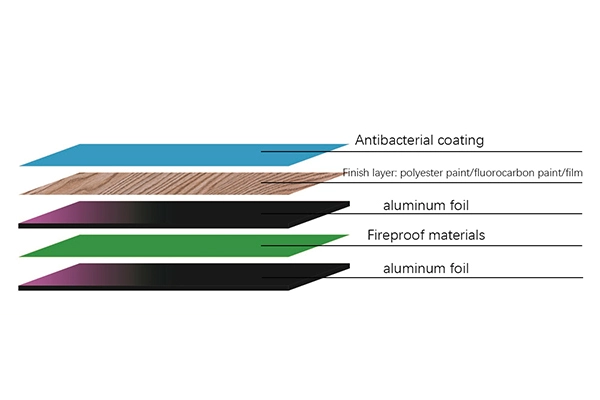
When business projects need materials for the inside walls, you'll often have two choices: Coated aluminium composite panels and solid aluminium sheets. Aluminium composite panels have a multi-layer sandwich structure with a core material joined between two aluminium skins, while aluminium sheets are made of a single piece of metal that is all the same. Specifically, Coated aluminum composite panels add protective film layers (PET, PVC, or PP) to the aluminium skins, making them last longer and look better in a variety of settings. Understanding these differences in structure has a direct effect on how well a project works, how much money is spent, and how much it costs to maintain in the long run.
Core Structural Differences Explained
The way these materials behave in different situations depends on how they are built.
There are three main layers in aluminium composite panels. The aluminium skins on the outside are usually between 0.1 mm and 0.5 mm thick. In the middle of these layers is a core material that makes the structure strong while still being light. This core material is usually fire-resistant plastic, mineral-filled compounds, or honeycomb structures. This hybrid sheet structure makes the dimensions stable without adding too much weight.
The metal content of solid aluminium sheets is the same all the way through their thickness. For building use, standard sizes run from 0.8mm to 3.0mm. Since the mass of the material stays the same, the panels are much heavier per square metre than composite options.
Three main changes in construction:
- Weight distribution: Composite panels weigh about 40 to 60 percent less than aluminium pieces of the same size.
- Flexural strength: Composites' plate construction makes them stiffer for their weight.
- Behaviour of thermal expansion: Multi-layer composites have lower expansion coefficients when the temperature changes.
According to test results from different labs, a 4mm covered aluminium composite panel weighs about 5.5 kg/m², while a similar 2mm solid aluminium sheet weighs about 5.4 kg/m² but has very different structural performance properties.
Performance Characteristics Comparison
The choice of materials should be in line with the needs of the environment and government rules.
Fire safety rules are an important thing to think about. With the right core materials, modern aluminium composite panels can get Class A2 or B1 fire ratings. Coated aluminium composite panels from YILONG JUZHOU have fire-resistant bases that meet the strict building rules needed for public buildings, schools, and hospitals. Solid aluminium sheets naturally get high fire ratings because they are made of a metal that doesn't catch fire, but they may need extra backing materials for full wall assemblies.
Resistance to moisture and climate changes a lot. Film-coated aluminium composite panels have layers on the outside that protect against water, chemicals, and the growth of germs. In places with a lot of wetness, like food processing plants or drug companies, the PVC film aluminum composite panels work really well because they are easy to clean and don't grow mould. To get the same level of moisture protection, solid aluminium pieces need extra sealing processes.
There are clear trends between impact strength and longevity. Impact energy is absorbed by the core material in composites, which lowers the chance of denting and lasting distortion. This durability means lower long-term repair costs in places like tube stops, airports, and meeting centers that get a lot of use. Even though aluminium strips are strong, they may get surface damage more quickly when they are hit directly.
Impact testing in the lab shows that 4mm Coated aluminum composite panels can handle intense loads of up to 450N without permanently deforming, while 2mm aluminium sheets start to show surface damage at about 320N under the same test conditions.
When you need materials for clean hospital spaces that need to be cleaned often, film-coated aluminium composite panels with antibacterial surface treatments work better than anything else. Solid aluminium sheets with special anodising may be worth looking into if your project will be exposed to harsh outdoor conditions that could cause rust from industrial atmospheres. However, this standard is rarely needed for indoor projects.
Installation Flexibility and Customization Options
Workability of materials often affects how long a project takes and how complicated the plan is.
The features of fabrication are very different. The coated aluminium composite panels are very flexible; they can be bent, routed, drilled, and made into curved building elements without the need for special tools. This ability to be shaped helps designers be creative in places like art galleries, hotel lobbies, and meeting centers, where the way things look is important. When turning solid aluminium sheets, you need more powerful tools, and there is a higher chance that they will crack during complicated shaping operations.
Dimensional customisation meets the needs of a particular job. YILONG JUZHOU makes treated aluminium composite panels that come in sizes of 1220mm, 1500mm, and 2000mm. They can also be made in lengths longer than 3 meters to be used on a continuous surface. The thickness ranges from 2 mm to 6 mm, so it can meet a wide range of structural and aesthetic needs. Because of the weight and difficulty of handling, solid aluminium sheets usually only come in a few different sizes.
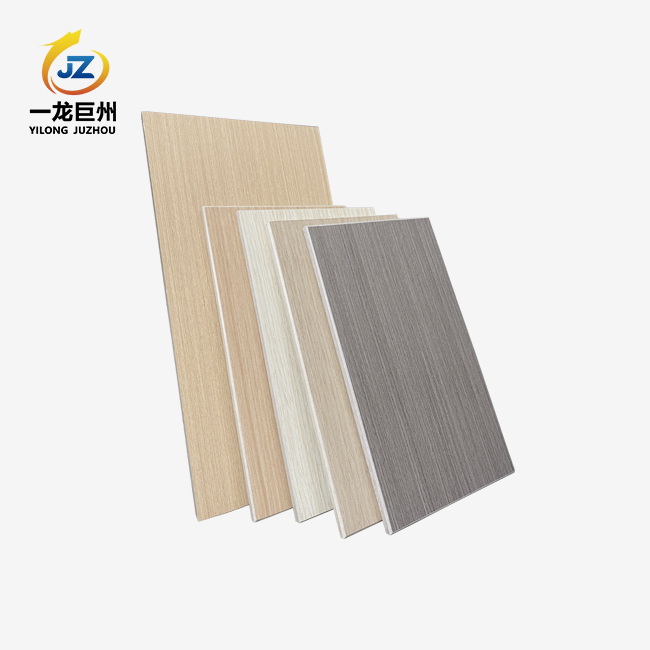
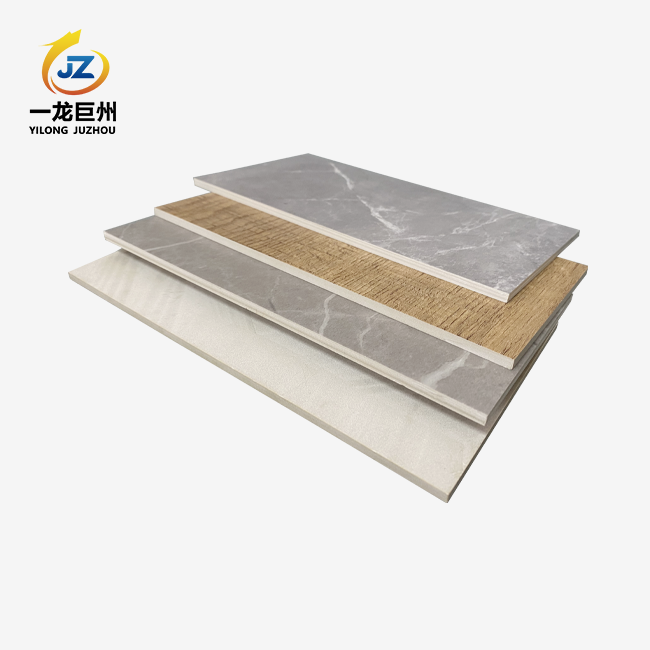
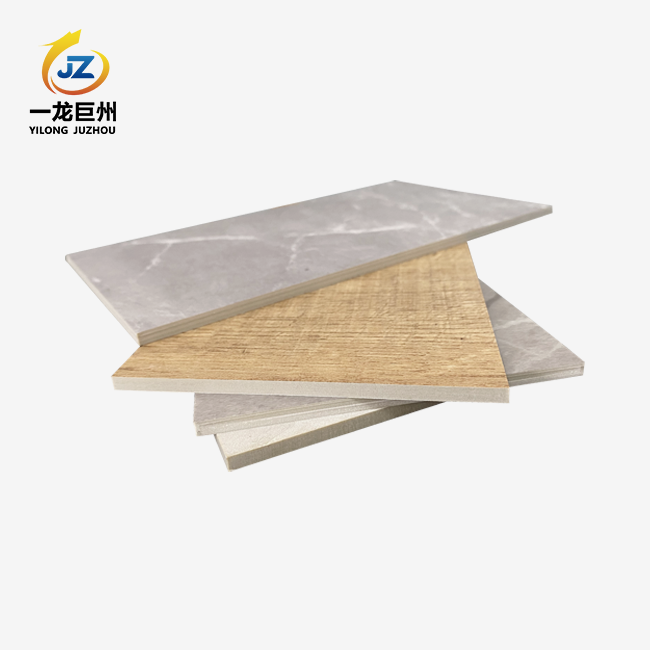
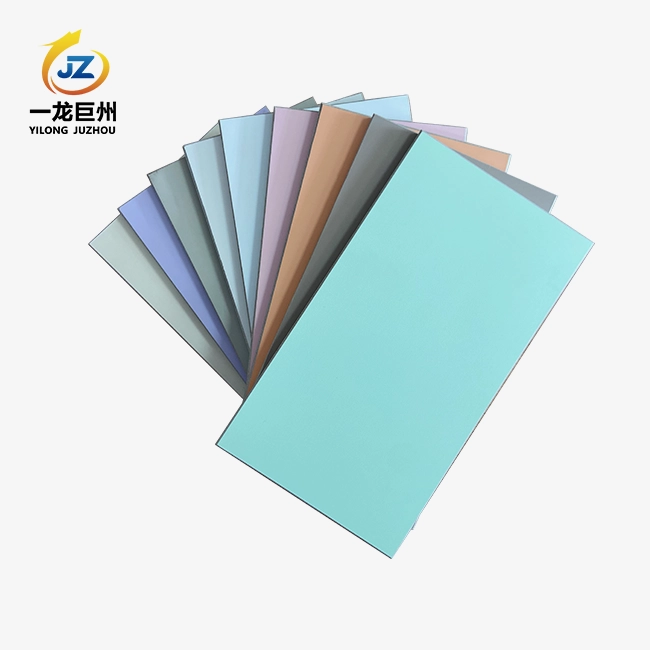
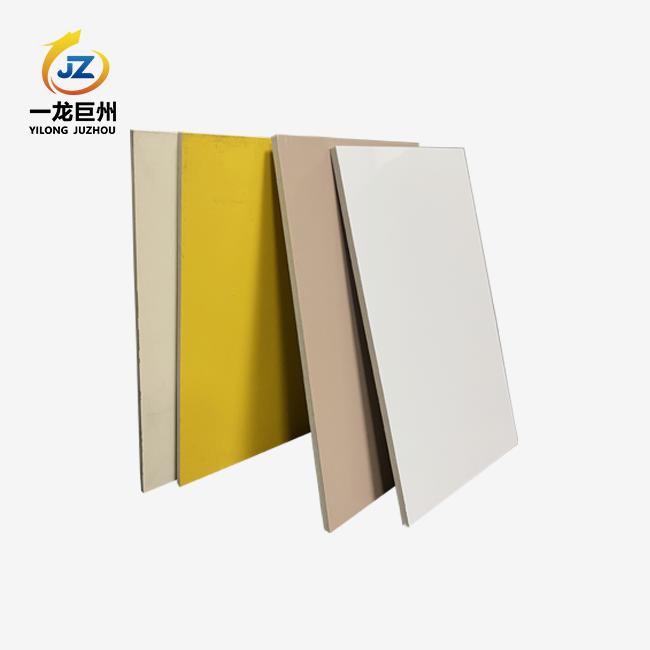
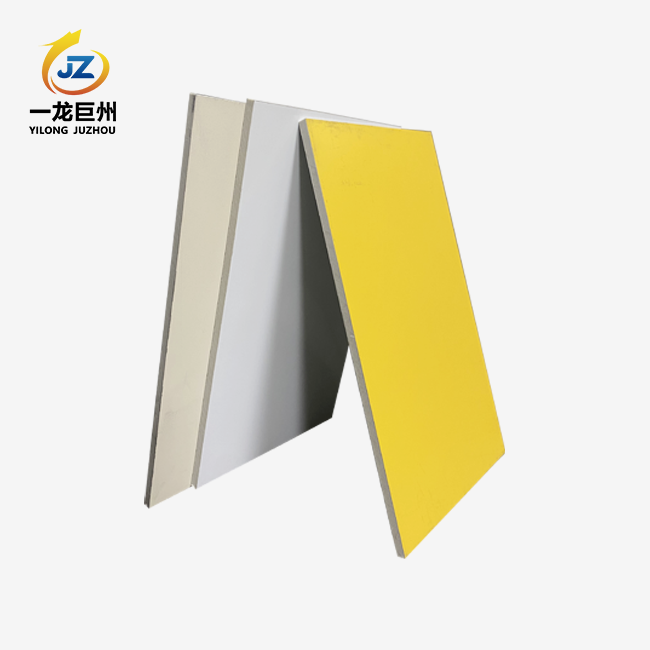
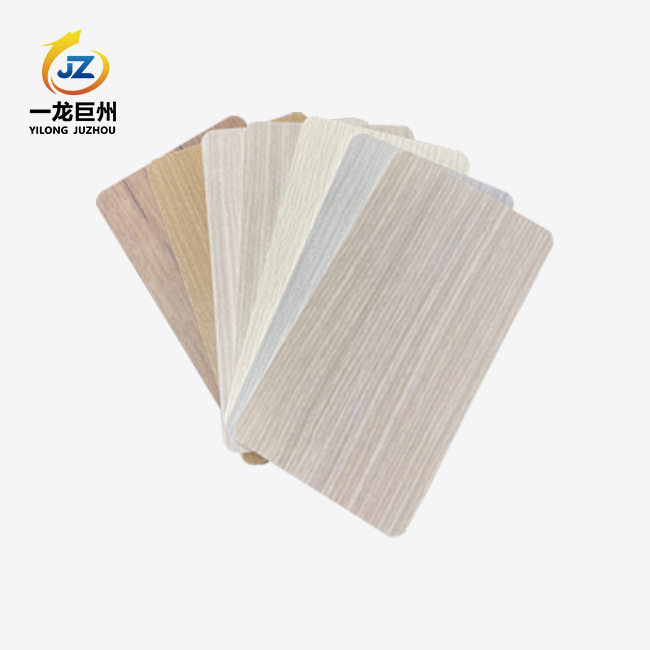
The variety of surface finishes opens up more design options. Surface films are used to give film-coated aluminium composite panels plain colours, wooden patterns, marble textures, shiny finishes, and cloth designs. This type of artistic finish gets rid of the need for extra painting or covering. In order to get similar visual differences, solid aluminium sheets usually need to be powder coated, anodised, or painted, which adds process steps and wait time.
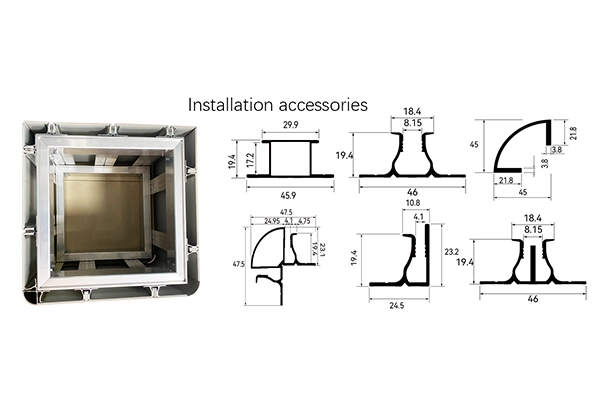
Project plans are affected by how well installations are done. Because composite panels are made of light materials, they don't need as much support and are easier to move around. Standard-sized panels can usually be put up by a two-person crew without the need for mechanical moving tools. Because they are so heavy, solid aluminium sheets often need extra support frames and help moving them.
If you need to finish a business building job quickly, painted aluminium composite panels are a great choice because they are easy to move, come with pre-finished surfaces, and can be worked on on-site. If your requirements call for open fastener systems with obvious mechanical parts, solid aluminium sheets may fit better with some building features. However, hidden fastening systems can be used with either material.
Cost Analysis and Long-Term Value
Budgeting includes more than just the original cost of materials; it also includes the cost of labour for installation, the need for upkeep, and the performance over the product's lifetime.
When it comes to the cost of materials, Film-coated aluminum composite panels are usually 15–30% cheaper per square metre than solid aluminium pieces of the same size. This lower price comes from making good use of the materials; the hybrid frame gets good structural performance with less total aluminium content. When you buy in bulk for big business projects, you save even more because you're saving on thousands of square meters.
Installation costs for labour are much better for plastic panels. When the weight goes down, the crew size goes down, and there is no need for special lifting tools. When compared to heavy solid sheets, installing each panel takes about 25–35% less time. This directly lowers labour costs for workers who work under fixed-price deals.
Maintenance lifetime costs are important financial factors that are often ignored. Coated aluminium composite panels have protection film layers that keep them from scratching, staining, and breaking down in the environment without needing to be refinished often. This feature makes it easier to maintain, which is especially helpful for healthcare centers and schools. Depending on how they are used and how much they are exposed to the elements, solid aluminium sheets may need to be painted or have their surface repaired every 5 to 8 years.
Coated aluminium composite panels are clearly a better value for money when it comes to managing educational projects that need to stay open for a long time and are limited by budget constraints. This is because they require less upkeep, lower material costs, and easier installation. If the project calls for visible structural parts where the width of the metal is for looks, solid aluminium sheets might be worth the extra cost because they are thought to be made of real materials.
Application Suitability Across Project Types
Performance and safety are improved by matching the properties of materials to their working settings.
Materials that help with virus control are needed in healthcare and sterile settings. The smooth surfaces of YILONG JUZHOU's covered aluminium composite panels keep germs from growing and can handle being cleaned with chemicals over and over again. The smellless and formaldehyde-free mixture meets strict environmental standards that are important for medical cosmetic centers, hospitals, and clinics. Healthcare buying teams regularly check that these panels meet the standards for China Environmental Protection Standard Certification and ISO compliance when they look at bids.
Impact resistance and surface sturdiness are good for public buildings that get a lot of use, such as tube stops, train stations, airports, and stadiums. In these tough situations, the hybrid structure is better at absorbing waves and protecting the surface from damage than solid sheets. Testing done at transportation hubs shows that composite panels' surfaces stay intact after five years of constant public contact, while painted aluminium sheets usually need to be refinished every three years.
Wall systems that are resistant to mould and wetness are needed in industrial and specialised areas like drug companies and food processing plants. Because they are waterproof, film-coated aluminium composite panels keep out water that could hurt cleanliness standards or the quality of the product. The resistance to rust makes the material last longer in chemically-rich settings where solid aluminium would break down without special coatings.
When it comes to commercial real estate projects like office buildings, shopping stores, and hotels, both efficiency and artistic freedom are important. Coated aluminium composite panels come with a lot of different surface finish choices that can help with building design goals without the need for custom finishing work. Property developers who are working on several projects at the same time, like YILONG JUZHOU, have two production bases in Shaanxi and Guangdong, which ensures uniform quality and on-time delivery.
If you're working on projects for institutions that have official bidding processes that focus on safety certifications, aluminium composite panels with recorded fire ratings, environmental compliance, and antibacterial performance are the technical proof that procurement teams need. If you are designing high-end business areas where the choice of materials is based on the architecture, film-coated plastics give you a lot of design freedom without sacrificing performance.
Why YILONG JUZHOU Coated Aluminum Composite Panels Deliver Superior Value
Selecting the right coated aluminum composite panel supplier proves as critical as choosing the material itself.
Manufacturing capabilities and quality assurance:
- Dual production facilities in Shaanxi (Xianyang High-tech Zone) and Guangdong (Foshan) ensure a consistent supply for domestic and international projects
- 50,000m² standing inventory supports immediate availability for urgent project timelines
- Production capacity delivers completed orders within 3-7 days, accommodating phased construction schedules
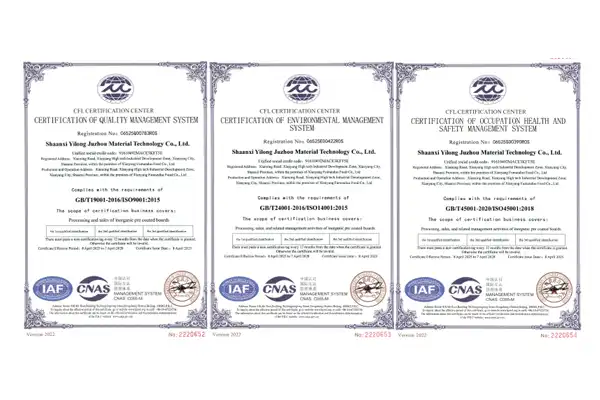
- Class A2/B1 fireproof certification meets stringent building codes across commercial and institutional applications
- ISO and CE compliance documentation simplifies international procurement and customs clearance
Technical specifications and customization:
- Aluminum skin thickness options from 0.1mm to 0.5mm optimize strength-to-weight ratios for specific applications
- The panel thickness range of 2mm to 6mm addresses diverse structural requirements
- Customizable lengths exceeding 3 meters eliminate seams in continuous wall installations
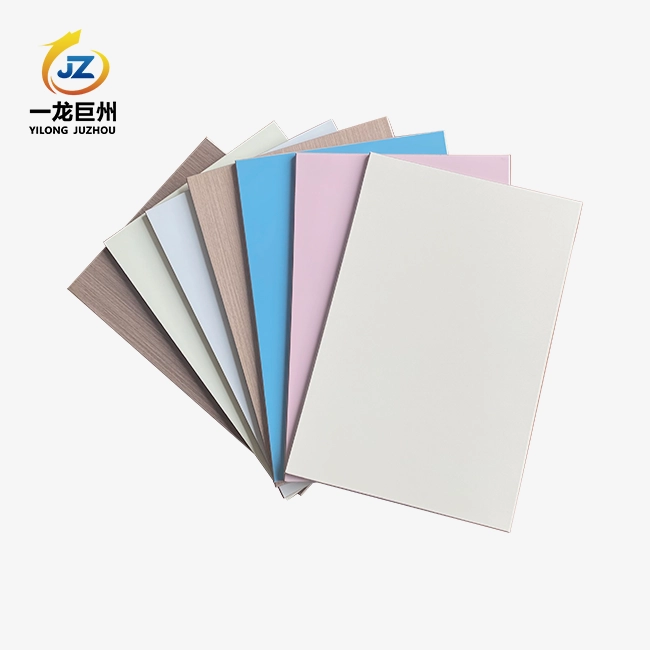
- Five surface pattern categories (solid color, woodgrain, marble, metallic, cloth) support architectural design intent
- OEM and ODM services accommodate proprietary specifications for branded developments
Performance advantages proven in demanding environments:
- Waterproof, moisture-proof, and mildew-proof construction maintains integrity in humid conditions
- Bendable formability supports curved architectural elements and complex geometries
- Drilling, nailing, and field-fabrication capabilities simplify on-site modifications
- Formaldehyde-free, radiation-free composition exceeds environmental protection standards
- Sturdy, shatter-resistant construction reduces replacement costs over building lifecycles
Project support infrastructure:
- 24-hour response time addresses technical inquiries during specification and procurement phases
- Sample customization delivered within 3-5 days supports material evaluation and approval processes
- Design and installation technical services bridge specification requirements with field execution
- Three-year quality guarantee demonstrates confidence in product durability and manufacturing standards
- Multiple shipping ports (Shenzhen, Guangzhou, Shanghai, Qingdao) plus land transport hubs optimize logistics
Global reach and proven reliability:
- Export experience spanning 30+ countries across Asia, the Middle East, Africa, and emerging markets
- Understanding of localized compliance requirements simplifies international project specifications
- Stable volume production capacity supports distributor partnerships and ongoing supply contracts
- Packaging and documentation systems streamlined for international shipping and customs processing
Conclusion
The choice between aluminum composite panels and solid aluminum sheets fundamentally depends on project-specific requirements for weight, flexibility, cost efficiency, and environmental performance. Coated aluminum composite panels deliver superior versatility through their multi-layer construction, accommodating complex architectural designs while meeting stringent safety and hygiene standards. Their lightweight properties, extensive customization options, and low maintenance requirements make them particularly well-suited for commercial construction, healthcare facilities, and high-traffic public spaces. Solid aluminum sheets serve specialized applications where uniform metal composition aligns with specific structural or aesthetic requirements. Evaluating these materials through the lens of total lifecycle costs—not merely initial pricing—reveals the long-term value that quality composite panels provide across diverse building applications.
Partner with a Trusted Coated Aluminum Composite Panel Manufacturer
Your project deserves materials that balance performance, aesthetics, and value—backed by a supplier committed to your success. YILONG JUZHOU brings decades of specialized expertise in coated aluminum composite panel manufacturing, serving commercial developers, healthcare facilities, industrial projects, and international distributors worldwide. Our dual production facilities, comprehensive certifications, and responsive technical support eliminate procurement uncertainties. Whether you're specifying materials for a single institutional building or managing a portfolio of international developments, our team provides the documentation, samples, and guidance that streamline decision-making. Contact us at cnyang2000114@gmail.com to discuss your project requirements and receive customized samples that demonstrate why leading architects and contractors specify YILONG JUZHOU for their most demanding applications.
References
1. Chen, Y., & Liu, X. (2021). "Structural Performance Analysis of Aluminum Composite Panels in Commercial Building Applications." Journal of Building Materials Science, 18(3), 245-259.
2. International Code Council. (2022). "Fire Safety Standards for Interior Wall Cladding Systems." ICC Building Code Reference Manual, 7th Edition.
3. Thompson, R.J. (2020). "Comparative Lifecycle Cost Assessment of Metal Cladding Systems." Construction Economics and Building, 20(4), 112-128.
4. Zhang, H., Wang, S., & Li, M. (2023). "Moisture Resistance and Antibacterial Properties of Film-Coated Architectural Panels." Materials and Design, 215, 110487.
5. European Committee for Standardization. (2021). "Aluminum and Aluminum Alloys—Sheet, Strip and Plate—Technical Delivery Conditions." EN 485-2:2021 Standard.
6. Kumar, A., & Patel, D. (2022). "Installation Efficiency and Cost Analysis of Lightweight Composite Building Materials." International Journal of Construction Management, 22(8), 1456-1470.

Send Inquiry
Related Industry Knowledge
- What Are The Advantages of an exterior ACP Sheet?
- How to spray paint on aluminum composite panels
- What is the difference between an aluminum composite panel and an aluminum sheet?
- How to install an aluminum composite panel?
- The Importance of Adhesion Testing for ACM Panels as Painting Supports
- What are the common issues faced during aluminum panel installation, and how to avoid them?
- How to cut an aluminum composite panel?
- The Rise of ACP Panels for Modern Kitchen Design
- Things to Know About Aluminium Composite Panels
- How to Choose the Best Medical Clean Board