
How to spray paint on aluminum composite panels
June 25, 2026
For durable, professional finishes, spray painting on aluminium composite panels needs a properly painting aluminum composite panel prepared surface, a compatible primer, controlled spray methods, and enough curing time. Painting aluminium composite panels usually comes factory-coated with polyester paint systems. But knowing how to use spray application helps procurement teams judge the quality of the finish, change the way things look, and see what suppliers can do when they're looking for panels for business projects.
Understanding Aluminum Composite Panels and Painting Basics
What Are Aluminum Composite Panels?
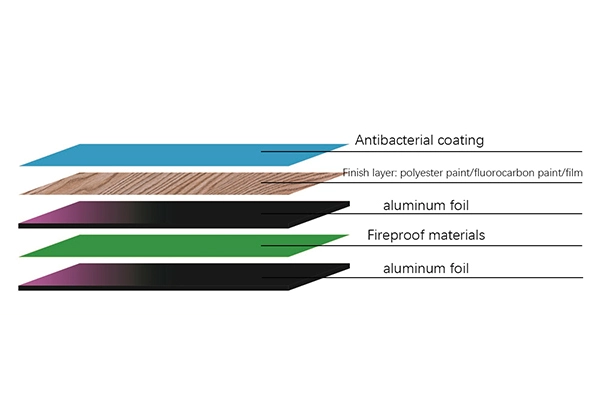
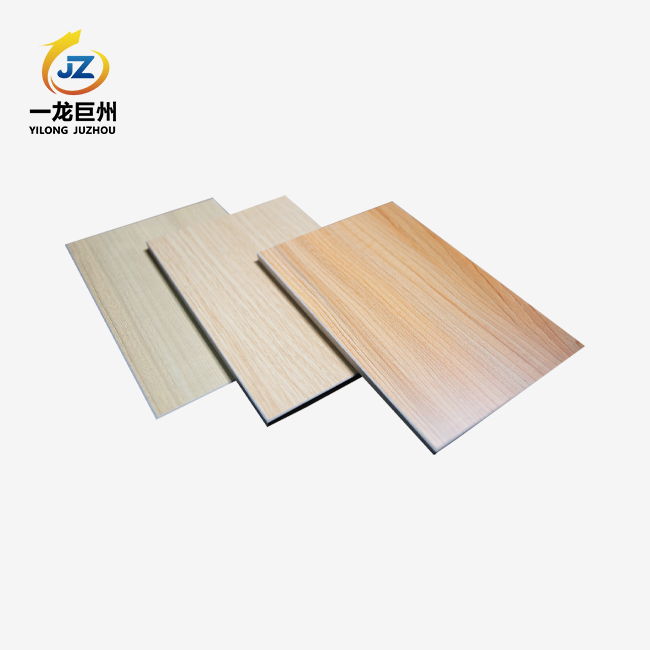
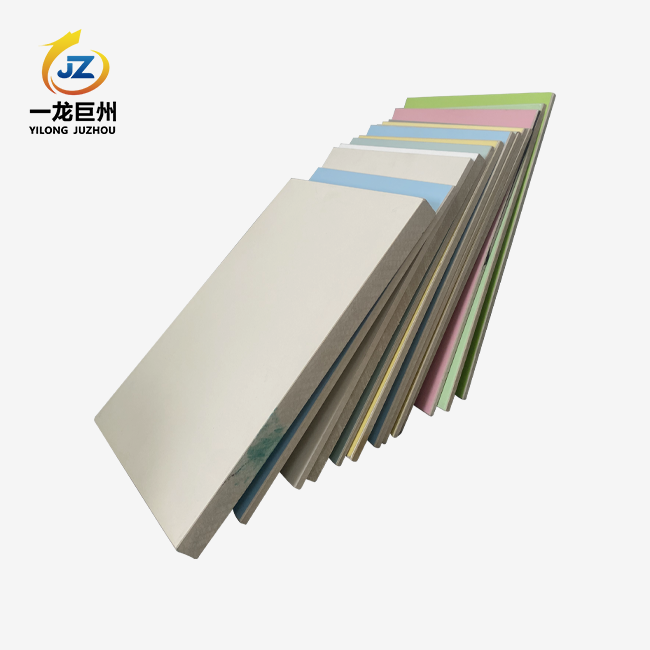
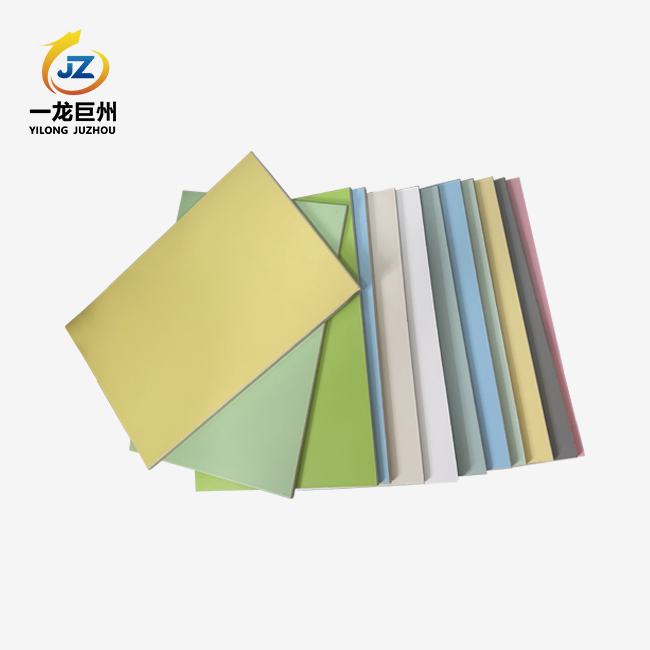
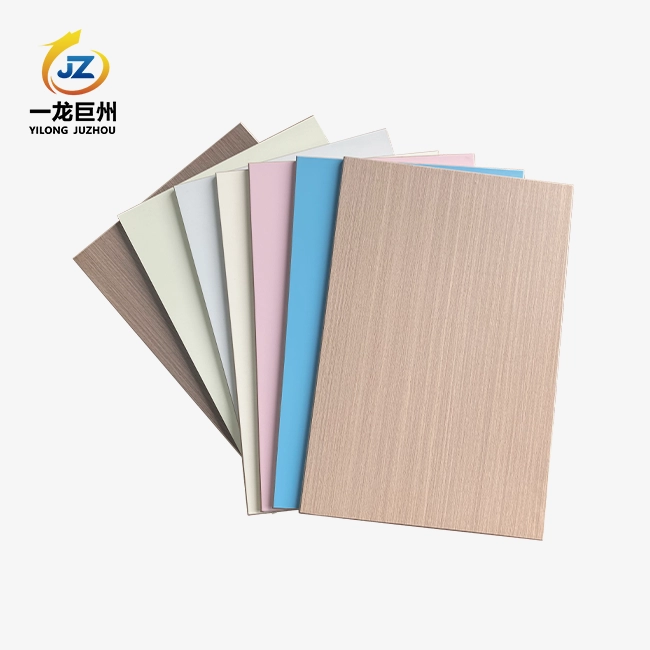
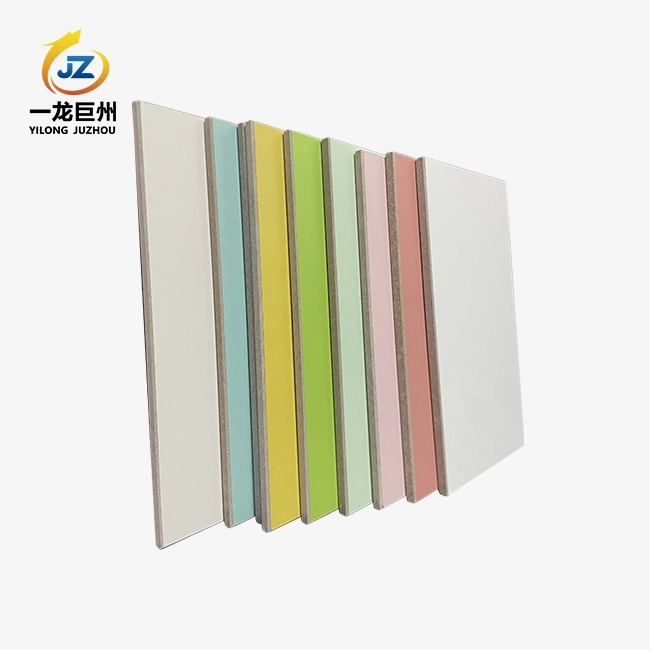
Aluminium composite panels have two layers of aluminium that are bound to a core material that is usually made of polyethylene or refractory materials. This sandwich structure makes a material that is both very light and very rigid. It solves a number of problems that come up in modern buildings. Solid aluminium sheets add a lot of weight to structures, but these panels are just as strong but much lighter, which makes them especially useful in high-rise buildings where structural efficiency is important. The surface layer usually has polyester paint applied using advanced coil coating technology while the panels are being made. This finish is applied at the factory, so the colours are consistent across big batches. It also gets rid of the chromatic aberration problems that often happen when painting after installation. The continuous roll-to-roll coating process provides better adhesion and uniform thickness than manual spray methods. This makes a pre-finished solution that cuts down on installation time and labour costs.
Why Paint Quality Matters in Commercial Applications
The paint method used on aluminium composite panels is a big part of how well they work in harsh environments. In healthcare centers, like hospitals, surfaces need to be able to handle harsh disinfectants and strict cleaning procedures without losing their shine or coating breaking down. Schools and colleges need finishes that can stand up to heavy foot traffic every day and still look good after 15 to 20 years. Shopping malls and office buildings try to keep the look of their interior walls consistent, because even small colour differences can be seen right away. When procurement professionals are looking at suppliers, they should know that better painting methods solve important problems. Good polyester paint doesn't let UV rays through in naturally lit rooms, keeps colours true in places with changing temperatures, like subways and conference centers, and doesn't let water in when it's wet, like airports and train stations. These performance traits have a direct effect on lifecycle costs and upkeep schedules. This means that the paint quality of polyester paint on ACP panels is more than just a matter of taste when it comes to buying things.
Compatible Paint Types for Aluminum Composite Panels
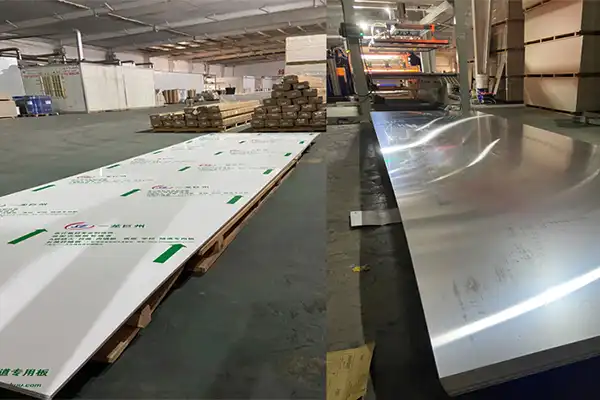
Different paint formulas are used for different tasks and have different functions. For interior uses, polyester systems work especially well because they keep colours well and last long enough for controlled settings. These formulas give panels installed in medical aesthetic centers, villas, and art galleries the flexibility they need for spaces where design flexibility is just as important as performance. Acrylic-based paints stick well to aluminium surfaces and are a good value for projects that don't need a lot of performance. They dry pretty quickly and give off fewer volatile organic compounds, which is in line with environmental standards that are becoming more and more important in university projects. Polyurethane coatings are better at resisting chemicals, which makes them good for places like pharmaceutical factories and food processing plants where panels may come into contact with cleaning or process chemicals. Knowing these differences helps procurement teams choose the right paint systems when customers ask for custom finishes. Manufacturers like YILONG JUZHOU can change the coatings to fit different weather conditions and government rules. This makes sure that the panels work perfectly for the whole time they are in use.
Preparing for Spray Painting on Aluminum Composite Panels
Surface Preparation Requirements
The first step to good paint bonding is to carefully prepare the area. Factory oils, dust, or anything else that could weaken the bond between the paint and the metal skin can't be on it. Many times, alkaline cleaning products or liquid wiping are used to clean industrial areas, which are then rinsed well and dried. This process gets rid of tiny remains that you might not be able to see, but would make it hard for things to stick months after they were installed. Once the surface is clean, fine-grit sandpaper is used to create a very small texture that keeps the primer in place. This step is very important if you want to change the colour of factory-coated panels or raw metal surfaces. The rough surface makes more contact and gives the primer mechanical interlocking points, which makes the coating much tougher over time. Strict rules are used to prepare the surface when making a good product. Talk to the sellers you're interested in about how they clean and treat panels before they ship them. This will change how well certain coatings stick if the pieces need to be painted after they are made.
Essential Equipment and Safety Measures
To get good results and keep your workers safe when spray painting as a business, you need to buy the right tools. Spray guns with a high volume and low pressure keep overspray to a minimum and spread the coating equally across large panel surfaces. The atomisation is kept constant by pressure regulators. This stops the runs and sags that happen when paint is applied too heavily or not enough, as well as the flaws that happen when there isn't enough coverage. For spray painting work, you need to wear safety gear. Filters in respirators keep workers safe from solvents, and disposable clothes keep paint chemicals from getting on their skin. The right ventilation systems keep the air quality within suitable levels and get rid of particles in the air. This keeps dust out of the paint while it's being applied and dried, which is good for both the health of the workers and the quality of the paint job. Environmental duty includes more than just making sure workers are safe. It also includes managing waste properly. Having systems that collect paint overspray, recover solvents, and get rid of contaminated materials in the right way shows that you care about the environment. These things become more important when shopping, as rules about the environment get stricter and businesses try to be better for the environment.
Primer Selection and Application
Primers are very important because they connect metal polyester paint ACP panel surfaces to finish systems. Because they are chemically linked to the aluminium oxide, they help the layers stick together and make the surface smooth so that the finish can be applied. Primer made from epoxy is great because it doesn't rust and sticks well to metal. In places like gyms and parks where it rains a lot, these panels will work great. Chromate-free primers meet environmental standards without sacrificing performance, which makes people feel better about putting potentially risky materials in public places. When you put on primer, you should pay attention to how thick and full the film is. Weak spots where water can get in are caused by thin spots. Cracks and bad finish bonding are caused by applications that are too thick. It is best to put on primers when the dry film thickness is between 15 and 25 microns. This is the right amount of protection and covering flexibility. The panels can expand and shrink with changes in temperature over the course of their useful life without the coating coming off.
Step-by-Step Spray Painting Process for Aluminum Composite Panels
Sanding and Initial Preparation
When you abrade the surface, you prepare it for a good finish. For the panel's surface, workers use 180 to 220-grit sandpaper to make it rough all over. With these grits, you can get rid of any shine that's already there without making deep cuts that show through the finish. In some lighting, cross-hatching shouldn't be seen, so the sanding design should always go in the same direction. Compressed air gets rid of dust that got stuck in surface flaws after cleaning. This step keeps the paint clean while it's being used and makes sure the bonding is clean. People who work there shouldn't touch areas that have been cleaned with their bare hands because skin oils can spread quickly and make it hard for things to stick. When you touch the surface, use clean cotton gloves to keep it clean between the steps of getting it ready and sealing it.
Mixing and Applying Paint
The way paint looks and how well it works depend on how well you mix it. Base paint, hardeners, and thinners are all sold in exact amounts that must be mixed in a certain way to get the best texture and flow. It is impossible to make ratio mistakes when you use graduated mixing cups with clear markings. If you do, finishing will be too soft, not stick well, or not absorb chemicals well enough. The quality of the finish depends on how it is put on. A steady distance of 20 to 25 centimetres between the spray gun and the panel surface makes sure that the atomisation is even and that the wet film is always the same thickness. Every pass should be about half an inch behind the one before it. This will stop flashing and keep the building from getting too bad. Multiple thin coats work better than one heavy coat because they let the liquid dry properly between coats, which lowers the chance of runs or sags. Conditions during use have a big impact on the end result. Temperature and humidity affect how fast paint dries, how quickly the solvent evaporates, and how thick the paint is. When it is between 15 and 25 degrees Celsius, and there is less than 85% humidity is the best time to use it. If you go beyond these limits, you will need to adjust the thinning ratios and recoat times to account for times when the paint dries more or less quickly.
Drying and Curing Protocols
If you let painting panels dry the right way, they will work as well as they can. When there are flash-off times between coats, solvents can evaporate while more material is being added. Solutes can get stuck in this, solid color aluminum composite panel, which can cause soft spots or glue that fails later than expected. Depending on the weather and the type of paint, flash-off needs 10 to 30 minutes between coats. The chemical and physical qualities of the coating are set by the final curing. Before panels are strong enough to handle, they may need to cure at room temperature for 24 to 72 hours. It may take seven days for the whole product to form. It takes less time to make the coating if you use infrared lights or ovens to speed up the cooling process. This is because the coating is still fully cross-linked. If you keep an eye on the temperature while force-drying, you can keep coatings from drying out too fast, which can make them break, or too slowly, which can leave them chemically unfinished.
Quality Inspection Standards
Before panels leave production sites, they are inspected carefully to find any problems. When looked at visually in the right lighting, surface flaws, colour differences, or contamination can be seen. Inspectors look for holes, runs, pinholes, or not enough coverage that would make the product look bad or not defend well. Quantitative testing proves that the layer works. Dry film thickness gauges make sure that coatings meet the standards, which are usually between 25 and 35 microns for whole systems. Mechanical bonding strength is confirmed by cross-hatch or pull-off adhesion tests. Gloss meters measure how reflective a surface is, which ensures that all batches of output are the same. With these objective measures, you can back up claims of quality with proof and keep improving the process.
Maintenance, Durability, and Procurement Insights for Painted ACPs
Routine Cleaning and Care
Maintaining painted aluminium composite panels keeps them looking good and makes them last longer by following simple cleaning steps. Regular cleaning with pH-neutral detergents gets rid of dust, fingerprints, and airborne pollutants that dull the look of surfaces over time. When cleaning, use soft cloths or brushes that don't scratch, and stay away from harsh chemicals to protect the paint. How often you clean relies on the application environment and your personal taste in looks. For hygiene reasons, hospital hallways and medical aesthetic centers may need to be cleaned every day. Office buildings and conference centers, on the other hand, usually only need care once a week or once a month. Cleaning areas with a lot of foot traffic, like airports and train stops, more often keeps germs from building up. Safer areas inside hotels and art galleries, on the other hand, need less intensive schedules.
Damage Repair and Touch-Up Procedures
Small scratches and scuffs can be fixed with touch-up techniques that make the panels look like new without having to be replaced. Matching paint formulations to original coatings makes sure that colours stay the same, but there may be small differences due to the surfaces around them getting worn down or changes in how each batch was made. Professional applicators get the best results by feathering the edges where touch-up paint meets existing finishes. This makes the changes smooth and hides the repair areas as much as possible. If the harm is too bad, the panel may need to be replaced instead of fixed. Because aluminium composite panel systems are modular, they can be replaced one piece at a time. However, it can be hard to match styles that are older. Keeping spare panels from the first production runs lets you get exact colour matches for future repairs. This is a good way to buy things for big installations where appearance consistency is very important.
Selecting Reliable Manufacturing Partners
Working with well-known manufacturers guarantees consistent quality, helpful technical support, and dependable supply lines. The factories that YILONG JUZHOU runs are in the provinces of Shaanxi and Guangdong. They keep a stock of 50,000 square meters, which lets them fill orders quickly. This production ability can handle both big projects that need thousands of panels and smaller custom orders that need unique arrangements. Certifications prove that a company can make a product and that the product works well. You can be sure that materials meet strict building rules if they have environmental certifications, waterproof and moisture-proof standards, and fireproofing standards that are Class A2 or B1. ISO and CE certifications show that quality management is done in a planned way, and the China Environmental Protection Standard Certification shows that environmental rules are being followed. These days, environmental rules are becoming more and more important in buying decisions.
Strategic Procurement Considerations
Procurement that works well matches the needs of the project right now with those of long-term value. Before committing to big orders, asking for samples lets you see for yourself how good the panels are, how the finish looks, and how accurate the measurements are. Samples from YILONG JUZHOU are sent out within three to five days, so they can be quickly evaluated without slowing project deadlines. This service is especially helpful when you need custom colours that are matched to specific Pantone references or when you want to check how flexible the panels are for curved setups. Delays in the construction plan can be avoided with lead time solid color aluminum composite panel management. Standard panel production takes three to seven days, but based on how complicated the specifications are, custom specifications may make the time needed longer. Setting up clear lines of contact and response times—YILONG JUZHOU promises responses within 24 hours—makes project coordination easier and gets problems fixed quickly. Knowing how much can be made and how much work is already being done helps procurement teams plan orders carefully, so they don't run into problems with suppliers' capacity limits during times of high demand. Talking about the terms of OEM and ODM agreements lets you customise products in ways that make projects stand out. Different design needs can be met by custom panels with thicknesses from 2 mm to 6 mm, widths up to 2000 mm, and lengths that can be changed over three meters. You can choose the thickness of the aluminium skin between 0.1 mm and 0.5 mm, which lets you get the best performance and structure. With these customisation options, procurement teams can choose panels that exactly meet the needs of the project, instead of having to change designs to work with the limits of standard products. Technical help services are very useful in addition to providing products. Help with design, help with installation, and quality promises that last for three years all lower the risk of a project and help it succeed. When manufacturers offer full help, they become true partners instead of just suppliers, sharing their knowledge to make the project run more smoothly and better. This relationship-based method works especially well for complicated installations in specialised areas like drug factories and food processing plants, where strict technical requirements need to be carefully planned and carried out.
Conclusion
Spray painting aluminium composite panels requires careful attention to how the surface is prepared, the right tools are chosen, the paint is applied carefully, and the panels are left to dry according to the right schedule. When buying panels for business building projects, procurement professionals can figure out how good a supplier is at what they do by understanding these steps. When compared to field-applied finishes, factory-applied polyester paint systems offer uniform colour, longer durability, and cheaper installation. Procurement teams get high-performance materials that meet strict safety standards and meet aesthetic goals by choosing certified manufacturers with full technical support, the ability to customise, and dependable supply chains. Advanced coating technology, strict quality control, and strategic relationships with suppliers all work together to make sure that projects in healthcare facilities, institutional buildings, business developments, and specialised industrial spaces are completed successfully.
FAQ
1. Can you spray paint over existing factory-coated aluminum composite panels?
Spray painting over factory finishes requires careful surface preparation, including cleaning, light sanding, and appropriate primer selection. While technically feasible, the results depend heavily on the existing coating's condition and compatibility with new paint systems. Testing adhesion on sample areas before proceeding with the full application prevents adhesion failures. Consulting paint manufacturers about compatibility and surface preparation requirements increases the success probability.
2. How long do painted aluminum composite panels last in interior applications?
High-quality polyester paint systems on aluminum composite panels typically maintain appearance and performance for 15 to 20 years in controlled interior environments. Actual lifespan varies based on cleaning frequency, chemical exposure, mechanical wear, and environmental conditions. Panels in hospitals and schools experiencing frequent cleaning and high traffic may show wear sooner than those in hotels or office buildings with lighter use. Proper maintenance significantly extends service life.
3. What thickness should I specify for hospital wall applications?
Hospital interior wall applications typically use 3mm to 4mm thick panels that balance structural rigidity with weight efficiency. The refractory core material provides Class A2 or B1 fire resistance required in healthcare environments, while the aluminum skins resist moisture and enable thorough cleaning. Thicker 5mm or 6mm panels suit areas requiring enhanced durability or impact resistance, such as corridor corners or equipment zones. Consulting with manufacturers about specific application conditions ensures appropriate specification.
Partner with a Trusted Painting Aluminum Composite Panel Supplier
Selecting quality materials from experienced manufacturers, painting aluminum composite panels protects your investment and supports project success. YILONG JUZHOU specializes in producing premium painting aluminum composite panels with polyester paint finishes engineered for demanding commercial and institutional applications. Our panels meet Class A2/B1 fireproofing standards, offer waterproof and moisture-proof performance, and contain zero formaldehyde for healthy indoor environments. With manufacturing facilities in Shaanxi and Guangdong, we maintain substantial inventory enabling rapid order fulfillment within three to seven days. Our team provides free samples, OEM and ODM customization, design assistance, and installation technical services backed by three-year quality guarantees. Contact us at cnyang2000114@gmail.com to discuss your specific requirements and discover how our painting aluminum composite panel solutions deliver lasting value for your next project.
References
1. Smith, J. & Anderson, K. (2021). Architectural Metal Panel Systems: Design and Installation Best Practices. Construction Industry Press.
2. Williams, R. (2020). Surface Preparation and Coating Application for Aluminum Substrates. Industrial Finishing Institute.
3. Chen, L., Wang, H., & Liu, M. (2022). Performance Evaluation of Interior Wall Materials in Healthcare Facilities. Journal of Building Materials Science, 18(3), 245-262.
4. Thompson, D. (2019). Composite Panel Technology in Modern Construction. Engineering Materials Quarterly.
5. Rodriguez, M. & Patterson, S. (2023). Fire Safety and Building Code Compliance for Interior Cladding Systems. National Fire Protection Research Foundation.
6. Zhang, Y., Kumar, A., & Bergstrom, P. (2021). Lifecycle Cost Analysis of Architectural Finishing Systems. International Journal of Construction Economics, 29(4), 412-431.

Send Inquiry

Related Industry Knowledge
- What Are The Advantages of an exterior ACP Sheet?
- Print on Aluminum Composite Panel: A Modern Twist on Traditional Wall Art
- How to install an aluminum composite panel?
- How do I choose the right aluminum composite panels for my building?
- The Importance of Adhesion Testing for ACM Panels as Painting Supports
- What are the common issues faced during aluminum panel installation, and how to avoid them?
- What safety precautions should I take when cutting aluminum composite panels?
- The Rise of ACP Panels for Modern Kitchen Design
- Things to Know About Aluminium Composite Panels
- How to Choose the Best Medical Clean Board