
Print on Aluminum Composite Panel: A Modern Twist on Traditional Wall Art
June 24, 2026
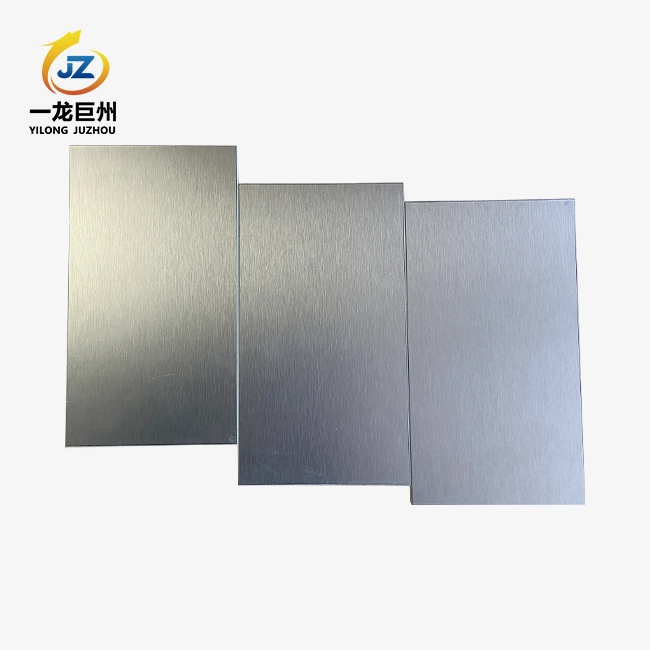
Painting aluminium composite panel technology painting aluminum composite panel stands out as a great option for architects and facility managers who want to decorate inner walls in a way that is both artistic and safe. These pre-finished panels are a lightweight option to traditional materials that can be used in a variety of ways and still meet fire safety standards. Custom-painted surfaces can be of different quality, but factory-applied polyester coatings make sure that the colour stays true across big installations. This new material changes the inside of businesses, like hospital lobbies and company headquarters, into blank canvases where practical needs meet artistic vision.
Understanding Aluminum Composite Panels for Wall Art
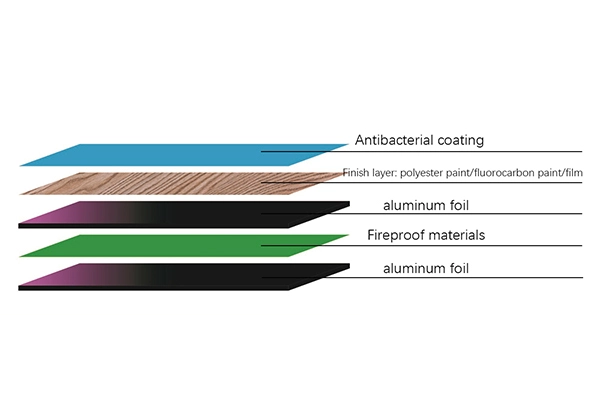
Aluminum composite panels represent an evolution in architectural materials, addressing critical challenges faced by procurement teams managing large-scale interior projects. The panels feature two aluminum skins bonded to a fire-retardant core, creating a structure that achieves remarkable flatness while maintaining minimal weight.
Core Structure and Performance Advantages
The sandwich design of these panels fixes a number of problems that have been plaguing business interiors for a long time. The refractory core material meets Class A2 or B1 fire safety standards, which means it meets the strict building rules in places like schools, hospitals, and public transit hubs. This fire-resistant mix takes away the stress that purchasing managers often feel when they have to balance safety rules with aesthetic goals. Unlike solid metal sheets that can cause problems with structural loading, these composite systems are much lighter while being more rigid. The aluminium skins are between 0.1mm and 0.5mm thick, which is thick enough to stop oil-canning, which is the wavy distortion you can see on cheaper panels, without putting too much stress on the ceiling grids or wall frames. Project managers who are dealing with phased construction schedules, like how this weight efficiency speeds up the installation process.
Surface Coating Technology
Continuous roll-coating processes add a layer of polyester aluminum composite board paint that is much more advanced than finishing methods that are done on-site. This factory application gets a level of uniform thickness and colour consistency that can't be reached by spraying by hand. The coating's thickness is usually between 25 and 35 microns, and it acts as a shield against water getting in and surface wear. Today, environmental compliance is a big factor in choosing materials. There is no formaldehyde, volatile organic compounds, or radiation in these panels, which is good for health issues that are especially important in schools and medical facilities. The fact that it doesn't smell is very important during repairs in buildings that are already occupied, since traditional painting can stop work for days.
Customization Capabilities
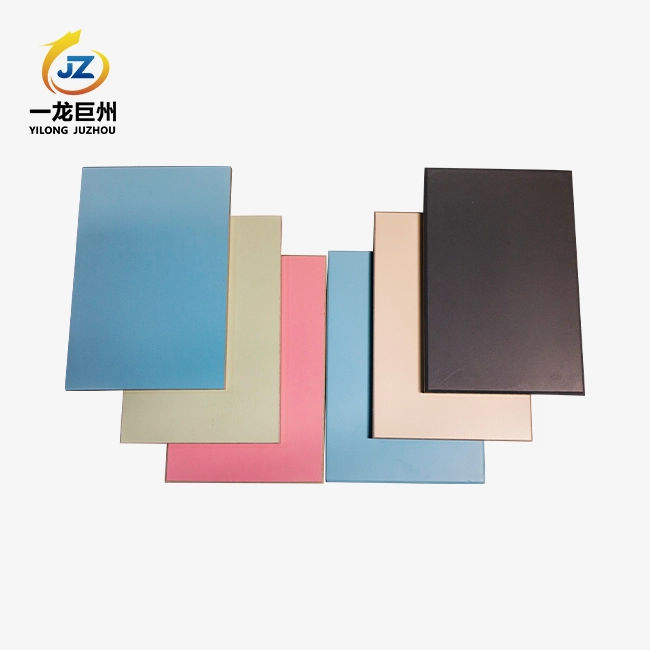
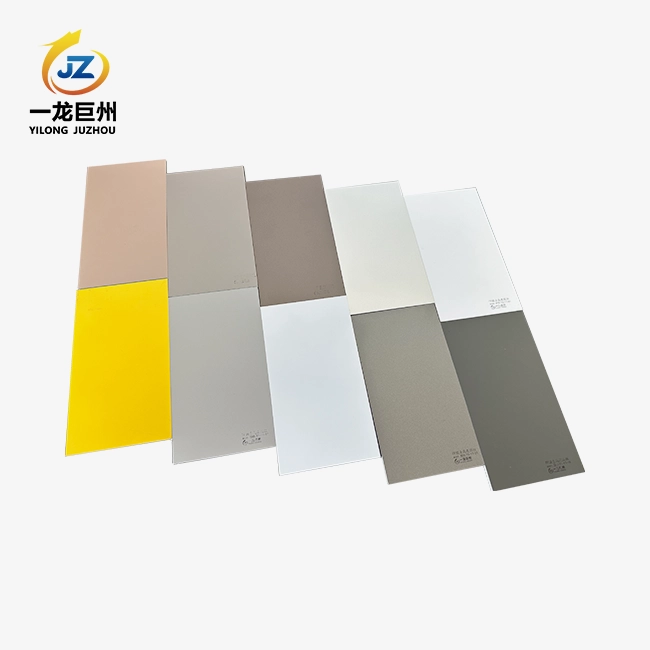
Panel specs can be changed to meet the needs of different projects. Thicknesses ranging from 2 mm to 6 mm let engineers meet the needs of structures, and widths of 1220 mm, 1500 mm, and 2000 mm work with common building modules. Customising the length is important for installations longer than three meters, which is common in airport terminals and convention centers, where uninterrupted wall planes make a big visual effect. Matching colours to Pantone standards makes it possible for corporate environments to incorporate brand identities. This level of accuracy is important when a hotel company needs to use the same colour scheme across all of its properties or when a healthcare system wants to standardise the look of wayfinding. The solid-color finishes stay brighter longer than printed images, which is good for areas with a lot of foot traffic.
The Printing and Painting Process on Aluminum Composite Panels
Transforming these panels into architectural art involves sophisticated surface treatment protocols that determine long-term performance. Understanding these processes helps procurement teams evaluate supplier capabilities and set realistic quality expectations.
Pre-Treatment and Surface Preparation
The aluminium surface is cleaned chemically to get rid of mill oils and oxidation before any ornamental work is done. This step directly affects how long the adhesion lasts; skipping it or running through it causes the coating to fail too soon. For inks and paints to work properly, the surface energy must reach certain levels. Reliable manufacturers check this technical factor through standard testing. For digital printing on walls for art, extra surface treatments improve ink receptivity. Specialised primers make tiny anchor points where UV-cured inks can stick to the surface at the molecular level. This mixture tells the difference between professional installations and cheaper ones, where the graphics come off after a few cleaning rounds.
Modern Printing Technologies
What can be done with building panels has changed because of UV digital printing. Wide-format flatbed printers put high-resolution images directly on surfaces that have already been prepared. UV light quickly cures the ink. This method makes it possible to reproduce photos, add gradient effects, and make intricate patterns that were previously only possible with expensive tile work or hand-painted murals. The technology can be used on a range of sizes. A small hotel might print artwork that is only found at that hotel on the walls of the lobby, while a shopping center might make seasonal graphics that are changed every year. The panel's flexibility lets it be bent into curvy shapes, which opens up more creative options than just flat planes. Screen printing is still useful for projects that need repeating patterns or solid colour fields at a large scale. This traditional method is great for getting consistent results across hundreds of panels, which is important when covering long corridors in office buildings or school grounds. Screen printing makes it possible for the paint layer to be thick on an aluminum composite board, which gives the product a tactile depth that is valued in high-end stores.
Protective Finishing and Maintenance Considerations
After being used for decoration, protective clear coats keep printed graphics safe from UV damage and physical touch. In healthcare settings, where surfaces are cleaned several times a day with disinfectant chemicals, this overlaminate layer decides how well the panels hold up against cleaning procedures. Antimicrobial additives can be added to these protective layers to make them more useful than just looking nice. Lifecycle cost estimates are based on how easy the maintenance is. The surface isn't porous, so mould and mildew can't grow on it. This means you don't have to pay for cleaning costs that come with porous materials. Normal cleaning only needs light cleaners and soft cloths; no special tools or dangerous chemicals are needed. This simple care fits in with efforts to be more environmentally friendly by using fewer chemicals in building operations.
Comparing Painted Aluminum Composite Panels with Alternative Solutions
Decision-makers evaluating interior cladding options benefit from understanding performance trade-offs across material categories. This comparison framework assists in aligning technical specifications with budget constraints and operational requirements.
Performance Characteristics Across Materials
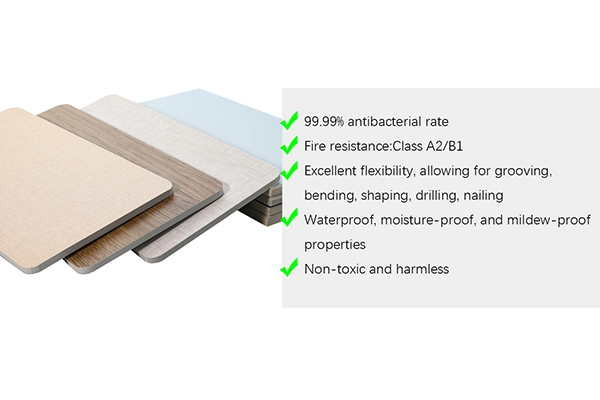
Painted composite panels are more fire-resistant than either wood-based goods or regular PVC siding. When purchasing, teams look at materials for places that are closed off, like tube stops or airport terminals; this fire rating has to be met. The smoke and flame spread rates of the panels meet the needs of even the strictest building inspectors, so you don't have to make expensive changes to the specifications in the middle of a project. The panels' resistance to moisture makes them better than gypsum board systems in damp places. Pharmaceutical and food processing plants need wall systems that won't break down when they're exposed to washdown routines or changes in humidity. The composite structure keeps its shape even when temperatures change, which would normally damage a wooden structure. This means that clean sight lines are kept for years after it was installed.
Cost-Benefit Analysis
The initial cost of materials is only one part of the total costs of ownership. A big part of the cost of a project is the labour needed to install it. Lightweight walls cut down on crew time and the need for special tools. A group of people can move and set up these panels without the heavy lifting equipment needed for glass or stone. This speeds up the project timeline and cuts down on labour costs. The long-term durability changes the economic figures in a big way. PVC panels may be cheaper at first, but they need to be replaced every eight to ten years because they rust and break easily. Quality composite panels with polyester coatings keep their look and structural stability for decades, which means you don't have to spend money on new materials or stop working because of early renovations.
Aesthetic Flexibility Comparisons
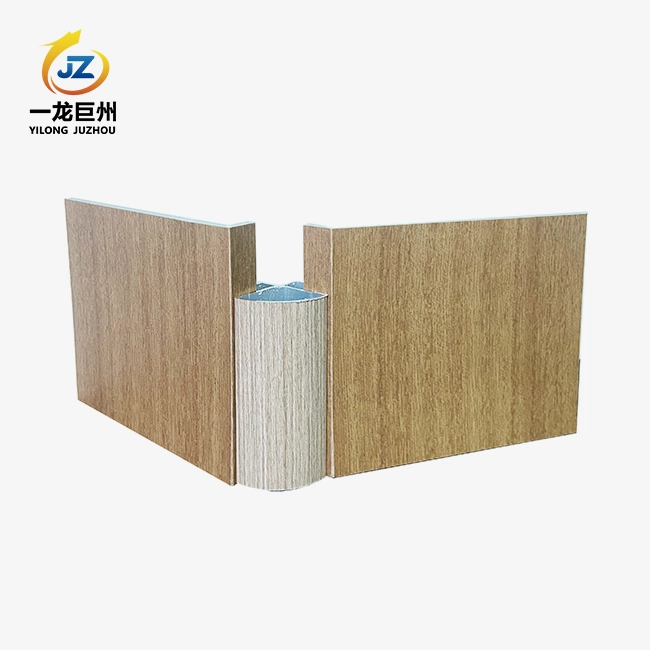
Glass panels let you see through them, but they limit painting ACP panel how graphics can be used and raise safety issues in areas with a lot of foot traffic. Wood is warm, but it's hard to keep the colours consistent and needs to be maintained all the time. Composite panels are a mix of these different types of materials. They can be printed to look interesting and are still durable. Because these panels can be drilled, nailed, and bent, designers can add details that would not be possible with more fragile materials. This lets architects be artistic without sacrificing engineering.
Choosing the Right Supplier and Product for Your Wall Art Projects
Supplier selection directly impacts project outcomes, influencing everything from material quality to delivery reliability. Procurement professionals mitigate risk by evaluating specific capability indicators beyond price quotes.
Certification and Compliance Documentation
Manufacturers with a good reputation give full test results that confirm fire ratings, environmental compliance, and coating performance standards. These are not marketing materials; they are third-party confirmations that are needed to pass building inspections and meet insurance standards. Panels that meet ASTM E84 standards for flame spread and smoke development have been through the rigorous testing needed for business use. Environmental certifications are becoming more important in public sector projects that have to be sustainable. ISO 14001 certification shows that the environment is being managed in a systematic way, and testing of the product itself proves that it does not contain any harmful substances. Healthcare clients look closely at these credentials because their buying policies include both patient safety and environmental duty.
Manufacturing Capacity and Logistics
A supplier's production capacity shows whether they can meet project deadlines for big orders. Facilities that keep 50,000 square meters of inventory show that they can handle staged deliveries that work with building schedules. This stock availability avoids the expensive delays that happen when custom production runs are behind plan. Logistics costs and lead times are affected by where the goods are stored. When a supplier has more than one production base, like factories in both Shaanxi and Guangdong provinces that serve different port systems, they can offer more routing options, which lowers freight costs and travel times. Major seaports like Shenzhen, Guangzhou, Shanghai, and Qingdao make it easy to ship containers to foreign projects, and fast land transport connections make it easy to reach installations in China.
Customization and Technical Support Services
For projects with complicated geometries or specific performance needs, providers who offer engineering help beyond standard product catalogues are needed. Being able to change the size of panels, especially ones that are longer than three meters, lets architectural features fit without leaving visible seams that take away from the aesthetic purpose. Colour-matching services that make sure products are consistent with current brand standards stop the mismatches that happen during multi-phase renovations. Samples are available faster in the procurement cycle, which speeds up the decision-making process. When manufacturers offer free samples within three to five days, customers can try them out before deciding to buy in bulk. This tactile test shows differences in quality that can't be seen on specification sheets. It lets people look at the regularity of the coating, the finishing of the edges, and the flexibility of the material without using a microscope. OEM and ODM acceptance shows a desire to work together on private designs, which is helpful when creating signature looks for business or hotel clients. Installation guidance stops problems in the field that would have slowed down the project's completion. Contractors can carry out architects' plans more accurately when they have technical support for things like fabrication techniques, attachment methods, and joint details. Three-year quality guarantees show manufacturer confidence and provide recourse if performance falls short, protecting owners from defect-related replacement costs.
Best Practices and Future Trends in Printed and Painted ACP Wall Art
Material technology continues evolving, driven by environmental regulations and design innovation. Staying informed about emerging developments positions procurement professionals to specify solutions meeting future requirements while avoiding premature obsolescence.
Sustainable Material Innovations
Water-based paint formulations for painting ACP panels reduce volatile organic compound emissions during manufacturing, aligning with tightening air quality regulations. These advanced coatings achieve durability comparable to traditional solvent-based systems while minimizing environmental impact—a dual achievement once considered technically impossible. Procurement teams working on LEED-certified projects find these eco-friendly options simplify documentation and improve overall project sustainability scores. Recyclability considerations influence material selection as circular economy principles gain prominence. Aluminum recycling infrastructure is well-established, and panels designed for disassembly at end-of-life facilitate material recovery. This recyclability contrasts with composite materials embedding different substances in ways preventing separation, which ultimately burden landfills. Forward-thinking organizations incorporate disposal planning into procurement decisions, recognizing that today's installation becomes tomorrow's waste stream.
Digital Printing Advancements
Print resolution improvements enable imagery quality approaching photographic standards. This capability transforms corridors and lobbies into gallery spaces showcasing commissioned artwork or brand storytelling graphics at architectural scale. Healthcare environments benefit from biophilic designs, printing nature scenes that research links to patient recovery outcomes and staff stress reduction. Variable data printing allows customization within production runs, enabling serialization or location-specific information embedded in panel graphics. Educational campuses might print directional wayfinding unique to each building, while hotel chains incorporate property-specific imagery, maintaining brand consistency. This mass customization occurred rarely with traditional methods but has become economically viable through digital processes.
Performance Enhancement Trajectories
Antimicrobial coatings integrated into surface layers address infection control priorities heightened by recent public health challenges. These additives inhibit bacterial growth between cleaning cycles, providing continuous protection, particularly valuable in medical facilities and food service areas. As research demonstrates effectiveness, these functional coatings transition from specialty applications to standard specifications. Improved UV resistance extends exterior application possibilities. While this article focuses on interior uses, technological overlap means interior products inherit enhanced durability. Coatings maintaining color stability under skylight exposure or adjacent to curtain walls address fading concerns in daylit spaces, preserving aesthetic investment longer.
Conclusion
Painting aluminum composite panel technology delivers a rare combination of safety compliance, design flexibility, and operational practicality for commercial interior projects. The fire-resistant core structure, factory-applied polyester coatings, and customization capabilities address critical requirements across healthcare, education, transportation, and corporate sectors. As printing technologies advance and sustainability expectations intensify, these panels position themselves at the intersection of performance, aesthetics, and environmental responsibility. Procurement professionals evaluating wall art solutions find that these materials offer compelling lifecycle value, transforming functional code requirements into opportunities for distinctive interior character.
FAQ
1. What distinguishes painting aluminum composite panels from standard ACPs?
Painting aluminum composite panels features factory-applied polyester coatings applied through continuous roll-coating processes, ensuring uniform thickness and color consistency across batches. This pre-finished approach eliminates on-site painting variability and accelerates installation timelines compared to field-applied finishes.
2. Can these panels meet fire safety requirements for healthcare and transportation facilities?
These panels achieve Class A2 or B1 fire ratings through refractory core materials, satisfying stringent building codes for hospitals, schools, subway stations, and airports. Third-party testing validates flame spread and smoke development characteristics essential for passing commercial building inspections.
3. How do maintenance requirements compare to traditional wall finishes?
The non-porous polyester surface resists moisture, mold, and mildew while cleaning with standard mild detergents. This simplicity reduces ongoing maintenance costs compared to porous materials requiring specialized treatments or frequent repainting, particularly valuable in healthcare environments with rigorous sanitation protocols.
4. What customization options are available for specific project needs?
Panels accommodate custom lengths beyond three meters, widths of 1220mm to 2000mm, and thicknesses from 2mm to 6mm. Colors match Pantone standards, while digital printing enables custom graphics. This flexibility supports unique architectural requirements from curved installations to site-specific artwork.
Partner with YILONG JUZHOU for Your Next Interior Wall Art Project
YILONG JUZHOU brings over two decades of material technology and painting aluminum composite panelexpertise to painting aluminum composite panel manufacturing, operating production facilities in Shaanxi and Guangdong provinces. Our panels meet Class A2/B1 fireproof standards while offering complete customization—dimensions, colors matched to Pantone standards, and thicknesses from 2mm to 6mm. We maintain 50,000m² inventory, ensuring three-to-seven-day production timelines, and provide free samples within five days for evaluation. As a painting aluminum composite panel supplier with ISO and CE certifications, we support OEM/ODM collaboration and deliver technical installation guidance backed by three-year quality guarantees. Contact our team at cnyang2000114@gmail.com to discuss your project specifications and receive samples demonstrating our coating quality and structural performance.
References
1. "Aluminum Composite Materials: Properties and Applications in Modern Architecture," Journal of Building Materials Science, Vol. 34, No. 2, 2022, pp. 145-162.
2. Thompson, R. and Martinez, L., "Fire Safety Performance of Composite Panel Systems in Commercial Interiors," Fire Protection Engineering Quarterly, 2021, pp. 78-91.
3. "Coating Technologies for Architectural Metals: A Comprehensive Guide," International Association of Coating Technologies, Technical Publication Series, 2023.
4. Chen, W., "Sustainable Material Selection in Healthcare Facility Design," Healthcare Design Magazine, March 2023, pp. 34-42.
5. "Digital Printing on Architectural Substrates: Methods and Durability Testing," Surface Finishing Technology Conference Proceedings, 2022, pp. 210-225.
6. Anderson, K. and Patel, S., "Lifecycle Cost Analysis of Interior Cladding Systems," Facilities Management Journal, Vol. 19, No. 4, 2023, pp. 112-128.

Send Inquiry



Related Industry Knowledge
- What Are The Advantages of an exterior ACP Sheet?
- What is an aluminum composite panel?
- PE Aluminum Composite Board Sheet: Sizes, Specs and Uses
- Print on Aluminum Composite Panel: A Modern Twist on Traditional Wall Art
- How do I choose the right aluminum composite panels for my building?
- The Importance of Adhesion Testing for ACM Panels as Painting Supports
- Antibacterial wall panel medical rigid sheet wall protection
- How to cut an aluminum composite panel?
- Things to Know About Aluminium Composite Panels
- How to Choose the Best Medical Clean Board