
How do I choose the right aluminum composite panels for my building?
June 23, 2026
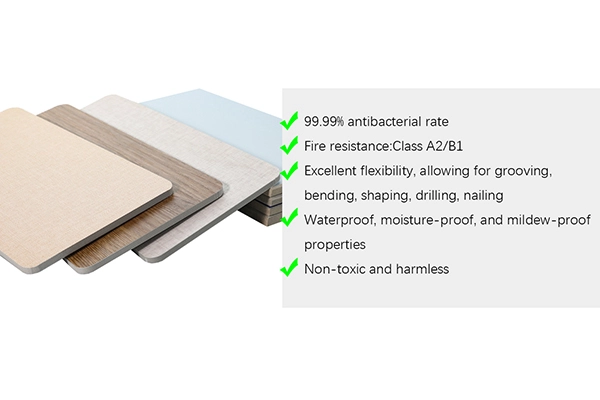
To pick the best aluminium composite panels (ACPs) for your building project, you need to carefully look at their fire safety scores, performance specs, and ability to meet local building codes. Picking panels with proven non-combustible cores is the most important choice. For better fire resistance, look for A2 Aluminium Composite panel choices, which have over 90% inorganic mineral content. According to EN 13501-1, these panels meet Class A2-s1, d0 standards. This means they can be used in high-rise buildings, healthcare centres, and public infrastructure where life safety is very important. In addition to fire ratings, you should look at the different thickness options (2mm to 6mm is common), surface finishes, resistance to moisture, and the supplier's technical help during the specification and installation stages.
Understanding Aluminium Composite Panels and the Significance of A2 Grade
Aluminium composite panels have become essential materials in contemporary construction, offering a balance of aesthetics, structural integrity, and safety. These panels consist of two aluminium skins bonded to a core material, creating a lightweight yet durable solution for both interior and exterior applications.
What Makes A2 Grade Panels Different
Differences between panel grades are based on their core makeup. Standard polyethylene (PE) core panels have chemicals that can catch fire, which can help fires spread in building envelopes. A2-rated panels have mineral-based cores that are mostly magnesium hydroxide or aluminium hydroxide and are made up of more than 90% artificial elements. This design pretty much gets rid of the calorific fuel load, which stops the vertical flame spread that has led to disastrous failures in high-rise cladding systems. Real A2 panels show heat of combustion below 3 MJ/kg and produce little smoke when exposed to fire according to ISO 1716 and ISO 1182 standards. The structure is made up of aluminium skins that range in thickness from 0.1 mm to 0.5 mm and protect the mineral core while allowing for architectural design. Different types of surface treatments, such as polyester paint, PET film, PVC film, and PP film, each have their own weatherability properties. PVDF coatings last the longest, keeping their colour for 20 years or more in harsh ultraviolet environments. Polyester finishes, on the other hand, work best in indoor settings where contact with the environment is limited.
Manufacturing Standards and Certifications
Quality A2 composite panels are put through a lot of tests to make sure they are what they say they are. Tests for non-combustibility, peel strength greater than 7N/mm, and smoke production are done by independent labs. Due to the high mineral content, these panels usually have core densities between 1.8 and 2.0 g/cm³, which are much higher than PE-core options. Reliable manufacturers provide certifications that show their products meet international safety standards, such as NFPA 285 for the US market and EN 13501-1 for European uses. These panels are also good for the earth in other ways besides fire safety. Good goods don't contain any volatile organic compounds or formaldehyde and are considered green building materials by a number of sustainability rating systems. This is especially important for healthcare facilities, schools, and government places where the air quality inside directly affects the health of the people who live or work there.
Core Benefits for Commercial Projects
A2 composite panels have many efficiency benefits that help with A2 metal Aluminum Composite panel common building problems. They are great for places where humidity levels change a lot, like food processing plants, pharmaceutical manufacturing facilities, and tube linings, because they don't absorb water or mould. The panels keep their shape across a wide range of temperatures, so they don't bend or buckle, which would make them look bad and stop them from keeping out the weather. Another useful feature is that they are easy to install. Standard manufacturing methods, such as drilling, routing, and bending, can be used on these panels. However, because the mineral core is rough, carbide or diamond-tipped tools are needed. Panels can be made in lengths longer than three meters, which means that fewer seams are needed for big facade installations. When rigidity and workability are combined, architects can make complicated geometries while still making sure that the whole building envelope meets fire safety standards.
Core Criteria to Consider When Choosing Aluminium Composite Panels
Selecting appropriate composite panels demands systematic evaluation of performance specifications matched to your project's operational requirements and regulatory environment.
Fire Safety Standards and Regional Compliance
In the US, building codes are different in each area. For example, many cities and towns follow the International Building Code, which says that constructions taller than a certain height must be made of non-flammable materials. Materials in high-rise buildings usually have to meet ASTM E136 standards for not catching fire or show that they are compliant through NFPA 285 full-scale assembly testing. These requirements are met by A2-rated panels, but B1 or fire-retardant classifications might not pass the strictest tests. Healthcare facilities are looked at more closely because of NFPA 101 Life Safety Code rules and CMS laws. In order to meet fire safety standards, hospitals, surgery centres, and nursing homes must use inner wall materials that keep flames and smoke from spreading during evacuations. In these settings, the s1 smoke production rating of quality A2 panels is very important for keeping people visible in hallways and stairwells during emergencies. Materials used in public infrastructure projects like airports, transit stations, and government buildings must usually meet or beat Class A fire ratings. Instead of depending only on marketing claims, procurement teams looking at these projects should make sure that panel manufacturers provide up-to-date test reports from accredited laboratories. For real A2 classification, burning a small core sample should leave over 90% mineral waste, which can be checked with the ash content test.
Physical and Performance Specifications
Choosing the right panel width affects both how well it works structurally and how it looks. The thinner 2mm and 3mm options are good for ceiling and internal wall systems where the span distance needs to be kept as short as possible. For commercial facade installations, 4mm or 5mm thicknesses are usually enough to get rigidity across normal rainscreen subframe spacing. For specific uses, like impact-resistant parts, 6mm panels with better aluminium skin gauges may be needed. The availability of different widths affects how quickly and accurately joints are placed. Standard widths of 1220 mm, 1500 mm, and 2000 mm allow for a variety of architectural units and help keep waste to a minimum while panels are being made. Customisable lengths let fabricators make the best panel layouts, which cuts down on horizontal joints that could let water in and are unsightly. Thermal insulation properties help a building's total energy performance. The mineral core in composite panels is better at insulating than solid aluminium siding, but they shouldn't be used as the main insulation layer. When put together correctly in wall systems that have continuous insulation and air barriers, these panels help meet energy code requirements while also meeting fire safety requirements.
Application-Specific Considerations
The panels are easy to clean and don't contain formaldehyde, which makes them good for use inside. Hospitals and medical beauty centres look for materials that can be cleaned with hospital-grade cleaners over and over again without losing their finish. Good surface finishes don't let germs grow because they're not porous, which helps with infection control in medical settings. Outside installations need to be more resistant to weather and UV light. Coastal projects are exposed to salt spray, A2 metal Aluminum Composite panel, which calls for aluminium alloys that don't rust and high-quality finishing systems. Surfaces get dirty faster in cities with lots of pollution, so lighter colours and coatings that clean themselves are good options for keeping things looking nice between maintenance cycles. Food processing plants and pharmaceutical manufacturing spaces need panels that meet FDA and cGMP standards for cleanroom environments. These uses favour smooth, seamless surfaces that get rid of places where dust can gather and meet strict cleanliness validation standards. Custom panel layouts allow for the mounting of equipment, utility penetrations, and the unique ventilation needs that are common in controlled manufacturing settings.
Procurement Guide: Where and How to Source A2 Aluminum Composite Panels
Identifying qualified suppliers and establishing effective procurement processes ensures material quality and project schedule adherence.
Evaluating Manufacturers and Suppliers
There are benefits to working directly with manufacturers, such as being able to make changes, get help from experts, and get better prices on big orders. From getting the metal coil to finishing the last panel, well-known companies keep an eye on quality the whole time they are making the product. When you bid or get approved, they give you detailed product data sheets, up-to-date test reports, and warranty paperwork that meet the standards for reviewing the specifications. When it's not possible to meet the minimum order quantities set by manufacturers for smaller jobs or renovations, regional distributors are very helpful. Good distributors keep standard panel layouts in stock in a range of finishes so that materials can be sent out quickly to meet tight building plans. A lot of the time, they offer extra services that make the job go more smoothly, such as local fabrication, delivery coordination, and suggestions for installers. If you check the sellers' credentials, you can avoid getting fake or misrepresented goods. Suppliers you can trust will be happy to show you proof that they are ISO certified, tell you about their production facility, and give you cases of successful installations that you can use as examples. Need to make sure you meet certain requirements for legal or regulatory reasons? Have samples of the products tested by a third party. Tests are cheap, but they will save you a lot of money in the long run if things that don't meet requirements get to the job site.
Order Logistics and Lead Times
Usually, it takes three to seven days to make something in a standard colour palette and a normal setup. That's because it takes time to make the covering, set up the tools, and plan production for colours, styles, or sizes that aren't standard. This can take a few weeks. When to release goods so that they don't have to be stored on-site for long periods of time, where they could get damaged or weathered before they are installed. This is important for building projects that are in different stages. Minimum order quantities are different for each brand and type of goods. Most of the time, the smallest order size is between 500 and 1000 square meters, but some companies will take smaller orders when they charge more. By combining orders from different stages, big projects can get savings for their size. This also makes sure that the project's supplies always look the same. It's important to carefully plan shipping procedures, especially for suppliers in other countries. What the plan says, how much the containers cost, and how they are moved upstream are all affected by how they are loaded, cleared at ports, and moved. Sellers with a lot of experience give full shipping support,
Technical Support and Installation Services
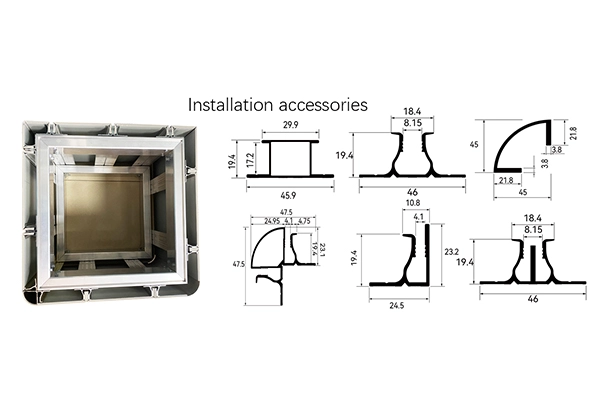
Good manufacturers help design teams with engineering during the specification development process. They help with things like fire testing needs, structural load calculations, and detailing issues. This technical cooperation stops specification mistakes that cost a lot of money and cause change orders and schedule delays during construction. Manufacturers who know about local building codes can give helpful advice on how to comply and get approval from the right authority. Installation training makes sure that field crews know how to properly handle, fabricate, and connect composite panel systems. Panel manufacturers usually offer installation guides, video tutorials, and technical support on-site for big jobs. This support is especially helpful when general contractors hire subcontractors who don't have a lot of experience with composite panels. Post-installation support includes planning for maintenance, cleaning routines, A2 ACPpanel and managing warranties. Manufacturers should make it clear what cleaning products are safe to use, how to fix damaged panels, and what kind of paperwork is needed for guarantee claims. Setting up these support networks before buying materials makes it easier to solve problems that come up during construction or building operations.
Practical Steps to Selecting the Right A2 Aluminium Composite Panel for Your Project
Implementing a structured evaluation process leads to material selections that satisfy project requirements while avoiding common specification pitfalls.
Define Project-Specific Requirements
First, make a list of the rules and regulations that apply, such as building codes, fire safety rules, and environmental standards. When it comes to materials, high-rise commercial developments have stricter rules than low-rise industrial sites. Healthcare and educational projects often need certifications that go above and beyond what is required by the building code. Understanding these basic requirements well early on in the selection process gets rid of choices that don't meet them. Environmental conditions affect decisions about material specifications. Coastal areas need high-quality coating methods and aluminium alloys that don't rust. In industrial places with a lot of airborne contaminants, surfaces may need to be cleaned more often and have finishes that can stand up to chemicals. Extreme temperature settings need materials that can keep their shape through expected thermal cycling. Finish choices and panel layouts are based on aesthetic goals. Architects often ask for more than one colour or pattern to be used to get the look they want. Knowing the different finish choices, the base colour requirements, and the effects on lead times can help match design goals with the realities of procurement. Sample panel mockups let people see how the final product will look in real lighting situations before they commit to ordering the whole thing.
Evaluate Performance Metrics
Compare candidate panels to quantified performance factors that are important to your job search. The results of fire protection tests should come from approved labs that use standard testing methods. Peel strength specifications show how well the aluminium skins and core materials are bonded; values below 7N/mm mean that there is a chance of delamination during service life. Weather resistance data, such as results from accelerated ageing tests, salt spray exposure, and thermal cycling endurance, show that the product will last for a long time. Instead of making general marketing claims, good makers back up their performance claims with a lot of technical data. Third-party testing results from independent sources are more reliable than self-certification by the manufacturer. Acoustic performance is important in mixed-use developments, schools and hospitals where sound transmission affects occupant comfort. Composite panels are better at blocking noise than single-skin metal cladding, but the exact gearbox loss numbers depend on the thickness of the panel and the density of the core. If noise control is important to the job, check the acoustic test data.
Supplier Vetting and Sample Testing
Check out the track record of possible suppliers by verifying their references. Talk to facility managers or construction managers from installations that are already done to find out how well the materials worked, how responsive the seller was, and if there were any problems after the installation. Successful suppliers show consistent quality across multiple projects, not just a few high-profile installations. Carefully read the warranty terms, making notes of the coverage length, exclusions, and how to file a claim. Premium PVDF coatings usually come with a 20-year warranty against heavy chalking or fading. Polyester finishes, on the other hand, may have shorter warranties. Learn what your warranty covers—for example, some manufacturers require regular cleaning or approved maintenance methods to keep the warranty valid. Ask for material samples to be tested by a third party when the size or risk of the project calls for it. Third-party labs can confirm the fire classification, check the core composition by analysing the ash level, and test the peel strength to make sure it meets the manufacturer's requirements. This verification gives buyers confidence, especially when working with new suppliers or specifying products for important uses. YILONG JUZHOU offers full support during the evaluation process by giving buying teams technical documents, certified test reports, A2 ACP panel, and samples of materials to help them make smart choices. Their two factories, one in Foshan and one in Shaanxi, keep a large inventory of over 50,000 square meters of stock material. This lets them respond quickly to project needs, as production rounds usually last between three and seven days.
Conclusion
Selecting appropriate aluminium composite panels requires balancing fire safety requirements, performance specifications, aesthetic objectives, and budget constraints within your specific project context. A2-rated panels with mineral-based cores provide the highest level of fire protection, making them essential for high-rise buildings, healthcare facilities, and public infrastructure where life safety takes precedence. The panels' moisture resistance, durability, and design flexibility make them suitable across diverse applications from hospital interiors to industrial clean rooms. Successful procurement depends on careful supplier evaluation, verification of certifications and test data, and establishing support relationships that extend through installation and building operation. The modest premium for quality A2 panels delivers substantial value through reduced liability exposure, lower maintenance costs, and extended service life compared to combustible alternatives.
FAQ
1. Are A2 Aluminum Composite Panels completely fireproof?
A2 panels are not entirely fireproof but meet rigorous non-combustibility standards under EN 13501-1 classification as Class A2-s1, d0. The mineral core contains over 90% inorganic materials that will not ignite or contribute fuel during fire exposure. These panels demonstrate a heat of combustion below 3 MJ/kg and produce limited smoke, maintaining evacuation route visibility. While no building material is absolutely immune to extreme fire conditions, A2-rated panels provide the highest practical level of fire resistance for architectural cladding applications.
2. How do these panels perform in harsh weather conditions?
Quality A2 composite panels with PVDF coatings maintain appearance and structural integrity through decades of environmental exposure. The aluminium skins resist corrosion when properly finished, while the mineral core remains dimensionally stable across temperature extremes. Panels withstand freeze-thaw cycling, ultraviolet radiation, and moisture exposure without delamination or performance degradation. Coastal installations benefit from marine-grade aluminium alloys and premium coating systems that resist salt spray corrosion. Routine cleaning with mild detergents maintains appearance without specialised maintenance procedures.
3. Can A2 panels be used for both exterior facades and interior walls?
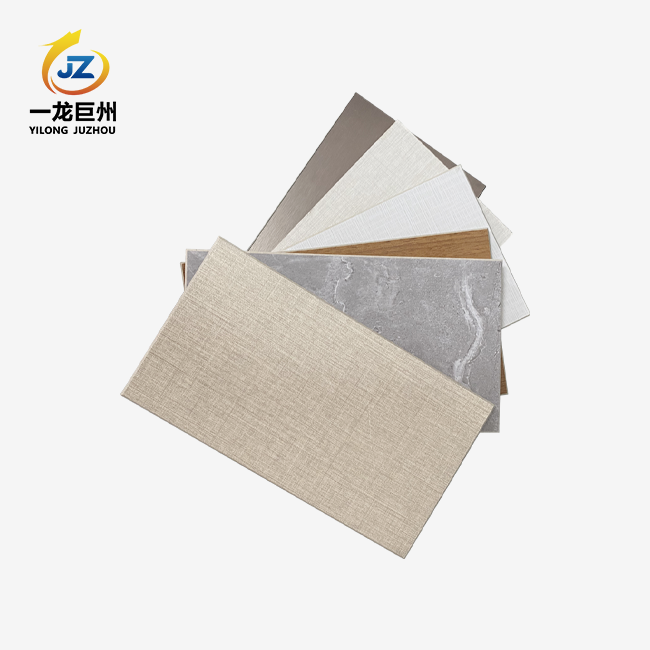
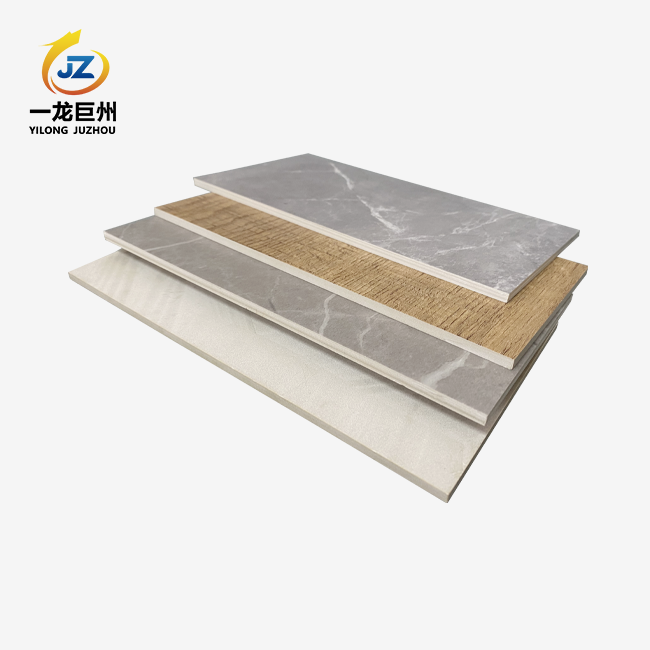
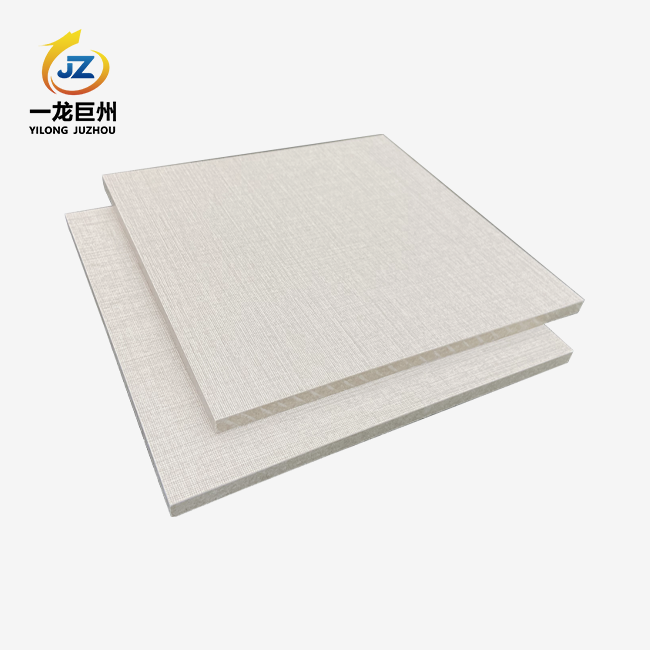
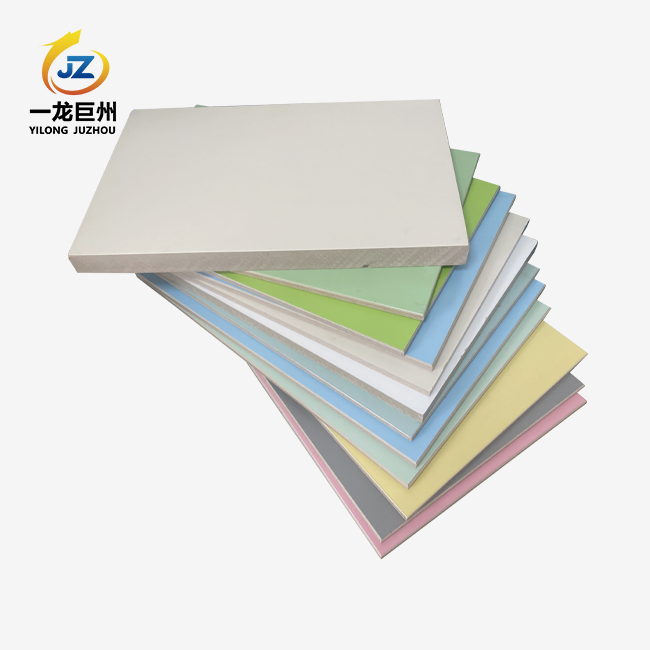
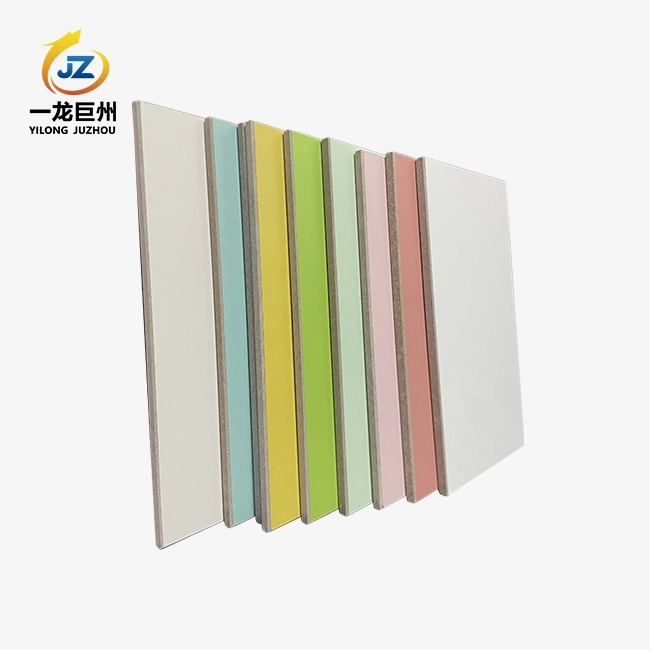
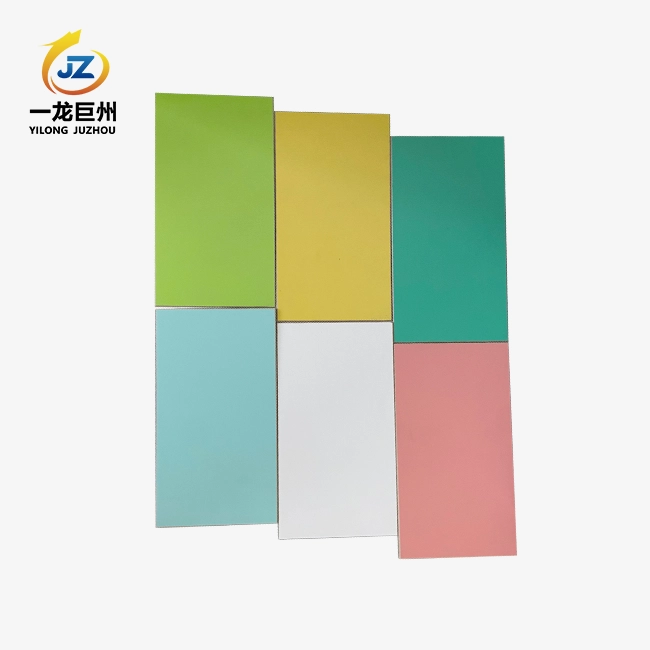
A2 composite panels serve effectively in both exterior and interior applications. Exterior installations benefit from the panels' weather resistance and fire safety compliance for high-rise facades. Interior applications leverage their cleanability, moisture resistance, and formaldehyde-free composition. Hospitals, schools, transit stations, and commercial interiors frequently specify these panels for wall and ceiling systems. The wide range of available finishes—including solid colours, wood grain patterns, marble textures, and metallic effects—accommodates diverse design requirements across application types.
Partner with YILONG JUZHOU for Your A2 Aluminium Composite Panel Needs
YILONG JUZHOU stands ready to support your next commercial construction project with certified A2 Aluminum Composite panel solutions backed by comprehensive technical expertise. As an established manufacturer with production facilities in both Foshan and Shaanxi, we maintain extensive inventory and rapid production capabilities to meet demanding project schedules. Our panels have earned China Environmental Protection Standard Certification, ISO, and CE marks, confirming compliance with international quality and safety standards. We provide free samples within three to five days for project evaluation, accept OEM and ODM customisation, and offer design and installation technical services throughout project execution. With a three-year quality guarantee and 24-hour response commitment, we deliver the reliability commercial developers, healthcare facilities, and institutional clients require. Contact our team at cnyang2000114@gmail.com to discuss your specific requirements with experienced A2 Aluminium Composite panel suppliers who understand the complexities of commercial procurement.
References
1. International Code Council. (2021). International Building Code: Requirements for Noncombustible Materials in High-Rise Construction. Country Club Hills: ICC Publications.
2. National Fire Protection Association. (2022). NFPA 285 Standard Fire Test Method for Evaluation of Fire Propagation Characteristics of Exterior Wall Assemblies. Quincy: NFPA Press.
3. European Committee for Standardisation. (2019). EN 13501-1: Fire Classification of Construction Products and Building Elements Using Data from Reaction to Fire Tests. Brussels: CEN Publications.
4. American Society for Testing and Materials. (2020). ASTM E136 Standard Test Method for Assessing Combustibility of Materials. West Conshohocken: ASTM International.
5. Council on Tall Buildings and Urban Habitat. (2021). Recommended Fire Safety Practices for Cladding Systems on High-Rise Buildings. Chicago: CTBUH Technical Guides.
6. U.S. Green Building Council. (2022). Material Health and Environmental Performance in LEED v4.1: Guidance for Interior Wall Systems. Washington: USGBC Publications.

Send Inquiry

Related Industry Knowledge
- What is an aluminum composite panel?
- PE Aluminum Composite Board Sheet: Sizes, Specs and Uses
- How do I choose the right aluminum composite panels for my building?
- The Importance of Adhesion Testing for ACM Panels as Painting Supports
- What are the common issues faced during aluminum panel installation, and how to avoid them?
- How to cut an aluminum composite panel?
- What safety precautions should I take when cutting aluminum composite panels?
- Things to Know About Aluminium Composite Panels
- How to Choose the Best Medical Clean Board
- How Antibacterial Wall Panels Improve Hygiene in High-Traffic Areas