
How to cut an aluminum composite panel?
June 17, 2026
To maintain material purity, use the necessary equipment and cut an Aluminum Composite Panel properly. Sandwich-shaped parts have two metal skins linked to a core. Different methods are needed depending on project size, panel thickness, and core composition. Businesses choose circular saws with carbide tips or CNC cutters for crisp, non-delaminating lines. Melting and surface scratches are rare when blade speed, panel support, and safety precautions are correct. If they grasp these essentials, staff and buyers can ensure huge projects succeed with little damage.
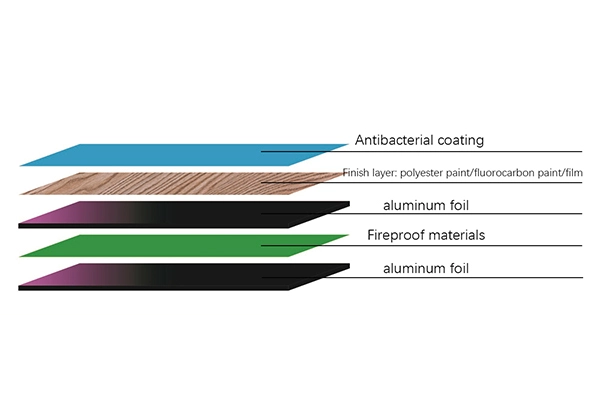
Understanding Aluminum Composite Panels and Cutting Challenges
Because they are robust yet light and can be used inside and out, Aluminium Composite Panels have transformed building construction. A central core may include polyethylene, fire-resistant minerals, or other materials. The core and two thin metal strips are thermally linked. This process produces a panel that is lighter than solid metal but sturdy and stable.
Why Panel Composition Matters for Cutting
The core material determines cutting type and tool usage. Because typical plastic cores are bendy and easy to cut, heat must be used carefully. The mineral cores within A2-grade fire-resistant Aluminium Composite Panels make them tougher to cut, requiring heavier equipment. A procurement manager must ensure installation crews understand panel requirements before starting work. Because panels are composed of various materials.
Common Obstacles During Panel Fabrication
Due to its complex structure, Aluminium Composite Panel is difficult to cut. Incorrect processing may cause delamination. This is when the metal skin separates from the core. It looks terrible and weakens the framework. The protective layer will be scratched by improper blade usage or panel treatment. This is crucial for PVDF or polyester-finished panels. Cut dust is unhealthy; use appropriate ventilation and safety gear. Too much pressure may melt plastic cores or affect panel form, so this is crucial.
Panel Specifications That Influence Cutting Approach
Cutting parameters must be modified every time for 2–6 mm. To avoid bending or shaking, 1220mm, 1500mm, and 2000mm panels require additional support while cutting. The metal skin's width—0.1 to 0.5 mm—determines how quickly and how hard the blade must penetrate. To preserve solid colours, woodgrain patterns, marble finishes, and sparkling textures, protection measures must be followed when layering.
Proven Methods for Cutting Aluminum Composite Panels
Cutting procedures affect job performance, material loss, and fitment. Matching equipment to job size and panel standards yields the greatest outcomes for our customers. Examples include hospitals, business buildings, and industrial areas.
Manual Cutting Techniques for Precision Work
New knives can score and snap-cut 2–3 mm Aluminium Composite Panels. Maintain pressure on the top metal skin and core material until they shatter along the scored line. To use this method, go down the straightedge many times. This approach costs less in equipment, but it takes a long time to accomplish huge works and might leave rough edges that require further attention.
Power Tool Solutions for Commercial Projects
The ideal instrument for fast, precise commercial tasks is a circular saw with carbide-tipped blades for non-iron metals. Best blades have 80–100 teeth for clean cuts and no burrs. The blade's depth should be somewhat more than the panel's width. This reduces harsh cuts and entrances. Food portions should remain constant. The sides get rough when you move too fast, and they get too hot when you move too slowly.
Jigsaws are useful for cutting Aluminium Composite Panels into intricate forms for architectural features or equipment because they can produce curving cuts and patterns. Use fine-toothed metal-cutting blades and modest speeds to prevent chipping.
CNC Routing for High-Volume Production
Computer-controlled cutting equipment ensures that manufacturers cut large volumes of ACP panels precisely for projects or bulk orders. CNC cutters eliminate measurement and cutting errors and can carve intricate designs that are difficult to achieve manually. Programming optimizes stacking, reducing material loss to approximately 5%.
Step-by-Step Cutting Process
A panel must be thoroughly cleaned to remove the protective layer from the cut lines, but not the rest. Writing and measuring using permanent pens or marking instruments enhances dimension accuracy. Clamping or vacuuming Aluminium Composite Panels to a sturdy work surface keeps them still when cutting. This step is crucial to preventing vibration-induced edge flaws.
When setting up a tool, examine the safety guard and blade for damage or dullness. Change the speed to the manufacturer's recommendation for Aluminium Composite Panels. Cutting without pushing the tool through the material requires straightforward blade pressure. Cutting in one pass improves edge quality more than making numerous partial cuts.
Deburring tools or fine files may remove any remaining rough places or metal fragments. Compressed air or soft brushes smooth cut edges. This removes metal fragments that might scratch surfaces when placed or handled.
Best Practices for Handling, Cutting, and Maintaining Aluminum Composite Panels
By not making mistakes that can be avoided during production, you can keep the performance features that make Aluminum Composite Panels useful for tough jobs and protect the money you spent on good materials.
Critical Factors in Blade Selection
How well it cuts depends on how many teeth it has, what it's made of, and how it's finished. Knives with carbide tips stay sharp for hundreds of linear meters of cutting, but steel blades quickly lose their edge when used on Aluminum Composite Panels. When compared to regular tooth shapes, triple-chip grind teeth have smoother edges and require less cutting force. Coats that don't stick stop glue from building up and friction from building up heat.
Temperature Management During Cutting
Core material doesn't break down when the temperature of the panel is checked after a long cutting trip. When you work on several panels at once, it's especially important to take breaks so that the heat can escape. Cutting oils or wax sticks protect blades from wear and tear, improve cuts, and make them last longer. Some manufacturers use methods that cool the cutting area with compressed air. This keeps the area at the right temperature.
Securing Panels to Prevent Movement
When Aluminum Composite Panels are held correctly, they don't bend, which can cause the blade to get stuck or cut in different places. To make the panel last longer or be wider, you need to hold it all the way along its length, not just at the ends. When you put extra backing boards under panels, the bottom surface doesn't tear off when the blades pull out of the film. Moving support frames or vacuum tables made just for Aluminum Composite Panels let you work with panels of different sizes without having to make binding solutions that fit each size.
Post-Installation Maintenance Strategies
For Aluminum Composite Panels to last longer, they need to be maintained regularly, even after they have been placed correctly. Cleaning with pH-neutral soaps and soft cloths gets rid of dirt that has built up without harming coats that are meant to protect things. As long as they are taken care of properly, our A2 Aluminum Composite Panels will keep working well in schools, hospitals, shopping malls, and other places with a lot of foot traffic. They can stand up to Class A2 fires, don't leak, and don't have formaldehyde in them.
Panels can be quickly fixed before they get worse if they are checked every three months for signs of edge delamination, covering damage, or bolt problems. Putting touch-up coats on cut edges that will be seen during installation makes the protection against water even better. These ways of taking care of projects help our clients get the most for their money. They work for everything from medical beauty centers to train stops.
Comparing ACP Cutting Needs Across Different Panel Types and Alternatives
They are made in different ways and will be used for different things, so they need to be cut in different ways. When buying, teams know these differences, they can pick the right Aluminum Composite Panel supplies and make it clear what they need for production.
Fire-Resistant Panel Cutting Considerations
Fire-resistant Aluminum Composite Panels of grade A2 are made with mineral layers that make the material harder than normal polyethylene panels. This stuff needs to be cut more slowly, and the blades need to be changed more often so the edge stays good. When it is cut, the mineral makeup makes the dust particles smaller, so we need better ways to protect our lungs and catch the dust. Not easy to cut, these panels are needed for projects that need to meet strict fire safety rules in public places like hospitals, airports, and more.
Coil-Coated and Specialty Finish Panels
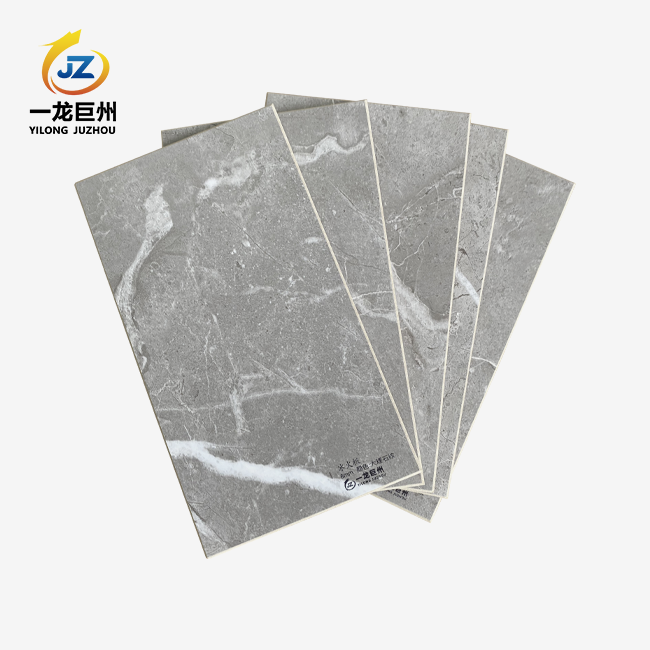
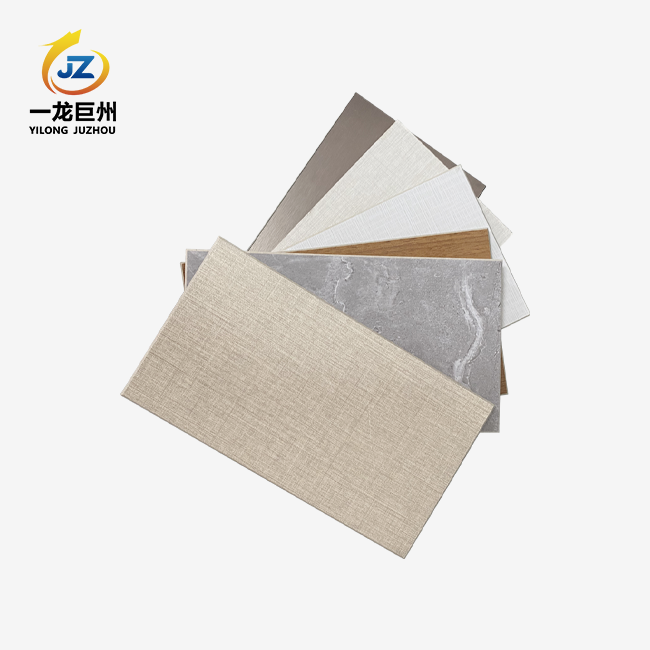
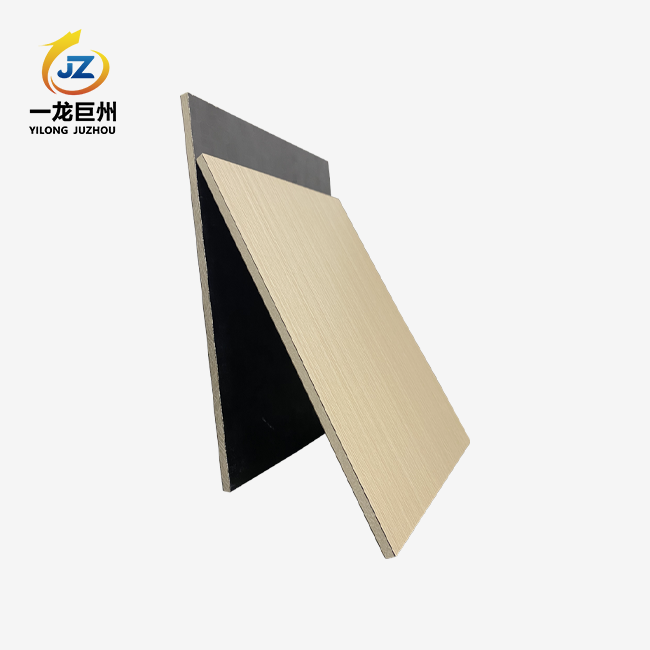
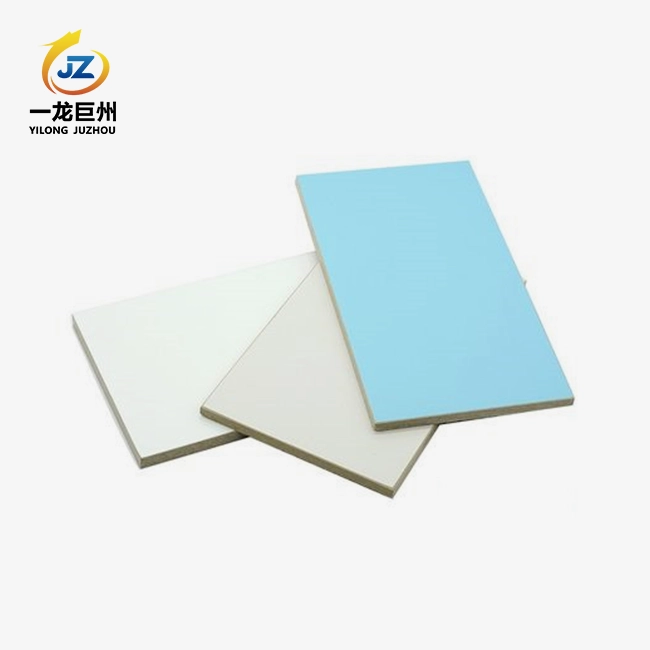
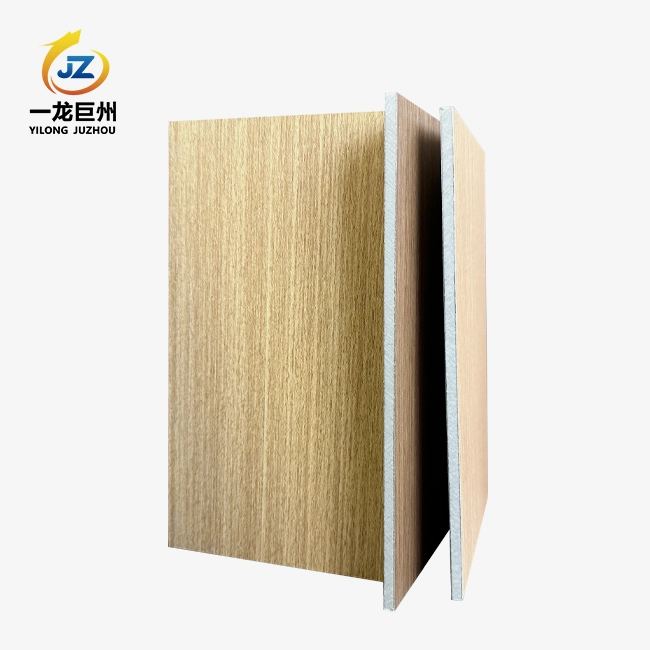
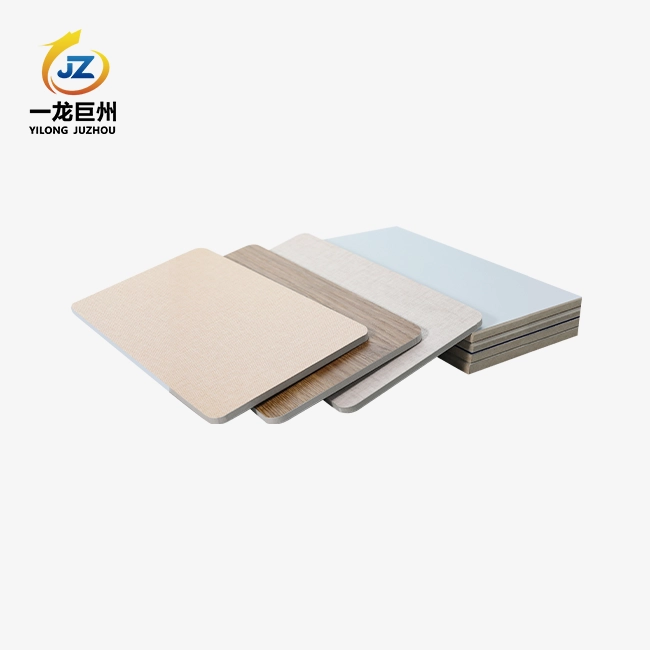
Extra care is required to avoid damaging metal Aluminum Composite panels with PVDF coatings or other specialty finishes during handling or cutting. Applying protective films just before installation reduces the risk of scratches. Using blades designed to minimize vibration prevents micro-chipping along cut edges. Panels are available in plain colors, woodgrain patterns, marble effects, and glossy finishes, all of which require careful protection during production.
Comparing ACPs with Alternative Cladding Solutions
It's not the same to cut metal bits and honeycomb panels. It takes special skills to cut honeycomb construction so that the core doesn't get crushed. On the other hand, it takes a lot more force and heat to cut solid metal. Aluminum Composite Panels are great for industrial manufacturing because they are easier to cut than solid materials and more rigid than single-skin choices. This is because they have a balanced structure.
Procurement and Supplier Considerations for Custom-Cut Aluminum Composite Panels
The quality of the Aluminum Composite Panel products, the project timeline, and the overall success of the work are all affected by the sources that are chosen. This is how our company is set up so that we can serve large buildings, hospitals, factories, and wholesalers all over the world.
Evaluating Supplier Capabilities and Certifications
Good sellers keep their approvals up to date, which shows that they follow foreign rules. ISO, CE, and the China Environmental Protection Standard Certification all say that our Aluminum Composite Panel products are safe to use. This makes sure that the goods follow the rules in different places. There is one factory in the Xianyang High-tech Zone in Shaanxi Province and one in Foshan City in Guangdong Province. Having two sites gives the business more ways to make things and better customer service in the area.
Custom Cutting Services and Technical Support
Having Aluminum Composite Panels that have already been cut takes away the problems that come up when building on-site and speeds up the process of putting them together. For some projects, we can make panels that are bigger than 3 meters, and we can make the lengths to fit those needs as well. By giving them advice on design and construction, our expert team helps customers turn project plans into orders for materials. It is especially helpful to have this support in places like tunnels, food processing plants, and drug companies, where the environment needs certain forms of materials.
Sample Evaluation and Quality Verification
You can be sure that the colors match, the finish is good, and the Aluminum Composite Panel cuts are right before you place a big order by buying samples. We can change the samples to fit the needs of different places, and it normally takes 3–5 days to ship them. Because the turnaround time is so short, procurement managers can test the products and get approval from key partners without having to put the project plan on hold. Standard needs can be met right away because 50,000m² of stock is kept on hand. Custom orders, on the other hand, take 3–7 days to finish.
Logistics and Delivery Coordination
For foreign projects to work, they need Aluminum Composite Panel service providers who already know how to sell. It's easier to move goods around the world because we can get to seaports through Shenzhen, Guangzhou, Shanghai, and Qingdao. Coordinating the supply of land through Xi'an, Guangzhou, Shenzhen, and Foshan makes it easier to get things to all parts of the area. Making sure everyone knows how to pack, load, and protect things during the journey will keep them from getting damaged before they get there. This is very important when you have to buy building goods from far away.
Pricing Models and Order Flexibility
Having clear prices helps buying teams make good budgets and see what different Aluminum Composite Panel providers have to offer. It's smart to know about minimum order amounts, big discounts, and extra charges for custom cuts. There are big orders from institutions and small orders from wholesalers. This is because we know that the sizes of projects in business building, public infrastructure, and specialty industry settings are all very different. Because we offer OEM and ODM services, we can do more projects that need special materials or specs.
Conclusion
To get good at making Aluminum Composite Panels, you need to know how to put the parts together, choose the right tools, and be careful. Power tools and CNC systems are good for business projects because they are accurate and keep the work going quickly. There are different ways to work with each type of screen. For instance, types that are resistant to fire need to be cut more slowly, and special finishes need better surface protection. It is easier to buy things and more likely that the job will be successful if you work with experienced sellers who offer custom cutting services, technical support, and reliable shipping. All of these things work together to help construction teams get good results in a lot of places, from hospitals to transportation hubs. They can make clean cuts and lose as little material as possible.
FAQ
1. Can I Cut Aluminum Composite Panels with a Standard Circular Saw?
Is it true that you can cut Aluminum Composite Panels with a normal circular saw? A regular circular saw works well when the right blades are used with it. Using a blade with 80 to 100 teeth made for non-ferrous metals and a carbide tip makes clean cuts with few burrs. Do not use wood-cutting blades because the shape and spacing of their teeth make the edges rough and increase the chance that the material will come apart.
2. How Do I Prevent Surface Scratches During Cutting?
How can I cut without scratching the surface? The best way to avoid scratches is to leave protective Aluminum Composite Panel covers on until just before you put them down. If you put panels on padded surfaces instead of bare worktables, they won't get scratched when you move them. Using blade guards and keeping cutting lines clean and free of dirt makes it less likely that the surface will touch the tool by mistake.
3. Are Pre-Cut Custom Panels Available from Suppliers?
What if I want to buy unique Aluminum Composite Panels that are already cut? Our company is one of many that offer custom cutting services that make panels just the right size for your project. This makes sure that all panels have the same high-quality sides and gets rid of the need to make them on-site. When you place an order, giving detailed cutting plans and measurement specs makes it possible for the company to make exactly what you need.
Partner with YILONG JUZHOU for Premium Aluminum Composite Panel Solutions
When you work with YILONG JUZHOU, you can get the best Aluminum Composite Panel options. They can help you with your next business, healthcare, or industry job because they've been making things for decades. We have A2 Aluminum Composite Panel pieces that are up to 2000 mm long and 2 mm to 6 mm thick. They don't catch fire, are waterproof, and don't grow mold. It is possible to change the length, there are different finish options, and the metal skin can be set up in a range of ways, from 0.1mm to 0.5mm. We are a well-known business that makes Aluminum Composite Panels. We have two factories that make these panels for markets in the United States and other countries. This is possible because we have a 50,000m² store and can make things in 3–7 days. Get a free sample right now and see how our three-year quality warranty, expert help, and OEM/ODM skills can help you. Our approved goods and helpful service (with answer times 24 hours a day) can help you get the best deals and finish the job faster. Email cnyang2000114@gmail.com to talk about it.
References
1. Smith, J. & Anderson, K. (2021). Advanced Fabrication Techniques for Composite Building Materials. Construction Industry Press.
2. Chen, L. (2020). "Tool Selection and Cutting Parameters for Aluminum Composite Panels." Journal of Building Material Science, 15(3), 234-248.
3. International Building Safety Council (2022). Fire-Resistant Cladding Systems: Standards and Applications. IBSC Publications.
4. Martinez, R. (2019). Modern Architectural Facades: Materials, Installation, and Maintenance. Architectural Technology Institute.
5. Wang, H. & Liu, Y. (2023). "Optimizing CNC Cutting Processes for Multi-Layer Composite Panels." Manufacturing Engineering Quarterly, 28(2), 112-127.
6. Thompson, D. (2020). Commercial Construction Procurement: Best Practices for Material Specification. Building Management Association.

Send Inquiry


Related Industry Knowledge
- What Are The Advantages of an exterior ACP Sheet?
- What is an aluminum composite panel?
- PE Aluminum Composite Board Sheet: Sizes, Specs and Uses
- How to cut an aluminum composite panel?
- What safety precautions should I take when cutting aluminum composite panels?
- The Rise of ACP Panels for Modern Kitchen Design
- Things to Know About Aluminium Composite Panels
- How to Choose the Best Medical Clean Board
- How Antibacterial Wall Panels Improve Hygiene in High-Traffic Areas