
The Importance of Adhesion Testing for ACM Panels as Painting Supports
June 23, 2026
Adhesion testing is an important quality check that shows if painting surfaces on aluminum composite materials will last for years in harsh environments or break down too soon. It's not just a technical matter to know how coatings stick to substrates when dealing with painting aluminum composite panel systems; it has a direct impact on project costs, building upkeep plans, and the purity of the architecture. Peeling, blistering, and color loss are all caused by poor bonding, which hurts both the look and the defensive function. Systematic testing methods, such as cross-cut and pull-off evaluations, give manufacturers and specifiers reliable information about coating performance before panels reach construction sites. This keeps expensive failures from happening and makes sure that hospitals, transit hubs, and commercial buildings are happy for a long time.
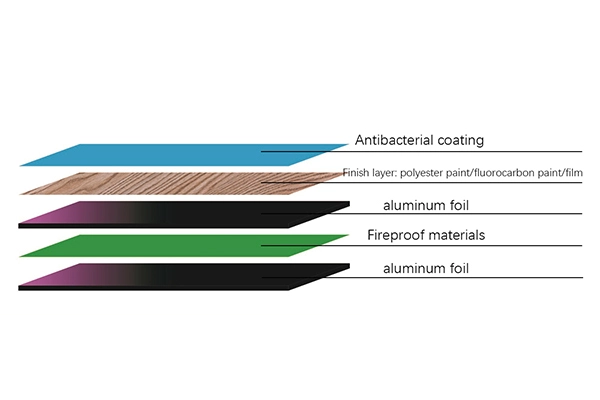
Understanding Adhesion Testing and Its Role in Painted Panel Performance
What Adhesion Testing Measures
Adhesion testing measures how strong the mechanical bond is between the covering layers and the metal surfaces. In the cross-cut method, a grid design is cut through the paint film to the base material. Standardized sticky tape is then used to see how much of the coating comes off. In pull-off tests, hydraulic devices measure in megapascals how much force is needed to separate coats from panels. These tests tell you if the surface preparation, primer choice, and paint application were done correctly in terms of molecular linking and chemical bonding.
Why Testing Matters for Procurement Decisions
When purchasing materials for multi-phase building projects, procurement managers take a big financial risk when coating systems fail in the middle of their useful life. If you use low-quality panels in a hospital renovation, you might have to change them too soon while the building is still filled, which would disrupt patient care and raise costs. Testing data lets you compare suppliers in an unbiased way, so you can make specifications that balance the original investment with the time between upkeep. When looking at technical submissions, adhesion values that meet ASTM D3359 or ISO 2409 standards give you peace of mind that the panels will be able to handle the cleaning methods, temperature changes, and high or low humidity that are common in healthcare and educational settings.
Real-World Consequences of Inadequate Adhesion
Take the example of a transportation hub where colorful pieces start coming off 18 months after they were put up. In addition to being unsightly, metal that is left out in the open oxidizes quickly in areas with a lot of foot traffic. This makes upkeep more difficult and could pose a safety risk from loose material. The costs of fixing the problem, which include staging, safety barriers, temporary closures, and new materials, are often more than three times the initial panel investment. During production, adhesion testing finds mistakes in the formula, problems with contamination, or changes in the process before the goods are shipped. This protects the manufacturer's image and keeps customers happy.
The Painting Process and Strategic Testing Integration
Surface Preparation Fundamentals
Coating bonding starts long before paint is applied. After being chemically cleaned to remove industrial oils, aluminum skins go through conversion coating processes that create micro-etched patterns for mechanical bonding. This preparation is essential; any shortcuts here will show up in all later layers. For process control, reputable manufacturers document cleaning bath concentrations, rinse water quality, and drying temperatures. Surface energy readings confirm that the surface is ready for primer application. These measures ensure consistent quality from one batch of solid color aluminum composite panels to the next.
Paint System Selection and Application Methods
For different building uses, different coating methods are needed. For a modest price, polyester paint systems offer great color retention and flexibility, making them perfect for use inside of shopping malls and office buildings. The continuous coil-coating process uses precise roller systems to apply a film thickness that is the same all over. This avoids the overspray and thickness differences that come with hand spraying. During application, samples are used for inline adhesion testing to make sure that the coating weights and cure profiles meet the requirements. Only then does the material move on to the cutting and manufacturing steps.
Testing Checkpoints Throughout Production
Protocols for progressive testing find problems early, when fixing them is still cost-effective. Surface preparation works as shown by pre-treatment bonding examples. Testing in the middle of the process, while the primer is being applied, makes sure that the processes on the base and the coating chemicals are compatible. After the panels have dried, they are tested again to make sure they are perfect before they are packed up. This multi-level method creates traceability paperwork that meets the official tender standards that are common in government and institutional projects. Third-party verification is often required before material approvals happen.
Adhesion Quality Impact on Material Selection and Total Cost
Painted Panels Versus Alternative Finishes
When considering different finishing choices, adhesion performance has a direct effect on the cost over the life of the product. Painted composite panels with proven adhesion data usually need less upkeep than manually attached laminates, which can come apart at the glue joints. When paint systems are properly bonded, they are flexible enough to handle the thermal growth of composite cores without cracking. This is a huge benefit in climate-controlled spaces where temperature changes every day. Over field-applied coats, factory-finished painting of aluminum composite panel systems saves weight and makes installation easier. This is especially helpful for projects that are taller than three meters.
Performance Differentiation Between Coating Types
When used correctly, both polyester and fluoropolymer systems can achieve great adhesion, but their weather resistance qualities are very different. Polyester versions work best in controlled indoor settings like hospitals, schools, and meeting centers, where UV exposure is low and easy cleaning is important. The range of colors available in solid polyester finishes is very close to Pantone specifications, making them useful for brand recognition uses in both retail and business settings. By knowing these limits, you can better match the covering you choose to the conditions it will be used in, avoiding over-specifying for uses that don't need the best weather protection.
Supplier Reputation and Documentation Standards
Well-known companies offer detailed technical data sheets with test results for bonding, coating thickness details, and safety certificates. Asking for sample test results from painting aluminum composite panel providers shows that they are committed to quality systems. Manufacturers with ISO-certified facilities keep records of how the testing equipment was calibrated and how the operators were trained. These records make sure that the results can be relied on. This openness is especially helpful when several contractors bid on university projects that need consistent materials across delivery stages. This is because guarantee validity and aesthetic uniformity are affected.
Best Practices for Maximizing Coating Adhesion and Longevity
Controlled Manufacturing Environments
Controlling temperature and humidity during coating application has a major impact on adhesion. Paint thickness varies with temperature, affecting flow and bonding to metal surfaces. When relative humidity exceeds 85%, moisture can infiltrate coating films before full curing, weakening surface bonds. Professional manufacturers maintain climate-controlled production areas, constantly monitored to ensure each polyester paint aluminum composite panel is processed consistently, regardless of outdoor weather. This environmental consistency directly translates to predictable field performance.
Primer Technology and Compatibility
The base layer acts as a chemical link between the organic topcoats and the artificial aluminum oxide surfaces. Chromate-based primers used to be the norm, but environmental rules now prefer zirconium or titanium products that don't contain chromate. These new primers need to be applied exactly the way the manufacturer says they should be. If they are too thin, they don't provide enough bonding sites, and if they are too thick, they could fail to stick together within the primer layer itself. Testing bases and topcoats for compatibility stops delamination at this important point, which is especially important when you want custom colors or finishes.
Standardized Testing Protocol Adherence
Following testing guidelines that are known all over the world ensures that results are consistent across providers and useful to design professionals. ASTM D3359 Method B (cross-cut tape test) gives a clear rating from 5B (no peeling) to 0B (more than 65% loss), giving requirements groups objective standards to follow. ISO 4624 pull-off testing measures adhesion in units of measurable force, which lets you compare results and set base standards. When these test method references are included in purchase papers, they raise technical talks above biased evaluations and set clear criteria for acceptance.
Maintenance Protocols That Preserve Coating Integrity
Even panels that stick well at first need to be properly cared for so that they keep their defensive properties over time. High-pressure cleaning or harsh, abrasive cleaners can damage paint surfaces, making holes for water and dirt to get in. Using pH-neutral soaps and soft-bristle brooms to clean keeps the paint film safe and meets the high standards of cleanliness needed in healthcare and food service settings. Regular checks that find small flaws in the coating allow for targeted fixes before localized failures spread, which extends the life of the panel and protects the initial investment.
Environmental Stewardship and Economic Value Through Quality Testing
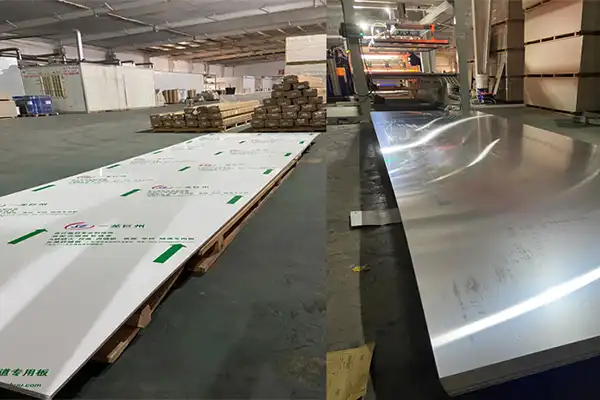
Waste Reduction Through Proactive Quality Control
Manufacturing flaws that are found after installation create a lot of waste, including failed panels, packing materials, shipping resources, and a heavy load on landfills. When faulty goods are caught during production with thorough adhesion testing, the material can be reprocessed or lowered for less demanding uses. This high-quality gate lowers the damage that making and throwing away building materials does to the earth. When trash prevention is used on large projects that cover thousands of square meters, it has a big effect on both the environment and the economy.
Verification of Low-VOC Coating Compatibility
More and more, environmental laws require building paints to release fewer volatile organic compounds into the air. Waterborne and high-solids paint systems are better for the environment than standard solvent-based ones when it comes to binding problems. Tough testing shows that environmentally friendly paints work just as well at bonding, so specifiers can meet their sustainability goals without sacrificing sturdiness. This testing is especially important for projects that want to get LEED approval or meet other green building standards that need confirmed data on performance and the environment.
Lifecycle Value Assessment
Proper adhesion testing helps with total cost analysis by giving accurate estimates of the service life. Panels whose bonding performance meets or exceeds industry standards usually come with longer warranty periods, which lowers the risk of ownership. When comparing the starting prices of materials, it's important to include expected repair intervals and replacement dates. This shows the real economic picture. A slightly higher initial investment in materials that have been thoroughly tested often returns better value when spread out over 15 to 20 years of building lifecycles. This is especially true in educational settings where budget stability is very important.
With thorough adhesion testing combined throughout production, YILONG JUZHOU produces painting aluminum composite panel systems. Our factories in Shaanxi and Guangdong provinces have climate-controlled finishing lines where we test each batch of products for cross-cutting and flexibility before sending them out. Our polyester-finished panels come in thicknesses from 2mm to 6mm and can be made in lengths and widths up to 2000mm. They are used in hospitals, transit centers, and business spaces in over 30 countries. The fireproof core structure gets Class A2/B1 grades while still being light and easy to shape for complex building shapes. We send you free samples within 3–5 days so that your tech teams can test them on their own. As a company that makes aluminum composite panels and works with both OEM and ODM partners, we offer technical paperwork such as adhesion test results, environmental clearances, and installation instructions. Email our team at cnyang2000114@gmail.com to talk about the details of your project and ask for sample materials that show how committed we are to covering quality and dependability.
Conclusion
Adhesion testing is the most important part of making sure the quality of painted aluminum composite panels. It keeps people safe from coating problems that happen too soon and hurt the project's looks, longevity, and cost-effectiveness. Manufacturers make sure that materials will work well in the long run by using systematic evaluation methods during surface preparation, coating application, and final checking. Professionals in procurement get objective comparison tools to help them choose suppliers, and architects and engineers get proof that suppliers are following the rules and honoring their warranties. Combining strict bonding rules with coating technologies that are good for the environment shows that efficiency and sustainability can live together with the help of thorough testing methods. When people in the healthcare, commercial, and institutional building fields understand these quality measures, they can make better material choices.
Frequently Asked Questions About Adhesion Testing for Painted Panels
1. How often should adhesion testing occur during panel production?
How often you test relies on how much you're making and how stable your process is. Most of the time, high-volume makers test every work shift or every 500 square meters, whichever comes first. If you change the coatings, substrates, or processing settings, you need to try to confirm right away before going back to full production.
2. Can adhesion be improved after panels are manufactured?
Once panels leave controlled industrial settings, there aren't many ways to fix adhesion problems. Surface pollution, bad curing, or primer-topcoat mixtures that don't work together can't be fixed in the field. This fact makes it clear why testing and controlling the process in the plant produces better results than applying finishes on-site.
3. What adhesion test results should procurement specifications require?
For cross-cut tests, reliable standards call for an ASTM D3359 rating of 4B or 5B, with no coating removal at scribe intersections. For indoor uses, pull-off tests should show at least 1.5 MPa of binding strength. For outdoor or high-stress settings, the limits should be higher. To make sure that production quality is up to date, test results must be marked within 90 days of the shipment of materials.
Partner With YILONG JUZHOU for Tested Panel Quality
YILONG JUZHOU provides painting aluminum composite panel options backed by stringent quality systems and full expert support. Our two production bases keep more than 50,000 square meters of standard and custom-made goods. This lets us finish projects quickly, with production rounds that last between 3 and 7 days. Every panel goes through recorded adhesion tests that meet international standards. You can get certificates for bids and governmental approvals. We help healthcare facilities, transportation infrastructure, and business developments that need fireproof, moisture-resistant, and long-lasting coatings for their inner walls. Our engineering team helps with planning, installation, and offers quality promises for three years to ensure the project's long-term success. Customizing samples lets you meet the testing needs and approvals for looks in your area while staying within your decision timeline. To start evaluating materials with a reliable painting aluminum composite panel provider, email our technical experts at cnyang2000114@gmail.com.
References
1. American Architectural Manufacturers Association. "AAMA 2605: Voluntary Specification, Performance Requirements and Test Procedures for Superior Performing Organic Coatings on Aluminum Extrusions and Panels." 2017.
2. Brock, Thomas, Michaela Groteklaes und Peter Mischke. "European Coatings Handbook: Adhesion and Surface Treatment." Vincentz Network, 2010.
3. Federation of Societies for Coatings Technology. "Coating Adhesion: Mechanisms, Measurements, and Applications." Blue Bell, PA: FSCT Press, 2018.
4. International Organization for Standardization. "ISO 2409: Paints and Varnishes—Cross-Cut Test." Geneva: ISO Standards, 2020.
5. Mittal, K.L. "Adhesion Aspects of Polymeric Coatings: Proceedings of the Electrochemical Society Symposium." The Electrochemical Society, 2019.
6. Tracton, Arthur A. "Coatings Technology Handbook, Third Edition: Adhesion Fundamentals and Testing Methods." CRC Press, 2016.

Send Inquiry


Related Industry Knowledge
- What is an aluminum composite panel?
- PE Aluminum Composite Board Sheet: Sizes, Specs and Uses
- How do I choose the right aluminum composite panels for my building?
- Antibacterial wall panel medical rigid sheet wall protection
- What are the common issues faced during aluminum panel installation, and how to avoid them?
- How to cut an aluminum composite panel?
- The Rise of ACP Panels for Modern Kitchen Design
- Things to Know About Aluminium Composite Panels
- How to Choose the Best Medical Clean Board
- How Antibacterial Wall Panels Improve Hygiene in High-Traffic Areas