
Antibacterial wall panel medical rigid sheet wall protection
June 23, 2026
When healthcare facilities, food processing plants, Antibacterial wall panels or drug companies look at inner wall systems, they have to make a big choice that will affect how well they keep infections under control, how well they follow the rules, and how much it costs to run their businesses in the long run. Antibacterial wall panels are a type of medical-grade rigid sheet wall protection that is designed to stop germs from colonizing while still being able to handle the tough conditions of bio-sensitive areas. Antimicrobial technologies, like silver ion additives or UV-cured antibacterial coatings, are built into sturdy materials like calcium silicate boards or PVC composites in these high-performance cladding systems. Antibacterial rigid panels actively stop the growth of pathogens, while regular wall materials just put up with being cleaned. They can kill up to 99.99% of bacteria while also being resistant to impact, controlling moisture, and meeting fire safety standards—all of which are important for operating rooms, cleanrooms, and industrial sterile spaces.
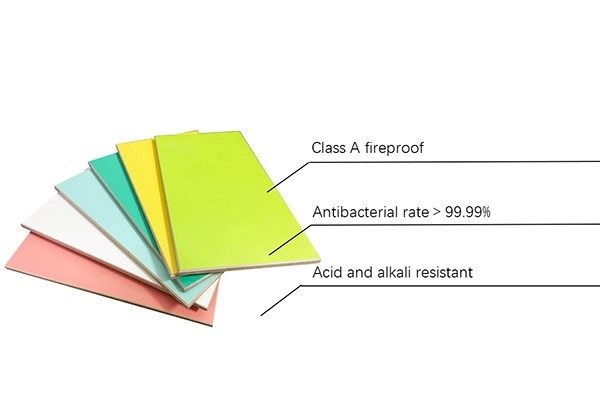
Understanding Antibacterial Wall Panels and Their Role in Medical Rigid Wall Protection
Infections related to medical care are still a problem in many medical buildings, and surfaces in the environment can hold dangerous pathogens. Antibacterial wall panels protect against this weakness by using designed surface technology that stops the growth of microbes at the cell level. The panels we make at YILONG JUZHOU are built on a base of calcium silicate board that has been painted with UV-resistant paint to make a shield that bacteria can't get through and stop biofilms from forming.
How Antimicrobial Technology Works in Wall Protection Systems
The antibacterial coating that is UV-cured and put on our rigid panels has active ingredients that, when microbes touch the surface, release controlled antimicrobial compounds. This oligodynamic effect hurts the cell walls of bacteria and stops enzymes from working properly, which stops colonies from forming. While temporary disinfection wears off between cleaning processes, this built-in protection works all the time, protecting against Staphylococcus aureus, Escherichia coli, and other common hospital pathogens 24 hours a day, seven days a week. The calcium silicate substrate helps keep the structure stable and stops water from getting in, which could weaken the antibacterial layer over time.
Material Composition and Performance Characteristics
Our antibacterial wall panels are made of multiple layers that Medical antibacterial wall panels work best in hospital and industrial settings. The calcium silicate core keeps the shape and prevents fires, meeting the strict requirements of GB8624 non-combustible Class A standards—an important condition for buildings that have to follow strict building codes. The UV antibacterial paint makes a sealed surface that can be cleaned with chemicals many times without breaking down. It will keep killing 99.99% of germs for the whole life of the panel. This design gets rid of the porous surfaces and grout joints that are common in ceramic tile installations. These areas used to hold germs in tiny cracks that are hard to clean using normal methods.
The Role of Rigid Panels in Comprehensive Infection Control
Medical rigid sheet wall protection is one of the most important parts of multilayered methods for preventing infections. Hand hygiene and sterilization routines deal with immediate risks of contamination, but surfaces in the environment need long-lasting solutions that keep microbes from sticking around between cleanings. Antibacterial wall panels lower the amount of bacteria on vertical surfaces, especially in areas where people touch them a lot, like next to patient beds, surgical tools, and areas where drugs are mixed. Using quick pressure strip mounting systems for smooth installation gets rid of any gaps that could trap organic matter or moisture, making a hermetically sealed envelope that can be used for sterile field maintenance in operating rooms and ISO-classified cleanrooms.
Comparing Antibacterial Wall Panels with Traditional Wall Materials in Healthcare Environments
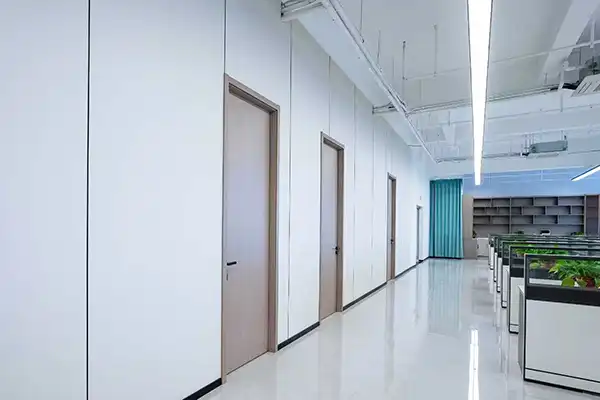
Procurement teams evaluating wall systems for medical facilities often weigh antibacterial panels against ceramic tile, FRP sheets, and epoxy-painted drywall. Each material presents distinct trade-offs in installation complexity, lifecycle costs, and hygienic performance.
Installation Efficiency and Structural Integration
Preparing the surface, applying the adhesive, grouting, and waiting for the tiles to cure all take a lot of work and often add weeks to the building schedule. Our antibacterial panels come factory-made to fit your project's needs. They can be up to 3050 mm long and 1220 mm wide, so they can quickly cover big sections of wall. When compared to tile work, the quick pressure strip installation method requires about 60% less on-site labour, which speeds up the project completion—a big plus for phased hospital makeovers where keeping patient care as uninterrupted as possible is still very important. The panels can be put up directly on framed walls, so they don't need the moisture barriers and waterproofing layers that tile systems do.
Maintenance Requirements and Cleaning Protocol Compatibility
Painted plasterboard surfaces in hospital settings break down quickly when exposed to disinfectants over and over again. In high-traffic areas, they need to be repainted every 18 to 24 months. FRP panels are better at resisting chemicals, but they don't have any antimicrobial qualities built in. To control bacterial populations, they must be cleaned often. Our UV-cured antibacterial surface keeps its protective qualities even after being cleaned thousands of times with hospital-grade quaternary ammonium compounds, sodium hypochlorite solutions, and hydrogen peroxide vapour systems. The non-porous surface stops the absorption of moisture that causes mould to grow behind wall coverings. This is a common way for painted walls that are exposed to humidity from steam sterilizers and washdown methods to fail.
Total Cost of Ownership Analysis
Antibacterial wall panels cost more per square foot than plain painted plasterboard at first, but a lifecycle cost study shows that they save a lot of money over time. A normal hospital corridor section with antibacterial panels doesn't need much maintenance other than regular cleaning. Painted walls, on the other Medical antibacterial wall panels hand, need to be repainted, patched up, and eventually, replaced because of damage from water and impact. Ceramic tile systems need to be rerouted on a regular basis and can fail catastrophically if impact damage cracks tiles, which means expensive section repairs that often can't match the original batches of tiles. We guarantee the quality of our panels for three years. This gives procurement teams a better idea of their maintenance funds and less downtime than with materials that need to be fixed up all the time.
Selecting the Best Antibacterial Wall Panel for Medical and Commercial Use
Matching panel specifications to application requirements ensures optimal performance and regulatory compliance across diverse facility types.
Material Standards and Certification Requirements
Managers of healthcare facilities must make sure that the wall materials they use comply with local fire safety codes, environmental standards, and testing methods for antimicrobial effectiveness. The fact that our panels have been certified by the China Environmental Protection Standard, ISO, and CE shows that they meet world quality standards. Because the panels have a GB8624 Class A fire rating, they can be used in egress hallways, operating rooms, and other life-safety-critical areas where flammable materials are not allowed. When looking for materials for food processing facilities or drug factories inspected by the USDA or the FDA, make sure the suppliers can show proof of third-party testing that backs up their promises of chemical resistance and antimicrobial performance.
Customization Options for Diverse Design Requirements
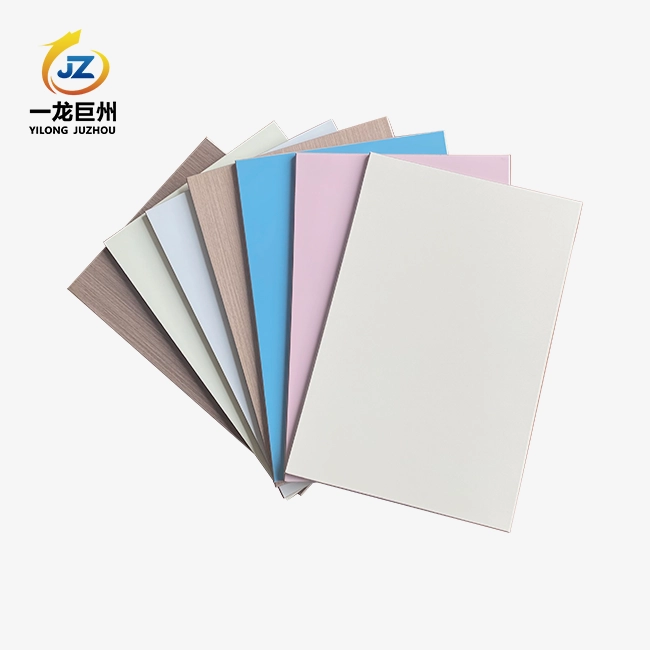
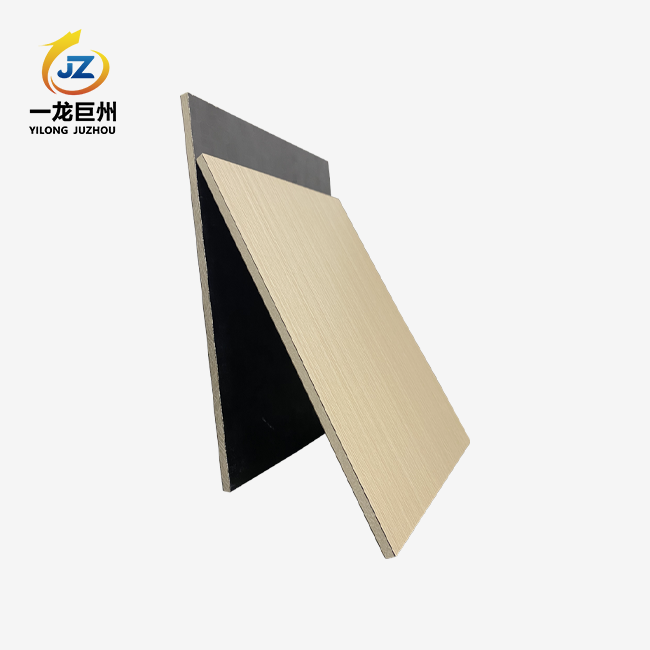
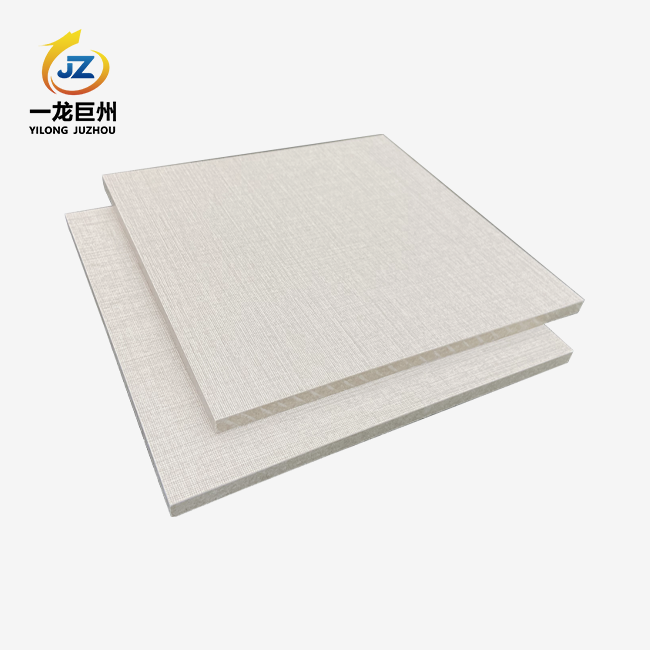
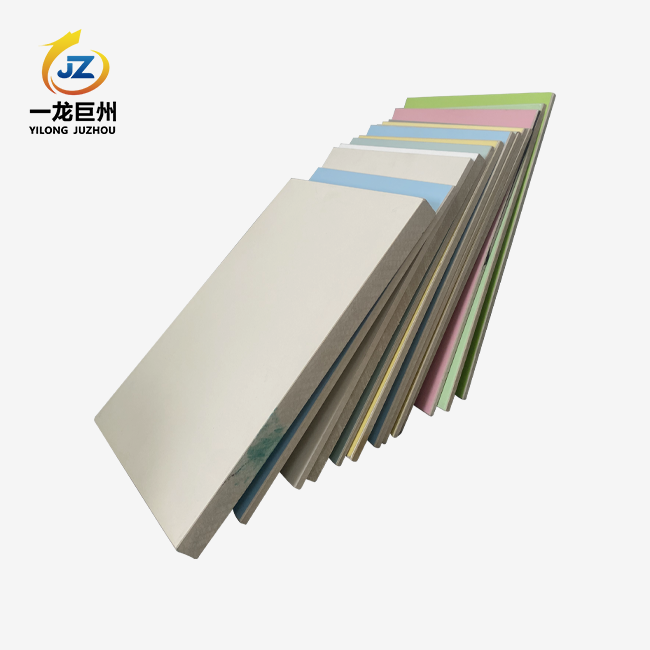
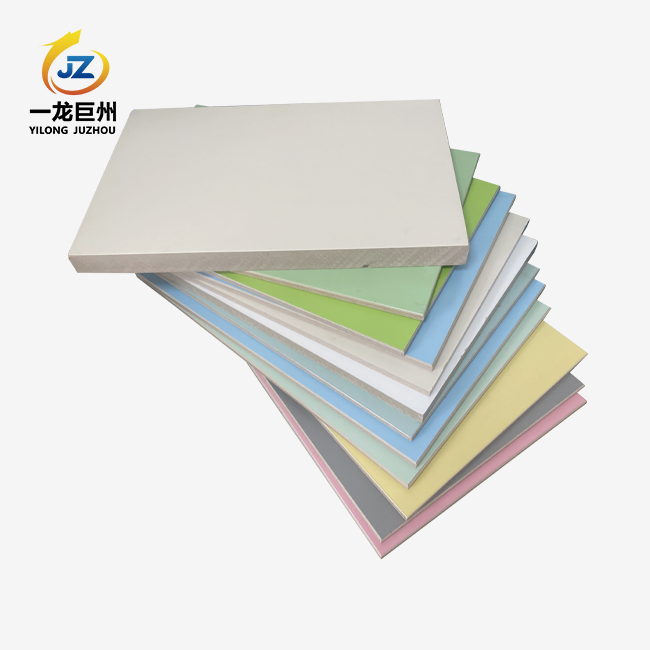
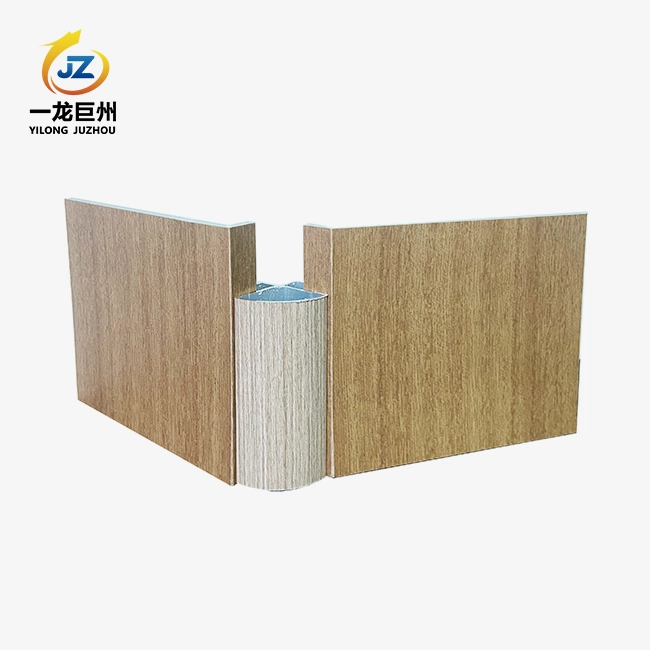
When architects work on medical aesthetic centers, business wellness facilities, or hospitality projects, they need wall protection that looks good and keeps germs out. We have antibacterial panels in solid colours, woodgrain finishes, marble patterns, metallic textures, and cloth-effect surfaces, so makers can keep the panels' looks while still meeting hygiene standards. The panels come in a range of thicknesses, from 4.5 mm to 20 mm, to meet different impact resistance needs. For example, 10–12 mm panels work well in operating rooms with gurney traffic, while 6 mm profiles may be needed in office areas. We can customize even more through OEM and ODM relationships, where we work with contractors and distributors to come up with project-specific solutions, such as custom colours that match brand standards or special sizes for modular building systems.
Evaluating Supplier Reliability and Support Capabilities
Large institutional projects depend on having access to materials all the time and quick expert help during the planning, buying, and installation stages. YILONG JUZHOU has two production bases, one in the Xianyang High-tech Zone in Shaanxi Province and one in Foshan, Guangdong. Together, they have more than 50,000 square meters of inventory and normal order lead times of 3–7 days. Because they are spread out across the country, they can ship through a number of seaports, such as Shenzhen, Guangzhou, Shanghai, and Qingdao. This makes logistics better for delivery spots on the West Coast, the Gulf Coast, and the East Coast. We answer technical questions within 24 hours and customize free samples within 3–5 days. This gives buying teams time to test the samples physically, hospital decoration antibacterial wall panel and get feedback from stakeholders before committing to large orders.
Installation, Maintenance, and Longevity of Antibacterial Wall Panels
Proper installation and maintenance protocols directly influence the performance and lifespan of antibacterial wall systems.
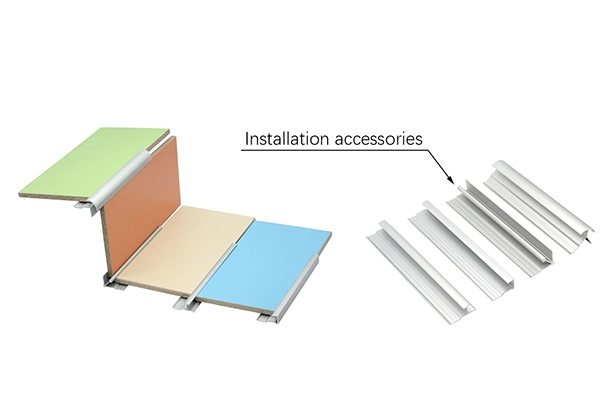
Professional Installation Best Practices
To get the full protection from antibacterial panels, you need to pay attention to how the base is prepared, how the panels are aligned, and how they are sealed. Installers should make sure that the wall framing is straight and doesn't have any bumps that could leave gaps behind the panels and let in moisture or pests. Our quick pressure strip mounting method lets you replace a single panel without affecting the sections next to it. This is helpful for facility maintenance teams that need to fix damage in a specific area. To keep bacteria from getting in at weak spots, be sure to use antimicrobial caulks that are compatible and carefully seal any corners or holes around electrical boxes, plumbing fixtures, and HVAC registers. We offer expert support for installations and clear instructions on how to use our products so that contractor teams can do jobs that look good and work well.
Cleaning Protocols That Preserve Antimicrobial Effectiveness
The UV antibacterial covering naturally protects against pathogens, but regular cleaning gets rid of organic dirt and keeps the look. Clean non-porous surfaces with disinfectant makers' suggested cleaning products. Use microfibre cloths or mop systems that cause the least amount of wear and tear. Do not use rough scrubbing pads or powdered cleaners on the UV-cured surface because they could scratch it and weaken the protected coating. The surface of the panel doesn't get stained by blood, iodine-based prep solutions, or other biological fluids that are typical in emergency and surgical rooms. After being cleaned, the surface doesn't need any special treatment or new protective coatings because the antibacterial qualities will still work for as long as the panel is in use.
Service Life Expectations and Warranty Coverage
When properly cared for, antibacterial wall panels in healthcare settings can last for 15 to 20 years, which is a lot longer than the 3 to 5 years that standard wall finishes need to be painted. The UV-cured coating technology we use makes a thick polymerized film that is much more resistant to damage from chemicals, pressure, and colour loss than regular painted or laminated panels. Impact resistance testing shows that the walls can handle being hit by a gurney, equipment, or a cleaning cart without cracking or denting, which are common ways for gypsum-based systems to fail. Our three-year quality guarantee covers flaws in the manufacturing process and coatings that fail too soon. This lowers the risk for buying teams when they make big investments in improving the infrastructure of facilities.
Procuring Antibacterial Wall Panels: Pricing, Ordering, and Financing Options
Strategic procurement approaches optimize both material costs and project execution timelines.
Volume Purchasing and Project Bidding Strategies
Large healthcare systems, commercial developers, and institutional clients purchasing for multiple locations benefit from volume pricing structures that reduce per-unit costs while ensuring material consistency across properties. We accommodate bulk orders spanning multiple delivery phases, maintaining reserved inventory for projects with staggered construction schedules. Procurement professionals preparing tender responses appreciate our rapid sample provision and comprehensive technical documentation, including CAD details, fire test reports, and antimicrobial efficacy data that support specification compliance verification. The ability to provide material at consistent pricing throughout multi-year construction programs protects project budgets from commodity price volatility affecting petroleum-based construction materials.
Delivery Logistics and International Shipping Coordination
Projects outside YILONG JUZHOU's domestic market benefit from our established export operations serving over 30 countries. Our logistics team coordinates container loading, customs documentation, hospital decoration, antibacterial wall panel and freight forwarding through major Chinese ports, with land transport capabilities via Xi'an, Guangzhou, Shenzhen, and Foshan distribution centers. We accommodate both containerized shipping for large orders and consolidated LCL shipments for smaller project quantities, optimizing freight costs based on order volume. Lead times from order confirmation to port departure typically span 3-7 days for stock items, with expedited production available for time-sensitive projects requiring accelerated delivery schedules.
Technical Support and After-Sales Service Commitments
For a project to be successful, it needs more than just the right materials. It also needs ongoing technical partnership during the plan development, construction administration, and post-occupancy phases. Our engineering team looks over specifications, helps with preparing submittals, and fixes problems with installations at no extra cost. We keep thorough records of each project and each batch, which lets us quickly handle warranty claims or requests for extra materials for building expansions. This dedication to customer satisfaction has led to long-term partnerships with institutional clients running phased renovation programs and international distributors serving regional construction markets. In these markets, reliable supply continuity and technical expertise set preferred suppliers apart from transactional vendors.
Conclusion
Keeping healthcare, pharmaceutical, food processing, and other bio-sensitive sites clean is always hard. Antibacterial wall panels are a high-tech way to solve this problem. Antimicrobial surface technology, long-lasting calcium silicate construction, and fire-resistant properties all work together to meet the many needs of current institutional building projects. When looking at suppliers, give more weight to companies that have a lot of certifications, can customize their products, have a reliable inventory, and offer quick expert support. The initial investment in premium antibacterial wall protection pays off in a measurable way: lower upkeep costs, longer service life, and better infection control directly support operational goals and patient safety goals for the facility.
FAQ
1. What bacterial strains do antibacterial wall panels protect against?
Our UV antibacterial coating demonstrates 99.99% efficacy against gram-positive bacteria like Staphylococcus aureus and gram-negative organisms, including Escherichia coli, based on standardized antimicrobial testing protocols. The coating also inhibits mould and fungal growth in humid environments.
2. Can antibacterial panels be installed in wet areas like hospital bathrooms?
Yes, the moisture-resistant calcium silicate substrate and waterproof UV coating make these panels suitable for humid environments, including patient bathrooms, decontamination rooms, and food processing washdown areas, where they outperform traditional painted drywall and prevent mould proliferation.
3. How do antibacterial panels compare to stainless steel in pharmaceutical cleanrooms?
While stainless steel offers excellent cleanability, antibacterial panels provide comparable hygiene performance at significantly lower material and installation costs, with added benefits of customizable aesthetics and easier repair or replacement of damaged sections without welding requirements.
Partner with YILONG JUZHOU for Superior Medical Wall Protection Solutions
Healthcare facility, Antibacterial wall panels, managers, and commercial contractors seeking a reliable antibacterial wall panel supplier will find YILONG JUZHOU's combination of manufacturing capacity, technical expertise, and customer service sets a new standard in the industry. Our dual production facilities in Shaanxi and Guangdong provinces maintain extensive inventory ready for immediate shipment, supported by engineering teams available to assist with specification development and installation planning. We invite you to request your free customized sample—delivered within 3-5 days—to evaluate our UV antibacterial coating technology and material quality. Contact our procurement specialists at cnyang2000114@gmail.com to discuss your project requirements, receive detailed technical documentation, and explore volume pricing options tailored to your budget and timeline.
References
1. Centers for Disease Control and Prevention. (2019). Guidelines for Environmental Infection Control in Health-Care Facilities. U.S. Department of Health and Human Services.
2. American Institute of Architects Academy of Architecture for Health. (2018). Guidelines for Design and Construction of Hospitals. Facility Guidelines Institute.
3. International Organization for Standardization. (2020). ISO 22196:2011 - Measurement of Antibacterial Activity on Plastics and Other Non-Porous Surfaces. ISO Standards Catalogue.
4. National Fire Protection Association. (2021). NFPA 101: Life Safety Code - Interior Finish Requirements for Healthcare Occupancies. NFPA Publications.
5. Facility Guidelines Institute. (2022). Guidelines for Design and Construction of Residential Health, Care, and Support Facilities. FGI Publications.
6. Weber, D.J., et al. (2021). "Role of Hospital Surfaces in Disease Transmission." Infection Control and Hospital Epidemiology, 42(3), 295-302.

Send Inquiry


Related Industry Knowledge
- What Are The Advantages of an exterior ACP Sheet?
- What is an aluminum composite panel?
- Antibacterial wall panel medical rigid sheet wall protection
- What are the common issues faced during aluminum panel installation, and how to avoid them?
- How to cut an aluminum composite panel?
- What safety precautions should I take when cutting aluminum composite panels?
- The Rise of ACP Panels for Modern Kitchen Design
- Things to Know About Aluminium Composite Panels
- How to Choose the Best Medical Clean Board
- How Antibacterial Wall Panels Improve Hygiene in High-Traffic Areas