
How to install an aluminum composite panel?
June 24, 2026
To properly install an aluminium composite panel, you need to prepare the substrate, use mechanical fasteners or adhesive systems to hold the panel in place, and make sure there is enough space between the panels for thermal expansion. The first step is to make sure the substrate is flat and solid. Next, panels are placed according to the layout plans, fixed with either hidden clips or obvious screws, and joints are sealed to keep water out. This way of installing aluminium composite panels makes sure that the structure is stable, the look is perfect, and the building codes are followed, which is important for business and institutional projects.
Understanding Aluminum Composite Panels Before Installation
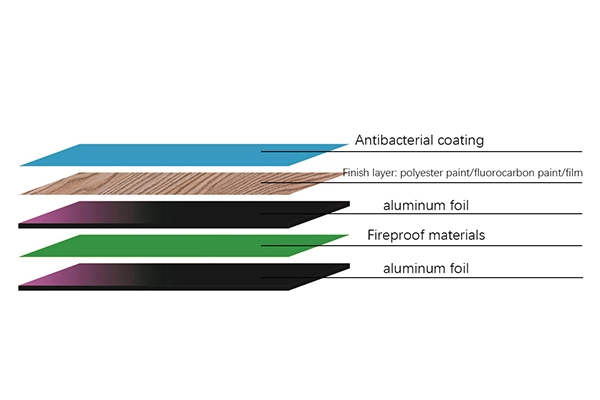
Modern buildings have been changed by aluminium composite panels, which offer a solution that balances structural efficiency with a wide range of aesthetic options. Two layers of aluminium are thermally attached to a core material to make these engineered materials. The result is a sandwich structure that works very well in many situations. The composition of the core changes a lot based on what it will be used for. For example, polyethylene cores are cheap and work well for interior uses, while mineral-filled cores get the Class A2 fire ratings that hospitals, schools, and high-rise buildings need. When choosing materials for projects with strict safety standards, it's important to know the difference between these types.
Core Material Types and Their Impact on Installation
The core material has a direct effect on how the work is handled. Mineral core panels that are fire-resistant usually weigh more than regular polyethylene panels, so support structures and fastening systems need to be changed. YILONG JUZHOU's A2 aluminium composite panel has refractory materials between the aluminium skins, which makes it Class A2 safe while still being easy to work with. This design lets you drill, nail, and bend it without affecting its fire protection, which is something that traditional building materials don't usually let you do. Engineers can match structural loads with aesthetic needs because the panels come in a range of thicknesses from 2 mm to 6 mm and aluminium skin choices from 0.1 mm to 0.5 mm.
Surface Finish Options and Application Environments
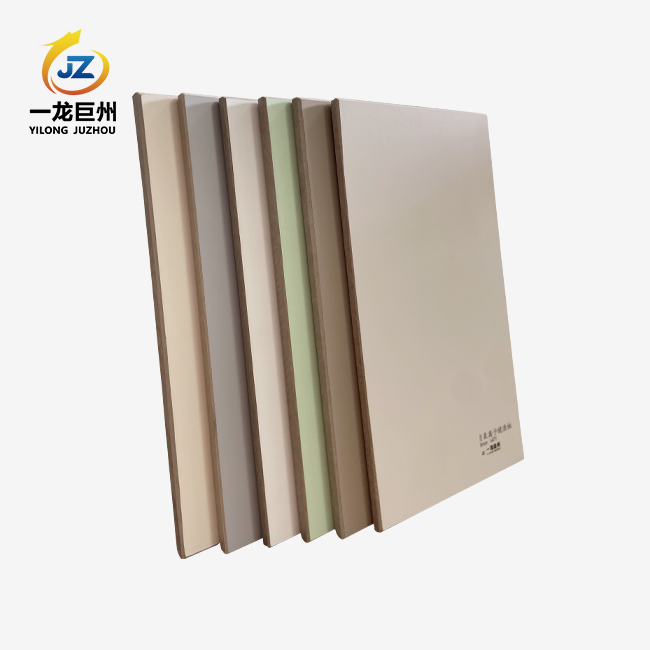
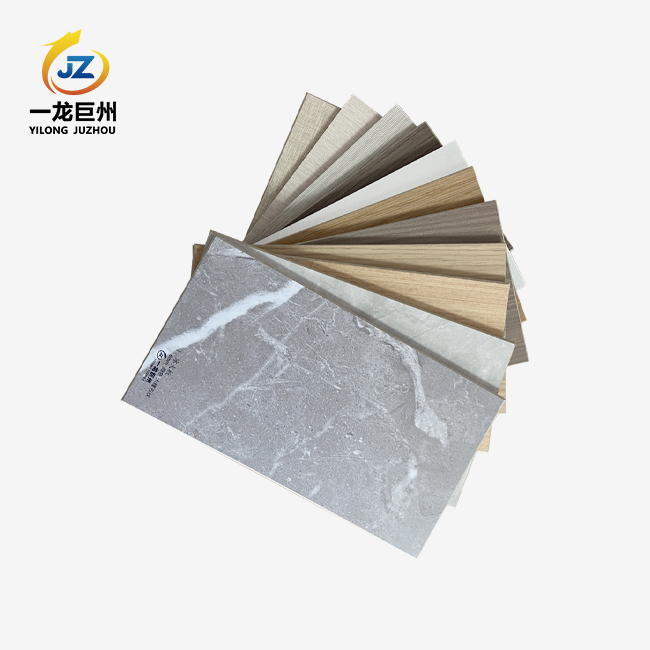
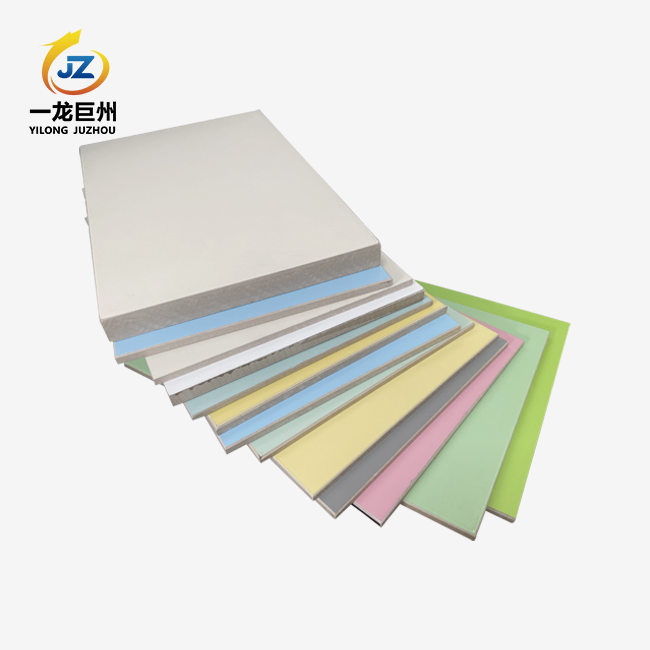
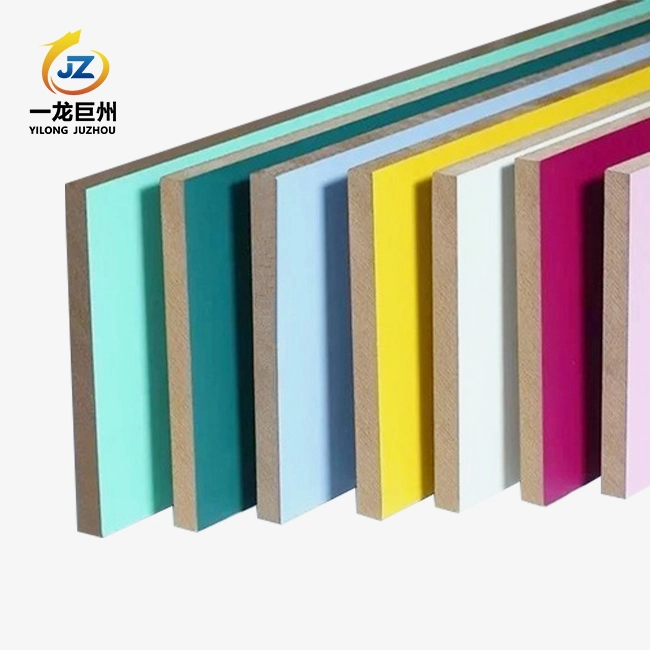
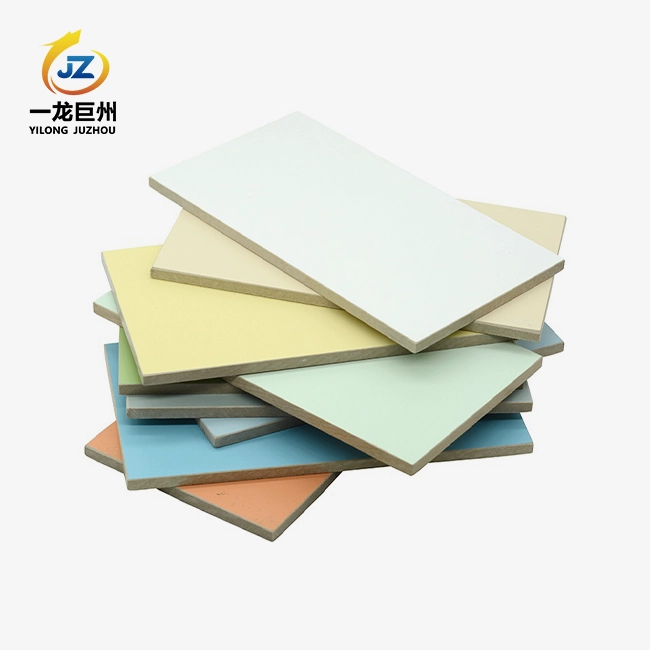
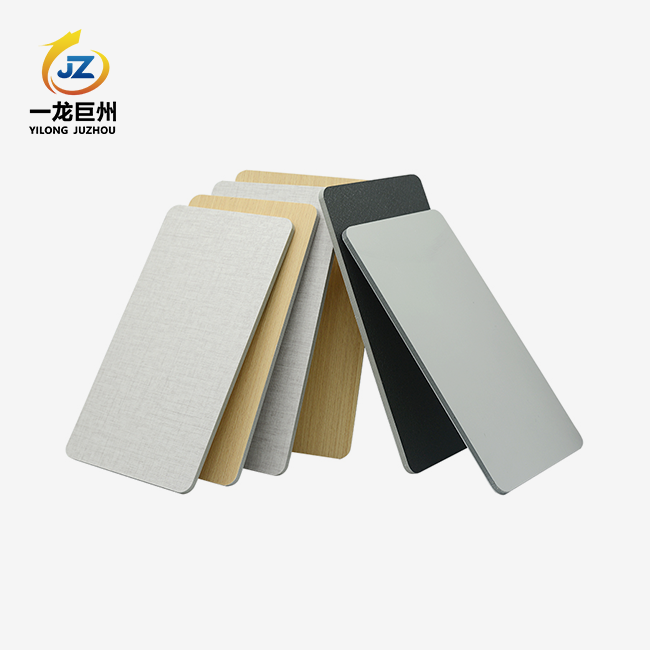
Surface processes affect the metal Aluminum Composite panel, both how something looks and how well it works. With polyester paint finishes, you can get bright colours that look good inside, like in conference rooms and hotel hallways, where UV light isn't as strong. Surfaces made of PET film and PVC film are less likely to get scratched in places with a lot of foot traffic, like tube stops and airports. For projects that need to last a long time, PVDF coatings can resist weather and keep their colour for more than 15 years. However, polyester systems are usually preferred for interior uses because they are more cost-effective. By choosing solid colours, woodgrain patterns, marble textures, metallic finishes, or cloth patterns, design teams can make sure that shopping malls, office buildings, and medical beauty centers all look the same without lowering the standards of performance.
Preparing for Installation: Essential Pre-Checks and Planning
Preparation work that happens before any panel touches the wall is very important for a successful fitting. To avoid expensive delays and extra work, site assessments must look at the conditions of the substrate, the environment, and the readiness of the materials. Teams in charge of buying things should make sure that the panels they receive meet the requirements for thickness, colour consistency, and the stability of the protective film. To keep the job on schedule, panels that show signs of damage from transport or coating flaws need to be documented and replaced right away.
Substrate Evaluation and Conditioning
The current wall surface needs to be strong enough to support the structure and be able to handle some unevenness. Substrates made of concrete or stone should be hard, dry, and free of efflorescence and other loose materials. For wood framing, the moisture level must be less than 19% to keep the wood from warping and causing the panels to not line up properly. Metal studs need to be spaced correctly—usually 400 mm to 600 mm on center—so that the weight of the panel is spread out properly and oil-canning effects don't happen. Using a straightedge to check the flatness of the substrate shows variations of more than 3 mm over 3 meters. These need to be fixed by shimming or refinishing the substrate before the panel installation can start.
Tool and Fastener Selection
Using the right tools speeds up the fitting process and protects the panel surfaces. Over-tightening the dimples in aluminium skins can be avoided with cordless drills that have changeable torque settings. Saw blades with a carbide tip that are made for non-ferrous metals make clean cuts that don't leave burrs or bend the edge. Hidden clip systems need special installation tools that are given by the makers to make sure that the clips firmly engage the panel edges without any visible fasteners. When picking adhesives to use for bonding, checking their compatibility with panel coatings stops chemical reactions that weaken bonds or change the colour of surfaces. Safety gear, like gloves that won't cut and eye protection, protects you from the risks of sharp edges and metal chips that are created when you cut and drill.
Step-by-Step Guide to Installing Aluminum Composite Panels
The steps for installation are organised in a way that makes sense and improves accuracy and speed as the project goes on. Starting with careful layout planning stops pattern mismatches and cuts down on material waste. This is especially important when working with panels that have woodgrain or marble patterns, where visual metal Aluminum Composite panel consistency is important.
Substrate Preparation and Framework Installation
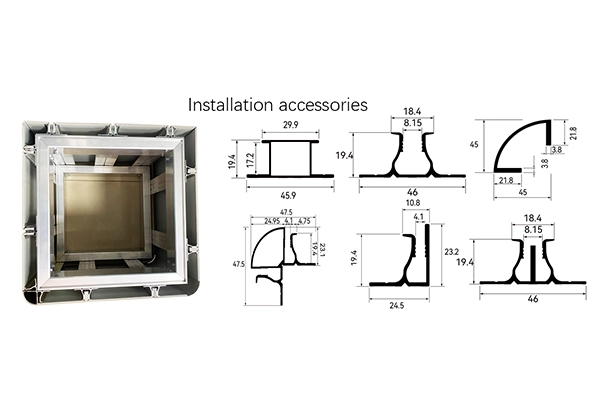
Start by putting together the framework for hanging the panels. Straight metal channels or wooden battens should be attached to structural elements in a way that keeps them in place. The distance between supports is based on the thickness of the panel and the wind load requirements in the area. For example, 2mm panels need closer support space than 6mm panels. Using a laser level makes sure that the framework is straight across big areas, which stops mistakes from building up over time that show up when the panels are put in. Apply weather-resistant barriers or moisture membranes to the substrate before installing the framework in uses that will be exposed to the elements. For these panels, the main focus should still be on the inside wall.
Panel Layout and Dry Fitting
Set up where the panels will go on the frame before they are permanently attached, marking where the fasteners will go and making sure the patterns are lined up. During the dry-fitting phase, any problems with the panel's measurements are found, areas that need custom cuts are pointed out, and the expansion gaps are checked to make sure they can handle thermal movement. A2 composite panels are great for wet places like swimming pool areas in gyms, or cleanrooms where drugs are made, because they are waterproof and don't let water in. YILONG JUZHOU can make custom panel lengths longer than 3 meters to cut down on the number of seams and speed up installation in places with high ceilings, like airport facilities or train station concourses.
Mechanical Fastening Techniques
Mechanical fixing is a reliable way to connect something for a long time. Drill pilot holes through the marked areas on the panel faces. Make sure the hole sizes are just a bit smaller than the fastener shanks to make sure the panels stay together without splitting. Stainless steel screws with neoprene washers make seals that are resistant to weather and properly apply clamping pressure. Instead, hidden clip systems use grooves that are routed along the edges of the panels to hide all the fixings. This creates a smooth look that is popular in art galleries and medical aesthetic centers. Clips make it possible to change a single panel without disturbing units next to it, which is very helpful for maintenance or fixing damage. When installing, you should pay close attention to the expansion joints. Leaving 3mm to 5mm gaps between panels lets heat expand and contract, which keeps the structure from buckling when temperatures change. These gaps get a flexible sealer that sticks to the edges of the panels without stopping them from moving. This keeps the panels waterproof while letting the sizes change.
Sealing and Edge Protection
Once every panel is in place, check the edges and joints to make sure they are properly sealed. Silicone sealants that work with aluminium and panel coatings fill in expansion gaps. This makes a barrier against wetness that keeps water from getting behind panels. Edge trims and corner profiles finish off the look of a panel and protect its sides from damage when it is hit. Because these items come in both coordinating and contrasting colours, they can be used with a wide range of Aluminum Composite board architectural styles in stadiums, office buildings, and hotels.
Maintenance Tips Post-Installation for Prolonged Performance
Panels can last longer if they are maintained properly, and they will still look good, which is why the material was chosen in the first place. Quality composite panels don't contain formaldehyde and don't have any smells. This means that the air quality inside stays good, but the panels' surfaces still need to be cleaned every so often.
Routine Cleaning Procedures
Set up cleaning schedules based on how often people use the space and how much attention it gets. Using pH-neutral soaps and soft cloths once a month to clean hospital and school interior panels gets rid of dust without damaging polyester or film surfaces. Do not use alkaline cleaners or rough pads, as they can break protective coatings and make surfaces look dull. Some panel specs have antibacterial surfaces that stop microbes from growing in healthcare settings. However, the panels still need to be cleaned to get rid of organic material that gets in the way of these protective features.
Inspection and Damage Response
Inspections every three months find new problems before they get worse and need expensive fixes. If you find that panel attachments are coming loose because of building settlement or temperature changes, tighten the screws as needed. Check sealant gaps for cracks or separation, and if necessary, reapply sealant to keep moisture barriers in place. Manufacturer-supplied paint pens that match the original colours can be used to fix small scratches on painted surfaces. If the dents or holes are deeper, the panel may need to be replaced. This was an easy process when secret clip systems were first used. YILONG JUZHOU offers a three-year quality guarantee that covers any problems with the way the products were made. This gives procurement teams peace of mind about the long-term performance and access to technical help during the maintenance phase if they have any questions.
Procurement Considerations for Aluminum Composite Panels and Installation Services
Selecting suppliers and installation partners significantly impacts project success, budget adherence, and long-term satisfaction. Procurement professionals must evaluate multiple factors beyond initial price points to ensure total value delivery.
Supplier Qualification and Certification Verification
Manufacturers with a good reputation provide a lot of paperwork that shows they follow safety and environmental rules. Check for ISO certification to see if the quality control systems are consistent, CE certification to see if the products meet European safety standards, and China Environmental Protection Standard Certification to see if the company is committed to making products that are good for the environment. YILONG JUZHOU has two factories in Foshan and Shaanxi, China. It keeps 50,000 square meters of goods on hand to help with fast fulfilment and responds to customer enquiries within 24 hours. This two-facility method gives Chinese projects and international exports through ports in Shenzhen, Guangzhou, Shanghai, and Qingdao a backup supply chain and geographical flexibility.
Sample Evaluation and Customization Support
Before placing a big order, make sure the samples you ask for are of the real production quality, not just prototypes. YILONG JUZHOU provides free samples that can be sent within 3–5 days. This lets project teams do physical testing, such as checking for fire resistance, surface durability, and colour matching against architectural standards. The company works with both OEM and ODM customers, and can accommodate unique sizes, colours, and surface treatments that set projects apart in real estate markets that are very competitive. With width choices of 1220mm, 1500mm, and 2000mm and lengths that can be changed, this option cuts down on Aluminum Composite board waste and installation time compared to options with fixed dimensions.
Installation Service Options
Professional construction teams that know how to use ACP systems may be helpful for big projects like hospitals, shopping malls or office building renovations. These experts know how to check the substrate, design the framework, and do quality control processes that stop common installation mistakes. Because A2 panels don't give off radiation and are safe for the environment, they can be put up in buildings that are already occupied without causing health problems or needing a lot of airflow. Professional installation is often worth the extra money up front for projects with tight deadlines because experienced teams can finish the work faster and meet the high-quality standards that architects and building inspectors expect.
Conclusion
To successfully install aluminium composite panels, you need to know how the materials work, do a lot of planning, be very careful, and be willing to keep up with upkeep. Modern composite panels are very flexible, especially Class A2 fire-rated versions that let you change the way they look without sacrificing safety. This makes them good for tough jobs in the business, healthcare, education, and transportation sectors. When making a procurement choice, the credentials of the supplier, the certifications of the products, and the support services should be taken into account along with the price. Partnering with well-known aluminium composite panel manufacturers that offer technical support, a stable supply chain, and quality assurances, project teams make sure that installations provide long-lasting value and performance.
FAQ
1. Can aluminum composite panels withstand humid climates?
A2 composite panels feature waterproof and moisture-proof construction that resists humidity without warping or mold growth. The sealed aluminum skins prevent moisture penetration to the core, making these panels appropriate for coastal regions and high-humidity interiors like swimming facilities or industrial kitchens.
2. How long does a typical installation take for a commercial project?
Installation duration varies with project scale and complexity. A standard office floor covering 1,000 square meters might require 5-7 working days with an experienced crew. Factors including substrate condition, custom cutting requirements, and access limitations influence timelines. YILONG JUZHOU provides installation technical services supporting efficient project completion.
3. Are composite panels compatible with existing wall systems?
These panels adapt to most substrate types through appropriate framework installation. They integrate with concrete, masonry, metal studs, and wood framing using standardized fastening methods. The flexible nature of composite panels allows them to accommodate minor substrate irregularities that would complicate rigid material installation.
Partner with YILONG JUZHOU for Premium Aluminum Composite Panel Solutions
YILONG JUZHOU delivers Class A2 fire-rated aluminium composite panels combining safety, aesthetics, aluminium composite panel, and installation efficiency for your commercial projects. Our Foshan and Shaanxi production facilities maintain extensive inventory, ensuring 3-7 day production times, while our technical team provides design and installation support backed by three-year quality guarantees. We serve hospitals, schools, offices, and specialized facilities across 30+ countries with products meeting ISO and CE standards. As an experienced aluminum composite panel supplier, we offer free samples, OEM/ODM customization, and expert guidance throughout your procurement process. Contact us at cnyang2000114@gmail.com to discuss your project requirements and receive a detailed quote within 24 hours.
References
1. Construction Specifications Institute. (2021). "Interior Wall Panel Systems: Material Selection and Installation Standards." CSI Technical Journal, Volume 18, Issue 3, pp. 45-67.
2. National Fire Protection Association. (2020). "Fire-Rated Building Materials: Performance Classification and Testing Methods." NFPA 285 Guidelines, Fourth Edition.
3. American Architectural Manufacturers Association. (2019). "Aluminum Composite Material Installation Best Practices for Commercial Applications." AAMA Technical Manual Series.
4. International Building Code Council. (2022). "Interior Finish Materials: Code Compliance and Safety Requirements." IBC Chapter 8 Commentary.
5. Green Building Standards Institute. (2020). "Sustainable Wall Systems: Environmental Impact Assessment of Composite Panels." GBSI Research Report 2020-14.
6. Society of Construction Engineers. (2021). "Advanced Cladding Technologies: Installation Techniques and Quality Control." SCE Professional Development Series, Volume 12.

Send Inquiry


Related Industry Knowledge
- What is an aluminum composite panel?
- Where to buy aluminum composite panel?
- Print on Aluminum Composite Panel: A Modern Twist on Traditional Wall Art
- How to install an aluminum composite panel?
- How do I choose the right aluminum composite panels for my building?
- Antibacterial wall panel medical rigid sheet wall protection
- What are the common issues faced during aluminum panel installation, and how to avoid them?
- The Rise of ACP Panels for Modern Kitchen Design
- How to Choose the Best Medical Clean Board
- How Antibacterial Wall Panels Improve Hygiene in High-Traffic Areas