
Where to buy aluminum composite panel?
June 24, 2026
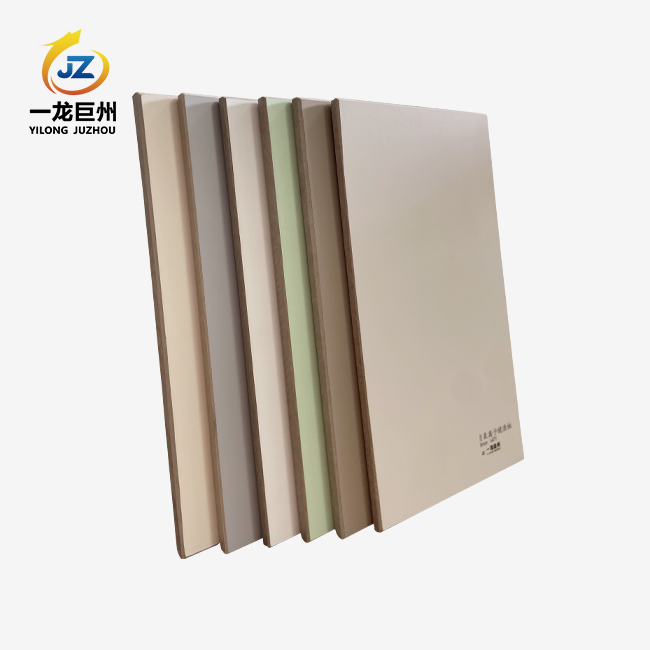
Partnering with well-known makers who keep up global marketing networks is the best way to find aluminum composite panels for your building project. The company YILONG JUZHOU has factories in both Shaanxi and Guangdong provinces. They send A2-grade protective panels to more than 30 countries in Southeast Asia, Central Asia, the Middle East, Africa, Europe, and the Americas. Their two factories make sure they always have more than 50,000m² of stock and can send it within three to seven days. This meets the urgent needs of business developers, healthcare facilities, and foreign wholesalers looking for approved, performance-tested wall panel options.
Why Global Sourcing of Aluminum Composite Panels Matters
As the building industry moves toward lighter, more fire-resistant exterior materials, there is a huge need for high-quality aluminium composite boards. It can be hard for project managers to find supplies that meet strict safety standards, keep prices down, and make sure deliveries happen on time. Every purchase choice is affected by where the item is being bought.
Rapid urbanisation is happening in emerging markets in Southeast Asia and Africa, which is driving demand for cheap but long-lasting building panels. In the meantime, buyers in North America and Europe care more about standards like AAMA 2605 compliance and A2 fire ratings. A lot of the time, projects in the Middle East need unique finishes that can stand up to high heat and sandstorms. Because of this, buying teams have to judge providers on more than just how close they are. They also have to look at their expert skills.
Markups from middlemen are eliminated when you deal directly with manufacturers. Distributors add 20–35% to base costs, which is a big problem for big projects. Getting factory prices, expert help, the ability to make changes, and steady quality give you a competitive edge that affects the whole project budget.
Understanding A2 Aluminum Composite Panel Applications
Metal and aluminium composite walls are used for very different things in different types of buildings. Surfaces that are hygienic and can handle harsh cleaning methods are needed in healthcare centers. A2-grade panels covering hospital hallways keep out wetness that can grow germs, which is a very important thing for infection control teams to look at when they review materials.
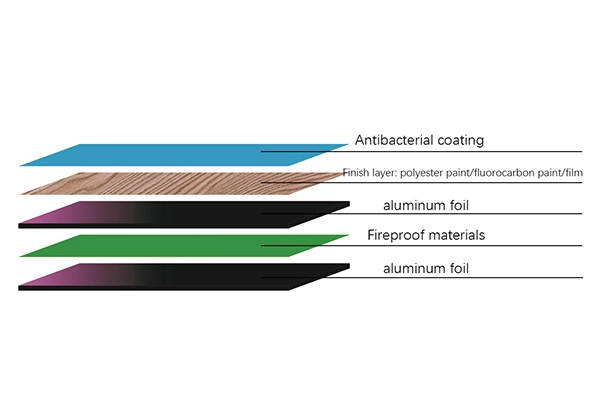
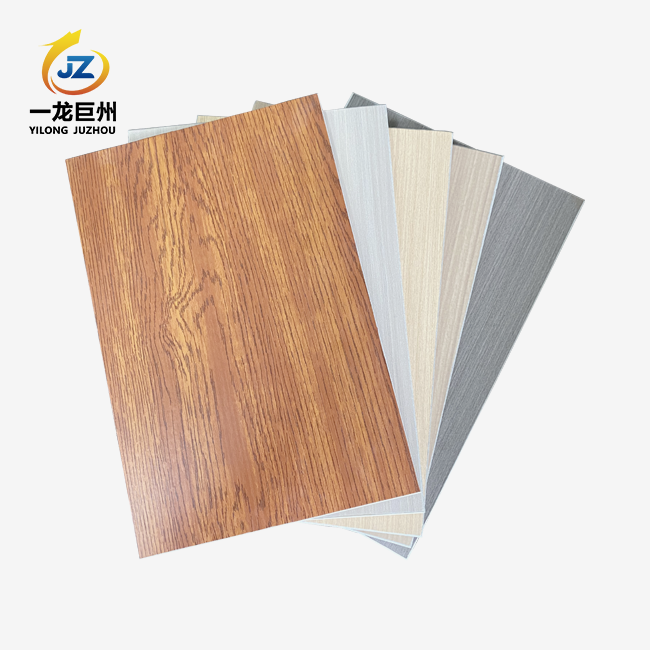
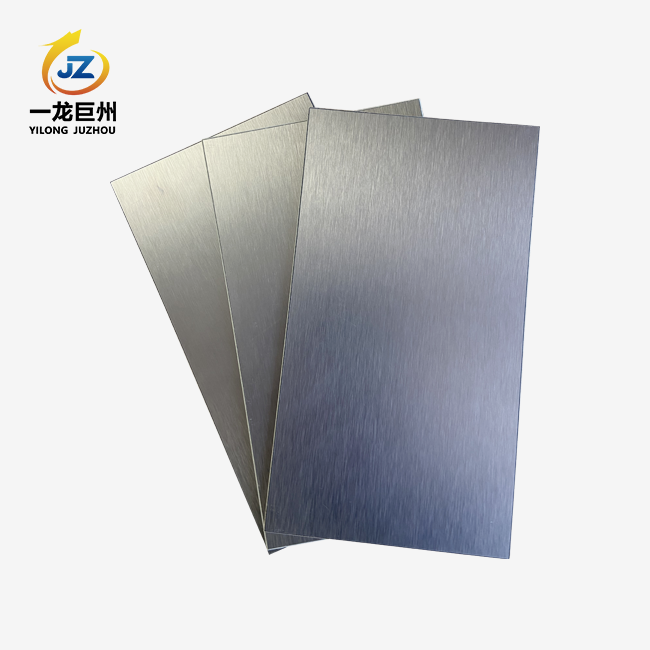
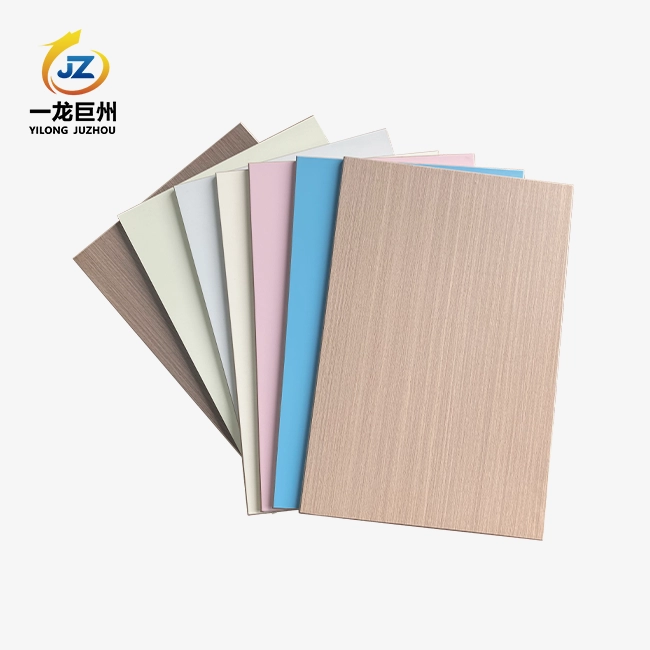
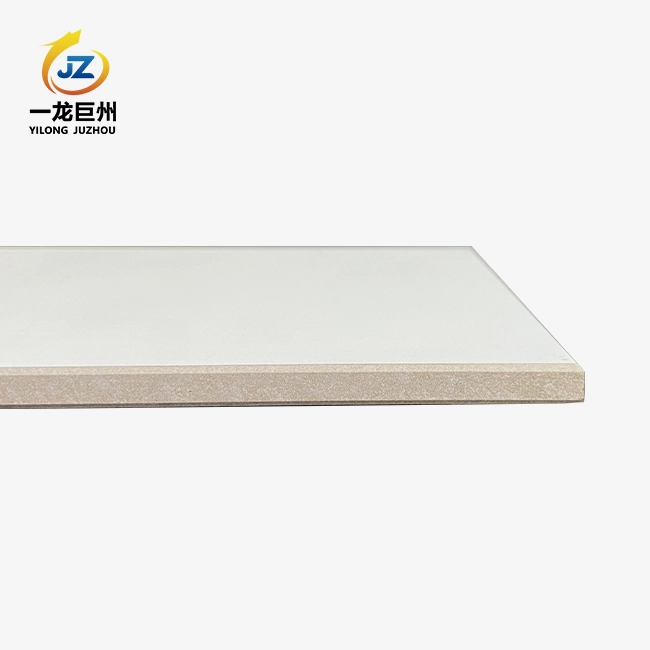
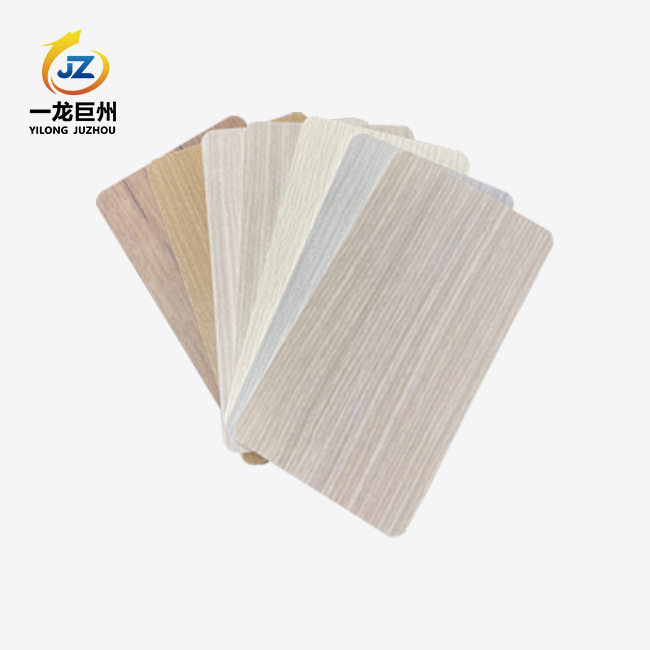
Commercial real estate developers choose these screens for store and office areas where they look good and meet fire safety standards. The sandwich structure, which is made up of a refractory core joined between two aluminium skins, achieves Class A2 non-combustibility without limiting the design options. Surface treatments like polyester paint, PET film, PVC film, or PP film let you make any kind of changes you want. For example, boutique hotels can use wood grain patterns, banks can use marble finishes, and tech campuses can use shiny textures.
Applications in industry show a different side. Panels in food preparation plants need to be able to handle steam, chemical washdowns, and changes in temperature. Pharmaceutical producing areas need surfaces that don't shed and won't get dirt on clean rooms. Millions of people visit tube stops and airports every year, so they need siding that can withstand pressure and keep its look even after years of use.
The material's ability to be bent makes building problems easier to fix. It's now possible to have curved welcome desks, column wraps, and art pieces. Compared to options that are easily broken, panels can be put up by drilling and nailing. Customisable heights above 3 meters get rid of the horizontal gaps in double-height atriums, making the visual flow smooth.
Regional Supply and Demand Dynamics
Southeast Asia and Central Asia
Indonesia, Vietnam, Thailand, and Kazakhstan are all building new infrastructure at rates that have never been seen before. Hospitals and schools that are paid for by the government keep the demand for metal Aluminum Composite panels high. Local wholesalers often don't have enough product, which slows down projects. Chinese suppliers, like those from Guangzhou or Shenzhen, can get their metal Aluminum Composite panels to these areas faster than European sellers, in 10 to 14 days.
Tender processes favour sellers who can show that they have ISO and CE certifications and offer low prices. As a result of careful buying habits in growing countries, payment terms usually include 30% deposits, with the rest due after inspection.
East Asia and Australia
South Korea, Japan, and Australia all have advanced building markets that have high standards for quality. Japanese buyers pay close attention to requirements for peel strength and need >7 N/mm to keep materials from coming apart in earthquake zones. In some parts of Australia, buildings must meet AS/NZS guidelines for protection against bushfires.
In these areas, higher prices are acceptable for proven success. More than just price determines which provider to use: technical data sheets, fire test results, and sample testing.
Middle East and Africa
Gulf Cooperation Council countries want panels that can resist temperatures of 50°C or more and wind wear and tear. It is now necessary to have PVDF coatings that are more resistant to UV light. As more people move to cities, Nigerian and Kenyan markets are showing a greater desire for cheap wood siding.
Because funding is harder in Africa, the buying process takes longer. However, the size of the projects makes up for it—single hospital contracts may need 15,000 to 20,000m² of wall panels. This group is targeted by suppliers who offer open payment terms and container-load transportation help.
Europe, Russia, and Ukraine
European buyers care most about fire safety ratings and certifications for sustainability (EN 13501). Architects in Germany and the UK ask for FR-A2 cores with mineral fillers instead of polyethylene. After 2020, Russian markets dealt with problems in the supply chain by using more than just traditional European sources. This made room for Chinese companies that met GOST standards.
Ukraine's pressing needs for rebuilding create demand, but it's important to be careful when negotiating payment terms and transport routes.
North and South America
Buyers from the US and Canada have to deal with complicated code enforcement environments. Testing for NFPA 285 on outdoor walls and getting approvals from local building departments takes longer than planned. Distributors close to big cities like New York, Los Angeles, and Toronto keep stock but only carry a limited choice of colours.
The markets in Brazil and Chile are open to direct imports, especially for retail and leisure projects that need a range of designs. Shipping containers through the Panama Canal takes 35 to 45 days, so you need to plan ahead.
Evaluating Sourcing Channels: Advantages and Challenges
| Channel Type | Advantages | Disadvantages |
|---|---|---|
| Direct Manufacturer | Factory pricing (20-35% savings); customization; technical support; consistent quality control; sample provision | MOQ requirements (often 500-1000m²); longer communication cycles; import logistics management |
| Local Distributors | Immediate availability; simplified procurement; local warranties; familiar payment terms | Limited color/spec selection; higher costs; stock shortages; inconsistent quality |
| B2B Platforms (Alibaba, Made-in-China) | Supplier comparison, trade assurance, varied pricing | Verification challenges, middlemen disguised as factories, and inconsistent communication |
| Regional Importers | Established logistics; bulk purchasing power; market knowledge | Added margin (10-20%); inventory constraints; less customization |
| Trading Companies | Multi-product bundling; simplified paperwork | No manufacturing oversight; quality variability; limited technical expertise |
Direct manufacturer relationships prove most cost-effective for projects exceeding 2,000m². The savings offset import learning curves, especially when suppliers provide documentation support.
Practical Supplier Verification and Quality Control
Screening Checklist
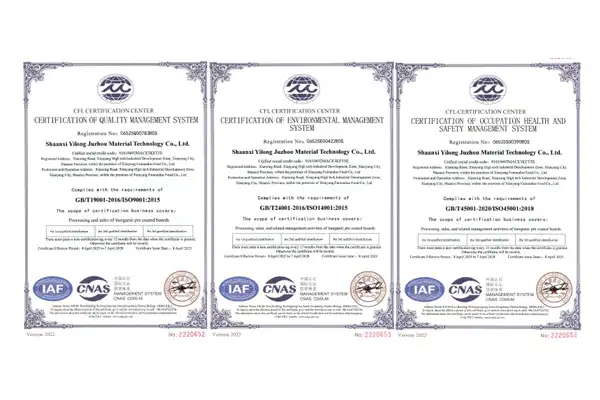
Verify production capacity through factory audit reports or virtual tours showing equipment like lamination lines and coating systems. Request third-party certifications: ISO 9001 for quality management, CE marking for European exports, ASTM E84 or NFPA reports for North American projects.
Examine sample quality meticulously. Check coating uniformity under angled light—uneven application indicates substandard processes. Perform simple peel tests at the aluminum composite board edges; quality products resist separation. Request samples in your specified finish, not just stock colors.
Assess communication responsiveness. Suppliers answering technical queries within 24 hours demonstrate organizational competence. Vague responses about fire ratings or peel strength signal inadequate quality systems.
Understanding MOQs and Payment Terms
Minimum order quantities typically range from 500m² for stock colors to 1,000-1,500m² for custom finishes. Container economics drive these thresholds—a 20-foot container holds approximately 1,200-1,500m² depending on thickness.
Payment structures follow international norms: 30% T/T deposit upon order confirmation, 70% balance against a copy of the bill of lading or before delivery. Letter of credit options suit large institutional buyers. Negotiate sample costs (often $50-150) that can be credited toward bulk orders.
Production timelines span 15-25 days post-deposit for custom specifications, shorter for stock items. Add 20-40 days for sea freight, depending on destination. Air freight remains viable for urgent small batches, though costs increase 4-6x.
Common Pitfalls to Avoid
Mismatched fire ratings cause costly rework. Ensure specified core materials (FR mineral-filled for A2, polyethylene for B1) match project codes. Request manufacturer declarations confirming compliance.
Inadequate packaging leads to transit damage. Panels require protective film, corner guards, and wooden crate or pallet bundling. Clarify packaging standards in purchase agreements.
Overlooking thermal expansion coefficients creates installation issues. Panels expand/contract with temperature changes; proper joint spacing prevents buckling. Competent suppliers provide installation guidelines addressing climate-specific considerations.
Why Technical Support Transforms Procurement Outcomes
Specification assistance separates exceptional suppliers from commodity vendors. Healthcare projects need antibacterial coating guidance. Industrial facilities require chemical resistance data. Tunnel applications demand reflectivity standards.
Manufacturers offering design consultation help architects visualize finishes. Digital rendering services show how marble patterns or wood grains appear at scale. Installation training for contractor teams reduces on-site errors that compromise panel performance.
Post-delivery support matters equally. Three-year warranties covering delamination, coating failure, or structural defects provide risk mitigation. Responsive troubleshooting—addressing concerns about cleaning methods or minor damage repair—builds long-term partnerships that streamline future projects.
Conclusion
Sourcing aluminum composite panels demands balancing performance specifications, budget constraints, and logistical realities. Direct manufacturer relationships offer unmatched value for medium-to-large projects, particularly when suppliers demonstrate technical depth, certification portfolios, and responsive service. Regional demand patterns shape procurement strategies—emerging markets prioritize cost-efficiency and delivery speed, while developed economies emphasize compliance documentation. Rigorous supplier verification, clear quality benchmarks, and proactive communication transform material procurement from transactional necessity into strategic advantage. The right panel partner doesn't just supply products; they contribute engineering insight that elevates project outcomes.
Frequently Asked Questions
1. What fire rating should I specify for hospital wall panels?
Healthcare facilities typically require A2 or B-s1, d0 classifications under EN 13501 standards. A2-grade panels contain mineral-filled cores that resist combustion, critical for patient safety zones. Verify certifications through independent lab reports, not just supplier claims.
2. Can aluminum composite boards be installed outdoors?
Exterior applications demand PVDF-coated panels meeting AAMA 2605 standards. These withstand UV degradation, acid rain, and temperature extremes. Interior-grade polyester coatings fade and chalk when exposed to weather. Clarify intended use during specification to receive appropriate recommendations.
3. How do I calculate the quantity needed for my project?
Measure total wall area in square meters, then add 8-12% waste factor for cuts, damages, and future repairs. Panel dimensions (1220mm, 1500mm, or 2000mm widths) affect layout efficiency. Suppliers often provide take-off assistance using architectural drawings to optimize ordering.
4. What thickness is suitable for partition walls versus ceiling applications?
Partition walls commonly use 3-4mm panels, balancing rigidity and weight. Ceiling installations may specify 2-3mm for reduced structural load. High-traffic areas benefit from 5-6mm options offering superior impact resistance. Discuss loading conditions with engineers to determine appropriate specifications.
Partner with YILONG JUZHOU: Your Trusted Aluminum Composite Panel Manufacturer
YILONG JUZHOU delivers A2 fireproof aluminum composite panels engineered for demanding commercial, healthcare, and industrial environments. With dual production bases in Shaanxi and Guangdong, we maintain 50,000m² inventory and ship globally within 3-7 days. Our panels meet ISO and CE standards, featuring customizable dimensions, diverse surface finishes, and three-year performance guarantees. We provide complimentary samples within 5 days and support OEM/ODM projects with technical design services. Contact our team at cnyang2000114@gmail.com to discuss your specifications and receive factory-direct pricing as a certified aluminum composite panel supplier serving 30+ countries.
References
1. Anderson, M. & Chen, L. (2022). Fire Safety Performance of Modern Composite Building Materials. International Journal of Construction Engineering, 18(3), 245-267.
2. Building Materials Research Institute. (2021). Global Market Analysis: Aluminum Composite Panels in Commercial Construction 2021-2026. BMRI Publications.
3. Davidson, R. (2023). Architectural Cladding Systems: Material Selection and Performance Standards. Construction Technology Press.
4. European Committee for Standardization. (2020). EN 13501-1: Fire Classification of Construction Products and Building Elements. CEN Technical Report.
5. Hassan, K. & Rodriguez, P. (2022). Sustainable Facade Solutions for Tropical and Arid Climates. Architectural Science Review, 65(4), 312-329.
6. Thompson, J. (2023). Procurement Strategies for Large-Scale Infrastructure Projects in Emerging Markets. Journal of Construction Procurement, 29(2), 78-94.

Send Inquiry

Related Industry Knowledge
- What Are The Advantages of an exterior ACP Sheet?
- What is an aluminum composite panel?
- PE Aluminum Composite Board Sheet: Sizes, Specs and Uses
- Where to buy aluminum composite panel?
- How do I choose the right aluminum composite panels for my building?
- Antibacterial wall panel medical rigid sheet wall protection
- What are the common issues faced during aluminum panel installation, and how to avoid them?
- What safety precautions should I take when cutting aluminum composite panels?
- The Rise of ACP Panels for Modern Kitchen Design
- Things to Know About Aluminium Composite Panels