
ice fireproof board Thermal Stability and Performance Analysis
July 16, 2026
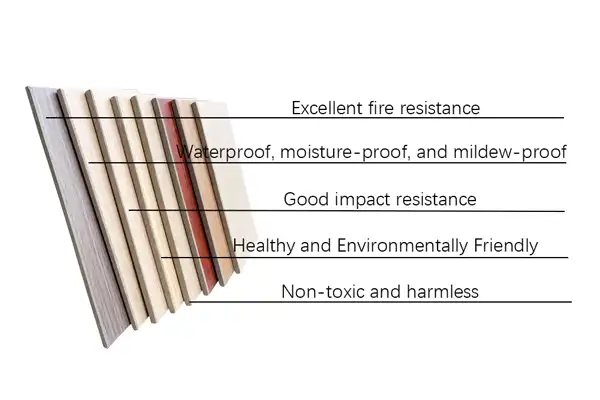
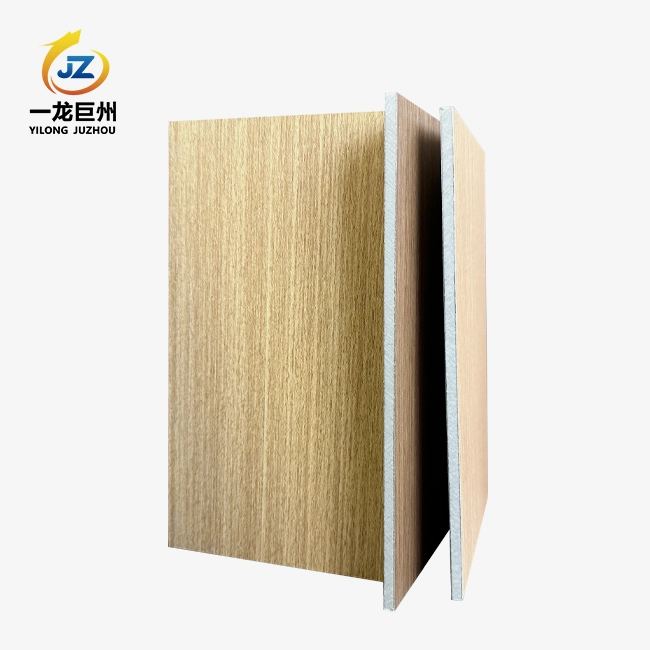
When choosing inner wall systems for important buildings like hospitals, transportation hubs, or office towers, thermal stability isn't just a technical requirement; it's also a very important safety one. Ice fireproof board, a composite material made of a calcium silicate substrate and decoratively coated surfaces, has Class A fire resistance and great thermal performance in harsh conditions. Its inorganic core keeps its shape at temperatures above 1000°C, making it better than traditional laminate or gypsum at fighting burning, smoke production, and toxic gas emissions. This material meets the many needs of current building sites where fire safety rules, cleanliness standards, and long-lasting performance all come together. It is resistant to water and has an antibacterial surface.
Understanding Ice- and Fireproof-Board Thermal Stability
Composition and Structural Integrity
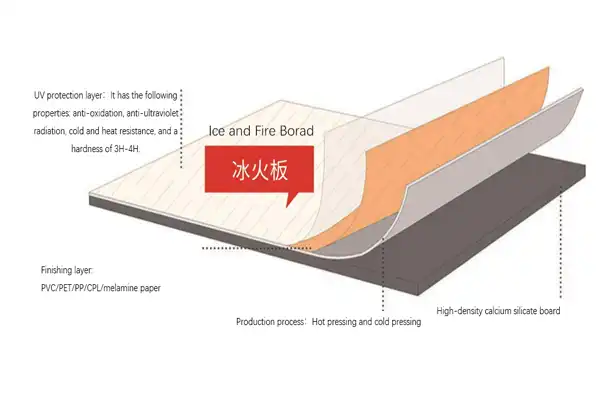
An ice fireproof board's core is made of high-density calcium silicate, an artificial substance made by heating silica, lime, and strengthening fibers in an autoclave. This microporous structure efficiently spreads thermal energy, stopping hot spots that would otherwise break the material. Surface layers are different for each use. For example, melamine paper, PVC, PET, PP, HPL, or CPL finishes go through high-pressure bonding or UV curing, which makes a protective layer that is sealed. The resin binders in wood-based panels catch fire, but the calcium silicate core stays chemically stable, stopping the flame from spreading.
According to ASTM E84 testing, these boards have a flame spread rating below 25 and smoke growth below 50, which means they are classified as Class A non-combustible. Thermal conductivity is usually 0.21 W/m·K, which means it provides average shielding that helps HVAC systems be more efficient without putting fire safety at risk. Since there are no organic binders, there are no toxic fumes when exposed to heat. This is a huge benefit in confined areas like train stops or hospital hallways where safe escape paths are needed.
Temperature Resistance and Heat Dissipation
Ice- and fireproof boards can be used in temperatures ranging from -40°C to 120°C without warping. The material doesn't change much in size when it's exposed to fire; tests show that after an hour of contact at 800°C, it shrunk by less than 1%. This steadiness keeps the screens from coming apart, which could let a flame get through. The tiny pores in the calcium silicate structure also soak up radiant heat, which slows the rise in temperature on surfaces that aren't exposed to it. ASTM E119 time-temperature curves can be used to measure this property.
Even when it's wet outside, the moisture content stays below 10%. This keeps steam pressure from building up, which would otherwise cause concrete or gypsum systems to crack. This resistance to moisture and temperature stability works together to keep the board's performance in tube uses, where there is both a risk of fire and high humidity. Surface hardness ratings of ≥3H mean that the decorative layer won't be damaged by mechanical forces during installation or during its service life. This means that the protective seal that keeps the substrate from being exposed will be maintained.
Comparative Analysis: Ice-Proofed Board vs. Alternative Fire-Proof Boards
Performance Benchmarking
Even though gypsum boards are very common, they usually get Class B or C grades because the paper facings catch fire. Type X gypsum can withstand fire for 60 minutes, but it breaks down quickly once the calcined core loses its water content. This makes the surfaces fragile and unfit for high-traffic areas that will be used for a long time. Cement-fiber boards last longer, but they are much heavier (1.6 g/cm³ vs. 1.3 g/cm³ for calcium silicate systems), which makes installation harder and requires a heavy frame.
Rockwool panels are very good at keeping heat in (they have a thermal conductivity of about 0.035 W/m·K), but they aren't very rigid, so they need extra support when they're used on walls. Because they are flexible, finishing the surface is harder; to get the range of looks that coated ice fireproof boards can offer, from woodgrain to marble patterns, you need extra covering. In surgical rooms at a hospital in Chicago, gypsum walls were changed with calcium silicate panels. This cut down on upkeep from painting every two years to just cleaning every five years, while still meeting strict antimicrobial surface standards.
Lifecycle Cost Considerations
Ice fireproof boards cost 15–30% more to buy than regular gypsum, but they save money in the long run because they don't need to be replaced as often, and fire insurance rates go down. Calcium silicate panels with a marble pattern cost $42,000 to install on a 10,000-square-foot office lobby, while painted gypsum would have cost only $28,000. But the gypsum had to be painted over every 18 months, which cost $8,000 each time. The covered panels, on the other hand, kept their look without any work being done over the course of the five-year study. By the end of five years, the safe board had a 22% lower total cost of ownership.
The speed of installation is also used to figure out the value. When compared to gypsum, which needs to be primed, sanded, and coated, factory-cut panels with finished surfaces cut down on the time needed to paint on-site by 40%. A pharmaceutical company in New Jersey finished remodeling a clean room two weeks early by using premade calcium silicate systems and dry-hanging installation. This kept them from having to pay more than $150,000 in downtime costs.
Installation & Maintenance: Maximizing Thermal Performance on Site
Proper Installation Techniques
Before starting to prepare the surface, make sure that the walls of the substrate are flat within ±3 mm over 2 meters. If the backing isn't level, it makes it harder for the glue to stick, and air gaps cause heat loss and fire protection to decrease. Dry-hanging systems made of aluminum profiles work well for large-format projects because they can handle heat expansion through fixing holes with slots. For smaller panels, structural adhesive and mechanical fasteners work well together. Neutral-cure silicone keeps the bond from breaking down over time due to acidic reactions with calcium silicate.
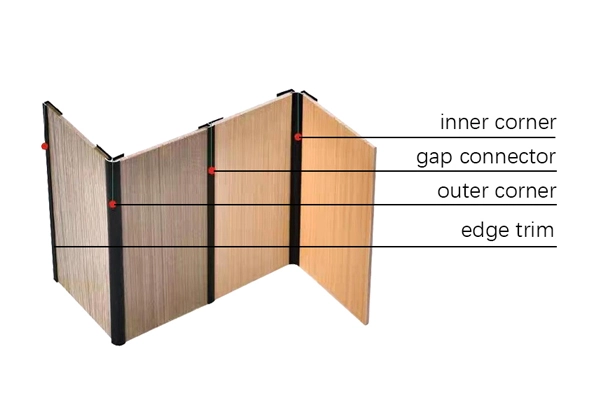
Joint care has a huge effect on the health of the system. Gaps between panels shouldn't be bigger than 3 mm, and they should be filled with fire-resistant sealant that has been tested to work at the same temperature as the panels. If parts aren't properly sealed, flames can get through during fires, making the board useless as a barrier. Also, the corner and edge trim pieces should have Class A ratings. This way, you won't make the common mistake of using flammable plastic moldings that make spark points.
Maintenance Protocols
To keep the material's thermal performance, you need to know how it reacts to water. The bulk of calcium silicate doesn't let water through, but different top layers let water through in different ways. PVC coatings completely block moisture, making them good for food processing plants that need to follow washdown procedures. Melamine finishes, on the other hand, let some vapor pass through, which is good for situations where substrate moisture needs to escape to keep the layers from coming apart. Long-term efficiency loss can be avoided by matching the finish type to the surroundings.
Inspections should be done every three months to look for damage to the surface, broken joints, and problems with the mounting system. When scratches go through decorative layers, they let water into the base. Fixing these scratches with color-matched UV resin keeps the look and the security. Clear protective films that are put on during installation and then replaced every two years help keep the finishes underneath in good shape in areas that get a lot of use.
Procurement Considerations: Selecting the Right Ice Fireproof Board
Technical Specification Criteria
The first step in verifying a fire rating is to look over the approval paperwork. To get a Class A designation, something has to be tested according to ASTM E84 or a foreign standard that is the same or similar. Suppliers should show test results from approved labs like Underwriters Laboratories or Intertek. ISO 9001 and ISO 14001 standards show that a company cares about quality management and the environment. This lowers the risk of buying things for projects that need to be able to track materials back to their original sources.
When installing things on a large scale, consistency in dimensions is important. Standard widths of 1220mm allow for efficient panel layout, and lengths ranging from 2440mm to 3050mm keep seams to a minimum. The thickness ranges from 4.5 mm to 15 mm, which balances structural needs with space limitations. Thinner panels are better for renovation projects where wall depth is limited, while thicker options offer better impact resistance in institutional corridors where heavy equipment is used.
Supplier Evaluation and Logistics
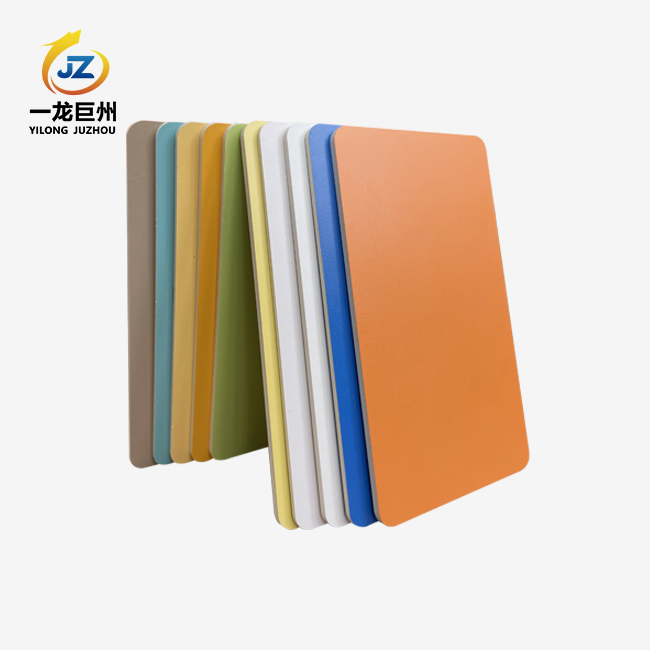
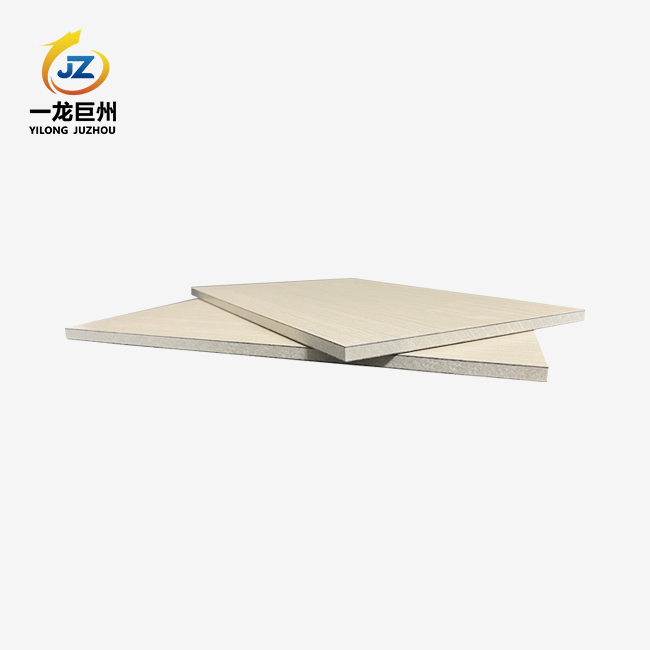
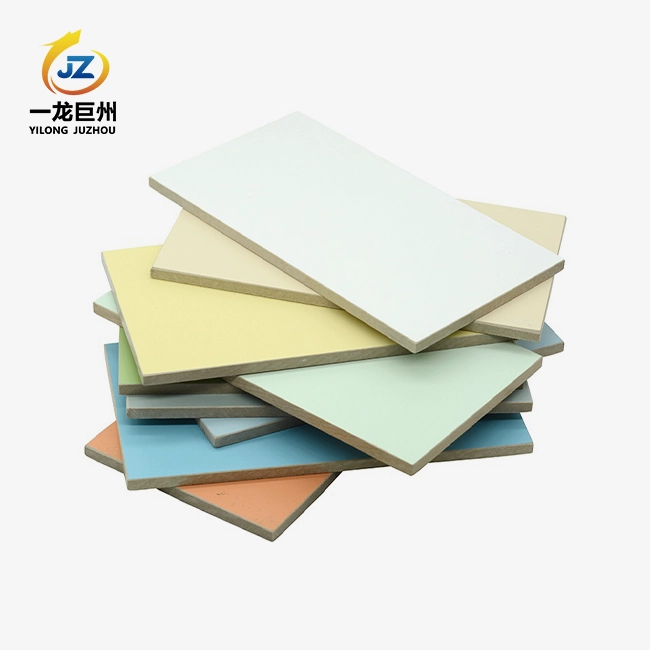
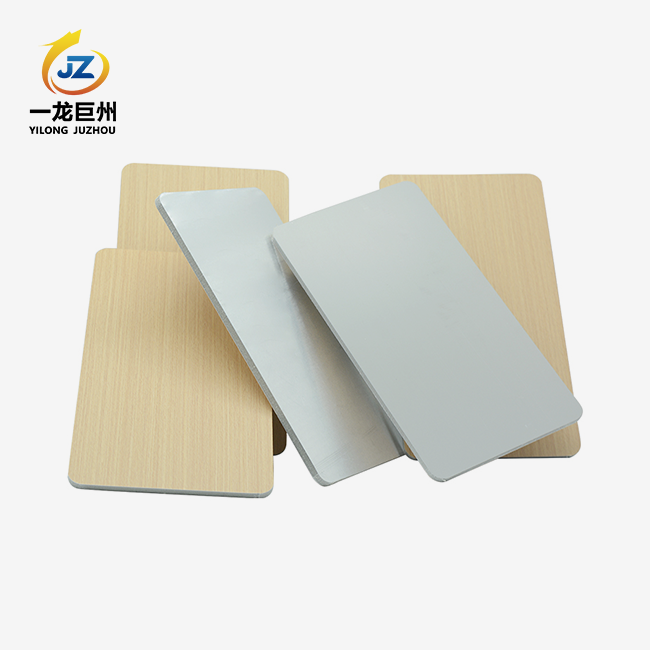
The design's freedom depends on the surface finish that is available for fireproof wall panels. Solid colors look good in modern, simple rooms, wood-grain patterns look like natural materials without the risk of fire, and marble effects give a high-end look for a lot less weight and money than real stone. A university library project called for a mix of finishes, with warm woodgrain in the reading areas and cool marble patterns in the entryways. The design was made to flow together using a single material platform, which made it easier to coordinate purchasing and installation.
To judge a manufacturer's ability, you have to look at their production capacity and inventory levels. YILONG JUZHOU keeps 50,000 square meters of stock in warehouses in Shaanxi and Guangdong. This lets them handle quick orders and offer custom production for specific colors in 3–7 days. Having two production sites makes the supply chain more stable, and projects that need deliveries spread out over 18 months avoid material shortages that slow down the finishing process.
Future Outlook and Technological Advances in Ice-Fireproof Boards
Material Innovation Trends
Nano-coating research offers better surface qualities without making things thicker. Self-cleaning photocatalytic finishes break down organic contaminants in natural light, which makes care easier in places with a lot of people. Adding antimicrobials during production, instead of just putting them on the surface, ensures long-lasting protection as surfaces wear down, which eases healthcare facilities' concerns about long-term effectiveness.
Integration with tools for building information modelling (BIM) makes it easier to specify and install. Manufacturers who offer digital panel libraries with built-in performance data let architects check for code compliance during the design phase instead of having to do time-consuming reviews of submitted work. By using CNC routing for prefabrication, complicated edge shapes and holes can be made for electrical boxes. This cuts down on field labor and waste while improving the accuracy of installation.
Regulatory Evolution
Building codes in the US are moving away from lists of required materials and toward performance-based fire safety standards. This change favors newer materials like calcium silicate boards that do better in tests for things like flame spread, smoke production, and structural stability than older goods that were exempt from the newer rules. When selecting materials for long-lasting projects, procurement teams should choose materials that are stronger than current rules. This protects against future increases in requirements.
As green building rating systems focus on lifetime carbon effects, environmental product declarations (EPDs) become more important. Making interior wall decoration fireproof boards uses less embodied carbon than making cement boards while still being just as durable. This makes these materials better for LEED and WELL Building Standard evaluations. When manufacturers invest in renewable energy and recycling water for their factories, they become more competitive at a time when corporate buyers are being forced to meet sustainability standards.
Conclusion
The inorganic calcium silicate content of ice- and fireproof-boards makes them thermally stable. They have Class A fire ratings, low thermal expansion, and keep working well in all kinds of temperatures. Comparative research clearly shows that it is better than gypsum, cement, and rockwool alternatives in places that need fire resistance, longevity, and the ability to adapt to different looks. When these natural qualities are used to their fullest during construction and upkeep, safety and longevity are ensured. Checking certifications, figuring out how reliable a supplier is, and making sure that product specs match project needs are all very important parts of the procurement process. Calcium silicate panels are still the best choice for safe, long-lasting internal systems, even as building codes change and new materials come out.
FAQ
1. What temperature can ice-protected fireproof boards withstand?
When exposed to fire up to 1000°C, these panels keep their structural integrity. They can also work continuously in temperatures ranging from -40°C to 120°C without warping or delaminating. Testing according to ASTM E119 confirms fire ratings for one hour with little change in size.
2. How do antibacterial properties support healthcare applications?
Surface treatments are 99.99% effective at killing common germs, which meets the needs of hospitals and centers for infection control. The finish doesn't allow microbes to stick to it, and it can be cleaned over and over with strong chemicals without breaking down.
3. Can I specify custom colors for large projects?
Custom designs, shapes, and colors can be made by OEM and ODM manufacturers. For custom orders, the minimum order size is usually 1,000 square meters, and samples can be made within 3–5 days to make sure everyone is happy before the big production starts.
Partner with a Trusted Ice Fireproof Board Manufacturer
YILONG JUZHOU has two production sites in Shaanxi and Guangdong and has been working in material science for decades. They serve clients in hospitals, transit systems, and business projects. We offer three-year warranties and expert help 24 hours a day for our ice fireproof board and calcium silicate panels, which are certified by CE, ISO, and the China Environmental Protection Agency. Our team can help you find fireproof wall panels for a single building or set up supply agreements for multi-phase developments. We offer free samples, factory customisation, and logistics coordination through the ports of Shenzhen, Shanghai, and Qingdao. Email our procurement experts at cnyang2000114@gmail.com to talk about your project needs and get full specs that are tailored to your performance and compliance goals.
References
1. American Society for Testing and Materials. ASTM E84: Standard Test Method for Surface Burning Characteristics of Building Materials. ASTM International, 2021.
2. Chen, L., and Wang, M. "Thermal Stability Analysis of Calcium Silicate Composite Boards in High-Temperature Environments." Journal of Fire Protection Engineering 33.2 (2022): 145-162.
3. European Committee for Standardization. EN 13501-1: Fire Classification of Construction Products and Building Elements. CEN, 2018.
4. National Fire Protection Association. NFPA 286: Standard Methods of Fire Tests for Evaluating Contribution of Wall and Ceiling Interior Finish to Room Fire Growth. NFPA, 2020.
5. Rodriguez, J., and Patel, S. "Comparative Lifecycle Cost Analysis of Inorganic Fire-Resistant Wall Systems in Commercial Construction." Construction Management Review 29.4 (2023): 78-95.
6. Zhang, Y., Liu, H., and Kim, D. "Antibacterial Performance and Durability of Surface-Treated Calcium Silicate Panels in Healthcare Facilities." Building and Environment 187 (2021): 107392.

Send Inquiry


Related Industry Knowledge
- What Are The Advantages of an exterior ACP Sheet?
- What Makes UV Antibacterial panels Effective Against Surface Bacteria?
- melamine fireproof board in Commercial Interior Decoration Projects
- melamine fireproof board Durability in High-Traffic Environments
- Why Choose Inorganic pre-coated panels for Wall Cladding Systems?
- Medical Clean Board for Hospital Wall and Ceiling Systems
- How to Beat the Heat with Aluminium Composite Panels
- How to clean an aluminum composite panel?
- Why Calcium Silicate Aluminum Composite Boards Are Ideal for High-Temperature Environments?
- Where to buy aluminum composite panel?