
How to clean an aluminum composite panel?
July 3, 2026
To clean aluminum composite panels properly, you must first understand how they are put together and what finishes are on the outside. Two layers of aluminum are joined to a core material in these tailored panels. Polyester, PET, PVC, or PVDF coatings are often used to finish them off. Mix a light cleanser with water and use a soft cloth or sponge that won't scratch. Rinse well with clean water. When cleaning business interiors, don't use harsh chemicals, rough tools, or high-pressure cleaners because they can damage the protective coating and make the space look bad and not work well.

Understanding Aluminum Composite Panels and Their Cleaning Needs
The makeup of the panels is a big part of figuring out the best way to maintain them. Our A2-rated aluminum composite panels are made up of refractory materials pressed between aluminum skins that are 0.1 mm to 0.5 mm thick. The top layers are different for each use. Healthcare facilities need finishes that are antibacterial and can be cleaned often, while hotel halls and meeting centers care more about how the marble or metal patterns look.
Why Proper Cleaning Matters for Building Performance?
Different settings collect pollutants in different ways. Infection control rules are needed in hospitals because of biological leftovers. Underground stops and airports, on the other hand, have to deal with heavy particulate matter from people walking around. When dirt gets into the protective layer of the panel, it forms microtextures that trap more pollution, speeding up the breakdown. This cycle makes cleaning happen more often, which costs more in labor costs and could void maker warranties if the wrong methods damage the surface.
Surface Finish Variations and Their Specific Requirements
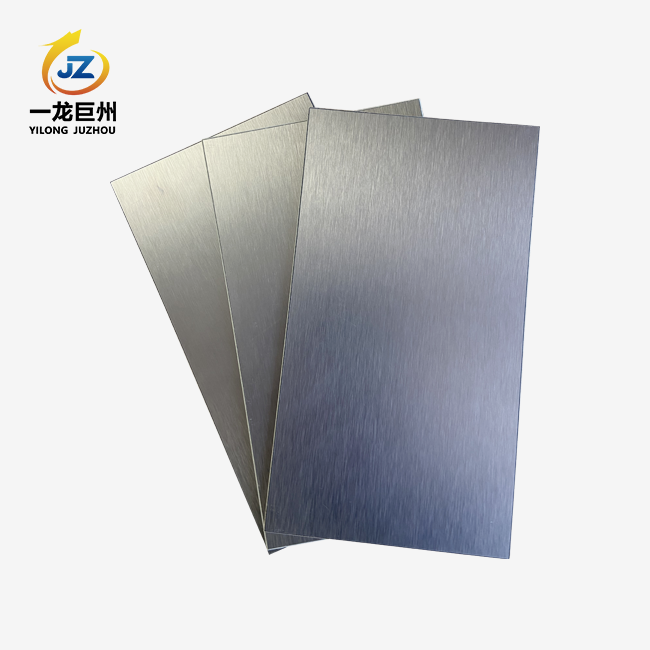
Cleaning agents have different effects on different surfaces. Polyester paint finishes are cheaper for indoor walls that don't get a lot of use, but they need to be handled more carefully than PVC film treatments. PVDF coatings are more common for use on the outside of things, but they are better at resisting chemicals when used inside places with strict cleanliness rules. In high-traffic areas like office block hallways, PET films are very resistant to scratches. On the other hand, PP films work well in industrial settings where they are constantly exposed to moisture. By matching cleaning methods to surface types, you can keep the Class A2 fire rating and keep the surface from breaking down too soon.
Common Challenges and Causes of ACP Surface Contamination
Depending on where they are and how much they are used, environmental factors put different amounts of stress on panel surfaces. Commercial buildings in cities have to deal with smog and tailpipe particles, and medical centers on the coast have to deal with salty air that speeds up rusting if it is not fixed quickly. In places that process food and make medicines, there are organic leftovers that, if not cleaned, help microbes grow, even though the screens are naturally mold-resistant.
Industrial Pollutants and Chemical Staining
Different fields face different problems when it comes to chemical pollution. Uric acid in bird droppings can wear away protective layers if they are not cleaned off within 48 hours. Machinery in industrial sites can release oil mist, which can form thick films that draw dust. When hospitals use the same disinfectant over and over on the same surface, the finish can become dull over time. This is especially true for darker solid colors or complex fabric designs, where the discoloration stands out more.
The Cost of Improper Cleaning Methods
Maintenance mistakes from the past aluminum composite panels often cause more problems than they solve. Scrubbing brushes with abrasives leave tiny scratches that collect dirt and reflect light unevenly, which takes away from the building design goals that led to the choice of materials. Alkaline cleaners that are too harsh remove protective layers, leaving the aluminum base open to oxidation. It might be tempting to use high-pressure washing on big areas like train platforms or shopping malls, but this can force water into panel seams, which can damage the waterproof and moisture-proof properties that are needed for long-term performance.
Step-by-Step Guide: How to Clean Aluminum Composite Panels?
Preparation and safety concerns are the first steps to good upkeep. For works that are higher than ground level in hotels or office buildings, the right scaffolding and fall-safety gear are needed. Getting the right materials together keeps you from getting interrupted in the middle of a job and makes sure that the results are the same on big surfaces like those found in art galleries and stadiums.
Preparing Your Cleaning Materials and Work Area
Put together a set of pH-neutral soaps that are made to clean coated aluminum surfaces. Soft microfiber cloths or sponges that don't scratch the surface work well to remove dirt and grime. One bucket holds the cleaning solution, and the other holds the rinse water. This way, the cleaning solution stays effective throughout the process. Personal protective equipment includes safety glasses and gloves for working above head in places like tube stops and airport hubs. Gloves protect against long-term exposure to detergents.
Any bad effects with the Aluminum Composite panel surface layer can be found by testing cleaning solutions on an area that won't be seen before they are fully applied. This step is especially helpful when custom finishes need to be kept or when panel specs aren't clear on older installs. When working on a big project that has more than one building step, writing down effective cleaning procedures helps keep things consistent as new parts are finished.
The Five-Phase Cleaning Sequence
Using a methodical technique gets better results and keeps the structure of the aluminum composite panels safe:
- Pre-rinse phase: Start with clean water in the pre-rinse phase to get rid of any loose dust or dirt. This keeps the bits from hurting the surface when you scrub it again. This step can get rid of 40 to 60 percent of the obvious dirt in places with a lot of foot activity, like shopping malls.
- Application Phase: Use a spray bottle or a soft cloth to apply a cleaning solution that has been diluted. Work your way from the top to the bottom in doable parts. It's best for the solution to stay on the surface for two to three minutes so that it can break down oils and deep-down dirt without drying out, which could leave marks on finishes that look like wood grain or marble.
- Gentle Agitation Phase: Move the tool and cleaning solution around in circles while applying light pressure. Let the tool and cleaning solution do the work instead of you. It works well for getting rid of even the toughest spots, and it doesn't damage the panel's protective layer, which is free of formaldehyde and radiation.
- Thorough Rinse Phase: Using clean water more than once to make sure all the soap is gone. Residual cleaners can make cloudy films as they dry, which is especially noticeable on metal-patterned surfaces in medical spas or gyms with lots of natural light.
- Controlled Drying Phase: At this stage, you can either use clean, lint-free cloths or let the clothes dry naturally in low-humidity conditions. Buffing while the paint is drying keeps the gloss longer on textile finishes and keeps darker colors from getting water spots.
Scheduling Based on Environmental Exposure
The number of times a building is cleaned should match the amount of pollution that happens there. Maintenance work done once a week in patient care areas helps hospitals and clinics meet their infection control goals. Public areas of office buildings and meeting centers usually need to be cleaned once a month, and less-used areas should be cleaned every three months. Industrial buildings and food companies may need to be cleaned every two weeks to keep the surfaces clean and free of mold, which is important for their operations. Because there are so many people walking through train stops and airports, they often do spot cleaning every day and deep cleaning once a month.
Best Practices for Maintaining Aluminum Composite Panels Post-Cleaning
Being careful all the time extends the benefits of cleaning properly and saves the big investment these projects are. Regular checks find problems early on, before they get worse and cost a lot to fix, like replacing the aluminum composite panels.
Inspection Protocols and Early Detection
When you do a quarterly tour, you should write down any changes you see in the metal aluminum composite panel's surface. Pay special attention to discoloration, coating delamination, or strange soiling patterns that could mean water getting in or HVAC system problems affecting air quality. Monthly visual reviews help keep brand standards high for installations in homes or medical aesthetic centers, where how something looks has a direct effect on how clients feel about it. Using dated photos to record finds creates a maintenance history that is useful for warranty claims and helps figure out whether problems are caused by environmental factors or flaws in the material.
Every two years, trained building envelope experts do professional assessments that go beyond what regular staff can do. These professionals can test for bonding, measure the thickness of the coating, and find problems below the surface that aren't visible yet but could affect the Class A2 fire rating or the structure's strength at special heights above three meters.
Protective Coatings and Lifecycle Extension
Using special adhesives adds another defense against environmental factors and makes cleaning easier in the future. Topcoats that are resistant to UV light are useful even inside places that get a lot of natural light, like art galleries or stadium concourses with lots of big windows. These goods fill in tiny surface flaws that let dirt stick, making the surface smoother so dirt can't stick as easily. Protective coats usually cut the amount of work needed to clean the panels every year by 25–35% and make it last several years longer between repairing or replacing them.
Coordination with makers makes sure that the finish works with the product. Some extra items don't work well with certain surface films and cause them to yellow or not stick at all. Verified compatibility protects the guarantee and makes sure that the eco-friendly features that made these formaldehyde- and odor-free materials appealing for sensitive areas stay in place.
Handling During Maintenance and Storage
There are chances of physical damage even when cleaning. When cleaning, you should never lean cleaning tools directly against panels; instead, use standoffs or protected contact points. For high-reach cleaning, extension poles must have safe end caps to keep the blades from accidentally cutting. Proper storage keeps edges from getting damaged and surfaces from getting dirty when panels need to be taken off temporarily for building system repair. When panels are stored vertically with protected sheets between them, they stay flexible and don't bend like they can when they're stacked horizontally for a long time.
Choosing the Right Aluminum Composite Panel Supplier to Support Maintenance Needs
Material quality has a direct effect on how easy it is to clean and how much it costs to maintain over time. Aluminum composite panels that are made to strict standards using high-quality sticky films and carefully controlled lamination temperatures don't delaminate, which can make cleaning difficult and look bad.
Certification and Technical Support Indicators
Suppliers who meet ISO standards and have China Environmental Protection certifications show that their products are consistently made, which means that they will work as expected in the field. The CE mark shows that safety standards for foreign projects have been met. With these certificates, you can be sure that the panels will work as expected in a wide range of settings, such as hospitals, schools, subways, and stadiums.

Technical support is very helpful when dealing with strange pollution or planning maintenance for custom setups. Suppliers who offer professional services for design and installation know how panel alignment, joint design, and airflow affect how often you need to clean. Their advice helps buying teams choose the right materials for different types of environments, such as those with a lot of salt, chemicals in the workplace, or high humidity.
Sample Evaluation and Custom Solutions
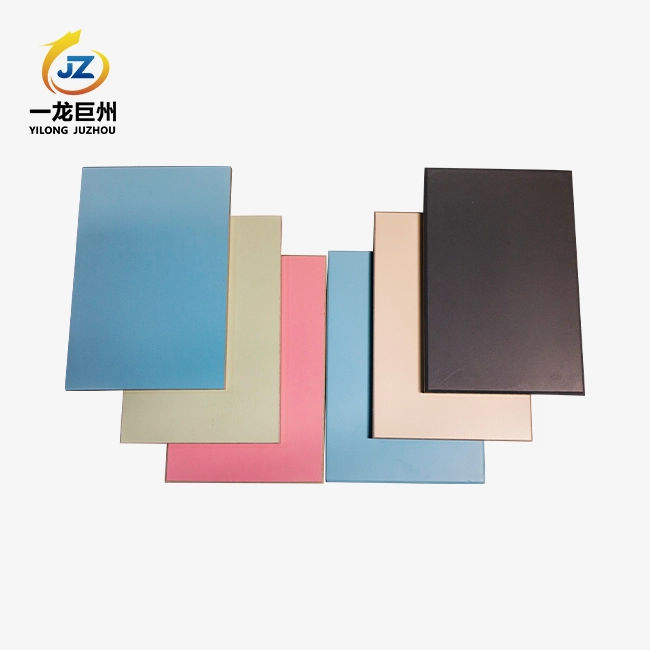
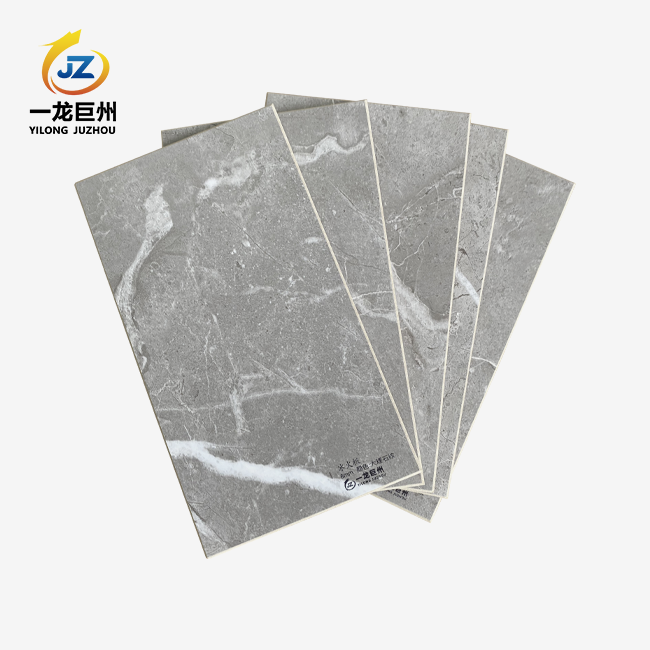
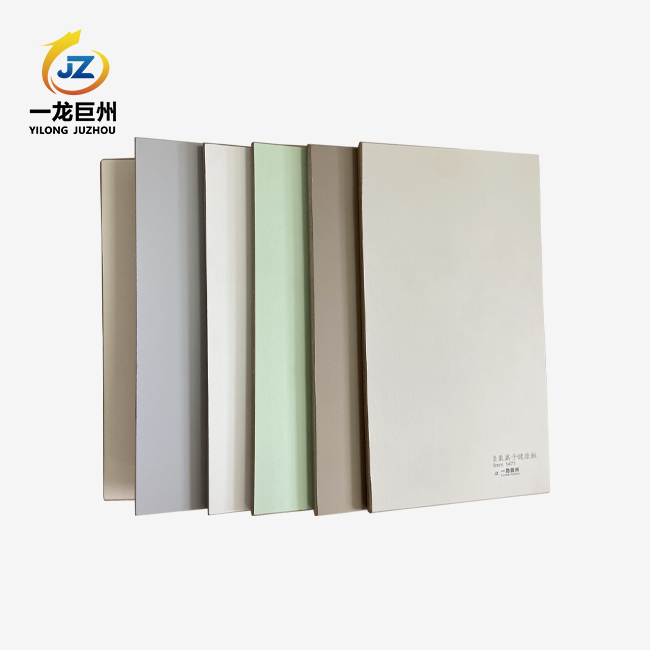
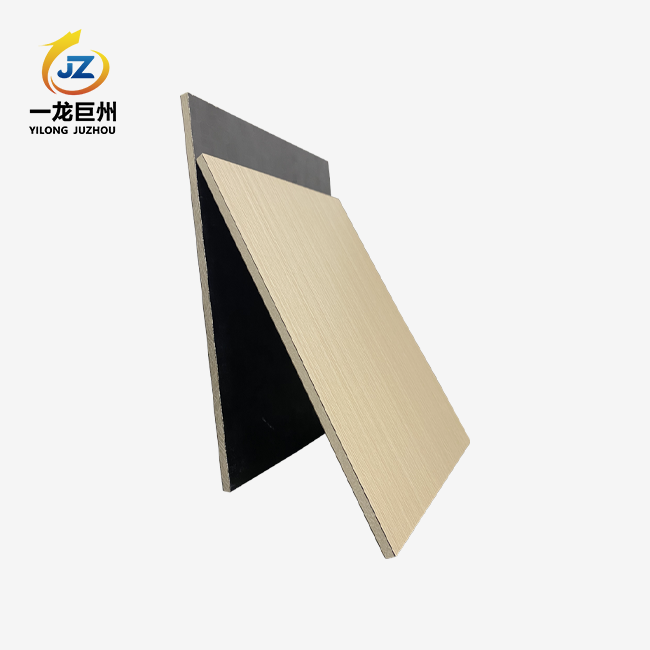
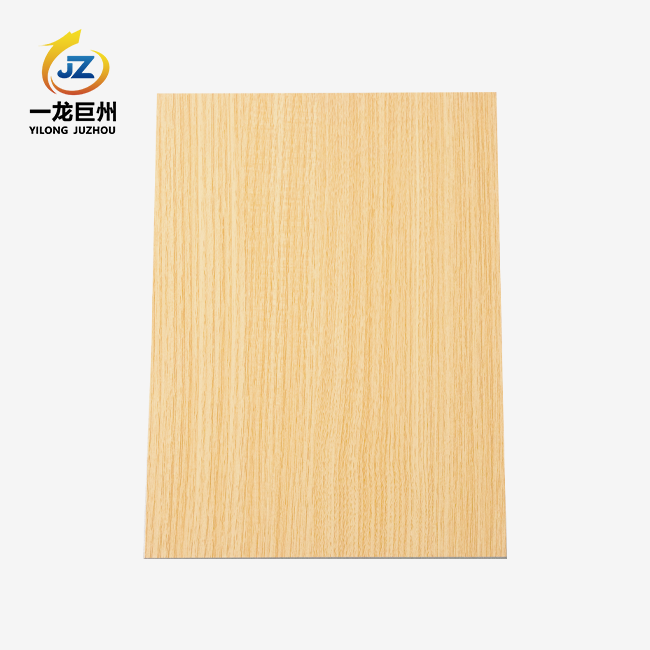
By asking for samples, you can directly see how the surface finishes look and how easy they are to clean before you place a big order. By testing how different surfaces react to the common contaminants and cleaning products used in your building, you can avoid making mistakes that cost a lot of money. If a project needs a certain look, like woodgrain patterns for hotel lobbies, cloth patterns for office buildings, or solid colors that match company branding, testing an example makes sure that the look will stay the same even after being cleaned many times.
Customization options for aluminum composite boards let you find the best answers for tough problems. Panels with thicknesses ranging from 2 mm to 6 mm, widths up to 2000 mm, and unique lengths that aren't limited are available to meet a wide range of building needs. They are also easier to clean because they have fewer seams. The different thicknesses of aluminum skin, ranging from 0.1mm to 0.5mm, strike a balance between cost and reliability needs for a range of traffic and cleaning levels.
OEM and ODM Flexibility
When you work with providers who offer OEM and ODM services, you can get solutions that are specifically designed to solve your repair problems. Custom recipes could include antibacterial additives for healthcare uses or better dirt-shedding qualities for places with a lot of pollution. Collaborations like these often lead to new ideas that make cleaning easier while also making things work better overall.

Suppliers who keep a large inventory—around 50,000 square meters of stock- show production scale and dependability, ensure that materials are available for projects that are done in stages and for future upgrades that will need matching panels. Quick sample turnaround times (usually 3–5 days) and 24-hour response promises show that the company cares about its customers, and this goes beyond the original sale and includes ongoing help for maintenance.
Conclusion
To keep the look and function of panels in good shape, you need to know about the materials used, environmental factors, and the right way to clean them. This methodical approach—using the right materials, following tried-and-true steps, and doing regular maintenance—will protect your investment and help these projects meet their aesthetic and practical needs. Minor contamination doesn't turn into big repair jobs when you take care of these panels on a regular basis. This keeps the durability, fire resistance, and environmental benefits that made them the best choice for your building.
FAQ
1. What kinds of cleaners should I not use on composite wall panels?
Do not use steel wool, harsh cleaning, acidic solutions (including vinegar-based ones), or chlorine bleach. These can hurt protective layers and make fire-rated qualities less reliable. Cleaners with solvents may be able to break down the layers of glue that are stuck to the aluminum skin and the core material. Stick to soaps that are pH-neutral and have been approved for use on covered aluminum surfaces.
2. How often should the inside panels of business areas that get a lot of foot traffic be cleaned?
Cleaning healthcare buildings once a week is a good way to keep infection control standards high. Shopping malls, transit hubs like airports, and public transportation hubs like airports should clean up obvious dirt every day and do a full deep clean every month. Public areas of office buildings usually need care once a month, and back-of-house areas need cleaning every three months. Change the frequency based on how much soiling you see.
3. Can I use power washers on composite pieces inside?
It is not a good idea to use pressure washing on inside surfaces. The force can push water behind panels, which can make them less waterproof and even damage the wall materials. Hand washing with soft cloths and the right solutions gets the job done well while keeping the structure of the panels and the building parts around them.
4. How can I get rid of spots that won't come out without hurting the finish?
If the dirt won't go away, increase the stay time instead of the scrubbing power. Put on the cleaning solution and let it do its job for 5 to 10 minutes. Then, gently rub the surface. If you need approved spot repair products for marks like ink or adhesive residue, talk to the company that made your panel. It is still important to test any new product on an area that won't be seen before using it on a large scale.
Partner with YILONG JUZHOU for Superior Aluminum Composite Panel Solutions
YILONG JUZHOU makes A2 fire-rated composite panels that are designed to last in tough industrial, healthcare, and educational settings. With two factories in Shaanxi and Guangdong states, we keep 50,000 square meters of goods on hand to make sure your project deadlines are met. We send you free samples within 3–5 days so you can see for yourself how easy it is to clean and how good the finish is. Our technical team can help you with maintenance based on your placement. They also offer a three-year quality warranty and full OEM/ODM capabilities. We offer products that are certified to meet international safety and environmental standards and are easy to maintain while still giving your clients the look and performance they want. Email cnyang2000114@gmail.com to talk about your needs with a skilled Aluminum Composite Panel seller who wants your project to succeed.
References
1. "Aluminum Composite Panel Maintenance Guidelines for Commercial Buildings," Journal of Building Envelope Technology, Vol. 18, Issue 3, 2022.
2. "Surface Coating Durability in High-Traffic Interior Applications," International Association of Building Maintenance Professionals, Technical Report Series, 2021.
3. "Fire Safety Performance of Interior Wall Systems in Healthcare Facilities," National Fire Protection Research Foundation, Comparative Study Report, 2023.
4. "Sustainable Cleaning Protocols for Architectural Metal Surfaces," Green Building Maintenance Quarterly, Spring Edition, 2022.
5. "Life Cycle Cost Analysis of Composite Panel Systems," Construction Specifier Magazine, Commercial Project Case Studies, December 2022.
6. "Environmental Impact Assessment of Interior Cladding Materials," Building Science Institute, Research Monograph No. 47, 2023.

Send Inquiry


Related Industry Knowledge
- How to Beat the Heat with Aluminium Composite Panels
- How to Prepare Aluminum Composite Material (ACM) for Painting
- Medical Clean Board Features and Benefits Explained
- The Benefits Of Antimicrobial Wall Cladding For Hygienic Spaces
- Using Calcium Silicate Aluminum Composite Boards in Industrial Insulation Projects
- What are the key steps for installing aluminum composite panels?
- Innovative Coated Aluminum Composite Panel Projects to Transform Your Space
- How to Choose the Right Calcium Silicate Aluminum Composite Board for Your Project
- What safety precautions should I take when cutting aluminum composite panels?
- How Antibacterial Wall Panels Improve Hygiene in High-Traffic Areas