
How to Beat the Heat with Aluminium Composite Panels
July 3, 2026
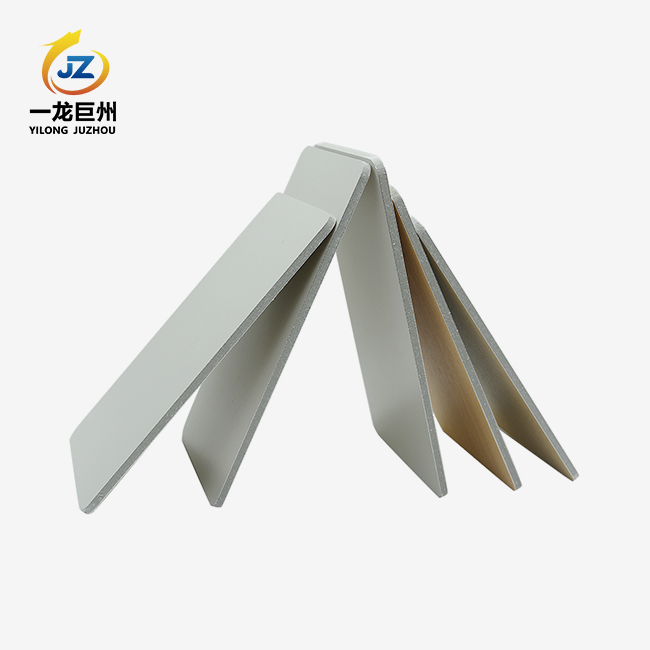
As energy costs rise and environmental rules get stricter, keeping business buildings at comfortable temperatures has become a very important task. The coated aluminum composite panel is a tried-and-true option that combines designed core materials with advanced surface treatments to stop heat transfer and improve thermal comfort. The reflective coating technologies in these panels work with the fire-resistant core that is placed between the aluminum skins to make a shield that keeps the structure strong while reducing the amount of heat that is absorbed by the sun. When used properly in hospitals, office buildings, airports, and factories, these wall systems help lower cooling loads and make it easier to control the temperature inside.
Understanding Heat Resistance in Coated Aluminum Composite Panels
How Do Coating Technologies Reduce Solar Heat Gain?
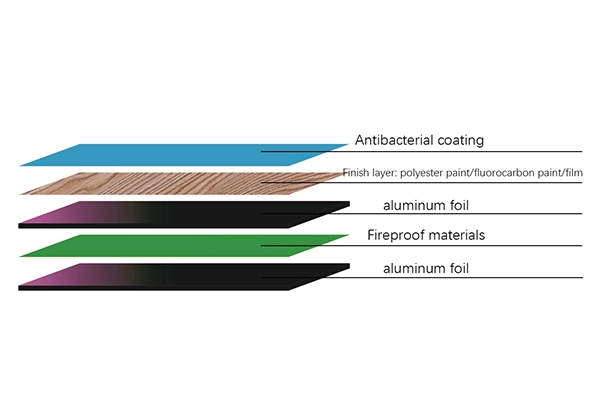
The finish on the outside of aluminum composite walls has a direct effect on how well they keep heat in. Polyvinylidene Fluoride (PVDF) and polyester formulas are two examples of advanced resin systems that radiate a lot of solar energy instead of absorbing it. When metal surfaces are in full sunlight and covered with this material, they cool down by up to 15 degrees Celsius. The coating layer also protects against UV damage chemically, so the shiny qualities stay stable even after decades of use. The PET film, PVC film, and PP film layers on the outside of our panels have been tried to make sure they will not fade over time and will stay stable in temperature.
The core material under the covering makes it even more resistant to heat. Insulation that slows heat movement from outside surfaces to inside areas is provided by refractory materials placed between the aluminum skins. This sandwich structure solves the problem of thermal bridging that happens a lot in setups made of solid metal, where heat moves quickly along aluminum paths that don't break. By blocking this path with a core with low conductivity, the panel system keeps the surface temperature inside more stable, even during peak heat hours.
Fire Safety Standards and High-Temperature Performance
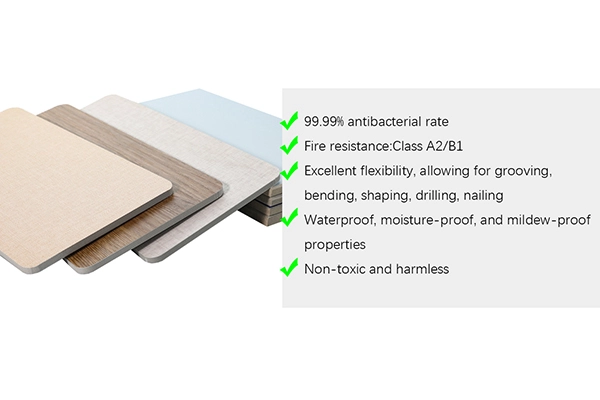
Safety rules must not be broken by thermal management, especially in public places and healthcare facilities. Our coated aluminum composite panels meet Class A2 and B1 safe ratings, which means they don't catch fire or spread flames when tested according to industry standards. The fire-resistant core keeps the structure stable at high temperatures so the panels don't fall apart or harmful smoke doesn't get released during fires. This approval is very important for procurement teams working on hospitals, schools, and transport hubs where fire safety rules require confirmed performance.
The aluminum skin's thickness, which ranges from 0.1mm to 0.5mm, helps it get rid of heat faster. Aluminum quickly moves localized heat across the panel surface because it is a good thermal conductor. This keeps the panel from having hot spots that could damage coats or make it harder for structures to stick together. This trait is especially useful in places with lots of glass that let in a lot of sunlight or in factories where there are process heat sources nearby.
Key Benefits of Using Coated Aluminum Composite Panels for Heat Mitigation
Energy Efficiency and Operational Cost Reduction
When building managers put reflective-coated panels on the inside walls next to the outside building envelopes, they regularly report meaningful HVAC savings. Because the walls are thermally resistant, less cooling is needed to keep the inside of the building at a livable temperature in the summer. In a recent retrofit job at a medium-sized office building, facility managers found that improved wall cladding with high-reflectivity panels directly caused a 12% drop in peak cooling energy use. Over the installation's normal 20-year life, these savings add up, giving property developers and building managers a better return on their investment.
The fact that covered surfaces are easy to clean and maintain adds to their long-term value. The smooth, non-porous finish keeps dirt from building up and makes cleaning easier. This means that the heat performance stays the same without the need for special upkeep. This ease of maintenance is especially helpful in healthcare settings where cleaning surfaces often is required to prevent infections. Our waterproof, moisture-proof, and mildew-proof recipe makes sure that the panels keep their look and thermal qualities even in damp places like hospital hallways or food processing plants.
Design Flexibility Without Performance Compromise
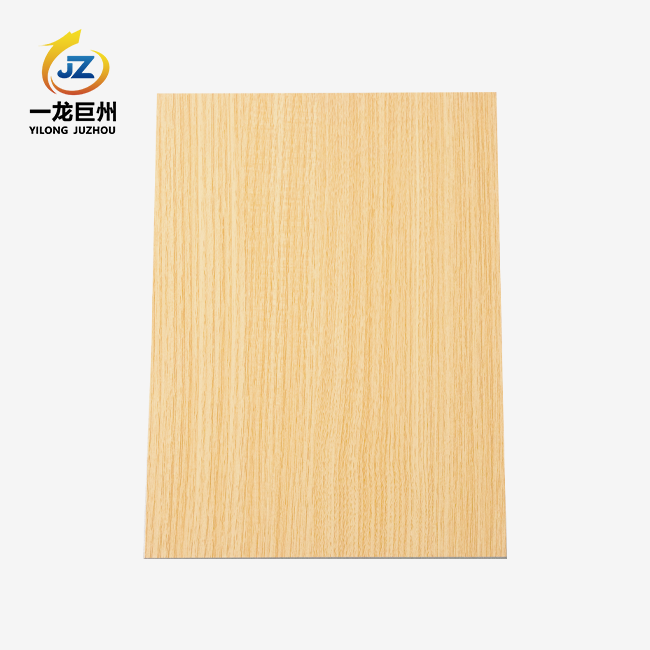
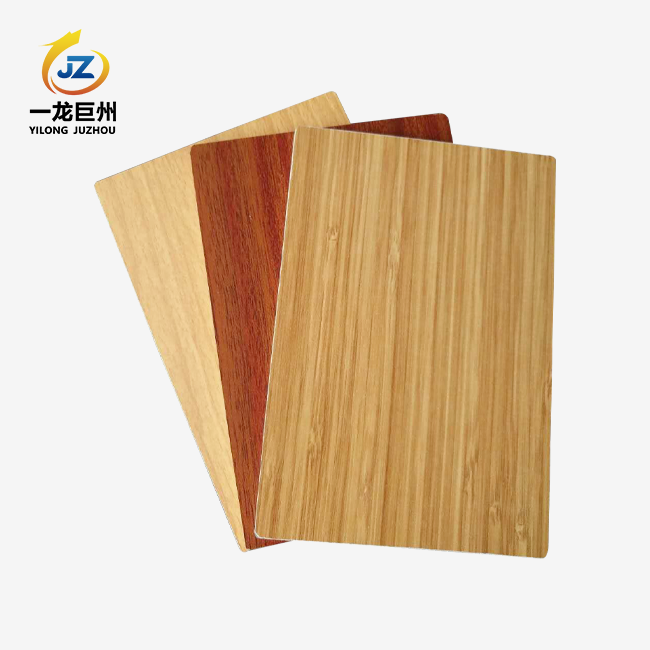
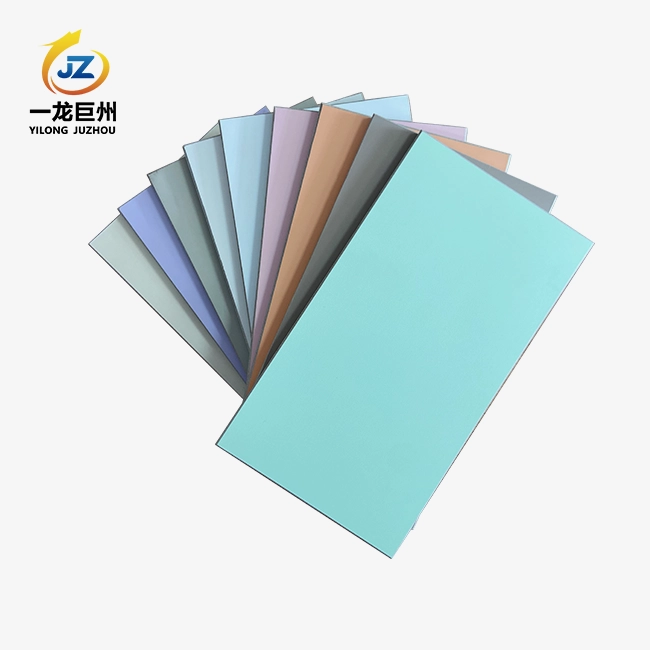
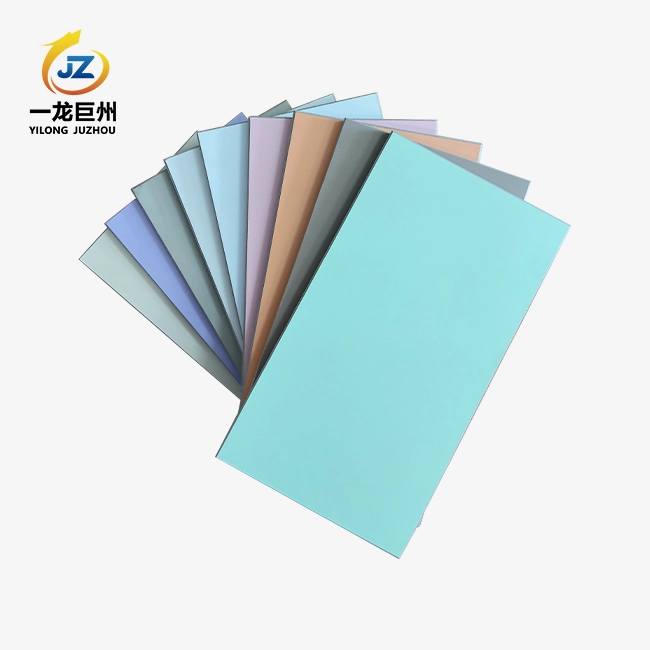
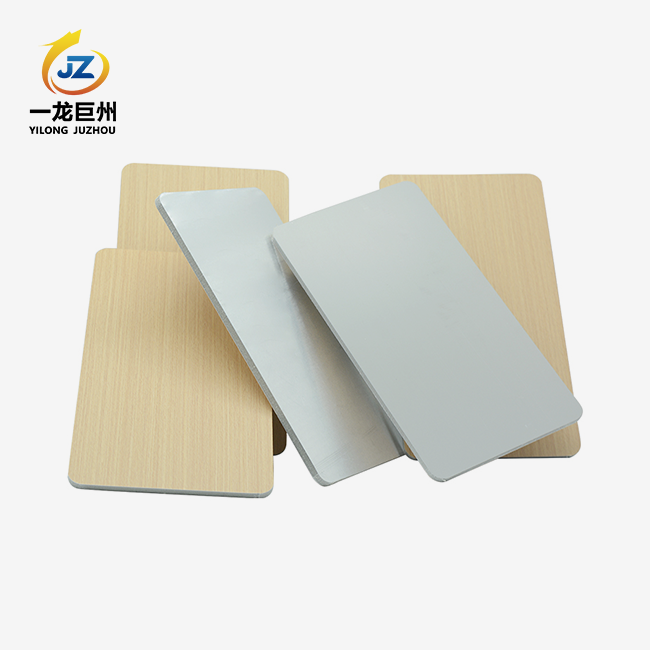
Architects and interior designers like that heat efficiency doesn't limit what can be done with the design. Our panels, coated aluminum composite panels, come in plain colors, woodgrain patterns, marble finishes, shiny textures, and cloth patterns, so they can easily fit into a wide range of design ideas. The coating process makes sure that the color stays the same across big sites and that the thermal qualities stay the same no matter what finish is chosen. Different planning needs can be met by panels with widths of 1220mm, 1500mm, and 2000mm, and lengths longer than three meters can be customized to keep seams to a minimum in high-visibility areas.
Because the aluminum composite structure is flexible, it can be bent into complicated forms and curved curves without damaging the coating or heat barrier. Because it is flexible, it can be shaped in ways that aren't possible with hard stone or ceramic materials. For example, it can be used to make curved greeting desks, column wraps, and flowing wall surfaces that stay heat-resistant all the way through. Standard metalworking tools can be used by fabricators to drill, nail, and bend the panels, which speeds up the installation process for phased building projects.
How are coated aluminum composite panels made and selected for optimal heat control?
Manufacturing Process and Quality Verification
The first step in the production process is precisely cutting fire-resistant core materials to the right sizes. Next, the skins are made of aluminum, and their surfaces are treated to help them stick together. It is put on using constant coil-coating lines that put down even layers of resin while keeping the temperature and humidity in check. This method makes sure that the coating is always the same thickness, which is very important for getting the right reflectivity numbers and UV protection. The treated skins are then heated and pressed together with pressure to form a composite sandwich structure that has a peel strength that is higher than industry standards.
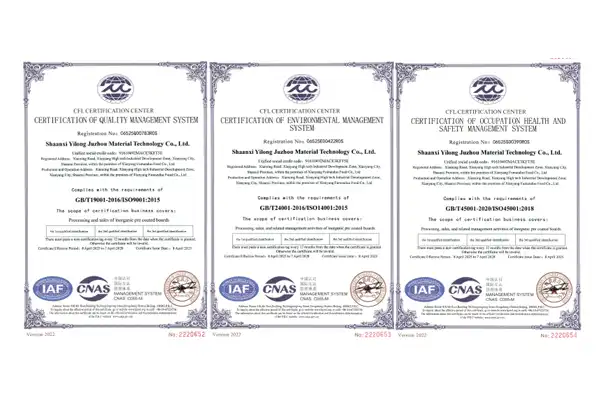
At our factories in Shaanxi and Guangdong, we use spectrophotometers to make sure that the colors are consistent within Delta E < 0.8 limits. We also test the stickiness of our products according to cross-hatch standards and do thermal cycling tests that mimic decades of temperature changes. With ISO approval and CE marking, a third party can check that the way building materials are made meets international standards. Our production capacity keeps 50,000 square meters of stock on hand, and special orders can be made in 3–7 days. This helps project timelines for large-scale installations.
Selection Criteria for Project-Specific Requirements
Procurement professionals should look at the different panel thicknesses (2mm, 3mm, 4mm, 5mm, and 6mm) based on the span needed and the loads that are expected. When installed on tall walls or in places that are likely to be hit, thicker panels offer more strength while keeping the core's thermal resistance the same. Choosing an aluminum skin thickness between 0.1mm and 0.5mm affects how long it lasts and how well it resists dents in places with a lot of foot traffic, like train stops and airports. Our expert team helps with load calculations so that panel specs are in line with building codes and structural needs.
The choice of color and finish affects both how it looks and how well it keeps heat in. In sun-exposed areas, lighter colors reflect more solar radiation, which is the best way to keep cool. On the other hand, darker finishes may be chosen for stability in design, even if they reflect less light. The type of coating—PET film for low-cost projects, PVC film for resistance to water, or PP film for resistance to chemicals—should match the conditions of the area and the ease of upkeep that can be done. We offer free sample customization within 3–5 days, so project teams can see how the material works and looks in real life before finalizing the specs.
Installation Best Practices for Maximizing Heat Resistance Benefits
Surface Preparation and Mounting Techniques
The best thermal efficiency and long life of a panel depend on how well the base is prepared. Before panels are put up, the walls must be clean, dry, and physically sound. Uneven bases leave gaps of air that make the thermal shield less effective and may make the finished surface look wavy. In our installation instructions, we explain the acceptable levels of base flatness and suggest the right leveling solutions for typical wall conditions. The mounting system should make a continuous backing while allowing thermal expansion to move. This is usually done through exterior reveal details or expansion joints placed at regular intervals chosen by the panel maker.
The type of adhesive used in film-coated aluminum composite panels and how it is applied have a direct effect on how heat moves through it. Full-surface gluing with thermally conductive glue can make heat paths that weren't meant to be there, but mechanical fastening with thermal breaks keeps the panel's ability to keep heat out. The type of installation should depend on the space it will be used in. For example, healthcare facilities should use glue systems to make surfaces that are smooth and easy to clean, while industrial spaces may want to use mechanical fixing because it makes replacing panels easier. When you close the edges correctly, you stop water from getting in, which could damage the core materials and lower their heat resistance over time.
Compliance and Performance Validation
Before the panels are installed, they should be checked to make sure they meet local fire safety, environmental, and structural codes. This is called "building code compliance." Our Class A2/B1 fireproof approval meets most business building codes. However, for certain uses, like tunnel linings or airport hubs, there may be extra rules. The non-formaldehyde, odorless, and radiation-free mix meets environmental protection standards in North America and Europe, which helps green building certifications like LEED.
Post-installation thermal imaging scans can make sure the installation was done right and show where thermal bridging or air gaps are hurting performance. These studies gather information for commissioning reports and set a standard for performance so that future repair planning can be more accurate. This proof is especially helpful for projects in medical aesthetic centers, hotels, and conference centers, since constant thermal comfort has a direct effect on how happy people are and how well the business is known.
Procurement Insights: Buying Coated Aluminum Composite Panels for Heat Efficiency
Supplier Evaluation and Certification Verification
To find a reputable manufacturer, you need to look at their production capability, list of certifications, and history of completed projects. The two production bases that Shaanxi Yilong Juzhou Material Technology has are in the Xianyang High-tech Zone and Foshan. This gives the company geographical redundancy and shipping options for foreign markets. Our ISO certification and China Environmental Protection Standard Certification show that we have consistent quality management systems. Our years of experience in hospitals, schools, drug companies, and transportation infrastructure also show that we know how to use these systems in real life.
Minimum order amounts, delivery schedules, and the ability to handle transportation all have a big effect on project costs and schedules. Our 50,000-square-meter stock collection lets us ship standard specs right away, and custom orders are usually finished within a week of confirmation. Export shipping through the ports of Shenzhen, Guangzhou, Shanghai, and Qingdao can suit different international route choices. For efficient interior distribution, there are also ground transport options from Xi'an. The promise of a 24-hour reaction time ensures that procurement teams get expert help on time during the phases of developing specifications and preparing bids.
Customization Options and After-Sales Support
OEM and ODM features let you customize products in ways that go beyond what's normally available. For example, you can create your own colors, use special coatings for different environments, and make panels in any size you need for signature building elements. Our design and installation expert services help project teams turn performance standards into detailed specifications. This lowers the chance of using the wrong materials and having problems with installation. The three-year quality promise gives long-term project planning peace of mind and lowers the need for replacement materials in case something goes wrong.
The prices of coated aluminum composite panels (PVC film aluminum composite panels) depend on their thickness, the type of finish, and the number of panels ordered. Larger projects can save money by ordering more panels. Clear pricing that separates material costs, shipping costs, and customization fees makes it possible to make a good budget in the beginning stages of a project. Within 24 hours of receiving a request, our team responds with detailed quotes that include technical data sheets and certification paperwork to help with value engineering talks and procurement approvals.
Conclusion
Coated aluminum composite panels have measured thermal performance benefits thanks to their designed core materials and improved surface coatings that reflect solar heat and keep the inside of the building cooler. These panels can be used in a wide range of business settings, from healthcare facilities to transportation infrastructure, because they meet fire safety standards, can be designed in a variety of ways, and last a long time. Choosing the right materials based on the temperature needs of the project and following proven installation methods will make sure the panels work as planned for their entire life. Partnering with qualified makers that offer technical support, the ability to make changes, and reliable delivery schedules that work with building schedules and budget limits is good for procurement teams.
FAQ
1. How do coatings specifically contribute to heat resistance in aluminum composite panels?
The layer of coating scatters solar energy instead of absorbing it, which makes the surface much cooler. PVDF and polyester formulas keep this reflectivity even after decades of UV exposure. The chemical safety of the layer also keeps it from breaking down in ways that would affect its thermal qualities. The layer also protects the aluminum surface from oxidation and keeps the heat conductivity of the panel face the same all the way across.
2. What is the typical lifespan of coated panels in extreme temperature conditions?
Coated aluminum composite panels placed correctly keep their structural and thermal performance for 20 to 25 years in hot settings. Core materials that are resistant to fire don't break down at high temperatures, and good coatings keep their ability to reflect light and stick to surfaces even after many heat cycles. Cleaning it regularly keeps it working well, but the coating doesn't need to be refinished or reapplied during this time.
3. Are these panels recyclable at the end of life?
Standard metal recycling lines can recycle all of the aluminum skins, so they will still have value when the project is over. Core materials can be recycled in different ways depending on what they are made of. For example, mineral-filled fire-resistant cores can usually be used for concrete purposes, but some polymer cores may need to be recycled in special facilities. A lot of companies now have "take-back" programs to make sure that their old products are properly disposed of.
Partner with YILONG JUZHOU for Superior Coated Aluminum Composite Panel Solutions
Healthcare facilities, business developments, and industrial projects in over 30 countries are served by YILONG JUZHOU's two decades of production experience as a trusted Coated aluminum composite panel provider. Our two factories, one in Shaanxi and one in Guangdong, are both ISO and CE certified and offer unique panel solutions from 2mm to 6mm thick in an infinite number of colors. Send us a free sample at cnyang2000114@gmail.com to try out our fire-resistant, eco-friendly walls that are good at keeping heat in and giving you style options. We offer full expert support, from writing the specifications to helping with the installation. Our three-year quality promises and 24-hour service make sure that your project stays on schedule.
References
1. Anderson, M., & Chen, R. (2021). Thermal Performance of Composite Building Envelopes: Materials and Applications. Building Science Publishers.
2. International Building Materials Association. (2022). Specification Guide for Aluminum Composite Panels in Commercial Construction. IBMA Technical Report Series.
3. Liu, H., & Martinez, S. (2020). Fire Safety and Energy Efficiency in Modern Wall Systems. Journal of Architectural Engineering, 26(3), 145-159.
4. National Association of Architectural Metal Manufacturers. (2023). Heat Reflective Coatings: Performance Standards and Selection Criteria. NAAMM Publication No. 537.
5. Roberts, K. (2022). Sustainable Materials for Healthcare Facility Design. Green Building Press.
6. Zhang, W., Thompson, J., & Kumar, P. (2021). Advanced Coating Technologies for Building Materials: Durability and Thermal Properties. Materials Science in Construction, 18(4), 287-302.

Send Inquiry

Related Industry Knowledge
- What Are The Advantages of an exterior ACP Sheet?
- What is an aluminum composite panel?
- What are aluminum composite panels used for?
- Innovative Coated Aluminum Composite Panel Projects to Transform Your Space
- How to Choose the Right Calcium Silicate Aluminum Composite Board for Your Project
- Unlock the Power of Aluminium Composite Panel
- Where to buy aluminum composite panel?
- What are the common issues faced during aluminum panel installation, and how to avoid them?
- The Rise of ACP Panels for Modern Kitchen Design
- How to Choose the Best Medical Clean Board