
How to Choose the Right Calcium Silicate Aluminum Composite Board for Your Project
June 26, 2026
You must consider its performance, fire safety, and compatibility with other materials to pick the finest Calcium silicate aluminium composite board for your project. This material has a fireproof calcium silicate core and a metal outside. Fire and water resistance up to Class A1 and stability are its strengths. Check core density, metal skin thickness, surface finishing, and local construction regulations to choose the proper board. Make sure the material you choose is durable and suitable for the purpose.
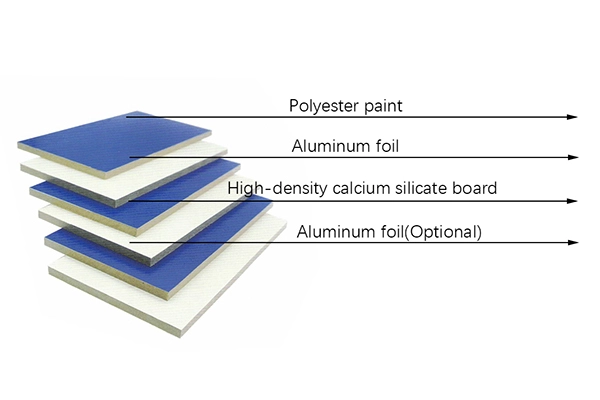
Understanding Calcium Silicate Aluminium Composite Boards
Today's construction materials must be safe, attractive, and functional. Calcium silicate aluminium composite boards are a novel solution. Curing in an autoclave at high pressure makes them. Stable tobermorite crystals form within a thick calcium silicate core. The combination of this core and aluminum face layers is safe, like inorganic bases, and allows for any form.
What Makes These Boards Different?
Most classic aluminum composite panels catch fire due to their plastic bottoms. However, calcium silicate aluminum composite boards are absolutely non-flammable. Despite being near a flame, the calcium silicate core doesn't smoke or melt. This overcomes a major safety issue in crowded areas with flames.
Core Technical Properties
With a mass of 1.2-1.6 g/cm³, the material can withstand significant weight without causing strain on building structures. A low thermal conductivity of 0.2 to 0.3 W/m·K helps the shell save energy. Flexural strength of 14 MPa ensures stiffness across wider spans, preventing gypsum-based warping.
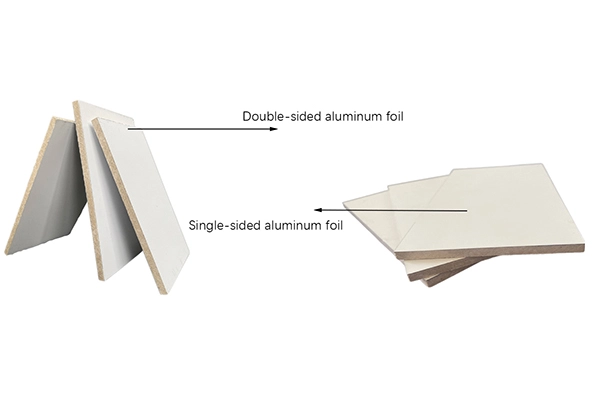
This calcium silicate aluminum composite board's size stability makes it stand out. With minimal thermal expansion factors, joints don't rupture when temperatures fluctuate. This plagues many metal gadgets. High-temperature cores prevent water from seeping in, causing mold and freeze-thaw damage to wood-based or fibre cement boards in moist regions. Moisture cannot penetrate metal.
Regulatory Compliance and Certification
Calcium silicate aluminium composite boards are fire-resistant and get EN 13501-1 Class A1 grades. They pass strict U.S. fire standards, including ASTM E84 and NFPA 285 for high-rise facade pieces. You must follow ISO 14001 and REACH and ensure the product doesn't contain asbestos or radon to receive environmental clearances, which schools and hospitals must do.
Core Criteria to Consider When Choosing Your Composite Board
When choosing a wall covering, consider its performance, task requirements, and budget. What you purchase impacts its initial price, how well it is placed, how much it costs to maintain, and how long it lasts.
Fire Resistance and Safety Standards
This is the most crucial consideration for commercial and public structures. A1 aluminium composite boards made with Class A1 calcium silicate cores are non-combustible, meaning they do not catch fire, contribute to flame spread, or complicate evacuations. In contrast, standard metal alloys with polymer cores may ignite and propagate flames up walls.
Fireproof coverings like A1 aluminium composite boards are especially important for hospitals, schools, basements, and large buildings, and are often mandated by law. Plan reviews and building inspector approvals typically rely on compliance documentation, including third-party test results.
Moisture Resistance and Environmental Durability
Water-sensitive materials like gypsum wallboard degrade fast in moist conditions. Mould will form on the surface, weaken the framework, and require replacement. Calcium silicate cores don't shrink in water. This makes them handy in caverns, basements, and coastal areas where salty water accelerates corrosion.
Acid rain and UV rays are less damaging to paint with a metal coating. This prevents painted surfaces from chalking and losing colour. Two layers of protection ensure the appearance lasts and doesn't need frequent painting or repairs.
Structural Integrity and Weight Considerations
Board thicknesses may be adjusted from 4.5 to 20 mm to suit construction demands. Lightweight thinner profiles are ideal for interior dividers because they save frame costs and installation time. Hotels, conference rooms, and medical facilities benefit from thicker boards (approximately 30dB for 6mm thickness).
When adding to a structure that can't support more weight, it matters. Calcium silicate aluminium composite boards outperform stone covering and thick fibre cement panels in strength-to-weight ratio. This means you may improve your wall without spending a lot on stronger materials.
Cost Analysis Beyond Purchase Price
Budgets should include both product pricing and ownership expenses. Set up work accounts for most of the expenses. Calcium silicate aluminium composite boards are easier to handle than heavy stone panels or delicate clay tiles, thus contractors spend less time on them. These boards are drillable, nailable, and bendable without equipment.
Maintaining them takes longer due to their strength. Metal without pores doesn't allow graffiti to stay, is easy to clean, and doesn't require resealing like masonry. Improved heat protection and energy savings may qualify for green building advantages. Saving money and even gaining tax advantages may help pay for the original expenditure.
Tailoring Board Selection to Your Project Needs
Different people pick out materials from different points of view, putting different traits at the top of their lists based on their jobs and the project's goals.
Architects and Design Professionals
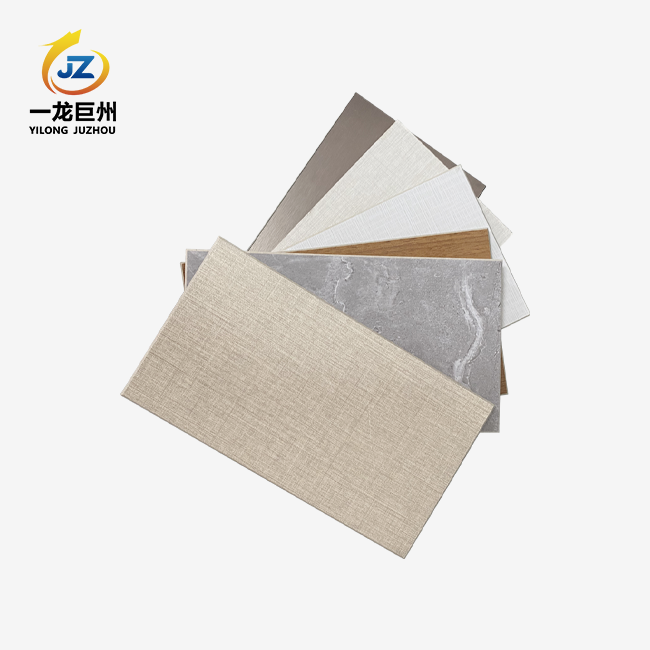
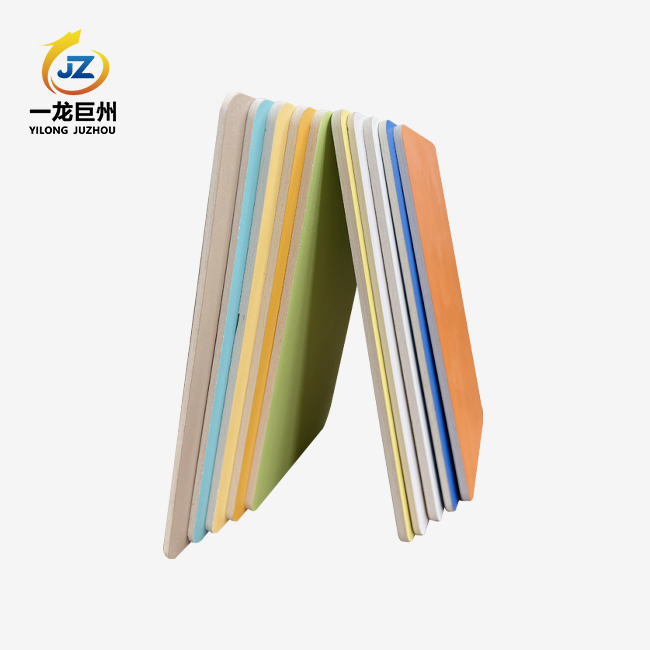
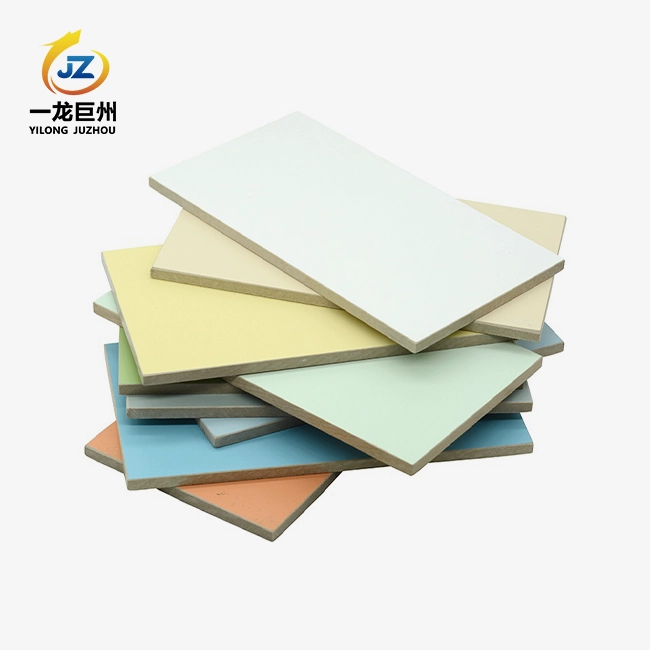
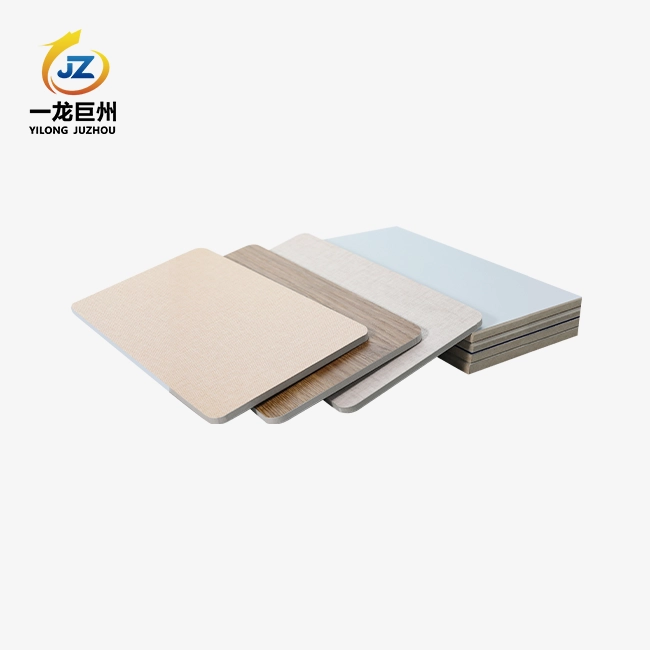
Design options depend on how versatile the appearance is. Polyester paint, PET film, PVC film, or PP film may create simple colours, wood patterns, marble effects, metallic effects, and fabric textures. Most construction units can suit 3050 mm lengths and 1220 mm widths. Installation without horizontal sections is feasible in halls and atriums with custom heights beyond 3 meters.
Soft material may be bent into curves. You can build dramatic column wraps, welcome desk faces, and lovely ceilings this way. Because of its adaptability, Calcium silicate aluminium composite board looks like stone or glass but has different physical properties. This lets builders realise their complex design ideas without paying for bespoke construction.
Engineers and Specification Writers
Competition bids and value engineering evaluations need technical documents. A peel strength of more than 10 N/mm will keep the metal-core connection intact over decades of temperature cycles. Public flexural and compressive strength data assist load-bearing maths by identifying support space and gap.
Testing according to ASTM standards and third-party verification simplifies specification language. Instead of writing down performance requirements, engineers might utilise conventional test methodologies. Workers may easily review their work.
Contractors and Installation Teams
Ease of installation impacts labour efficiency and costs. Calcium silicate aluminum composite panels can be worked with standard woodworking tools. They can be cut with circular saws, joined using screws or adhesives, and finished on-site. Unlike fibre cement, these panels do not produce harmful silica dust, improving worksite safety.
They're not as delicate as clay or gypsum. Handling doesn't split components into sharp fragments, reducing injury and waste. Tight joints may be made with minimum field changes because physical restrictions remain constant.
Procurement Managers and Buyers
What sort of supply and source aid affects project longevity? Construction procedures, minimum order quantities, lead times, and shipment must be properly planned. Buying is simpler when suppliers give experienced design aid, can alter samples within 3–5 days, and have rapid contact methods.
Volume pricing systems and multi-project contracts help developers monitor project expenditures. Most warranties cover Calcium silicate aluminium composite board manufacturing errors for three years. This prevents early failures and costly repairs.
Procurement Considerations for B2B Clients
You should do more than just check prices when you buy building supplies for business projects. You need to give each seller a careful look. During the whole project lifecycle, the skills, security, and infrastructure of the service providers determine how well the partnerships work.
Evaluating Manufacturer Credentials
This score indicates a company's ability to achieve huge objectives. Manufacturers with factories in Shaanxi and Guangdong can better handle regional issues. With over 50,000m² of items in store, orders may be fulfilled immediately without lengthy manufacturing lines.
License portfolios demonstrate that quality control methods work. ISO 9001 accreditation requires documented regulations for materials, manufacturing, and inspection. China Environmental Protection Standard Certification is increasingly significant for LEED and BREEAM green building projects. It displays environmental concern.
Understanding Bulk Purchase Strategies
Due to economies of scale, more units mean lower prices. Declaring minimum order quantities beforehand prevents prices from rising unexpectedly when vendor capacity is limited. A huge claim may get you paid more, but purchasers must measure the volume savings against storage expenses and working capital.
Standard orders take 3–7 days. Unique orders take longer to set up since they need particular equipment or processes. Buying plans should consider when products aren't being created or moved across nations while arranging construction jobs. You can reach the port from Shenzhen, Guangzhou, Shanghai, or Qingdao. These cities have several pathways that match ship traffic in your region and provide consolidation chances.
Customisation Capabilities and Technical Support
Sellers can make their own product lines and change the logo with OEM and ODM support. Custom shapes that aren't standard can fit the needs of certain buildings without having to make costly changes to the field. As surface patterns grow, they can be matched to certain colour schemes. This lets you make indoor designs that look good together.
A lot of professional services make it easier to turn performance goals into product standards. When providers offer design and installation help, it's less likely that mistakes in the specifications will lead to failures in the field or issues with following the rules. When there are questions during the review or delivery phases, they need to be answered quickly—ideally within 24 hours—so that projects can keep going.
Installation and Maintenance Best Practices
By using the right building methods and keeping up with regular upkeep, materials will last longer and look better, protecting project investments for as long as they are used.
Pre-Installation Preparation
There are certain conditions that must be met at the spot before the Calcium silicate aluminium composite boards can be put down. Substrate surfaces need to be flat within certain limits so that flaws don't show through on thin panels. If you have backings made of concrete or stone, you should keep an eye on and measure the amount of wetness in the air so that trapped moisture doesn't weaken glue ties.
It takes time for materials to reach room temperature and humidity during acclimation periods. This keeps them from growing or shrinking too much after installation. It is very important to do this when the use is large, and there are many moves that could put stress on the fastener places.
Installation Methodology
Using screws that don't rust for mechanical fixing lets you connect bigger boards or boards that will be exposed to a lot of wind. The manufacturer tells you how far apart the fasteners should be based on the fastening substrate's size and shape. When people want to hide fixings for aesthetic reasons inside, using the right building glue for adhesive bonding works well.
How the final product looks and how well it keeps out the weather depend on how the joints are treated. Joints that are sealed with the right materials let small moves happen while keeping water out. When you use reveal joints, you get shadow lines that hide alignment issues and make large areas look more interesting.
Routine Maintenance Requirements
Regular checks should find early signs of damage or wear and tear that could affect how well something works. Inspections by sight look for edge delamination, rust on the bolts, or damage from strikes that need to be fixed. Since things get stiffer over time, sealant gaps need to be checked and changed every so often.
Cleaning tips that keep things looking good without scratching the surface. Mild cleaning products and soft cloths can get rid of most dirt. When you clean metal, don't use rough cleaners or high-pressure water because you could scratch it or get water behind panels. The non-porous surface doesn't stain and is easier to clean of writing than porous bricks.
When damage is fixed, only a few parts need to be replaced instead of whole areas. When you build with movable panels, you can take out or repair broken parts without affecting other parts of the building. This is a big plus over plaster or tiled floors, which need to be fixed all over.
Conclusion
When picking the right Calcium silicate aluminium composite board for your project, you should think about how it looks, how well it resists fire, and how much it costs. It is important to know scientific information about a product, such as its core density, metal skin thickness, and surface finish options, to make sure it meets building codes and design goals. To get what you need, you should work with makers that offer certifications, customisation choices, and quick help from experts. It will last a long time and look good if you place and take care of your building shell the way the maker tells you to. In business, industry, healthcare, and infrastructure, this is true.
Frequently Asked Questions
1. How do calcium silicate aluminium composite boards compare to traditional aluminium composite panels in fire safety?
A lot of terrible high-rise fires around the world have shown that traditional metal composite panels with plastic bases can catch fire and help the fire spread. Calcium silicate aluminium composite boards receive Class A1 marks for not catching fire, which means that the core material does not catch fire or emit dangerous smoke when it is exposed to flames. For this reason, they can be used in places where fire safety is very important, like in mines, on the outside of big buildings, and in public buildings. More and more rules say that siding can't catch fire. These boards meet strict fire rules that don't let regular ACP materials be used.
2. What are typical minimum order quantities and lead times for bulk purchasing?
It depends on how customised the product needs to be, but the minimum order size varies from seller to seller. In general, it's between a few hundred and a few thousand square meters. Standard boards with popular finishes can be sent out within 3–7 days if they are in stock. It might take two to three weeks to set up and make things in colours, designs, or sizes that aren't normal. International shipping takes longer because of the routes and ways of dealing that are used. Keep talking to your sellers about project timelines so that your manufacturing plans and building goals are in sync. This will help you avoid costly delays.
3. Can boards be customised for project-specific requirements or branding?
Because you can customise it, you can pick sizes that aren't normal. In this case, heights above 3 meters can handle long wall gaps that don't have any horizontal parts. To match certain colour schemes for surface finishes, you can make your own paint recipes or print patterns on films that look like wood, stone, or fabric textures. To get the best value for money and function, change the width of the metal skin by 0.1 mm to 0.5 mm. People who sell their own brands can meet their naming needs with OEM and ODM services. Making a sample takes three to five days, so you have time to make sure your idea works before you commit to making a lot of them.
Partner with YILONG JUZHOU: Your Trusted Calcium Silicate Aluminum Composite Board Supplier
YILONG JUZHOU knows a lot about high-performance screens for interior design. It has two factories, one in Shaanxi and one in Guangdong. Each has more than 50,000 square meters of ready-to-ship goods and takes between three and seven days to make. Our Calcium silicate aluminium composite boards don't catch fire, are waterproof, and don't contain formaldehyde. They also meet strict standards set by China Environmental Protection Standards, ISO, and CE. In more than 30 countries, they are used in mines, hospitals, airports, and business buildings. We give away free samples, can fully customise for OEM/ODM, and offer full professional support, which includes design help and installation help. We also offer a three-year guarantee on the standard of our goods. Just send our team an email at cnyang2000114@gmail.com to tell us about your project and get full instructions that are made just for you.
References
1. Building Materials Research Institute (2021). Fire Performance Standards for Non-Combustible Building Panels. Journal of Construction Safety, Vol. 14, pp. 203-218.
2. Zhang, L. & Robertson, M. (2020). Calcium Silicate Composites in Modern Architecture: Material Properties and Applications. International Journal of Building Science, Vol. 8, Issue 3.
3. National Fire Protection Association (2022). NFPA 285 Standard Fire Test Method for Evaluation of Fire Propagation Characteristics of Exterior Wall Assemblies. NFPA Standards Council.
4. Chen, W. (2019). Moisture Resistance and Durability of Inorganic Composite Panels in High-Humidity Environments. Materials Science and Engineering Review, Vol. 42.
5. American Society for Testing and Materials (2023). ASTM E84: Standard Test Method for Surface Burning Characteristics of Building Materials. ASTM International Publications.
6. Green Building Council (2021). Life Cycle Assessment of Wall Cladding Systems: Environmental Impact and Sustainability Metrics. Sustainable Construction Materials Quarterly, Vol. 19, No. 2.

Send Inquiry



Related Industry Knowledge
- PE Aluminum Composite Board Sheet: Sizes, Specs and Uses
- Calcium Silicate Aluminum Composite Board Explained: Structure, Benefits, and Uses
- What is the difference between an aluminum composite panel and an aluminum sheet?
- The Importance of Adhesion Testing for ACM Panels as Painting Supports
- Antibacterial wall panel medical rigid sheet wall protection
- What are the common issues faced during aluminum panel installation, and how to avoid them?
- How to cut an aluminum composite panel?
- The Rise of ACP Panels for Modern Kitchen Design
- Things to Know About Aluminium Composite Panels
- How Antibacterial Wall Panels Improve Hygiene in High-Traffic Areas