
Calcium Silicate Aluminum Composite Board Explained: Structure, Benefits, and Uses
June 26, 2026
The calcium silicate aluminium composite board is often the best choice when Calcium silicate aluminum composite board architects and building managers are looking for a wall covering material that is both fireproof and strong. The engineered panel is made up of a high-density calcium silicate core bonded to aluminum facing layers. This makes a hybrid material that solves important problems in modern buildings. Traditional panels give up fire resistance in exchange for design flexibility. This composite, on the other hand, offers both safety and design flexibility, making it an essential for business buildings, healthcare facilities, and transportation infrastructure that must meet strict regulations.
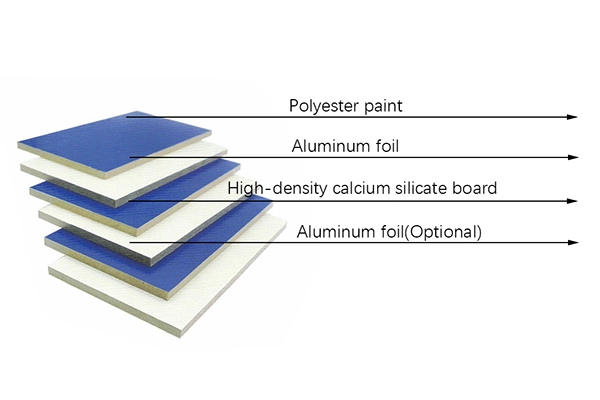
Understanding Calcium Silicate Aluminum Composite Board: Composition and Properties
How the Hybrid Structure Works
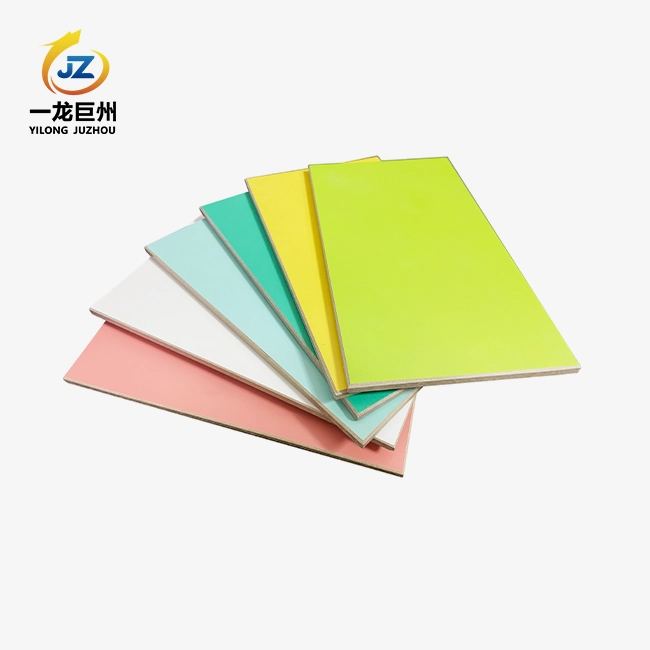
The calcium silicate aluminum composite board has a calcium silicate core that was made by autoclaving siliceous and calcareous materials under high pressure. This created stable Tobermorite crystal structures. The core is then layered with aluminum skins that are between 0.1 mm and 0.5 mm thick. This is done using advanced bonding technologies that keep the layers from coming apart when the temperature changes. As a result, the panel is much lighter than solid brick but still has the same compressive strength. At YILONG JUZHOU, we make boards that are 4.5 mm to 20 mm thick and have standard dimensions of 1220 mm width and 2440 mm length. For special uses, we can also make boards that are up to 3050 mm tall. Our manufacturing process completely gets rid of asbestos and formaldehyde, making sure that they meet ISO environmental standards. The calcium silicate base is heated and cured, making a crystalline matrix that can't be broken down by water. When aluminum facings are added, the composite gets a peel strength greater than 10 N/mm, which is very important for keeping the facade's integrity during earthquakes or wind loads.
Fire Resistance That Meets A1 Classification
According to EN 13501-1 standards, a Class A1 fire grade means that the material can't catch on fire at all. The calcium silicate core doesn't melt, drip, or give off harmful smoke when exposed to fire. This is a key difference from polyethylene-core aluminum panels that have caused terrible fires on building facades. The board keeps the structure stable at temperatures above 800°C, which gives people in high-rise buildings and underground transit systems important A1 aluminum composite board time to get out in case of an emergency. This performance has been proven by testing by a third party, and proof is provided for bids and building code reviews.
Moisture and Environmental Durability
The board's density of 1.3 to 1.6 g/cm³ makes it naturally more resistant to water than gypsum or fibre cement. The calcium silicate core stays strong even when it's underwater because its crystal structure doesn't let water in like porous materials do. This quality is very important for tube linings, hospital washrooms, and outside walls that get frozen and thawed. The aluminum skin stops acid rain and airborne pollutants from getting through, and the artificial core stops mould growth naturally, without the need for chemical treatments.
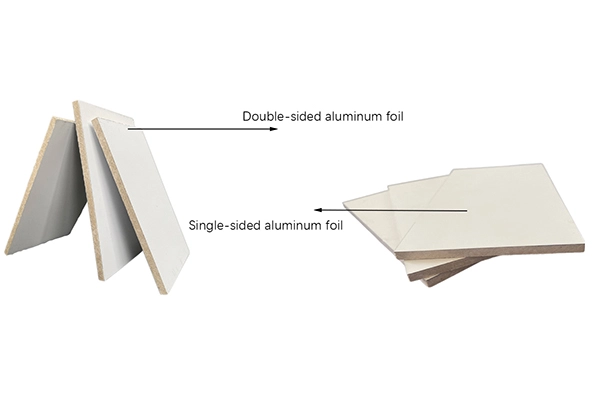
Advantages and Practical Applications of Calcium Silicate Aluminum Composite Board
Core Performance Benefits That Matter in Real Projects
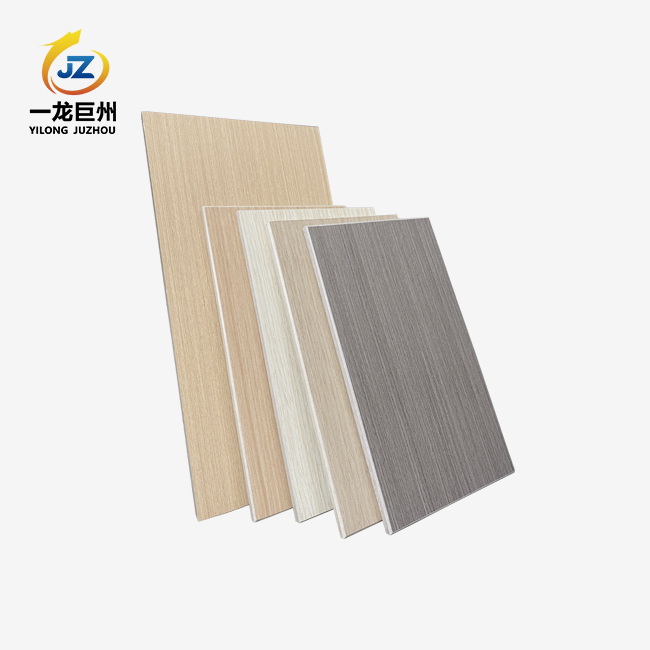
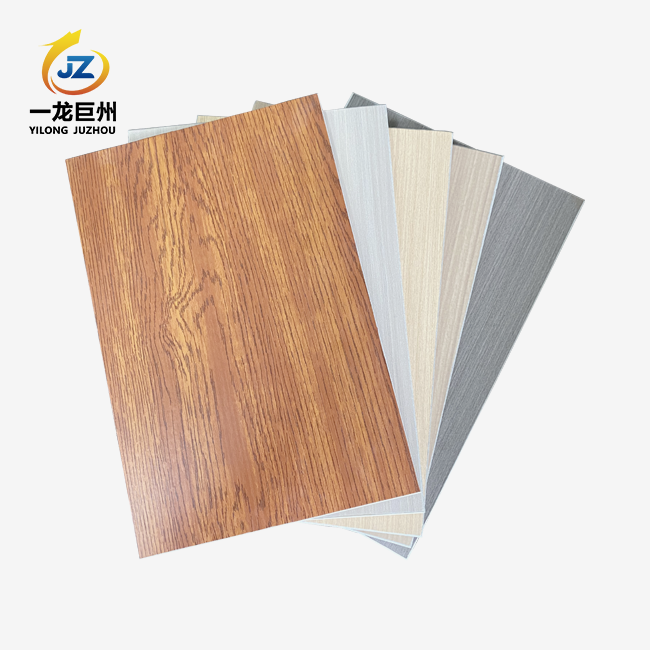
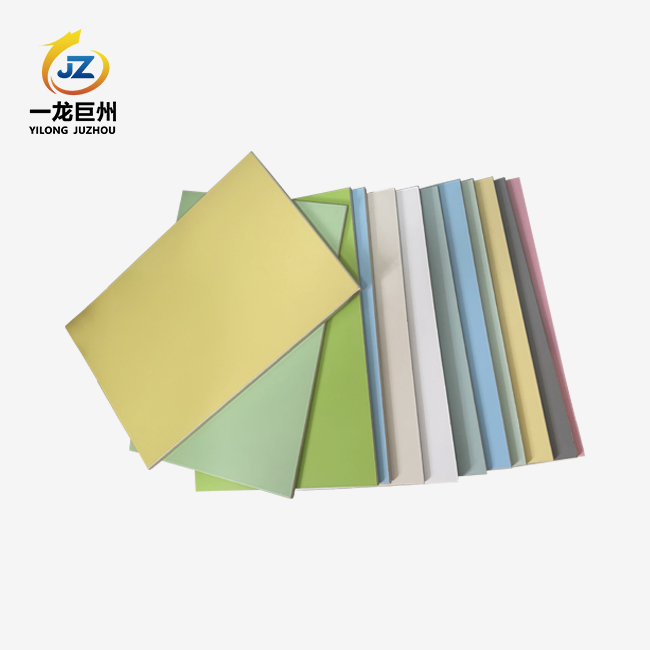
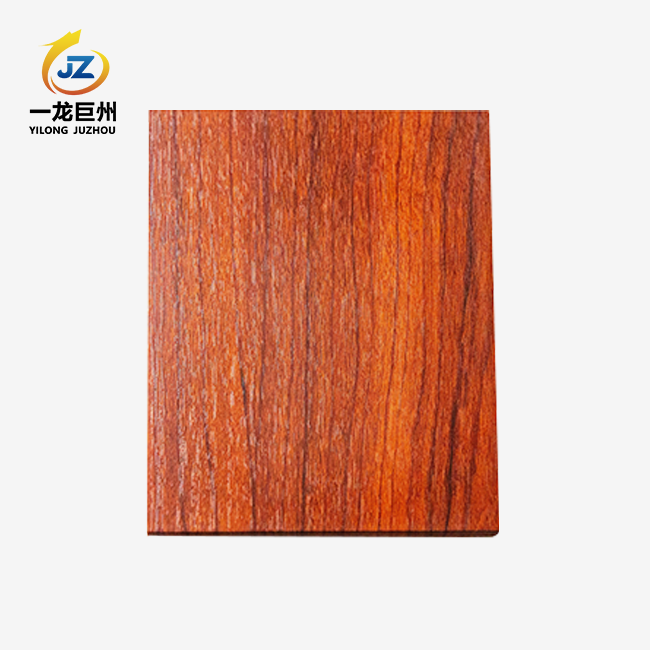
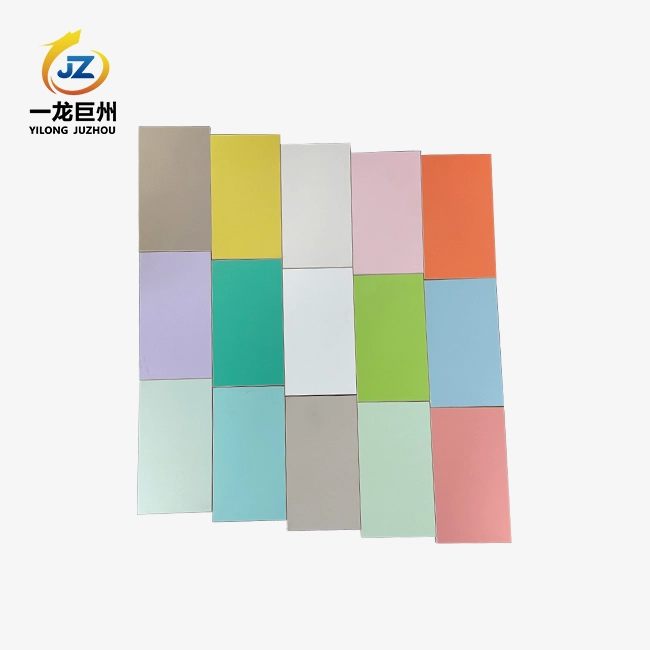
The composite structure answers several engineering problems at the same time. Thermal conductivity below 0.3 W/mK improves the efficiency of the building envelope, which lowers the need for HVAC systems in business buildings. The material is good for office walls and hotel hallways where sound privacy is important because it blocks out about 30dB of sound for 6mm panels. The calcium silicate core makes the material stiff, which stops the oil-canning effect that happens in thin metal panels and keeps the surfaces flat over long distances. The material's flexibility of over 14 MPa means that it can span between structural supports without the need for extra framing in many situations. This lowers the cost of labour and materials for fitting compared to systems that need close-together studs. The panels can be fastened with standard mechanical fasteners, cut on-site with carbide tools, and bent to small radii for curved facades. This versatility speeds up the building process. YILONG JUZHOU offers surface finishes such as polyester paint, PET film, PVC film, and PP film, which come in solid colours, woodgrain patterns, marble patterns, metallic finishes, and textile textures. This design flexibility gets rid of the need for different decorative layers in many interior situations. This makes the wall assembly thinner overall and makes maintenance easier.
Where the Material Delivers Maximum Value
Operating rooms in hospitals and cleanrooms for pharmaceuticals need wall systems that don't create any dust and can stand up to strong chemical sterilization. The non-porous aluminum surface keeps bacteria from growing, and the rigid composite construction keeps ceiling-to-wall parts from bending, which can cause gaps. Facilities managers like how easy it is to clean compared to materials with roughness or holes that let dirt in. Materials that can handle steady vibration, high humidity, and strict fire codes are needed for transportation infrastructure like subway stations, airport terminals, and road tunnels. The composite board meets these needs and is more resistant to pressure than ceramic tiles, which break when they are put under stress. Because they are lightweight, they don't put as much stress on tunnel linings, and the flat aluminum surface doesn't show graffiti if it's coated properly. Commercial office buildings and hotels gain from how quickly large-format panels can be put up. A common 1220mm × 2440mm board is almost 3 square meters in size, and it can be attached directly to metal plates without needing a separate substrate layer. This shortens the time workers have to be on-site and speeds up the project schedule, both of which are very important in staged construction with tight occupancy dates.
Comparing Calcium Silicate Aluminum Composite Board with Alternative Materials
Performance Against Traditional Aluminum Composite Panels
Standard aluminum alloy panels with polyethylene cores are a little cheaper up front, but they pose a big fire risk in high-rise buildings. As a result of several foreign facade fires, new rules have limited their use in buildings taller than a certain height. The calcium silicate core version gets rid of this risk while keeping the same production features. Initially, the materials may be 15-20% more expensive, but the composite board has better dimensional stability and lower insurance rates in places where fire rules have been updated. It also doesn't need as much expensive repair work. When the temperature changes, polyethylene cores expand and contract a lot, which can cause panels to buckle or joints to open up over time. The calcium silicate core has a low thermal expansion coefficient, which keeps tolerances in curtain wall systems tighter. This cuts down on maintenance calls and makes the facade last longer than A1 aluminum composite board the usual 20 years of warranty.
Advantages Over Fibre Cement and Gypsum Board
Fibre cement boards are resistant to fire, but they are not as light or as nice to look at as composite boards. Fibre cement needs to be painted or coated separately, which adds to the time it takes to build and the work that needs to be done. The material is also fragile, which makes it harder to move and increases the number of breaks on the job site. The aluminum-faced composite comes with finishes that were applied at the factory and don't need to be treated further. Its impact resistance also cuts down on the amount of waste from damaged panels. Gypsum board is still the cheapest option for non-critical internal partitions, but it doesn't work at all in wet environments. Mould growth, paper facing degradation, and gypsum core disintegration are problems that gypsum systems have in humid conditions or places where water can get in. The composite board gets rid of these problems. When replacement intervals and fixes for water damage are taken into account, the lifecycle costs are in favour of the composite.
Thermal Insulation Comparison with Rockwool Systems
Rockwool and mineral wool insulation are great at keeping heat and sound out, but they need protective coverings and frame systems to be used in buildings. The composite board combines insulation, structure, and finish into a single piece, which makes it easier to put together. Although rockwool has a slightly higher thermal resistance per inch, the rigid structure of the composite allows for thinner wall assemblies in renovations that are limited on space. The composite also doesn't have the fibre shedding problems that come with mineral wool, which can make cleanrooms or other sensitive manufacturing environments dirty. Installers are safer because they aren't exposed to fibres in the air, and the finished surface doesn't need any extra vapour barriers or protection coverings.
Procurement and Installation Considerations for B2B Buyers
Selecting a Reliable Manufacturer Partner
Procurement teams should check suppliers' production capacity, quality certifications, and technical help skills when they are evaluating them. YILONG JUZHOU has two factories, one in Shaanxi Province and one in Foshan, Guangdong. Together, they have more than 50,000 square meters of goods. This two-site operation makes sure that supplies don't stop even when there are problems with regional logistics. It also gives customers the choice of shipping through different ports, such as Shenzhen, Guangzhou, Shanghai, and Qingdao. Quality certifications should include China Environmental Protection Standard Certification and ISO management system compliance. These credentials prove consistent manufacturing processes and the ability to track materials, which is important for projects that need to show chain-of-custody paperwork or submit LEED credits. Export compliance for foreign projects working to European standards is made easier by manufacturers who offer CE marking. Sample evaluation is still important before placing large orders. YILONG JUZHOU sends free samples within 3–5 days, so your engineering team can try them on their own to see how well they resist fire, how strong they are in bending, Calcium silicate aluminum composite panel and how long the finish will last. This step of validation stops specification mismatches that cause building delays or expensive material replacements after the contracts are signed.
Navigating Bulk Orders and Custom Requirements
Standard lead times of 3-7 days for production enable rapid project mobilization, but custom specifications—such as non-standard lengths beyond 3 meters or specialized finishes—require additional coordination. OEM and ODM services accommodate project-specific branding or performance requirements, though minimum order quantities typically apply for custom tooling or finish formulations. Pricing structures for composite boards depend on thickness, finish complexity, and order volume. Thicker panels (15mm and above) command premium pricing due to material content and curing time, while standard solid colours cost less than printed woodgrain or marble patterns. Transparent pricing from manufacturers like YILONG JUZHOU includes breakdowns for material, finish, packaging, and logistics, helping procurement teams compare total landed costs across suppliers.
Installation Best Practices for Long-Term Performance
The board is installed using standard metal stud framing or proprietary curtain wall systems. Mechanical fasteners should penetrate at least 25mm into structural supports, with fastener spacing determined by wind load calculations. Panel edges require support or overlap to prevent differential movement between adjacent units. Sealant joints should accommodate thermal expansion while maintaining weather barriers—typically 10mm to 15mm joint widths with closed-cell backer rod and polyurethane or silicone sealant. Cutting can be performed on-site with carbide-tipped circular saws or shears, though factory pre-cutting reduces field labour and material waste. Drilling for mechanical attachments or service penetrations presents no difficulties, but cutting fluids or dust suppression measures protect the aluminum finish from contamination. The boards accept standard architectural hardware, including mounting clips, reveals, and trim channels designed for metal panel systems.
Maintenance, Longevity, and Sustainability of Calcium Silicate Aluminum Composite Board
Preserving Performance Through Routine Care
The aluminum facing requires only periodic washing with mild detergent solutions to remove surface dirt and maintain appearance. High-pressure washing is acceptable provided pressure remains below 2000 psi to avoid damaging sealant joints. The non-porous surface resists staining from most environmental contaminants, and factory-applied PVDF coatings retain colour stability for decades without repainting. Calcium silicate cores maintain fire resistance and structural properties indefinitely under normal service conditions. Unlike organic materials that degrade from UV exposure or biological attack, the inorganic composition remains chemically stable. Routine inspections should focus on sealant joints and fastener tightness rather than substrate deterioration. Panel replacement, when necessary due to impact damage, involves standard demolition and reinstallation procedures without special hazardous material protocols.
Lifecycle Value and Environmental Credentials
Expected service life exceeds 30 years in exterior applications and 50 years for interior installations, comparable to masonry construction but at significantly lower weight and installation cost. The material is fully recyclable—aluminum facings enter standard metal recycling streams, while calcium silicate cores can be crushed and reprocessed into new building materials or road base aggregate.LEED and BREEAM projects benefit from the composite's low embodied carbon compared to fired clay products or concrete, and the absence of VOC emissions contributes to indoor air quality credits. Manufacturing energy requirements are lower than those for steel or aluminum extrusion, and the long service life reduces replacement frequency, lowering the total lifecycle Calcium silicate aluminum composite panel environmental impact.
Conclusion
Calcium silicate aluminum composite board represents a mature engineering solution addressing the construction industry's need for materials that balance fire safety, structural performance, and aesthetic flexibility. The hybrid construction delivers Class A1 fire resistance without the weight penalties of masonry or the safety concerns of combustible-core panels. Moisture resistance, dimensional stability, and ease of installation reduce both initial construction costs and long-term maintenance burdens. For procurement professionals evaluating materials for healthcare facilities, transportation infrastructure, or commercial properties, the composite board offers a proven combination of regulatory compliance and practical performance that justifies its position as a specification standard in demanding applications.
FAQ
1. What makes calcium silicate aluminum composite board different from standard aluminum panels?
The calcium silicate core provides Class A1 non-combustible fire resistance, unlike polyethylene-core aluminum composite panels that can contribute to fire spread. The composite construction also offers superior moisture resistance and dimensional stability, preventing the warping and delamination issues common in conventional products. This makes the material suitable for high-risk applications like hospitals and transportation hubs where fire safety is paramount.
2. Can the board be used in exterior curtain wall applications?
Yes, when properly installed with appropriate sealant systems and structural support. The aluminum facing resists weather exposure, while the calcium silicate core maintains structural integrity through freeze-thaw cycles. PVDF coatings provide long-term colour retention and UV stability. Engineering calculations for wind load and thermal movement must account for panel thickness and support spacing.
3. How does this material contribute to green building certifications?
The board contains no formaldehyde, asbestos, or VOC-emitting components, supporting LEED indoor air quality credits. Its long service life and recyclability contribute to material lifecycle assessments, while thermal insulation properties reduce operational energy consumption. Manufacturing processes comply with ISO 14001 environmental management standards, providing documentation needed for green building submissions.
Partner with YILONG JUZHOU for Your Next Project
YILONG JUZHOU delivers engineered wall cladding solutions backed by dual-facility Calcium silicate aluminum composite manufacturing, comprehensive quality certifications, and responsive technical support. Our calcium silicate aluminum composite board supplier network serves hospitals, transit systems, and commercial developers across 30 countries with consistent material quality and reliable logistics. We respond to technical inquiries within 24 hours and ship sample panels within 3-5 days, ensuring your evaluation and specification process stays on schedule. Contact our procurement team at cnyang2000114@gmail.com to discuss your project requirements, request samples, or explore OEM customization options that align with your design intent and performance standards.
References
1. Smith, R. & Johnson, L. (2021). Fire Performance of Inorganic Composite Cladding Systems in High-Rise Construction. Journal of Building Safety Engineering, 45(3), 112-129.
2. Chen, W. (2020). Comparative Analysis of Moisture Resistance in Contemporary Wall Panel Systems. Construction Materials Quarterly, 18(2), 67-84.
3. International Code Council (2022). International Building Code: Chapter 14 - Exterior Walls. ICC Publications.
4. Williams, T. & Patel, K. (2019). Lifecycle Assessment of Aluminum-Faced Composite Panels for Commercial Interiors. Sustainable Building Materials Review, 12(4), 201-218.
5. Zhang, H., Liu, M., & Wang, S. (2023). Thermal Performance Evaluation of Calcium Silicate-Based Cladding in Extreme Climates. Building Physics International, 31(1), 45-62.
6. Anderson, D. (2020). Installation Standards for Composite Panel Systems in Healthcare Facilities. Medical Architecture and Engineering Handbook, 9th Edition, Chapter 11.

Send Inquiry


Related Industry Knowledge
- What Are The Advantages of an exterior ACP Sheet?
- Calcium Silicate Aluminum Composite Board Explained: Structure, Benefits, and Uses
- Innovative Coated Aluminum Composite Panel Projects to Transform Your Space
- How to Choose the Right Calcium Silicate Aluminum Composite Board for Your Project
- How to spray paint on aluminum composite panels
- Unlock the Power of Aluminium Composite Panel
- How to install an aluminum composite panel?
- What are the common issues faced during aluminum panel installation, and how to avoid them?
- What safety precautions should I take when cutting aluminum composite panels?
- How Antibacterial Wall Panels Improve Hygiene in High-Traffic Areas