
Innovative Coated Aluminum Composite Panel Projects to Transform Your Space
June 26, 2026
When renovating or building modern coated aluminum composite panel business interiors, people in charge always ask: "How can we balance our aesthetic vision with safety requirements and budget constraints?" Coated aluminium alloy panels are a good choice. These engineered sandwich structures have lightweight polymer or mineral cores that don't catch fire and pre-finished aluminium skins. They offer great fire resistance, design freedom, and long-term performance. Whether it's antibacterial surfaces needed in hospital hallways or long-lasting walls needed in airport terminals where people walk by all the time, coated panels have changed the way inner walls are built in many industries. Architects, procurement teams, and facility managers can safely choose materials that improve both form and function when they know how they can change things.
Understanding Coated Aluminum Composite Panels: Features and Benefits
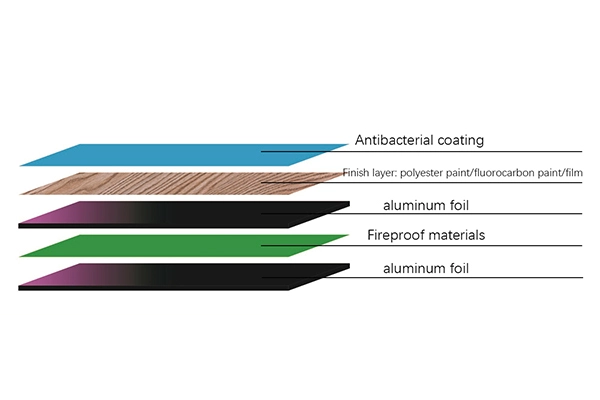
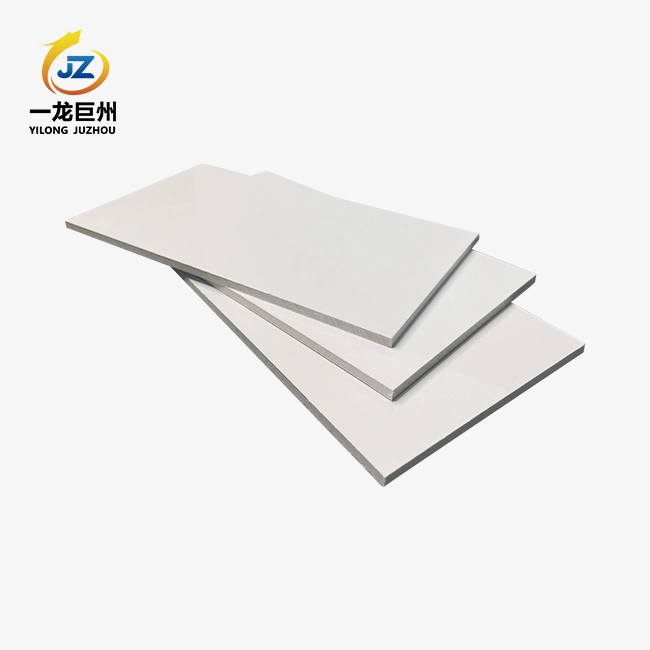
Coated aluminum composite panels represent a significant advancement over traditional wall materials. The core structure consists of refractory materials sandwiched between aluminum skins ranging from 0.1mm to 0.5mm in thickness, with surface layers available in PET, PVC, or PP films. This architecture creates a material that weighs substantially less than solid aluminum while maintaining comparable rigidity—a 4mm panel offers structural performance similar to thicker metal sheets but reduces installation labor and structural load requirements.
Fire Safety and Environmental Compliance
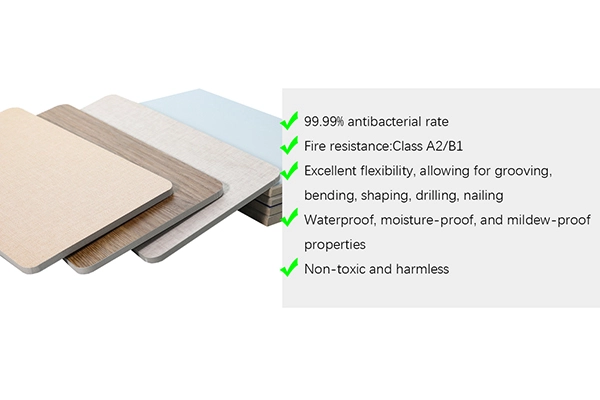
These panels handle important safety issues in buildings with a lot of people by meeting Class A2 and B1 fire ratings. The fire-resistant core makes it much harder for flames to spread, so they can be used in places like schools, hospitals, and transport hubs where following the rules is important. The formaldehyde-free, odourless composition meets strict environmental standards that are becoming more and more important in public building projects. Many panels now have ISO and CE certifications, which makes the review process easier for teams that buy things from other countries.
Design Versatility Meets Practical Durability
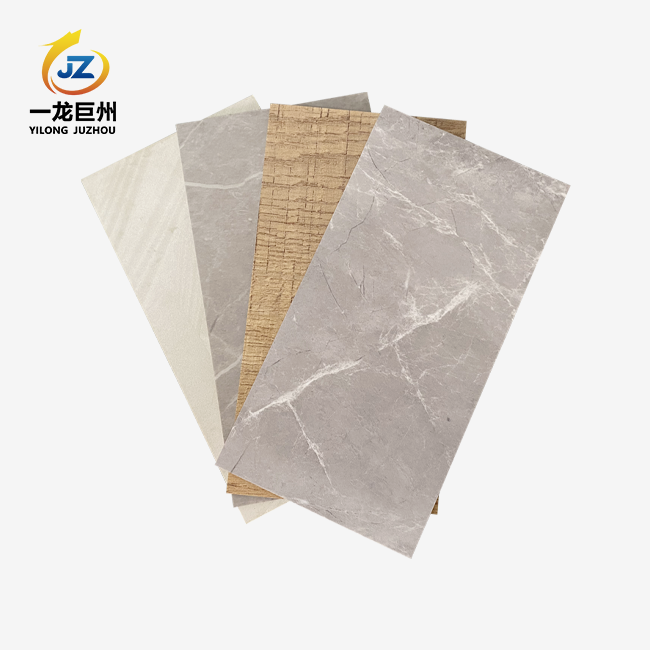
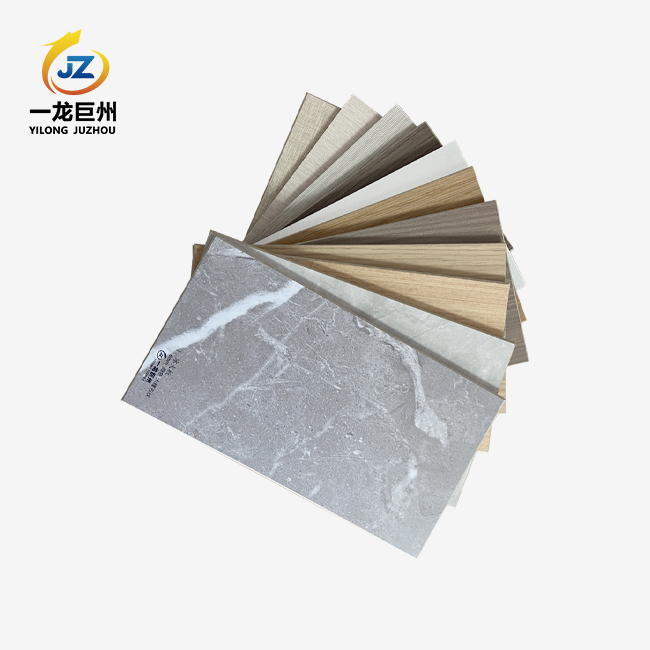
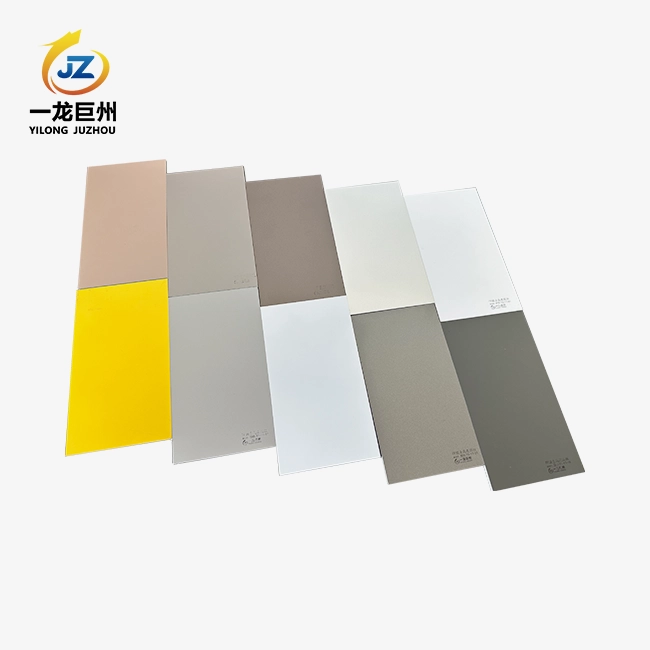
The coating process gives a wide range of looks. Solid colours give corporate offices a clean, professional look, while woodgrain designs add warmth to hotel lobbies without the upkeep that comes with real wood. Marble patterns look like expensive stones but are much lighter and cheaper. This is especially useful in high-rise buildings, where structural load is very important. Metallic and cloth patterns give stores and art galleries more ways to be creative and show their own brands. What makes coated panels unique is that they can be worked with. They are easy to work with because you can drill, nail, and bend them into different shapes. This lets you make complex building shapes that rigid materials can't. Customisable lengths longer than three meters allow for floor-to-ceiling setups with woodgrain aluminum composite panels with no seams that can be seen. This creates smooth visual flows that improve how you understand space.
Moisture Resistance and Hygiene Performance
Because they are waterproof and don't grow mould, these panels are great for tough settings. Surfaces that can handle being washed often and stop microbes from growing are good for food processing plants. Pharmaceutical facilities need walls that meet strict standards for cleanliness and sterility. Coated panels with antibacterial finishes meet these strict cleaning needs. In tube stations and tunnels, where water usually breaks down regular materials, panels made to keep water out and prevent corrosion last for decades. It's impossible to say enough about how easy they are to maintain. Unlike painted plasterboard that needs to be repainted every so often or real stone that needs special cleaning methods, coated panels keep their look with simple cleaning steps. This means lower lifecycle costs, which is a strong argument when looking at the overall economy of a project over 15 to 20 years of use.
Comparing Coated Aluminum Composite Panels with Alternative Materials
Procurement decisions often involve weighing multiple material options. Understanding how coated panels compare to alternatives clarifies their value proposition across different project contexts.
Weight-to-Strength Advantages Over Solid Materials
Traditional solid aluminium sheets are strong, but they put a lot of stress on the structure, which means that it needs stronger frame systems that cost more overall. Even though steel frames are strong, they can rust in damp places and need expensive coatings to keep them safe. Coated aluminium composite panels are just as strong as other types, but they weigh about 40% less. This means that they don't need as much support and are easier to install. This edge over heavier materials is especially useful when renovating buildings that can't hold much weight.
Maintenance Economics and Longevity
Painted gypsum board is still often used in business interiors, but the surfaces need to be repainted every five to seven years because they get worn down. Areas that get a lot of use get scuffs and dents that make the furniture look less professional. Coated panels are better at resisting damage from impacts because their bendable core can take small hits without cracking, and the pre-finished surface keeps its colour even when exposed to UV light and cleaning chemicals. Over the course of a building's 20-year span, not having to paint saves a lot of money on materials, labour, and downtime. Stone veneer and ceramic tiles look great, but they are hard to install and take a long time. Grout lines collect dirt and need to be cleaned regularly. Coated panels are easier to install with standard tools, and because their surfaces are one piece, they don't need any grout upkeep. When there aren't many days left on a project, like in phased building, where delays affect many trades, installation speed is very important.
Thermal and Acoustic Performance Benefits
The composite structure naturally insulates better against heat loss than single-layer metal sheets, which helps reach goals for energy economy. The way sound travels through areas helps keep noise down in public and open-plan offices, making people more comfortable without the need for extra soundproofing. When deciding which material to use, these secondary performance benefits often make the difference between choices with similar primary characteristics. The coating technology itself is interesting. When it comes to retail settings where brand colours need to stay constant, premium formulations with UV stabilisers keep colours true even in places with a lot of natural light. There are big differences between coated and uncoated choices in how well they resist weathering and how easy they are to clean. The small extra cost is worth it because it means you won't have to do as much maintenance.
Innovative Project Examples Using Coated Aluminum Composite Panels
Real-world applications demonstrate how thoughtful material selection transforms spaces across diverse project types.
Healthcare Facility Renovations
Recently, the walls of patient rooms in a regional hospital network were updated with woodgrain aluminum composite panels that have antibacterial finishes. The project put an emphasis on preventing infections and making cleaning easier, which were needs that painting surfaces often had trouble meeting. Panel surfaces don't break down when disinfected with hospital-grade cleaners over and over again, which is important for keeping environments sterile, which is important for patient results. The installation happened during occupied renovation phases, and crews finished rooms in half the time it would take to replace the plasterboard. This kept patients from having to move and kept services running smoothly. In addition to making sure the rooms worked well, designers chose calming colours and subtle patterns that made the institution feel less clinical, which helped patients' health. The resistance to moisture came in handy in bathrooms and laundry rooms where humidity tends to build up. Maintenance staff says that cleaning takes a lot less time and that mould problems that were common with older wall systems are gone.
Airport Terminal Modernization
A renovation of an international airport building shows how well coated panels work in harsh conditions. Terminals have a lot of foot traffic, bag bumps, and cleaning routines that wear down normal finishes quickly. Designers chose panels that were both durable and representative of the brand. Metallic finishes in gate areas created a modern look that fit with the airport's high-end positioning, and high-contrast wayfinding elements were seamlessly integrated into wall systems. The project requirements called for Class A2 fire ratings throughout passenger areas, which was easy to meet with coated panel options. Crews were able to work around operational plans during installation, finishing parts overnight to keep passenger flow going smoothly. Three years after installation, surfaces still look the same, even though they are used a lot. This shows that the coating is durable in harsh service circumstances.
Corporate Office Workspace Transformation
A technology business updated its old offices by adding woodgrain-patterned panels that made the spaces feel more like homes. The goal of biophilic design was to improve the health and happiness of employees and draw new ones, which are goals that are becoming more important in competitive job markets. Panels were put up over existing concrete walls without tearing them down. This cut down on building waste and sped up the process, which was in line with the company's commitment to sustainability. Custom colours were used to match the company's branding throughout the collaboration spaces, strengthening the visual identity. The sound-dampening features of the panels solved problems with noise in open spaces, lowering distractions from noise without adding ceiling treatments. Facilities managers like that the surface doesn't scratch easily in high-traffic areas like copy rooms and coffee spots, where painted surfaces need to be touched up all the time.
Retail Environment Differentiation
Shopping centers face constant pressure to refresh appearances and accommodate evolving tenant requirements. Coated panels enable rapid transformations—a mall operator converted vacant anchor space into a food hall concept using marble-patterned panels that evoke upscale dining atmospheres. The lightweight material is installed over temporary framing systems, allowing flexible reconfiguration as tenant mix evolves. Brand-conscious retailers specify custom colors matching corporate standards, achieving consistency across locations. The material's formability enables curved feature walls and brand identity elements impossible with rigid alternatives. Installation speed minimizes closure periods, critical when lease economics depend on revenue continuity.
Procurement Guide: How to Buy Coated Aluminum Composite Panels for B2B Use
Successful procurement requires methodical evaluation of supplier capabilities, product specifications, and support services that determine project outcomes.
Evaluating Supplier Reliability and Certifications
Begin by verifying manufacturing credentials and quality systems. ISO certification indicates consistent production processes, reducing batch variation risks. Environmental certifications confirm compliance with VOC emission standards and material safety requirements increasingly mandated in public projects. Request certification documentation early, and marble aluminum composite panels in evaluation processes to avoid specification conflicts during approval phases. Production capacity matters when projects involve large quantities or tight deadlines. Suppliers maintaining substantial inventory—50,000 square meters or more—can accommodate unexpected quantity adjustments or accelerated schedules. Dual production facilities, such as locations in both Shaanxi and Guangdong provinces, provide geographic redundancy and flexible shipping options via multiple port access points, including Shenzhen, Guangzhou, Shanghai, and Qingdao.
Specification Matching and Customization Options
The choice of panel thickness relies on the needs of the application. Standard thicknesses range from 2 mm to 6 mm, which can be chosen based on structural and financial needs. Thinner panels are good for decorative uses that don't need to hold weight, while thicker choices provide rigidity for floor-to-ceiling installations or areas that are likely to be hit. It comes in widths of 1220mm, 1500mm, and 2000mm, so it can be used in a variety of layouts. You can also change the lengths to avoid waste from cutting too much. When choosing a surface design, you should think about more than just how it looks. High-gloss finishes reflect light, making rooms brighter but revealing fingerprints in places where people touch them a lot. Matte surfaces hide small flaws and work well in places where a simple, elegant look is desired. Patterns with different textures, like bark and fabric, make things more interesting to touch and feel. The cost and longevity of aluminium skins vary from 0.1 mm to 0.5 mm. In high-traffic areas, thicker skins are less likely to get dented, but they cost more to make. Talking about specific use cases with technical support makes sure that specifications match real performance needs without over-engineering, which drives up costs needlessly.
Sample Evaluation and Testing Protocols
Request samples representing proposed specifications before committing to full orders. Reputable suppliers provide samples within three to five days, allowing hands-on assessment of surface quality, color accuracy, and workability. Conduct installation trials using samples to verify compatibility with planned attachment systems and identify any tooling requirements.
Testing protocols should include:
- Fire resistance verification: Confirm ratings match project requirements through third-party certification review rather than relying solely on supplier claims.
- Surface durability assessment: Subject samples to scratching, chemical exposure, and UV aging to predict long-term performance.
- Color consistency evaluation: Compare samples under different lighting conditions to ensure appearance meets design intent across varied environments.
Documentation of these evaluations creates objective comparison criteria when assessing multiple suppliers, supporting defensible procurement decisions in formal tender processes common in institutional projects.
Pricing Structure and Total Cost Analysis
Panel pricing varies based on thickness, coating type, and order volume. Request detailed quotations itemizing material costs, packaging specifications, and logistics arrangements. International shipping involves container optimization—understanding how panel dimensions maximize container utilization prevents unnecessary freight expenses. Beyond unit costs, evaluate the total delivered price, including duties, port handling, and inland transportation to project sites. Suppliers offering factory-direct pricing without distributor markup layers often provide better value, particularly on large orders. Payment terms and currency options affect cash flow management—negotiate terms aligned with project funding schedules. Consider lifecycle economics beyond the initial purchase price. Panels requiring less maintenance or offering longer service life may justify higher upfront costs through reduced operational expenses. Request case studies or references from similar project types to validate performance claims and longevity expectations.
Technical Support and Installation Services
Access to engineering guidance during specification and installation phases distinguishes premium suppliers from commodity providers. Complex projects benefit from factory representatives who assist with layout optimization, attachment detail development, and jobsite troubleshooting. Confirm availability of technical support in your language and time zone—24-hour response commitments prevent costly delays when installation questions arise. Some suppliers offer design services, helping translate architectural concepts into practical panel configurations. This proves valuable when incorporating custom patterns or coordinating with other building systems. Three-year warranty coverage standard in the industry provides recourse if manufacturing defects emerge, though warranty terms vary—review exclusions and claim procedures before finalizing supplier selection.
Maintenance and Longevity Tips for Coated Aluminum Composite Panels
Proper care maximizes return on material investment by preserving appearance and extending functional life.
Routine Cleaning Protocols
Regular cleaning prevents dirt accumulation that can dull surface finishes over time. Use mild detergents diluted in warm water, applied with soft cloths or non-abrasive sponges. Avoid harsh chemicals, abrasive cleaners, or high-pressure washing that may damage protective coatings. Rinse thoroughly after cleaning to remove soap residue that attracts dirt. Establish cleaning frequencies based on environmental conditions. High-traffic areas or locations with significant dust exposure may require weekly attention, marble aluminum composite panels while protected interiors maintain appearance with monthly cleaning. Healthcare settings follow institutional protocols specifying disinfection schedules and approved cleaning agents compatible with panel surfaces.
Damage Assessment and Repair Strategies
Check the panels for harm like scratches, dents, or broken edges every so often. Small scratches on coated surfaces can usually be fixed by buffing them with approved chemicals that bring back the finish's look. If the damage is more serious, the panel may need to be replaced. Since most installation systems are flexible, it is usually possible to remove a single panel without affecting nearby areas. Common damage can be avoided by protecting the edges of furniture while it is being installed and moved. Protective corner guards might be a good idea in places where carts or other tools are likely to hit them. When damage happens, take pictures of it and contact the suppliers right away. If the damage is caused by a flaw in the manufacturing process, the warranty may cover it, but damage caused by installation or use is usually not covered by the warranty.
Long-Term Performance Optimization
Track the building's success over its entire lifecycle to spot any problems as soon as they arise. Colour fading may be noticeable after years of strong UV exposure, even if it's not too bad if the coating is good. Moving lights around or putting up window curtains can stop further damage. Surface chalking or covering breakdown means the panel is almost at the end of its useful life, though good panels usually last longer than 20 years. Keep track of the panel's specs, the supplier's contact information, and the times it was installed. This paperwork is very helpful when matching current finishes is needed during renovations or additions. Some suppliers keep colour archives that let you reorder the same thing years after you first bought it, and it will still match your exact specs. Work with the building management teams to teach the cleaning staff how to take care of things the right way. When repair is done with good intentions but with the wrong tools, damage often happens. Simple training lessons that show the right way to do things can keep your warranty valid and save you a lot of money on repairs.
Conclusion
Coated aluminium composite panels have the ability to completely change the way businesses, hospitals, factories, and public buildings are built. Their mix of fire safety, design flexibility, and longevity solves some of the most important problems that procurement professionals and project managers face. By knowing the properties of the materials, reviewing options in an unbiased way, and working with reliable suppliers, businesses can choose wall systems that meet their needs in terms of both appearance and functionality, while also staying within their budgets and meeting deadlines.
FAQ
1. What fire ratings do coated aluminum composite panels achieve?
Quality panels meet Class A2 or B1 fire resistance classifications, suitable for high-occupancy buildings and transportation infrastructure. The fire-retardant core limits flame spread and heat release, addressing safety requirements in hospitals, schools, and airports. Verify specific ratings through certification documentation matching your project's jurisdiction—international standards vary, and compliance confirmation prevents costly specification errors during approval processes.
2. Can panels be customized for specific project requirements?
Extensive customization options include thickness from 2mm to 6mm, widths up to 2000mm, and unlimited length configurations. Surface finishes span solid colors, woodgrain, marble patterns, metallic effects, and cloth textures. Many suppliers accept OEM and ODM requests for unique colors, patterns, or performance characteristics. Sample customization typically requires three to five days, allowing evaluation before full production commitments.
3. How do coated panels support sustainability goals?
Panels contribute to green building objectives through formaldehyde-free, low-VOC composition meeting environmental protection standards. The lightweight structure reduces transportation energy compared to heavier alternatives, and aluminum components are recyclable at the end of life. Long service life minimizes replacement cycles, reducing material consumption over building lifecycles. Request environmental certifications confirming compliance with specific green building rating systems applicable to your project.
Partner with YILONG JUZHOU for Your Next Coated Aluminum Composite Panel Project
YILONG JUZHOU brings decades of expertise in interior decoration and coated aluminum composite panel materials to commercial, healthcare, and industrial projects across global markets. Our coated aluminum composite panel manufacturing combines advanced production technology across Shaanxi and Guangdong facilities with rigorous quality control meeting ISO and CE standards. We maintain 50,000 square meters of inventory, ensuring rapid fulfillment of urgent requirements, with typical production cycles of three to seven days for custom specifications. Our technical team responds within 24 hours to specification questions, installation guidance, or procurement inquiries, supporting your project success from initial concept through completion. As an experienced coated aluminum composite panel manufacturer, we offer free samples, OEM/ODM customization, and three-year quality guarantees backed by comprehensive after-sales support. Contact our team at cnyang2000114@gmail.com to discuss how our solutions can transform your space with panels engineered for performance, safety, and lasting value.
References
1. Chen, L. & Wang, R. (2021). Advanced Composite Materials in Modern Architecture: Performance Characteristics and Application Standards. Building Materials Research Institute.
2. Thompson, J.M. (2022). "Fire Safety Performance of Aluminum Composite Panels in Commercial Construction," Journal of Architectural Safety, 18(3), 145-162.
3. Green Building Council International (2023). Sustainable Material Selection Guide for Interior Finishes, 4th Edition.
4. Martinez, S. & Lee, K. (2020). Lifecycle Cost Analysis of Interior Wall Systems: Comparative Study of Materials and Maintenance Requirements. Construction Economics Press.
5. International Code Council (2023). Fire Resistance Ratings and Material Classifications: Global Standards Comparison.
6. Patterson, H.D. (2022). "Hygiene Performance of Wall Surfaces in Healthcare Environments," Facilities Management Quarterly, 29(2), 78-91.

Send Inquiry


Related Industry Knowledge
- What Are The Advantages of an exterior ACP Sheet?
- PE Aluminum Composite Board Sheet: Sizes, Specs and Uses
- Innovative Coated Aluminum Composite Panel Projects to Transform Your Space
- What is the difference between an aluminum composite panel and an aluminum sheet?
- How to install an aluminum composite panel?
- How do I choose the right aluminum composite panels for my building?
- The Importance of Adhesion Testing for ACM Panels as Painting Supports
- Antibacterial wall panel medical rigid sheet wall protection
- How to cut an aluminum composite panel?
- How to Choose the Best Medical Clean Board