
What are aluminum composite panels used for?
June 27, 2026
Aluminum Composite Panels have changed building construction. The walls are robust, flexible, and attractive. They are manufactured by attaching two thin metal pieces to a non-aluminum core. The sandwich form works effectively in many circumstances. Aluminium Composite Panels are ideal for long-lasting, fire-resistant, and easy-to-plan applications. Hospitals and large offices utilise them to clean floors. They remain strong while reducing structural load due to their lightness. This makes them ideal for new construction and repairs when other materials fail.
Understanding Aluminum Composite Panels (ACP)
What Makes Up an Aluminum Composite Panel?
Aluminium Composite Panels demonstrate good planning and construction. A core material that controls panel quality is held by two 0.1 mm to 0.5 mm metal coverings. Depending on the purpose, the heart may be formed of PE or fire-resistant natural materials. It is stronger than equal-weight solid metal pieces because it is layered. Installation costs and building size decrease.
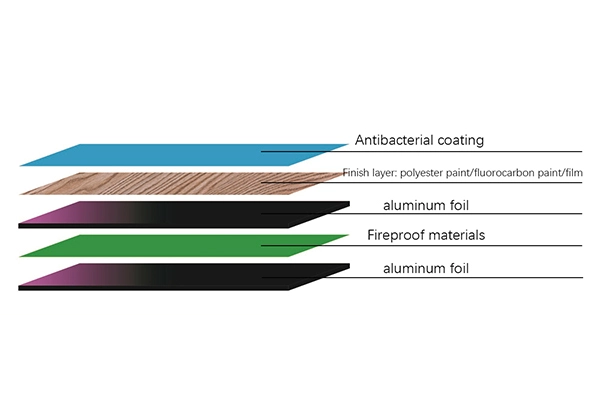
Continuous lamination uses controlled heat and pressure to bind layers together. This prevents layers from separating after years of usage. Quality control throughout manufacturing affects long-term performance. This is particularly true in stressful settings like industry or the seashore.
Types of Aluminum Composite Panels
Covering influences panel performance in various scenarios. Smooth, brilliant polyester-coated panels may be utilised inside where UV light isn't a concern. Other than that, pricing is reasonable. PVDF coatings can withstand weather and retain colour and shine for 15 years, according to AAMA 2605 specifications.
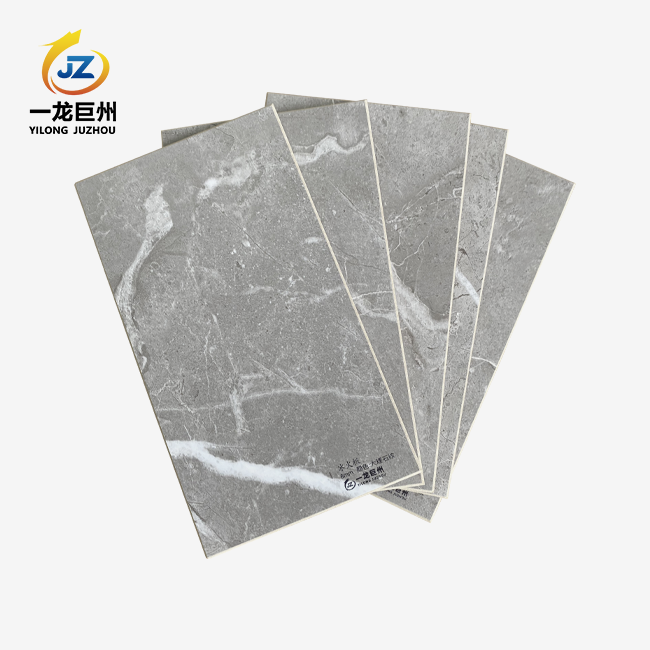
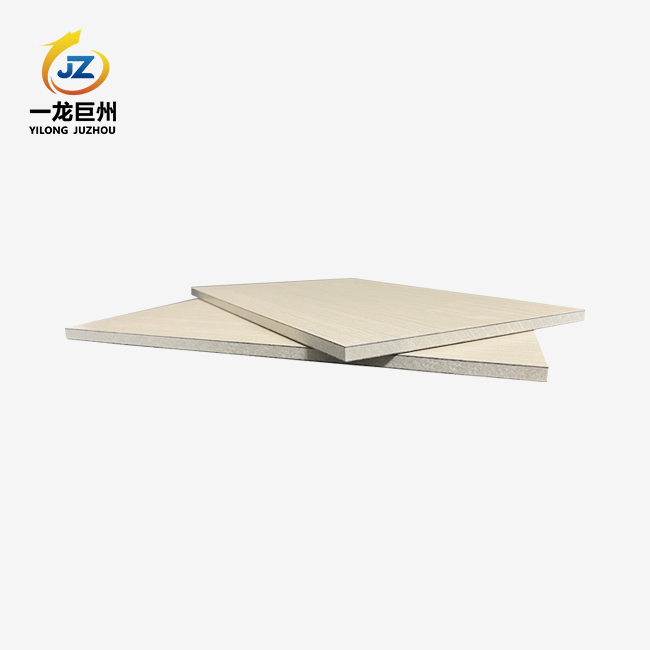
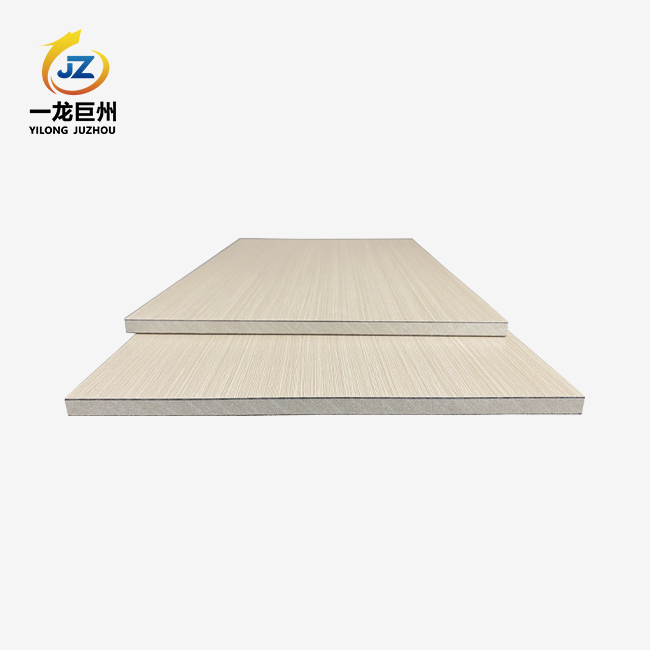
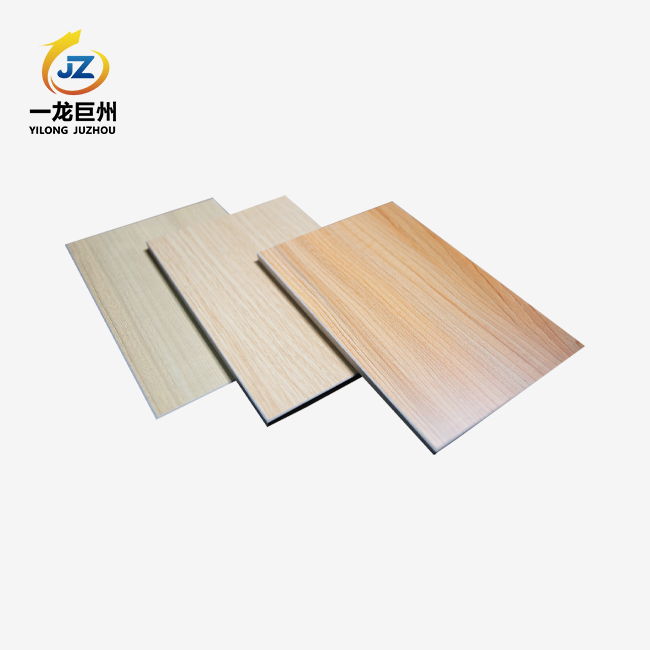
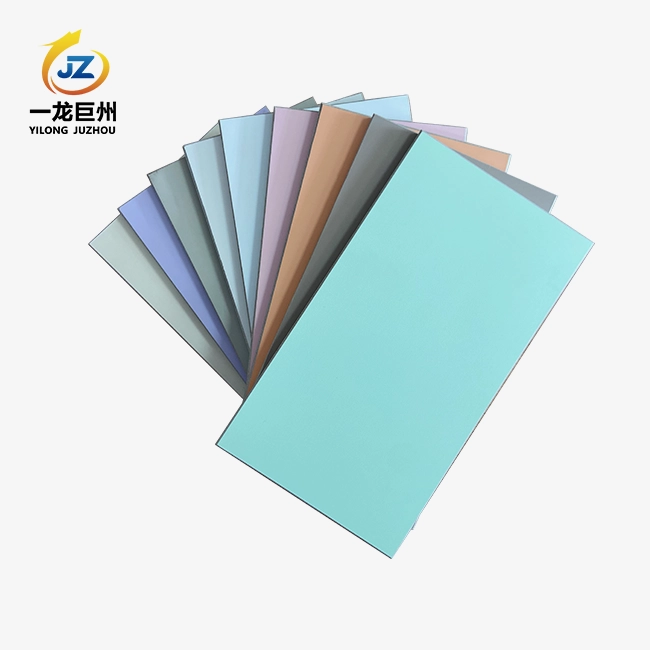
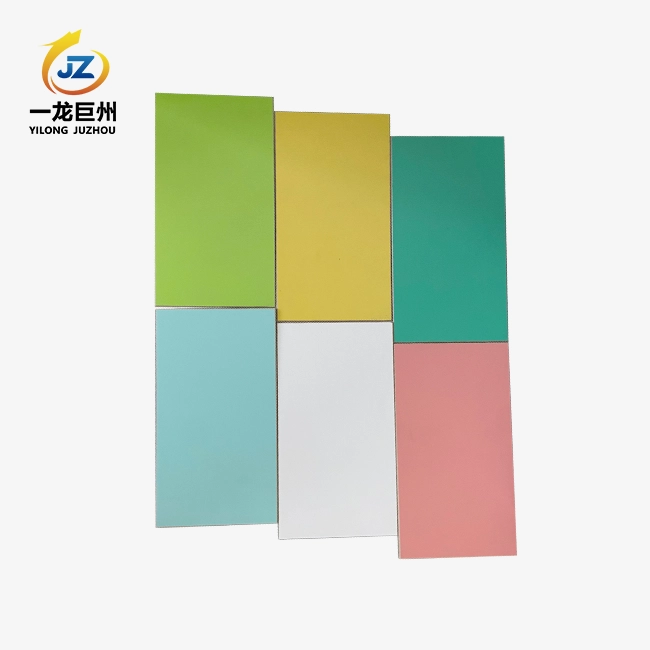
A2 Aluminium Composite Panel is unique for fire safety. Hospitals, subways, and towering structures are regulated. Because they feature hard materials on both sides of the metal skin, these panels comply. They are EN 13501 Class A2 fire-rated. Available in 1220mm, 1500mm, and 2000mm widths in 2mm to 6mm sizes. Change lengths on large operations to reduce waste. Surface options include simple colours, woodgrain designs, marble patterns, chrome finishes, and fabric textures. It may appear in several ways without sacrificing safety.
Key Technical Properties
Business project selection should consider performance metrics. Standard panels can withstand wind loads despite weighing 5–7 kilograms per square metre. This is much less than solid metal options. How to manage fire relies on core material. The best grade is A2, crucial for public buildings. Mineral-rich cores understand.
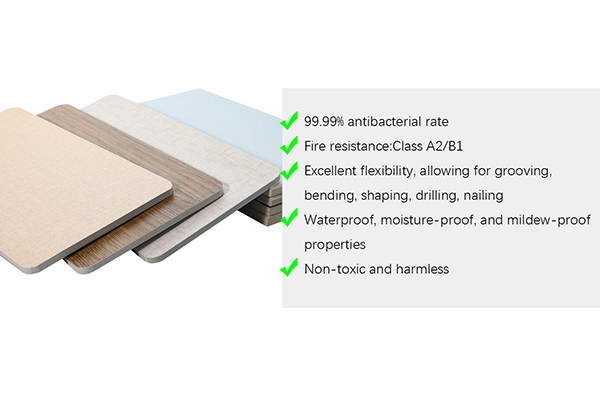
Durable means more than fire-safe. Panels prevent water and mould in water-prone areas. They retain their appearance and stability. Composites are flexible and may be shaped. Designers may utilise them for more than flat surfaces. These panels don't shatter whether drilled, nailed, or bent. This makes them simpler to fit and allows more complex designs.
Common Applications of Aluminum Composite Panels
Interior Wall Systems and Partitions
Aluminium Composite Panels are great for painting residential walls. They're utilised in hospital corridors, patient rooms, and operating areas since they're simple to clean and germ-free. For medical cleanliness, the panels keep water and moisture out, preventing mould growth.
Due to their durability and ease of cleaning, these panels are ideal for schools and universities. Halls and cafeterias are used daily, yet their finishes remain intact. This helps schools create comfortable, inviting courses. Office buildings utilise these plates to cover and separate equipment. They make dwellings seem trendy while satisfying building code fire safety requirements.
Subways, rail stations, and airports employ Aluminium Composite Panels because they're durable and low-maintenance. People constantly use these spaces, thus they require attractive materials that won't be damaged by cleaning equipment and rolling bags. The panels' heights may be adjusted, and their lengths can exceed 3 meters, reducing gaps and smoothing surfaces.
Specialized Commercial Environments
Aluminium Composite Panels can create unique interior landscapes in retail malls and conference spaces. The flexible material can be twisted to construct welcome desks, column coverings, and ceiling elements that make brands and locations stand out. Hotel rooms and medical beauty facilities seem luxurious with metal Aluminum Composite panel and marble finishes without the weight and expense of genuine stone.
Art galleries and stadiums benefit from the panels' ability to cover large spaces and look nice. No-odor, no-formaldehyde combination ensures indoor air quality meets environmental regulations. This protects small-town residents and workers. It's water- and pressure-resistant, so it looks fantastic in harsh situations. This benefits gyms and workout facilities.
Industrial and Cleanroom Applications
Pharmaceutical and food processing companies require clean, fire-resistant wall systems. Government-compliant setups use Aluminium Composite Panels with A2 fire ratings and clean surfaces. Washing panels typically doesn't impair their structure or surfaces since chemical cleansers don't affect them.
Fire safety is crucial while manufacturing tubes due to specific issues. Non-flammable Aluminium Composite Panels prevent fire and smoke from spreading. This protects exits. Their little weight makes subterranean construction simpler, yet they are sturdy enough for moist underground environments.
Signage and Branding Solutions
Because the panels are flat and even, printing and vinyl image attachment are straightforward. A dimensionally stable substance prevents picture warping, making advertising boards, traffic signs, and corporate logos seem attractive. These panels may be used for indoor or outdoor signage if the coating is weatherproof.
Why Choose Aluminum Composite Panels? Benefits & Advantages
Durability and Weather Resistance
The total cost of a job over the life of a building is directly related to how long the materials last. In coastal places, salt spray breaks down weak materials more quickly. But Aluminum Composite Panels don't rust, so they keep their good looks and structural stability. Walls won't fade or chalk because of UV-resistant coats, so the design will stay the same for decades.
The panel works just fine when the temperature goes from -50°C to +80°C. It is very important for things to be thermally stable in places where the seasons change a lot or where temperatures can vary, like on cave walls. Although the panels don't change much in temperature, most frame systems do. This means that there are no stress cracks where the panels are connected.
Lightweight Installation Advantages
Plans for building have changed a lot as materials have become lighter. It is about 40% lighter than a solid aluminum sheet of the same size, to have an Aluminum Composite Panel that is 4 mm thick. This lets work crews be smaller and crane time be shortened. Because of this, the structure doesn't have to hold as much weight, which could mean smaller support systems and lighter base loads.
The panels come already finished, so they don't need to be painted on-site, which takes time to dry. This speeds up the fitting process. Standard panels come in standard sizes, but they can also be made to fit the needs of a specific job. This avoids having to cut panels on the job site and wastes less material. Standard tools can be used to drill, nail, and bend panels instead of special ones because the material is easy to work with.
Fire Safety and Code Compliance
When building a business, the things used depend on what the rules say. The material doesn't catch fire, so it has an A2 fire rating. It also meets building codes for hospitals, schools, and high-rise buildings, where people's safety during escape is still very important. When there is a fire, fire-rated walls stop the smoke and flames from spreading. This saves important time.
Testing and acceptance by a third party give the plan the proof it needs to be checked and looked over. It is easier for projects to get accepted in more than one place when the panels meet foreign standards like EN 13501 and ASTM E84. Developers, builders, and workers working on public projects don't have to worry as much about being sued now that this performance has been accepted.
Design Flexibility and Aesthetic Range
Things like weight limits shouldn't stop architects from coming up with new ideas. When you paint surfaces on-site, they change color, but Aluminum Composite Panels stay the same color over many jobs. Brands that are custom-matched in color look like they belong together. Woodgrain and marble patterns look like real materials, but they are much lighter and cheaper.
They come in a lot of different surface finishes, from shiny metals to solid colors that don't reflect light. This means that they can be used with a lot of different design styles, from business modernism to warm hospitality. Artists can use more than just flat surfaces when they can bend metal Aluminum Composite panels into curves, columns, and other three-dimensional shapes. Walls and public spaces are more fun to touch when they have different textures, like patterns made of cloth.
Comparative Value Against Alternatives
When you look at products, you need to consider how much they cost to buy, how much it will cost to install, and how much they will cost to maintain over time. It costs more to use solid metal sheets because they need better support and cost more per square meter. People can't follow the rules when PVC walls aren't stiff enough or fireproof enough for business use.
After water damage, you need to paint, redo, and replace wood panels and standard drywall systems. These ongoing costs are taken care of by treatments performed at the plant and the panels' natural ability to resist water. The panels are strong, so they won't get broken while they're being put up or used. This saves money on fixes that are usually needed for weak materials.
How to Source and Procure Aluminum Composite Panels
Understanding Pricing Factors
There are several factors that affect how much products cost per square meter. A panel's price changes based on how wide it is. In order to cover more surface area, 4mm and 5mm panels cost more than 2mm and 3mm panels. Prices change a lot with surface coats. Like, PVDF finishes cost more than standard polyester finishes because they last longer in bad weather.
The price per unit changes based on how many orders there are. This is called economies of scale. For projects that need 10,000 square meters, prices are better than for small sets that only need a few hundred square meters. It may cost more for lead times for colors, styles, or sizes that aren't standard, but they meet project-specific needs that stock items can't.
The width and length parameters change the waste factors and the efficiency of production. In general, 1220 mm and 1500 mm widths work for most building sizes. For tall walls, 2000 mm widths cut down on the number of joins. Cutting and throwing away less on the job site is possible because the lengths can be changed. This could help cover the higher costs per square meter by saving money on work.
Evaluating Supplier Reliability
There are more factors than just price that affect how well a job turns out when you choose the right seller. Depending on how much money they make, sellers may or may not be able to stick to delivery plans for phased building timelines. When a company has more than one factory, like in Foshan and Shaanxi, it shows that they are big and have backup plans in case of supply problems.
Having a portfolio of certificates shows that you care about quality and safety. Getting ISO recognition means that the process is being managed, and getting environmental approvals like the China Environmental Protection Standards means that the stuff is being made in a good way. It is easier to ship goods when they have the CE mark on them, and buyers from other countries can be sure that the goods are safe.
The amount of professional help varies from provider to provider. Having access to engineering people who can help make specifications, give tips on how to fit things, and fix problems is more useful than just getting the goods to the customer. When questions come up during the buying or installing stages, they need to be answered quickly—usually within 24 hours—so the job stays on schedule.
Procurement Cycle Management
Most stock items have wait times of three to seven days, which is good for quick jobs and fixes that need to be done right away. Custom specifications mean that the time it takes to make something is longer, so it's important to buy early for projects that have due dates. Having 50,000 square meters of stock on hand lets companies meet immediate needs while special orders are being made.
In a way, minimum order amounts make sellers more efficient, but they also give buyers more freedom. When buying, teams know MOQs, and they can make better purchases or look for ways to share orders between steps of a project. Sample programs let you see how things work and give your approval before you place a full order. This lowers the chance that they won't meet your needs.
The total cost of shipping is affected by problems with logistics. You can choose the best way for your freight, which saves you money, because you can get to many ports, like those in Shenzhen, Guangzhou, Shanghai, and Qingdao. From Xi'an, Guangzhou, Shenzhen, and Foshan, it's easy to get to places in the countryside by land, which helps the business reach more people.
Conclusion
Aluminum Composite Panels are very adaptable and can be used in many different kinds of business, healthcare, industry, and school buildings. Modern building projects have a lot of different needs, and these are met by being light, strong, fire-safe, and easy to make. Aluminum Composite Panels are a reliable choice that has been used for decades in places like hospitals that need to meet strict cleanliness standards, transportation hubs that need to be strong against impact, and businesses that need to stand out visually. These A2 fire-rated versions meet high safety standards without losing style. You can also choose from different colors, surface patterns, thicknesses, and widths to make them fit your project perfectly. Because they are easy to set up and don't need much maintenance, these panels are a good choice for procurement workers who need to balance work needs, rules, and budgets.
Frequently Asked Questions
1. What distinguishes aluminum composite panels from solid aluminum sheets?
Panels made of Aluminum Composite Panels have a core material and two thin metal covers that are glued together. This makes them stiffer than solid pieces and lighter at the same time. Solid aluminum has to be bigger than other types of aluminum in order to be as stiff as they are. This makes it cost more and hold more weight. Since Aluminum Composite Panels don't bend as large metal pieces do, they stay flat, which is useful for building.
2. How do aluminum composite panels achieve fire resistance?
The bottoms of fire-rated Aluminum Composite Panels are filled with minerals that can't catch fire. These panels meet EN 13501 standards for Class A2 ratings. The core material keeps the flames from spreading and lowers the amount of smoke that fires make. Putting together parts properly after trying them is the only way to make sure the wall system will keep working well in case of fire, protecting people and property.
3. Can aluminum composite panels be recycled?
It is possible to recover Aluminum Composite Panels, but first, the metal skins need to be taken off the core materials. You can still use the metal to make new things because it is still useful. More people are interested in the cycle economy, which is why new recycling methods have been developed that are especially good at getting Aluminum Composite Panels back. These tools help to support building in a green way.
Connect with YILONG JUZHOU for Premium A2 Aluminum Composite Panels
YILONG JUZHOU stands ready to support your next commercial or institutional project with A2 fire-rated Aluminum Composite Panels manufactured at ISO and CE-certified facilities in Foshan and Shaanxi. Our extensive stock of 50,000 square meters ensures rapid fulfillment, while custom manufacturing capabilities deliver thicknesses from 2mm to 6mm, widths up to 2000mm, and unlimited length options with surface finishes spanning solid colors, woodgrain, marble patterns, and metallic textures. Request free samples within 3-5 days to evaluate quality before committing to full orders. We accommodate OEM and ODM requirements, providing design support and three-year quality guarantees. Production typically completes within 3-7 days, with expert teams responding to inquiries within 24 hours. Contact our Aluminum Composite Panel supplier team at cnyang2000114@gmail.com to discuss specifications, obtain competitive pricing, and access technical documentation supporting code compliance for your healthcare, transportation, commercial, or industrial building application.
References
1. Aluminum Association. (2021). Aluminum Composite Panels: Design and Construction Guidelines. Washington, DC: Aluminum Association Press.
2. Chen, L. & Wang, H. (2020). Fire Performance of Metal Composite Panels in High-Rise Buildings. Journal of Building Safety, 45(3), 127-145.
3. International Code Council. (2022). International Building Code Chapter 14: Exterior Walls. Country Club Hills, IL: ICC Publications.
4. Kumar, S. (2019). Lightweight Cladding Systems for Modern Architecture. Construction Materials Quarterly, 32(2), 88-102.
5. National Fire Protection Association. (2021). NFPA 285: Standard Fire Test Method for Evaluation of Fire Propagation Characteristics of Exterior Wall Assemblies. Quincy, MA: NFPA.
6. Zhang, Y., Liu, J., & Thompson, R. (2022). Durability and Weathering Performance of Coated Aluminum Panels. Materials Science in Construction, 18(4), 201-218.

Send Inquiry

Related Industry Knowledge
- What is an aluminum composite panel?
- PE Aluminum Composite Board Sheet: Sizes, Specs and Uses
- What are aluminum composite panels used for?
- Innovative Coated Aluminum Composite Panel Projects to Transform Your Space
- Where to buy aluminum composite panel?
- How to install an aluminum composite panel?
- What are the common issues faced during aluminum panel installation, and how to avoid them?
- How to cut an aluminum composite panel?
- The Rise of ACP Panels for Modern Kitchen Design
- Things to Know About Aluminium Composite Panels