
Medical Clean Board Features and Benefits Explained
July 2, 2026
Medical clean board is a construction composite panel designed for clean healthcare environments. A calcium silicate foundation and UV antibacterial paint or PVC film make medical clean boards distinct from wall panels. This provides it 99.99% antibacterial activity that actively inhibits infections. Hospitals, operating rooms, medication manufacturers, and food processing facilities need these screens to prevent pathogens from affecting patient safety and compliance.
What Is a Medical Clean Board and Why Is It Essential in Healthcare?

Understanding the Core Structure and Composition
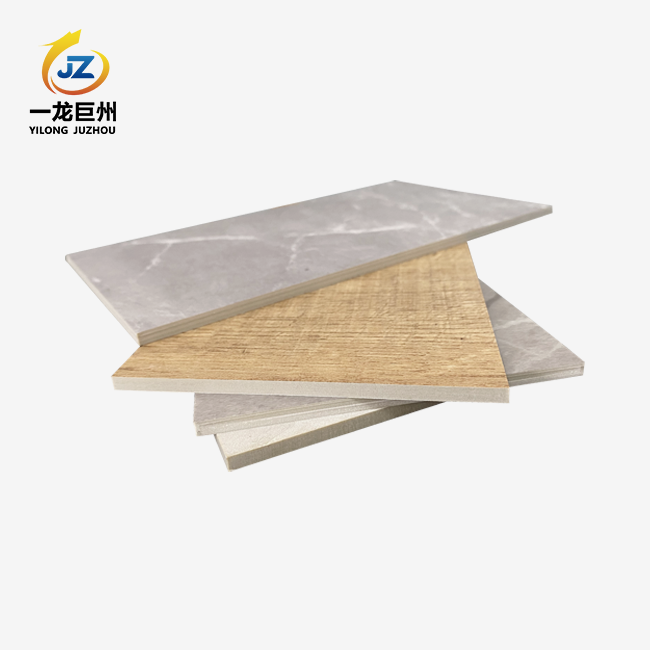
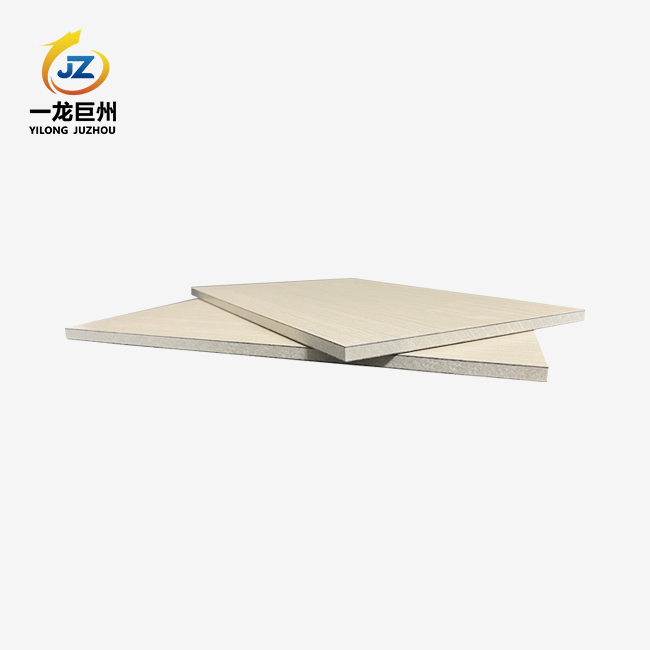
Famous material science is used to produce medical clean boards. High-density calcium silicate board, which has excellent size stability and water resistance, forms the basis. Gypsum and wood-based choices may mould or break down when repeatedly exposed to chemicals, but this artificial core doesn't. The top layer is UV-cured antimicrobial painting. The paint is fixed using UV radiation to create a thick protective coating. This drying procedure removes installation-related volatile organic compounds. Buildings may be utilised immediately without the off-gassing delay of standard paint techniques.
These plates come in 4.5 mm to 20 mm widths to fulfil various structural demands. The standard width is 1220mm, and lengths may reach 3050mm with fewer seams. This capacity to modify sizes helps when repairing or developing new structures since fewer joints equal fewer pollution sources.
Antibacterial Performance That Exceeds Industry Standards
Evidence suggests wall bacteria may be hazardous in healthcare. Environmental surfaces are always secondary transmission sites in hospital-acquired disease investigations. Silver-ion technology and photocatalytic layers on a certified medical clean board prevent this vulnerability. It kills more than 99.99% of Escherichia coli and Staphylococcus aureus over time, according to ISO 22196 criteria. Because the antibacterial agents become part of the surface matrix rather than merely on the surface, this performance lasts the life of the panel.
Fire Safety and Structural Integrity
Healthcare purchases must include fire protection. These panels have GB8624 non-combustible Class A, the highest fire safety grade. In combustion testing, the calcium silicate base does not ignite flames or produce hazardous smoke, which is vital while evacuating patients. It offers passive fire protection and helps compartmentalise buildings at temperatures exceeding 1000°C by maintaining its form.
In medical environments with high foot traffic, impact resistance solves another practical problem. Equipment collisions, bed strikes, and cart impacts are common in hospital halls. The sturdy composition of medical clean boards absorbs these stresses, preventing cracking, denting, and repeated repairs. This durability reduces maintenance and replacement expenses compared to plasterboard or ceramic tile.
Benefits of Medical Clean Boards for Healthcare Facilities

Infection Control Through Surface Engineering
Hospitals are always under pressure to cut down on hospital-acquired infections, which affect about one in 31 hospital patients every day, according to CDC monitoring statistics. Sometimes wall surfaces make this problem worse by letting bacteria grow or being hard to clean completely. The medical clean board's non-porous surface stops water from absorbing, so they don't create damp conditions where germs can grow. Even after being cleaned with strong disinfectants like quaternary ammonium compounds, sodium hypochlorite solutions, or gaseous hydrogen peroxide, these surfaces don't break down, peel, or change color.
In healthcare settings, painted walls need to be redone every three to five years. This is because regular chemical cleaning wears down paint finishes. The UV-cured surface of medical clean boards exhibits better chemical resistance and can survive daily disinfection procedures for 15 to 20 years without refinishing. This makes the facility last longer, which cuts down on downtime and the risk of infection that comes with renovations happening in healthcare areas that are already being used.
Moisture Management in Critical Environments
Even with controlled humidity in operating rooms, sterile processing areas, and pharmaceutical production zones, wall systems must handle condensation and wet cleaning. With water absorption rates below 10%, medical clean wall boards remain highly moisture-resistant. Their low water uptake prevents mold growth beneath the surface, a common problem with gypsum-based walls in damp locations or areas subject to steam cleaning. Anti-mildew properties are particularly beneficial in mechanical rooms, laundry areas, and basements, where moisture management typically requires extensive engineering solutions.
Installation Efficiency and Facility Uptime
When building or remodeling a healthcare facility, there are special rules that must be followed. Facilities that are already occupied can't handle longer building periods or processes that make dust and volatile chemicals. A dry, modular technique is used to place medical clean boards, which takes these issues into account. Panels are cut to order at the workshop, which cuts down on the work that needs to be done on-site. Trained teams can quickly cover walls with the quick pressure strip installation method, which is often 40–50% faster than similar tile installations. Because there is no grouting, long drying times, or multiple paint coats, areas next to the building site can keep working while it is being built. The UV-cured surface doesn't give off any smells or chemicals after installation, so it can be lived in right away.
How to Choose the Best Medical Clean Board for Your Facility
Assessing Clinical Requirements and Usage Intensity
Before making a purchase choice, the surroundings should be carefully looked at. The most effective antibacterials, total moisture impermeability, and surfaces that can handle daily terminal cleaning procedures are all things that operating rooms and intensive care units need. These areas call for higher-end medical clean board specs like 10–12 mm bigger boards and more advanced coating systems. Lighter-duty specs (5–6 mm thickness) may be able to be used in patient rooms and office areas while still meeting hygiene standards. This will help the facility save money overall.
Think about the traffic trends and the chances of a collision. Collisions happen a lot along the walls of corridors next to equipment storage areas, so panels with better impact protection are needed. In places where equipment is installed, like nurse call systems, monitors, or gas outlets, panels that are 12 mm or thicker are better because they provide stable mounting areas without the need for extra backing boards.
Customization Options for Design Integration
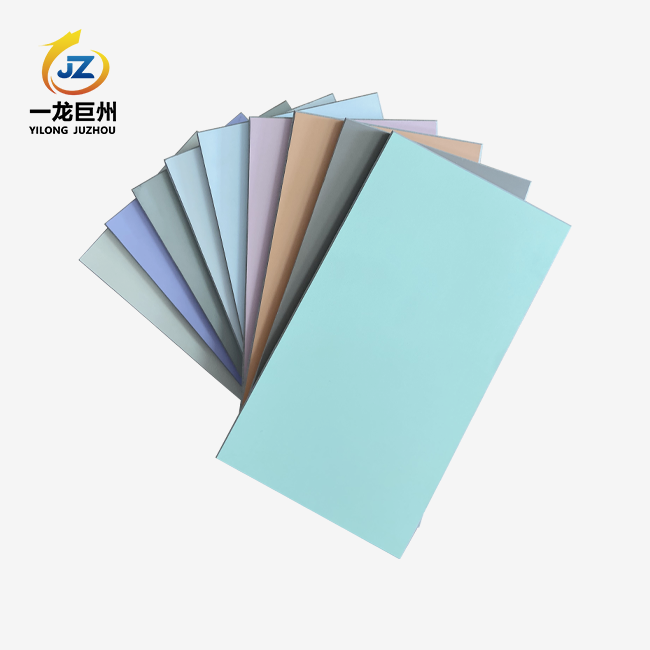
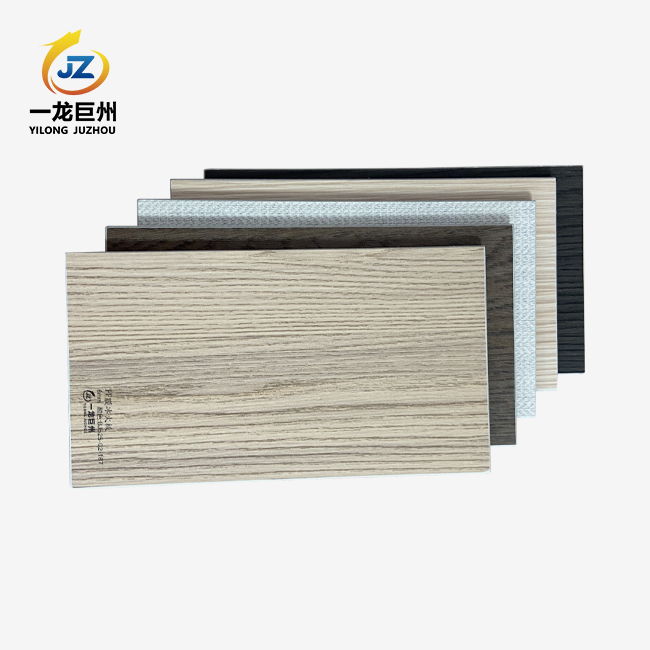
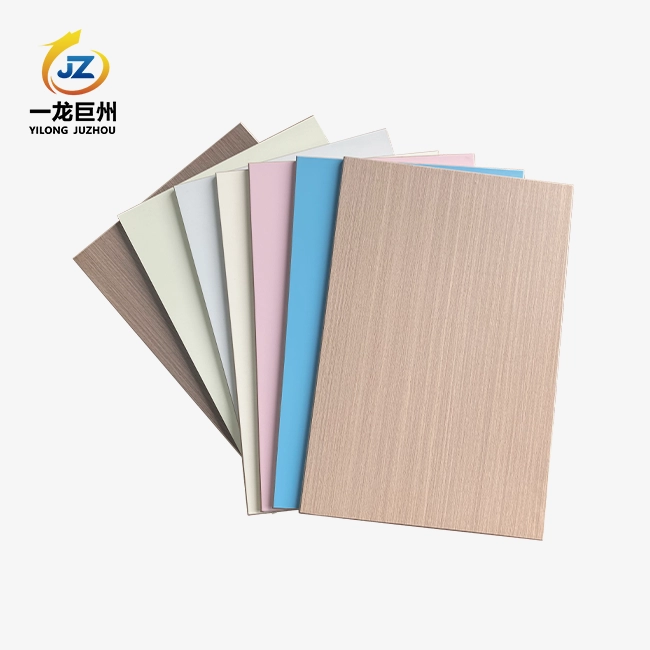
More and more healthcare settings are realizing that both professional efficiency and customer experience are important. Modern medical clean boards can handle both of these priorities by being highly customizable. Manufacturers offer more than just plain colors. They also offer woodgrain finishes, marble designs, metallic looks, and cloth textures. With these choices, designers can make patient rooms that feel like homes while still meeting professional hygiene standards. This process uses UV light to make exact copies of the patterns, so they stay clear and won't fade or yellow like regular artistic laminates do.
Customizing the size cuts down on waste and makes fitting better. Panels can be cut to exact sizes in the plant, so they don't have to be cut in the field, which can make dust and make edge binding less reliable. This accuracy is especially useful for renovation jobs where non-standard measurements are caused by current building parts.
Evaluating Supplier Capabilities and Support Infrastructure
Choosing the right provider is just as important for long-term success as choosing the right goods. Manufacturers who are qualified should be able to show that they have ISO approval, detailed test paperwork, and well-established quality management systems. The ability to give away free samples lets people try out cleaning methods, surface roughness, and color accuracy before committing to large orders. Healthcare systems that want to standardize specs across multiple sites or create their own design standards can benefit from suppliers that offer both OEM and ODM services.
Inventory and production ability have a direct effect on project timelines. Large projects can be completed without having to wait for long lead times if manufacturers keep a lot of stock (50,000m² or more). With production times of 3–7 days, project scheduling can be flexible. When you buy something from another country, where it is located matters. Manufacturers with various production bases can lower shipping costs and offer expert help in different areas. Being close to important seaports (Shenzhen, Guangzhou, Shanghai, and Qingdao) and land transportation hubs makes it easier for North American goods to get to their destinations.
Maintenance and Cleaning Methods for Medical Clean Boards
Establishing Effective Cleaning Protocols
To maintain the antibacterial properties of a medical clean interior wall panel, it’s essential to follow the manufacturer’s cleaning instructions. These surfaces can withstand frequent cleaning with hospital-grade disinfectants, but optimal results depend on proper technique. Wipe panels daily with cotton or microfiber cloths dampened with neutral pH cleaners or diluted quaternary ammonium compounds. This removes dirt and organic matter that could reduce the effectiveness of the antibacterial agents embedded in the panel surface.
More strict rules need to be followed for terminal cleaning between patients or after contamination events. Disinfectants that are listed with the EPA, such as cleaners that use hydrogen peroxide or sodium hypochlorite liquids (500–1000 ppm), are good at getting rid of pathogen populations. The surface that was fixed by UV light can handle these oxidizing agents without breaking down like painted walls do. Enough touch time (usually 1 to 10 minutes, based on the disinfectant) kills all pathogens. After surfaces have been cleaned, they should be rinsed with clean water to keep dust from building up and wearing down the finish over time.
Preventing Common Surface Damage
Even though medical clean boards are very durable, there are things that can be done to make them last longer. You should stay away from rough cleaners like silica or pumice because using them over and over can microscopically scratch the surface, making it a place where bacteria could grow. The protective layer is also damaged by steel wool or abrasive tools. Using color-coded cloth systems keeps surfaces from getting dirty and protects them.
Surgical prep treatments with iodine can sometimes leave stains near scrub sinks in the operating room. If you act quickly, you can avoid lasting discoloration; alcohol wipes work well to clear fresh iodine stains. Because UV decorative panels don't change color when they're cleaned and disinfected for years, they won't yellow or change color like other materials do.
Long-term Performance Monitoring
Healthcare centers should set up regular review schedules to check how well wall systems are working. Visual inspections show any flaking coatings, contact damage, or broken joint seals that need fixing. Taking care of small problems right away stops wetness from getting in and damaging the base. Most good medical cleaning board makers offer warranties that last for three years. This gives you peace of mind, but regular maintenance will keep your board working well for a lot longer than the warranty time. Facilities say that panels can last 15 to 20 years if they are properly maintained. This is a much longer life span than vinyl wall covering or fiberglass-reinforced panels.
Trusted Medical Clean Board Manufacturers and Procurement Solutions
Why Manufacturing Expertise Matters
There are a lot of providers in the medical cleaning board market, but their production capabilities vary a lot. Well-known companies run specialized factories with controlled processes that make sure that each batch is the same. This method is used by Shaanxi Yilong Juzhou Material Technology Co., Ltd., which has factories in both Shaanxi and Guangdong provinces. This approach of having two sites gives you backup production and the ability to serve both domestic and foreign markets from different locations. Facilities in high-tech industrial zones have access to modern manufacturing tools and a skilled technical staff, both of which have a direct effect on the quality of the products they make.
Getting ISO approval and China Environmental Protection Standard approval shows that you care about quality management and the environment. For these certificates to be valid, production methods must be regularly checked by a third party to make sure they meet international standards for quality, traceability, and environmental impact. The CE mark shows that the product meets European safety standards, which makes it easier to sell in countries with strict import rules.
Advantages of Direct Manufacturer Relationships
There are several strategic benefits to working directly with manufacturers instead of going through middlemen. It's easier to get technical help; engineering teams can look over project specs, suggest the best panel setups, and fix problems that come up during installation. Customization options grow when you talk directly with production centers that can change the factors of production to fit the needs of a specific project. By getting rid of distributor markups, pricing structures usually give better value. This is especially important for large-volume institutional buying.
Having samples available speeds up the decision-making process. Reputable makers offer free samples and quick shipping (usually 3–5 days), which lets buying teams test the products in real life. Physical samples allow for practical testing, such as making sure that certain cleaning methods don't damage finishing, checking the accuracy of colors in different lighting conditions, and checking the surface smoothness for use in patient rooms.
Logistics and Delivery Considerations
When buying things from other countries, the logistics can be tricky, but experienced makers know how to handle them well. With ports in Shenzhen, Guangzhou, Shanghai, and Qingdao, you can choose the best shipping methods and prices for your needs. When manufacturers know about export paperwork, customs processes, and foreign packaging standards, they can cut down on delays and damage during shipping. Expertise in filling containers makes sure that the most space is used, which lowers the cost of shipping big orders per unit.
For foreign projects to work, responsive contact is a must. Suppliers that offer 24-hour reaction times show that they care about their customers in all time zones. This responsiveness is important when project deadlines require quick choices or when installation teams run into problems in the field that need input from the maker. Design and construction technical services are the link between what is specified and how it is put into action. This is especially helpful when local workers don't have much experience with healthcare wall systems.
Conclusion
Medical clean board provides important performance features that healthcare facilities, drug companies, and specialized manufacturing areas need. Multiple facility management problems can be solved by a single building material that has antibacterial surfaces, fire protection, wetness management, and longevity. When buying something, people should weigh the original cost against how well it works over its entire life. They should think about things like how well it works with cleaning protocols, how customizable it is, and how well the supplier's support system works. Buying good medical clean boards is an investment that pays off because they last longer, need less upkeep, and help keep infections under control.
FAQ
1. What distinguishes medical clean boards from standard wall panels?
The medical clean board has special features that aren't found in other building materials. The calcium silicate base is better at keeping water out than gypsum board, and the UV-cured antibacterial coating on the surface stops germs from growing. Standard painting walls are not antibacterial and break down quickly when cleaned with chemicals, which is what is needed in healthcare situations. Medical clean boards stand out from competing materials due to their non-flammability and pressure resistance.
2. How frequently should healthcare facilities clean these surfaces?
How often something needs to be cleaned varies depending on the surroundings and the need to prevent infections. Usually, the rooms for patients need to be cleaned every day, and the operating rooms need to be cleaned at the end of each treatment. Surfaces that get a lot of use near nurse stations may need to be cleaned more than once a shift. Because medical clean boards are long-lasting, they can handle these frequent cleaning plans without losing any performance.
3. Can manufacturers customize panels for specific project requirements?
Customization is one of the best things about working with well-known makers. In addition to customizing the size, facilities can also ask for colors to fit building standards, a choice of decorative patterns, and special edge treatments to make installations look like they are one piece. OEM and ODM services help healthcare systems create uniform requirements for all of their facilities.
Partner With YILONG JUZHOU for Your Medical Clean Board Supply Needs
YILONG JUZHOU adds specialized production knowledge to the process of buying healthcare wall systems. Our two factories, one in Shaanxi and one in Guangdong, keep a large store (50,000m²) and fast production cycles (3–7 days), which can help with both emergency repairs and planned building plans. We offer a wide range of technical services, such as planning advice and help with installation, and we stand behind the quality of our work for three years. People who are in charge of healthcare facilities, buying teams for building projects, and foreign distributors looking for a reliable medical clean board manufacturer will find quick service and consistent quality. Email our team at cnyang2000114@gmail.com to talk about the details of your project, get free samples, or look into OEM customization choices that fit the needs of your building.
References
1. Smith, R.A. & Johnson, P.K. (2021). Antimicrobial Building Materials in Healthcare Environments: Performance Standards and Testing Protocols. Journal of Healthcare Engineering, Vol. 2021.
2. Centers for Disease Control and Prevention. (2023). Healthcare-Associated Infections: Environmental Surface Contamination and Control Strategies. CDC National Healthcare Safety Network.
3. Anderson, T.M. (2022). Fire Safety in Healthcare Facilities: Material Selection and Building Code Compliance. National Fire Protection Association Technical Reference.
4. Williams, D.L. & Chen, H. (2020). Moisture Management in Clinical Spaces: Wall System Performance Under High-Humidity Conditions. Building Science Review, Vol. 15, Issue 3.
5. Healthcare Facilities Management Association. (2023). Life Cycle Cost Analysis: Wall Finish Systems in Hospital Construction and Renovation. HFMA Capital Planning Guidelines.
6. Zhang, Y. & Patterson, M. (2022). UV-Cured Coatings for Healthcare Applications: Durability and Chemical Resistance Testing. Journal of Protective Coatings and Linings, Vol. 39, No. 4.

Send Inquiry


Related Industry Knowledge
- PE Aluminum Composite Board Sheet: Sizes, Specs and Uses
- Medical Clean Board Features and Benefits Explained
- Top 10 Tips for Working with Aluminum Composite Material Panels
- Using Calcium Silicate Aluminum Composite Boards in Industrial Insulation Projects
- What are aluminum composite panels used for?
- What is the difference between an aluminum composite panel and an aluminum sheet?
- How to cut an aluminum composite panel?
- The Rise of ACP Panels for Modern Kitchen Design
- Things to Know About Aluminium Composite Panels
- How to Choose the Best Medical Clean Board