
Using Calcium Silicate Aluminum Composite Boards in Industrial Insulation Projects
June 30, 2026
When fire safety, structural stability, and long-term durability are all important for commercial projects, Calcium silicate aluminum composite board is a good choice. This designed panel has an aluminum face and a calcium silicate core that can't catch fire. This makes a hybrid material that fixes the problems with regular insulation goods. Unlike regular aluminum composite panels with flammable cores or gypsum alternatives that expand and contract when exposed to moisture, these boards stay stable in high-humidity areas and meet Class A1 fire rating standards. This makes them very useful in tunnels, pharmaceutical facilities, and high-rise curtain wall applications.
Understanding Calcium Silicate Aluminum Composite Boards
What Makes This Material Different
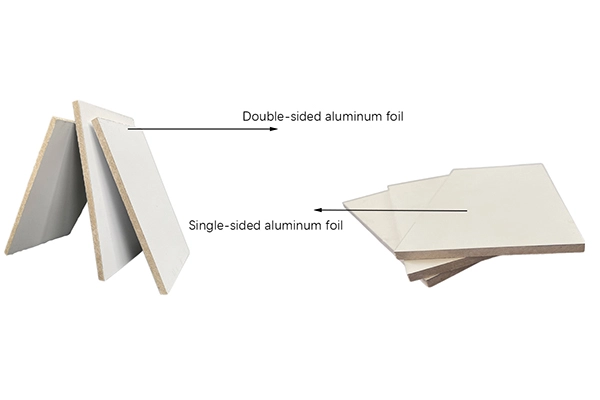
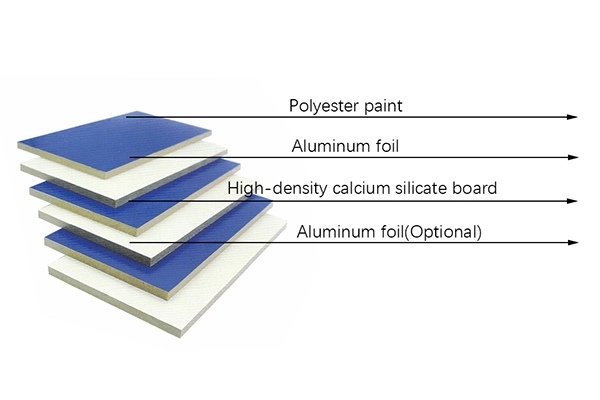
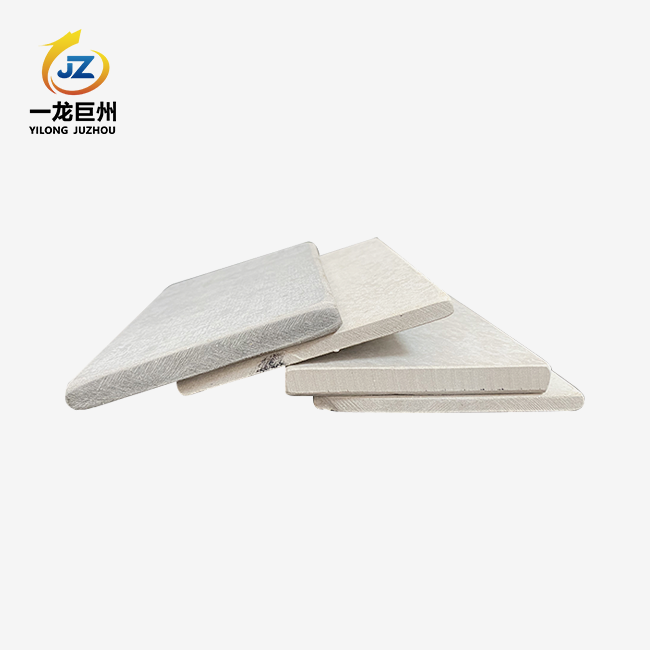
The work that went into making these screens shows how material science has changed over the years. The Calcium silicate aluminum composite board core is created by drying the Tobermorite under high pressure in an autoclave. This is where siliceous and calcareous materials combine to make a stable crystal structure. This process makes a hard, non-living material that can withstand temperatures up to 1000°C without breaking down. The metal skins that are attached to one or both sides protect against mechanical damage and bad weather. The thickness of the skins can be adjusted from 0.1mm to 0.5mm to meet the needs of the application.
This composite is unique because it can mix traits that are at odds with each other. Calcium silicate by itself can be fragile, but the addition of aluminum makes it stronger than 14 MPa. The metal face also stops water from getting in, making a barrier that can't be broken through. This keeps the core dry even when it's wet outside. This two-layer design is what makes these panels reliable in underground transit systems, where regular plywood would fall apart in months.
Core Performance Characteristics
The material gives real benefits in a number of performance areas. The thermal conductivity is about 0.2 to 0.3 W/m·K, which makes the building shell more efficient without the need for extra insulation. The density is usually between 1.3 and 1.6 g/cm³, and for 6mm thick panels, it blocks out about 30dB of sound. When the right glue technologies are used, the peel strength between aluminum and silicate is higher than 10 N/mm. This makes sure that the structure doesn't delaminate during its design life.
The most important rule is how fire behaves. Polymer-core composites melt and release harmful smoke, but the artificial makeup meets the Class A1 standards for not catching fire set by EN 13501-1 and GB 8624. When exposed to fire, the material doesn't add fuel or drip trash that could spread the flames to lower floors. This kind of passive fire protection is required in high-rise buildings that are too high for ladder trucks to reach and in confined spaces like train stops where smoke poisoning presents immediate threats to life and safety.
Available Specifications and Customization
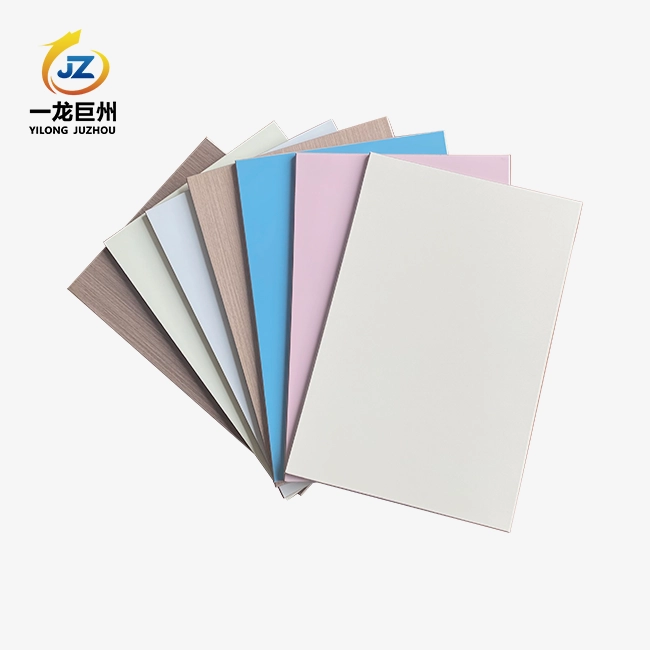
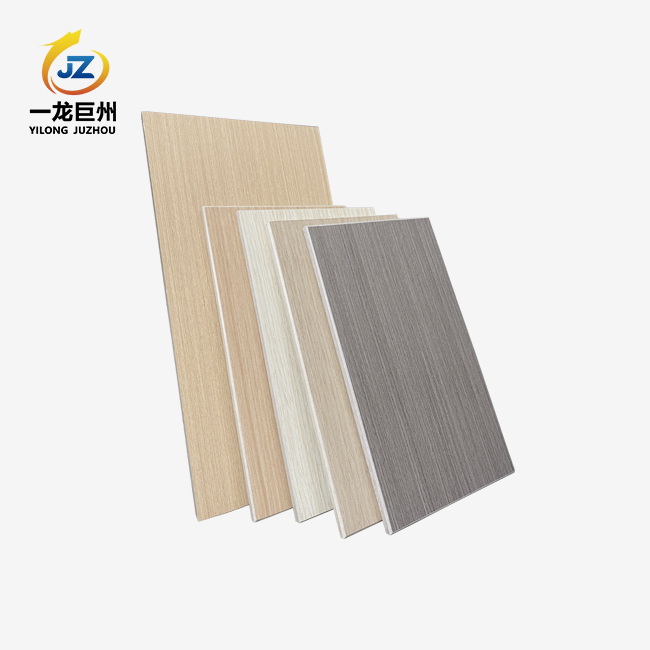
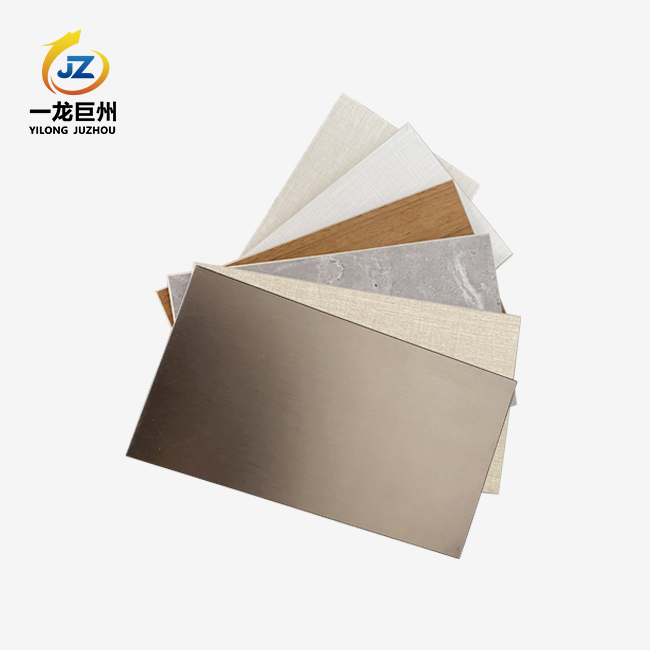
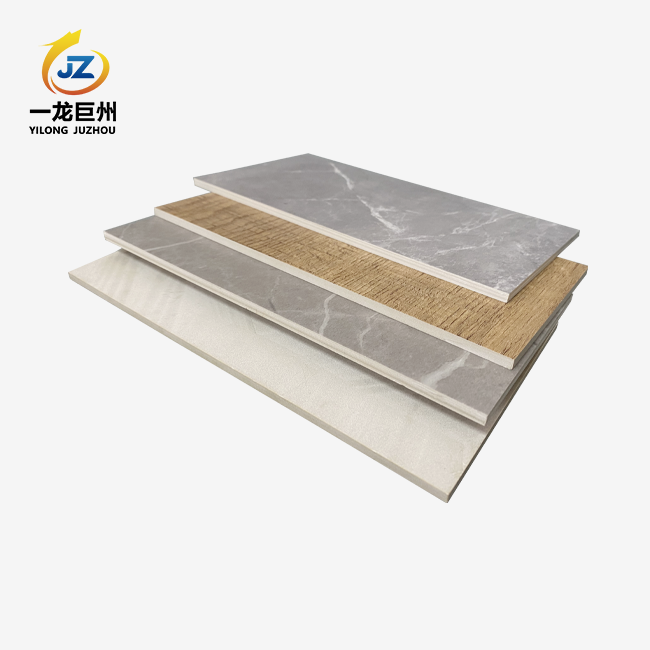
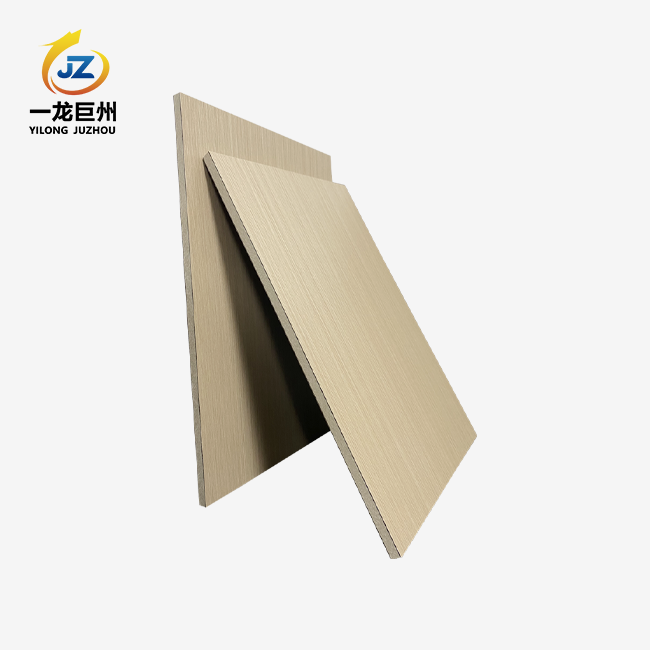
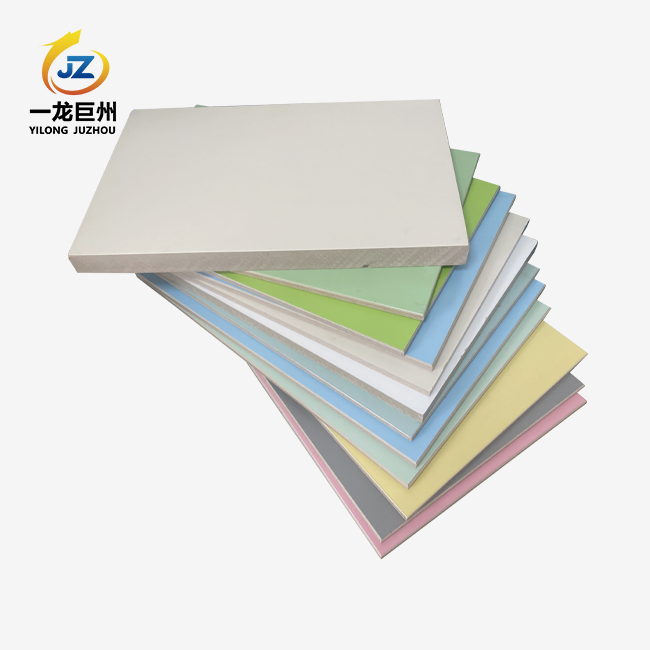
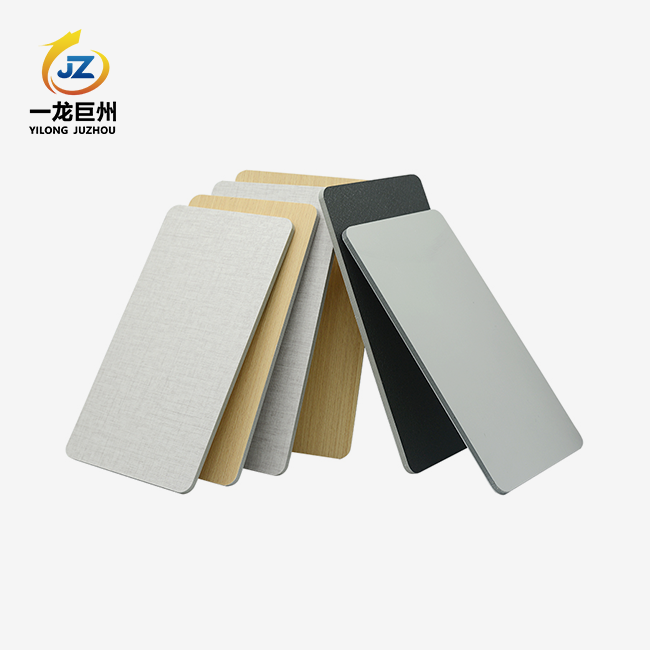
Standard panel sizes from manufacturers are 1220 mm wide and 2440 mm long. For projects that need fewer horizontal joints, the highest height available is 3050 mm. The thickness ranges from 4.5 mm to 20 mm, so builders can meet the needs of the structure without defining too much material weight. Polyester paint, PET film, PVC film, and PP film finishes can be used to treat the surface. These finishes come in plain colors, woodgrain patterns, marble textures, metallic finishes, and cloth designs that match the style of the building.
The tailoring goes beyond how it looks. Panels can be made with mounting holes already drilled, sides that are routed for smooth jointing systems, or curved shapes for wrapping around columns. Because the material is easy to work with, normal woodworking tools can be used to cut, drill, and attach panels without the need for special tools. This makes installation easier on the job site. This adaptability is helpful for dealing with changing situations on the job site or making last-minute changes to the plan while the building is going on.
Comparing Calcium Silicate Aluminum Composite Boards with Other Insulation Materials
Performance Against Traditional Aluminum Composite Panels
For decades, standard aluminum alloy panels with polyethylene cores ruled the facade market because they were cheap and easy to make. But terrible building fires showed how weak they were, which led to changes in the law that favor non-combustible materials. Calcium silicate aluminum composite board completely gets rid of this fire risk while keeping the same easy fitting methods and wide range of looks.
In exchange, the weight goes up a little, and the cost of materials goes up a little. A 6mm Calcium silicate aluminum composite panel is about 30% heavier than a similar PE-core panel, so it needs stronger methods for fixing. Still, this extra mass makes it more resistant to wind loads and impacts, which lowers the cost of long-term upkeep. When you look at the total cost of ownership, which includes insurance fees, changes to meet new standards, and replacements, the Calcium silicate aluminum composite panel option is usually the cheaper choice for projects that will last 30 years.
Advantages Over Gypsum and Fiber Cement Systems
Gypsum board is still the most common material used for interior walls in business buildings, but it doesn't work well in damp places. Over time, even formulations that are resistant to water absorption allow mold to grow, causing dimensions to swell and eventually structural failure. Fiber cement boards are better at keeping out water, but they are also very fragile and need to be handled carefully to keep the edges from breaking while they are being moved and put up.
When it comes to wet conditions, the calcium silicate aluminum composite board is superior. The metal skin completely blocks out vapor, and the core that has been treated with heat keeps its shape even when it is completely buried. This makes them perfect for places that process food and need to wash their hands every day, or for pharmaceutical cleanrooms that need to follow high-pressure cleaning procedures. The mechanical strength also lowers the chance of breaking during shipping and installation, which cuts down on the 15-20% of fiber cement goods that end up in landfills.
Long-Term Value Proposition
Calcium silicate aluminum composite board usually has higher initial material costs than gypsum systems by 40 to 60 percent, which can cause problems when budgets are being looked over. But procurement teams that look at the total cost of ownership see big savings in the number of repair rounds, the amount of energy used, and the cost of fire insurance. Because the material doesn't absorb water, it doesn't need to be replaced every 8 to 10 years like gypsum walls might need to be in wet places.
Studies using energy modeling show that the low heat conductivity lowers the load on HVAC systems in climate-controlled spaces. The cost of cooling was cut by 12% in a pharmaceutical plant case study in the southeast of the United States after Calcium silicate aluminum composite boards were added to gypsum walls in temperature-sensitive production areas. When you add in the fact that the material will last 25 to 30 years and doesn't need much upkeep, the return on investment makes it hard for building managers to choose between capital expenditure and operating efficiency.
Selecting the Right Calcium Silicate Aluminum Composite Board for Your Project
Technical Specifications That Matter
When engineers look at material datasheets, they should focus on three performance measures. The Calcium silicate aluminum composite board approval has to match the building rules in the area, whether that means ASTM E84 Class A ratings in North America or EN 13501-1 ratings in Europe. When there are long gaps that aren't supported, flexural strength is very important because movement could ruin the look or even put people in danger. Thermal conductivity has a direct effect on energy modeling formulas and tells us if we need to add more insulation layers.
Certification and Compliance Considerations
For projects in North America, products usually need to show that they meet ASTM standards, UL listings, and maybe even LEED certification for green building points. The lack of formaldehyde, VOC emissions, and asbestos material meets the standards for green buildings and supports the health goals of the people who live or work in the building. With ISO 9001 quality control approval, you can be sure that the manufacturing process is uniform, which means that there is less variation from batch to batch that could affect fitting tolerances or finish quality.
Environmental Product Declarations (EPDs) are becoming standard rules for public building projects. They list the environmental effects of a product over its whole life, from getting the raw materials to throwing them away at the end of their useful life. Materials that can be recycled easily or have a high amount of bio-based content are given more weight in purchase score systems. Calcium silicate aluminum composite boards are good because they have an inorganic makeup that lets them be crushed and used again as gravel, though recycling systems vary a lot from place to place.
Supplier Evaluation Criteria
Project risk can be lowered by working with manufacturers that offer expert help during the specification and installation stages. Suppliers should send test samples of their materials so that teams can make sure that the colors match, the placement methods work, and the materials are compatible with other building systems before committing to a full purchase. When building in stages, lead times are important because late supplies of materials can cause the project to be extended, which costs a lot of money.
Shaanxi Yilong Juzhou Material Technology has two factories in China's Shaanxi and Guangdong provinces. They keep 50,000m² of goods on hand to help with quick shipping. Their 3- to 7-day production cycle for custom orders and 24-hour reaction time for technical questions take away some of the most annoying parts of foreign buying. Free samples can be sent within 3–5 days, which speeds up the decision-making process during the design development stages. OEM and ODM capabilities allow for project-specific needs that normal catalog goods can't meet.
Installation and Maintenance Best Practices
Pre-Installation Planning
A careful examination of the substrate is the first step to a successful fitting. As long as the tolerances are met (usually ±3mm over 2 meters), the fixing surface must be flat and provide enough structural support. Uneven surfaces need furring systems or shim changes to make a true plane. This keeps the panel from warping or distorting, which could put stress on the fastener connections. Even though the screen itself doesn't let water through, moisture barriers and vapor retarders should be placed based on the temperature zone.
Thermal expansion problems are less likely to happen if panels are exposed to the site conditions for 24 to 48 hours before they are installed. Even though Calcium silicate aluminum composite boards have lower expansion coefficients than pure metal panels, changes in temperature between where they are stored and where they are installed can still affect their stability. Putting materials on display in the installation zone helps them settle and lowers the chance that joint gaps will show up after the building is finished.
Fastening and Joining Methods
For most uses, mechanical locking is still the best way to connect things. Self-tapping screws with EPDM washers make links that are weathertight while still letting the panel move a little during heat cycles. The distance between fasteners is usually between 300 and 400 mm along the sides and between 400 and 600 mm in the field. This can change depending on the wind load estimates and the thickness of the panel. When you tighten something too much, you crush the Calcium silicate aluminum composite board core. This lowers the pull-out strength of the fastening and creates stress concentrations.
Jointing methods have a big effect on how things look and how well they stand up to the weather. When you combine open-joint designs with sunken profiles, you get shadow lines that hide small fitting errors while also letting water drain away. To get a uniform look and long-lasting adhesion, joints sealed with silicone or polyurethane seals need to be carefully prepared and tooling. H-channels and trim shapes let heat move through the material while hiding cut edges that would normally show core material.
Maintenance Protocols for Extended Service Life
Every 24 months, regular checks find new problems before they get worse and cost a lot to fix. Some of the things that are looked for are fastener rust, sealant degradation, surface coating chalking, and any signs of impact damage or delamination. Protective corner guards that soak up impact and keep panel edges from getting damaged are useful in high-traffic areas where carts or other equipment are likely to collide.
How to clean a surface depends on how it was finished. Pressure washing up to 2000 PSI won't damage PVDF-coated panels, but film-laminated surfaces need to be cleaned more gently with pH-neutral soaps and soft brushes. The protective aluminum oxide layer that stops rust stays in place when you don't use harsh cleaners. In places like pharmacies and food processing plants where chemicals are used to kill germs, making sure the cleaner is safe for the panel finishes keeps the coating from failing too soon.
Conclusion
In industrial insulation situations where fire safety, moisture resistance, and structural stability all come together, A1 aluminum composite board offers quantifiable performance benefits. The material's Class A1 fire rating, ability to maintain its shape, and resistance to weather damage all make it better than other options in important ways. Even though the original prices of materials are higher than those of commodity goods, estimates of the lifecycle value that take into account maintenance cycles, energy efficiency, and regulatory compliance show that the economic benefits are strong. As building rules get stricter and people expect more from sustainable products, these engineered walls give procurement professionals a solid option that has been tested and shown to work well in tough conditions.
Frequently Asked Questions
1. What thickness should I specify for industrial wall applications?
The width of the panel is chosen based on the needs of the structure and the fire rating length. 6–8 mm panels are stiff enough and block out enough noise for normal internal partitions in offices and other public buildings. 10–12 mm choices are better for industrial buildings that get hit by material handling equipment because they are more resistant to damage. For exterior curtain wall uses, the minimum thickness needed to resist wind loads without bending is usually 8 to 10 mm. Talk to structure experts to make sure that the thickness fits with the distances between fasteners, the spans, and the fire resistance grades required by the local code.
2. How does this material perform in extremely humid or corrosive environments?
The aluminum skin makes a shield that stops water from getting through to the Calcium silicate aluminum composite board core. In contrast to gypsum-based options that swell and crumble, the core itself doesn't break down even when it's fully wet. Using marine-grade aluminum alloys or protection coats can make things last a lot longer in environments that are corrosive and contain chlorides or industrial chemicals. These panels work well in areas that get washed down every day in food processing plants and chemical plants, where stainless steel or FRP would normally be used.
3. Can I install these panels using standard carpentry crews?
Installing doesn't require any special training beyond knowing how to use mechanical fastening systems and the right way to apply sealer. Standard circular saw blades with carbide tips cut panels neatly, but you should use dust collection tools to keep the particles under control. Pre-drilling pilot holes before inserting the bolt keeps the core from breaking and makes sure the right pressure values are used. Most builders can make the switch without any problems if they have experience with drywall or fiber cement. However, reading the manufacturer's installation instructions can help you avoid common mistakes with thermal expansion and edge detail execution.
Partner with YILONG JUZHOU for Your Next Industrial Insulation Project
Choosing the right Calcium silicate aluminum composite board supplier has a direct effect on how long a job takes, how consistent the materials are, and how well they work in the long run. With production sites in Shaanxi and Guangdong provinces and access to ports in Shenzhen, Guangzhou, Shanghai, and Qingdao, YILONG JUZHOU has been making things for over ten years and works on industrial and business projects all over the world. Our certificates, such as ISO, CE, and China Environmental Protection Standards compliance, make sure that the products we use meet strict foreign standards.
We know that buying processes need to be flexible. Our 50,000m² inventory allows for quick delivery. Standard production takes 3–7 days, and sample customization is provided in 3–5 days to speed up the specification process. When you have questions about installation, speed, or special sizing, our technical support teams get back to you within 24 hours. During all stages of a project, our engineering staff works together, whether you need OEM partnerships for special finishes or design help to make the best use of panel plans. Get in touch with us at cnyang2000114@gmail.com to talk about your industrial insulation needs with a reputable Calcium silicate aluminum composite board maker that is dedicated to providing high-quality materials that last for decades of tough use.
References
1. Wakili, K.G., Binder, B., Zimmermann, M., & Tanner, C. (2018). "Thermal Performance and Durability Assessment of Calcium Silicate Composite Panels in Building Applications." Journal of Building Physics, Vol. 42(3), pp. 287-304.
2. Zhang, Y., Wang, L., & Chen, H. (2020). "Fire Resistance and Mechanical Properties of Aluminum-Faced Calcium Silicate Boards for Industrial Construction." Construction and Building Materials, Vol. 251, Article 118945.
3. National Fire Protection Association. (2021). "NFPA 285: Standard Fire Test Method for Evaluation of Fire Propagation Characteristics of Exterior Wall Assemblies Containing Combustible Components." Quincy, MA: NFPA Publications.
4. European Committee for Standardization. (2019). "EN 13501-1: Fire Classification of Construction Products and Building Elements – Part 1: Classification Using Data from Reaction to Fire Tests." Brussels: CEN Publishing.
5. Huang, R., Li, X., & Thompson, M. (2022). "Life Cycle Assessment of Non-Combustible Cladding Systems in High-Rise Building Envelopes." Building and Environment, Vol. 215, Article 108964.
6. American Society for Testing and Materials. (2020). "ASTM C656: Standard Specification for Reinforced Calcium Silicate Board for Interior Use." West Conshohocken, PA: ASTM International.

Send Inquiry
Related Industry Knowledge
- Exploring Modern Aluminum Composite Panel Innovations
- Calcium Silicate Aluminum Composite Board vs Traditional ACP Panels: Key Differences
- How to spray paint on aluminum composite panels
- What is the difference between an aluminum composite panel and an aluminum sheet?
- Where to buy aluminum composite panel?
- Print on Aluminum Composite Panel: A Modern Twist on Traditional Wall Art
- Antibacterial wall panel medical rigid sheet wall protection
- What are the common issues faced during aluminum panel installation, and how to avoid them?
- The Rise of ACP Panels for Modern Kitchen Design
- How to Choose the Best Medical Clean Board