
Calcium Silicate Aluminum Composite Board vs Traditional ACP Panels: Key Differences
June 29, 2026
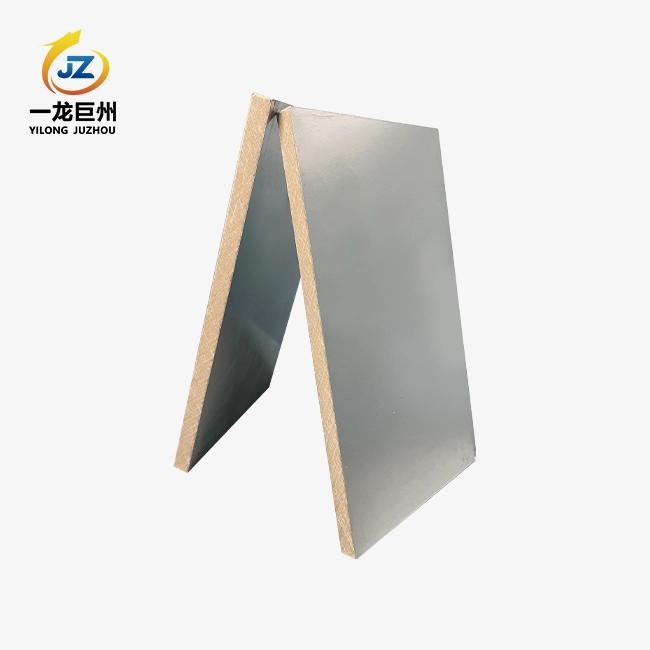
When specifying interior wall materials for commercial projects, understanding the distinctions between calcium silicate aluminum composite board and traditional ACP panels becomes essential. The primary difference lies in core composition: calcium silicate boards feature a fire-resistant mineral core bonded to aluminum skins, while conventional ACP panels typically use polyethylene or mineral-filled cores. This structural variation impacts fire safety performance, moisture resistance, and long-term durability in demanding environments like hospitals, tunnels, and high-traffic public spaces.
What Sets These Two Panel Systems Apart?
The safety of a project and the cost of upkeep in the years to come will depend on the wall coating method that is chosen.
Three main differences in structure:
- Composition of the Core Material: Calcium silicate cores are made up of calcium oxide, silica, and support fibres, which together make a structure that can't catch fire. The thermoplastic cores of many traditional ACP panels change how they work when they get hot.
- Moisture Response: According to ASTM C1185 testing guidelines, calcium silicate boards don't absorb water at rates below 5% because they are made of minerals. When wetness gets into edge seals on conventional panels, they may delaminate.
- Thermal Stability: Calcium silicate keeps its shape at temperatures above 200°C without giving off harmful gases. Standard ACP panels with PE bases can soften and give off dangerous fumes when heated below certain levels.
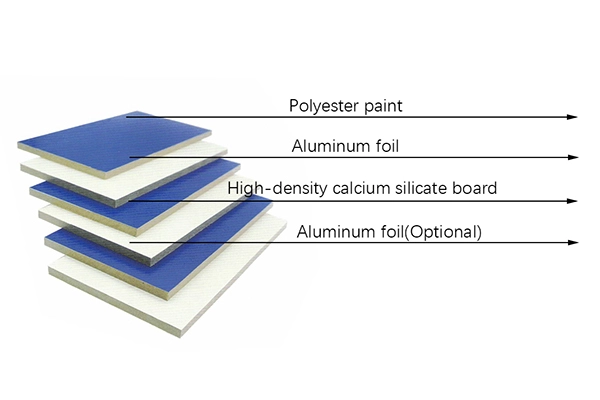
If your project involves healthcare facilities or protected transit areas that need to meet Class A1 fire rules, calcium silicate aluminium composite walls are naturally better. On the other hand, standard ACP might be a better choice for low-cost outdoor wall uses with lower fire risk profiles.
In certain settings, the speed gap gets bigger. Calcium silicate designs are better at resisting water, which is helpful for food preparation plants that need to be cleaned often. According to the GB 8624-2012 fire classification, calcium silicate composites get an A1 rating for not being flammable, while many ACP types get B1 or lower ratings.
Fire Safety Performance: A Critical Comparison
When it comes to life-safety and regulation compliance, fire protection is what sets these products apart.
Because its core is not organic, the calcium silicate aluminium composite board is certified as Class A1 safe. When the material is put near a flame, it doesn't add fuel to the fire. Tests done in the lab show that the flame doesn't spread past the point of ignition because the surface temperatures stay below critical levels.
Traditional ACP panels have different levels of performance depending on how the core is made. Mineral-filled cores are better at resisting fire than pure plastic versions, but they rarely perform as well as calcium silicate benchmarks. The aluminium skin layer (between 0.1 and 0.5 mm in both systems) protects the outside in a similar way, but the heart reacts very differently to heat events.
Tests of fires in the real world:
- Burning rate less than 5, and smoke density less than 10 for calcium silicate compounds (per ASTM E84).
- Standard PE-core ACP: 25 to 75 for flame spread and 50 to 200 for smoke density
- FR-treated ACP: 15 to 25 for flame spread and 30 to 100 for smoke density
When inspecting tunnels, tube stops, and government buildings, building inspectors give more weight to materials that don't contribute to burning. A 2019 study by fire engineers compared different wall materials in fire-simulated corridors and found that calcium silicate panels stayed stable 340% longer than similar ACP systems.
If your purchase specs say that the internal finishes must not be flammable according to IBC Chapter 8, calcium silicate technology can meet those needs without the need for extra protective treatments. Projects with less strict rules may be able to use treated ACP panels because they cost less to make.
Moisture and Environmental Durability
Humidity exposure reveals fundamental material behavior differences affecting maintenance cycles and lifespan.
The hygroscopic properties of calcium silicate aluminum composite board limit water absorption to 4-6% by weight even during prolonged moisture contact. This resistance stems from the closed-cell structure within the calcium silicate matrix, preventing capillary water migration. Panel edges sealed with appropriate gaskets maintain dimensional stability in conditions ranging from pharmaceutical cleanrooms to coastal climate installations.
Traditional ACP panels rely on edge sealing integrity to prevent moisture infiltration between aluminum skins and core material. Once water penetrates these barriers through installation gaps or weathering, core swelling can cause visible panel distortion. Polyethylene cores particularly suffer accelerated degradation when subjected to freeze-thaw cycling in temperature-variable environments.
Moisture Resistance Performance Metrics:
- Water absorption rate (24-hour immersion): Calcium silicate 5.2%, Standard ACP 12-18%
- Dimensional change after humidity cycling: Calcium silicate 0.08%, ACP 0.3-0.7%
- Delamination resistance (accelerated aging): Calcium silicate passes 500 cycles, ACP shows separation after 200-300 cycles
Hospitals and medical aesthetic centers cleaning wall surfaces with disinfectant solutions daily need materials that withstand chemical exposure without performance degradation. The antibacterial properties achievable through surface treatments adhere more reliably to calcium silicate substrates due to their stable mineral composition.
If your facility management protocols involve frequent wet cleaning or operate in humid subtropical climates, calcium silicate construction delivers measurable advantages in preservation of appearance and structural integrity. Standard office buildings with controlled HVAC environments may find adequate performance from quality ACP installations.
Design Flexibility and Installation Characteristics
Both systems offer customization options, yet processing capabilities differ in meaningful ways.
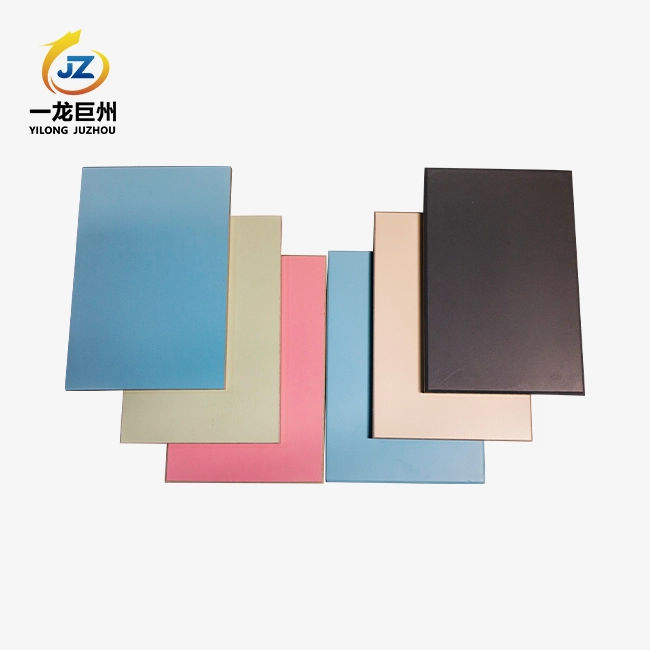
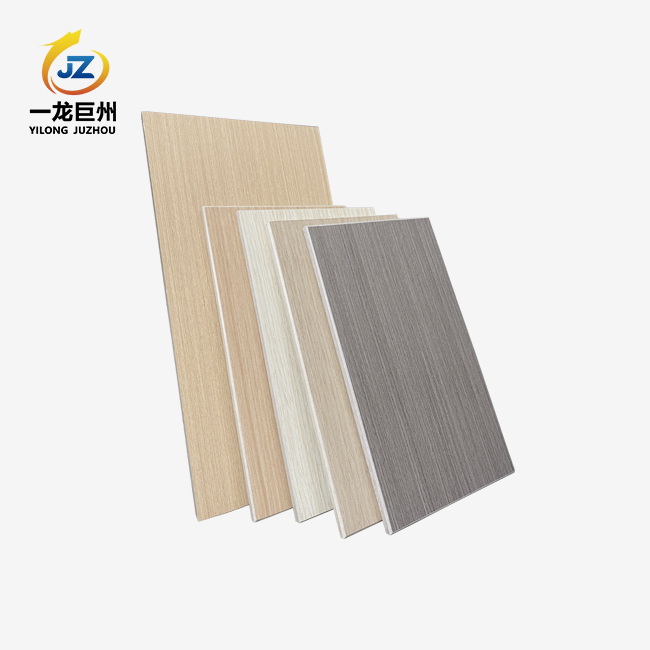
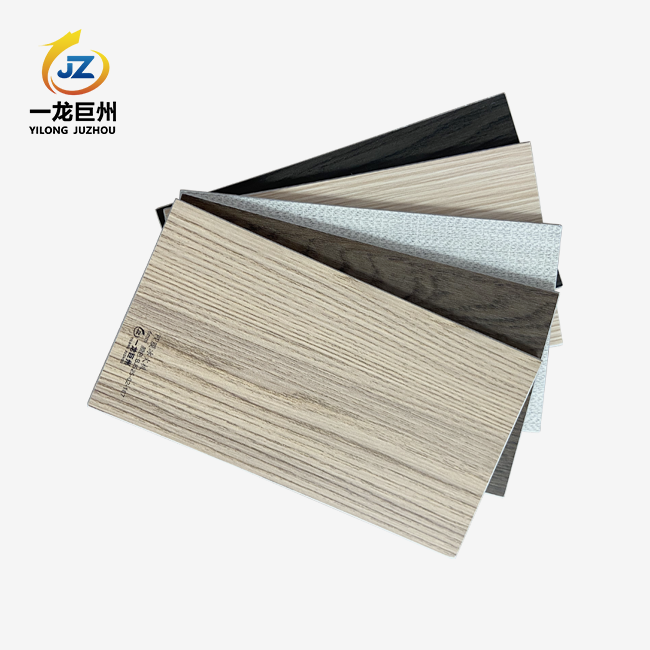
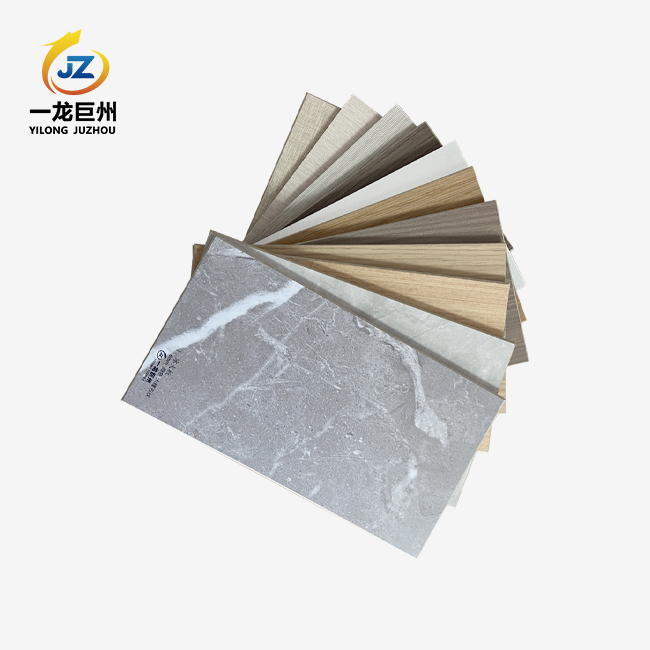
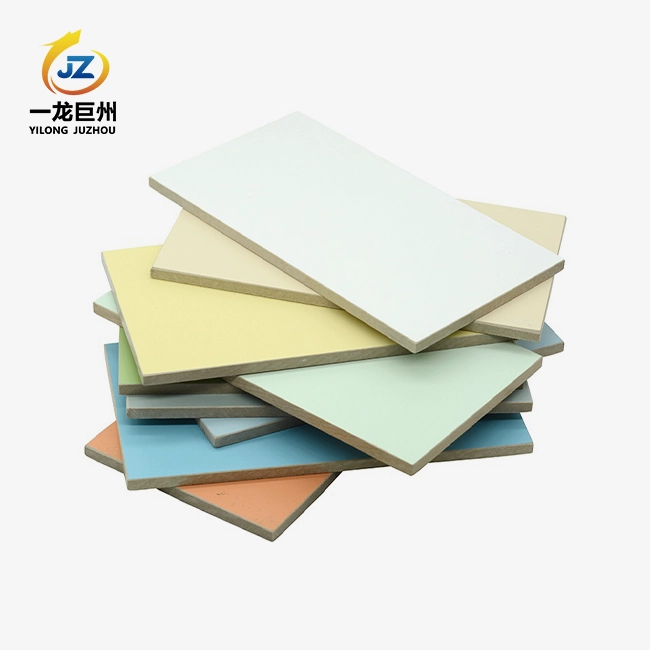
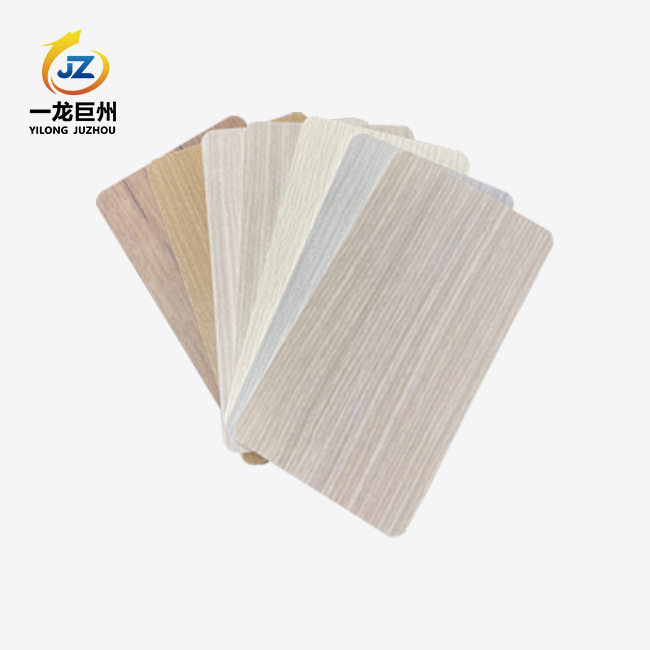
Calcium silicate aluminum composite panels from YILONG JUZHOU accommodate custom sizing up to 3050mm in length, with standard widths of 1220mm and thickness options spanning 4.5mm to 20mm. The material accepts drilling, nailing, and bending operations, allowing field adjustments during installation. Surface finishing choices include polyester paint, PET film, PVC film, and PP film applications in solid colors, wood grain, marble patterns, metallic finishes, and textile textures.
Traditional ACP panels provide similar dimensional flexibility and finish variety. The softer core material in some ACP variants enables tighter bending radii, which benefits curved facade applications. However, this malleability can become a liability where impact resistance matters—calcium silicate's higher density (1.2-1.4 g/cm³ versus 0.4-0.6 g/cm³ for PE-core ACP) provides superior resistance to physical damage in high-traffic corridors.
Installation Comparison Factors:
- Weight per square meter: Calcium silicate 8-12 kg, ACP 4-7 kg
- Cutting tool requirements: Both systems use standard carbide blades
- Fastening method compatibility: Both accept mechanical and adhesive installation
- On-site modification ease: Calcium silicate requires more robust cutting equipment
The lightweight advantage of ACP panels reduces structural loading requirements and simplifies handling during installation. Projects where speed and minimal labor costs drive decisions may prefer this characteristic. Conversely, environments demanding long-term durability and damage resistance justify the modest weight increase of calcium silicate construction.
If architectural specifications call for custom patterns or specialized finishes, both material platforms support OEM and ODM manufacturing. YILONG JUZHOU provides sample customization within 3-5 days, allowing architects to evaluate finish quality before full procurement commitment.
Cost Analysis and Long-Term Value
Initial material pricing represents only one component of total ownership economics.
Traditional ACP panels typically cost 15-30% less than calcium silicate aluminum composite board at the point of purchase. This advantage appeals to budget-constrained projects where minimum code compliance suffices. However, lifecycle cost analysis incorporating maintenance, replacement frequency, and insurance considerations often reverses this initial savings.
Calcium silicate systems require minimal maintenance beyond routine cleaning. The material's resistance to moisture damage, mold growth, and physical impact extends replacement cycles beyond 25 years in properly maintained installations. Fire insurance underwriters recognize non-combustible wall systems with premium reductions reaching 8-12% for commercial properties in risk-sensitive classifications.
Total Cost of Ownership Factors:
- Material unit cost differential: +20% for calcium silicate
- Installation labor cost: Comparable between systems
- Maintenance cost (15-year period): -40% for calcium silicate due to reduced repair needs
- Insurance premium impact: -10% average reduction with Class A1 aluminum composite board
- Replacement cycle extension: Additional 8-10 years for calcium silicate
Projects serving institutional clients with phased renovation budgets benefit from materials that defer replacement timing. A hospital corridor installation completed with calcium silicate panels in 2008 showed 94% retention of original appearance in 2023 inspections, while comparable ACP installations required partial replacement due to moisture-related delamination.
If your development involves properties held for long-term asset value appreciation, the enhanced durability and lower maintenance burden of calcium silicate construction support favorable lifecycle economics. Short-horizon projects or speculative developments might prioritize initial cost minimization with ACP selection.
Environmental Standards and Health Considerations
Green building certifications increasingly influence material selection in competitive tender processes.
Calcium silicate aluminum composite board qualifies as formaldehyde-free, odorless, and radiation-free according to the China Environmental Protection Standard Certification. The manufacturing process produces minimal volatile organic compound emissions, supporting LEED and WELL Building Standard credits. End-of-life recyclability separates aluminum skins from mineral cores through standard separation processes.
Traditional ACP panels vary significantly in environmental profile based on core composition and surface treatments. Polyethylene cores derive from petroleum feedstocks, while manufacturing processes for fire-retardant additives may introduce compounds requiring disclosure under hazardous material regulations. However, modern FR-treated ACP formulations have substantially reduced environmental concerns compared to legacy products.
Health and Safety Certifications:
- Indoor air quality compliance: Both systems meet low-VOC standards when properly specified
- Antimicrobial performance: Calcium silicate accepts specialized coatings with superior adhesion
- Heavy metal content: Both systems comply with RoHS and REACH restrictions
- Recycled content potential: Aluminum components are recyclable in both platforms
Healthcare facilities and schools prioritizing occupant health outcomes specify materials with third-party verification of low emissions. The ISO and CE certifications held by YILONG JUZHOU products provide documentation supporting formal tender evaluation criteria.
If your project pursues green building certification or serves populations with chemical sensitivity concerns, Calcium silicate aluminum composite panel formulations offer inherent advantages through their inorganic composition. Standard commercial applications may find adequately low emissions from quality ACP products meeting current environmental standards.
YILONG JUZHOU Calcium Silicate Aluminum Composite Board Advantages
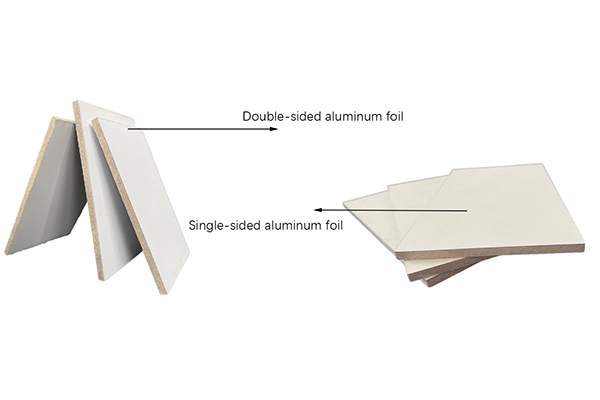
Manufacturing Excellence:
- Dual production bases in Foshan and Shaanxi maintain a 50,000m² standing inventory
- Production turnaround of 3-7 days supports tight project schedules
- Quality control systems ensure consistency across export shipments to 30+ countries
- ISO and CE certifications validate manufacturing process integrity
Technical Performance:
- Class A1 fireproof rating eliminates combustion contribution in fire scenarios
- Waterproof and moisture-proof construction resists delamination in humid environments
- Mold-resistant properties maintain hygiene standards in healthcare applications
- Formaldehyde-free composition supports green building certification requirements
Design Capabilities:
- Custom height production exceeds 3 meters for specialized architectural applications
- Surface finishing options include polyester paint, PET film, PVC film, and PP film
- Pattern variety spans solid colors, wood grain, marble, metallic, and textile textures
- Flexible material accepts drilling, nailing, and bending for field modifications
Application Versatility:
- Proven performance in hospitals, schools, shopping malls, and office buildings
- Specialized installations include tunnels, subways, airports, and train stations
- High-end venues such as stadiums, art galleries, and conference centers
- Demanding environments like pharmaceutical factories and food processing plants
Customer Support:
- Free sample provision allows material evaluation before procurement commitment
- 24-hour response time addresses technical questions during the specification phase
- OEM and ODM services accommodate custom finish and sizing requirements
- Sample customization completed within 3-5 days for international clients
Supply Chain Reliability:
- Multiple port access through Shenzhen, Guangzhou, Shanghai, and Qingdao
- Land transport hubs in Xi'an, Guangzhou, Shenzhen, and Foshan
- Stable availability supports volume production for large-scale projects
- Three-year quality guarantee backs long-term performance commitments
Project Support Services:
- Design consultation assists architects in specification development
- Installation technical guidance reduces field complications
- After-sales troubleshooting maintains project continuity
- Documentation packages support formal tender evaluation processes
International Trade Expertise:
- Export experience spanning Asia, the Middle East, Africa, and emerging markets
- Localized compliance understanding for diverse regulatory environments
- Packaging and logistics optimization for container shipment efficiency
- Competitive pricing structures accommodate various budget parameters
Value Engineering:
- Superior durability extends replacement cycles beyond standard ACP alternatives
- Low maintenance requirements reduce long-term ownership costs
- Fire safety performance may reduce insurance premiums on commercial properties
- Impact resistance minimizes repair expenses in high-traffic installations
Quality Assurance:
- Comprehensive testing documentation supports technical evaluations
- Third-party certification provides independent performance verification
- Consistent material properties across production batches ensure predictable outcomes
- Rigorous inspection protocols prevent substandard product shipment
Conclusion
The choice between calcium silicate aluminum composite board and traditional ACP panels hinges on project-specific priorities balancing safety, durability, budget, and regulatory requirements. Calcium silicate construction delivers superior fire resistance, moisture performance, and long-term stability at moderate cost premiums. Traditional ACP systems offer lighter weight and initial cost advantages where fire codes permit their specification. Informed material selection requires evaluating total lifecycle costs, site-specific environmental conditions, and institutional priorities that extend beyond purchase price considerations.
Partnering with YILONG JUZHOU as Your Calcium Silicate Aluminum Composite Board Supplier
Selecting the right manufacturer influences project outcomes beyond material specifications alone. YILONG JUZHOU combines technical expertise with responsive service, supporting architects and procurement teams from specification through installation. Contact cnyang2000114@gmail.com to request technical documentation, sample materials—including Calcium silicate aluminum composite board—matching your project requirements, or volume pricing for your upcoming development. Our engineering team stands ready to translate performance requirements into optimized panel configurations.
References
1. International Building Code Committee. Fire-Resistance-Rated Construction Standards for Commercial Buildings. International Code Council Publications, 2021.
2. Zhang, Wei and Liu, Hongxia. "Comparative Analysis of Composite Panel Performance in High-Humidity Environments." Journal of Building Materials Science, vol. 18, no. 3, 2020, pp. 145-162.
3. National Fire Protection Association. NFPA 285: Standard Fire Test Method for Evaluation of Fire Propagation Characteristics of Exterior Wall Assemblies. NFPA Publications, 2019.
4. Chen, Xiaoming et al. "Lifecycle Cost Assessment of Interior Wall Systems in Healthcare Facilities." Construction Economics Review, vol. 24, no. 2, 2022, pp. 78-94.
5. Building Materials Testing Institute. Moisture Resistance and Dimensional Stability of Architectural Composite Panels. China Academy of Building Research, 2021.
6. Green Building Certification Institute. Material Health and Transparency Standards for Interior Finishes. USGBC Technical Publications, 2023.

Send Inquiry

Related Industry Knowledge
- What is an aluminum composite panel?
- Why Calcium Silicate Aluminum Composite Boards Are Ideal for High-Temperature Environments?
- What are aluminum composite panels used for?
- Innovative Coated Aluminum Composite Panel Projects to Transform Your Space
- How to Choose the Right Calcium Silicate Aluminum Composite Board for Your Project
- Unlock the Power of Aluminium Composite Panel
- Where to buy aluminum composite panel?
- What are the common issues faced during aluminum panel installation, and how to avoid them?
- How to cut an aluminum composite panel?
- Things to Know About Aluminium Composite Panels