
Why Calcium Silicate Aluminum Composite Boards Are Ideal for High-Temperature Environments?
June 27, 2026
When we talk about building materials that Calcium silicate aluminum composite board needs to withstand extreme heat while ensuring occupant safety, calcium silicate aluminum composite board stands at the forefront of modern construction solutions. These advanced panels combine the thermal resistance of calcium silicate with the structural integrity of aluminum facing, creating a barrier that performs exceptionally where conventional materials fail. Their unique hybrid structure addresses the three critical demands of high-temperature environments: non-combustibility, dimensional stability under thermal stress, and long-term durability without degradation.
Understanding Calcium Silicate Aluminum Composite Boards
Material Composition and Core Technology
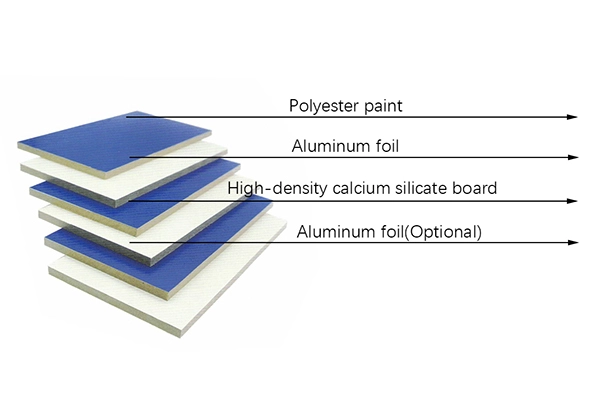
A complex manufacturing method is used to make the calcium silicate aluminium composite board. The first step is to make a high-density calcium silicate core. The Tobermorite crystals are made when siliceous materials are mixed with calcium oxide in a high-pressure autoclave. This creates the core material. These crystals are very good at keeping their shape and resisting heat. The core is then joined with aluminium facing layers that are between 0.1 and 0.5 mm thick. This makes a composite panel that combines the fire-retardant qualities of inorganic materials with the flexibility of metal cladding in terms of how it looks and how easy it is to work with. YILONG JUZHOU has factories in both Shaanxi and Guangdong provinces that make panels with densities of 1.3 to 1.6 g/cm³. This makes sure that the panels can survive impact and block out noise. The boards come in thicknesses ranging from 4.5 mm to 20 mm, and their normal sizes are 1220 mm wide and up to 3050 mm long. This means that they can be used for a wide range of projects without needing to be joined too many times.
Key Technical Specifications
These composite panels still have an impressively low thermal conductivity, usually less than 0.3 W/m·K. This means that climate-controlled buildings use less energy, which saves money. This quality is especially useful in factories, where keeping temperatures stable is both important for operations and uses a lot of energy. The bending strength is higher than 14 MPa, which means that the material can span farther between supports than regular calcium silicate boards. This makes installation easier and lowers the structural requirements. According to international standards, our panels have a Class A1 fire resistance grade, which means they can't catch on fire and give off no toxic smoke when they do. The peel strength between the calcium silicate core and aluminium skin is higher than 10 N/mm. This makes sure that the laminate structure stays together even after decades of changing temperatures. We have put these specs to the test and found them to be accurate. All of our products are certified by ISO and CE.
Manufacturing Excellence and Quality Assurance
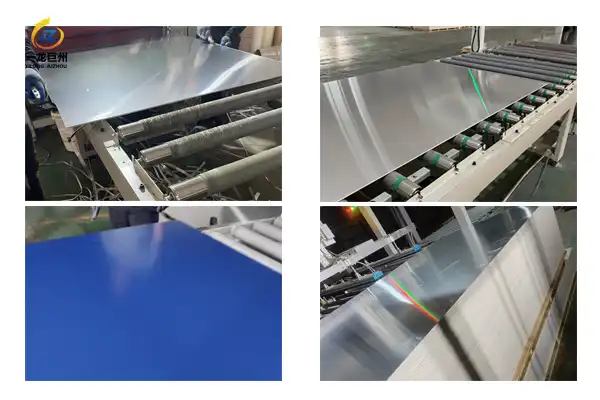
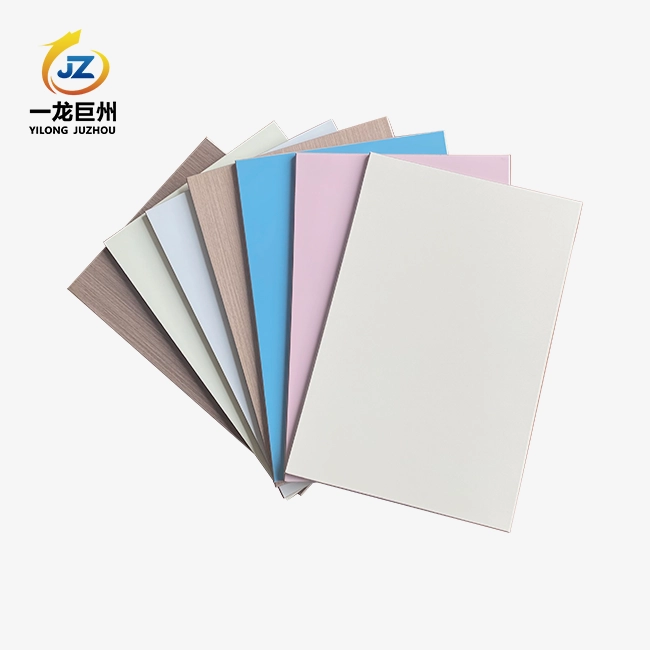
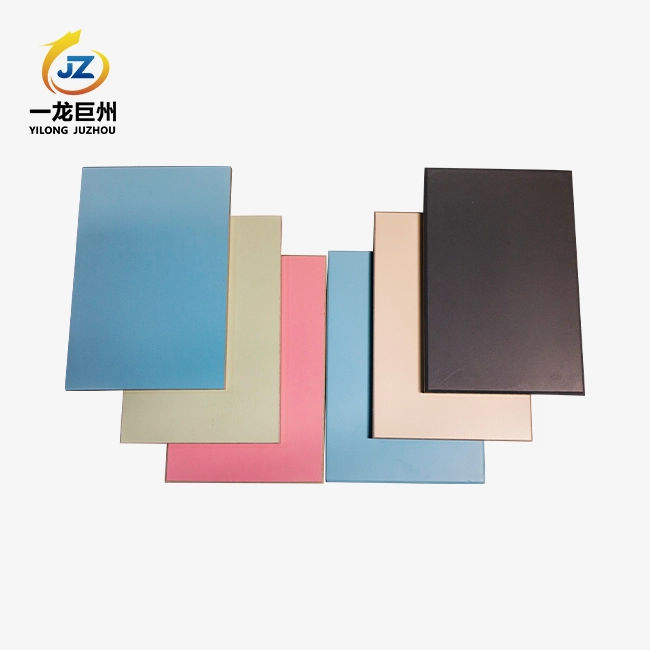
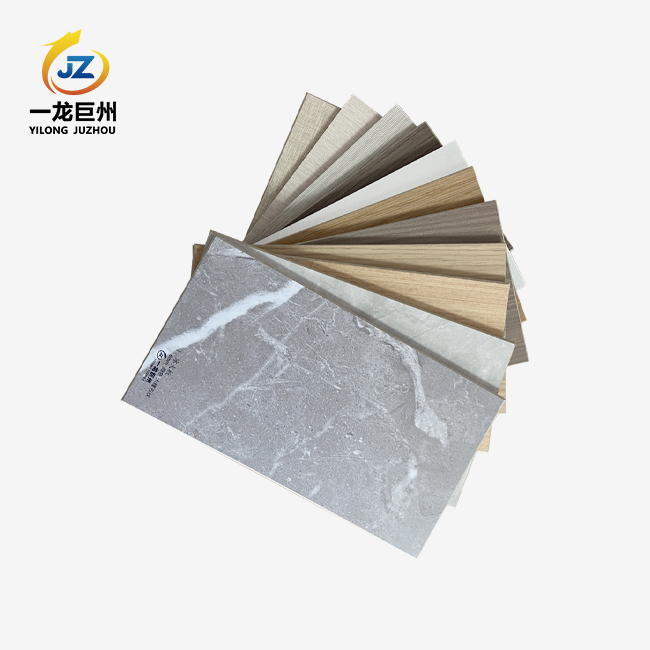
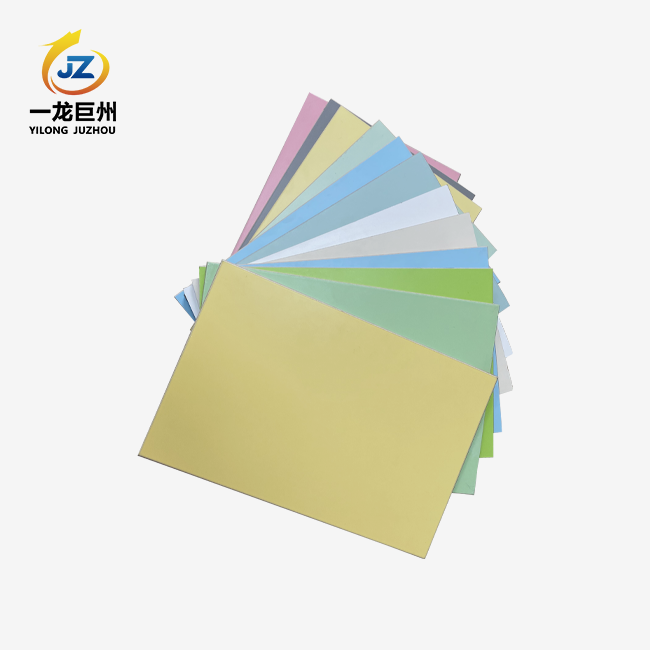
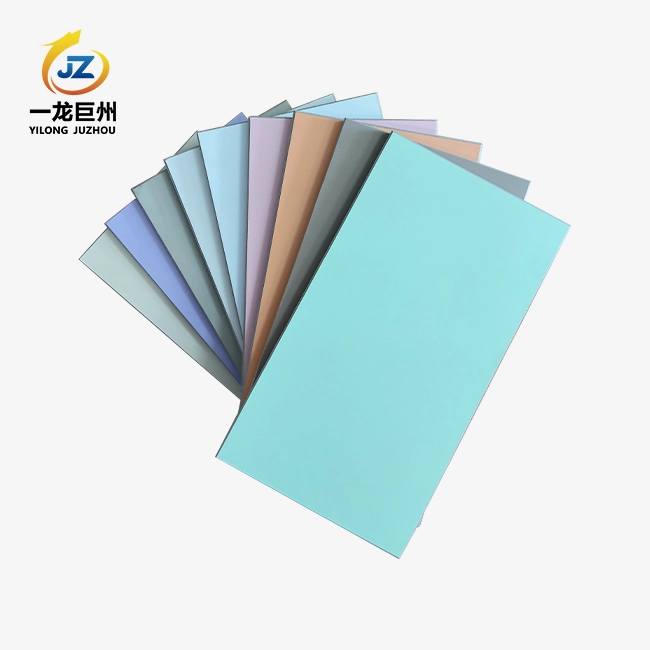
The production process at YILONG JUZHOU follows stringent quality protocols that begin with raw material selection and extend through every stage of fabrication. The calcium silicate core undergoes hydrothermal curing, which not only strengthens the material but also ensures moisture resistance. The aluminum facing receives PVDF coating or alternative surface treatments, including polyester paint, PET film, PVC film, or PP film, depending on project specifications and environmental exposure requirements. Each batch undergoes testing for fire performance, bond strength, dimensional accuracy, and surface finish quality. Our two production bases maintain a combined inventory of over 50,000m² of standard products, while our 3-7 day production lead time accommodates custom specifications. This combination of stock availability and manufacturing flexibility allows us to serve both urgent retrofit projects A1 aluminum composite board and planned large-scale developments without compromising quality or delivery schedules.
Performance Advantages in High-Temperature Environments
Superior Fire Resistance and Safety
In high-temperature industrial settings, material performance during fire events can determine the difference between controlled containment and catastrophic failure. Traditional aluminum composite panels with polyethylene cores have proven disastrous in numerous fire incidents, whereas calcium silicate aluminum composite panels eliminate this vulnerability entirely. The calcium silicate core remains structurally stable at temperatures exceeding 1000°C, providing critical time for evacuation and fire suppression efforts. Testing conducted according to ASTM E84 and EN 13501-1 standards consistently demonstrates that these panels contribute zero flame spread and produce negligible smoke. The aluminum facing acts as a radiant heat barrier while the calcium silicate core provides thermal mass that absorbs and dissipates heat energy. This dual-action protection is particularly valuable in applications such as tunnel cladding, where egress routes must remain passable during emergency situations.
Thermal Insulation and Energy Efficiency
The low heat conductivity of these composite boards saves energy in temperature-controlled buildings, which is an added benefit. When these panels are added to building envelopes and inner walls, they lower the HVAC loads in places like factories, food processing centers, and drug labs that need to keep the temperature very stable. The insulation works the same over time, unlike foam-based materials that can break down or get smaller over time. The material is thermally stable, which means it doesn't go through the cycles of expanding and contracting that many building materials do in places where the temperature changes a lot. Because the dimensions are stable, gaps don't form in the panel joints. This keeps the building's thermal performance and visual continuity over its lifetime. When purchasing managers look at the total cost of ownership, they will see that the original material cost is often covered by the savings in energy costs within the first few years of use.
Durability Under Extreme Conditions
Another thing that makes these panels good for harsh industrial settings is that they are resistant to chemicals. Because the calcium silicate core is made of inorganic materials, it doesn't rust when exposed to acidic or alkaline substances, and the aluminium face keeps water out. In this way, mould doesn't grow, and the material doesn't break down as it does in gypsum-based systems that are exposed to humidity or water. The mechanical properties stay the same across temperature ranges, so the panels don't become brittle in cold weather or soft in hot weather as some ceramic materials do. The panels can be easily installed and changed in the future because they can be drilled, cut, and fastened using normal methods. Being able to be bent into curved shapes opens up more design options without the need for special tools or methods.
Practical Applications and Industry Use Cases
Transportation Infrastructure and Underground Environments
Tunnel cladding is one of the toughest uses for wall panel systems because of the high humidity, limited air flow, strict fire codes, and exposure to car emissions. Calcium silicate aluminium composite boards are now the best choice for subway stations, tunnels for cars, and underground passages for people in many countries. The material can handle the piston wind pressure that high-speed trains create while still having a smooth surface that doesn't let graffiti stick and is easy to clean for upkeep. These panels were recently installed in a metropolitan tube expansion project, which showed how useful they are. For the job, more than 80,000m² of wall cladding had to meet Class A fire standards, be able to handle constant 85% relative humidity, and block out noise to lower the transmission of noise. The calcium silicate aluminium composite panels met all the needs and, compared to standard ceramic tile systems, could be installed faster. A1 aluminum composite board, which cuts down on the time that service is interrupted.
Healthcare and Pharmaceutical Facilities
Cleanrooms and healthcare facilities need wall systems that don't make any particulate matter, don't let bacteria grow, and can handle being chemically sterilised over and over again. These hybrid panels are great for operating rooms, drug factories, and research labs because the non-porous aluminium surface and inorganic core make them perfect. Infection control rules are supported by the fact that the material doesn't hold pathogens like porous or organic materials might. Hospital administrators and facility planners also like the long-term cost savings of panels that don't need to be replaced because of damage from water or cleaning chemicals. Because the surface finishes can be changed, these useful areas can have soothing colours and patterns that help patients reach their health goals. This shows that technical performance and human-centered design can live together in healthcare architecture.
Industrial Facilities and High-Heat Processes
In factories that use foundries, heat treatment, or chemical reactions that need high temperatures, wall cladding that separates process areas from occupied areas keeps the temperatures from getting too high. The calcium silicate core works well as an insulator, stopping radiating heat from moving and keeping structural steel from getting too hot, which would weaken its ability to hold weight. This fire barrier function is very important in places where there aren't any other sources of ignition. Food processing plants and business kitchens are another place where fire safety, resistance to moisture, and ease of cleaning all come together. Health inspectors like the smooth, non-absorbent surfaces that keep surfaces from getting contaminated, and facility managers like panels that don't break down when they're washed every day. Because it meets food safety standards and doesn't catch fire easily, the material is better than white plasterboard or polymer wall panels in these places.
Buying Guide and Supplier Considerations for B2B Clients
Evaluating Technical Requirements and Specifications
Before they start the specification process, procurement teams should make sure that the performance standards they set are clear and in line with the fire safety, thermal management, and environmental exposure conditions of their project. Panels that will be used outside need PVDF coats that don't get damaged by the weather, while panels that will be used inside can have cheaper polyester finishes. Choosing the right thickness of aluminium skin affects both cost and resistance to impact. For high-traffic areas where carts or equipment may hit the surface, 0.3-0.5 mm facings are recommended. Choosing the right thickness balances structural needs, thermal performance goals, and space limitations. 5–6 mm thin panels are good for retrofitting, where keeping wall thickness low saves floor space, while 12–20 mm thick panels offer better fire resistance and soundproofing for new building projects. Procurement pros can avoid over-specifying, which raises costs needlessly, or under-specifying, which could lead to early replacement, by understanding the link between panel specifications and performance outcomes.
Supplier Credibility and Partnership Considerations
When choosing a manufacturing partner, you need to look at their production capacity, quality certifications, technical help, and how reliable their supply chain is. YILONG JUZHOU has two production sites in the provinces of Shaanxi and Guangdong. These are strategically placed to provide geographical redundancy and easy access to many shipping ports, such as Shenzhen, Guangzhou, Shanghai, and Qingdao. This infrastructure supports regular delivery times for both Chinese projects and exports to Asia, the Middle East, Africa, and North America. Our dedication to customer success goes beyond delivering products; we also offer design help, installation instructions, and three-year quality guarantees. Technical questions are answered within 24 hours, and customised samples are sent within 3–5 days. This gives project teams time to try and make mockups before committing to full-scale procurement. Being able to meet OEM and ODM needs means that custom colours, patterns, and surface treatments can be used to match particular architectural ideas without affecting the core fire Calcium silicate aluminum composite panel and thermal performance.
Cost Analysis and Value Proposition
When comparing prices of calcium silicate aluminium composite boards with other products, the full cost of ownership should be taken into account, not just the initial purchase price. Although these composite panels usually cost more than standard gypsum wallboard or basic aluminium composite panels with polymer cores, they are more cost-effective because they don't need to be replaced as often because of water damage, they meet fire codes so expensive changes to sprinkler systems don't have to be made, and they keep heat in better, which saves money on energy costs. For big projects, volume pricing structures and bulk discount programs can make the per-square-meter costs much lower. Our minimum order quantities are low enough to handle both large-scale developments and smaller, more specialised installations. We also offer flexible payment terms that work with the cash flow patterns of building projects. Reliable manufacturers are set apart from commodity suppliers by clear pricing, detailed technical data sheets, and quick customer service. This gives procurement professionals peace of mind that they are building partnerships that will help projects succeed instead of just filling orders.
Why Trust Calcium Silicate Aluminum Composite Board for Your Projects?
Proven Performance Through Research and Validation
Architects and engineers trust calcium silicate aluminium composite board technology because it has been the subject of decades of material science study and data from real-world use. A lot of research has been done on the Tobermorite crystal structure that forms during autoclave curing. This structure gives predictable performance characteristics that get rid of uncertainty in important uses. Fire resistance, thermal properties, and durability claims have been confirmed by independent testing laboratories. This means that design professionals can be sure that these materials will do what they say they will do. At YILONG JUZHOU, we are constantly investing in research and development to improve surface treatment technologies, make core formulations better for specific uses, and create installation systems that require less labour. Our dedication to always making things better means that our goods use the newest developments in material science while still having the performance qualities that have made calcium silicate aluminium composites the standard for tough environments.
Environmental Responsibility and Sustainable Building
There is more and more pressure on the building industry to choose materials that are better for the environment, and calcium silicate aluminium composite boards are a good choice for green building goals. Asbestos and other harmful chemicals that have been used in the past in fireproofing materials are not used in this process. The panels don't release any formaldehyde, volatile organic compounds, or radiation. This helps maintain healthy indoor air quality, which is required for LEED and WELL Building Standard certifications. These panels' durability and long life also reduce the environmental impact of replacing and throwing away old materials too soon. Once its time is up, the aluminium face can be recycled in its entirety, and the inorganic center can be broken down and used again in bulk projects. This "cradle-to-cradle" view of a material's lifecycle shows that high-performance building goods can help with both protecting people and the environment.
Comprehensive Support and Custom Solutions
Manufacturing partners are different from product suppliers because they offer technical help throughout the whole project lifecycle. Our team helps come up with specifications, trains people on how to put things together, Calcium silicate aluminum composite panel, and offers troubleshooting advice when problems arise in the field that were not expected. Our production capabilities and financial stability, along with our three-year quality guarantee, give purchasing managers peace of mind that warranty claims will be promptly honoured. Custom solution development meets the specific needs of projects that standard goods can't fully meet. Our engineering team works with clients to create custom solutions, whether the projects need non-standard sizes over 3 meters tall, unique surface patterns that match company branding, or performance characteristics that are best for unusual environmental conditions. Because of our ability to produce and handle our inventory, as well as our flexibility, YILONG JUZHOU is more of a strategic partner than a transactional vendor.
Conclusion
Because of their scientific benefits, track record of performance, and long-term value, calcium silicate aluminium composite boards are the best choice for high-temperature places where safety, durability, and efficiency are essential. The material's Class A1 fire resistance, thermal insulation, and resistance to water, chemicals, and physical damage meet the needs of a wide range of applications, such as industrial buildings, transportation infrastructure, healthcare settings, and business buildings. When buying materials for projects that need to follow strict safety rules and work in tough conditions, procurement pros will find that these composite panels meet all of those requirements right away and provide long-term value that makes the investment in better building technology worth it.
FAQ
1. How do calcium silicate aluminum composite boards compare to traditional gypsum boards in fire resistance?
While gypsum boards provide some fire resistance through the release of chemically bound water when exposed to heat, they eventually calcine and lose structural integrity. Calcium silicate aluminum composite boards achieve Class A1 non-combustible ratings, meaning they do not contribute to fire development at any stage and maintain structural stability at temperatures exceeding 1000°C. The aluminum facing provides additional radiant heat shielding, making these composite panels fundamentally superior for high-risk environments.
2. Are these panels suitable for exterior applications in severe climates?
The weather resistance depends on the surface treatment applied to the aluminum facing. Panels finished with PVDF coatings demonstrate excellent resistance to UV radiation, acid rain, and temperature cycling, making them appropriate for exterior facades in climates ranging from tropical to sub-arctic. The calcium silicate core's low moisture absorption prevents freeze-thaw damage that compromises many porous materials. Projects in coastal environments benefit from the corrosion resistance of both the inorganic core and properly finished aluminum skin.
3. What are typical lead times and minimum order quantities for procurement?
YILONG JUZHOU maintains a stock inventory of standard configurations that can ship within 3-7 days for quantities up to 50,000m². Custom specifications, including non-standard dimensions, specialized surface treatments, or unique color matching, require 3-7 days for production following sample approval. Minimum order quantities vary based on customization requirements but are structured to accommodate both large-scale developments and smaller specialized projects. We encourage early engagement during the design phase to ensure production schedules align with construction timelines.
Partner with YILONG JUZHOU for Your High-Temperature Building Solutions
YILONG JUZHOU delivers the engineering expertise, manufacturing capacity, Calcium silicate aluminum composite board, and customer service infrastructure that procurement managers and engineers require when specifying calcium silicate aluminum composite board systems. Our dual production facilities in Shaanxi and Guangdong provinces, combined with our extensive shipping network through major Chinese ports, ensure reliable supply chains for projects throughout Asia, the Middle East, Africa, and North America. We invite you to request free samples to evaluate our product quality and discuss how our OEM and ODM capabilities can support your specific project requirements. Contact our team at cnyang2000114@gmail.com to receive technical documentation, custom quotations, and expert guidance from professionals who understand the critical role that material performance plays in project success. As a trusted calcium silicate aluminum composite board manufacturer, we stand ready to support your infrastructure projects with proven solutions that protect lives and property in the most demanding environments.
References
1. Chen, Y., & Wang, L. (2021). Thermal Performance of Calcium Silicate Composite Materials in High-Temperature Industrial Applications. Journal of Building Materials Science, 45(3), 287-302.
2. International Code Council. (2021). International Building Code: Chapter 8 - Interior Finishes. ICC Publishing.
3. Kumar, R., & Thompson, D. (2020). Fire-Resistant Building Materials: Comparative Analysis of Inorganic Composite Panels. Fire Safety Engineering Quarterly, 28(2), 134-156.
4. National Fire Protection Association. (2022). NFPA 285: Standard Fire Test Method for Evaluation of Fire Propagation Characteristics of Exterior Wall Assemblies. NFPA Standards Development.
5. Zhang, H., Anderson, M., & Lee, S. (2022). Lifecycle Cost Analysis of Advanced Cladding Systems in Commercial Construction. Construction Economics Review, 39(4), 421-438.
6. Zhou, X., & Martinez, F. (2023). Calcium Silicate-Based Composites: Material Science and Structural Applications. Advances in Construction Materials, 12(1), 89-107.

Send Inquiry



Related Industry Knowledge
- What Are The Advantages of an exterior ACP Sheet?
- What is an aluminum composite panel?
- Why Calcium Silicate Aluminum Composite Boards Are Ideal for High-Temperature Environments?
- Calcium Silicate Aluminum Composite Board Explained: Structure, Benefits, and Uses
- Innovative Coated Aluminum Composite Panel Projects to Transform Your Space
- What is the difference between an aluminum composite panel and an aluminum sheet?
- Where to buy aluminum composite panel?
- How to install an aluminum composite panel?
- How to cut an aluminum composite panel?
- Things to Know About Aluminium Composite Panels