
Exploring Modern Aluminum Composite Panel Innovations
June 29, 2026
Modern buildings need materials that are coated aluminum composite panels, which are good for function, look good, and last a long time. Interior wall options today have changed a lot. Coated aluminium composite panels have become a revolutionary choice for business builders, healthcare facilities, and industrial spaces all over the United States. These engineered materials are very strong and lightweight at the same time. They solve important problems in fire safety, moisture control, and design flexibility that traditional materials have a hard time with. There is a shift in architecture toward materials that don't skimp on performance but are also cost-effective. When project managers and procurement teams look at different options for big building projects like hospital expansions and airport terminals, they need to know about the technical advances behind modern panel systems so they can make smart choices that will affect both the short-term success of the project and the long-term performance of the building.
Understanding Coated Aluminum Composite Panels
The Engineering Behind Composite Construction
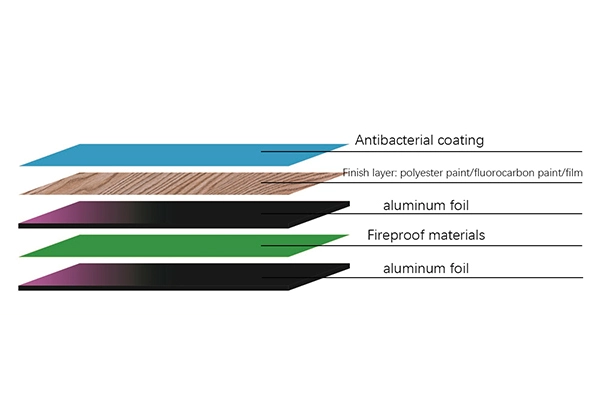
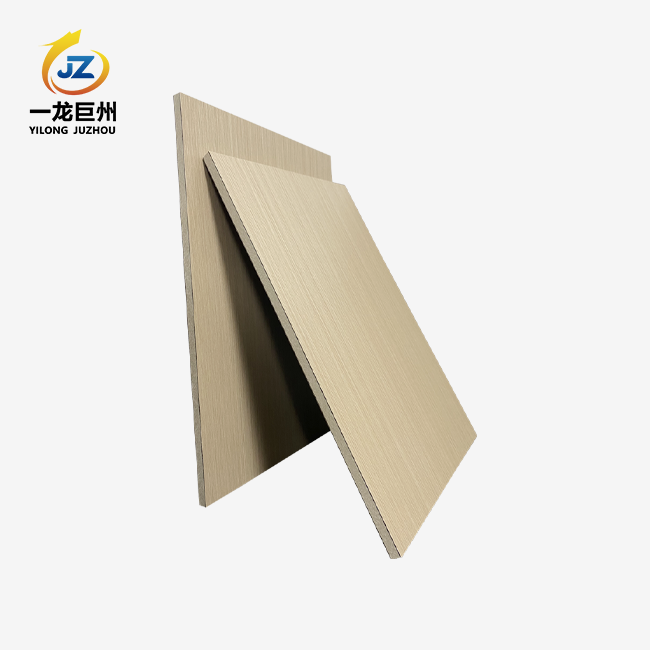
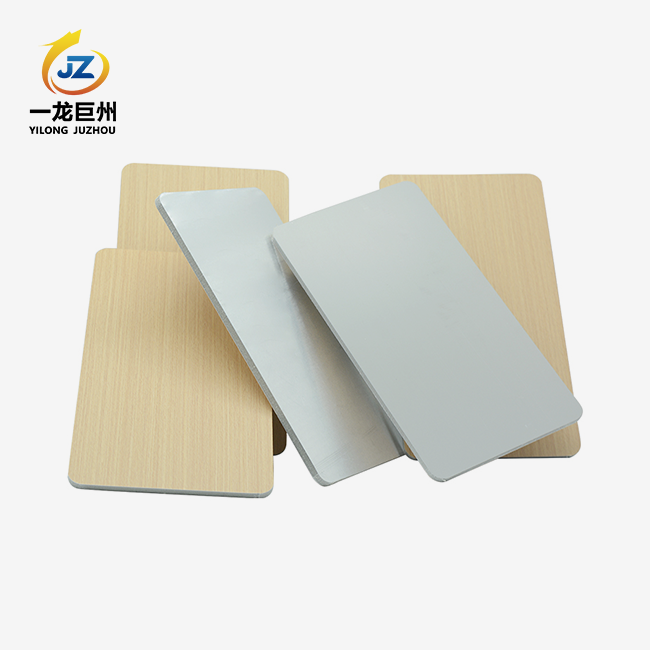
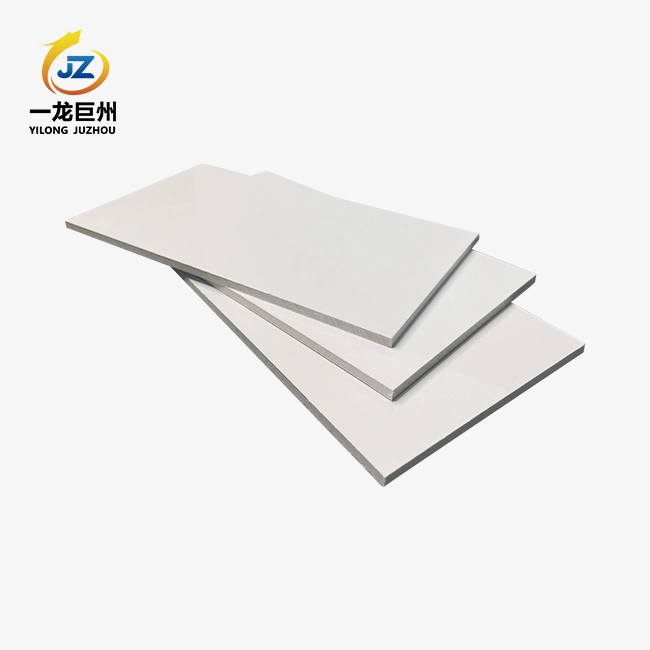
A coated aluminium composite screen is an example of advanced material engineering. This sandwich structure is made up of two sheets of aluminium alloy that are thermally attached to a fire-resistant core in the middle. An advanced surface coating is what makes this structure unique. Unlike traditional solid metal sheets, this design cuts the structure's weight by about 40% while keeping its rigidity at the same level as thicker aluminium. The fire performance characteristics depend on the core material. YILONG JUZHOU makes panels with mineral-filled cores that meet strict building rules for public infrastructure and healthcare facilities. These panels have Class A2 and B1 fire ratings. When you mix this core composition with aluminium skins that are between 0.1mm and 0.5mm thick, you get a material that doesn't change shape when heated up. This is very important for internal uses in places like hospitals, schools, and transportation hubs.
Surface Coating Technologies That Matter
Surface treatments define how panels perform in real-world environments. Three primary coating types serve distinct application needs:
- PET Film Coatings provide scratch resistance and maintain color consistency in high-traffic areas such as subway stations and shopping malls. The polymer film creates a protective barrier against daily wear while offering design versatility through printed patterns.
- PVC Film Applications deliver exceptional moisture resistance, making them ideal for food processing facilities and pharmaceutical factories where hygiene standards demand washable, non-porous surfaces. These coatings resist chemical cleaning agents without degrading, supporting infection control protocols in medical environments.
- PP Film Solutions offers superior dimensional stability under temperature fluctuations. Conference centers and office buildings benefit from this coating's ability to maintain flatness across large panel spans, preventing Film-coated aluminum composite panels the visual distortion that can occur with lesser materials.
Manufacturing Precision and Quality Control
When it comes to business construction, interior wall systems must meet strict fire safety standards. Through mineral-infused core technology, our screens get Class A2 ratings for not catching fire and Class B1 ratings for not starting fires. Testing shows that the flame doesn't spread very far and doesn't make a lot of smoke. These are performance characteristics that meet both the International Building Code (IBC) and insurance underwriter requirements for occupied buildings. This fire resistance is especially helpful in healthcare facilities. Materials that won't help fires spread during evacuations are needed in hospital hallways, patient rooms, and operating rooms. The mineral core composition doesn't give off any harmful gases when heated, which keeps fragile people safe in emergency situations.
Performance and Benefits of Coated Aluminum Composite Panels
Fire Safety Meets Building Code Requirements
Problems that keep coming up in building settings are solved by waterproofing, resistance to moisture, and mould prevention. The aluminium skins make a barrier that can't be broken through, and edge sealing methods keep water out of the panel joints. This design gets rid of the organic material that mould needs to grow, which is a persistent issue with gypsum-based systems in damp climates or places where water is present. Food processing plants and pharmaceutical manufacturing spaces need surfaces that don't let water in and don't let bacteria grow. The smooth, non-porous surface of treated panels follows hygiene rules and can handle being cleaned over and over with industrial cleaners. This durability lowers lifecycle costs by getting rid of the need to change materials too often because they get wet.
Moisture Control in Critical Environments
Waterproofing, moisture resistance, and mold prevention capabilities address persistent challenges in building environments. The aluminum skins create an impermeable barrier, while edge sealing techniques prevent moisture infiltration at panel joints. This construction eliminates the organic material that supports mold growth—a persistent problem with gypsum-based systems in humid climates or facilities with water exposure. Food processing plants and pharmaceutical manufacturing spaces require surfaces that resist moisture without harboring bacterial growth. The non-porous surface of coated panels supports sanitation protocols, withstanding repeated washdowns with industrial cleaning agents. This durability reduces lifecycle costs by eliminating premature replacement cycles associated with moisture-damaged materials.
Design Flexibility Without Compromise
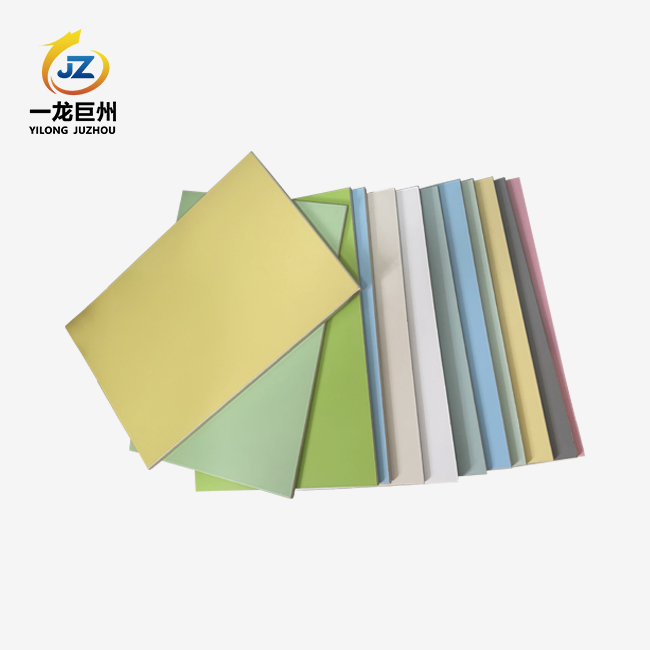
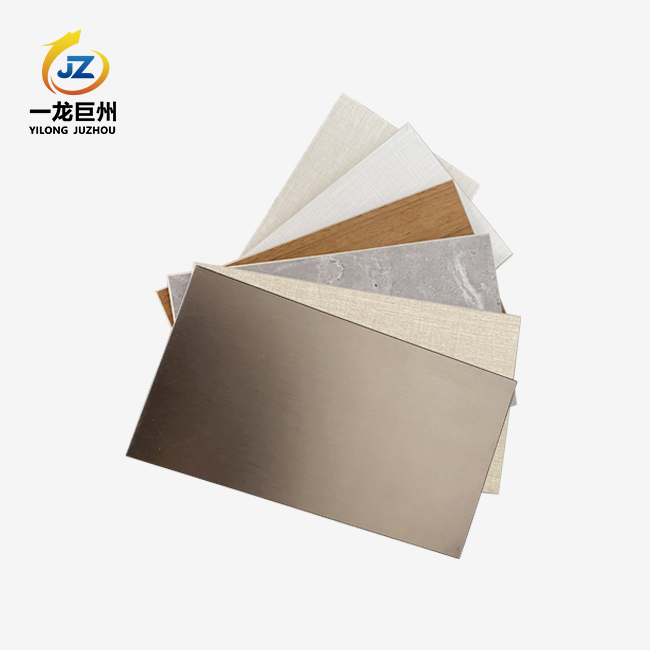
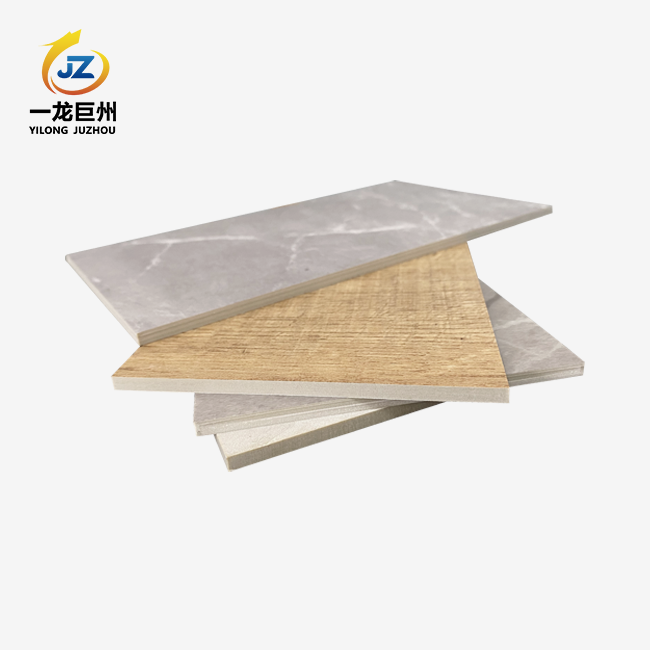
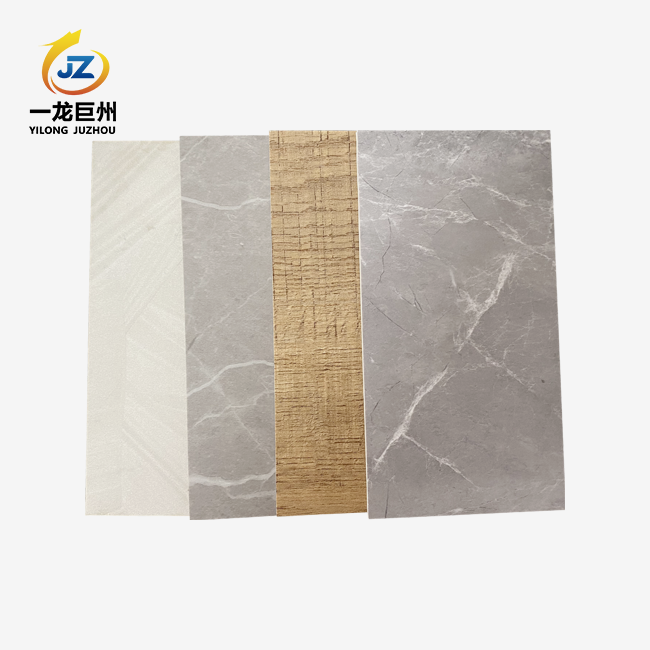
Modern building projects need to be able to look good in a variety of ways. The widths of our panels can be changed to 1220mm, 1500mm, or 2000mm, and the lengths can be made to fit the needs of the project. For example, for grand halls and atriums, the panels can be made taller than 3 meters. This customisation reduces the number of gaps that can be seen, making wall surfaces that look like they are one continuous surface. You can choose from solid finishes, woodgrain textures, marble designs, metallic effects, and fabric looks for the colours and patterns. Digital printing lets you use brand-specific colours that fit corporate identity standards. This is very important for hotel chains, shopping malls, and government buildings that want to keep their visual branding consistent across multiple locations. The panels are flexible enough to be bent into curved architectural features, which opens up more design options than just flat-wall uses. These performance traits work together to solve common problems in commercial buildings, like long installation times, surfaces that need a lot of upkeep, and materials that don't meet multiple code requirements at the same time. Drilling, nailing, and bending make it easy to make things, which speeds up installation times and cuts down on labour costs and project delays that affect Film-coated aluminum composite panels' phased building schedules.
Comparing Coated Aluminum Composite Panels with Other Materials
Weight and Structural Load Considerations
There is always pressure on structural engineers to lower building dead loads without lowering the performance of the wall system. Solid aluminium, steel, or cement board panels are much heavier than composite panels. A 4mm coated panel usually weighs between 3.5 kg and 5.6 kg per square metre, which is about 60% less than similar steel systems and 70% less than cement-based goods. Cost savings are directly linked to this weight benefit. Lessening the need for structural support means lowering the requirements for steel frames, base loads, and seismic reinforcement in places that are prone to earthquakes. Transportation and handling costs go down by the same amount. This is especially important for high-rise projects where crane time and worker efficiency have a big effect on budgets.
Durability Comparison Across Material Classes
How much a project really costs over its entire life depends on how long the materials last. When wood composite systems are wet, they break down, and in harsh conditions, they need to be replaced every 10 to 15 years. When UV light hits PVC panels and the temperature changes, the panels become brittle and crack on the surface, which is bad for both hygiene and appearance. Steel systems don't get damaged by impacts, but they rust in seaside areas or places that use chemical cleaners. Composite walls are made of aluminium, which naturally resists corrosion. They don't have any protective coatings that wear off over time. Surface treatments keep colours true and gloss levels high for more than 20 years. This performance was proven by rapid weathering tests that mimicked decades of exposure to the elements.
Cost-Effectiveness and Total Ownership Value
More and more, the total cost of ownership is being used to make purchasing choices instead of the initial price of materials. Even though luxury materials may cost more at first, they often end up being more valuable in the long run because they require less work to install, less upkeep, and longer replacement cycles. Coated aluminium composite panels are easier to install than tile systems, don't need to be refinished like painting surfaces do, and don't have to be thrown away like failed materials that have been damaged by water. Bulk order price structures make value propositions even better for developers who are in charge of multiple projects or building them in stages. Our 50,000-square-meter inventory allows us to deliver right away for work that needs to be done quickly. This keeps projects on schedule and avoids schedule delays that drive up costs through increased general contractor overhead.
Procurement and Supply Chain Insights for Coated Aluminum Composite Panels
Evaluating Supplier Capabilities and Certifications
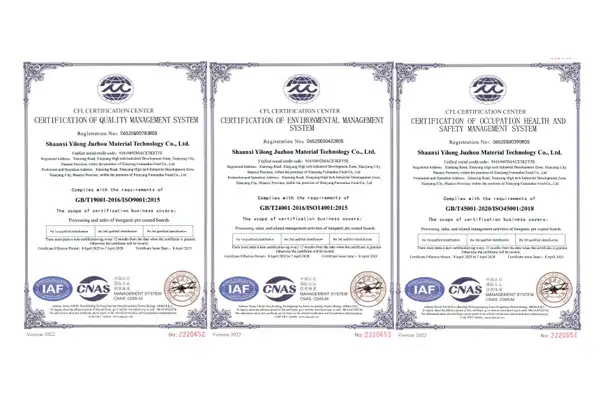
Assessing suppliers is the first step in a successful buying process. Certification files show how well a product is made and how well it follows the rules. Check for ISO 9001 quality management approval, CE marking for foreign trade, and China Environmental Protection Standard Certification that says the product has low VOC emissions, which is important for LEED projects and green building initiatives. How well providers can meet project needs depends on how much they can produce. During building peak times, supply chain risks are lower in places with multiple production lines and large inventory buffers. Our two manufacturing bases in Shaanxi and Guangdong provide geographic redundancy, which means that our business can keep running PVC film aluminum composite panels even if there are problems in the area or suppliers in one place can't meet our needs.
Customization Options That Match Project Specifications
Complex architectural needs are rarely met by standard goods. Look at suppliers that offer thicknesses ranging from 2mm to 6mm. This way, you can fit the specifications to the needs of the application—for example, thinner panels for curved parts and heavier gauges for high-impact areas. Having the ability to change colours and support brand-specific themes keeps looks and performance from being compromised. Technical help services set capable suppliers apart from commodity vendors. During key construction phases, project risks are lower when installation guidance, specification review, and performance troubleshooting help are provided. OEM and ODM services let wholesalers serving regional markets use their own labels, which helps with strategies for setting themselves apart in the market.
Logistics and Delivery Timeline Management
Supply chain reliability impacts project schedules as significantly as material performance. Standard production lead times of 3-7 days enable responsive project adjustments, while sample customization within 3-5 days accelerates specification approval processes. Response times under 24 hours demonstrate supplier commitment to customer service—a factor often overlooked until urgent issues arise. Shipping logistics require careful coordination. Access to multiple ports, including Shenzhen, Guangzhou, Shanghai, and Qingdao, provides routing flexibility that optimizes freight costs and delivery timing. Land transport capabilities from Xi'an, Guangzhou, Shenzhen, and Foshan support both coastal and interior United States destinations through established international logistics partnerships. Warranty terms and after-sales support structures protect long-term investments. Three-year quality guarantees backed by responsive technical services ensure that performance issues receive prompt resolution, maintaining project reputations and client relationships. These support structures prove particularly valuable for international distributors establishing market presence in competitive regions.
Future Trends and Innovations in Coated Aluminum Composite Panel Technology
Nano-Coating Advancements
Material science continues pushing performance boundaries through nanotechnology integration. Self-cleaning surface treatments incorporating titanium dioxide nanoparticles break down organic contaminants through photocatalytic reactions, reducing maintenance demands in high-traffic public spaces. Anti-graffiti coatings using nano-structured surfaces prevent paint adhesion, simplifying cleanup in urban transportation facilities vulnerable to vandalism. These innovations address operational cost concerns that influence lifecycle value calculations. Facilities managers increasingly prioritize materials requiring minimal intervention, recognizing that labor costs for routine maintenance often exceed material price differences over building lifespans.
Sustainability Pressures Driving Material Evolution
Environmental regulations and voluntary green building standards reshape material selection criteria. Formaldehyde-free, odorless construction with zero radiation emissions meets stringent indoor air quality standards. Recyclability at end-of-life supports circular economy principles, appealing to institutional clients with sustainability mandates. Manufacturers investing in low-emission production processes and recycled content integration position themselves advantageously as procurement policies increasingly weigh environmental performance alongside technical specifications. Carbon footprint transparency and environmental product declarations (EPDs) become competitive differentiators in specification processes.
Architectural Trends Influencing Product Development
Design movements toward biophilic interiors and natural material aesthetics drive coating innovation. Advanced printing technologies now replicate wood grain and stone textures with visual fidelity previously requiring natural materials. These finishes deliver authentic appearances while providing superior performance characteristics—moisture resistance, dimensional stability, and consistent quality impossible with natural products. Flexibility for curved and complex geometries supports contemporary architectural expressions moving beyond rectilinear forms. The ability to bend panels into radius corners, wave patterns, PVC film, aluminum composite panels, and three-dimensional relief features expands creative possibilities while maintaining the practical advantages of lightweight, durable construction.
Conclusion
Modern coated aluminum composite panels represent a convergence of material science, manufacturing precision, and practical building performance. These engineered systems solve persistent challenges in commercial construction—fire safety, moisture control, installation efficiency, and design versatility—while delivering lifecycle value that surpasses traditional alternatives. The technical innovations in core composition, surface treatments, and fabrication flexibility position these materials as strategic choices for procurement professionals managing complex projects with demanding performance requirements. Understanding supplier capabilities, customization options, and emerging technological trends empowers decision-makers to specify solutions that balance immediate project needs with long-term building performance objectives.
FAQ
1. What thickness should I specify for hospital interior walls?
Hospital applications typically require 4mm or 5mm panels with 0.3-0.5mm aluminum skins. This specification provides impact resistance in high-traffic corridors while meeting Class B1 fire ratings. The antibacterial surface treatments available on PVC film coatings support infection control protocols mandated in healthcare environments.
2. Can panels accommodate curved architectural features?
The material's flexibility permits bending into various radius configurations. Curves with radii down to approximately 1 meter become achievable with 3 mm-thick panels. This capability supports contemporary design elements such as curved reception areas, column wraps, and transitional wall surfaces without requiring specialized rigid materials.
3. How do lead times compare for custom colors versus standard finishes?
Standard color selections from our inventory ship within 3-7 days following order confirmation. Custom color matching for brand-specific requirements adds approximately 5-7 days to production schedules, as formulation and quality approval processes ensure color accuracy. Sample panels demonstrating custom colors typically arrive within 3-5 days for specification approval before full production commitment.
Partner with YILONG JUZHOU for Your Next Project
Choosing the right coated aluminum composite panel supplier significantly Coated aluminum composite panel impacts project success. YILONG JUZHOU brings dual manufacturing facilities, extensive inventory, and comprehensive technical support to partnerships with commercial developers, institutional buyers, and material distributors throughout the United States. Our Class A2/B1 fire-rated panels, environmental certifications, and three-year warranties provide the assurance your projects demand. Sample customization services deliver specification validation in 3-5 days, accelerating approval processes. Contact our team at cnyang2000114@gmail.com to discuss your requirements with experienced professionals who understand the complexities of large-scale procurement. Whether you need immediate material for ongoing construction or strategic planning support for future developments, our manufacturer-direct relationship delivers competitive pricing without compromising quality or service responsiveness.
References
1. American Architectural Manufacturers Association. "Performance Requirements and Test Procedures for Aluminum Composite Material (ACM) Panels." AAMA Publication 2605-18, 2018.
2. Chen, Y., and Liu, X. "Fire Performance Evaluation of Aluminum Composite Panels with Mineral-Filled Cores in Building Applications." Journal of Fire Safety Engineering, vol. 29, no. 3, 2021, pp. 245-267.
3. International Code Council. "International Building Code Chapter 14: Exterior Walls and Chapter 8: Interior Finishes." ICC Publications, 2021 Edition.
4. Roberts, M. "Sustainable Building Materials: Lifecycle Assessment of Cladding Systems for Commercial Construction." Green Building Research Quarterly, vol. 16, no. 2, 2022, pp. 78-94.
5. Thompson, D., and Garcia, R. "Advances in Nano-Coating Technologies for Architectural Panels: Self-Cleaning and Anti-Graffiti Applications." Materials Science and Engineering Review, vol. 45, 2023, pp. 112-131.
6. Wang, H. "Comparative Analysis of Interior Wall Systems: Performance, Cost, and Sustainability Metrics for Healthcare Facilities." Building and Environment Journal, vol. 203, 2022, pp. 89-107.

Send Inquiry

Related Industry Knowledge
- PE Aluminum Composite Board Sheet: Sizes, Specs and Uses
- Exploring Modern Aluminum Composite Panel Innovations
- Calcium Silicate Aluminum Composite Board vs Traditional ACP Panels: Key Differences
- What are aluminum composite panels used for?
- Cladding Paint Aluminum Composite Panel Coating
- How to Choose the Right Calcium Silicate Aluminum Composite Board for Your Project
- How do I choose the right aluminum composite panels for my building?
- What are the common issues faced during aluminum panel installation, and how to avoid them?
- What safety precautions should I take when cutting aluminum composite panels?
- How to Choose the Best Medical Clean Board