
Cladding Paint Aluminum Composite Panel Coating
June 27, 2026
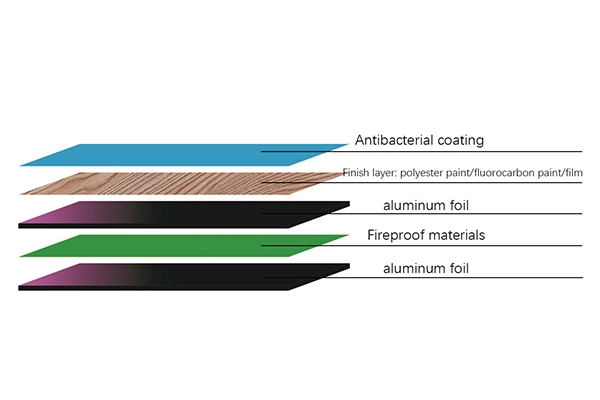
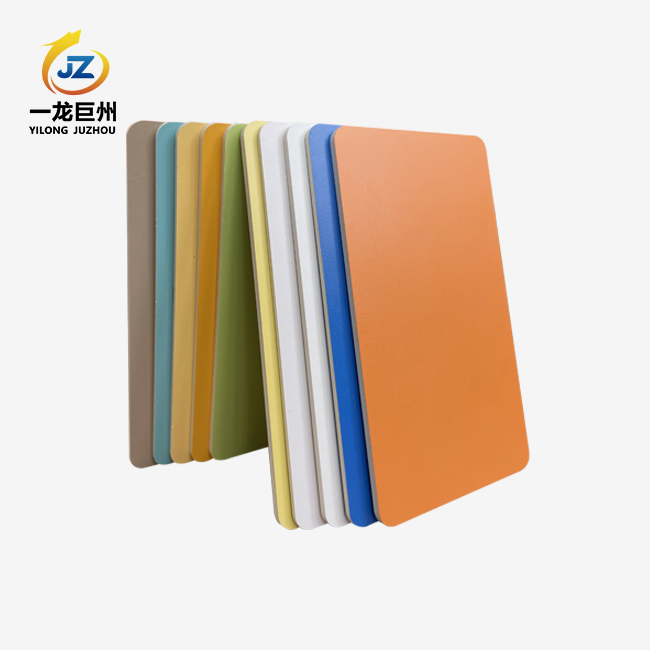
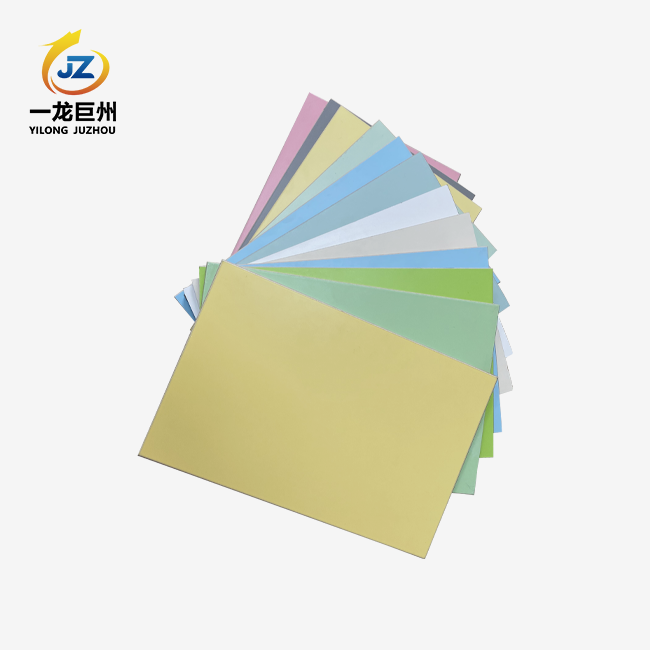
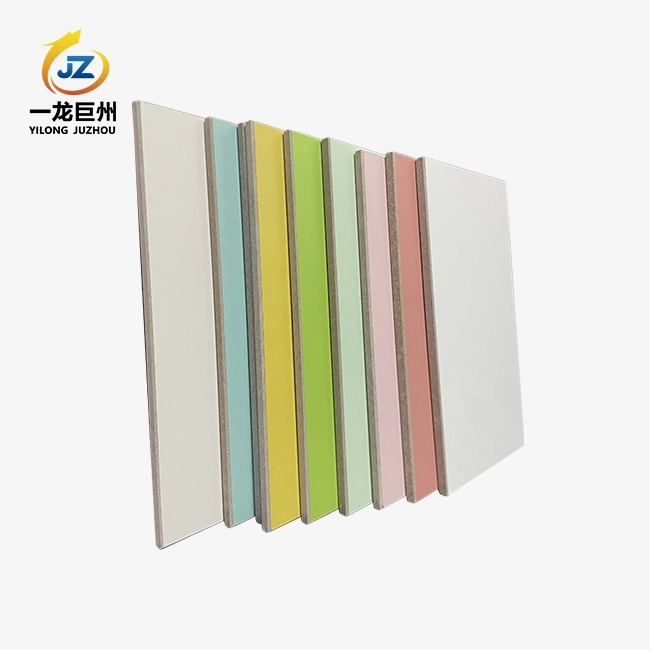
Cladding paint aluminum composite panel covering is a revolutionary way to design modern buildings because it combines good structural performance with a wide range of aesthetic options. A painting aluminum composite panel has two aluminum skins that are joined to a fire-resistant core. It also has advanced polyester or fluorocarbon coatings that are sprayed using continuous roll-coating technology. This material solves important problems in construction by being lighter than solid metal while still being very flat, having consistent colors thanks to factory-controlled coating processes, and lasting a long time without the upkeep that comes with traditional cladding materials. These groups help procurement managers and developers in the business, healthcare, and educational sectors find a balance between performance needs and design goals.
Understanding Painting Aluminum Composite Panels
Composite cladding that has been painted uses advanced material science to turn simple metal frames into high-performance building parts. Instead of applying finishes by hand, our painting aluminum composite panels uses automatic coil coating systems that make sure that all production runs have the same thickness and color. This level of accuracy in production gets rid of the problems with color difference that come up with site-applied coatings.
What Distinguishes Painted from Unpainted Panels
The covering layer does more than just look nice; it also protects things. With special color systems, painted panels don't break down in UV light, they don't rust through barrier protection, and they stay thermally stable even when the temperature changes. Aluminum that hasn't been coated oxidizes naturally, making the surface uneven and needing to be maintained often. Our polyester paint aluminum composite panel options come pre-finished and ready to install, which makes the process much easier and saves you a lot of money on work.
Core Performance Benefits
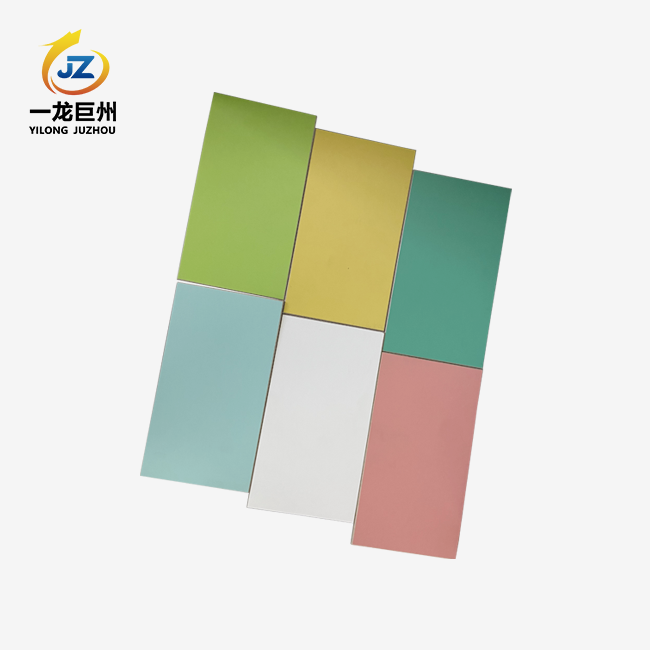
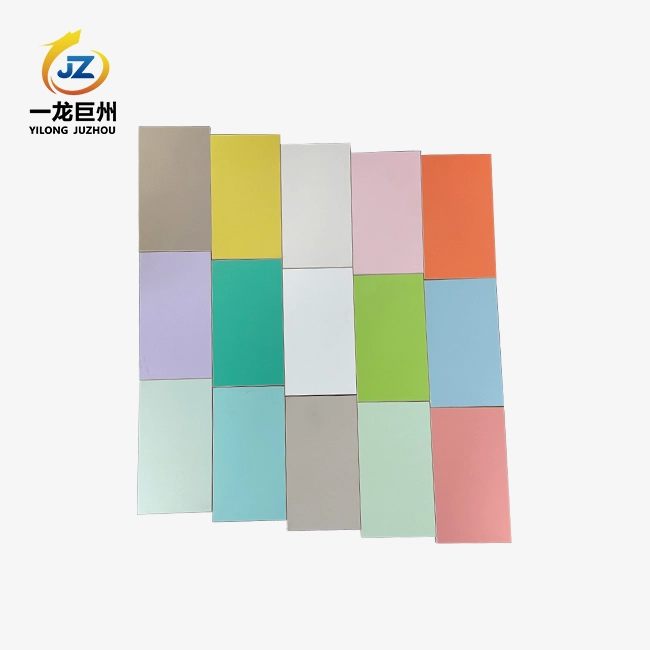
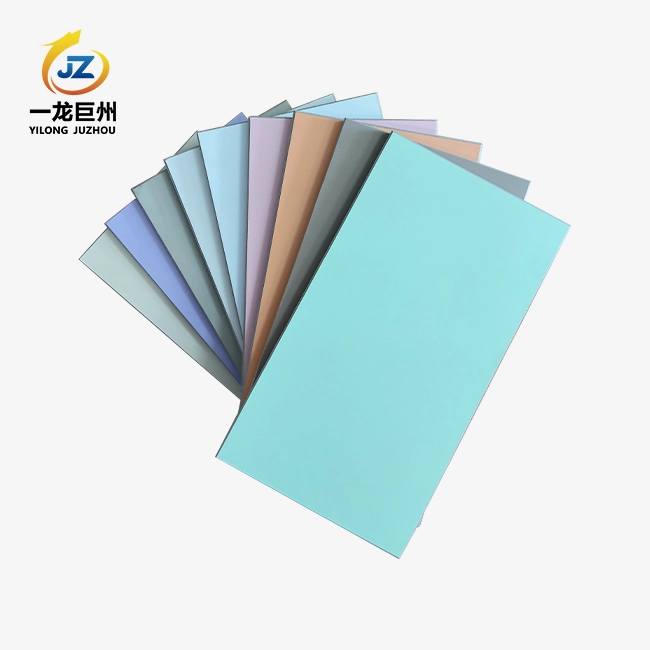
When it comes to practical benefits, weather defense is the most important one. Quality surfaces don't peel or chalk when exposed to salt spray near the coast, acid rain in industrial areas, and sudden changes in temperature. The process that prevents rust works through both chemical resistance and a barrier effect, which can make it last longer than twenty years in tough situations. There are a lot of colors to choose from, which gives you more design freedom. Our choice of solid color aluminum composite panel matches any Pantone standard, so your brand can be consistent across campuses with multiple buildings or franchise networks.
Paint System Comparison
Polyester coats are a great value for money when used inside or outside in moderately exposed areas. They are resistant to UV rays and keep their gloss, making them perfect for places like shopping malls, office buildings, and airport hubs. PVDF formulations are the best because they can withstand the weather better, which is important for high-rise curtain walls and major projects where damage to the look could hurt the brand's image. FEVE coatings are in the middle because they combine better longevity with better printability for digital graphics needs in signs. Each system is put through a lot of tests that meet AAMA standards. This makes sure that the pencil hardness values are between H and 2H and that the systems are flexible enough to handle manufacturing processes like routing and bending.
Painting Techniques and Maintenance for Aluminum Composite Panels
Precision surface preparation is the first step in producing high-quality solid color aluminum composite panels. Proper preparation ensures coatings adhere well and remain durable over time. Before the decorative layers are applied, factories use chemical pre-treatment methods to remove contaminants, create micro-etched profiles for mechanical bonding, and apply conversion coatings that enhance corrosion resistance.
Application Methods and Quality Control
Automated roller coating is still the usual way to make panels because it makes sure that the film width is the same on all sides of the panel, which is 25 to 35 microns. This constant process gets rid of waste from overspray, controls VOC emissions, and keeps limits that can't be reached by hand. Non-destructive testing equipment is used to check the width of each production run at multiple points. The curing process uses carefully planned temperature increases to polymerize the covering resins and get the best crosslink density for long-lasting performance. Our quality systems keep an eye on things like oven temperature profiles, consistent line speed, and the humidity in the air, which are all important factors that affect how well the end panel works.
Common Defects and Prevention
Peeling usually happens because the surface wasn't prepared properly or there was contamination between the layers of coating. We stop this by having strict cleaning rules and automated systems that limit human touch. Bubbles appear when solvents or wetness that are trapped during curing evaporate. This can be avoided by using the right drying processes and making sure the factory has a controlled temperature. UV light breaks down organic colors, which can be lessened by using light-fast colorants and the right material systems for the level of exposure. Our technical paperwork includes installation instructions that prevent mechanical damage from happening while the parts are being moved and mounted.
Maintenance Strategies for Extended Lifespan
Gentle washing with pH-neutral soaps and soft brushes is used for routine cleaning. This gets rid of air deposits before they damage the coating matrix chemically. We suggest checks every six months, paying special attention to joint sealants, bolt penetrations, and high-stress areas where a lot of mechanical movement happens. We offer touch-up methods that match the original color and gloss and work well on small scratches. These care steps protect the look of your investment and keep small problems from getting worse and requiring expensive panel changes. They will give your investment decades of service.
Painted vs Unpainted Aluminum Composite Panels: Key Comparisons
Before making a purchase, it's important to know how surface treatments affect the overall cost of ownership and how well they work in a variety of climates and situations. The painted vs. unpainted debate includes a lot of different evaluation factors that affect the long-term happiness and viability of the project.
Durability Under Environmental Stress
Painted walls work much better than bare metal in acidic environments like those near factories or the coast, where salty air speeds up the oxidation process. Our tests show that painted surfaces keep their structural integrity and good looks for more than twenty years in rooms that speed up the weathering process to make it look like they've been exposed to the elements for decades. For south-facing surfaces that get the most sun, UV resistance is very important. Good paint systems can take and release this energy without chalking or changing the color. When temperatures change, they put stress on things that expand and contract. Coatings that are properly made can handle this stress because they are elastic, which keeps them from breaking at panel edges and fastener sites.
Cost Analysis and Return on Investment
When you add up all the costs of the job, including finishing workers, moving equipment, and quality control measures needed for site-applied coatings, the initial pricing is more in favor of painted panels. Factory finishing gets rid of weather delays, cuts down on the need for skilled labor, and speeds up project plans. For business producers, this means earlier occupancy and more money coming in. Maintenance costs go down a lot because painting is done every 15 to 20 years instead of every 5 to 7 years for lower-quality finishing. Coatings that reflect light make buildings more energy efficient because they need less cooling. This is especially helpful for big stores and office buildings that want to get LEED points.
Environmental and Sustainability Factors
Modern coil coating processes used for polyester paint aluminum composite panels capture and burn VOC emissions, avoiding the environmental issues associated with field-applied sprays, which release chemicals directly into the air. Low-VOC coatings meet stringent California SCAQMD regulations, supporting green building certifications and corporate sustainability goals.
End-of-life recycling remains straightforward, as painted aluminum retains value, and the coating can be removed during remelting. Choosing factory-finished polyester paint aluminum composite panels demonstrates environmental responsibility while aligning with procurement policies that emphasize reducing lifecycle impacts and selecting sustainable materials.
How to Choose and Source Painted Aluminum Composite Panels
For buying to go smoothly, suppliers' skills, product requirements, and service infrastructure must all be carefully examined. These factors affect the result of the project and the amount of risk that the company faces. Instead of just looking at price, the selection process should focus on quality measures that can be checked.
Supplier Qualification Criteria
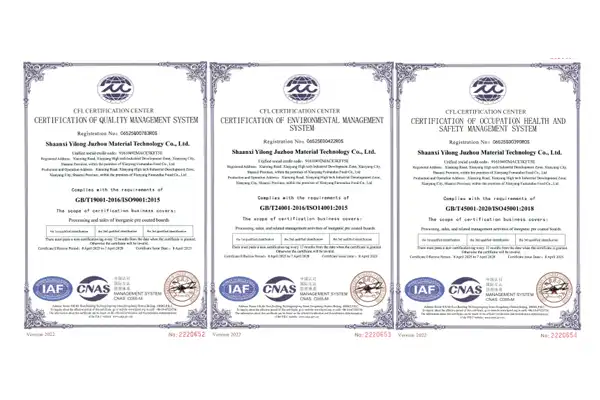
Manufacturing standards like ISO 9001 for quality systems and ISO 14001 for environmental management show that the company is mature and follows the right steps for producing consistent results. Along with product-specific approvals like CE marking and China Environmental Protection Standards, we keep both of these credentials up to date. Production capacity is very important. Our 50,000-square-meter inventory and two factories in Shaanxi and Guangdong provinces make sure that we can keep providing goods even when building plans change or when emergency replacements are needed. Technical support is what sets competent sellers apart from commodity vendors. Throughout the lifespan of a project, our engineering team helps with design, writing specifications, and fixing problems during installation.
Product Specification Essentials
Different structural and acoustic needs can be met by panels with thicknesses ranging from 2 mm to 6 mm. Thicker shapes offer better rigidity for large-format setups and higher sound transmission class ratings. With widths of 1220mm, 1500mm, and 2000mm, you can use a variety of layouts and reduce the number of seams you have to make. Customizable lengths allow for floor-to-ceiling setups longer than 3 meters without having to use horizontal joints, which look bad and don't keep out the weather. A skin gauge of aluminum between 0.1mm and 0.5mm strikes a mix between cost, formability, and dent resistance, depending on the height of the placement and the risk of impact.
Procurement Logistics and Lead Times
For stock colors, our normal production time is three to seven days. For custom color matching, sample review cycles last about two weeks. The minimum order quantity stays the same, so it can be used for both big developer projects and smaller renovation improvements. Shipping logistics are helped by the fact that major ports like Shenzhen, Guangzhou, Shanghai, and Qingdao are close by. There are also containerization choices that are best for protecting panels during foreign transit. We offer a free sample service within 3–5 days, so you can see and touch the product before committing to it. Samples come with full technical data sheets and installation instructions to help you make an informed choice.
Advanced Insights and Future Trends in ACP Painting Technology
The building cladding business is always changing because of new materials, the need to be more environmentally friendly, and new rules about what products should be made. People who work in procurement can benefit from learning about new technologies that will shape the building surfaces of the future.
Emerging Coating Technologies
Nano-ceramic elements make the surface more scratch-resistant and help it clean itself by breaking down biological contaminants when exposed to UV light. In places like hospitals, schools, and public transportation hubs where surface cleanliness affects how things work, antimicrobial coats with silver ion technology help keep people from getting infections. Dynamic coats with thermochromic traits change how reflective they are based on the temperature outside, which helps with passive climate control. With these new ideas, functional performance goes beyond standard protective jobs, making value propositions that fit with smart building ideas.
Industry Evolution and Market Dynamics
As prefabrication and modular building become more popular, the need for finish-applied materials that don't change shape and work well with off-site assembly methods grows. Digital manufacturing tools, like CNC routing and automatic bending equipment, make it possible to make complicated shapes and parametric designs that weren't possible with traditional materials before. Products with Environmental Product Declarations and Health Product Declarations that quantify environmental effects and important health characteristics are chosen based on standards for sustainability reporting. Our dedication to constant improvement makes sure that our product lines keep up with what the market wants while still being reliable enough for buying teams to rely on.
Conclusion
It's not easy to choose the right cladding materials because they have to be balanced between technical performance, aesthetic goals, price limits, and lifecycle factors. Painting aluminum composite panels has been shown to work well in these areas because they have quality control at the plant, many customization choices, and long-lasting finishes made for tough uses. Our goods are used in hospitals that need surfaces that are easy to clean, schools that need surfaces that are resistant to impact, business developments that need surfaces that look like the brand, and transportation facilities that have to follow fire safety rules when choosing materials. Knowing the features of the paint system, how often it needs to be maintained, and what the provider can do helps you make smart purchasing choices that protect your investments and help the project succeed.
FAQ
1. How long do painted aluminum composite panels last in exterior applications?
If you place and take care of quality painted panels the right way, they should last 20 to 25 years in moderate areas. Depending on how bad the pollution is, this could be cut down to 15 to 20 years in coastal or industrial areas. In harsh situations, PVDF coatings work better than polyester systems, so they are worth the extra money for important façade uses.
2. Can panels be painted again if they need to be?
It is scientifically possible to repaint in the field, but the quality of the factory finish is rarely achieved because of contamination from the surroundings, uneven application thickness, and limits on curing. Instead of planning for future repainting, we suggest selecting the right beginning coating systems that are matched to the exposure conditions.
3. What environmental certifications verify sustainable manufacturing?
Our panels meet the standards set by the China Environmental Protection Agency and keep their zero-VOC and formaldehyde emission profiles. Environmental management systems in factories must be certified to ISO 14001 standards. Depending on the project needs, products can get LEED points for recycled content, regional material credits, and meeting low-emitting material requirements.
Partner with YILONG JUZHOU for Premium Painted Aluminum Composite Panel Solutions
Join forces with YILONG JUZHOU to get top-notch painted aluminum composite panel solutions. Engineered cladding systems are made by YILONG JUZHOU Material Technology, which has two production sites ideally placed in Shaanxi and Guangdong provinces, and 20 years of experience making them. Our painting aluminum composite panel collection includes fireproof grades A2 and B1, thicknesses ranging from 2 mm to 6 mm, and the ability to match any Pantone color. We back OEM and ODM relationships by giving full design help, sending samples quickly, and guaranteeing quality for three years. Email our expert sales team at cnyang2000114@gmail.com to talk about the needs of your project, get free samples, or look into how to get bulk discounts for painting aluminum composite panel supplier agreements. We are ready to support your building vision with materials that are designed to perform and made to last. We have ISO certification, environmental compliance credentials, and 24-hour response promises.
References
1. American Architectural Manufacturers Association (AAMA). "Voluntary Specification for Pigmented Organic Coatings on Aluminum Extrusions and Panels." AAMA 2605-17, 2017.
2. Construction Specifications Institute. "Aluminum Composite Materials: Design and Application Guide." CSI Technical Publication Series, 2019.
3. Green Building Council. "Material Properties and Environmental Performance of Metal Composite Panels." LEED Reference Guide for Building Design and Construction, 2021.
4. International Code Council. "Fire Performance Requirements for Exterior Wall Assemblies." International Building Code Chapter 14, 2021 Edition.
5. National Institute of Standards and Technology. "Durability of Building Materials: Accelerated Weathering Test Protocols." NIST Technical Note 1945, 2018.
6. Society of Petroleum Engineers. "Corrosion Protection Systems for Metal Building Components in Industrial Environments." SPE Materials Engineering Standards, 2020.

Send Inquiry
Related Industry Knowledge
- What Are The Advantages of an exterior ACP Sheet?
- How to Choose the Right Calcium Silicate Aluminum Composite Board for Your Project
- How to spray paint on aluminum composite panels
- Unlock the Power of Aluminium Composite Panel
- How to install an aluminum composite panel?
- The Importance of Adhesion Testing for ACM Panels as Painting Supports
- Antibacterial wall panel medical rigid sheet wall protection
- What are the common issues faced during aluminum panel installation, and how to avoid them?
- How to cut an aluminum composite panel?
- The Rise of ACP Panels for Modern Kitchen Design