
Top 10 Tips for Working with Aluminum Composite Material Panels
July 1, 2026
To work with aluminum composite material panels, you need to know a lot of specific things, including how to use them in real life. Painting aluminum composite panel systems works very well if they are chosen and put in properly. They can be used in a wide range of settings, including business buildings, hospitals, and factories. The metal skins on these lightweight but long-lasting panels are surrounded by refractory cores. This makes surfaces that are resistant to fire, water, and weather damage while still looking good. Knowing the details of panel qualities, coating technologies, fitting methods, and upkeep rules is important for making sure that a project is successful and lasts a long time. Our complete guide covers the most important things that procurement managers, builders, and workers need to think about when choosing and using these high-tech building materials.
Tip 1 – Understand the Core Properties of Aluminum Composite Panels
Recognizing Panel Construction Fundamentals
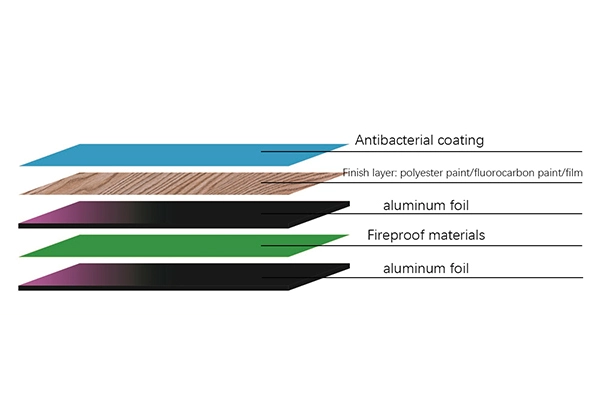
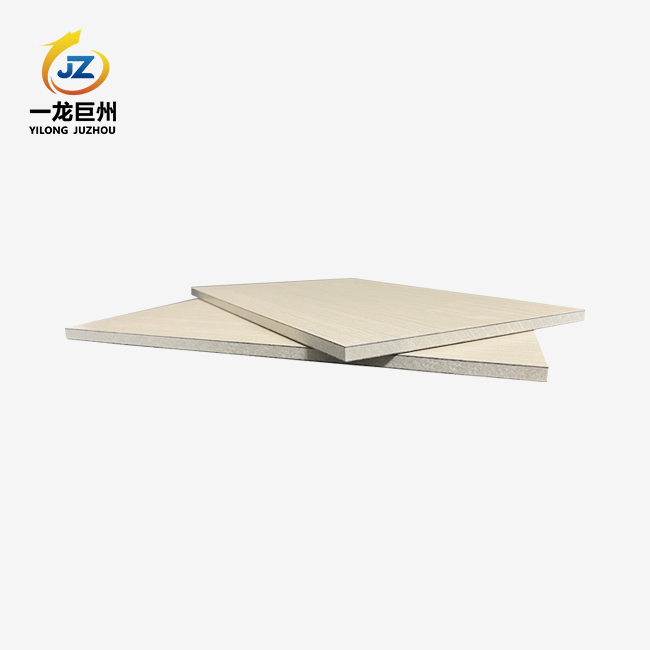
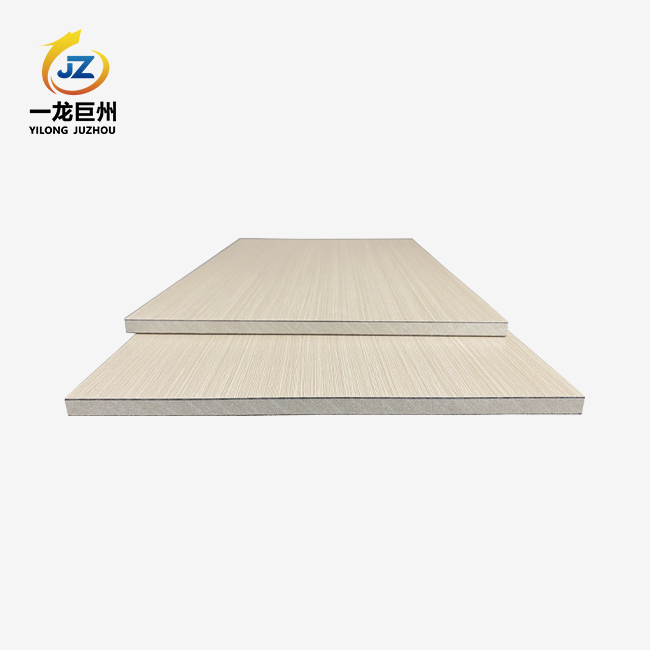
Aluminum composite panels are made up of two layers of aluminum that are bonded to a refractory core material. This makes the panel light but strong. The strength-to-weight ratio of this building method is better than that of solid metal pieces, and the dimensions stay the same even when the temperature changes. The thickness of the metal skin is usually between 0.1mm and 0.5mm, and the total panel thickness can be 2mm, 3mm, 4mm, 5mm, or 6mm. Knowing these things about the structure helps you choose the right specs for load-bearing needs and fitting situations.
Surface Characteristics and Paint Adhesion
Factory-applied polyester paint methods on good panels give even coverage that can't be matched by painting by hand. The constant coil coating method makes sure that the film thickness, adhesion, and color consistency are all the same throughout long production runs. This way of making things gets rid of the problems with color variation that come up with field-applied finishes. This is especially important for projects that need to match colors exactly across multiple building stages or places.
Thermal Expansion Considerations
When the temperature changes, aluminum composite panels always expand and shrink at the same rates. The right fitting systems must be able to handle this movement by using the right joint design and binding methods. When panels are put up in places where temperatures change a lot, they need expansion gaps and flexible connection points to keep them from buckling or building up stress that damages the look and strength of the structure.
Tip 2 – Select Appropriate Coating Systems for Your Application
Understanding Coating Technology Options
Different coating mixtures are used for different weather and performance needs. Polyester-based systems are a great choice for indoor uses where direct UV exposure is low. They last long enough for hospitals, schools, shopping malls, and office buildings. These coats keep the color stable and don't react with common cleaning chemicals that are used in places with a lot of foot traffic. How the coatings are applied has a big effect on how well they work in the end. Coatings that are applied by a machine are more consistent than coatings that are applied by hand.
Matching Coatings to Environmental Conditions
Coatings that don't absorb water or mildew work well indoors in places like subway stops, airports, train stations, and meeting centers. The polyester paint layer keeps out moisture while still being easy to clean, which is important for public areas. Medical beauty centers and drug factories need coating systems that can stand up to strict cleaning procedures without breaking down or changing color.
Evaluating Coating Performance Standards
Quality painting aluminum composite panel meets certain performance standards, such as pencil hardness rates, flexibility tests through T-bend evaluations, and measures of how long the gloss lasts. Panels with Class A2 or B1 fire ratings are very important for making sure that controlled settings are safe. By checking these specs before buying materials, you can be sure that they meet the needs of the job and local building rules.
Tip 3 – Master Installation Techniques for Optimal Results
Surface Preparation Requirements
To keep the coating's integrity, even factory-finished panels need to be handled carefully during installation. Aesthetic quality is kept up by keeping surfaces safe from scratches, abrasions, and chemical contact while they are being moved and put together. Installers should always wear clean gloves when working with panels and never drag things across rough surfaces, as this can damage painted finishes.
Fabrication Capabilities and Limitations
Modern painting aluminum composite panel systems can be made in a number of ways, such as by cutting, winding, scoring, and folding. Because of this, it's possible to make complicated building designs with curved surfaces, custom angles, and mounting features that are built right in. Panels taller than three meters can be made to order, which cuts down on the number of seams and makes installation easier in tall interior areas like hotel atriums and stadium concourses.
Fastening and Support Systems
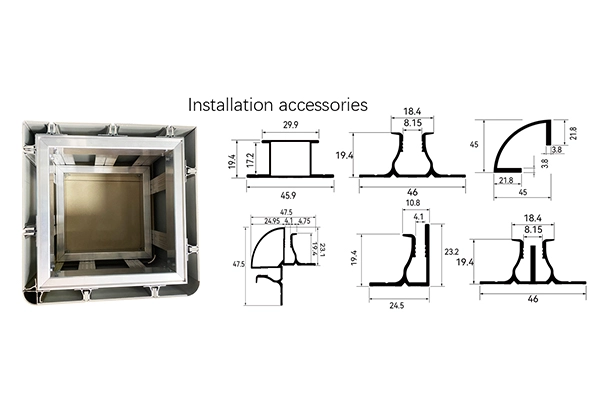
The right way to connect things spreads the weight evenly across the panel's sides and allows for thermal movement. When it comes to places like art galleries, gyms, and villas where visual uniformity is important, concealed fastening systems keep the lines of the furniture clean. When planning for installation, you should think about the state of the substrate, the expected loads, and how easy it will be to get to for future upkeep.
Tip 4 – Implement Effective Maintenance Protocols
Routine Cleaning Procedures
Regular care keeps painting surfaces looking good and working well for as long as they are used. When soft brushes are used with gentle cleaning solutions, they remove built-up dirt without scratching the top layers. Do not use strong cleaners or rough materials on paint films because they could damage them. Setting cleaning plans that are right for the amount of exposure in the environment stops the buildup that gets harder to get rid of over time.
Identifying Early Warning Signs
Inspections done on a regular basis find problems early on, before they get worse and need expensive fixes. If you see spots of discoloration, surface chalking, edge delamination, or fastener rust, it means that the environment is putting too much stress on the material or the fitting wasn't done right. Taking care of these problems right away increases the life of the panels and keeps the project's appearance.
Preventive Measures for Extended Performance
Over time, environmental factors like being exposed to water, changing temperatures, and direct impacts can damage aluminum composite panels. Putting safety measures in high-traffic areas in a smart way lowers the risk of mechanical damage. Making sure there is enough air and keeping an eye on the humidity levels inside stops moisture from building up, which speeds up the breakdown of coatings and rusting.
Tip 5 – Navigate Procurement with Strategic Insights
Evaluating Manufacturing Capabilities
A successful buying process starts with a careful evaluation of the seller, focused on their production capacity, quality standards, and expert support abilities. Companies that keep their ISO certification and environmental compliance paperwork show that they are dedicated to keeping high-quality standards. Check the amount of stock that is available, the usual production times, and the customization choices that work with the project's schedule.
Understanding Cost Structures
Panel prices depend on many factors, such as the width requirements, the metal skin gauge, the coating systems, and the number of orders. Custom colors that need to be matched to Pantone charts may cost more than standard color choices for some projects. Orders over a certain number of square meters usually qualify for volume savings. This makes consolidating purchases across project stages a smart financial move.
Logistics and Lead Time Planning
The supply of materials has a big effect on project timelines. Suppliers with large stock supplies can meet pressing needs, but custom specs take longer production wait times. Plan transport times around installation steps to cut down on the amount of storage space and material handling needed on-site. For foreign purchasing, knowing the best shipping paths and port sites can help you get the best deals on freight costs and transit times.
Tip 6 – Leverage Customization Options Effectively
Dimensional Flexibility
Standard panel sizes of 1220mm, 1500mm, and 2000mm can be used for most building purposes. Customizable lengths let you get the best results for your project's shape. This flexibility cuts down on waste and makes gaps less noticeable when the job is done. Giving exact measurements when placing an order for your aluminum composite board speeds up work and lowers the need for changes to be made in the field.
Color Matching and Aesthetics
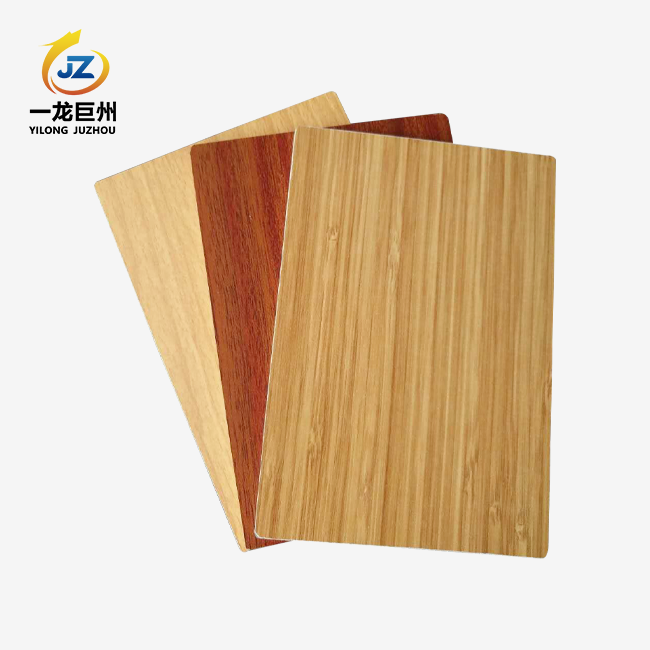
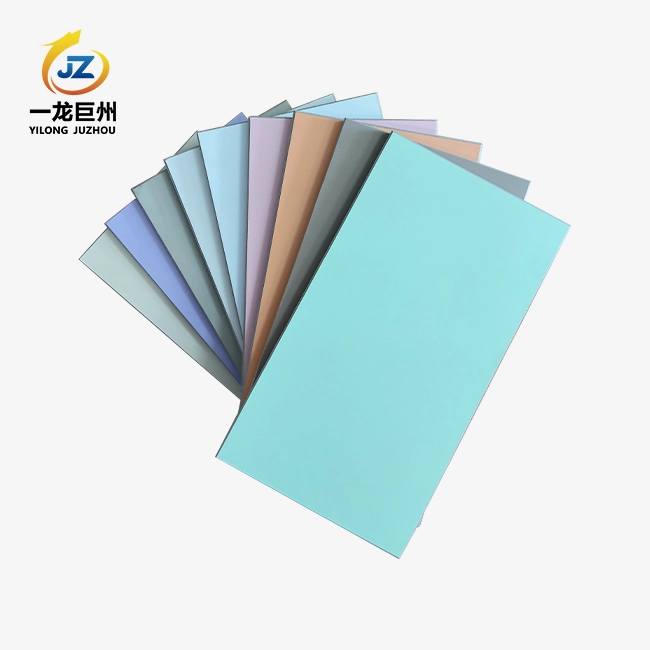
Factory color matching to Pantone standards makes sure that colors look great with general design schemes. Solid color finishes keep things looking the same on big surfaces, which is important in public and business settings. Before committing to full production numbers, sampling tools let you check the color accuracy and finish characteristics.
Performance Specification Tailoring
Customized panel specs are helpful for projects that have to deal with particular environmental conditions or government rules. Changing the thickness of the metal skin, the makeup of the core material, or the coating formulations can help reach certain performance goals. When designers and producers work together on technical issues, they can find the best solutions that match goals for cost, performance, and looks.
Tip 7 – Ensure Compliance with Safety Standards
Fire Resistance Classifications
Building rules require that internal wall materials have certain fire performance scores based on the type of population and the height of the building. High-rise buildings, transportation hubs, and healthcare facilities all need panels with Class A2 and B1 ratings that meet strict standards. Checking certification paperwork during buying keeps you from finding expensive compliance problems during checks.
Environmental Health Considerations
Modern aluminum composite panels that aren't made with formaldehyde, dangerous VOCs, or radioactive materials help keep living spaces healthy. These qualities are especially important in places like schools, medical beauty centers, and drug factories, where the air quality affects people's health directly. These material qualities are often taken into account by green building standards when giving scores for sustainability.
Structural Safety Factors
Even though they are made of light materials, quality panels have a very long life span. Being resistant to breaking and shattering lowers the risk of damage in places with a lot of activity, like gyms and parks. When the right materials are used and they are installed correctly, wall systems can survive normal hits without needing to be fixed often.
Tip 8 – Optimize Design Integration
Architectural Versatility
Because aluminum composite panels are naturally flexible, they can be used to make curved surfaces, column wrapping, and complex geometric shapes that would be hard to make with rigid materials. This flexibility lets architects make big design plans come true in hotel halls, meeting centers, and feature walls in office buildings. The ability to work with materials supports both small details and big building statements.
Coordinating with Other Building Systems
For integration to work, the mechanical, electrical, and lighting systems must all work together. When planned correctly, panel systems can have holes cut out for fixings, plugs, and equipment penetrations. When trades work together early on, disagreements don't happen, and installs are clean and look good.
Balancing Aesthetics with Function
Many specification choices are based on how something looks, but long-term satisfaction is eventually determined by practical needs like how well it absorbs sound, how easy it is to clean, and how long it lasts. This balance is achieved by painting aluminum composite panel, which has nice finishes and can survive harsh working conditions without needing too much upkeep.
Tip 9 – Understand Global Supply Chain Dynamics
Production Base Advantages
Manufacturers with more than one production facility make the supply chain more stable and give them more options for where to put their factories. Depending on the final location, facilities in the Shaanxi and Guangdong areas offer different organizational benefits. Being close to important ports like Shenzhen, Guangzhou, Shanghai, and Qingdao makes foreign shipping go more smoothly, which is especially helpful for projects that require painting ACP panels to arrive on schedule and in good condition.
Sample Evaluation Programs
By asking for samples before making a full purchase, you can physically check the quality of the material, the way it finishes, and the accuracy of the measurements. Samples are usually sent out within three to five days, which lets people make decisions quickly without putting off project plans. When building new ties with suppliers, this review step is especially helpful.
OEM and ODM Collaboration Opportunities
Custom manufacturing companies offer more than just standard products; they also create custom solutions that meet the specific needs of each project. These partnerships use the knowledge of the manufacturer to meet unique customer needs that normal goods can't meet. In addition to providing materials, technical service help during the design and installation stages adds a lot of value.
Tip 10 – Build Long-Term Supplier Relationships
Quality Assurance Mechanisms
Reliable providers use strict quality control measures at every stage of production, from checking the raw materials to doing the final inspection. Documentation like test reports and copies of certifications makes things clear and helps people make smart buying choices. Three-year quality promises show that the company that makes the product is confident in how well it will work.
Responsive Communication Standards
Professional providers keep lines of communication open and have expert staff on hand to answer questions about specifications, problems with installation, and performance issues. Response times of less than 24 hours keep projects moving forward and avoid costly delays. This ease of entry is very helpful when dealing with complicated buying and setting up processes.
Continuous Improvement Partnerships
The best relationships with suppliers grow over time as both parties work together on projects and use what they've learned to improve future processes and standards. Companies that care about their customers' happiness constantly seek feedback and change their products to meet the wants of new markets. When these partnerships cover more than one job and last longer, the value grows.
Conclusion
For aluminum composite panel projects to be successful, people need to be able to make smart choices during the planning, buying, installation, and upkeep stages. Knowing how panels are put together, the different covering technologies that are available, how they can be made, and how well they work lets you choose the best options for a wide range of situations. Strategic buying practices that focus on evaluating suppliers, checking quality, and planning processes are key to making sure projects succeed while keeping costs low. Using the right construction methods and upkeep schedules will extend the life of materials and keep their good looks. In business, institutional, and industrial settings, these ten tips will help you feel comfortable painting aluminum composite panel systems.
FAQ
1. How long do factory-applied coatings last compared to field-applied paint?
Factory-applied polyester coatings usually last a lot longer than alternatives that are applied by hand. In indoor uses, they can usually keep their look and protection for 10 to 15 years. The controlled application setting makes sure even coverage, proper curing, and better adhesion, which are all things that are hard to do regularly with hand methods. When painting in the field, things like weather, humidity, and the quality of the surface preparation can change, which can shorten the painting's life.
2. Can aluminum composite panels be repainted if colors need updating?
It is technically possible to paint over fitted panels, but it can be hard to get the surface ready and make sure the paint job looks regular. When you take into account work, downtime, and end quality, factory-finished replacement panels usually give better results at about the same total cost. New systems give you the chance to improve the look of your panels while also using the latest technologies.
3. What environmental factors most significantly affect painted panel durability?
Exposure to moisture, high temperatures, and UV rays is the main things that break things down. When installed inside, UV rays are naturally blocked, which makes the covering last a lot longer than when installed outside. Keeping the right humidity levels and enough air flow stops problems caused by wetness, like rust and coating delamination. Failures caused by stress can be avoided by using proper fitting methods that allow for thermal movement.
Partner with YILONG JUZHOU for Premium Painted Aluminum Composite Panel Solutions
YILONG JUZHOU has advanced factories in the provinces of Shaanxi and Guangdong that make high-quality aluminum composite panels that meet international standards and can be used in businesses and institutions. You can choose from a wide range of colors for the polyester paint on our Class A2/B1 protective panels, which come in thicknesses from 2mm to 6mm and widths up to 2000mm. We can meet tight project deadlines without sacrificing quality because we have 50,000 square meters of ready stock and can finish production in 3–7 days. We are approved painting aluminum composite panel makers and offer free samples, OEM/ODM services, full technical support, and quality guarantees that last for three years. Email our team at cnyang2000114@gmail.com to talk about your needs and get thorough quotes that are specific to your buying needs.
References
1. Smith, J.R. & Anderson, K.L. (2021). Modern Architectural Cladding Systems: Materials and Applications. Construction Technology Press.
2. Zhang, W. & Liu, H. (2022). "Performance Evaluation of Aluminum Composite Panels in Commercial Building Applications." Journal of Building Materials Science, 45(3), 287-304.
3. Thompson, M.D. (2020). Interior Finishing Materials: Selection and Specification Guide for Commercial Projects. Architectural Materials Institute.
4. Chen, Y., Park, S.H., & Williams, R. (2023). "Comparative Analysis of Coating Systems for Metal Composite Panels." International Journal of Construction Materials, 18(2), 156-173.
5. Roberts, P.E. & Davidson, C.M. (2022). Fire Safety in Building Materials: Testing Standards and Compliance. Safety Engineering Publications.
6. Kumar, A. & Schneider, T. (2021). "Sustainable Building Envelope Solutions: Environmental Performance of Composite Panel Systems." Green Building Research Quarterly, 12(4), 412-429.

Send Inquiry

Related Industry Knowledge
- What is an aluminum composite panel?
- PE Aluminum Composite Board Sheet: Sizes, Specs and Uses
- Top 10 Tips for Working with Aluminum Composite Material Panels
- How Do Antibacterial Wall Panels Work to Prevent Bacterial Growth
- Calcium Silicate Aluminum Composite Board vs Traditional ACP Panels: Key Differences
- Innovative Coated Aluminum Composite Panel Projects to Transform Your Space
- What is the difference between an aluminum composite panel and an aluminum sheet?
- Print on Aluminum Composite Panel: A Modern Twist on Traditional Wall Art
- How to cut an aluminum composite panel?
- What safety precautions should I take when cutting aluminum composite panels?