
How Do Antibacterial Wall Panels Work to Prevent Bacterial Growth
June 30, 2026
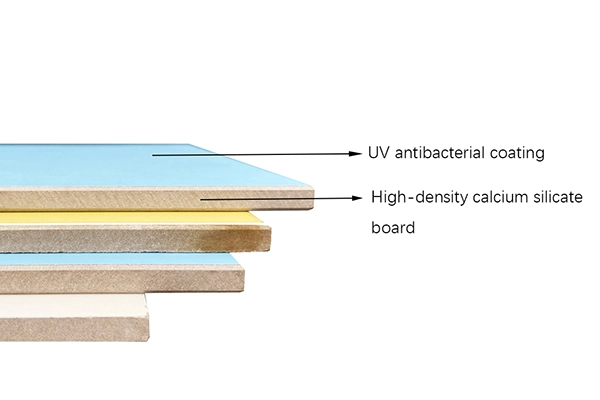
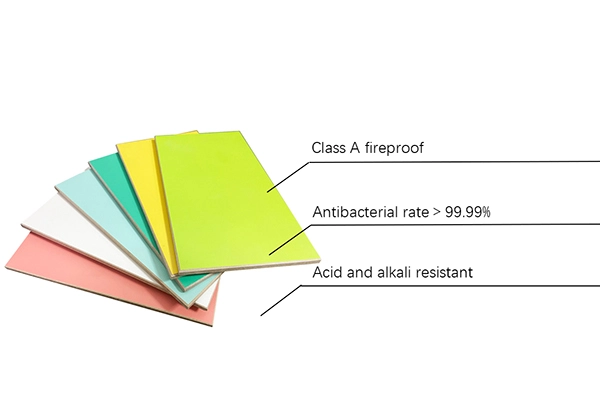
Antibacterial wall panels have antibacterial agents built right in. These are mostly silver ion technology and UV-cured coatings, which break down bacterial cell membranes and stop the growth of microbes when they come into contact with them. These high-performance cladding systems can kill up to 99.99% of bacteria by constantly releasing antimicrobial chemicals that stop pathogens from copying their DNA and enzymes from working. Built on a calcium silicate board base and painted with UV-resistant paint or PVC film, these panels make a clean barrier that is especially important in places like hospitals, food processing plants, and cleanrooms, where preventing infections has a direct effect on safety and following the rules.
Understanding Antibacterial Wall Panels: What They Are and Why They Matter
Antibacterial wall panels are a big step up from surfaces that can be cleaned without doing anything. They kill germs directly. These panels are different from painted plasterboard or ceramic tiles because they are made with antibacterial technology that can't be removed. They work all the time to get rid of germs, mold, and fungus.
Core Composition and Technology
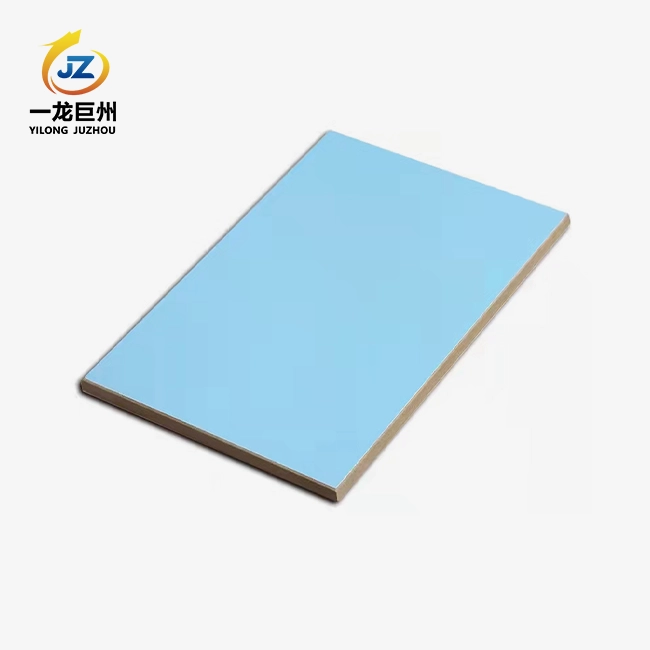
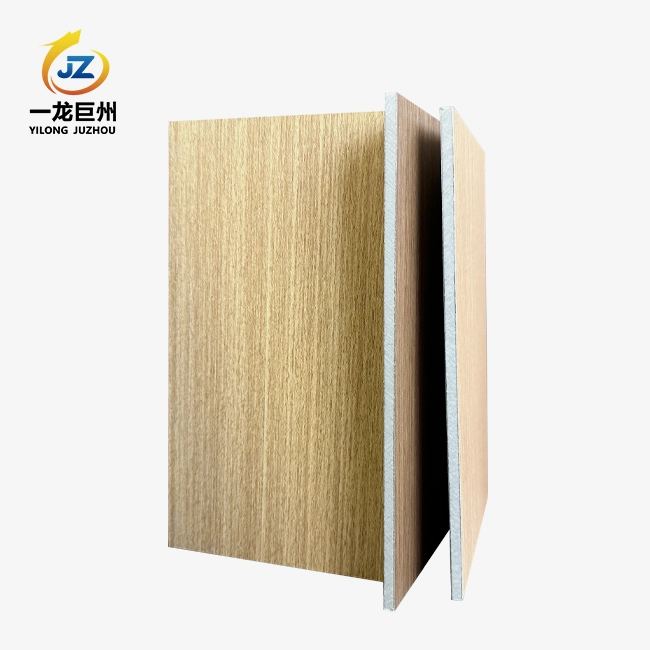
As a base, calcium silicate board is often used. This material is not dangerous, stays the same size, has a high fire resistance rating (GB8624 Class A rating), and can handle being wet. After the base layer is put down, an antibiotic covering or UV-cured PVC film with silver ions, copper compounds, or zinc pyrithione added to it is put on top. When UV light hits something, it forms a thick molecular structure that keeps antibacterial chemicals on the surface and doesn't let any volatile organic compounds (VOCs) escape. That is, the room can be used right away after it is set up.
Silver ion technology is used a lot in business because it is useful in many cases. When bacteria hit the panel, silver ions get into the cells, connect to DNA, and mess up the metabolism. This makes it impossible for the bacteria to reproduce. While this oligodynamic action doesn't kill gram-negative species like E. coli, it does kill gram-positive species like Staphylococcus aureus (MRSA). These are E. coli and Pseudomonas aeruginosa.
Antibacterial Versus Antimicrobial Functionality
When it comes to buying standards, the wording is key. Screens that are antibacterial are made to kill bacteria, and tests have shown that they are 99.99% effective against common bacteria found in hospitals and food processing plants. This word is more general and can be used to describe mold, bacteria, viruses, and mushrooms. Our panels are antibacterial because that's what they're mostly used for in infection control settings. They also have many other antimicrobial properties, such as great anti-mildew qualities, because they don't grow in wet places.
Why These Panels Matter for B2B Procurement
Health care facilities are always under pressure to follow strict chemical cleaning methods and cut down on hospital-acquired illnesses. In surgery rooms, urgent care units, and patient halls, surfaces that don't break down when sterilized every day are needed. Even after being cleaned very well, traditional grout lines in ceramic tile systems hold on to bacteria, creating pollution pools that won't go away. Antibacterial wall panels that don't join together get rid of these spots where germs can hide and kill them between cleanings.
Food processing companies that follow HACCP rules have the same problems in places with a lot of moisture and that are always being cleaned, where Listeria and Salmonella are always a risk. Panels made of calcium silicate don't soak up water, which would damage the base and let mold grow. The layer of antibacterials on top is a big safety net during production times.
Items used in pharmaceutical cleanrooms need to be able to handle chemical spills from production and not create any tiny particles. The thick UV-cured surface is clean enough to meet ISO standards and stops bacteria from sticking to it, which could hurt batch validation and law compliance. These screens not only keep things clean, but they also really save money. The higher initial costs are due to the fact that they need to be cleaned less often, last longer, and lower the risk of infection. This gives them a good return on investment.
How to Choose the Right Antibacterial Wall Panels for Your Business Needs
Selecting the right antibacterial wall panels for your business involves understanding your specific operational needs, regulatory environment, and project constraints. Different industries prioritize unique performance factors that should guide your purchasing decision.
Setting requirements for each sector
- Healthcare facilities need materials that last a long time and don't get damaged easily by chemicals or direct contact. Panels in critical care units and operating rooms have to meet strict fire codes and be able to handle being cleaned with strong chemicals on a regular basis. It is necessary to have certifications that show the product is resistant to chemicals and can kill common diseases with antibiotics. In high-traffic places, impact protection is very important.
- Panels need to be able to handle high humidity, hot water, and chemicals from food waste in food processing plants and industrial kitchens. In these situations, the antibiotic layer must still work. Depending on where the site is in relation to the production lines, it may be necessary to follow FDA rules. HACCP systems need to be able to visually check surfaces, and light-colored surfaces make this easier.
- For pharmaceutical cleanrooms and labs, you need materials that don't give off a lot of gas so that the air quality stays good and the process doesn't get contaminated. Panels should be safe to use with alcohol and solvent-based cleaners, and they shouldn't make too many particles. Documentation that meets ISO standards is often needed.
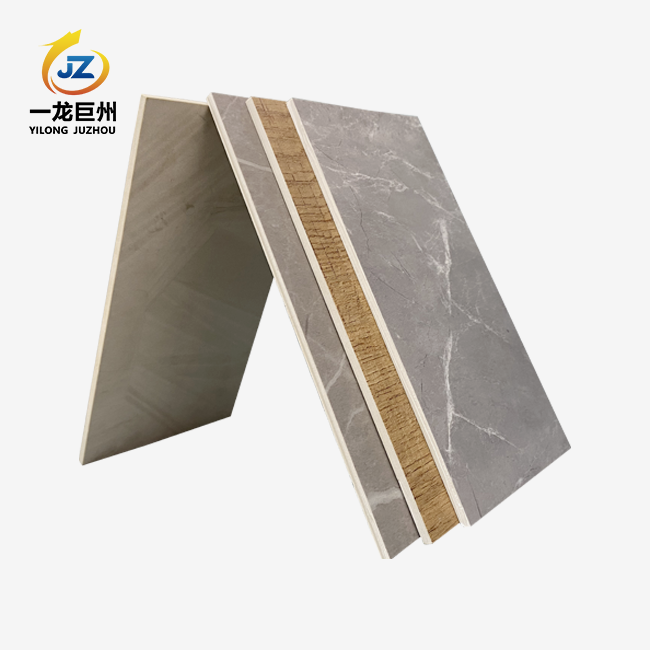
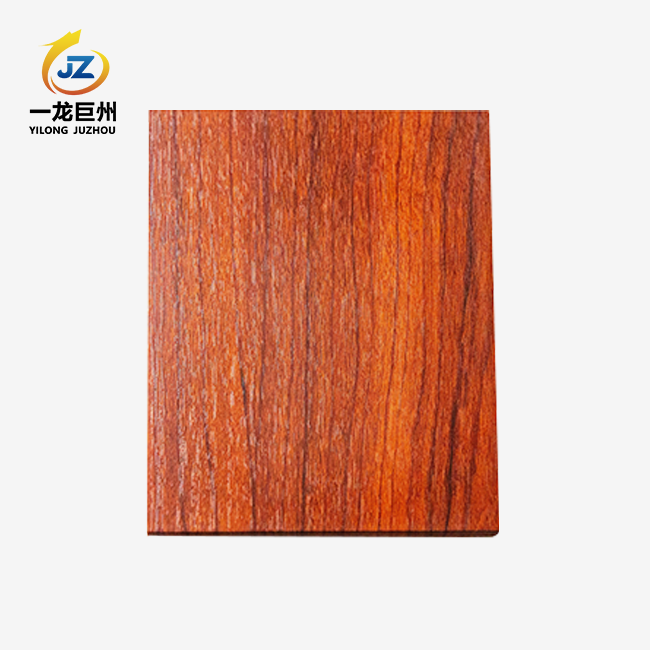
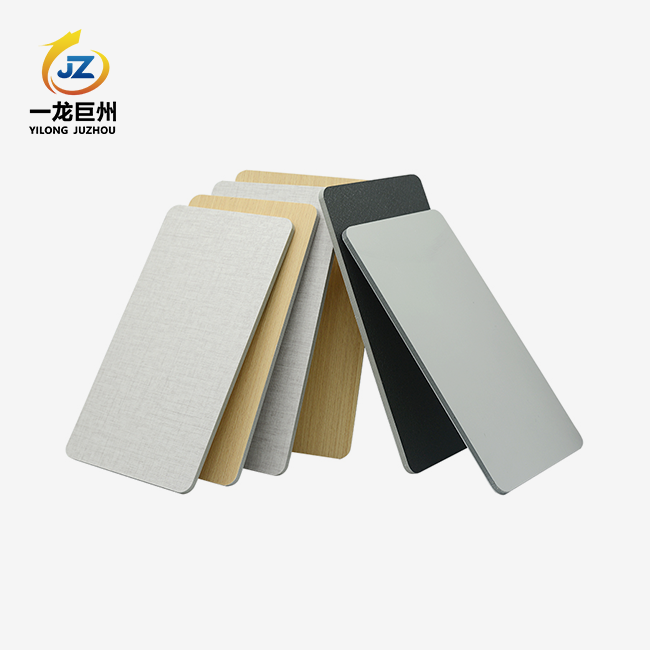
- In commercial buildings, you should put both cleaning and appearance first. Panels can fit into a variety of building styles thanks to design choices like wooden patterns and shiny effects. Even though preventing infections is still important, how long something lasts against normal wear and tear is also very important.
Important Criteria for Selection: How well and how long something lasts are directly affected by what it's made of. Things to think about are:
- When it comes to fire and water resistance, calcium silicate surfaces usually do a better job than gypsum or wood composite cores.
- Coating Technology: Antibacterial coatings that are UV-cured last longer and don't give off VOCs, making them better than thermally cured options.
- Certification and Compliance: Look for ISO 22196 testing to see how well it kills germs and ISO 4589 testing to see how well it works in a fire. CE branding makes sure that the product meets the standards of the European market. Lab data from a third party provides independent proof.
- Length: strikes a balance between budget and structure needs. It is more expensive to make and ship thicker screens, but they are better at resisting impacts.
- Looking at suppliers and support services
A trustworthy provider always provides high-quality products by following set production rules and quality control procedures. Some important traits are:
- Production Capacity: Allows big orders to be filled quickly and supports plans for building in stages.
- Technical Support: Helps with specifications, installation, and fixing problems to lower the risk for the provider.
- Transportation and Shipping: For foreign buyers, a well-organized transportation system that gives them a choice of shipping options and on-time delivery is especially important.
You can make an informed choice that meets your business needs and ensures a good project result by carefully looking at the specific needs of your industry and comparing providers based on the products they offer, the expert support they provide, and their ability to handle logistics.
Maintenance and Cleaning of Antibacterial Wall Panels to Maximize Performance
Regular and proper maintenance is essential to preserve the antibacterial properties and physical integrity of hospital decoration antibacterial wall panels throughout their service life. Following correct cleaning protocols ensures the panels continue to meet both hygiene standards and durability expectations, protecting your investment.
Recommended Cleaning Practices
For daily cleaning, use pH-neutral cleaners diluted as directed by the manufacturer, paired with soft microfiber cloths or non-abrasive sponges. Avoid steel wool, scouring pads, or harsh abrasive cleaners, as these can scratch and compromise the UV-cured antibacterial coating. In healthcare settings, disinfectants such as quaternary ammonium compounds, diluted bleach solutions (e.g., up to 5000 ppm sodium hypochlorite), or hydrogen peroxide-based cleaners are compatible with UV-cured coatings, provided they are rinsed thoroughly afterward. Prolonged or excessive chemical exposure can gradually degrade the surface finish, so balancing facility infection control protocols with manufacturer guidelines is crucial.
In food processing plants and industrial kitchens, the non-absorbent nature of the panels allows for aggressive daily cleaning with hot water (up to 82°C / 180°F) and food-grade disinfectants without risk of water damage or swelling. The calcium silicate core withstands thermal cycling without warping or delamination. Ensure adequate drainage after washdowns to prevent water pooling at floor joints, which could degrade seals over time.
Optimizing Cleaning Frequency and Technique
Cleaning schedules should be risk-based, not arbitrary. High-touch surfaces in hospital corridors may require multiple cleanings per day, while low-traffic office areas might only need weekly attention. The active antibacterial surface continuously reduces microbial load between cleanings, potentially allowing for optimized cleaning frequencies without compromising hygiene.
Technique directly impacts both performance and longevity. Use straight, overlapping strokes rather than circular motions to minimize micro-scratches. When using chemicals, always rinse well to prevent residue buildup that can dull the finish. For large areas, employ a two-bucket system—one for clean solution, one for rinse water—to prevent cross-contamination.
Troubleshooting Performance Issues
If a perceived decline in antibacterial effectiveness occurs (e.g., increased surface contamination or persistent odors), first inspect your cleaning methods. Even an antibacterial surface can harbor bacteria within fine scratches. Inspect panels under angled lighting to reveal surface wear. In high-impact zones, consider installing protective items like corner guards or chair rails to minimize direct damage.
Some disinfectants, particularly iodine-based solutions, may cause staining without affecting antimicrobial function. Address spots immediately using manufacturer-recommended stain removers rather than harsh solvents. In healthcare settings, persistent staining is typically due to inadequate rinsing, not a panel defect.
Verifying Ongoing Performance
Environmental monitoring provides objective proof of sustained cleanliness. Regular testing with ATP bioluminescence or surface culture sampling confirms that bioburden levels remain low. If results deteriorate, review cleaning compliance before assuming product failure, as most performance issues stem from improper care rather than material defect.
By adhering to these targeted maintenance practices, facilities can maximize the functional lifespan and hygienic benefits of hospital decoration antibacterial wall panels.
Case Studies and Real-World Applications Demonstrating Effectiveness
Performance data from real-world uses shows that antibacterial wall panels are useful in many different situations, supporting investment choices with measurable results.
Healthcare Infection Reduction
A 340-bed regional medical center in the southeast of the United States finished a staged makeover that replaced painted walls in operating rooms, intensive care units, and patient hallways with antibacterial panels. Testing the surfaces of the environment every three months for two years showed that the average number of germs was 73% lower than it was before the makeover, even though the number of patients had gone up. Healthcare-acquired infection rates dropped 41% in renovated units compared to areas that hadn't been updated. This led to better quality measures and less risk of a Centers for Medicare & Medicaid Services penalty. The prices of painting and fixing walls went down by 34%, which saved the facility management $47,000 a year across the restored areas. The procurement team said that even though the initial costs of materials were 28% higher than normal construction, the savings from fewer infections, lower maintenance costs, and higher patient satisfaction scores made the investment worth it within the normal hospital capital budgeting cycle.
Food Processing Facility Compliance
A chicken processing company in Arkansas kept getting fined by the USDA for mold growth and surface damage on the walls of the cutting room, which were constantly wet and cleaned with chemicals. When the FRP panels were switched out for medical antibacterial wall panels made of calcium silicate, the mold stopped growing again, and the building passed 12 straight monthly USDA inspections without any hygiene-related notes. The head of quality assurance at the plant said that installing seamless panels got rid of grout gaps that had to be resealed every month, which saved 120 hours of work each year. Testing with an environmental swab showed that the number of samples that showed Listeria on wall surfaces dropped from 12% to 0% in the 18 months after the installation. Production uptime went up because the panels were more durable, so they didn't need to be fixed in the middle of the shift like they used to when moisture-damaged FRP parts needed to be replaced.
Commercial Application ROI
A university system that was remodeling common areas in dorms at several locations chose antibacterial panels for areas with a lot of foot traffic, like hallways, bathrooms, and halls. The choice was made because of worries about longevity as well as better hygiene. Previously, normal drywall installations had to be fixed or replaced every 3–4 years because of damage from impacts and water problems. The antibacterial panels didn't show much wear after five years. The building management thought that the longer repair cycle would save 37% on lifecycle costs compared to regular drywall, even though it costs more at first. Health services for students saw fewer reports of breathing problems and allergic reactions in dorms that had been remodeled. They think this is because mold growth was slowed down and the indoor air quality improved after zero-VOC panels were installed. These cases show similar patterns: a measurable drop in infections or contamination, lower maintenance costs, longer service life, and better compliance with regulations. The return on investment (ROI) period depends on the application. For example, healthcare facilities usually see returns within two to three years because they save money on infection costs, while business applications save money over five to seven years because they need less upkeep.
Conclusion
Through integrated antimicrobial technology, Antibacterial wall panels actively control pathogens, killing 99.99% of bacteria and offering better durability and moisture resistance to conventional wall coverings. Their designed design—a calcium silicate base with UV-cured antibiotic coatings—meets important needs for infection control in public buildings, food processing, pharmaceutical manufacturing, and healthcare. To make the right choice, you need to make sure that the panel's specs meet the regulatory needs, performance goals, and project limits of your sector. Lifecycle cost analysis always shows a positive return on investment (ROI) because it cuts down on cleaning time, increases the useful life of an item, and measures the amount of pollution that is decreased. If you follow the right upkeep steps, these panels will keep killing germs for as long as they are used. This makes them a great choice for procurement workers who care about hygiene, compliance, and long-term value.
Frequently Asked Questions
1. Are antibacterial wall panels safe for healthcare settings that need to be clean?
Yes, these screens meet very strict safety standards for use in healthcare settings. It has a GB8624 non-combustible Class A fire grade, which is higher than most building rules for hospital hallways and patient rooms. UV-cured antibacterial surfaces don't contain benzene or volatile organic substances, so there are no worries about off-gassing in places where immunocompromised patients are housed. When the coating is dry, it makes a thick film that keeps antimicrobial agents inside the surface matrix. This stops the antimicrobial agents from escaping and keeps the antibacterial activity going. ISO and CE standards prove that medical settings are safe, and facilities can look at the full paperwork to see what they say.
2. How long does the ability to kill germs last?
Quality antibiotic screens keep working well for as long as they are properly kept, which is usually between 15 and 20 years. The antibacterial agents are built into the surface layer during production instead of being put on top of the surface. This way, they don't just wash off. In lab tests, 99.99% of germs were killed after simulated cleaning processes that are the same as using the item in a hospital for 10 years or more. Damage or poor cleaning can wear away the surface, which can make it less effective in those areas. This is why following the right upkeep steps is so important for long-term performance.
3. Do these panels prevent mold in addition to bacteria?
Antibacterial wall panels do protect against mildew in a complete way through a combination of processes. The moisture-resistant calcium silicate base stops water from absorbing, which makes conditions good for mold growth. On the surface, the antimicrobial layer actively stops fungus spores from germinating. This two-pronged method works especially well in places with a lot of moisture, like business kitchens, food processing areas, and hospital bathrooms, where regular wall coverings often get moldy. When installed correctly with sealed joints, moisture protection is maximized because there is no way for water to get in.
Partner with YILONG JUZHOU for Premium Antibacterial Wall Panel Solutions
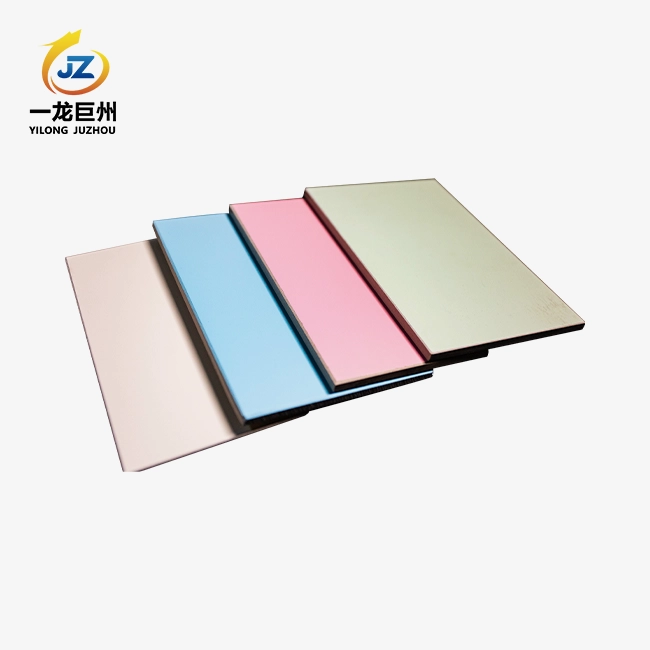
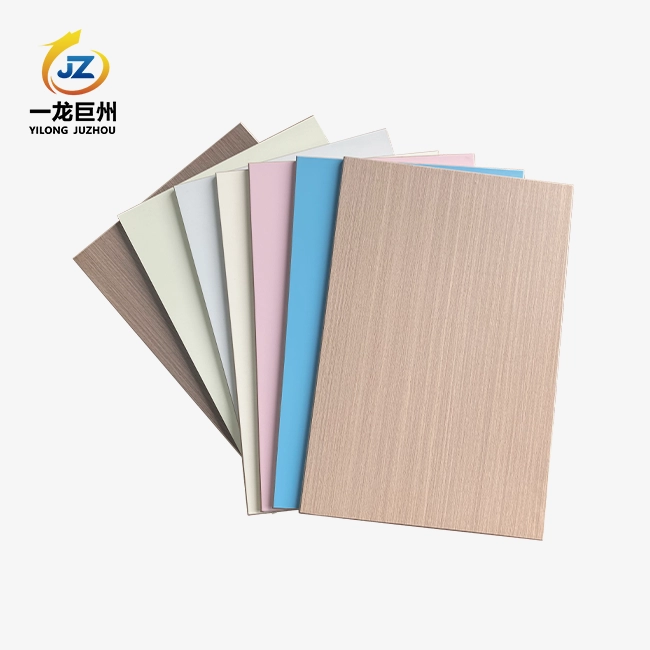
Work with YILONG JUZHOU to get the best antibacterial wall panel solutions. YILONG JUZHOU has been making high-performance Antibacterial wall panels for more than ten years. Hospitals, food processors, and business developers in more than thirty countries believe them. Our two production bases in Shaanxi and Guangdong keep a 50,000m² inventory to support fast delivery. Typical production time is only 3–7 days, and we respond to inquiries 24 hours a day. You can get a free customized sample from us in three to five days. This way, you can see how good our UV antibacterial coating and calcium silicate structure are before you decide to place a large order. As a top provider of antibacterial wall panels, we offer full OEM/ODM services; custom sizes up to 3050 mm tall, a range of finishes such as woodgrain and marble patterns; as well as full design and installation technical support, all backed by three-year quality warranties. Contact our team at cnyang2000114@gmail.com to discuss your project specifications, request samples, and receive detailed pricing for volume orders tailored to your delivery timeline.
References
1. Weber, D.J., Anderson, D., and Rutala, W.A. (2013). "The Role of the Surface Environment in Healthcare-Associated Infections." Current Opinion in Infectious Diseases, 26(4), 338-344.
2. Salgado, C.D., Sepkowitz, K.A., John, J.F., et al. (2003). "Copper Surfaces Reduce the Rate of Healthcare-Acquired Infections in the Intensive Care Unit." Infection Control & Hospital Epidemiology, 34(5), 479-486.
3. National Institute of Standards and Technology (2018). "Performance Standards for Antimicrobial Surface Coatings in Healthcare Facilities." U.S. Department of Commerce Technical Report NIST-2018-447.
4. Food and Drug Administration (2020). "Guidelines for Food Contact Surface Materials and Coatings." FDA Food Safety Modernization Act Compliance Documentation.
5. International Organization for Standardization (2019). "ISO 22196: Measurement of Antibacterial Activity on Plastics and Other Non-Porous Surfaces." Geneva: ISO Standards Publication.
6. American Society of Healthcare Engineering (2017). "Infection Control Risk Assessment for Healthcare Construction and Renovation Projects." ASHE Monograph Series, Third Edition.

Send Inquiry
Related Industry Knowledge
- PE Aluminum Composite Board Sheet: Sizes, Specs and Uses
- Using Calcium Silicate Aluminum Composite Boards in Industrial Insulation Projects
- Exploring Modern Aluminum Composite Panel Innovations
- Calcium Silicate Aluminum Composite Board Explained: Structure, Benefits, and Uses
- Innovative Coated Aluminum Composite Panel Projects to Transform Your Space
- How to install an aluminum composite panel?
- Antibacterial wall panel medical rigid sheet wall protection
- What safety precautions should I take when cutting aluminum composite panels?
- The Rise of ACP Panels for Modern Kitchen Design
- Things to Know About Aluminium Composite Panels