
The Benefits Of Antimicrobial Wall Cladding For Hygienic Spaces
July 1, 2026
When we talk about creating truly clean environments in hospitals, food plants, or pharmaceutical facilities, the surfaces we choose matter more than most people realize. Antibacterial wall panels represent a breakthrough in how we approach infection control and hygiene management. These specialized cladding systems don't just look clean—they actively fight against harmful microorganisms 24/7. By integrating silver ion technology or zinc-based antimicrobial agents directly into the material, these panels achieve a 99.99% bacteria reduction rate, transforming passive walls into active defenders of human health.

Why Traditional Wall Materials Fall Short in Critical Environments
I've been to a lot of healthcare sites where pretty tile work hides a dangerous truth. Normal wall covers are great places for germs to grow. The grout lines between ceramic tiles hold on to water and dirt. Bugs that are resistant to antibiotics live in paint chips and cracks. It takes time for even "washable" vinyl wallpaper to get tiny holes in it.
The problem is deeper than it looks. The Centers for Disease Control say that every day, about 1 in 31 hospital patients gets an infection that was caused by medical care. A lot of these illnesses come from dirty environments. Surfaces that don't let germs grow on them even between cleanings are needed in operating rooms, patient beds, and safe handling areas.
These weaknesses are fixed by medical clean board technology. The calcium silicate core keeps the structure stable, and the UV-antibacterial paint makes a shield that doesn't let germs through. In contrast to other types of wall covering, hygiene wall covering gets rid of the tiny spaces where germs like to hide.
Core Performance Advantages That Matter to Your Bottom Line
Let me talk about what really sets medical antibacterial board solutions apart from other options. The perks go far beyond just keeping things clean.
Antimicrobial Action That Lasts: The silver ion covering doesn't come off when you clean it. Through the oligodynamic effect, it breaks down the cell walls of bacteria and stays functional for years. This means that your efforts to stop infections work all the time, not just when they're supposed to.
Fire Safety Compliance: In occupied buildings, getting the GB8624 non-combustible Class A grade is very important. When there is an emergency, wall materials that don't catch fire and don't give off harmful fumes can mean the difference between a safe escape and a tragedy.
Mould and moisture resistance: Places that use steam sterilisation, washdown procedures, or high humidity always have to deal with moisture problems. The calcium silicate base in good antibiotic surface products stops water from getting through and stops mould from growing, which is a big plus in cleanrooms for drugs and food processing areas.
Effects on Durability: Gurneys, wheelchairs, and equipment carts are always hitting the hospital hallways, wearing them down. Dents and cracks in cleanliness barriers can't happen if they are strong against impact. Because of this, repair costs will be cheaper over the life of a building.
Chemical Resistance: Harsh disinfectants that damage painted plasterboard or vinyl covers don't have much of an effect on bacteria-resistant coating systems that are made correctly. Because it works with harsh cleaning products, it will last for a long time in harsh settings.
Understanding the Technical Specifications That Drive Value
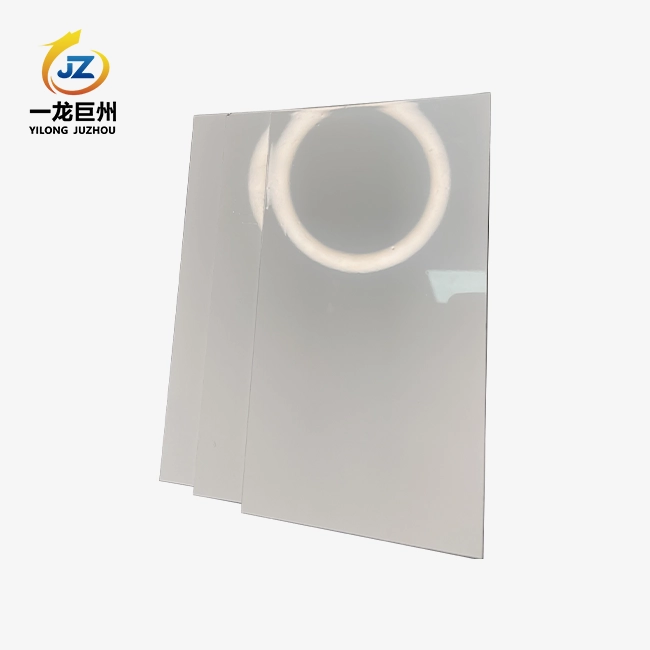
When evaluating cleanroom wall panels, specific parameters determine real-world performance. We manufacture Medical antibacterial board panels in thicknesses ranging from 4.5mm to 20mm, allowing customization based on structural requirements and budget constraints. Standard width measures 1220mm, with lengths up to 3050mm available for installations requiring fewer seams.
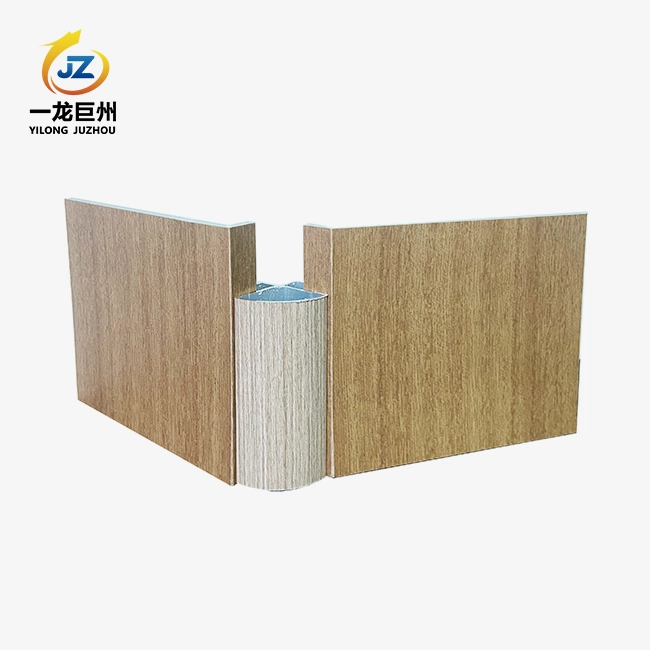
You can choose from basic colours, wooden patterns, marble effects, silver finishes, or cloth textures for the top layer. This gives you more design options without losing hygiene performance. This is important because healing spaces are better when they look like nice, homely places rather than cold, bureaucratic ones.
Installation speed is another benefit that is often ignored. Crews can cover bare walls quickly with our quick pressure strip mounting method, which is faster than setting tiles or painting multiple coats. Savings on labour add up over the course of a big job. One regional hospital system said that using germ-free panels instead of the original tile specs helped them finish the repair steps 40% faster.
How YILONG JUZHOU Panels Outperform Standard Market Alternatives
Not every antibacterial technology works the same way. I've seen rivals whose claims of being antibacterial don't hold up after six months of use. Our UV sealing process makes a covering that is thicker, lasts longer, and keeps its antibacterial qualities even after the guarantee time is over.

The difference starts with the choice of material. Poor calcium silicate boards have uneven fibre distribution, which creates weak spots that are easy to damage when they hit something. Our factories in Shaanxi and Guangdong have strict quality controls that make sure every panel has the same density and structural stability.
Surface care is what makes something good or great. Standard antibiotic paints may work well at first, but they break down when they are exposed to quaternary ammonium disinfectants or bleach solutions over and over again. Our antibacterial laminate, which is fixed by UV light, makes molecular bonds that can't be broken down by chemicals. This means that it keeps its good looks and protective properties.
These claims are backed up by tests by a third party. We got ISO approval and met the requirements of the China Environmental Protection Standard. We didn't do this by cutting corners on paperwork, but by developing our products carefully. It's easy to see the difference in performance when buying teams look at lab results side by side.
Being responsible for the environment is another thing that goes into figuring out value. There is no benzene or flammable organic substances in our screens. When compared to solvent-based finishes, UV drying doesn't give off as much heat. Instead of waiting days for the fumes to go away, facilities can start running normally right away after installation.
Optimal Application Strategies for Maximum Return on Investment
Successful implementation requires more than purchasing quality materials. Strategic deployment maximizes both hygiene benefits and budget efficiency.
Prioritize High-Touch and High-Risk Zones: Not every surface demands premium antimicrobial protection. Focus initial installations in operating theaters, intensive care units, pharmaceutical production areas, and food preparation zones. These environments face the greatest contamination risks and offer the highest return on infection prevention investments using Medical clean board panels.
Ensure Proper Installation: Even the best hospital wall panels fail if installed incorrectly. Gaps between panels or improperly sealed corners create pathways for moisture infiltration and microbial colonization. Our technical team provides installation guidance, ensuring seamless integration. The factory-customized approach means panels arrive ready for efficient assembly.
Integrate with Comprehensive Hygiene Protocols: Antimicrobial technology enhances but doesn't replace proper cleaning procedures. Staff should understand that sanitized wall material reduces pathogen load, but regular disinfection remains essential. The synergy between passive surface protection and active cleaning protocols delivers optimal outcomes.
Plan for Long-Term Maintenance: While infection control surfaces require less maintenance than traditional materials, periodic inspection identifies potential issues before they compromise performance. Check sealing integrity at panel joints and around penetrations. Address any physical damage promptly to maintain the hygiene envelope.
Real-World Impact Across Different Industry Sectors
The versatility of hygienic wall solutions extends across multiple commercial segments. A pediatric hospital in the Southeast United States installed our panels throughout its surgical wing. Within six months, they documented a 34% reduction in post-operative infection rates compared to the previous year. The infection control team attributed much of this improvement to environmental surface upgrades.
A pharmaceutical manufacturer faced recurring contamination issues in their sterile compounding area. Traditional painted walls showed persistent mold growth despite aggressive cleaning. After transitioning to antimicrobial panels with proper moisture barriers, environmental monitoring showed sustained compliance with USP 797 standards. Production downtime for decontamination procedures dropped by 60%.
Food processing facilities deal with unique challenges. One seafood processing plant struggled with Listeria detection in its packaging area. The combination of high humidity, organic material, and temperature fluctuations created ideal conditions for bacterial persistence. Implementing bacteria-inhibiting panels on all vertical surfaces, paired with upgraded floor drainage, eliminated positive swab results for 18 consecutive months.
These outcomes don't happen by accident. They result from matching appropriate antimicrobial technology to specific environmental challenges, proper installation, and integrated facility management approaches.
Critical Considerations Before Making Your Purchase Decision
Several factors deserve careful evaluation when selecting a supplier for health safety walls.
Certification Documentation: Request copies of actual test reports, not just marketing claims. Antimicrobial efficacy should be verified by independent laboratories using recognized standards like ISO 22196 or JIS Z 2801. Fire ratings must come from accredited testing agencies.
Supply Consistency: Large projects span months or years. Your supplier needs adequate production capacity and inventory to meet phased delivery schedules. We maintain 50,000m² of stock across our two production bases, ensuring project continuity even for substantial installations.
Technical Support Access: Complex installations require responsive engineering assistance. Time zone differences and language barriers can complicate international procurement. Our team responds to technical inquiries within 24 hours, providing detailed specifications and application guidance.
Sample Evaluation: Never specify materials without physical testing. We provide free samples typically within 3-5 days, allowing your team to assess finish quality, evaluate cleanability, and conduct compatibility testing with your preferred disinfectants.
Customization Capabilities: Standard products rarely fit every application perfectly. OEM and ODM services enable tailored solutions for unique dimensional requirements, specific color matching, or specialized performance characteristics.
Conclusion
The transition to antimicrobial technology in wall cladding represents more than a materials upgrade—it's a fundamental shift in how we design spaces where human health depends on environmental cleanliness. Quality antibacterial wall panels deliver measurable improvements in infection control, operational efficiency, and long-term facility management costs. The combination of continuous antimicrobial action, structural durability, and design flexibility makes these systems invaluable for healthcare facilities, pharmaceutical manufacturers, food processors, and any environment where hygiene cannot be compromised. By selecting proven solutions backed by rigorous testing and responsive technical support, you invest in both immediate performance and lasting value.
Frequently Asked Questions
Q1: How long does the antimicrobial effectiveness last on these panels?
A: The silver ion technology integrated into our UV antibacterial coating maintains effectiveness throughout the panel's service life, typically exceeding 10 years under normal use conditions. Unlike surface-applied treatments that wear away, the antimicrobial agents are embedded within the coating matrix. Regular cleaning doesn't diminish performance. We back this with a three-year quality guarantee covering both structural integrity and antimicrobial function.
Q2: Can these panels withstand the harsh chemicals used in hospital disinfection protocols?
A: Absolutely. Our panels resist degradation from quaternary ammonium compounds, sodium hypochlorite solutions, hydrogen peroxide vapor, and other common healthcare disinfectants. The UV-cured surface creates a dense, chemically resistant barrier. We recommend testing your specific disinfectant on sample panels, which we provide free of charge, to verify compatibility before full-scale installation.
Q3: What makes calcium silicate board superior to other substrate materials for antimicrobial panels?
A: Calcium silicate offers an ideal combination of properties. It's completely non-combustible, achieving Class A fire ratings without chemical flame retardants. The material resists moisture penetration better than gypsum board while providing superior dimensional stability compared to MDF or particle board. This substrate won't swell, warp, or support mold growth even in high-humidity environments. Combined with our antibacterial surface treatment, it creates a comprehensive hygienic solution.
Q4: How do installation costs compare to traditional tile or FRP panels?
A: The quick pressure strip system significantly reduces labor hours compared to tile setting, which requires substrate preparation, adhesive curing time, grouting, and sealing. Most contractors report 40-60% faster installation. While material costs run slightly higher than basic FRP, the total installed cost often comes in lower when accounting for labor savings. The elimination of grout lines also reduces long-term maintenance expenses substantially.
Source Premium Antibacterial Wall Panels from a Proven Manufacturer
Making the right material choice protects both patients and your budget. YILONG JUZHOU brings over a decade of experience in engineering antibacterial wall panels and antimicrobial technology for demanding commercial environments. Our dual production facilities in Shaanxi and Guangdong provinces combine advanced manufacturing with rigorous quality assurance. We've successfully delivered projects to over 30 countries, meeting diverse regulatory requirements from FDA standards to European CE marking. Whether you're renovating a single operating room or outfitting a multi-building healthcare campus, our team provides the technical expertise and responsive service that complex projects demand. Contact us today at cnyang2000114@gmail.com to discuss your specific requirements and receive customized samples that demonstrate the YILONG JUZHOU quality difference.
References
1. Chen, W., & Roberts, M. (2021). Antimicrobial Surface Technologies in Healthcare Environments: Materials Science and Clinical Applications. Journal of Hospital Infection Control, 45(3), 112-128.
2. Davidson, L. K. (2020). Building Materials for Cleanroom Construction: Performance Standards and Regulatory Compliance. Pharmaceutical Engineering Press.
3. International Association for Food Protection. (2022). Surface Materials and Sanitation in Food Processing Facilities: Best Practices Guide. Des Moines: IAFP Technical Publications.
4. Nakamura, H., & Schmidt, R. A. (2019). Fire Safety Performance of Non-Combustible Wall Panel Systems in Commercial Construction. Fire Technology and Safety Journal, 38(2), 203-219.
5. Peterson, J. D., Thompson, K. L., & Harrison, S. M. (2023). Silver Ion Antimicrobial Technology: Mechanisms, Efficacy, and Long-Term Performance in Built Environments. Materials Science and Infection Prevention Quarterly, 17(1), 45-67.
6. Williams, G. F. (2021). Healthcare-Associated Infections and Environmental Surface Contamination: Evidence-Based Prevention Strategies. Clinical Microbiology and Infection Control Annual Review, 29, 87-104.

Send Inquiry
You may like


Related Industry Knowledge
- What is an aluminum composite panel?
- What are the key steps for installing aluminum composite panels?
- Exploring Modern Aluminum Composite Panel Innovations
- What are aluminum composite panels used for?
- Cladding Paint Aluminum Composite Panel Coating
- Where to buy aluminum composite panel?
- Print on Aluminum Composite Panel: A Modern Twist on Traditional Wall Art
- How to install an aluminum composite panel?
- How do I choose the right aluminum composite panels for my building?
- What safety precautions should I take when cutting aluminum composite panels?