
What are the key steps for installing aluminum composite panels?
June 30, 2026
Installing aluminium composite panels requires careful design and execution for strength and appearance. The building procedure is even more critical for A2 Aluminium Composite panels, which contain a mineral-based core that meets fire safety regulations. To prolong their lifespan, handle these fire-resistant panels carefully. From foundation preparation to finishing, each stage influences how effectively the panel protects building users and lasts for decades.
Introduction
Aluminium alloy panels, which are robust and flexible, have transformed modern architecture. A2 Aluminium Composite panel fire-rated materials are common in projects that must provide safety. Hospitals, airports, schools, and high-rise business buildings around the US employ these panels. Building codes increasingly require external and interior wall systems to be fireproof.
Only proper installation can maximise your investment. Project engineers, procurement managers, and construction supervisors must understand how to handle A2-rated panels differently from polyethene-core panels. Due to its fire resistance, the mineral-rich core requires careful cutting, attaching, and closure. The B2B installation guide leads customers through each step. It will prevent costly errors and ensure you meet international safety standards. These simple installation standards can help you stay under budget and protect your image when selecting materials for a healthcare facility remodel or business tower project.
Understanding A2 Aluminium Composite Panels Before Installation
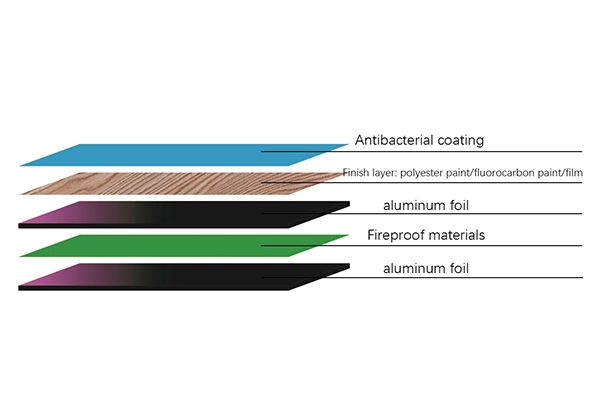
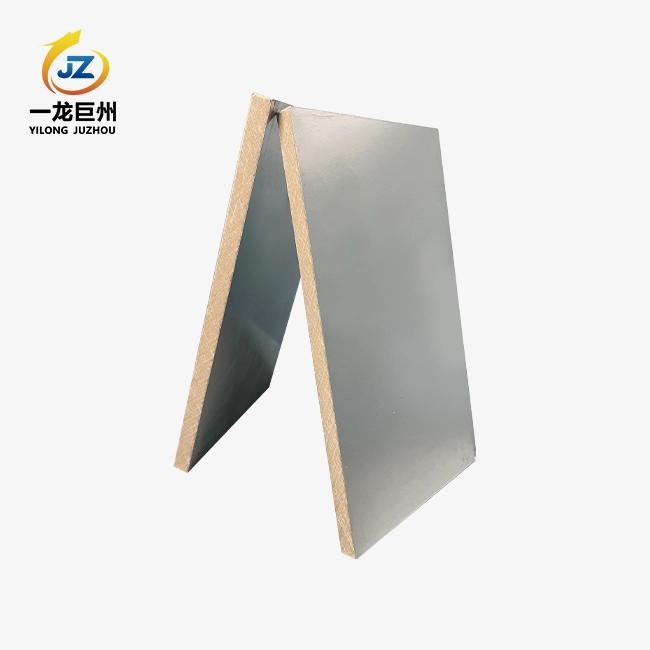
You should know what makes A2 Aluminium Composite panels distinctive before your building crew begins. A2 panels are over 90% inorganic minerals, commonly magnesium hydroxide or aluminium hydroxide bonded between two aluminium covers, unlike polyethene-cored ACPs. Under EN 13501-1, this combination is Class A2-s1, d0, meaning it doesn't burn quickly or smoke much.
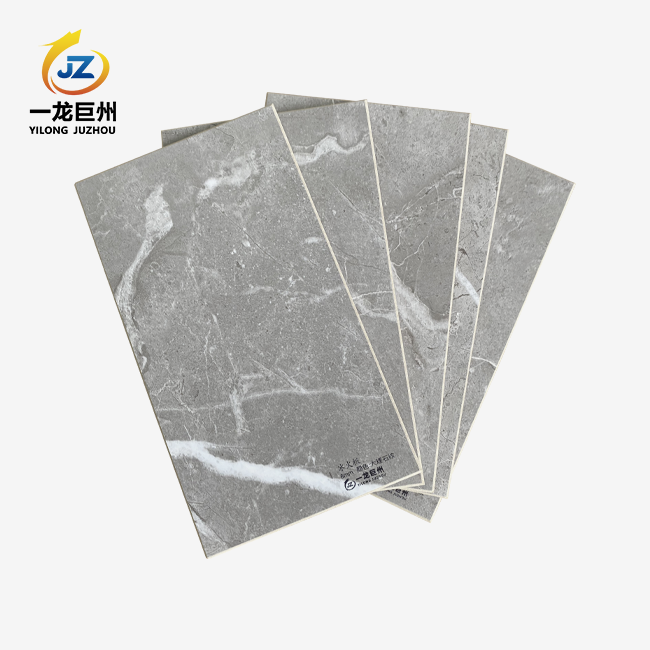
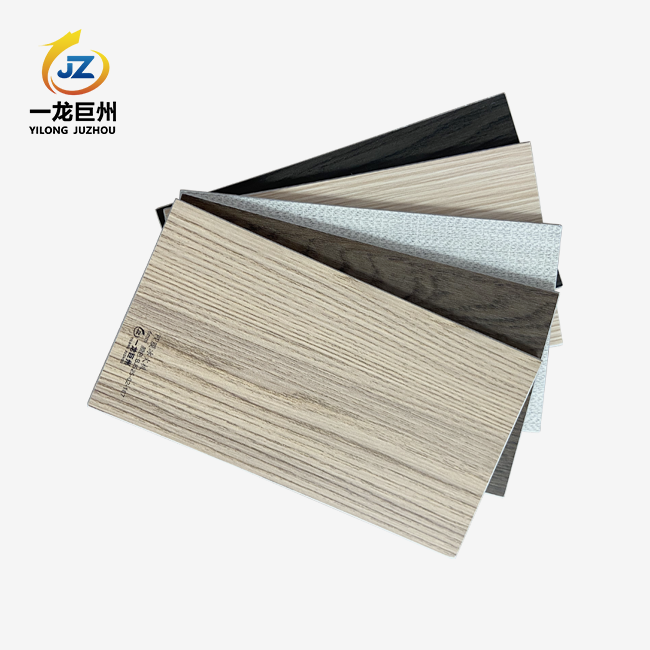
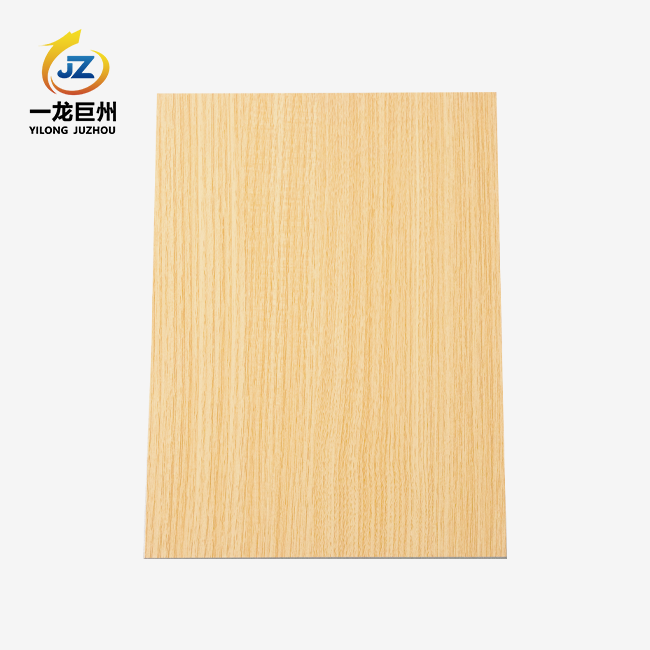
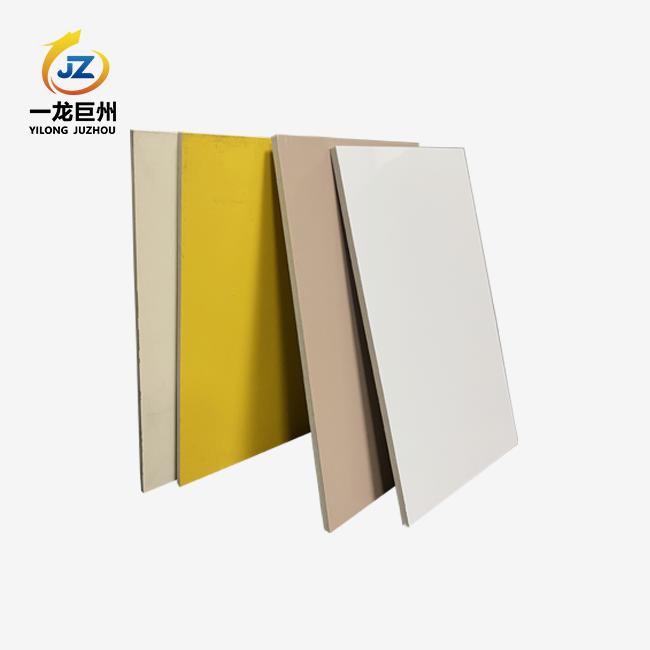
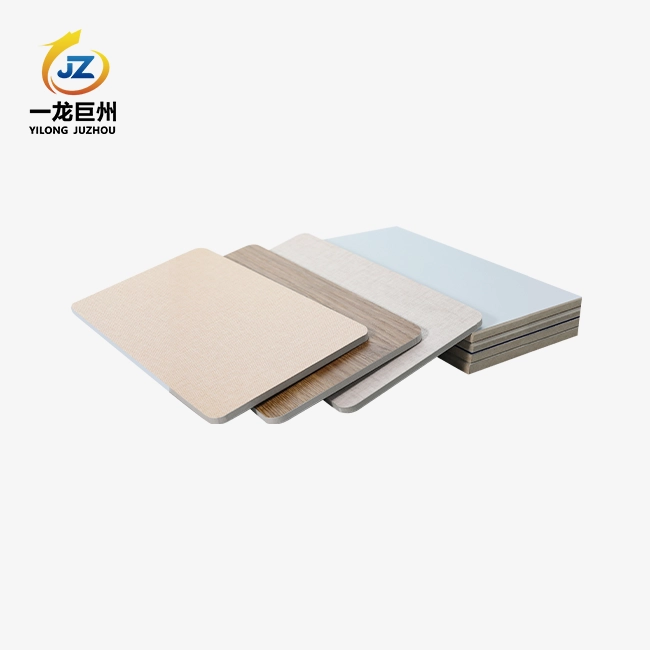
We offer panels with 0.1mm to 0.5mm mineral cores and metal coverings at YILONG JUZHOU. This makes them versatile for structural and aesthetic demands. The surface may be finished with polyester paint, PET, PVC, or PP film. Plain colours, woodgrain patterns, marble textures, metallic treatments, and fabric designs are available. This kind allows builders to create fire safely.
Unique handling properties come from the mineral core. Compared to lighter PE-core choices, these 4 mm thick panels weigh 7-8 kg/m². Cutting and manufacturing need carbide or diamond-tipped instruments instead of steel blades due to rough materials. Knowing these physical properties helps installation crews choose the correct equipment and prevent damage or poor cuts.
Environmental compliance matters too. A2 panels emit no methane, smell, or radiation. They fulfil crucial school and hospital environmental regulations. The material is waterproof, doesn't absorb water, and doesn't develop mildew, making it suitable for humid environments like indoor swimming pools and coastal structures. Knowing these attributes helps procurement teams match panel specifications to project demands.
Pre-Installation Preparations for A2 Aluminium Composite Panels
Proper preparation prevents installation delays and ensures high-quality results. A thorough site evaluation should consider structural load capacity, exposure conditions, and accessibility. The building structure must safely support the weight of panels, especially since mineral-core ACPs, like A2 metal Aluminium Composite panels, are heavier than standard PE-core panels. Structural engineers should verify that existing or proposed substructures can handle the load without bending.
Choose the proper panel specifications by considering numerous factors. For different usage, panels are 2mm, 3mm, 4mm, 5mm, and 6mm thick. Schools and hospitals may utilise 3mm or 4mm panels for interior wall installations. 5mm or 6mm panels are excellent for outdoor or high-traffic areas. The width of 1220mm, 1500mm, or 2000mm impacts its appearance and installation time. Change lengths for regions above 3 meters.
Material-handling protocols safeguard property. The supplied A2 Aluminium Composite panels should be kept horizontally on level surfaces. Avoid extended vertical leans. To prevent water intrusion and temperature twisting, storage areas should be dry and climate-controlled. Panel protective layers should remain till fitted. This protects surfaces from scratches and debris.
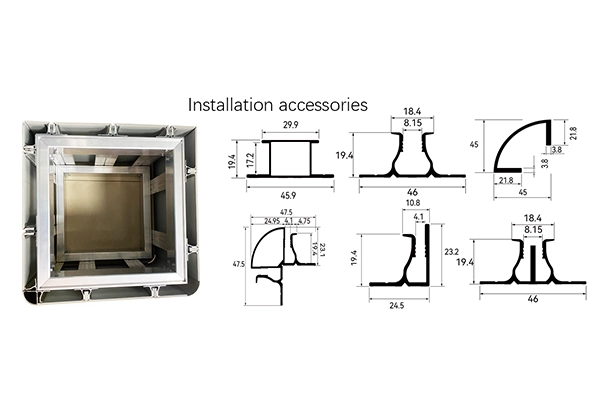
When preparing equipment and accessories, consider fire-rated parts. Fasteners, frames, and sealants must maintain system fire resistance. Standard PE-core panel parts may not fulfil A2 fire requirements. Make sure all fitting tools have suitable fire certificates. Fire-rated adhesive, diamond-tipped cutting instruments, and safety gear should be assembled before work begins.
Our YILONG JUZHOU team can send free samples in 3–5 days. Your installation staff may practise cutting and attaching items before working with full-size ones. This reduces waste and boosts installers' confidence in mineral-core's unique qualities.
Step-by-Step Installation Process of A2 Aluminum Composite Panels
Framework Preparation and Verification
Installation quality begins with the base. Steel and aluminium substructures need a level, robust anchoring surface within 3 mm of any 3-meter width. Check framework alignment using laser levels or precise measuring instruments. Uneven surfaces compress A2 Aluminium Composite panels and cause stress areas that weaken them.
Panel width and expected wind loads determine frame spacing. Engineering standards should include local construction codes and environmental variables. Wind pressure is higher near the ocean or in high structures than indoors or in safe locations. Install framework sections so they don't line up with panels and check connection points occasionally.
Panel Cutting and Customisation
Cutting mineral-core A2 ACP panels requires specialised tools. Templates or measurement guides help produce precise cuts. Diamond-tipped or carbide cutter bits provide smooth edges and prolong tool life. Slower feed rates than PE-core materials allow the cutting tool to handle dense mineral cores without binding or overheating.
Routing holes for bending must preserve the metal's skin while removing the core. Adjustable routing tables with depth stops help ensure regular groove depth. Due to their flexibility, the panels may be twisted into several forms. Column wraps, curving walls, and paintings are easy to produce. Bend little parts before working with whole panels to ensure you can reach the radius you want without damaging the surface.
Edge finishing is aesthetic and functional. Visible cut edges need edge bands or trim to maintain fire integrity. Water may penetrate the material core and harm its performance if the edges aren't covered. Use proper edge sealants per the fitting booklet.
Mechanical Fixing Methods
A secure connection allows heat expansion when the panel is held. Mechanical binding usually uses rivets, screws, or concealed fasteners. Engineers set the connecting point distance between 300 mm and 600 mm, depending on panel size and wind load estimates.
Use the proper bit sizes to pre-drill fastener holes without tearing the panel. Oversized holes, generally 1-2 mm wider than the bolt, allow heat to flow without tension. The fasteners should be strong but not too hard; too much compresses the mineral core and leaves visible depressions.
High-end systems appear neat with discreet fasteners. These methods conceal fasteners using clips or rails around panel edges. Check the concealed fixing parts' fire ratings for A2 panel requirements.

Sealing and Weatherproofing
Joint care influences weather and fire resistance. Fill all panel joints with ACP-specific fire-resistant sealants. Standard silicone seals may not be fire-resistant or flexible. Smooth the surface using a tool to help the sealant shed water. Apply sealant in long, gapless beads.
The joint width should allow for temperature increase while maintaining sealant efficacy. Joint lengths vary between 8mm and 12mm, depending on panel size and projected temperature range. Large displays and temperature-sensitive areas benefit from wider joints. A backing rod limits sealant depth and prevents three-sided bonding, making it impossible to move.
Weatherproofing extends beyond visible components. Seal all panel penetrations for lighting, sign attachments, and mechanical systems. These entrance sites may let water in if not closed. Flash and seal these holes using compatible products.
Post-Installation Considerations and Maintenance
Quality Inspection and Compliance Verification
A complete quality evaluation begins after installation. Walk around the work to ensure A2 Aluminium Composite panels are aligned, fasteners are snug, and joints are consistent. Panels should have consistent reveal lines. Randomly checking fasteners ensures adequate spacing and tension. Sealer should cover the whole joint, without gaps or thin patches.
Proof is needed for fire safety compliance. Installation documents should indicate fire certificates for panels, bolts, sealants, and extras. Many project requirements involve third-party inspections to ensure component installation matches testing. Maintain this data for future usage and construction inspectors.
After work is done, the surface protective coating is removed. This protects completed surfaces during construction. Remove the films carefully and clear any sticky residue. Use only the maker's recommended final cleaning products that won't damage the finish.
Maintenance Protocols for Long-Term Performance
Regular maintenance maintains the panel looking and working well. Create an eco-friendly cleaning strategy. Cities with high pollution may need to be cleaned every three months, whereas protected building installations may only need to be cleaned once a year. Avoid aggressive cleansers and equipment that scratch surfaces. Use mild detergents and soft brushes or cloths.
YILONG JUZHOU's three-year quality guarantee covers manufacturing and coating faults. Regular maintenance extends safety by preventing small issues from worsening. Annually inspect sealer joints for cracks, separation, and wear. Finding and fixing joint faults soon prevents water from damaging the mineral core.
Impact damage sometimes occurs despite the panels' strength. Touch-up paint that matches the finish may remedy minor blemishes. Deeply damaged panels must be replaced to maintain the fire rating. New panels should meet the same criteria as the old ones, and their fasteners and seals should have the same fire rating. Write down any fixes to monitor installation compliance.
Common Challenges and Solutions in Installing A2 Aluminium Composite Panels
Common installation issues occur in many work kinds. Knowing about difficulties helps teams avoid them instead of reacting to them.
Complex façade geometries need worker planning and competence. Before cutting panels, complicated buildings with acute angles, complex forms, or many tiny details must be modelled. Make full-size models from cardboard and check fit before cutting pricey panels. The material's elasticity makes curves simpler to navigate, but abrupt bends may need smaller panel gauges or an alternative method.
Thermal expansion accommodation is crucial in large systems. A 3-meter panel may shrink by a few millimetres when temperature changes due to aluminium's thermal expansion. Without expansion joints or large bolt holes, joints would bend, or fasteners may fail. Determine the projected movement based on severe temperatures and develop joint systems accordingly.
Retrofitting older structures has issues. To provide suitable fixing surfaces, bases may need to be shimmied or furred. Historic structures may have restricted fasteners or penetrations to preserve the materials underneath. Carefully examine the current situation and discover strategies to put the panels within the constraints.
Comparing A2 Aluminium Composite panels to others helps procurement teams make better judgments. Requirements: PE-core ACPs are cheaper but often don't fulfil fire safety requirements. Although fire-retardant B1-class panels don't include combustible sections, they're not suitable for high-rise structures or critical infrastructure. Steel or metal sheets provide fire safety but lack insulation and design flexibility like composite panels. A2 mineral-core panels combine fire protection, design flexibility, and cost-effectiveness for safety-critical purposes.
Installing mineral-core panels requires consideration of tool wear. Cutting tools should be changed more regularly than with PE-core. The rough minerals dull blades quickly. Using the correct diamond or carbide tools can prolong their life and improve cut quality. Project budgets should include tool costs to minimise overspending.
Conclusion
For an A2 Aluminum Composite panel installation to go well, you need both technical know-how and real-world building knowledge. From the first site visit to the final review, each step builds on the one before it, creating systems that protect building occupants while also having the visual effect builders want. Installers have to change how they do things and use the right tools and materials throughout the process because of the mineral-core makeup, which offers excellent fire safety. When purchasing managers choose these panels for business buildings, schools, hospitals, or airports, they make an investment in long-term safety and performance that regular materials can't match. If this investment is installed correctly, it will give you years of service at full value.
FAQ
1. How long does a typical A2 Aluminum Composite panel installation take for commercial projects?
Installation timelines vary based on project scope and complexity. For medium-sized rooms, a simple job to cover the walls inside could be finished in one to two weeks. It takes a few weeks to a few months for large business facades or intricate building designs. Our production capacity at YILONG JUZHOU includes 50,000m² of stock and production times of 3–7 days for special orders. This makes sure that getting the materials you need doesn't cause your project to be late.
2. Do we need specialised contractors for A2 panel installation?
With the right training and tools, construction teams that are already familiar with ACP systems can switch to A2 Aluminum Composite panels. The main changes are how to cut and how to understand the standards for fire-rated parts. Teams should look over the manufacturer's instructions for fitting and practice with test materials before starting the real job. We help your workers learn how to do technical installations by giving them advice.
3. What fire safety certifications should buyers verify before purchasing?
Check that the panels have the right ASTM E84 scores for US projects or EN 13501-1 Class A2-s1, d0 approval for European markets. The China Environmental Protection Standard Certification, ISO, and CE all say that our screens meet their standards. Ask for up-to-date test results from recognised labs that prove the rate of heat release, smoke production, and inflammability. These certificates make sure that the panels you buy meet the building code standards for your area and application.
Partner with YILONG JUZHOU for Premium A2 Aluminium Composite Panel Solutions
As a reliable provider of A2 Aluminium Composite panels, YILONG JUZHOU blends cutting-edge production with quick response times to customer needs. Our two production bases in Foshan and Shaanxi allow us to keep 50,000m² of stock on hand and make unique items quickly, in just 3–7 days. We work with OEM and ODM partners to create unique solutions for schools, hospitals, shopping malls, office buildings, and transportation hubs in the US and more than 30 other countries around the world.
Our panels meet strict international safety standards and give you creative options by letting you choose from different thicknesses, lengths, and finishes. We have choices that will fit your design vision, whether you want solid colours for a clean, modern look or woodgrain and marble patterns for a more traditional look. Free samples are sent out within 3–5 days, so your team can check the quality and practice installing the products before committing to full orders.
You can reach our support team at cnyang2000114@gmail.com, and someone will get back to you within 24 hours. We offer full help, from the initial specification to installation instructions and a quality warranty that lasts for three years. At yljz.aixdb.cn, you can find detailed product details and technical tools. Change the look of your next project with fire-safe, eco-friendly building products that are backed by excellent manufacturing and committed customer service.
References
1. American Architectural Manufacturers Association (AAMA). Installation Guidelines for Aluminium Composite Panel Systems. AAMA Publication 402-17, 2017.
2. European Committee for Standardisation. Fire Classification of Construction Products and Building Elements Using Data from Reaction to Fire Tests. EN 13501-1:2018.
3. Johnson, Michael R. and Stevens, Patricia L. Modern Façade Systems: Materials, Installation, and Performance. Construction Technology Press, 2020.
4. National Fire Protection Association. Standard Test Method for Surface Burning Characteristics of Building Materials. NFPA 285-2019.
5. Technical Association of the Pulp and Paper Industry. Aluminium Composite Panel Fire Safety and Installation Best Practices. TAPPI Technical Report, 2021.
6. Wilson, David K. Fire-Resistant Building Envelope Systems: Design and Installation Procedures. Journal of Architectural Engineering Technology, Vol. 28, No. 4, 2022.

Send Inquiry

Related Industry Knowledge
- PE Aluminum Composite Board Sheet: Sizes, Specs and Uses
- What are the key steps for installing aluminum composite panels?
- Calcium Silicate Aluminum Composite Board vs Traditional ACP Panels: Key Differences
- Innovative Coated Aluminum Composite Panel Projects to Transform Your Space
- How to Choose the Right Calcium Silicate Aluminum Composite Board for Your Project
- Print on Aluminum Composite Panel: A Modern Twist on Traditional Wall Art
- How to install an aluminum composite panel?
- Antibacterial wall panel medical rigid sheet wall protection
- What are the common issues faced during aluminum panel installation, and how to avoid them?
- How to cut an aluminum composite panel?