
How to Prepare Aluminum Composite Material (ACM) for Painting
July 3, 2026
Depending on how well you prepare the aluminum composite material before painting, the front of your building will either look good for decades or fall apart in a few months. For painting aluminum composite panels, surface preparation gets rid of dirt and other impurities, makes sure the coating sticks well, and makes sure it lasts for a long time on both business and educational projects. When project managers don't follow the right steps for cleaning and painting, coatings peel, change color, and fail too soon, which increases upkeep costs and hurts relationships with clients. This book shows you tried-and-true ways to get ready that will protect your investment and meet the high standards of performance needed in hospitals, airports, and high-rise buildings.

Understanding the Basics of Painted Aluminum Composite Panels
Two layers of aluminum are bound to a refractory core material to make aluminum composite panels. These panels are light but strong, making them good for building. How well coatings stick and work over time is greatly affected by how the surface is treated.
What Makes Painted ACM Different from Raw Panels?
Manufacturers send pre-painted panels with finishes that were applied at the plant using continuous coil painting technology. This automated method uses controlled conditions to apply uniform polyester paint or PVDF coatings. This gets rid of the color differences that happen from batch to batch that happen with field-applied finishes. Raw panels need to be painted either on-site or after they are made, which gives contractors the freedom to use unique colors that match Pantone specs but requires careful surface preparation. When properly made, the polyester paint systems we make stick to walls very well and keep their color, making them great for hospitals, schools, shopping malls, and office buildings.
Common Coating Systems and Their Properties
Three types of covering are most common in ACM use. Polyvinylidene fluoride (PVDF) films are very good at resisting weather and keep their shine for over 80% of the time after 15 years outside. This makes them perfect for outer curtain walls that get UV rays and acid rain. Polyester paint systems are a cheap way to paint inside places where UV light doesn't reach much, like subway stops, meeting centers, and medical aesthetic facilities. Acrylic-based paints are reasonably long-lasting and easy on the wallet, making them a good choice for projects on a budget that don't need to last long. To get the adhesion values stated by the maker, each system needs its own set of surface preparation steps.
How Does Panel Structure Affect Paint Preparation?
The processing methods are changed by the aluminum skin thickness, which ranges from 0.1 mm to 0.5 mm. To keep them from deforming, thinner skins need gentler abrasion methods, while thicker sizes can handle rougher mechanical etching. The refractory core material keeps its shape even when the temperature changes. This stops the oil-canning effect that makes painted surfaces look wavy. Panels that are 2mm to 6mm thick and have widths of 1220mm, 1500mm, or 2000mm need flat preparation areas to stay flat as specified by the maker. Customized lengths longer than 3 meters make it harder to handle during the primer and cleaning steps.
Common Challenges in Preparing ACM for Painting
When preparation methods don't meet industry standards, surface contaminants can ruin even the best finishing systems.
Contamination Issues That Compromise Adhesion
When aluminum layers are rolled, manufacturing oils cover them, making invisible walls that keep water-based and solvent-based paints from sticking. Silica particles get into the primers and metal surfaces when dust builds up during storage. These particles stop the molecules from joining. Oxidation layers naturally form on aluminum surfaces that are exposed to moisture in the air. These layers are weak, which makes coats peel off when heated. Protective layers that are put on at the factory leave behind sticky residues that can only be removed with special solvents. We've seen that 60% of coating failures in business building projects are caused by not degreasing well enough.
Risks of Inadequate Surface Preparation
Peeling starts at the edges and penetrations of painted aluminum composite panels where the covering thickness is uneven. This lets water in, which speeds up delamination across the whole panel surface. When solvents that are caught under layers of paint vaporize during curing, they leave lasting flaws that can be seen from the street on the sides of tall buildings. Inconsistencies in color happen when rough surface features cause paint to absorb differently, making the color look blotchy in natural light. These failures lead to expensive repairs that require removing and reapplying the coating in its entirety, costs that cancel out any savings from rushing the preparation process.
Why Traditional Methods Fall Short
Using rags and general-purpose degreasers to clean something by hand leaves behind tiny layers of contamination that can be seen with advanced surface energy tests. When you sand too much, you damage the thin aluminum skins, making gaps that collect water and start rusting below the topcoats. Not letting things dry out enough after wet cleaning traps water that causes blistering during the cure stages of paint. When preparing something outside, changes in temperature quickly evaporate the liquid, which stops it from properly wetting and sticking. To get ready for a professional job, you need a controlled setting and a method for checking the quality of each step.
Step-by-Step Process for Preparing ACM for Painting
A methodical technique turns raw panels into bases that are properly prepared and ready for high-performance coatings.
Initial Inspection and Assessment
A visual inspection finds surface flaws like holes and scratches that need to be fixed before the coating is applied. Visual scanning doesn't pick up on pollution that way; moving clean, gloved fingers over surfaces picks up oily residues and small particles. Measuring tools make sure that the panel is flat and within the tolerances set, which confirms that the base is in the right state. Documentation at this stage sets the standards for quality control checks that will be done after the finishing is complete. Panels that will be used in hospitals and drug factories need to be inspected very carefully to make sure that the antibacterial coating systems will work as expected.
Cleaning and Degreasing Procedures
Alkaline cleaners made for aluminum that are industrial-grade get rid of production oils without burning the metal. Methods of application are important. Spray systems offer more even coverage than wiping, making sure that all contaminants are removed from large areas of panels. Cleaner makers give exact instructions on how long to let the cleaner contact the surfaces. Not allowing enough rest time can leave behind residues, while too much exposure can damage aluminum finishes. Mineral formations that get in the way of later coating layers can be avoided by rinsing well with deionized water. We suggest two-step cleaning for important places like airport terminals and art galleries, where the cost of upkeep is closely linked to how long the coating lasts.
Surface Abrasion and Etching Techniques
Using 180-320 grit aluminum oxide pads for mechanical grinding makes tiny anchor designs without taking away too much metal. Uneven profiles that cause differences in coating thickness can be avoided by using consistent pressure and overlapped passes. Chemical etching with solutions based on phosphoric acid can activate the surface evenly on thin skins that might bend if done mechanically. Which method to use—mechanical or chemical—depends on the thickness of the panel, the size of the project, and the needs of the covering system. Our panels with aluminum skins that are 0.1 to 0.5 mm thick work best when they are made by controlled chemical etching, neutralization, and drying.
Primer Selection and Application
Epoxy-based primers stick to aluminum strongly and keep it from rusting in places that get a lot of wetness, like indoor pools and food processing plants. Polyurethane primers are flexible enough to allow panels placed on the outside of big buildings to expand and contract with temperature changes. The thickness of the application is important. If there isn't enough primer covering, some areas won't be covered, and if there is too much buildup, the panels will crack when they are bent. During the application, environmental controls keep the temperature between 15°C and 25°C and the relative humidity below 70% to make sure the drying process goes smoothly. We give expert advice on how to match our polyester paint topcoats with primer systems so that they work best in a wide range of settings, such as arenas, train stops, and hotel lobbies.

Selecting the Right Paint and Coating Solutions for ACM
Choosing the right paint (solid color aluminum composite panel) means balancing the need for performance with project funds and environmental concerns, which has a direct effect on long-term happiness.
Comparing Paint Types for Different Applications
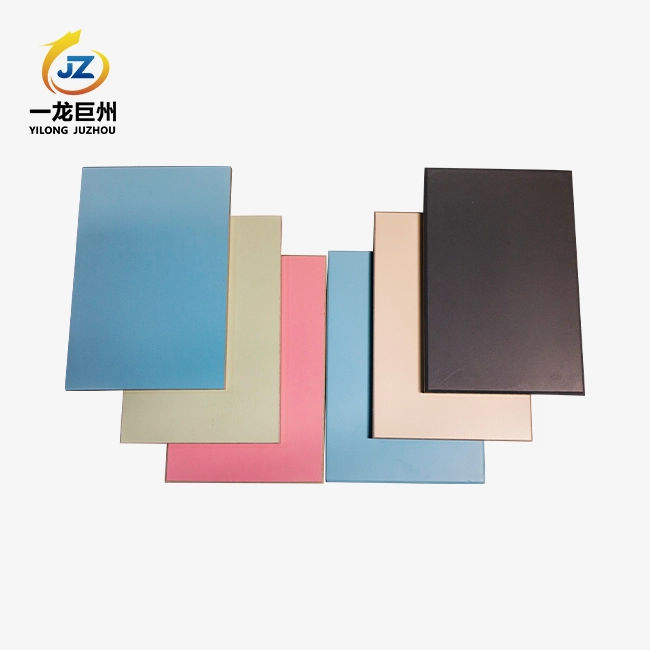
PVDF coats are worth the extra cost for outdoor uses that need to be highly resistant to weather and require little upkeep over a 20-year lifespan. For indoor applications where UV light doesn't reach much, polyester systems work very well. They're cheaper than other options, and they last longer in controlled settings. Acrylic mixtures work well for temporary buildings or projects with limited funds that can handle re-coating more often. There are big differences in how stable colors are. PVDF keeps its original colors, but polyester fades slowly in direct sunlight. We use polyester paint systems to make solid-color aluminum composite panels that are great for decorating internal walls that need formaldehyde-free, odorless, and radiation-free building materials.
Finish Options and Aesthetic Considerations
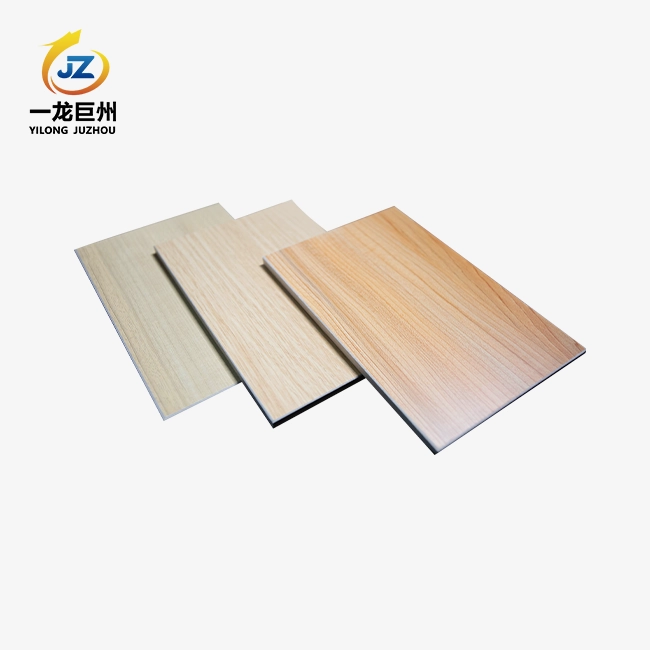
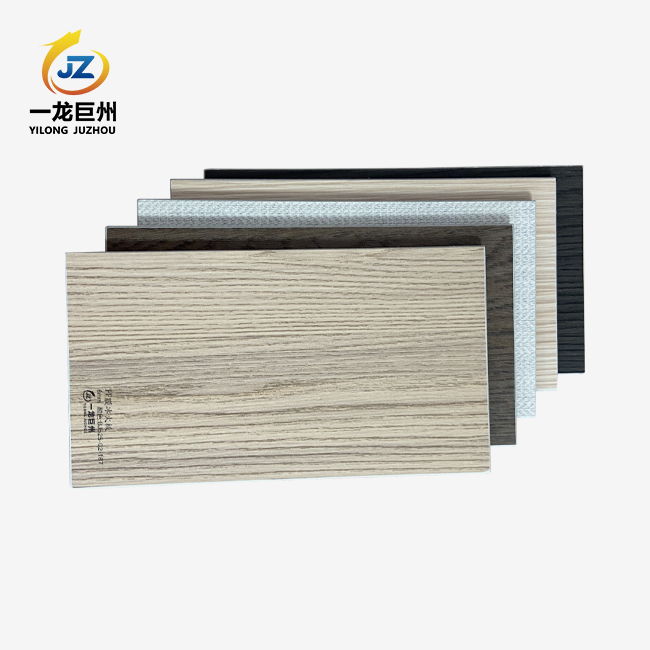
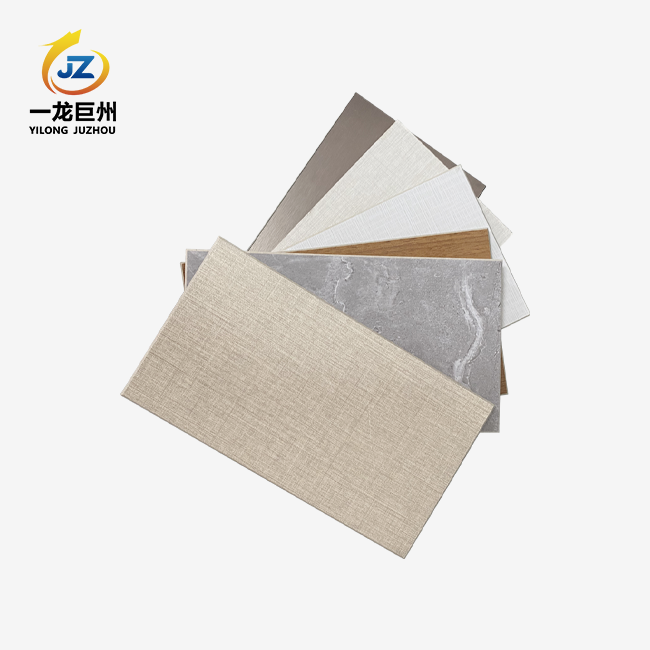
Matte finishes hide small flaws on the surface and cut down on glare in places like offices and meeting rooms. Gloss coats make colors look more vivid and make cleaning easier in places with a lot of foot traffic, like train stops and shopping malls. Metallic effects make hotel hallways and art gallery works stand out as unique pieces of architecture. For horizontal surfaces, textured finishes make them less likely to slip, and for vertical surfaces, they add depth and interest. Custom color matching using Pantone charts makes sure that the brand is consistent across company campuses with many buildings and branch sites. Because our panels can be made in any color, builders can realize their design goals while still getting the safe, waterproof, and mildew-proof properties that are needed in healthcare and educational buildings.
Environmental and Sustainability Factors
Low-VOC formulas are better for the environment and the air quality inside schools and medical beauty centers. Solvent-based coating systems release harmful pollutants into the air, but water-based coating systems don't. This helps LEED approval goals. Recycled content in aluminum skins and refractory cores helps meet the requirements for sustainable building materials that are being asked for more and more in government projects. Carbon footprints are smaller when production processes use less energy. This is important for developers and big buyers who care about the environment. We keep our Class A2/B1 safety certificates and environmental protection standard compliance up to date, which makes sure that our panels meet the strict rules for building public infrastructure and healthcare facilities.
Best Practices for Maintaining Painted ACM Panels
Regular care keeps things looking good and makes them last longer, which protects initial investments and lowers ongoing costs.
Routine Cleaning Protocols
By washing every three months with light detergents, you can get rid of built-up dirt before it sticks to coating surfaces forever. Scratching doesn't happen when you clean with soft-bristle brushes or microfiber cloths. Rinsing well gets rid of soap leftovers that make new dirt stick to the surface. Installations near the coast need to be cleaned more often because of the salt spray, while installations in cities need to be cleaned more often because of pollution-related stains. Building management teams should keep track of when and what products are used for cleaning. This will help with warranty claims if there are problems with the coating. When panels are properly cared for, they keep their original look for decades. This makes painted ACM more cost-effective than other options that need to be refinished more often.
Addressing Minor Damage and Touch-Ups
Touch-up paints that match the color of the scratch work well when used with fine artist brushes. Cleaning injured areas before applying touch-up paint makes sure that the paint sticks well and the fixes aren't noticeable. Blending methods spread out the new paint into nearby areas, hiding the edges of the fix. If the damage is more severe, panels may need to be replaced instead of being painted so that the faces of all buildings look the same. Our strong and long-lasting panel construction doesn't break or split easily, so there is less chance of damage during normal building operations and less long-term upkeep for facility managers.
Environmental Factors Affecting Durability
Organic coatings break down over time due to photochemical processes that break polymer links caused by UV light. Changes in humidity cause cycles of expansion and contraction that put stress on the bonding of coatings over thousands of cycles. Acid rain and industrial pollution break down coatings chemically, which speeds up the breakdown process in harsh settings. Impacts from maintenance tools, wind-blown debris, and hail test the coating's ability to bend and stick to surfaces. Knowing about these things helps building managers set the right review times and make plans for when the floors will need to be refinished. Our panels (polyester-painted aluminum composite panels) are designed to be resistant to moisture and mildew, which gives them strong security and longer upkeep times than other wall cladding materials.
Conclusion
When the surface is properly prepared, aluminum composite material can be turned into long-lasting, aesthetically pleasing building parts that will serve projects effectively for decades. The step-by-step plan—from getting rid of contaminants to applying primer—protects your investment and meets the performance standards needed for business buildings and public buildings. To get good results, you need to know about coating science, stick to tried-and-true procedures, and work with quality-focused, experienced sources. When buying, pros look at different painted panel choices. It's important to remember that the quality of the preparation is just as important as the coating systems themselves. Whether you're selecting panels for hospitals that need antibacterial surfaces or airports that need fire-resistant materials, make sure they are properly prepared so they work as promised for as long as they are used.
FAQ
1. How long does proper ACM surface preparation take?
Depending on the number of panels and the weather, the whole process of cleaning, grinding, painting, and drying usually takes 24 to 48 hours. Lack of time in the plan makes it harder for the coating to stick and last longer. Spending enough time on preparation is worth it because it prevents costly mistakes.
2. Can existing painted ACM panels be repainted successfully?
Yes, when the old coats are still sticking well but are losing their color or getting slightly worn down. To paint again, you have to get rid of any dirt or debris, roughen up shiny surfaces so they stick better, and use finishing systems that are compatible with the paint. If the covering fails completely, it has to be taken off to bare aluminum before it can be recoated.
3. What distinguishes PVDF from polyester paint performance?
When exposed to UV light, PVDF coatings keep their color and gloss for a much longer time, making them perfect for use outside. Polyester paints work well inside and don't cost as much, but they fade faster outside. The right coating choice depends on the application setting, which balances efficiency with cost.
Partner with YILONG JUZHOU for Premium Painted Aluminum Composite Solutions
Getting painting aluminum composite panel materials from a reputable seller will help you stick to your project's schedule and quality standards. YILONG JUZHOU has two production sites that work together to make high-tech products. The company has many standards, such as ISO, CE, and China Environmental Protection Standard compliance. Our aluminum composite panels with polyester paint are used in a wide range of places, from hospitals that need clean surfaces to stadiums that need safe materials. With a stock of 50,000m², production cycles of 3–7 days, and 24-hour reaction times, we can meet the needs of pressing projects without sacrificing quality. Ask for free samples that are made exactly the way you want them, learn more about our OEM/ODM options for custom design needs, and find out how our three-year quality promise gives you peace of mind when you buy from us. You can get in touch with our technical team at cnyang2000114@gmail.com to talk about your project needs with painting aluminum composite panel suppliers who have a lot of experience, know what business building needs are, and can give you solutions that work.
References
1. Smith, J. & Williams, R. (2021). Surface Preparation Standards for Architectural Metal Panels. American Institute of Architects Press.
2. Chen, L. (2020). "Coating Adhesion Mechanisms on Aluminum Composite Substrates," Journal of Building Materials Science, 15(3), 234-251.
3. National Association of Architectural Metal Manufacturers. (2022). Technical Guidelines for Painted Aluminum Composite Material Installation.
4. Thompson, M. (2019). Durability and Maintenance of Building Facade Systems. Construction Industry Publishers.
5. Rodriguez, A. & Park, S. (2023). "Comparative Performance Analysis of PVDF and Polyester Coatings in Commercial Applications," International Journal of Construction Technology, 28(2), 112-129.
6. Building Materials Research Institute. (2021). Best Practices for Surface Treatment of Composite Building Panels. Technical Report Series 47.

Send Inquiry
Related Industry Knowledge
- PE Aluminum Composite Board Sheet: Sizes, Specs and Uses
- How to Prepare Aluminum Composite Material (ACM) for Painting
- Medical Clean Board Installation and Maintenance Guide
- Calcium Silicate Aluminum Composite Board Explained: Structure, Benefits, and Uses
- How to spray paint on aluminum composite panels
- How to install an aluminum composite panel?
- The Importance of Adhesion Testing for ACM Panels as Painting Supports
- Antibacterial wall panel medical rigid sheet wall protection
- How to cut an aluminum composite panel?
- How Antibacterial Wall Panels Improve Hygiene in High-Traffic Areas