
What Makes UV Antibacterial panels Effective Against Surface Bacteria?
July 16, 2026
UV-antibacterial panels kill microbes in two ways: UV-cured polymer chemistry and antibacterial agents embedded in the polymer work together. The ultraviolet curing process makes a very thick, non-porous film on the surface that makes it physically impossible for bacteria to stick to it. At the same time, silver ions built into the coating matrix keep stopping the metabolism of microbes. When used together, these ingredients kill 99.99% of bacteria, including common pathogens like E. coli and Staphylococcus aureus. These screens are a good passive defense system for places where keeping people from getting infections is important for safety and following the rules.
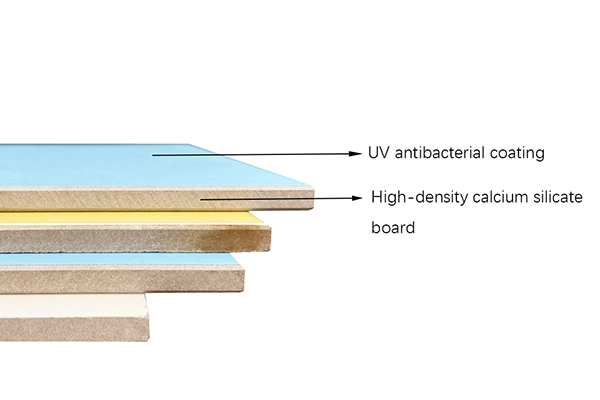
Understanding UV Antibacterial Panels: Technology and Principles
When we talk about modern hygiene-friendly building materials, we always come back to how technology has turned ordinary surfaces into active germ-fighters. The main idea behind UV antibacterial panels is photopolymerization, a process in which ultraviolet light changes a liquid covering into a hard, protected layer.
The Foundation: Calcium Silicate Core Structure
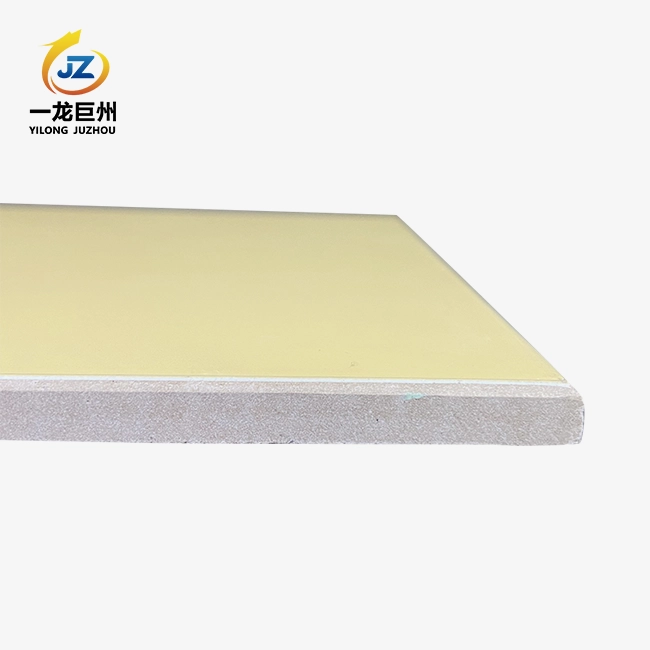
The base of our panels is made of calcium silicate board, which was chosen because it is stable in size and doesn't catch fire. This mineral-based core naturally keeps water out and gives you a stable base that won't bend or break down in places with a lot of humidity, like hospital hallways or the edges of commercial kitchens. The calcium silicate mix meets the non-combustible Class A standards of GB8624. This gives site managers peace of mind when they need to make sure they are following building codes and making sure people are safe.
UV-Curing: More Than Surface-Deep
The surface treatment includes covering it with a special antibacterial paint that instantly hardens when it comes in contact with strong UV light. Normal coatings that dry in the air or over heat can take hours to fully harden, but UV curing only takes seconds. This quick change makes a cross-linked polymer network with a very hard surface, often reaching 3H to 6H on the pencil hardness scale. This makes the final panel very resistant to scratches, impacts, and the chemical attack of strong disinfectants.
The molecular architecture that forms during curing is what makes this technology different from simple painted surfaces. The UV process makes a barrier that is almost impenetrable, making it hard for bacteria to attach themselves. Studies that followed the testing guidelines in ISO 22196 show that surfaces that are smooth and thickly finished stop biofilm formation much better than open options like raw wood or regular melamine laminates.
Embedded Silver Ion Technology
The antibacterial effect goes beyond the roughness of the surface. During production, silver ions are added to the UV treatment matrix. These ions move slowly to the surface of the panel, where they come into contact with the cell walls of bacteria. This stops biological processes and stops the bacteria from reproducing. Topical antimicrobial sprays lose their effectiveness after being used, but the silver stays active for as long as the panel is in use because it's chemically bonded into the polymer structure and not just sitting on top.
Core Factors That Make UV Antibacterial Panels Effective
To figure out what makes these panels work consistently in harsh commercial settings, we need to look at certain characteristics that have been proven through lab tests and data from field deployments.
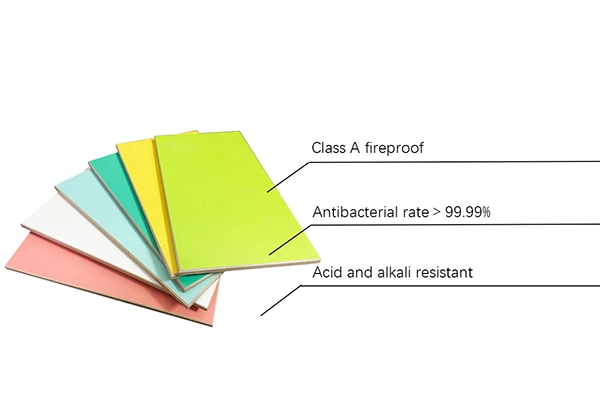
Certified Microbial Reduction Performance
Testing by a third party following JIS Z 2801 guidelines shows that UV antibacterial panels that are made correctly reduce the number of germs by more than 99.9% within 24 hours of touch. This isn't just marketing speak; it's real evidence of log reduction values above 2.0 against test organisms like methicillin-resistant Staphylococcus aureus (MRSA) and common hospital-acquired infection vectors. When purchasing managers look at material specs, they should ask suppliers for these test reports to make sure that claims are in line with internationally recognized standards.
Durability Under Operational Stress
Any building material's usefulness is directly linked to how long it lasts in the real world. Panels that are 4.5 mm to 20 mm thick offer different levels of structural support and impact protection. Thickened panels are better for areas with a lot of foot traffic, where carts or equipment may collide. Even after being cleaned many times with quaternary ammonium compounds, hydrogen peroxide solutions, or bleach-based disinfectants—chemicals that would break down painted surfaces in months—the UV-cured surface still has antibacterial qualities.
Another important success measure is how well something resists moisture. The calcium silicate layer naturally doesn't let water soak in, so it doesn't swell and get fungusy like wood-based panels do. With the impermeable UV coating, these two layers of protection against moisture make the panels perfect for places where the humidity level changes often, like hospital kitchens or drug production areas that need to be cleaned often.
Installation Efficiency and Lifecycle Economics
The panels are finished at the factory and come in standard sizes of 1220 mm wide and 2440 mm long. Custom heights of up to 3050 mm are also possible. This prefabrication method gets rid of the need to paint on-site, which greatly cuts down on building time and lets people move in right away without worrying about off-gassing. The quick-pressure strip-mounting method doesn't need many special tools and cuts down on labor costs by 30–40% compared to standard plasterboard installation, which includes multiple coats of paint and time to dry.
When you look at the total cost of ownership, the higher price at first compared to standard wall finishes is paid back within 18 to 24 months by less work needed for cleaning, fewer replacement cycles, and fewer business interruptions caused by infections. Facilities that are in charge of multi-phase construction projects benefit greatly from consistent batch quality and short lead times (usually 3–7 days for standard specifications), which help keep project schedules.
Application Scenarios and Use Cases for UV Antibacterial Panels
When you look at how these panels are used in different commercial sectors, each with its own hygiene problems and rules, you can see how flexible they are.
Healthcare Environments: The Front Line of Infection Control
There is constant pressure on hospital administrators to cut down on healthcare-associated infections (HAIs), which affect millions of patients every year and cost hospitals a lot of money. The walls in operating rooms, intensive care units, and patient rooms are great places for harmful organisms to live for days on normal materials. Adding UV antibacterial panels creates a layer of passive disinfection that works all the time, even when the cleaning schedule isn't being followed.
A regional medical center in the southeast of the United States just finished remodeling 12 surgery suites. In the scrub areas and operating rooms, calcium silicate-based antibacterial panels were used. Environmental monitoring after installation showed a 67% drop in the number of surface colonies found during regular sampling, even though cleaning methods stayed the same. The infection control team at the center said that the change was due to the panels' natural ability to kill bacteria, which made it less likely for pathogens to return between cleaning cycles.
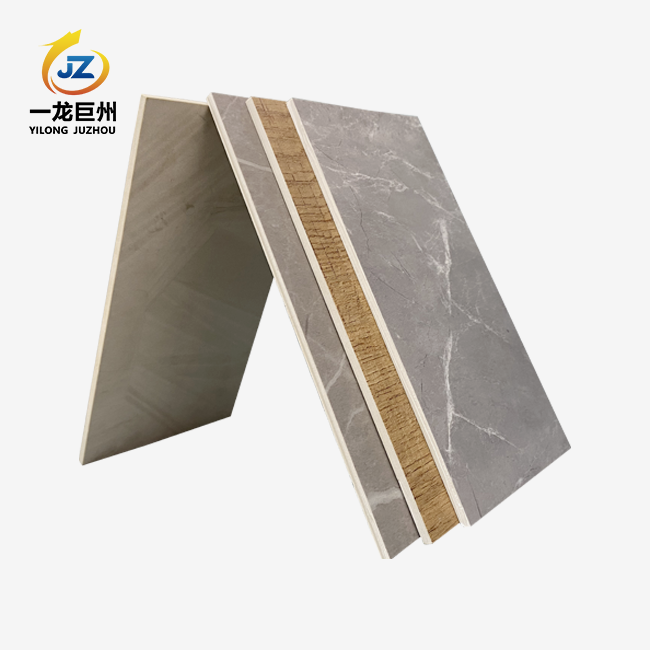
In addition to acute care hospitals, UV-antibacterial wall panels are also used in dentist offices, veterinary clinics, and outpatient surgery centers where there is a chance of cross-contamination and strong materials are needed. Because there are many finish patterns, such as solid colors, woodgrain textures, and marble effects, designers can keep the look friendly while still meeting strict hygiene standards.
Educational Facilities: Supporting Student Health
A lot of people gather in shared areas at schools and universities, which makes it easy for respiratory infections and other illnesses that are spread through touch to spread quickly. Surfaces that actively resist microbial colonization are good for places like cafeterias, locker rooms, and hallways with a lot of foot traffic. Unlike painted cinder blocks that are porous or traditional vinyl wall coverings that trap water and mold, UV-cured panels are resistant to impact and easy to clean, which are both very important in places where maintenance budgets are always being pushed.
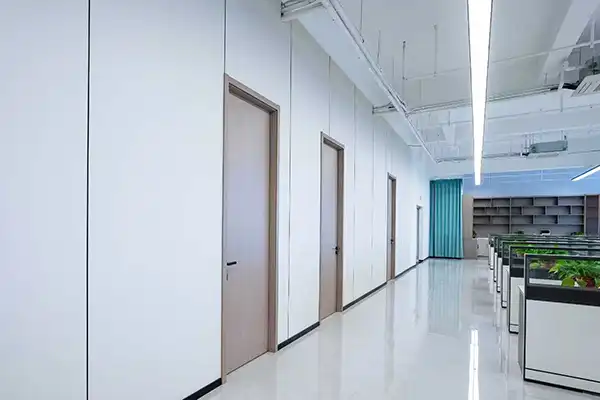
Food Processing and Pharmaceutical Manufacturing
In these fields, following the rules depends on being able to show that contamination is controlled. Food safety checks look more closely at surfaces in the environment to see if Listeria can live on them. On the other hand, pharmaceutical quality systems need materials that can be used in cleanrooms and won't shed particles or help microbes grow. Antibacterial screens that have been tested and shown to be effective against organisms common in the industry are proof of reducing risks that can be checked and support HACCP plans and GMP paperwork needs.
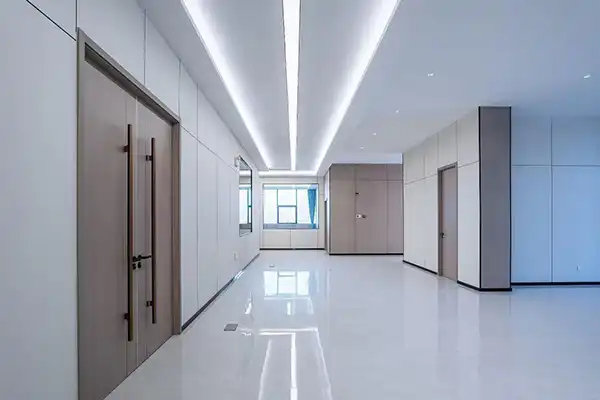
The panels' resistance to chemical breakdown is especially useful in places where acidic cleaners or oxidizing disinfectants are commonly used. Facilities can follow strict cleaning schedules without affecting the surface's integrity, so the coating doesn't wear off too quickly as it does with regular epoxy paints in similar situations.
Comparing UV Antibacterial Panels Across Market Options
When making procurement choices, you have to balance performance requirements with the realities of the budget and the skills of the seller. Knowing how UV antibacterial panels fit into the bigger picture of clean building materials helps buyers make smart decisions.
Performance Versus Chemical Disinfection Systems
In hospital situations, automated UV-C light disinfection systems are becoming more popular. However, these active devices need to be plugged in and activated on a regular basis, and they need to be maintained on a regular basis. Panel systems, on the other hand, offer passive protection that works all the time without using any energy or needing any help from an operator. The two methods work together instead of against each other. Panels provide basic protection, while UV-C treatments done on a regular basis help with deeper cleaning during final cleaning events.
Unlike antibacterial coatings that are applied to existing walls, factory-integrated panels make sure that the coating thickness is always the same and there is no variation in how it is applied. Field-applied coatings are very sensitive to the method of the applicator, the state of the surface, and the surroundings during curing. This can lead to quality differences that can affect how well the coating works in the long term.
Supplier Evaluation Criteria
When buying in bulk for institutional projects, buyers should look at both the product specs and the factory's ability to make the goods. With factories in both Shaanxi and Guangdong provinces, YILONG JUZHOU can handle large orders while keeping quality standards high across all batches. The company has a stock of 50,000 square meters, which helps with projects with tight deadlines, and they promise to answer any technical questions that come up during the design and installation steps within 24 hours.
Total Acquisition Cost Analysis
Price per square meter is a good starting place for comparison, but experienced buyers also look at other cost factors. Coordinating logistics for shipping containers from Shenzhen, Guangzhou, Shanghai, or Qingdao ports affects how much they cost to land and how reliable their delivery is. Having suppliers with flexible shipping options and established freight partnerships makes it easier for purchasing departments to manage complicated global supply chains.
Warranty terms for UV panels separate sellers of goods from partners who care about the long-term success of their customers. A three-year quality warranty shows that the maker is confident in the product's durability and gives facility managers peace of mind about their budgets by preventing them from having to pay for replacements too soon. Full-service suppliers are different from transactional vendors because they offer expert installation help and support after the installation is done.
Conclusion
UV antibacterial panels are effective against surface germs because they are made of engineered materials that have antimicrobial agents inserted in non-porous polymer surfaces and structural bases that don't break down easily when they get wet or damaged. For procurement professionals in charge of healthcare facilities, schools, food factories, or commercial developments where cleanliness affects both the safety of the people who work there and the smooth running of the business, these panels are a smart investment that will pay off in the long run by reducing the amount of maintenance that needs to be done. To have a successful implementation, you need to carefully choose your provider, pay close attention to certified performance data, and make sure that the product specs match the contamination risks in your working environment.
FAQ
1. How quickly do the panels neutralize bacteria on contact?
Bacteria reduction over 24 hours of continuous contact is measured in a lab following ISO 22196 guidelines. Significant microbial suppression starts in the first few hours, but it takes longer to reach the reported 99.99% reduction rate. Instead of being instantaneous disinfection devices, these panels work as shields that stop pathogens from building up between cleaning rounds.
2. Can these panels completely replace regular cleaning in healthcare settings?
Not at all. The panels stop bacteria from growing and spreading, but they don't get rid of dirt, body fluids, or other things that can protect germs from the antibacterial surface. They are an extra layer of defense that works with established cleaning rules, not instead of them. Facility hygiene programs should keep up with their regular cleanings and take into account that panels lower the number of times surfaces get contaminated between cleanings.
3. Do the antibacterial properties diminish over time?
When panels are made correctly, they have silver ions trapped in the UV-cured polymer matrix, which keeps their antibacterial properties for a long time. Spray-on coats wear off, but the active agents are chemically bound to the surface structure and won't come off. Effectiveness lasts as long as the physical structure of the coating stays intact. This can be done by cleaning properly, avoiding rough scrubbing or chemical contact that isn't suitable.
Partner with YILONG JUZHOU for Your Antibacterial Panel Requirements
Beyond the initial material costs, picking the right supplier for UV Antibacterial panels affects project outcomes. YILONG JUZHOU has factories in both Shaanxi and Guangdong provinces. They keep 50,000 square meters of ready-to-use inventory and can deliver special orders within 3–7 days to keep building projects on track. Our panels have been approved by both the ISO quality standard and the China Environmental Protection Standard. This gives institutional buyers the proof they need to justify their purchases and make regulatory submissions. If you'd like free samples, please let us know. This way, your expert teams can check out the surface quality and performance features before making any decisions about specifications. Our engineering team is here to help you with any problem, from the first consultation all the way through installation. This is true whether your project needs standard configurations or custom OEM solutions that are made to fit specific size or style needs. Email us at cnyang2000114@gmail.com to discuss how our antibacterial wall panel systems can help your building's hygiene problems while staying within your budget and time frame.
References
1. Weber, D.J., Anderson, D., & Rutala, W.A. (2013). "The role of the surface environment in healthcare-associated infections," Current Opinion in Infectious Diseases, 26(4), 338-344.
2. Grass, G., Rensing, C., & Solioz, M. (2011). "Metallic copper as an antimicrobial surface," Applied and Environmental Microbiology, 77(5), 1541-1547.
3. International Organization for Standardization. (2011). "ISO 22196: Measurement of antibacterial activity on plastics and other non-porous surfaces," Geneva: ISO.
4. Hathaway, H., Ajikumar, P.K., & Stephens, P. (2015). "Antimicrobial coatings for medical devices," Journal of Antimicrobial Chemotherapy, 70(10), 2681-2685.
5. Salgado, C.D., Sepkowitz, K.A., John, J.F., et al. (2003). "Copper surfaces reduce the rate of healthcare-acquired infections in the intensive care unit," Infection Control and Hospital Epidemiology, 34(5), 479-486.
6. Mitchell, B.G., Dancer, S.J., Anderson, M., & Dehn, E. (2015). "Risk of organism acquisition from prior room occupants: a systematic review and meta-analysis," Journal of Hospital Infection, 91(3), 211-217.

Send Inquiry




Related Industry Knowledge
- melamine fireproof board in Commercial Interior Decoration Projects
- The Benefits Of Antimicrobial Wall Cladding For Hygienic Spaces
- Calcium Silicate Aluminum Composite Board vs Traditional ACP Panels: Key Differences
- What are aluminum composite panels used for?
- How to spray paint on aluminum composite panels
- Unlock the Power of Aluminium Composite Panel
- How do I choose the right aluminum composite panels for my building?
- The Importance of Adhesion Testing for ACM Panels as Painting Supports
- How to cut an aluminum composite panel?
- What safety precautions should I take when cutting aluminum composite panels?