
melamine fireproof board in Commercial Interior Decoration Projects
July 15, 2026
If you're in charge of a big business renovation or building new infrastructure, the materials you pick affect everything, from getting the project approved by the government to making sure the people who work there are safe and the project lasts a long time. Melamine fireproof board has become a useful alternative that doesn't make you give up style for safety. This composite panel has a calcium silicate core and decorative melamine paper surfaces. It has Class A fire protection and all the different finishes that builders and designers want today. For procurement teams in charge of healthcare facilities, office towers, transit hubs, or hospitality properties, knowing how this material works, where it does best, and what to look for when sourcing it is important to make sure you meet code requirements, stay on budget, and create spaces that people want to live in.
Understanding Melamine Fireproof Board and Its Properties
What Makes This Material Different?
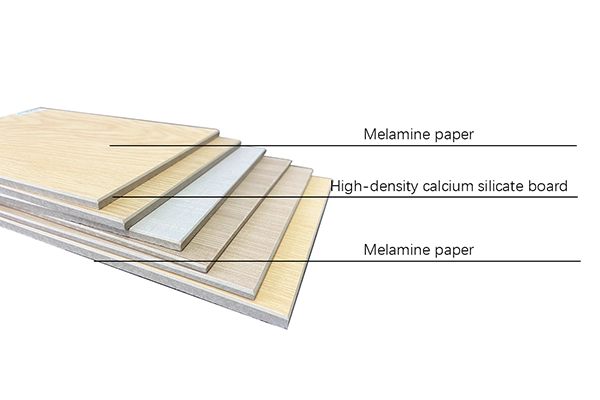
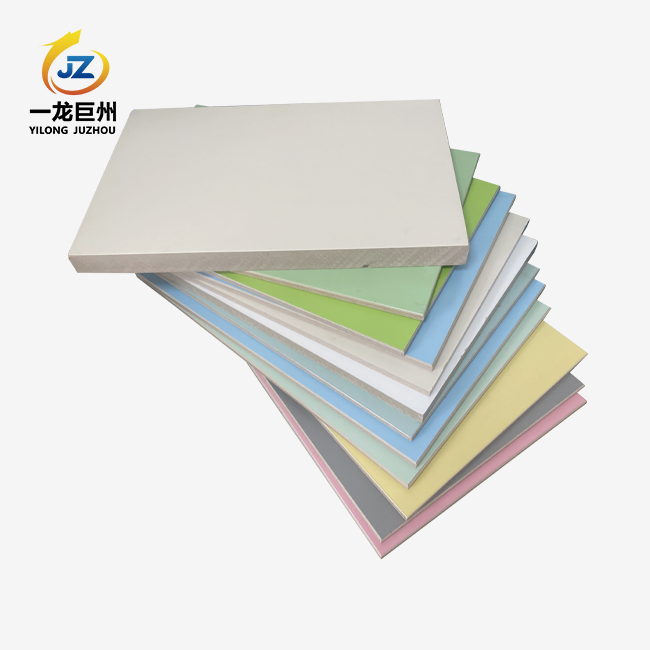
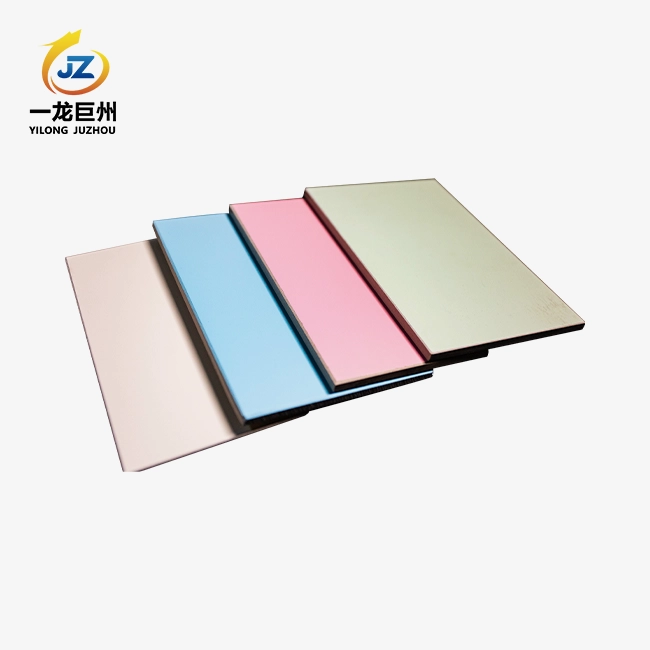
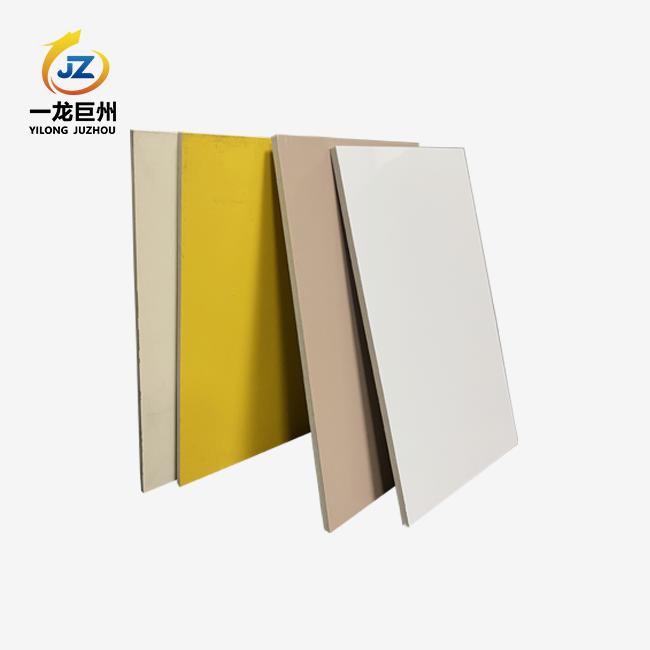
The structure of the melamine fireproof board is simple: one or both sides of melamine paper layers are stacked on top of a calcium silicate core. The calcium silicate naturally resists fire and keeps its shape, and the melamine surface gives it the good looks and long-lasting properties you'd expect from high-pressure laminates. Calcium silicate is not flammable and will not feed a fire, unlike particle board or melamine backed by MDF, which can catch fire and spread it.
Core Performance Specifications
The usual width is 1220 mm, and the lengths can go up to 3050 mm. The thicknesses run from 4.5 mm to 15 mm. This range of sizes makes it possible to use everything from full-height hallway walls to movable wall systems. The antibiotic surface kills 99.99% of bacteria, which is very important in places like healthcare and food service, where keeping germs away is a must. If a material has Class A fire resistance, it means it meets strict standards for burning, which means it doesn't spread flames or smoke easily during a fire.
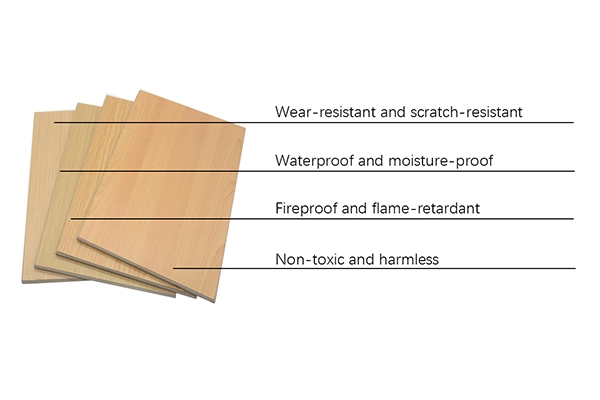
Its mechanical qualities include being very resistant to scratches and wear, which is important for places with a lot of foot traffic and public waiting areas. The surface doesn't let water or mold through, which fixes problems that often happen in damp places like businesses, restaurants, or homes near the coast. Impact strength keeps wall finishes from cracking and denting, which lowers the cost of upkeep over their lifetime.
Environmental and Health Considerations
The board doesn't have any benzene or volatile organic compounds on it, and UV-cured finishes make the surface thick and sealed, which stops the base from giving off gases. After these panels are put up, the room is finished and ready to be occupied right away, without the chemical smells that are common in traditional buildings. The ISO and CE approvals show that the material meets international standards for environmental protection. This means that it can be used in LEED projects and places with strict rules about indoor air quality.
Comparing Melamine Fireproof Board with Other Fireproof Materials
Performance Against Alternatives
Chemical processes make some types of fire-retardant plywood and MDF less likely to catch fire, but they are still made of organic materials that burn and lose their strength when exposed to heat for a long time. Calcium silicate-based screens stay stable even at temperatures above 1000°C, giving people important time to get away in an emergency.
Fiber cement boards have about the same fire resistance as other types, but they don't have a smooth surface, so they need to be laminated or painted over. This adds work, delays projects, and increases the chance of glue problems. Melamine fireproof boards come with treatments already applied at the factory, so they are ready to install right away. This eliminates those risks and lowers the overall cost of installation.
Paint is needed for traditional gypsum board systems, but it wears off over time and needs to be replaced often in business settings. The melamine surface doesn't stain easily and can be cleaned with regular disinfectants, so the look stays the same without having to go through expensive cleaning processes. The color stays the same for years, so the walls don't fade unevenly, which can look bad in areas that get a lot of use.
Cost and Lifecycle Analysis
The cost of the materials that go into making melamine fireproof boards is somewhere between cheap gypsum systems and high-end stone or solid surface materials. But when you look at how quickly it can be installed, how long it lasts, and how often it needs to be maintained, the total cost of ownership often beats other options. If you put these panels down in a hotel hallway, they might not need any maintenance other than regular cleaning for 10 years. On the other hand, painting plasterboard in the same space might need touch-ups every 18 months.
Practical Applications of Melamine Fireproof Board in Commercial Interior Decoration
Healthcare and Institutional Settings
Hospitals and clinics have to deal with two types of pressure: strict fire codes and rules for preventing infections. Melamine fireproof board takes care of both at the same time. Building walls in patient rooms, cladding for hallways, and cabinets for nurses' stations out of this material meet fire inspector standards and have surfaces that don't break down when disinfected many times. In the same way, schools and libraries profit because places for kids to play need materials that are durable and meet safety standards for public gatherings.
Transit and Public Infrastructure
There are always people walking through tube stops, airports, and train platforms, and there are strict rules about fire safety. In these places, wall panels have to be strong enough to take hits from bags and tools while also keeping fires from spreading in enclosed escape routes. The quick installation method keeps operating facilities running smoothly by letting parts be upgraded during off-peak hours without having to be closed for long periods of time.
Commercial Real Estate and Hospitality
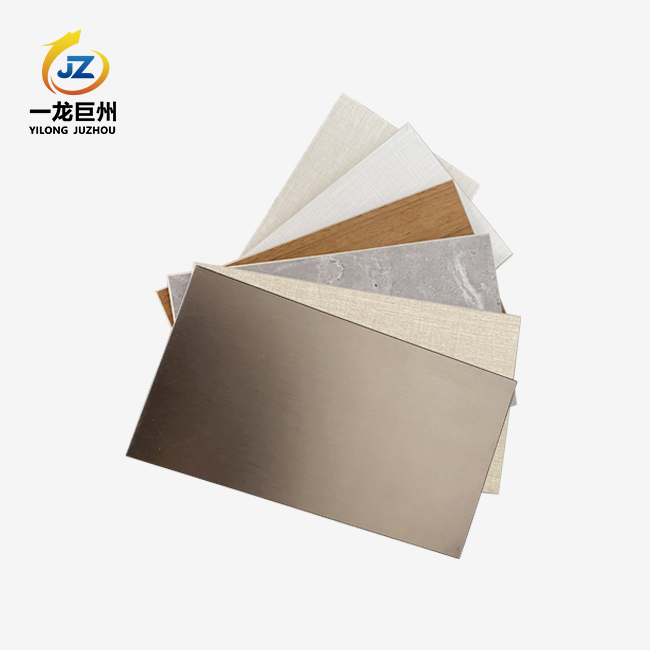
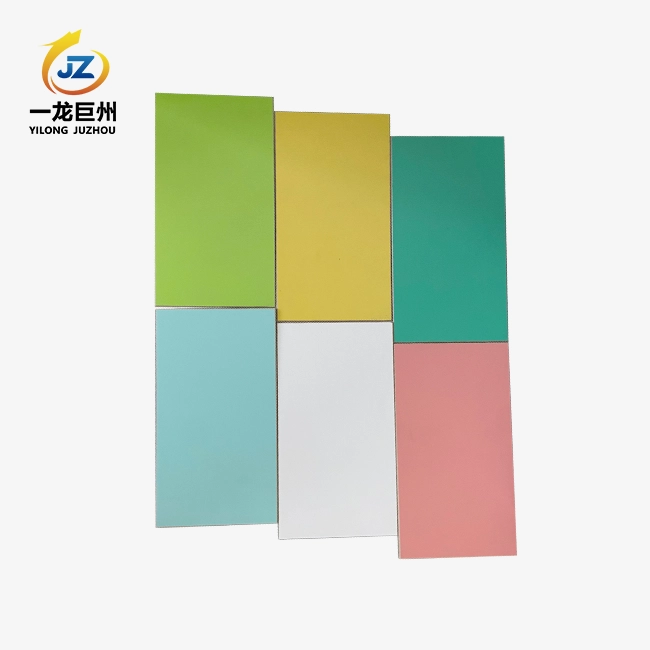
These panels are used in elevator cabs, lobby feature walls, and hallway systems in office buildings where design variety is important, but fire ratings must be met. The material comes in solid colors, wood grains, marble designs, metallic finishes, and cloth textures, so creators can be as artistic as they want within the limits of the system. Many hotels and high-end clubs like how it looks good and works well, especially in back-of-house areas like business kitchens and storage hallways, where there is a higher risk of fire.
Shopping stores and retail areas benefit from the quick installation process. Fit-outs for tenants can go faster since the panels don't need to cure or be finished with more than one coat. This speed edge means earlier income for developers who are in charge of phased openings.
Installation Best Practices
The pressure strip method makes work easier in the field. The panels (Melamine Fire and Ice Board) can be attached to bare wall frames without the need for complicated glue schedules or special tools. Customization at the factory makes sure that pieces are cut to order, which cuts down on waste and work on-site. To keep moisture barriers, exposed edges should be sealed with trim that matches, and panel joints should line up with fire-stopping details in wall sections to keep the overall system ratings.
Procurement Insights: How to Source Melamine Fireproof Board for Your Projects?
Evaluating Supplier Credentials
When sourcing melamine fireproof board for your projects, the certification paperwork is your main screen. Make sure that the suppliers you work with give you test results that prove the Class A fire performance according to established standards. ISO approval shows that the production process is consistent, and CE marks show that the product meets European safety rules, which are often stricter than standards in other markets.
For big projects, production ability is important. Suppliers with more than one place of production, like factories in both the Shaanxi and Guangdong areas, can handle large orders without having to wait too long. A provider who keeps 50,000 m² of stock on hand shows that they are ready to meet urgent restocking needs or tight plans.
Order Flexibility and Customization
Different suppliers have different minimum order numbers, but good ones will let you ask for samples to make sure the material works well and matches your finish before you commit to buying in bulk. Free sample programs, which are usually sent within three to five days, let builders make actual mockups and show stakeholders their choices. With OEM and ODM capabilities, colors, textures, and panel sizes can be changed to fit specific design needs. This is especially helpful for signature projects where normal options don't fit the vision.
Logistics and Delivery
Being close to big ports makes foreign shipping easier. Suppliers who have access to the ports of Shenzhen, Guangzhou, Shanghai, and Qingdao can offer different routes that will save you money and time on freight prices and travel times. Land transport hubs in Xi'an, Guangzhou, Shenzhen, and Foshan make it easy for projects that are far from the coast to get what they need.
Production wait times of 3–7 days for stock setups and answer times of 24 hours or less for technical questions show that the business is operationally mature. When working with building plans, where delays affect many trades at once, these factors become very important.
Pricing and Contract Terms
Buying in bulk takes advantage of the savings of scale. Build ties with suppliers that can handle more than one project at a time. Getting return business from suppliers can often lead to better prices and earlier production slots. Ask for specific price lists that break down the costs of the materials, shipping, and any extra services that add value, such as expert support or help with installation on-site.
Three-year quality warranties show that the maker trusts the panels and give customers a way to get their money back if they don't work as promised. Make sure that the guarantee covers flaws in the material, fire performance loss, and finish problems that happen normally.
Why Choose Melamine Fireproof Board for Your Commercial Interior Projects?
Regulatory Compliance and Risk Mitigation
Using melamine fireproof board ensures compliance with evolving regulations. In the United States, Class A interior finishes are becoming more and more required in certain types of buildings, like healthcare, assembly, and high-rise residential. If you use materials that meet or go beyond these standards, you won't have to worry about failed checks, expensive change orders, or delayed entry permits. Insurance companies also like buildings that are finished with materials that don't catch fire or only partially catch fire. This could mean lower premiums for building owners.
Longevity and Maintenance Efficiency
Commercial properties have limited funds, and unplanned repairs can cause problems for renters and use up cash savings. Surfaces (melamine paper fireproof wall panels) that don't need to be refinished after years of use keep their worth and lower friction during use. Facility managers like materials that don't need special cleaning products or methods, so housekeeping staff can keep things looking nice by following standard procedures.
Future-Proofing Your Investment
The building business is going toward materials that are both good for efficiency and good for the environment. Green building efforts and companies' ESG pledges are in line with products that get rid of harmful pollution, cut down on waste through efficient installation, and make replacement cycles longer. As rules about embodied carbon and lifetime effects get stricter, materials with good environmental ratings get an edge in RFP reviews and attracting tenants.
Surface finishes and core formulas are getting better and better as technology improves. When suppliers put money into research and development, they bring new ideas to the market, like better antibacterial coats and digitally printed custom logos. These innovations make design options wider while still protecting basic safety standards.
Conclusion
When choosing indoor finishes for business projects, you have to think about how well they will look, how long they will last, and how well they will meet building codes. Through a tried-and-true mix of a non-flammable calcium silicate base and a long-lasting melamine finish, melamine fireproof board meets these clashing needs. Because it's resistant to water and impact and has a Class A fire rating, the material is perfect for healthcare facilities, public infrastructure, and business areas with a lot of foot traffic where failure is not an option. Procurement benefits like quick output, easy installation, and the ability to make changes lower the risk of the project and the total cost of ownership. As building codes change and owners put more emphasis on safety and sustainability, materials that perform well in more than one area set projects up for success now and flexibility in the future.
FAQ
1. Can melamine fireproof panels be used in exterior applications?
The basic melamine fireproof board is made to be used inside. Over time, UV light breaks down melamine surfaces, making them fade and lose their shine. There are exterior-grade versions with UV-stabilized coatings that are available, but you should check with your provider first. Glass works well for interior uses in places with a lot of natural light, like atriums, because it blocks most of the UV bands that are harmful.
2. What certifications should I verify before purchasing?
Ask for test results from the class. A fire rating, formaldehyde emission approvals that meet E1 or E0 standards, and tests to see how well the product kills germs. Certifications in ISO 9001 quality management and ISO 14001 environmental management show that a provider is committed to responsible output and the environment. The CE mark shows that the product meets European standards for health, safety, and the environment.
3. How does installation speed compare to traditional systems?
With the pressure strip fixing method, you don't have to wait for glue or paint to dry. When compared to gypsum systems that need to be taped, mudded, sanded, primed, and painted, a skilled crew can put a lot more square footage in a day. This speed edge grows when various trades compete for entry to a job, letting later contractors take over earlier.
4. Are there limitations on panel sizes or custom shapes?
Standard sizes work for most business uses, and lengths of up to 3050 mm allow for full-height setups without any horizontal gaps. You can get custom cutting for curves, angles, or other forms, but complicated designs may make the process take longer and cost more. Talk about specific needs early on in the planning process to make sure it's possible and to see what the cost will be.
Partner with YILONG JUZHOU for Your Melamine Fireproof Panel Requirements
If you need melamine fireproof board, YILONG JUZHOU is the company to talk to. YILONG JUZHOU has factories in both Shaanxi and Guangdong that make their products. They have strict quality control methods that are approved by China Environmental Protection Standards, ISO, and CE. Our stock of melamine fireproof board is over 50,000 m², so we can start working on pressing projects right away. Our 3–7 day production cycle also allows for custom specs without long wait times. We know that doing business with other businesses requires honesty and dependability. That's why we answer all technical questions within 24 hours and send free samples within 3–5 days so you can see how well they work before you place a large order. Our OEM and ODM services, along with professional help for design and installation and a three-year quality guarantee, give procurement teams peace of mind as they work on projects. Our team has worked with architects, builders, and property managers in over 30 countries for 20 years, helping them with projects like finishing a hospital expansion, updating office interiors, or building transit infrastructure. You can talk about the needs of your project, ask for samples, or get in touch with our expert advisors by emailing cnyang2000114@gmail.com.
References
1. National Fire Protection Association. NFPA 101: Life Safety Code, 2021 Edition. Quincy, MA: NFPA, 2021.
2. American Society for Testing and Materials. ASTM E84-21: Standard Test Method for Surface Burning Characteristics of Building Materials. West Conshohocken, PA: ASTM International, 2021.
3. U.S. Green Building Council. LEED v4.1 Building Design and Construction Guide. Washington, DC: USGBC, 2020.
4. International Code Council. International Building Code 2021. Country Club Hills, IL: ICC, 2020.
5. Occupational Safety and Health Administration. Guidelines for Protecting Workers in Healthcare Settings During Pandemics. Washington, DC: U.S. Department of Labor, 2019.
6. European Committee for Standardization. EN 13501-1:2018 Fire Classification of Construction Products and Building Elements. Brussels: CEN, 2018.

Send Inquiry
Related Industry Knowledge
- How Does melamine fireproof board Enhance Interior Fire Safety?
- What Are Inorganic pre-coated panels and How Are They Made?
- Why Choose ice fireproof board for Industrial Wall Protection?
- UV Antibacterial panels vs Traditional Wall Panels: Key Differences
- UV Antibacterial panels Durability and Scratch Resistance Explained
- Medical Clean Board Installation and Maintenance Guide
- The Benefits Of Antimicrobial Wall Cladding For Hygienic Spaces
- Exploring Modern Aluminum Composite Panel Innovations
- How to spray paint on aluminum composite panels
- Antibacterial wall panel medical rigid sheet wall protection