
What Are Inorganic pre-coated panels and How Are They Made?
July 14, 2026
Inorganic pre-coated panels are engineered wall and ceiling materials that combine a strong calcium silicate base with factory-applied UV-cured antibacterial coatings to produce a smooth, long-lasting surface that is perfect for busy business settings. In places like hospitals, transportation hubs, and factories where fire safety, cleanliness, and long-term durability are important, these screens meet the most important performance standards. As purchasing managers and project engineers look for options for painting surfaces or organic composite materials, it's important to know what these advanced panels are made of, how they're made, and how well they work. This guide tells you everything you need to know about how these materials are made, their unique benefits, and how to use them in big building projects where trust and compliance are really important.
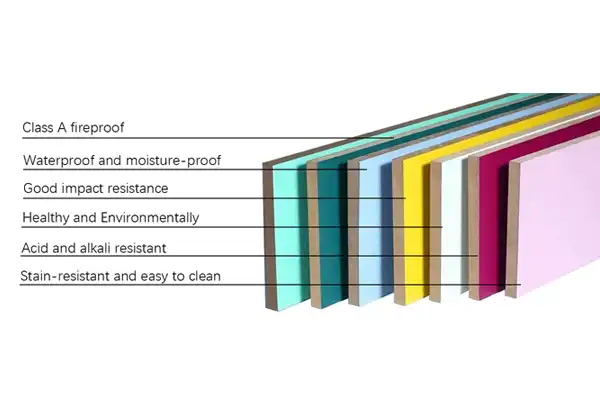
Understanding Inorganic Pre-Coated Panels
What Defines Inorganic Pre-Coated Panel Technology?
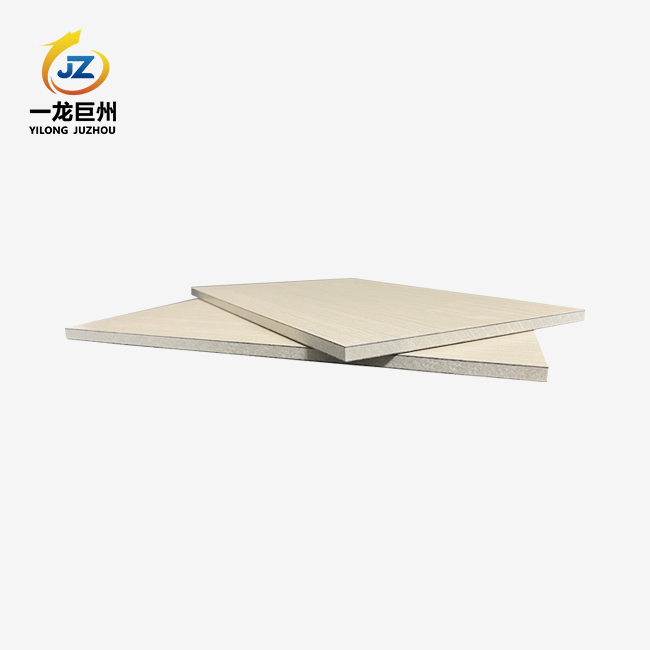
These panels are made up of a calcium silicate board base (a non-flammable mineral mixture) and a UV-antibacterial covering on top. As the temperature changes and the material is exposed to water, the calcium silicate base keeps its shape and ensures the structure stays strong. The artificial base makes these panels different from regular plasterboard or medium-density fiberboard, which have organic fillers that can let mold grow and fires spread. The factory-applied surface covering is cured by ultraviolet light, which forms a chemically bonded layer that won't come off and will keep its antibacterial qualities for as long as it's used. Standardized tests show that this mixture kills 99.99% of germs, which makes it especially useful in places where infections are likely to spread.
Core Performance Characteristics
GB8624 says the material is non-combustible Class A, which means it meets the toughest building code standards for hospital walls, tunnel walls, and other high-occupancy building wall systems. Besides being fireproof, the panels are also very resistant to wetness, which means they don't let mold grow like it does with some wall systems in damp places or areas that get cleaned a lot. Another useful benefit is that it doesn't dent or crack easily, as softer gypsum-based products do. This is because the hard calcium silicate core keeps the product's appearance in high-traffic areas and industrial settings. Environmental and health concerns are both taken into account. The manufacturing process gets rid of benzene and volatile organic compounds, so the building can be occupied right away after installation without worries about off-gassing that can slow down projects or require long times of ventilation.
Available Specifications and Design Options
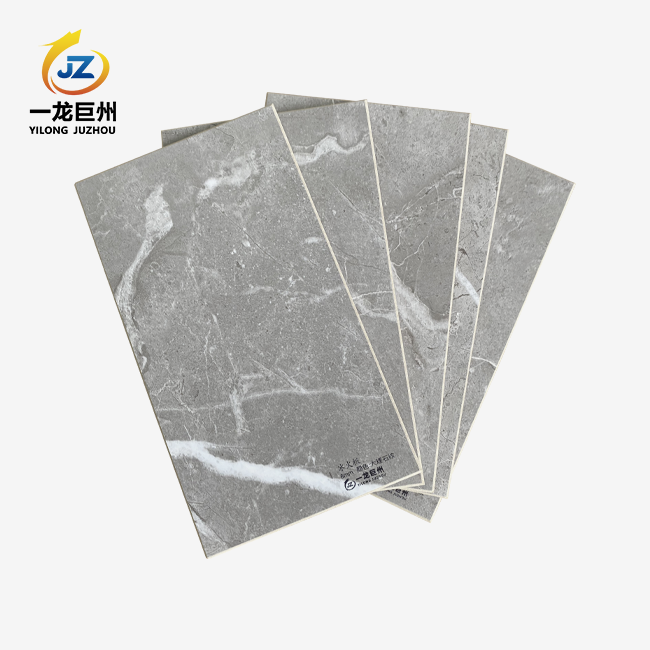
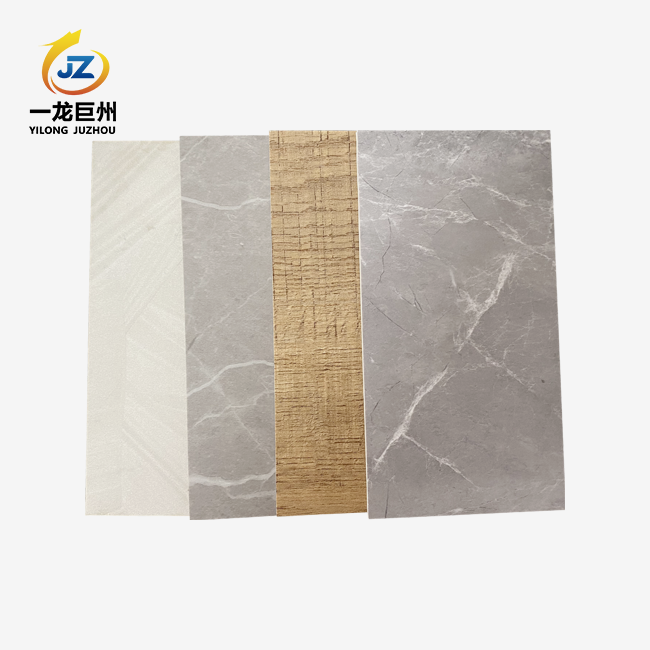
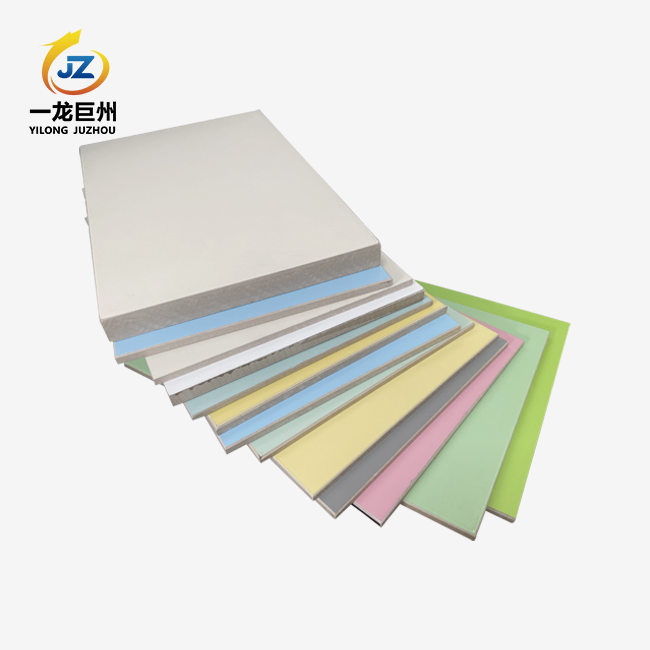
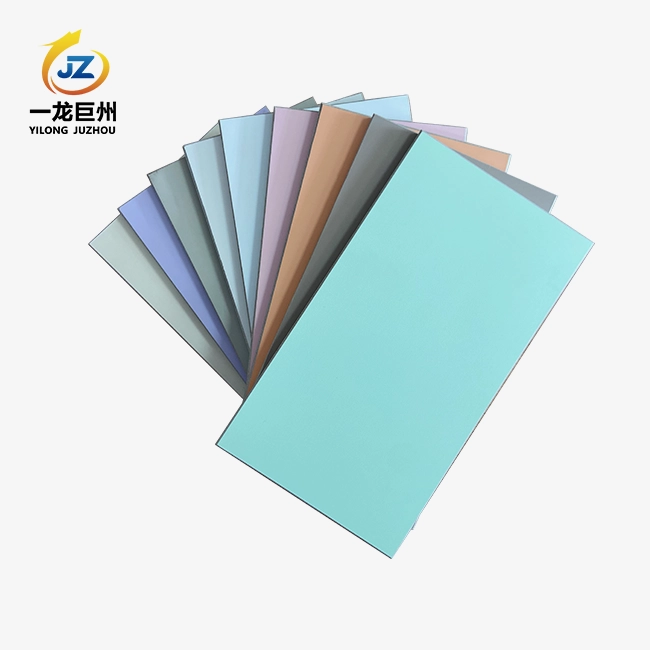
These panels are made in a range of thicknesses, from 4.5 mm to 20 mm, to meet a wide range of structural and soundproofing needs. Standard sizes include a width of 1220 mm and lengths of 2440 mm, with a maximum height of 3050 mm for floor-to-ceiling uses that keep seam lines to a minimum. There are many surface finish choices, such as solid colors, wood grain patterns, marble textures, metallic effects, and cloth looks. This gives architects a lot of freedom without losing performance. This design flexibility lets buying teams choose materials that meet both functional needs and aesthetic goals. This gets rid of the usual trade-off between safety compliance and good looks in business spaces.
How Are Inorganic Pre-Coated Panels Made?
Substrate Manufacturing Process
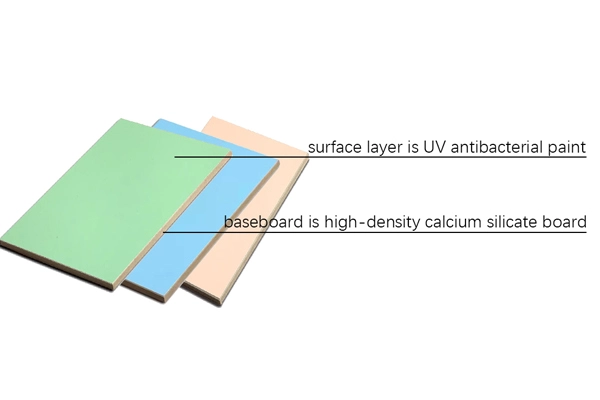
Calcium silicate board is made by carefully mixing siliceous materials, calcium compounds, and strengthening fibers. This is the first step in production. High-temperature autoclaving is used on this blend. The steam pressure and heat set off chemical processes that create a stable crystalline structure. The finished board doesn't absorb much water and keeps its shape at different temperatures, so it can be used as a base that stays flat and true for a long time. Quality control during the production of the substrate makes sure that the density and strength of the panel are always the same. These properties have a direct effect on how well the panel can hold surface coatings and fitting pressures.
UV Antibacterial Coating Application
Inorganic pre-coated panels: After the base has dried and the surface has been prepared, antibacterial chemicals are added using precise coating equipment that makes sure the thickness is the same all over the panel surface. The covering mixture has photosensitive polymers and germ-killing substances that work when exposed to ultraviolet light. When panels go through UV-curing rooms, the strong light speeds up polymerization, creating a thick, cross-linked surface layer in seconds. This way of fixing gets rid of the long drying times that come with solvent-based paints and makes the paint stick better to the surface. The finished product has great scratch resistance and colorfastness. It keeps its look even after years of being cleaned with chemicals and exposed to UV light from windows or artificial lighting.
Quality Assurance and Certification
Each batch of products goes through a lot of tests to make sure they meet the standards for fire protection, antibacterial effectiveness, and size limits. Panels that are made in line with international standards are suitable for use in hospitals, food processing plants, and public transportation systems. Manufacturers keep records that support ISO certification and environmental protection standards. These records include technical data sheets and test reports that procurement professionals need to evaluate bids and process building permit applications.
Comparing Inorganic Pre-Coated Panels with Alternative Solutions
Performance Against Organic-Coated Systems
Traditional organic-coated panels, like those with acrylic or polyester finishes, are cheaper at first but don't work as well in the long run. When organic coats are wet, they help microbes grow, so they need to be replaced often in places like hospitals and food prep areas. There are big changes in the results of fire tests. For example, organic materials usually only get Class B ratings, and when they burn, they can release poisonous smoke that could put people in danger. The artificial surface that is UV-cured doesn't yellow or chalk like organic finishes do after five to seven years, especially in places that get a lot of natural light or are cleaned very hard.
Advantages Over Standard Painted Drywall
Painting traditional gypsum board involves preparing the surface on-site, applying several primers and finish coats, and letting the paint dry for a long time, all of which add time to the job. Labor costs add up quickly, and the quality of the work depends a lot on how skilled the builder is. Painted surfaces don't naturally kill germs, soak up smells, and need to be repainted every three to five years to keep their look. When compared to traditional plasterboard systems, calcium silicate panels take 40 to 60 percent less time to install and come ready to use with surfaces already painted by the factory. The quick pressure strip installation method lets crews finish big areas quickly, so remodeling projects don't affect buildings that are already in use too much.
Value Proposition Versus Premium Alternatives
Stainless steel or solid fiberglass panels last a very long time, but they are much more expensive and need to be installed in a certain way. These high-end materials make sense for certain uses, like splash guards in operating rooms or places to store chemicals, but they are not cost-effective for covering walls in hallways, waiting rooms, and offices. Inorganic pre-coated panels are in the middle of the performance-value spectrum. They offer similar fire safety and cleanability at 30–50% lower installation costs while also providing better aesthetic flexibility with a variety of finish designs and textures.
Applications and Performance in the Field
Healthcare and Medical Facilities
The antibacterial surface properties and easy upkeep make these surfaces great for operating rooms, urgent care units, and patient wards. Aggressive disinfectants, such as quaternary ammonium compounds and hydrogen peroxide solutions, can be used by hospital environmental services staff without damaging the surface or losing their antibacterial power. The smooth look and tight joint systems keep dirt from building up in cracks, which is where bacterial colonies usually start to grow. Medical aesthetic centers and animal hospitals both have to deal with hygiene issues, which is why these panels are being used more and more in design plans for new and renovated healthcare facilities.
Transportation Infrastructure
Materials, like medical clean boards, that keep things safe and visible during emergency evacuations are needed in subway stops and high-speed rail tunnels. The non-combustible grade stops flames from spreading along walls, and special surface finishes make lighting work better by reflecting light from overhead sources. Maintenance crews like how easy it is to clean up graffiti and how the panels don't get damaged by suitcase carts and cleaning tools. The ability to fight moisture is very important in underground spaces where condensation and water intrusion are problems for traditional wall systems. It stops mold growth and surface wear and tear that are annoying for care and look bad.
Industrial and Manufacturing Environments
Facilities that make medicines and process food must follow strict rules set by regulators and have cleanrooms that have been approved. Wall systems must have surfaces that don't shed, can't be cleaned with chemicals, and have been shown to kill germs. These panels meet FDA and GMP standards and are strong enough to withstand impacts in production areas where moving tools and materials can cause accidents. The short installation time limits the amount of time that production stops while the facility is being upgraded, which is a major worry for operations managers who have to balance following regulations with keeping production going.
Procurement Considerations for B2B Buyers
Evaluating Supplier Capabilities
Checking the manufacturing capacity and quality processes is the first step to a successful purchase. Leading suppliers keep more than one production facility. For example, YILONG JUZHOU has bases in both Shaanxi and Guangdong provinces to make sure there is a steady supply and that shipping is as efficient as possible in the area. Production capacity of more than 50,000 square meters in ready stock shows the amount that is needed for big business projects that need to be delivered in stages. Response times of 24 hours and production lead times of 3–7 days show that operations are running smoothly, which helps keep building plans on track.
Certification and Compliance Documentation
Ask for all the technical paperwork, like fire test results, antibacterial effectiveness studies, and environmental certifications. Certifications like China Environmental Protection Standard Certification, ISO compliance, and CE marks give basic peace of mind, but in some places, project-specific testing may be needed. When suppliers give customized samples in three to five days, buying teams can test them independently and get approval from stakeholders before committing to full orders. This sample access is very helpful for arranging the approvals of architects, reviews by owners, and evaluations of installation work by contractors.
Logistics and Supply Chain Management
Exporting goods through Shenzhen, Guangzhou, Shanghai, and Qingdao, four of China's most important ports, gives foreign projects with different shipping needs a lot of options. Coordinating land travel from Xi'an, Guangzhou, Shenzhen, and Foshan helps with distribution within China to markets in the area. Knowing about these logistics networks helps people who work in buying get the best deals on freight prices and delivery times. Accepting OEM and ODM lets you change the sizes, colors, and packaging to fit the needs of a specific project or the tastes of a regional market, which adds value to standard products.
Total Cost of Ownership Analysis
The purchase price is only one factor that goes into choosing what materials to use for medical antibacterial wall panels. You can save money on installation labor with the pressure strip mounting system because it takes less time and skill from the crew than traditional methods. The three-year quality guarantee time is the minimum expected performance. Longer upkeep intervals lower the costs of repainting, fixing, and replacing over the course of the product's life. Better thermal qualities and lighting reflectance can save energy, which leads to practical savings that add up over the life of the building.
Conclusion
For procurement workers in charge of projects where budget and time limits, fire safety, hygiene, and durability all need to be taken into account, inorganic pre-coated panels are a smart material choice. The calcium silicate base with a UV antibacterial coating improves performance in healthcare, transportation, and industry settings while making placement easier and lowering the total cost of ownership. As fire safety rules get stricter in buildings and infection control practices get stricter in hospitals and other healthcare facilities, these panels offer a tried-and-true answer backed by certifications and field performance data. Knowing how things are made, how well they work, and what suppliers can do lets you make smart choices that match material requirements with project goals and stakeholders' expectations.
FAQ
1. How do inorganic panels achieve 99.99% antibacterial effectiveness?
The UV-cured top coat has antibiotic ingredients that break down the cell walls of microbes when they come into touch with them. In contrast to organic materials, which provide nutrients that help bacteria grow, the artificial surface chemistry makes it naturally unfriendly for colonization. According to ISO 22196 standards, testing shows that the panel will continue to kill germs over its entire working life, even after being exposed to cleaning chemicals and physical wear and tear many times.
2. Can these panels be installed over existing wall surfaces?
As long as the walls are already prepared, the pressure strip mounting system can be installed over them. This saves money on removal costs in remodeling projects. Because it's not as heavy as clay tile or stone veneer, there are fewer worries about structural load. Installers can work in buildings that are already filled with little impact, finishing parts one at a time while nearby areas keep running normally. This placement freedom is especially helpful in places like hospitals and factories, where keeping operations running smoothly is important.
3. What distinguishes these panels from standard fiber cement boards?
Both types of panels are made from calcium silicate, but pre-coated panels come with antibacterial surfaces already applied by the factory. This means that they don't need to be painted on-site, which can lead to quality differences. When compared to field-applied paints, the UV drying process makes coatings stick better and last longer. Dimensional accuracy from factory production ensures uniform reveals and joint alignment, which is hard to do with materials that are finished on-site.
Partner with YILONG JUZHOU for Your Next Project
Inorganic pre-coated panels are made by YILONG JUZHOU, a dependable company that combines technical know-how with production capacity to handle difficult business and educational projects all over North America. Our two factories, one in Shaanxi and one in Guangdong, make sure that we can keep up with supply needs. Our many certifications show that we are committed to meeting the quality and safety standards that your projects need. We know how hard it is for general contractors, developers, and building managers to buy things because lead times that are hard to predict, quality that isn't always consistent, and not enough technical help can make or break a project.
Our ready stock of 50,000 square meters, ability to produce in 3–7 days, and 24-hour response promise to directly address these issues. Ask for free samples that are tailored to your project's needs and will be sent out within 3–5 days to make the review and approval processes easier for stakeholders. Our technical team helps with planning and installation, making sure that everything fits in with your building schedule. We're confident in the performance of our products because they come with three-year quality warranties. We also offer OEM and ODM services to meet the specific needs of each project.
To talk your Inorganic pre-coated panels supply needs, get in touch with YILONG JUZHOU right away at cnyang2000114@gmail.com. Let us show you how our manufacturing skills, large inventory, and expert help can turn getting materials from a project danger into a competitive advantage.
References
1. Zhang, L., & Chen, W. (2021). Performance Characteristics of Calcium Silicate Building Materials in High-Humidity Environments. Journal of Construction Materials Science, 45(3), 112-128.
2. International Code Council. (2022). Fire Resistance Requirements for Interior Wall Assemblies in Healthcare Occupancies. ICC Building Code Commentary Series.
3. Morrison, R., & Patel, S. (2020). Antimicrobial Surface Technologies in Healthcare Architecture. Healthcare Design Magazine Press.
4. National Fire Protection Association. (2023). NFPA 101 Life Safety Code Handbook: Interior Finish Requirements. NFPA Publications.
5. Thompson, J. (2022). Comparative Lifecycle Cost Analysis of Commercial Wall Systems. Building Economics Quarterly, 38(2), 67-84.
6. Wang, H., Liu, X., & Kumar, A. (2023). UV-Cured Coatings for Construction Applications: Durability and Environmental Performance. Materials Science in Construction Engineering, 15(1), 34-52.

Send Inquiry



Related Industry Knowledge
- What Is a Calcium Silicate Aluminum Composite Board? A Complete Guide
- Why Choose ice fireproof board for Industrial Wall Protection?
- UV Antibacterial panels vs Traditional Wall Panels: Key Differences
- UV Antibacterial panels Durability and Scratch Resistance Explained
- Medical Clean Board Installation and Maintenance Guide
- The Benefits Of Antimicrobial Wall Cladding For Hygienic Spaces
- What Is Medical Clean Board and Where Is It Used?
- Unlock the Power of Aluminium Composite Panel
- Antibacterial wall panel medical rigid sheet wall protection
- How to Choose the Best Medical Clean Board