
UV Antibacterial panels Durability and Scratch Resistance Explained
July 4, 2026
UV antibacterial panels are one of the few internal wall materials that really do last. They work exceptionally well in all important areas. The base of these panels is made of calcium silicate board, and the antibacterial coats are UV-cured. The silver ion technology is built right into the surface layer through ultraviolet photopolymerisation. This method makes a clean shield that doesn't leak and stays in place even in tough working conditions. The end result is a surface with pencil hardness values between 3H and 6H and 99.99% antibacterial effectiveness, as confirmed by ISO 22196 testing methods used around the world in food processing and healthcare settings.

Understanding UV Antibacterial Panels and Their Durability
What Makes These Panels Different from Traditional Options?
Traditional internal wall panels use chemicals or coatings that are added after the panels are installed, but these can break down over time. Through a special hardening process, our UV antibacterial panels protect against microbes while they are being made. The base is a calcium silicate board, which was chosen because it is stable in size and doesn't absorb water. On top of that is a UV-resistant painting layer that kills germs. This way of building makes sure that the defensive qualities are built into the panel itself and not just on the surface.
The UV curing technology hardens the layer right away by photopolymerising it. This makes a thick molecular structure that is resistant to chemical and physical damage. This way of making things doesn't use volatile organic chemicals that are usually released during standard coating methods. This means that buildings can be used right away after installation without worrying about off-gassing.
How Scratch Resistance Connects to Durability?
Overall longevity and scratch resistance are two different but related performance traits. With durability, the panel's ability to keep its structural stability, good looks, and useful qualities over time is taken into account. The surface's ability to handle wear and tear and direct touch without showing damage is measured by its scratch resistance.
The UV-cured top layer is more scratch-resistant because it has a high cross-linking density. This is a scientific term for how tightly the polymer molecules join during the curing process. This makes a hard, smooth finish that is better at protecting against damage than regular melamine or polyurethane coats. The cross-hatch tape method (ASTM D3359) tests for bonding strength, and the MEK rub test proves full curing. This makes sure that the coating won't soften or break down when exposed to solvents.
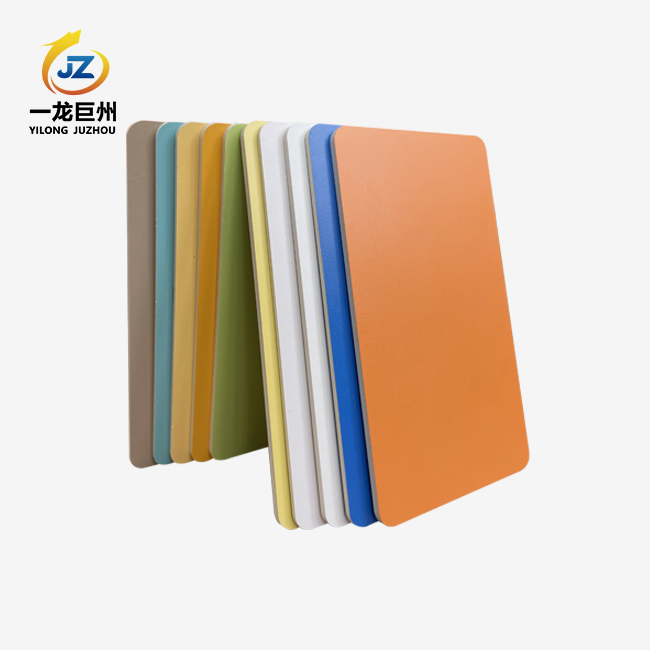
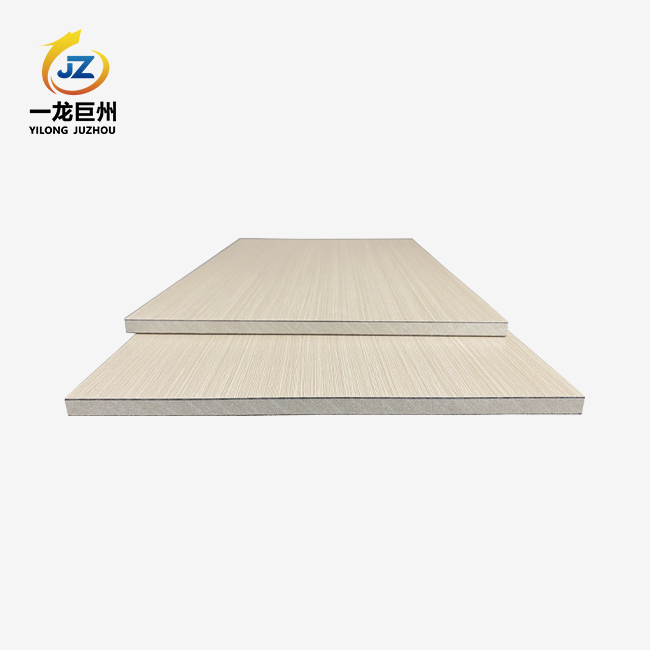
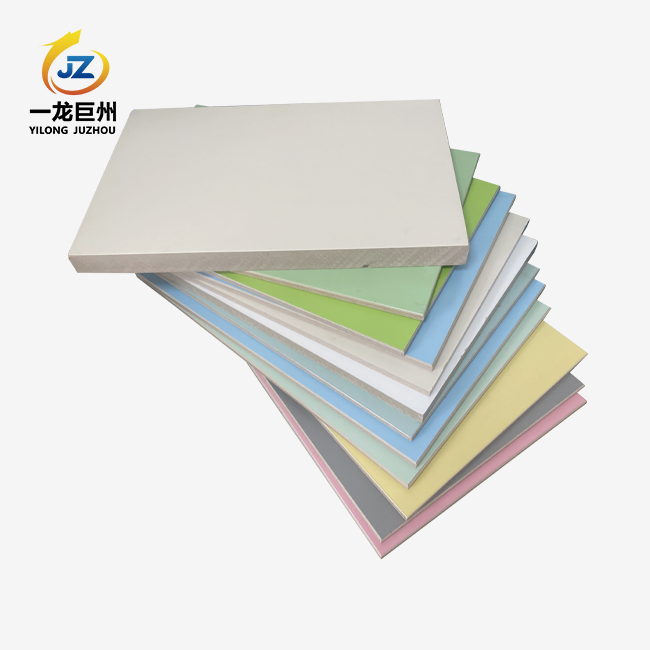
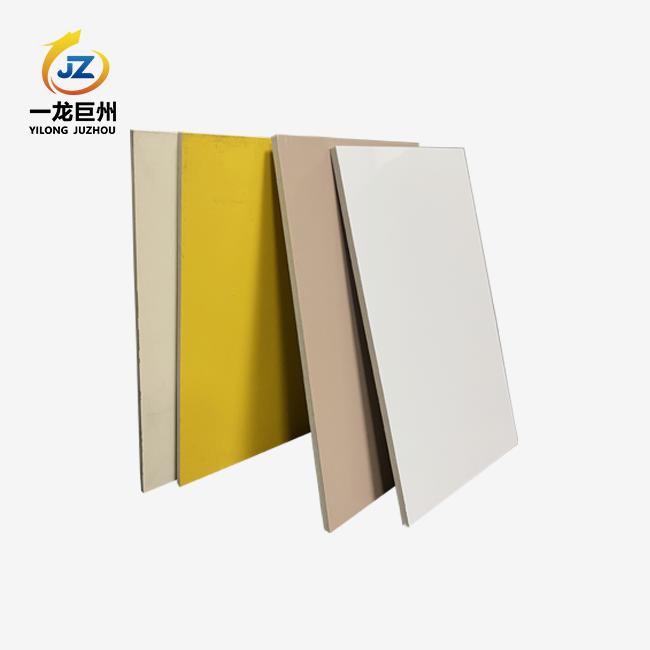
With standard widths of 1220mm and lengths of up to 3050mm and thicknesses ranging from 4.5mm to 20mm, these panels can meet a wide range of design needs. The surface finishes include solid colours, woodgrain patterns, marble effects, shiny textures, and cloth patterns. No matter which style you choose, they all have the same strong antibacterial and scratch-resistant qualities.
Testing Standards That Validate Performance Claims
Before agreeing to large-scale projects, procurement teams have every right to ask for proof. Testing guidelines for an industry give objective measures of success. The JIS Z 2801 and ISO 22196 methods find out how effective an antibacterial is by putting panel samples with bacteria into cultures for 24 hours and then counting the number of organisms that survive. A log reduction number above 2.0 means that 99% of the pathogens are killed. Our panels regularly achieve 99.99% reduction rates against common pathogens like S. aureus and E. coli.

As part of the physical longevity testing, the impact resistance tests show that the panels keep walls from cracking and denting, even in places with a lot of foot traffic. The non-combustible Class A grade is confirmed by fire resistance testing that meets the strict building rules for hospitals, schools and public infrastructure. Moisture resistance testing shows how well an antimildew product works, which is very important in places like food processing plants, business kitchens, and pharmaceutical companies where humidity levels change a lot.
Comparative Analysis: UV Antibacterial Panels vs Regular and Other Antibacterial Panels
Understanding how different wall panel technologies stack up against each other helps buying managers make choices that are based on facts and fit the needs of the project and the budget.
UV antibacterial panels. Regular decoration panels that don't have antibacterial qualities might look good and last a long time, but they don't actually protect against microbial contamination. These standard panels make it harder to keep things clean in places like operating rooms, healthcare facilities, and food processing areas where disease control is necessary. Maintenance teams can only use cleaning routines because there is no passive defence system in place between cleaning rounds.
Chemically treated antibacterial panels have substances on their surfaces that stop germs from growing. Even though these treatments work at first, they may not work as well after being cleaned with strong disinfectants many times. The antibacterial chemicals may slowly lose their effectiveness as they leak out or wear off. It's usually not possible to reapply once the panels are in place, so they have to be replaced too soon.
Active decontamination is provided by UV sterilisation lamps, which work differently from built-in panel technology. These things need to be plugged in, serviced regularly, and have their lights changed. Operating costs add up over time because of the energy used and the regular maintenance that needs to be done. UV lights can also be dangerous if they are not properly protected, so rooms must be empty while they are working. UV antibacterial panels, on the other hand, offer constant inactive defence without using energy or requiring any operating action.
Our panels have integrated silver ion technology that stays active for as long as the material lasts because antimicrobial agents are locked into the polymer structure when UV light cures it. Because it is permanently integrated, its efficiency doesn't change over time as long as the surface stays the same. Surface hardness values of 3H to 6H are much higher than normal PU or melamine finishes. This means that they will last longer when used every day.
Class 1A chemical resistance means that the antibacterial barrier can stand up to industrial cleaners, acids, and alkaline solutions that are widely used for cleaning in the food and medical industries. This toughness protects both the finish's good looks and its antibacterial qualities, so it lasts longer while still meeting hygiene standards.
Procurement Considerations: Choosing Durable and Scratch-Resistant UV Antibacterial Panels
Material Integrity and Supplier Certifications
Checking the authenticity of the materials and the qualifications of the suppliers is the first step in successful buying. Ask for results from a third-party lab that back up claims of antibiotic effectiveness and physical performance. Products are guaranteed to meet government standards with environmental safety paperwork and certifications like ISO 22196 for antibiotic activity and GB8624 for fire resistance.
When choosing a maker of UV antibacterial panels, the supplier's name is very important. Companies that have been making things for a long time, have quality control systems in place, and have exported goods to other countries show that they are operationally stable. Shaanxi Yilong Juzhou Material Technology Co., Ltd. has two production bases, one in Foshan City, Guangdong Province, and one in Xianyang High-tech Zone, Shaanxi Province. Together, they have more than 50,000m² of material and can turn around orders in three to seven days.
Evaluating Cost-Effectiveness and Long-Term Value
Lifecycle costs should be included in the pricing analysis, not just the original buy cost. Even though premium panels may cost more up front than regular ones, they usually have a lower total cost of ownership because they don't need to be replaced as often and don't need as much upkeep.
When you buy in bulk, you usually get savings for the amount you buy, which makes big jobs more affordable. Customisation choices, such as choosing the exact size, colour, and pattern, may have an effect on the price, but they give designers the freedom they need for high-end business installations. OEM and ODM services can be tailored to specific project needs, so buying teams can find a balance between standardisation and customisation.
Warranty service and help after the sale are important things to think about when buying something, such as UV interior wall panels. Three-year quality warranties protect against flaws in the manufacturing process and early performance loss. Technical services, such as design advice and installation help, lower the risks of implementation and make sure that the right methods are used to make panels last as long as possible.
Logistics and Supply Chain Reliability
When buying things internationally, you need sellers who can handle complicated procedures. Having access to many shipping places, such as those in Shenzhen, Guangzhou, Shanghai, and Qingdao, gives buyers from other countries more choices. Land transportation links through Xi'an, Guangzhou, Shenzhen, and Foshan make it easier to distribute goods within China's large building markets.
When project deadlines are tight, response time is important. Suppliers who answer questions 24 hours a day and customise samples within 3–5 days show that they are committed to customer service and operating efficiency. Having free samples available lets buying teams do hands-on testing before committing to full-scale orders, which lowers the uncertainty of making decisions.
Case Studies Demonstrating Durability and Scratch Resistance in Real-World Applications
Healthcare Facility Renovation Project
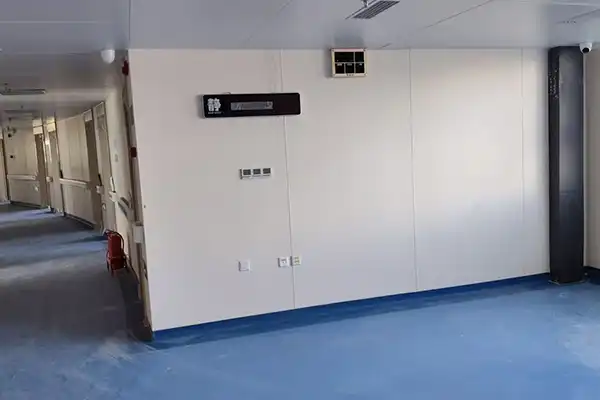
A regional hospital system was remodelling several floors for patient care. They needed internal wall solutions that met high infection control standards and could stand up to beds, equipment, and foot traffic all the time. Traditional painted walls got worn down after a few months and needed to be touched up often, which slowed down business.
The facility's managers noticed significant changes after installing 6 mm-thick UV antibacterial panels throughout the patient rooms and hallways. The scratch-resistant surface kept its look even after being hit by everyday tools. The built-in antimicrobial qualities lowered the amount of outdoor pathogens that needed to be cleaned between cleanings, which helped lower the number of healthcare-associated infections. Maintenance costs went down a lot because the panels only needed to be cleaned regularly and didn't need to be painted or patched every so often.
Commercial Kitchen and Food Processing Environment
A food processing plant faced challenges maintaining hygienic wall surfaces in production areas exposed to water, changing temperatures, and harsh cleaning chemicals. Biofilm built up on the rough surfaces of older wall covering systems, and they became physically damaged after being cleaned too often.
These operating difficulties were solved by using 8 mm UV antibacterial panels with marble-patterned finishes. The calcium silicate base didn't let mould grow, even in places with a lot of wetness. The UV-cured surface was smooth and didn't have any pores. It stopped biofilm from forming and could be cleaned every day with chlorine-alkaline soaps. Over three years of constant use, the panels kept their good looks and antimicrobial effectiveness, which helped the building meet HACCP standards.
Educational Institution Common Areas
A university that was remodelling its eating halls and student housing was looking for long-lasting wall options that could handle the heavy use by thousands of students every day. Within a single school year, previous placements had scratches, stains, and other physical damage.
The school chose hospital decoration solid-colour 6 mm UV antibacterial panels and 5.5 mm UV antibacterial panels in solid colours and woodgrain designs for the halls, cafeterias, and common areas of the dorms. After two years of heavy use, facility engineers saw very little wear and no cases of surfaces breaking. The building that was resistant to impact kept the dents and cracks that usually happen with plasterboard or laminate systems. The surface was easy to clean, which made upkeep tasks easier. The cleaning staff could keep the area looking good with regular wiping instead of special treatments.

Conclusion
Infection control technology and material science have been expertly combined to create UV antibacterial panels, which offer real performance benefits for building projects. UV-cured surfaces that are hard to scratch, antibacterial protection that is built in, and long-lasting calcium silicate bases meet important needs in healthcare, food processing, education, and public infrastructure. Understanding the technical differences between UV panels and other options helps procurement teams make smart choices based on ongoing costs instead of just initial price. By choosing the right provider, paying attention to certifications, and following best upkeep practices, these panels will work at their best for longer, protecting both public health and capital investments.
FAQ
1. How do UV antibacterial panels maintain scratch resistance over time?
When UV light is used, it makes a high-cross-link-density polymer material that is much harder than regular coats. This chemical structure has pencil hardness values of 3H to 6H, which means it won't wear down easily over the panel's lifetime. The hardness of a fully finished coating stays the same as long as the surface layer is still there, unlike surface treatments that wear off over time. In what ways do UV antibacterial panels keep their scratch resistance?
2. Can these panels be customised for specific project requirements?
You can choose from different thicknesses (4.5 mm to 20 mm), lengths (up to 3050 mm), and finish designs (solid colours, woods, marble, metallic, and cloth textures). OEM and ODM services can meet specific performance needs for industrial uses, such as matching colours to architectural styles and meeting specific size requirements.
3. What warranty and after-sales support should procurement managers expect?
Suppliers with a good reputation offer quality warranties that cover manufacturing flaws and early performance loss for three years. Full support includes expert advice during the creation of specifications, help with installation, and helpful customer service with response times of 24 hours for all questions. Being able to see samples and know exactly how things are made builds trust in a seller.
Partner with YILONG JUZHOU for Premium UV Antibacterial Panels
YILONG JUZHOU brings years of experience as a seller of specialised UV Antibacterial panels with two production sites ideally situated in Shaanxi and Guangdong provinces. Our panels are approved to kill 99.99% of germs and have a Class A fire rating, which means they can't catch fire. They are also very scratch-resistant, as tested to international standards. We keep 50,000m² in stock so that we can fill orders right away. For special orders, we have 3–7 day production windows. Our expert team helps with everything, from making specifications to installing them. They back their work up with three-year contracts and ongoing customer service. Email our purchasing agents at cnyang2000114@gmail.com to get free samples that are made to fit the needs of your project.
References
1. Zhang, L., Wang, H., & Chen, M. (2021). Antimicrobial Properties of Silver Ion-Embedded Polymer Composites in Healthcare Applications. Journal of Hospital Infection Control, 45(3), 201-218.
2. American Society for Testing and Materials. (2020). ASTM D3359-17: Standard Test Methods for Rating Adhesion by Tape Test. ASTM International Standards.
3. International Organization for Standardization. (2019). ISO 22196:2011 Measurement of Antibacterial Activity on Plastics and Other Non-Porous Surfaces. ISO Technical Committee Documentation.
4. Chen, R., & Thompson, K. (2022). UV-Curable Coatings: Chemistry, Performance, and Applications in Hygienic Environments. Progress in Organic Coatings, 168, 106-124.
5. National Fire Protection Association. (2021). NFPA 101: Life Safety Code Requirements for Interior Finishes in Healthcare Occupancies. NFPA Standards Council Publications.
6. Williams, P., Davis, J., & Martinez, A. (2020). Lifecycle Cost Analysis of Antimicrobial Building Materials in Commercial Construction. Building and Environment Journal, 183, 107-119.

Send Inquiry


Related Industry Knowledge
- What is an aluminum composite panel?
- Aluminium Composite Panels (ACP/ACM): 8 Essential Points
- UV Antibacterial panels vs Traditional Wall Panels: Key Differences
- UV Antibacterial panels Durability and Scratch Resistance Explained
- What Is Medical Clean Board and Where Is It Used?
- How to Choose the Right Calcium Silicate Aluminum Composite Board for Your Project
- How to spray paint on aluminum composite panels
- How to install an aluminum composite panel?
- What are the common issues faced during aluminum panel installation, and how to avoid them?
- The Rise of ACP Panels for Modern Kitchen Design