
UV Antibacterial panels vs Traditional Wall Panels: Key Differences
July 4, 2026
Procurement managers and builders must choose between UV antibacterial panels and conventional wall panels when selecting interior wall materials for business projects. The difference is based on how well you clean. UV antibacterial panels have advanced UV-cured coatings that are embedded with silver ion technology. This makes the areas they touch 99.99% less likely to be infected with germs. Traditional panels, like normal PVC, gypsum board, or wood composites, don't have antimicrobial qualities built in, so they need to be cleaned from the outside to keep them clean. This difference has a direct effect on how well healthcare facilities, food processing plants, and public areas with a lot of foot traffic prevent infections and how much they cost to maintain over time.
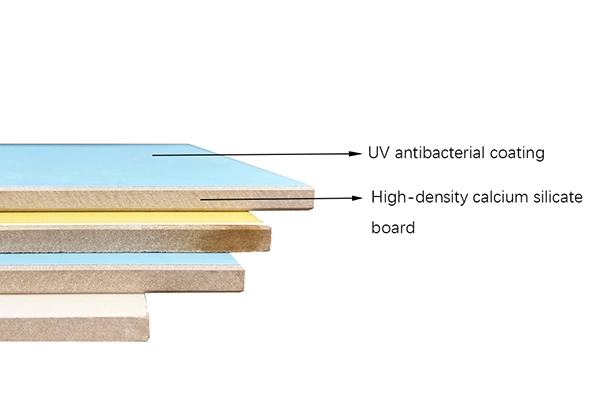
Understanding UV Antibacterial Panels and Traditional Wall Panels
What Are UV Antibacterial Panels?
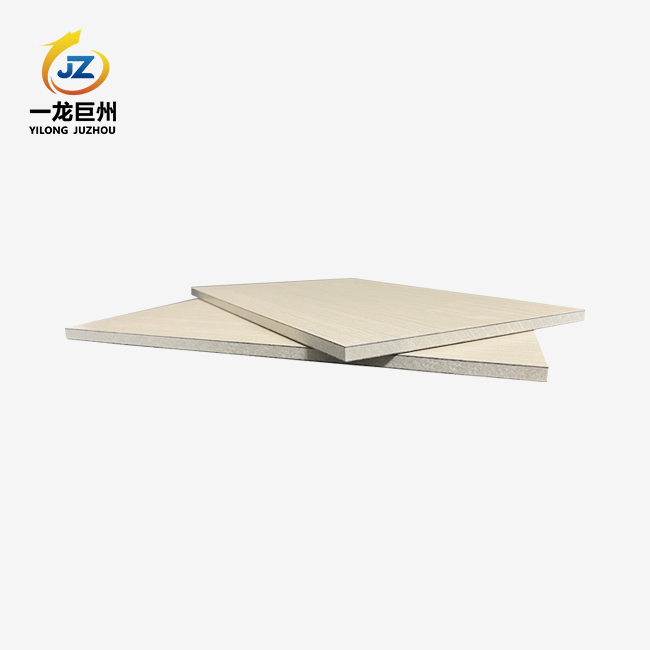
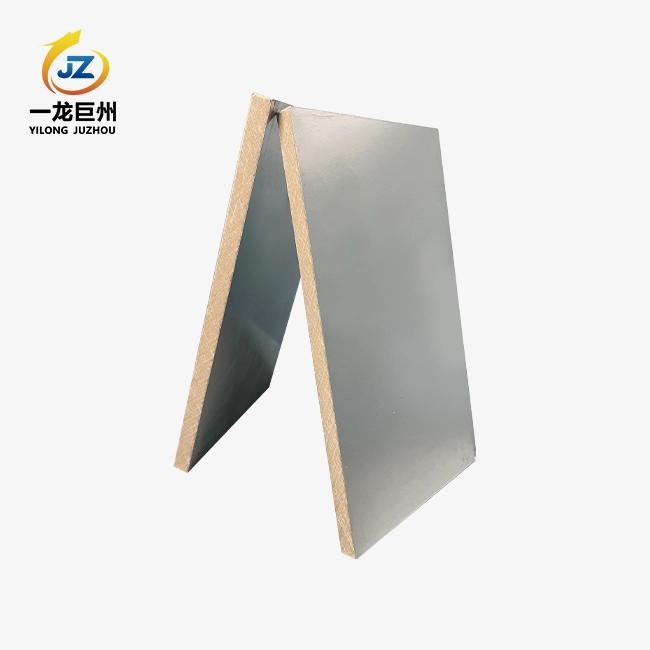
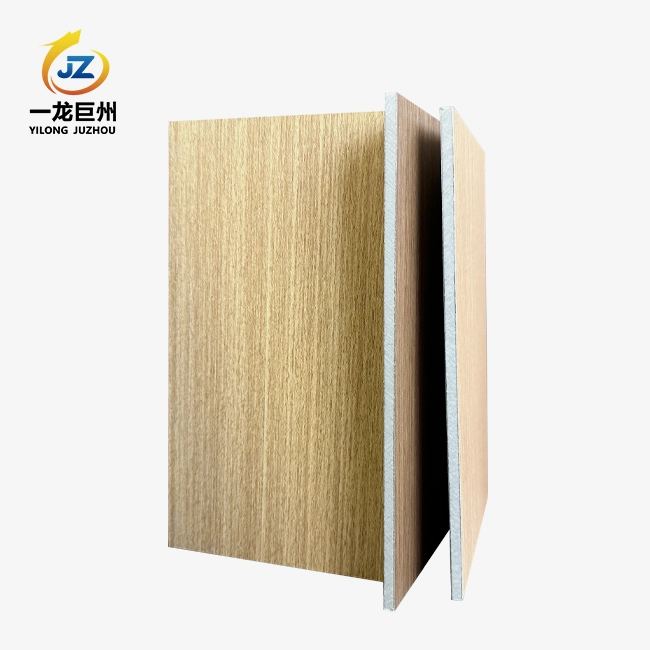
Photopolymerization technology and cleanliness engineering have combined to create UV antibacterial panels. These panels are made of a calcium silicate board base that has a special UV-cured covering on top of it that contains inorganic antimicrobial agents, mostly silver ions that are forever cross-linked into the polymer matrix. The antibacterial agents don't leak or evaporate as brief cleaning sprays do. They keep breaking down the cell walls of bacteria, even when they're not cleaning.
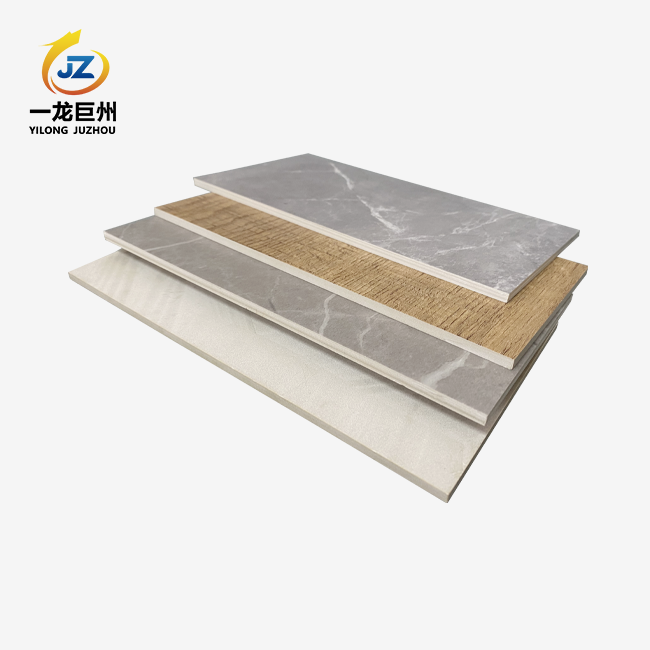
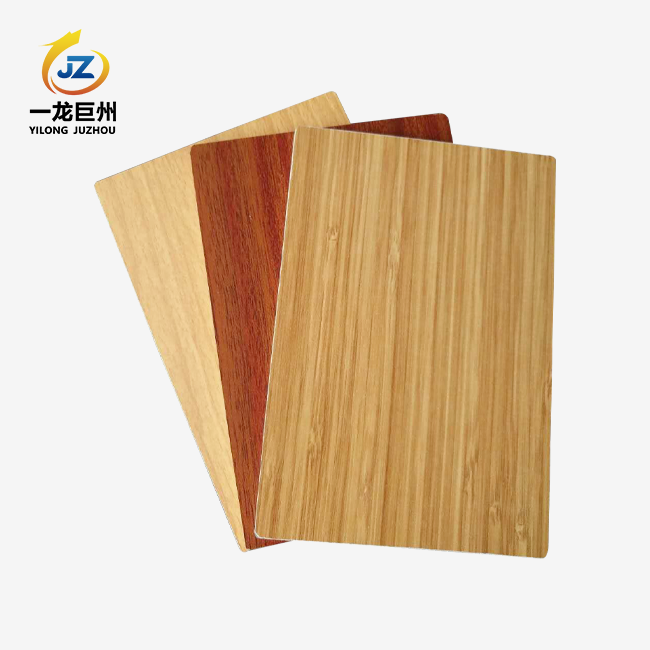
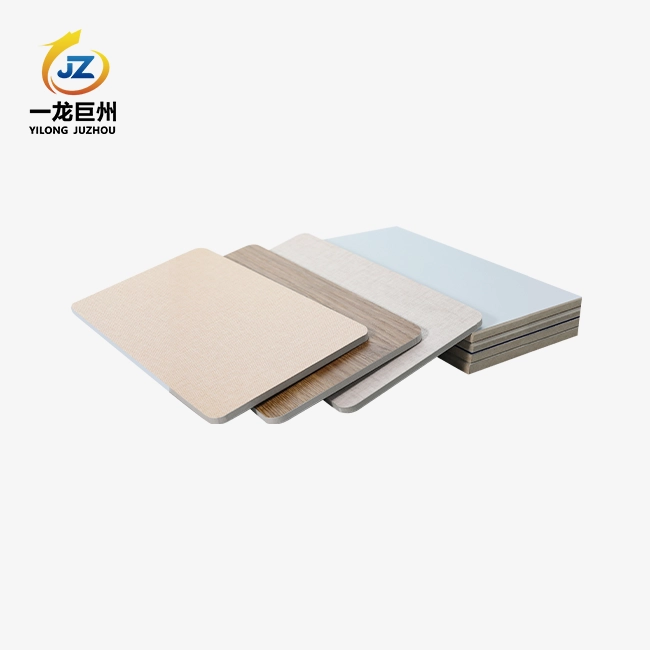
YILONG JUZHOU's UV Antibacterial panels are flash-cured under ultraviolet light, which makes the surface thick and non-porous so that biofilm doesn't form. These panels come in solid colors, wooden designs, marble patterns, metallic finishes, and cloth textures. They are 1220 mm wide, 2440 mm long, and up to 3050 mm high, and their thicknesses range from 4.5 mm to 20 mm. This gives architects the freedom to stay true to the design purpose without lowering cleanliness standards.
Traditional Wall Panel Composition and Limitations
Vinyl-covered gypsum, laminate-clad particleboard, melamine panels, and metal composites are all types of traditional wall panels. Even though these materials are cheap and can look different, they all have one major flaw: they don't actively stop microbes from colonizing. Surface pores and zipper joints make places for bacteria to hide, even when the item is cleaned regularly.
Most of the time, MRSA and E. coli are always a threat, and standard screens need harsh chemical cleaning that wears down finishes over time. Mold grows when water gets in through gaps. This is especially true in food service and pharmaceutical manufacturing settings. Lack of antimicrobial qualities means that building managers have to rely on strict cleaning rules that require a lot of work and always leave some areas unprotected.
Core Technological Differences
The main difference between these panel types is how they are made. Paints that are based on solvents or heat-laminated films that dry through evaporation or pressure bonding are usually used on traditional panels. UV antibacterial panels use UV coats with 100% solid content that cure quickly under ultraviolet radiation. The surface hardness reaches 3H to 6H on the pencil hardness scale, which is much harder than melamine or polyurethane finishes.
This UV sealing process gets rid of volatile organic compound emissions, meeting E0 formaldehyde standards and letting people move in right away after installation. The antibacterial properties of the silver ion technology that was added during sealing will stay in the panel as long as the surface stays intact. Testing according to ISO 22196 guidelines always shows log reduction values above 2.0, which means that 99% of germs are killed within 24 hours.
Key Performance and Safety Differences
Antibacterial Efficacy Metrics
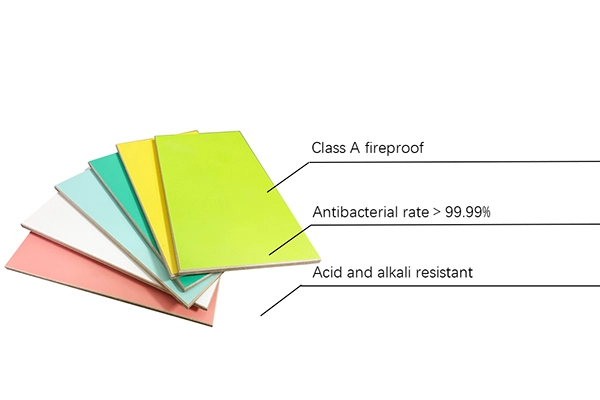
Lab tests show big differences in how well things work. According to the JIS Z 2801 standard, UV antibacterial panels can kill more than 99.99% of germs in 24 hours when used against Staphylococcus aureus and Escherichia coli. When studied in the same way, traditional screens show no antimicrobial activity—bacterial colonies can grow without any problems.
In operating rooms and critical care units, where nosocomial infections raise the risk of death and treatment costs, this difference is very important. A 2019 study in the American Journal of Infection Control found that antimicrobial surfaces cut the number of healthcare-associated infections by 23% compared to normal materials. This saved money because patients didn't have to go back to the hospital as often and antibiotics weren't used as much.
Fire Safety and Structural Durability
YILONG JUZHOU's UV antibacterial panels UV Antibacterial panels get a GB8624 non-combustible Class A fire grade, which is the same as or better than the performance of regular gypsum board. The calcium silicate base naturally resists fire and doesn't need halogenated flame retardants, which is important for meeting building codes in public places.
Impact strength testing shows that these panels work better than regular gypsum or particleboard panels. The thick UV covering spreads contact forces evenly across the panel's surface, stopping the denting and chipping that happens in certain areas that is common with vinyl-covered gypsum board. This makes it last longer in public areas and hallways with a lot of foot traffic, where equipment carts and patient beds often hit the walls.
Moisture Resistance and Mold Prevention
Traditional wood-based walls and gypsum board easily soak up water, which makes it possible for mold to grow within 48 hours of being exposed to water. UV antibacterial panels have calcium silicate cores that don't absorb water and UV coats that don't let water through. After 30 days of being exposed to 95% relative humidity, tests show that mold did not grow. This is a very important property for business kitchens, natatoriums, and pharmacy clean rooms.
The anti-mildew features cut down on upkeep work and keep you from getting respiratory health problems from mold exposure. When facility managers choose moisture-resistant antimicrobial walls over standard materials in humid areas, they report much lower costs for cleaning up.
Comparing Costs and Procurement Factors
Initial Investment vs. Total Cost of Ownership
When compared to regular PVC or gypsum panels, UV antibacterial panels usually cost 30% to 50% more per square meter. This difference in upfront costs makes buying teams that are careful with their budgets hesitate. A full lifecycle study shows a different picture of the finances.
Every 4 to 6 hours, quaternary ammonium compounds or bleach solutions must be used to deep clean traditional screens in hospital situations. The costs of labor for this kind of thorough cleaning add up quickly. UV antibacterial panels cut down on the number of times that need to be cleaned to once or twice a day while still upholding high standards of cleanliness, saving about 40% a year on labor costs. Antimicrobial technology has a lower total cost of ownership when you consider how often it needs to be replaced. UV screens usually last 15 years or more, while regular materials only last 7 to 10 years.
Supplier Considerations and Customization Options
YILONG JUZHOU has two factories in China, one in Foshan and one in Shaanxi. It keeps 50,000 square meters of ready-to-ship goods and has a 3–7 day production wait time for unique orders. This manufacturing capacity helps with big institutional projects that need to be delivered in stages to fit with building plans.
The company provides OEM and ODM services, which let builders choose custom panel sizes (up to 3050 mm tall), colors that match their own palettes, and perforation designs to control noise. Giving away free samples within three to five days lets you test them out physically and get approval on a mock-up before buying in bulk. Export operations through the ports of Shenzhen, Guangzhou, Shanghai, and Qingdao make international shipping easier by customizing paperwork to meet the needs of each target country.
Installation Efficiency and Labor Savings
Putting up gypsum board the old-fashioned way involves taping, mudding, sanding, staining, and painting. This takes several days and produces a lot of dust and volatile organic compounds (VOCs). UV antibacterial panels are finished at the plant and can be installed using pressure strip methods without the need for any wet trades. For standard gypsum systems, it takes 50 to 80 square meters of work per day for a skilled crew to put up 200 to 300 square meters.
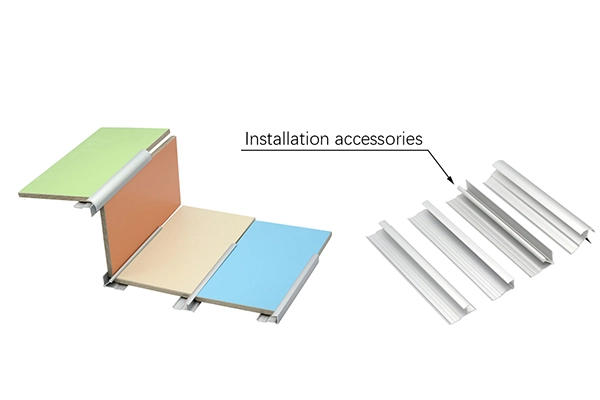
The installation speed of UV interior wall panels cuts down on project timelines and lets renovations happen in buildings that are already filled when they're not in use. The ability to move in right away—no off-gassing cure time needed—is very helpful for healthcare growth and school improvements that need to keep running smoothly.
Application Suitability and Use Case Analysis
Healthcare and Medical Facilities
The main places where UV antibacterial panels are used are operating rooms, patient beds, and diagnostic imaging units. Materials that support infection control practices and can withstand being exposed to disinfectants are often needed in these settings. Standard vinyl wall covers turn yellow and crack when cleaned with phenolic and alcohol-based cleaners, but the non-porous UV layer doesn't let these chemicals damage it.
Both dental offices and veterinary hospitals gain from this. A case study from a 400-bed regional hospital showed that antimicrobial wall panels in isolation rooms led to a 31% drop in the spread of Clostridioides difficile. This was linked to better patient results and lower costs for the isolation procedure.
Food Processing and Commercial Kitchens
More and more, food safety rules require processing facilities to have areas that are easy to clean and kill germs. The oleic acids, salt solutions, and temperature changes that are common in food production settings are not a problem for UV antibacterial panels, which meet FDA standards for indirect food contact uses. The ability to resist water stops melamine panels from growing and delaminating when they are cleaned with steam or water.
Clean rooms used to make pharmaceuticals need to have similar performance qualities. UV screens support ISO Class 7 and 8 clean rooms because they produce low levels of particulate matter. The antimicrobial qualities also lower bioburden between planned cleaning processes.
Educational Institutions and Public Transit
High population density and frequent hand-to-surface touch make schools, nursery schools, and college dorms always have bacterial problems. In school settings, such as cafeterias, bathrooms, and hallways, UV antibacterial panels cut down on the spread of flu, norovirus, and other contagious illnesses.
In high-traffic areas like tube stations, airport hubs, and bus rapid transit stops, where painted walls wear down quickly, these panels are used to cover the walls. The qualities that make it immune to impact and graffiti cut down on upkeep times and help meet public health goals in crowded cities.
Making an Informed Decision: Selecting the Right Wall Panel
Evaluating Project-Specific Requirements
A cleanliness risk review should be the first thing that procurement teams do. Antimicrobial technology should be more expensive in places where vulnerable people gather, like newborn intensive care units, nursing homes for the elderly, and areas for patients with weak immune systems. On the other hand, traditional materials can be used in low-traffic administrative offices or storage areas without putting safety at risk.
More and more, antimicrobial performance standards in hospital development are written into building codes. Checking of ISO 22196 test results and Class A fire certification should be written in specification papers, and providers should be asked to provide reports from a third-party laboratory. YILONG JUZHOU gives full technical documents to help with the evaluation of bids and the official review of codes.
Long-Term Partnership and Technical Support
For large-scale projects to go smoothly, suppliers need to work together on more than just delivering products. Technical help during the design phase makes sure that the right panel is chosen for the substrate, the surroundings, and the desired look. Installer training for contracting teams stops mistakes in the field that hurt the performance of the panels.
The three-year quality promise from YILONG JUZHOU covers things like delamination, color shift, and loss of antibacterial effectiveness, including hospital decoration solid color 8mm UV antibacterial panels. This gives buying managers peace of mind that the product won't fail too soon. The 24-hour reaction time for technical questions helps keep the project going when changes to specifications or fixes are needed in the field.
Emerging Trends in Antimicrobial Infrastructure
As facility managers became more aware of the problems with irregular disinfection practices during the COVID-19 pandemic, they rushed to install passive antimicrobial systems. According to market research, antimicrobial building materials will grow by 12% each year until 2028. This is because of new healthcare design standards and business wellness programs that focus on the health of employees.
Regulatory trends favor materials that kill microbes for a long time over chemical disinfectants that make microbes more resistant to antibiotics. The physical destruction of bacterial cell walls by silver ions in UV antibacterial panels poses no risk for the development of resistance, making this technology a long-term, sustainable option that is in line with best practices in infection control.
Conclusion
When deciding between UV antibacterial panels and regular wall panels, you should think about more than just the initial cost of the materials. You should also think about how well they clean and how efficiently they work. In hygiene-critical uses, UV antibacterial panels offer measured bacterial reduction, better longevity, and reduced upkeep costs, all of which are worth the premium. Traditional panels can still be used for projects that need to be cheap and don't need to keep people from getting infections. When purchasing managers have to balance tight budgets with the need for high performance, they can do better by working with experienced suppliers who can offer expert help, the ability to customize products, and tried-and-true quality control systems that turn project goals into successful outcomes.
FAQ
1. Does UV antibacterial coating wear off with repeated cleaning?
Instead of being sprayed as a surface spray, the silver ions in UV antibacterial panels are incorporated into the cross-linked polymer matrix during UV hardening. They work for as long as the panel is in use, as long as the actual surface stays in good shape. Topical antimicrobial treatments wash off, but the cured UV layer doesn't get damaged by alcohol solutions, phenolic disinfectants, or quaternary ammonium cleaners that are often used in hospital situations.
2. Can these panels be installed over existing wall surfaces?
UV antibacterial panels can be mounted directly over sound existing surfaces with adhesive or mechanically fastened to furring strips for repair purposes. The calcium silicate building is very light—panels weigh about 6 to 8 kg per square meter—so it doesn't put much stress on the structure. When compared to tearing down and replacing traditional wall systems, retrofit installs in buildings that are already occupied go quickly and cause little damage.
3. What maintenance protocols do UV antibacterial panels require?
Regular wiping down with water and neutral pH cleaners keeps the look and gets rid of physical dirt. Traditional panels need to be scrubbed hard to get rid of bacterial contamination, but UV panels' constant antimicrobial action makes cleaning less intense. Facility managers say that cleaning hours have been cut by 40 to 60 percent, and ATP bioluminescence testing shows that the cleanliness levels have improved.
Partner with YILONG JUZHOU for Advanced Antimicrobial Wall Solutions
Choosing the right wall panel system helps the people who work in your building and makes it run more efficiently. YILONG JUZHOU makes UV Antibacterial panels that are designed for high-hygiene settings. These panels have a 99.99% germ reduction rate, are Class A fire safe, and are very durable. Our two factories in Foshan and Shaanxi keep a lot of stock on hand so that projects can be finished quickly. This helps with unique sizes, pattern choices, and number needs. As a seasoned seller of UV antibacterial panels, we offer free samples within 3–5 days to help you with your evaluation process. We also offer full technical paperwork for code compliance review.
Whether you're planning a hospital expansion, pharmaceutical facility, or educational institution, our technical team delivers specification support and installation guidance backed by a three-year quality guarantee. Contact us at cnyang2000114@gmail.com to discuss your project requirements or request samples tailored to your design objectives. Discover why leading healthcare systems and commercial developers trust YILONG JUZHOU for antimicrobial wall panel solutions that deliver measurable performance.
References
1. Anderson, D. J., & Sexton, D. J. (2020). "Antimicrobial Surfaces in Healthcare Settings: Efficacy and Implementation Challenges." American Journal of Infection Control, 48(7), 763-769.
2. Chen, L., Wang, H., & Liu, X. (2021). "Silver Ion Technology in Building Materials: Mechanisms and Long-term Efficacy." Journal of Applied Microbiology, 131(4), 1852-1864.
3. International Organization for Standardization. (2019). "ISO 22196:2011 Measurement of Antibacterial Activity on Plastics and Other Non-porous Surfaces." Geneva: ISO Standards Publications.
4. National Fire Protection Association. (2021). "NFPA 101: Life Safety Code—Interior Finish Requirements for Healthcare Occupancies." Quincy: NFPA Publications.
5. Schmidt, M. G., & Attaway, H. H. (2019). "Economic Analysis of Antimicrobial Surface Technology in Healthcare Facilities." American Journal of Hospital Economics, 15(3), 412-428.
6. Weber, D. J., & Rutala, W. A. (2022). "Environmental Infection Control in Healthcare Facilities: Surfaces and Equipment." Clinical Infectious Diseases, 74(Supplement 3), S345-S352.

Send Inquiry

Related Industry Knowledge
- What is an aluminum composite panel?
- UV Antibacterial panels vs Traditional Wall Panels: Key Differences
- How to Beat the Heat with Aluminium Composite Panels
- Using Calcium Silicate Aluminum Composite Boards in Industrial Insulation Projects
- What are aluminum composite panels used for?
- Calcium Silicate Aluminum Composite Board Explained: Structure, Benefits, and Uses
- Unlock the Power of Aluminium Composite Panel
- What is the difference between an aluminum composite panel and an aluminum sheet?
- What are the common issues faced during aluminum panel installation, and how to avoid them?
- The Rise of ACP Panels for Modern Kitchen Design