
What Is Medical Clean Board and Where Is It Used?
July 1, 2026
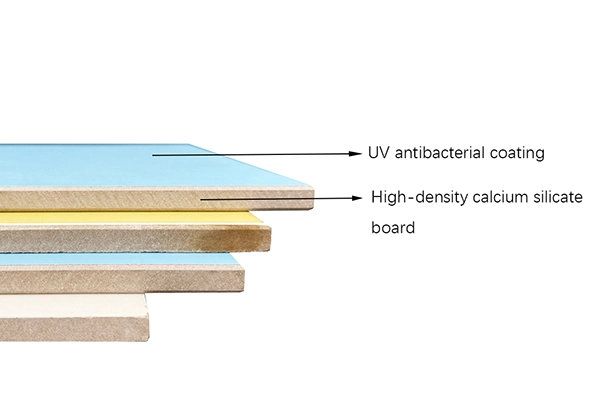
For sterile and hygiene-critical settings, a medical clean board is a high-performance architecture wall panel. Built on a calcium silicate base and topped with UV-cured antibacterial coats, these walls are very good at stopping infections, keeping fires out, and lasting a long time. They are used for internal walls in places that need to be very clean, like hospitals, surgery rooms, drug factories, food processing plants, and more. Their smooth, non-porous surfaces don't let germs grow, can handle strong disinfectants, and keep looking good after years of heavy use, which makes them essential for modern industry and healthcare infrastructure.
Understanding Medical Clean Boards: Definition and Core Features
One question kept coming up when I started working with building managers in hospitals and drug plants: what makes a wall panel truly "medical-grade"? To find the answer, you need to know how medical clean boards are fundamentally different from regular internal finishes.
What Distinguishes Medical Clean Boards from Conventional Wall Materials
Normal walls or painted surfaces have tiny holes in them that bacteria and wetness can get into. Over time, these materials break down when they are disinfected over and over again, which helps microbes grow and makes infection control less effective. Advanced material engineering gets rid of these weaknesses in medical clean boards. The core structure is made up of high-density calcium silicate, which is a non-flammable and water-resistant base, and an antibiotic layer that was cured by UV light. This mix makes a shield that is sealed and doesn't let germs stick to it. It can also stand up to harsh cleaning products without peeling or changing color.
Core Material Properties That Define Performance
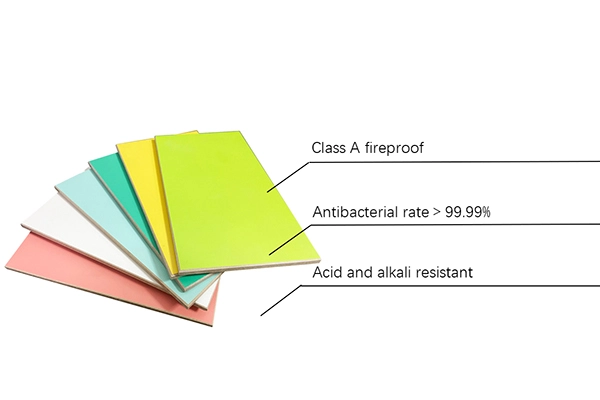
The details show why these panels are important to buying teams. Common germs like Staphylococcus aureus and E. coli are killed 99.99% of the time by medical clean boards, which were checked according to JIS Z 2801 rules. They meet the GB8624 non-combustible Class A fire ratings, which are very important for making sure that institutions follow life safety rules. Impact resistance keeps things from getting damaged by equipment carts and normal use, while moisture resistance stops mold growth in damp places. The UV-cured finish gets rid of volatile organic compounds during installation, so the building can be moved into right away without any worries about off-gassing. These panels come in a range of thicknesses, from 4.5 mm to 20 mm, and sizes, up to 1220 mm wide and 3050 mm high. They can be used in a variety of architectural styles and still work well in big installations.
Certification Standards and Regulatory Compliance
Healthcare centers are closely watched by the government. When medical clean boards are made by reliable providers, they have ISO certifications and meet China Environmental Protection Standards. This gives buyers and inspectors written proof that the boards are safe to use. Because the silver ion technology is built into the surface matrix instead of being sprayed as a temporary covering, the antimicrobial properties stay active for the 15 to 20 years that the panel is in use. This long-lasting quality sets high-quality goods apart from cheaper ones that stop working after only a few cleaning rounds.
Common Applications and Usage Scenarios of Medical Clean Boards
When procurement managers know where these panels provide the most value, they can explain investments and choose the best options for each stage of a project.
Hospital Operating Rooms and Surgical Suites
Operating rooms demand the highest cleanliness standards. Medical purification boards create smooth wall systems with flush-mounted joints sealed using antibacterial silicone, eliminating grout lines where germs can thrive in traditional ceramic tile installations. The seamless surfaces simplify thorough cleaning between procedures and support final disinfection routines. Radiused corners maintain laminar airflow, preventing dust accumulation at sharp 90-degree angles. Structurally stiff panels can hold embedded monitors and equipment without cracking, and stain-resistant surfaces resist marks from blood or iodine spills.
Pharmaceutical Manufacturing and Cleanroom Environments
Pharmaceutical facilities that are GMP-certified need materials that won't shed particles or mix with chemicals. Medical clean boards don't make any dust, so they meet ISO Class 5-8 cleanliness guidelines. Because they are chemically harmless, they can be used in bio-decontamination processes with solvents, acids, and VHP sterilization cycles. The quick installation method keeps building as smooth as possible because factory-customized panels come ready to be put together dry using pressure strip systems, which cuts down on the mess and downtime that come with wet trades. Pharmaceutical project managers like how efficient this is because it means that output areas can be divided up and fixed up without having to shut down the whole facility.
Healthcare Clinics and Outpatient Centers
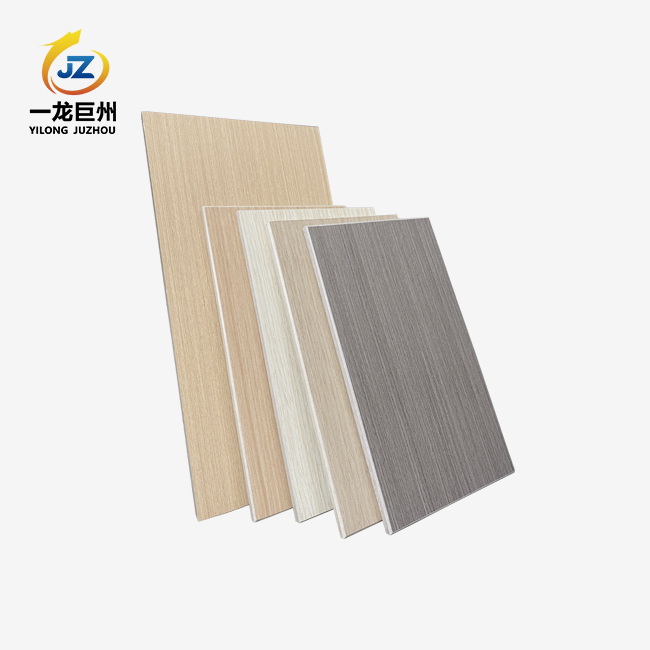
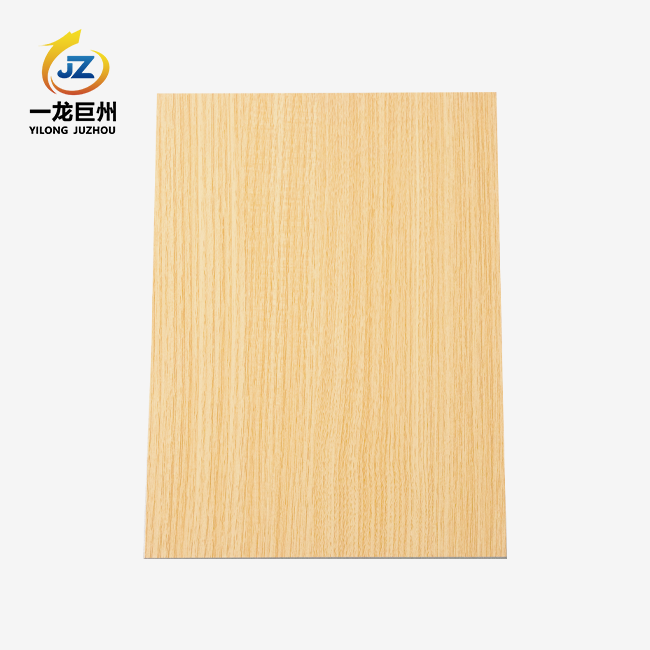
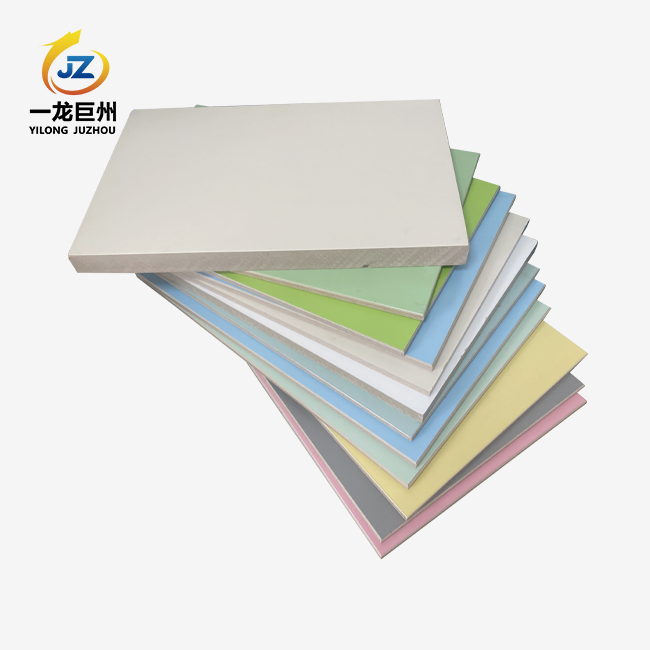
The same safety benefits are available to smaller healthcare sites at the right size for their needs. In exam rooms, dentist suites, and vaccination areas where people come into contact with surfaces frequently, clinics use medical clean boards. The panels come in basic colors, woodgrain, marble, silver, and cloth patterns, so they can match the look of public areas while still providing clinical-grade performance in treatment areas. Because of animal waste and bodily fluids, veterinary hospitals have to clean very thoroughly. The moisture-proof and corrosion-resistant qualities are very important in these settings.
Food Processing and Industrial Facilities
In addition to healthcare facilities, food production and manufacturing companies need clean wall systems that meet FDA and HACCP standards. In production areas, cold storage rooms, and packing areas, medical clean boards keep surfaces from getting dirty. Their mold resistance works regularly in places with a lot of moisture, like business kitchens and beverage facilities. Tunnels, subways, and other public structures can use fire-resistant materials that don't need much upkeep. This saves money compared to traditional materials that need to be painted or replaced often.
How to Select the Right Medical Clean Board for Your Facility
Buying things means weighing the need for efficiency against the available budget while making sure the item will last for a long time.
Evaluating Antibacterial Effectiveness and Surface Durability
Not every antibacterial claim can be trusted. Ask for test results from a third party that prove the antibacterial rates are higher than 99.9% using standard methods. Check how well the coating sticks by cutting it in half. Good panels get ASTM D3359 5B grades, which means that the coating doesn't come off when they're stressed. To keep equipment and cleaning tools from scratching the surface, it should be a 3H to 5H pencil. Test the stain resistance with Betadine and methylene blue. Better panels let you remove all stains with regular alcohol wipes after 24 hours of contact without any ghosting or staining.
Size, Thickness, and Customization Options
The project specs tell us what sizes we need. Standard widths of 1220mm and lengths of 2440mm work well for most uses. However, maximum heights of 3050mm cut down on seam counts in tall spaces, which is good for both looks and cleanliness because it reduces the number of places where joints are. Choosing the right thickness varies depending on the structure and sound needs. For example, 6mm to 10mm thicknesses are fine for most internal walls, while 12mm to 20mm thicknesses offer better impact resistance and sound absorption in areas with a lot of foot traffic or near mechanical equipment. Custom plans made possible by OEM partnerships let you match colors to existing building finishes and use pre-cut panels for complicated layouts, which cuts down on waste in the field and installation time.
Supplier Reliability and Quality Assurance
Project timelines and budgets are kept safe by building relationships with makers who offer full support. When evaluating suppliers, look at how much they can produce. For example, sites that keep a 50,000m² inventory and have 3–7 day production lead times show the practical scale that is needed for big projects. Having factories in different parts of the world makes the supply chain more stable. Having two factories in places like Shaanxi and Guangdong allows for flexible operations and low shipping costs to many different ports. Responding to messages quickly is important. Suppliers who promise 24-hour reaction times help solve problems quickly during the building stages. Before placing a large order, ask for free samples to try the product internally and make sure that the specs match how the product actually works.
Proper Maintenance, Cleaning, and Installation of Medical Clean Boards
To get the most out of your medical clean boards' performance and lifespan, you need to follow best practices for care and professional fitting standards.
Cleaning Protocols and Disinfectant Compatibility
Healthcare centers use strong cleaning methods to keep germs away. Hospital-grade cleaners like quaternary ammonium compounds, hydrogen peroxide solutions, and chlorine-based agents can be used on medical clean boards without damaging the surface. Determine how often to clean based on how often it is used. For example, patient rooms need to be cleaned every day, while storage areas need to be cleaned once a week. Scrubbing pads that are too rough can damage protection layers. Instead, use microfiber cloths with approved disinfectants to keep the surface in good shape. The UV-cured finish creates a thick layer that stops liquids from getting through. This lets you clean it thoroughly when it's wet without worrying about edge swelling or delamination, which can happen with laminate goods.
Installation Methods and Structural Considerations
Proper installation ensures long-term performance. The pressure strip method allows panels to be securely mounted directly to solid walls or furring, eliminating waiting times for adhesives to cure. Factory-customized Hospital antibacterial boards often come pre-drilled with mounting holes, reducing installation errors.
Panel joints should be filled with neutral-cure silicone containing antimicrobial and antifungal agents to create seamless surfaces with no gaps for bacterial growth. In areas requiring radiation shielding, lead sheets can be laminated behind panels without compromising the board’s protective properties. Always hire installers experienced with medical-grade materials to avoid mistakes such as improper sealing of joints or misaligned fasteners, which can compromise both hygiene and structural integrity.
Warranty Terms and Long-Term Value Assessment
Manufacturers who make good items stand behind their products with full guarantees. If the materials are taken care of properly, a three-year quality warranty covers flaws in the manufacturing process and early covering failure. This covering is very different from paint systems that need to be reapplied every couple of years or tile installations where the grout often comes loose. Figure out the total cost of ownership by estimating the costs of care over the product's 15–20-year lifespan. Compared to traditional finishes, medical clean boards require much less maintenance and don't need to be painted as often, which saves a lot of money. The freedom to move in right away also lowers project holding costs by shortening the time it takes to commission the building.
Procurement Tips and Market Insights for Medical Clean Boards
To do strategic sourcing, you need to know how the market works, how to negotiate, and how to check the quality of what you're buying.
Identifying Reputable Manufacturers and Supply Partners
There are makers of different levels of quality in the medical clean board market. Give priority to sellers who have a history of exporting to more than 30 countries, which shows that their products can be used in a wide range of regulatory settings. Companies with ISO-certified factories show that they are dedicated to using regular production methods. Check the factory's technical skills by looking at its certificates. Making calcium silicate boards needs special tools and quality control systems that smaller businesses don't have. Shaanxi Yilong Juzhou Material Technology is a good example of a qualified maker because it has two bases for production, tests all of its products thoroughly, and has a customer service system that responds quickly. These features support foreign business-to-business relationships.
Volume Purchasing and Contract Negotiation Strategies
When you work on big jobs, you can get better prices. When you combine purchases made during different stages of building, you can get volume savings that range from 8 to 15% for orders bigger than 10,000m². Talk to the seller about payment terms that work with the project's cash flow. Reliable suppliers can plan deliveries in stages to fit the schedule of the construction, which cuts down on the need for on-site storage and the risk of being exposed to the weather. OEM and ODM agreements give developers who are in charge of multiple properties more value. Standardizing customized color schemes and specs across properties makes future upgrades easier while keeping the brand's consistency. Include technical help and installation instructions in the contract terms after the sale. This way, you'll always have access to the manufacturer's knowledge when problems arise during building.
Logistics Coordination and Delivery Planning
Buying things internationally requires a lot of complicated procedures. Make sure you know about your port choices as soon as possible in the talks. Suppliers that can connect to multiple shipping hubs (Shenzhen, Guangzhou, Shanghai, and Qingdao) and offer land transport options will give you more routing options that will save you money and time on shipping. How efficiently containers are loaded affects the total cost of delivery; panels are usually sent in amounts that are calculated to make the most of each container's space without causing damage. When planning the lead time, you need to take into account production cycles, clearing customs, and inland delivery. To avoid building delays, set realistic timelines of 4 to 6 weeks from order approval to delivery on the job site. Work with freight forwarders who have experience moving building materials to make sure that the right containers are packed and the right paperwork is sent so that customs processes go smoothly.
Conclusion
Medical clean boards are an important step forward in healthcare and industry infrastructure because they prevent infections, last a long time, and meet legal requirements in a way that regular wall systems can't. Their calcium silicate structure and UV-cured antibacterial surfaces make them suitable for clean settings while giving designers a lot of design freedom through different finishes and customization choices. To successfully buy something, you need to make sure that the antimicrobials work by having them tested by a third party, choose sources that have a history of making things and providing good customer service, and know that the longer service life of these panels will save you money in the long run. As healthcare standards change and cleanliness rules for the workplace get stricter, medical clean boards will stay important parts of facilities that put safety, performance, and long-term value first.
Frequently Asked Questions
1. How do medical clean boards compare to traditional ceramic tile installations?
Grout lines between ceramic tiles contain bacteria and must be cleaned regularly. Medical clean boards feature smooth, jointless surfaces wrapped with antibacterial silicone where the panels touch, eliminating this vulnerability. Dry building is faster and more efficient than tile work. These panels can flex without breaking, unlike tiles, which shatter when the building moves or is impacted. Installation costs 20–30% less when labour hours are decreased and filling procedures are avoided. After years of usage, medical clean boards eliminate grout maintenance and tile replacements, saving hospitals money.
2. Can medical clean boards withstand the rigorous disinfection protocols used during disease outbreaks?
The UV-cured antibiotic layer is especially resistant to the oxidizing agents and disinfectants that are used for deep cleaning. It has been tested and found to be compatible with gaseous hydrogen peroxide, chlorine dioxide, and phenolic cleaners at higher amounts than what is normally recommended. The surface doesn't have pores, so liquid can't get through and damage the base. This means that facilities can increase how often they clean the panels without speeding up their degradation. This toughness came in handy during the recent global health crises, when healthcare centers had to tighten their rules for cleaning and disinfecting the environment. The panels keep their protective qualities and good looks even after being cleaned thousands of times, so they can be counted on to work well when infection control needs to be at its highest.
Partner with YILONG JUZHOU for Reliable Medical Clean Board Solutions
Wall systems that protect people and provide long-term value should be used in healthcare and commercial buildings across the United States. YILONG JUZHOU makes medical clean boards that have been shown to kill germs and come with real-world placement benefits and full support. Our two factories, one in Shaanxi and one in Guangdong, keep a lot of stock on hand. This lets us keep up with the production rounds of 3–7 days and make sure that phased building projects don't run out of supplies. We give buying teams free samples to try internally, so they can make sure the product meets their needs before committing to large orders. Our OEM and ODM services can meet your specific color matching and size needs, and our expert team is here to help with design and installation throughout the whole project. Please email our team at cnyang2000114@gmail.com to talk about your specific needs with an experienced medical cleaning board provider who wants to help your facility succeed by providing high-quality products and quick service.
References
1. American Society for Healthcare Engineering (2021). Healthcare Facility Design Standards and Antimicrobial Surface Requirements. Chicago: ASHE Press.
2. Building Materials Research Institute (2022). Comparative Performance Analysis of Interior Wall Systems in Sterile Environments. Technical Report Series 47.
3. Chen, L. and Wang, M. (2023). Advanced Calcium Silicate Composites for Healthcare Infrastructure Applications. Journal of Construction Materials, 18(3), 234-251.
4. International Organization for Standardization (2021). ISO 22196:2021 Measurement of Antibacterial Activity on Plastics and Other Non-Porous Surfaces. Geneva: ISO.
5. National Fire Protection Association (2022). NFPA 101 Life Safety Code: Wall and Ceiling Finish Requirements for Healthcare Occupancies. Quincy: NFPA.
6. Pharmaceutical Engineering Journal (2023). Cleanroom Wall System Selection and Validation in GMP Manufacturing Facilities, 43(2), 56-72.

Send Inquiry




Related Industry Knowledge
- What is an aluminum composite panel?
- Top 10 Tips for Working with Aluminum Composite Material Panels
- Using Calcium Silicate Aluminum Composite Boards in Industrial Insulation Projects
- What are the key steps for installing aluminum composite panels?
- What are aluminum composite panels used for?
- Calcium Silicate Aluminum Composite Board Explained: Structure, Benefits, and Uses
- How to spray paint on aluminum composite panels
- Where to buy aluminum composite panel?
- How to install an aluminum composite panel?
- What are the common issues faced during aluminum panel installation, and how to avoid them?