
Aluminium Composite Panels (ACP/ACM): 8 Essential Points
July 4, 2026
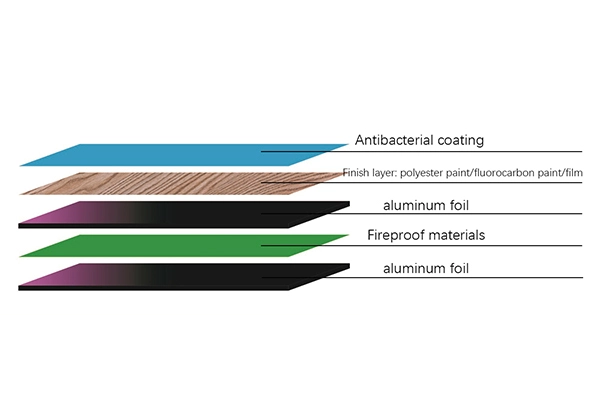
Fire safety should always come first when choosing wall materials for business buildings. Aluminium composite panels, especially those with A2 fire ratings, are a big step forward in mixing strict safety standards with a wide range of looks. These panels are made up of two layers of aluminium that are bound to a mineral core that is over 90% artificial and almost impossible to catch on fire. Traditional polyethylene-core panels can help fires spread quickly. A2 aluminium composite panel technology solves the important problem of flames spreading vertically in busy places like hospitals, transit hubs, and office towers. When buying, teams know the eight most important factors that go into these panels, they can make decisions that protect people and keep projects on schedule.
Understanding Fire Classification and Why A2 Rating Matters
The Science Behind Fire Ratings
Fire labelling systems set clear standards for how things should behave during heat events. The European standard EN 13501-1 sorts building materials into groups from A1 (not flammable) to F (very flammable). A2 materials have very little flammable material in them and don't add much to the fire load. To get this rating, panels have to pass strict tests that measure how much heat they give off, how much smoke they make, and how many flaming droplets they make. These are the three things that decide how safe it is to evacuate enclosed areas.
Real-World Implications for Building Safety
We've seen that North American regulatory groups are using European fire standards more and more when they update building rules for tall buildings. The A2 rating makes sure that wall covering systems don't speed up the spread of a fire by spreading quickly across the surface or give off harmful smoke that blocks exits. This is very important in tube stops and hospitals where patients can't move around easily or where thousands of commuters count on being able to see clearly in case of an emergency. The inorganic mineral heart of the panels, which is usually magnesium hydroxide or aluminium hydroxide compounds, stays steady at high temperatures. This keeps the panels from failing in terrible ways like older flammable cladding systems did.
Compliance Requirements for Commercial Projects
Formal tender requirements often require A2-rated products to be used in healthcare facilities and schools. These rules come from worries about liability and insurance standards that require recorded fire performance. Panel samples are put through controlled flame tests while their calorific potential is measured. For A2 classification, it must stay below 3 MJ/kg. This measurable standard gives architects and engineers data they can use to back up their material choices when they go before building officials and other project partners who look at every detail through the lens of protecting people.
Technical Specifications That Define Performance

Core Material Composition and Structure
The most innovative thing about current fire-safe composite walls is how they are made. In the past, aluminium composite materials used low-density polyethylene bases that were easy to work with but could catch fire. Mineral fillers that are tightly packed and have core densities of between 1.8 and 2.0 grams per cubic centimetre are used instead in A2-rated options. The thickness of the aluminium skins, which range from 0.1 to 0.5 millimetres, gives the structure rigidity and a surface for artistic finishing. The mineral core keeps its shape even when heated.
Available Dimensions and Customisation
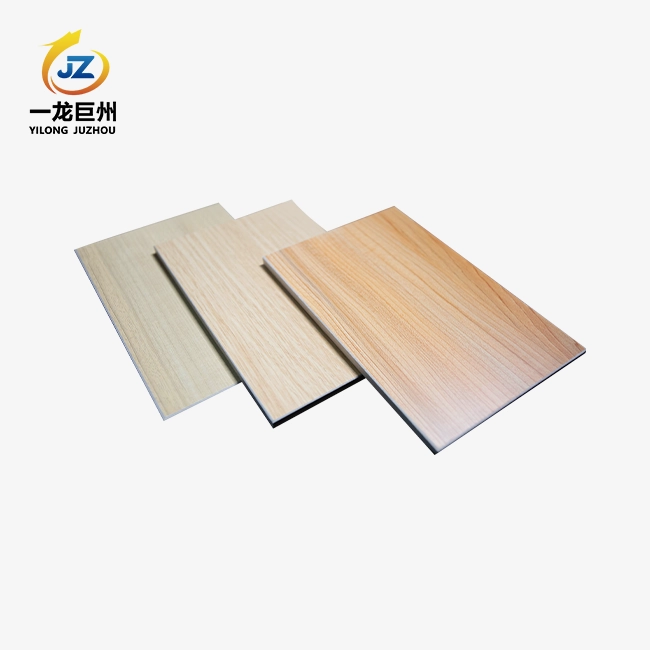
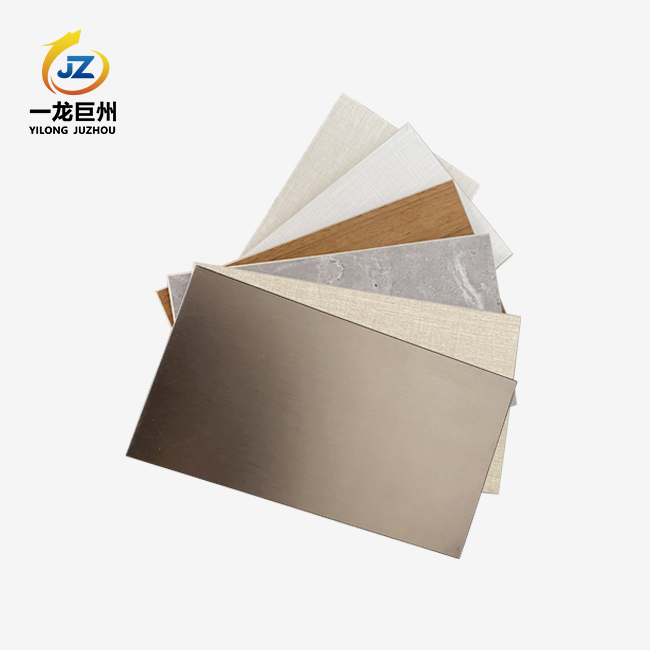
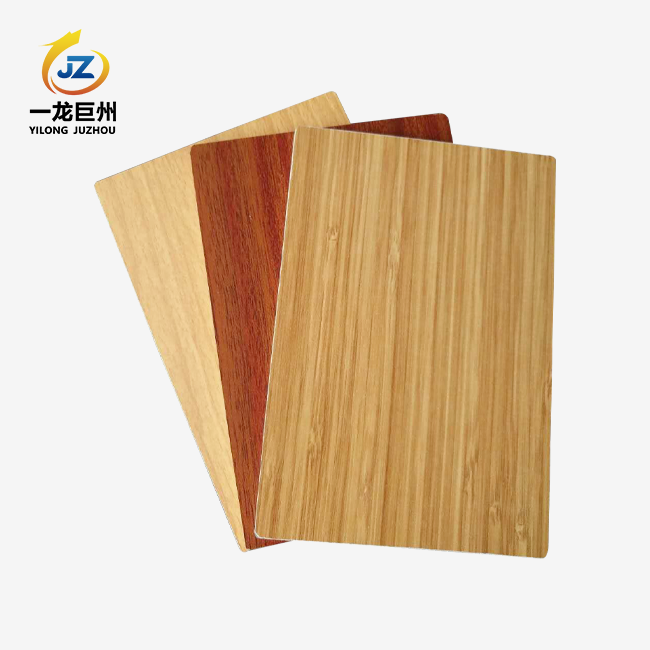
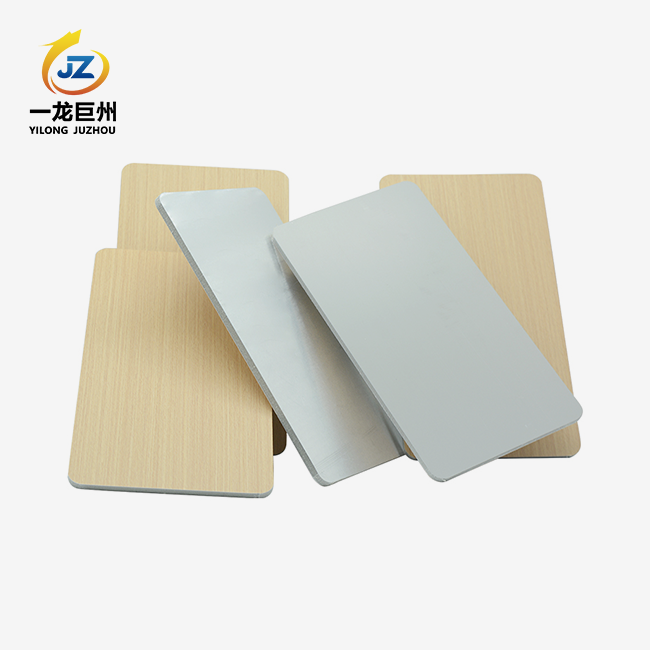
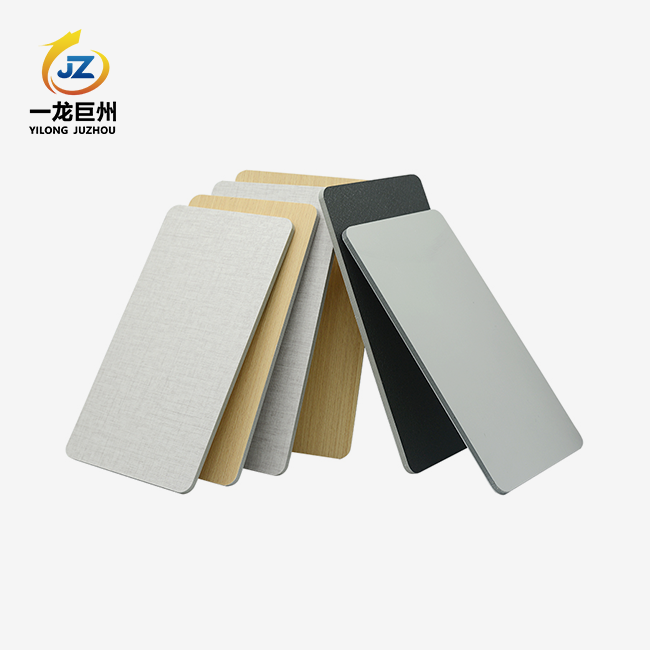
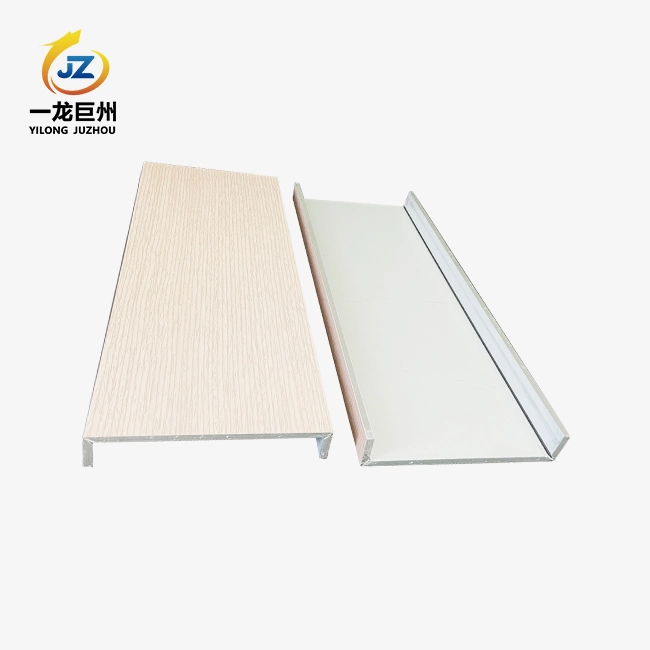
Panel makers now offer a lot of size options for A2 aluminium composite panels so that different building ideas can be realised. Standard widths of 1220, 1500, and 2000 millimetres cover most indoor uses. Thickness choices range from 2 to 6 millimetres, giving designers the freedom to balance weight concerns with impact protection. Specialised fabrication methods make custom lengths longer than 3 metres possible. This allows for continuous wall runs that hide joints as little as possible in big halls or concourses. The aluminium skin can be treated with different paints and films, such as polyester paint, PET film, PVC film, and PP film. Each gives the skin a different look, with solid colours, realistic woodgrain, marble patterns, shiny finishes, and textile effects.
Mechanical Properties and Workability
Even though the cores of these panels are mineral-dense, they are surprisingly easy to work with. Standard metalworking processes can be done on them, such as drilling, routing, and controlled bending to make bent building features. To make sure the laminate stays together during manufacturing and for as long as the panel is in use, the bonding strength between the aluminium skins and the core material must be higher than 7 Newtons per millimetre. This peel strength is an important quality control measure that trustworthy makers check by destructively testing production batches. This gives third-party certification and building authority approvals the proof they need.
Comparing Fire-Rated Panel Technologies
There are different fire-rated systems that meet different performance needs and price limits. The safest panels are A1-rated ones, which are made of non-flammable materials like solid aluminium or mineral fibre boards. However, they are heavier and don't look good, so they can only be used in useful areas. B1 fire-retardant panels have between 50 and 60% mineral content, which is a medium ground that puts out fires on its own but is still officially flammable. This is a very important difference in places with strict high-rise codes.
A2 aluminium composite panels are in the best place for most business interior uses. They perform almost completely without catching fire while keeping the design flexibility and ease of installation that make composite panels appealing to builders with tight schedules. The difference in weight from PE-core panels—about 7 to 8 kilograms per square metre for a 4-millimetre thickness—means that structural engineers have to make sure that wall frame systems can handle the extra weight. However, this is still doable within the normal limits of a business building.
Through decades of installed success, leading makers have set standards for reliability. Brands that are known in foreign markets have strict quality systems that include third-party audits and constant production tracking. Instead of taking old certificates that might not match today's production standards, procurement teams should check that sellers have up-to-date test reports from reputable labs like SGS or Intertek that show they meet EN 13501-1 classification.
Strategic Procurement Considerations
Evaluating Supplier Capabilities
It takes more than comparing prices per square metre to find fire-rated wood panels. We suggest checking a supplier's production ability to make sure they keep enough stock—ideally 50,000 square metres or more—to support shipping in stages without any delays. In fast-track building, reaction times are very important. Suppliers who promise to answer questions within 24 hours and produce items in 3–7 days show the operational discipline needed for complex coordination. Logistics based on location also affect the total cost. Suppliers located near major ports like Shenzhen, Guangzhou, Shanghai, or Qingdao can speed up containerised shipments, and having two production bases in places like Foshan and Shaanxi, China, protects the supply chain against disruptions that happen in specific areas.
Customisation and Technical Support
Each big project has its own specific needs that can't be met by off-the-shelf goods. Manufacturers of A2 ACP panels who can truly OEM and ODM add value above and beyond standard catalogue items by changing panel sizes, perforation patterns, or special finishes to match the design purpose. This is very important when working with curtain wall makers who need panels already cut to exact measurements or when renovating an old building and needing to match the colours to the original finishes. Technical support continues during construction, where skilled providers give thorough instructions that take into account things like temperature expansion, moisture management, and acoustic performance—all of which have a big impact on the building's long-term stability and occupant comfort.
Sample Evaluation Process
Before agreeing to large orders, smart buying includes evaluating materials in person. Reliable sellers offer free samples within three to five days, which lets project teams compare the two products side by side in real-life circumstances. This hands-on test shows small variations in the surface roughness, colour accuracy, and how the material behaves during production that words in a catalogue can't show. By checking samples for peel strength, ash content, and flame response, you can be sure that the product you ordered meets the specifications that were given. This extra step of proof keeps you from having to make expensive changes in the middle of the process when code officials do site inspections.
Installation Best Practices and Common Challenges
When A2 panels are installed correctly, their natural fire resistance is turned into safety at the system level. Wall substrates need to be flat enough and have connection points that spread the weight of the panels evenly across the frame members. Using the right connections, like stainless steel screws or hidden bracket systems, stops galvanic corrosion between metals that are not the same, which could weaken structures over time. Installers should keep the suggested joint gaps, which are usually 3 to 5 millimetres, so that the joints can move with the temperature without buckling. Also, sealants chosen for fire-rated parts must be able to bend without breaking when the temperature changes.
Compared to soft PE-core panels, mineral cores are rough, so cutting tools and methods need to be changed. Dense fills don't damage carbide-tipped saw blades or diamond cutter bits, but they still wear out faster than when working with regular composites. For health and safety reasons, fabricators should lower feed rates and use dust filtration systems to collect the small particles that are made during machining. This will also keep the work areas cleaner. Once installation teams get used to the material's properties, usually after making a few mock-up sections to figure out the best way to do things before full-scale production starts, these practical changes become second nature.
Environmental Performance and Green Building Credits
Sustainability issues now play a big role in choosing materials, just like cost and function factors. There are several ways that A2 composite panels help get green building approvals. Their aluminium skins can be recycled completely when they're no longer useful, regaining the energy used in the initial casting process. The inorganic mineral cores don't have any hydrocarbons, which makes it harder to get rid of PE-based goods. This means that when buildings are being renovated or torn down, they have less of an effect on landfills. When a manufacturing process gets ISO approval, it shows that it is committed to reducing waste, energy use, and emissions. LEED and BREEAM assessments give materials points to companies that do this.
The panels' effect on resident health should also be taken into account. Formaldehyde-free and odourless products get rid of the problems with off-gassing that come with some interior finishes. This helps meet important indoor air quality goals for healthcare and educational settings. The radiation-free makeup meets the sensitivity standards needed in medical imaging centres that need to control electromagnetic interference. These health and environmental benefits are in line with growing corporate responsibility laws that require procurement teams to record the effects of building materials over their entire lifecycle. This turns sustainability from an ideal to a set of measurable selection criteria backed by third-party certifications.
Application Scenarios Across Building Types
Fire-safe composite panels (A2 ACP board) can be used in a wide range of project types because they are very flexible. Cleanable surfaces that can survive strict disinfection routines and still keep Class A2 fire integrity are great for hospital hallways and patient rooms. This is something that painted plasterboard or vinyl wallcovering cannot match. In shopping mall common areas, artistic finishes are used to make the space more interesting to look at without adding to the risk of fire in high-traffic areas where code compliance is closely watched. The material's lightweight lets airport hubs cover large wall surfaces without putting too much stress on the building's structure. Underground stations use moisture-resistant types that can handle the dampness and cleaning needs of below-grade transit areas.
Educational sites like the impact resistance that keeps surfaces from getting damaged in areas with a lot of foot traffic from students. This means that upkeep times are longer and lifecycle costs are lower. In lobbies and meeting rooms, office buildings choose custom colours and patterns that reinforce company branding. This shows that fire safety goals don't have to be sacrificed for design goals. Pharmaceutical and food processing plants use the panels' mould-resistant properties in cleanrooms, which are places where keeping biological contamination to a minimum is very important. This wide range of uses shows that the material is safe, long-lasting, looks good, and is easy to install, which are all qualities that meet the needs of different building users.
Conclusion
When choosing the right materials for inner walls, you have to think about fire safety, how they look, how easy they are to install, and how long they will last. This balance is achieved by A2 aluminium composite panels, which have fire-resistant mineral cores attached to flexible aluminium covers that can be finished in a variety of ways. They meet the strict EN 13501-1 standards, which shows that they are safe and meet building rules, insurance requirements, and company risk management policies. The material is easy to work with, so it can fit into complicated architectural shapes while still keeping its structural stability for years of use in harsh industrial settings. As building codes get tougher on fire safety and standards for sustainability rise, these composite walls are a tried-and-true solution that meets current needs and anticipates future regulatory trends.
FAQ
1. What distinguishes A2 panels from standard fire-retardant options?
The main difference is the amount of core minerals. Standard fire-retardant panels are made up of 50–60% minerals and are still technically flammable, but they put out fires on their own. According to EN 13501-1 standards, A2 panels are practically non-combustible because they contain more than 90% minerals. In places where non-combustible materials are required for high-rise buildings or areas with a lot of people, this difference becomes legally important.
2. Do these panels require specialised installation crews?
Standard curtain wall workers can work with A2 aluminium composite panels after getting a quick rundown of how the material works. To deal with the rough material core, the main change is to use cutting tools with carbide or diamond tips. The rest of the installation process is similar to how composite panels are usually put together. This includes choosing the right fasteners, making sure the joints are spaced out correctly, and using glue in the right way.
3. How do A2 panels contribute to LEED certification?
These panels help earn LEED points in a number of ways, including using recycled aluminium, meeting the requirements for low-emitting materials, and reducing building waste through exact prefabrication. Their strength makes buildings last longer, which meets the standards for lifecycle review. Together with third-party environmental product statements, A2 panels give the proof needed for materials points in LEED v4.1 frameworks.
4. Can high-humidity environments affect panel performance?
The inorganic material cores don't absorb water as well as wood-based or gypsum goods, so they work well in humid conditions or areas with a lot of moisture inside. Water can't get behind panels if they are installed correctly and the openings are sealed with the right seals. The aluminium skins naturally don't rust, but naval or industrial chemical conditions may need better coating systems, which makers can specify.
Partner with YILONG JUZHOU for Your Fire-Safe Cladding Solutions
YILONG JUZHOU can help you with even the most difficult indoor jobs because he has been working in material technology for 20 years. Our two factories, one in Foshan and one in Shaanxi, keep 50,000 square meters of ready stock on hand. This way, your phased building plans will never be held up by material delays. We've earned ISO and CE certifications that show how well we make things, and our 3-year quality promise shows that we're sure the panels will work well for a long time. As a seasoned A2 Aluminum Composite panel provider, we assist you with the specification process by providing free samples that are provided within 5 days, as well as technical documentation that expedites the clearance process by building authorities. You can email our team at cnyang2000114@gmail.com to talk about custom configurations, volume pricing, and installation help that can turn choosing materials from a problem into a project benefit.
References
1. European Committee for Standardization. (2019). Fire Classification of Construction Products and Building Elements Using Data from Reaction to Fire Tests: EN 13501-1. Brussels: CEN Central Secretariat.
2. Johnson, M. & Chen, L. (2021). Fire Safety Engineering for Composite Building Materials: Testing Standards and Performance Criteria. London: Architectural Materials Institute.
3. National Fire Protection Association. (2022). NFPA 285 Standard Fire Test Method for Evaluation of Fire Propagation Characteristics of Exterior Wall Assemblies Containing Combustible Components. Quincy, MA: NFPA.
4. Turner, R. (2020). Sustainable Cladding Systems: Life Cycle Assessment of Modern Facade Materials. Journal of Building Engineering, 28(3), 445-462.
5. American Society for Testing and Materials. (2018). ASTM D1781 Standard Test Method for Climbing Drum Peel for Adhesives. West Conshohocken, PA: ASTM International.
6. U.S. Green Building Council. (2023). LEED v4.1 Building Design and Construction: Materials and Resources Credits Guide. Washington, DC: USGBC.

Send Inquiry
Related Industry Knowledge
- PE Aluminum Composite Board Sheet: Sizes, Specs and Uses
- Aluminium Composite Panels (ACP/ACM): 8 Essential Points
- Why Calcium Silicate Aluminum Composite Boards Are Ideal for High-Temperature Environments?
- Innovative Coated Aluminum Composite Panel Projects to Transform Your Space
- How to Choose the Right Calcium Silicate Aluminum Composite Board for Your Project
- Where to buy aluminum composite panel?
- How to install an aluminum composite panel?
- How do I choose the right aluminum composite panels for my building?
- The Importance of Adhesion Testing for ACM Panels as Painting Supports
- How to Choose the Best Medical Clean Board