
What Is a Calcium Silicate Aluminum Composite Board? A Complete Guide
July 9, 2026
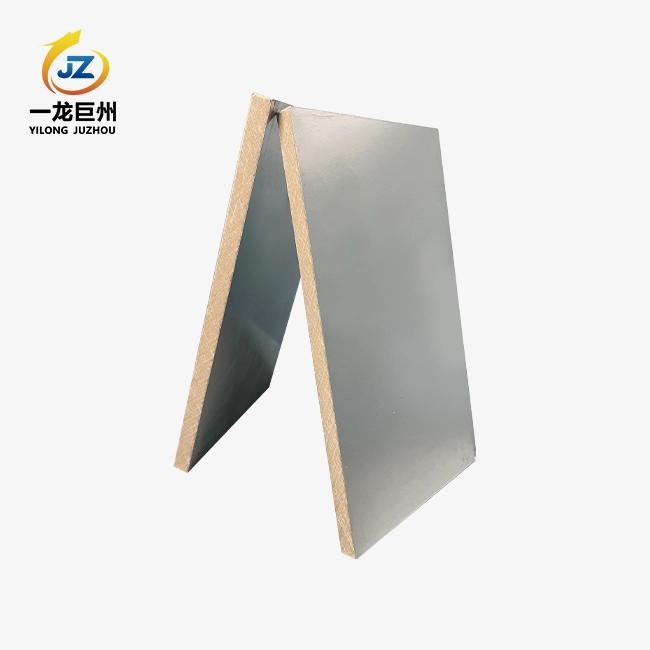
A thin layer of aluminum (0.1 to 0.5 mm) is glued to one or both sides of a dense calcium silicate core to make a calcium silicate aluminum composite board, a mixed building material. This structure takes the non-flammable qualities of inorganic silicate and coats them with metal to make a wall that meets Class A1 safety standards while still being light and bendable enough to be used in many indoor settings.
Introduction
The type of wall covering you choose affects not only how it looks, but also how safe it is, how much it costs to keep up, and how long it lasts. Costs, fire rules, and cleanliness standards are becoming more and more difficult for people who make decisions in healthcare, mining, and business real estate. There are times when you have to give up something when you use standard products. Some examples are gypsum boards that don't do well with water and regular metal panels that might not meet strict fire ratings.

When materials don't meet more than one performance standard at the same time, projects get stuck. This is something we've seen over and over again with buying teams in hospitals, subway systems, and high-rise buildings. Calcium silicate aluminum composite boards can solve this problem because they have metal sides that last a long time and protect the artificial bases.
This guide will help you decide if this material is right for your project by going over its technical details, performance standards, possible uses, and getting it. If you know what these panels can do, you can make decisions faster and avoid mistakes that will cost you a lot of money in the future, whether you're fixing up a tunnel or picking out the finishes for the inside of a drug facility.
Understanding Calcium Silicate Aluminum Composite Board
Core Composition and Manufacturing Process
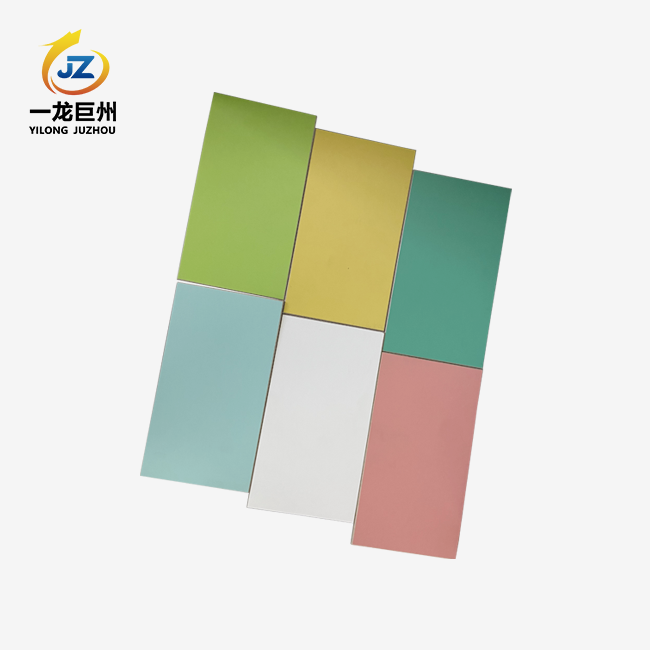
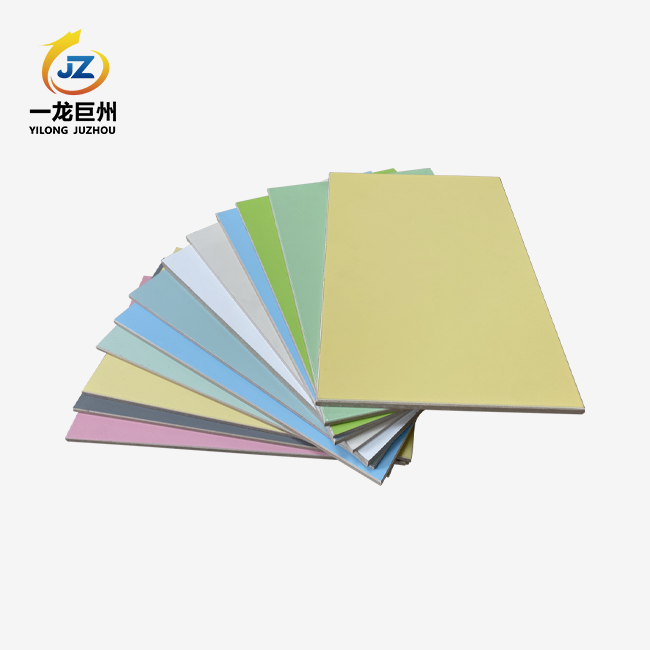
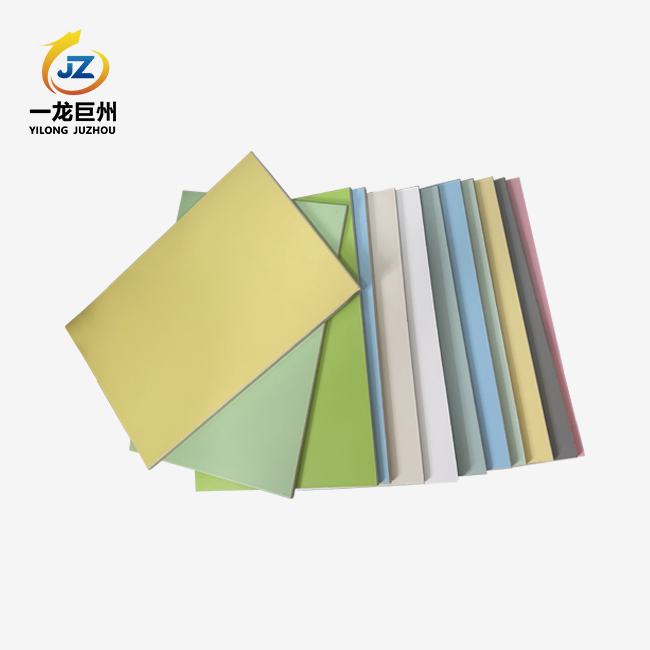
In an autoclave, siliceous materials, lime, and strengthening fibers are put together under high pressure to make the calcium silicate aluminum composite board core. This makes a Tobermorite crystal shape that is solid. This artificial material doesn't break down or absorb water as wood-based or gypsum choices do. Sticky films with a lot of power are used to join the aluminum skins to the body during production. This is done under high pressure and heat, which keeps the films in place even in damp places. You can paint them with polyester paint or cover them with PET, PVC, or PP films, so you can change their look or function to suit your needs. The managed production process makes sure that the sizes stay the same. This is important for large projects where the view is directly affected by how the panels are lined up.
Key Physical and Performance Properties
It's possible for these boards to hold buildings together over long lengths without any extra support because they can bend more than 14 MPa. At about 0.2 to 0.3 W/mK, thermal conductivity stays low. This helps make building walls more energy-efficient by stopping heat from moving. While the metal cover keeps water out, the silicate core naturally stops mold and germs from growing, which is very helpful in clean places. In most cases, the density is between 1.2 and 1.6 g/cm³. It's lighter than solid materials but stronger than hollow-core panels when it comes to collision safety. When temperatures change, some plastics can expand and contract, but dimensional stability keeps them from doing that. This lowers joint stress and stops tiny cracks from forming.

Because these screens soak up sound, they make it less likely for noise to get through. This is especially helpful in places like airports, meeting rooms, and hospitals, where noise control has a direct effect on how happy people are. If you put the material in cleaning products that are commonly used in hospitals and food processing plants, it doesn't break down or give off gases because it is chemically neutral.
Differentiation from Traditional Materials
Calcium silicate aluminum composite boards don't get damaged by water or mold as regular gypsum boards do. This means they don't need to be changed as often in damp places. Because they are more likely to catch fire, traditional metal composite panels with polyethylene cores aren't allowed in many places. Class A1 calcium silicate cores, on the other hand, don't have any explosive material inside them. It's also safe to use fiber cement boards, but they need finishing coats to look as smooth and finished as aluminum-faced panels do right from the box. If you don't take good care of calcium silicate structures, they won't lose their power over time as magnesium oxide boards do. But salt can leak out of them. This one item has a smooth surface, doesn't melt, and doesn't soak up water. It's simpler to set up and needs less maintenance over time than multi-layer systems.
Performance and Applications of Calcium Silicate Aluminum Composite Board
Fire Resistance and Safety Compliance
In order to meet the toughest European and foreign building rules, these calcium silicate aluminum composite boards have to be Class A1 fireproof. This means that they don't add to fires and give off very little smoke when they get hot. People who work in caves need non-combustible covering because there aren't many ways to get out, and smoke poisoning can be fatal. The material doesn't break down at temperatures above 1000°C, so the shield that protects buildings below during fires stays in place.
Hospitals and schools have strict rules about inspections. Gatherings that are fire-rated must pass tests that are done by a third party. It is easier to show compliance, and the approval process goes faster when you use pre-certified calcium silicate aluminum composite boards instead of field-assembled systems that need to be tested for fire on-site. Officials from the building say that these screens meet the safety standards for exit. This means that building managers and property owners don't have to worry about being sued.
Thermal Insulation and Acoustic Control
The cells in the calcium silicate aluminum composite board core catch air pockets, which naturally insulate and make it easier on HVAC systems in places that need to be heated or cooled. Thermal bridging through structural supports is less likely to happen when the right fitting gaps and backing materials are used. The R-value of the whole wall system goes up because of this. This is very helpful when cleaning up older buildings that can't have insulation added to the outside.
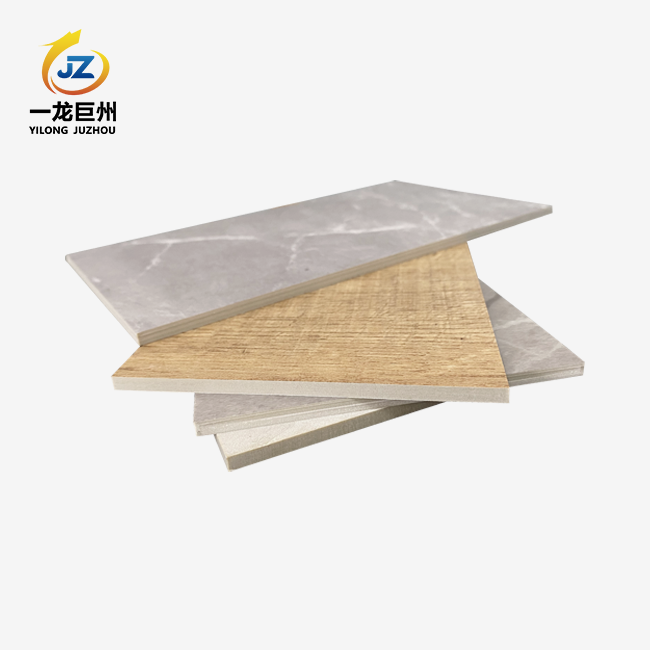
Places like airport halls, medical imaging rooms, and open-plan offices can have trouble controlling noise when it comes to acoustics. Low frequencies are reflected by the metal skin, while mid-range to high-range frequencies are taken in by the thick heart. By picking the right panel width, engineers can change the insulation to meet specific decibel reduction goals. Panels can be as thin as 6 mm for light business use or as thick as 20 mm for more serious industrial uses. This gives art galleries and meeting centers a lot of freedom to find a balance between artistic tastes and running a business.
Diverse Application Scenarios
- High-Traffic Infrastructure Environments: In places with a lot of traffic, the materials used in tube stops and tubes need to be able to handle steady shaking, changes in temperature, and the occasional hit from repair tools. Some ceramic tiles break when they are hit, but this one doesn't. Ads won't stick to the metal surface, and it's simple to clean with normal cleaners. Panels can be changed without having to be fully torn down because they are attached to concrete bases with mechanical bolts. This keeps service delays to a minimum.
- Healthcare and Sterile Facilities: For example, in operating rooms and pharmaceutical cleanrooms, the walls need to be able to keep dust and germs out and not fall apart when chemicals are used over and over to clean them. Microbes can't grow on the metal surface because it doesn't have pores, and mold can't grow in the core because it doesn't have any organic material. Antibacterial coats can be put on the metal face to make it even cleaner and help stop infections even more. The product meets ISO standards for cleaning.
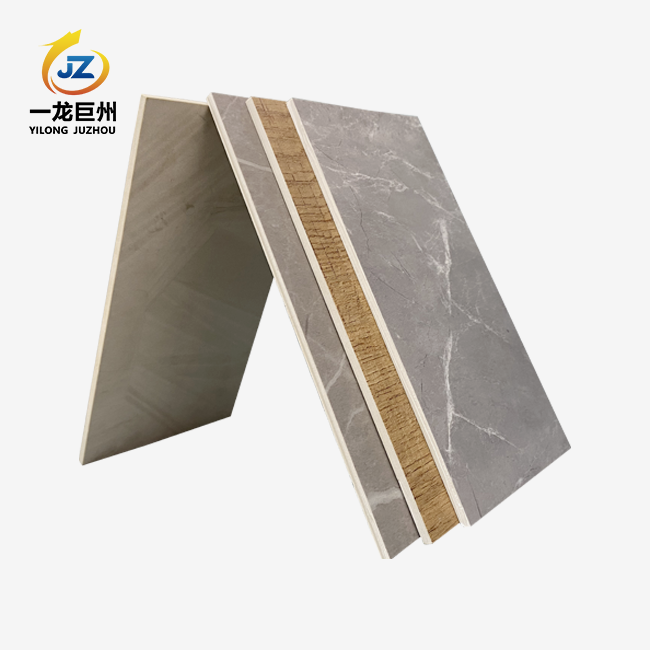
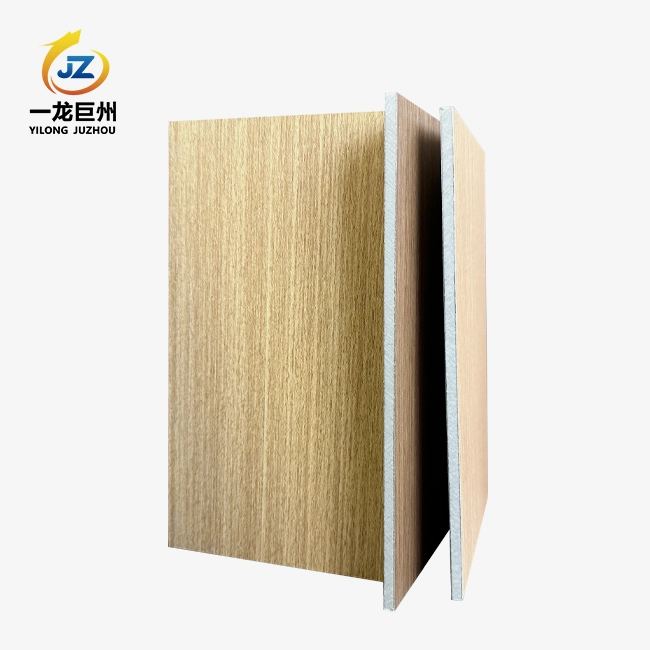
- Commercial and Hospitality Interiors: Hotels, shopping malls, and office buildings want a range of types that will last. Finishes come in plain colors, woodgrain, marble, and shiny patterns. This means that designers can choose materials that look like natural surfaces without having to deal with the maintenance and higher costs of wood or stone. Because the panel is flexible, you can make bent reception desks and column wraps with it. This means that you can use it for more than just flat-plane tasks.
- Industrial and Specialized Spaces: Companies that make food need A1 aluminum composite board wall systems that can handle being washed down a lot and won't rust when acidic chemicals are used to clean them. These panels can be used in places where every surface is being checked for cleanliness because the metal skin is chemically neutral, and the core doesn't change size when it gets wet. This is also good for drug businesses, and it's easy for them to meet FDA and GMP facility guidelines.
Comparative Analysis with Other Building Materials
Performance Against Gypsum Board
It is usual for builders to use gypsum boards when building inside because they are cheap and look good. They don't work well in places that get a lot of water, though. Things that get wet swell and lose their shape, and mold grows, which costs a lot to get rid of. Calcium silicate aluminum composite boards stay in form and have a smooth surface even after being wet for a long time. This means that there are no repeat risks in areas with low ground or near the coast.
How fire works is very different. Standard gypsum board doesn't catch fire because it has water in it that evaporates when it gets hot, but the paper face does. Calcium silicate cores are better in crowded places where smoke absorption is the main fire risk because they don't have any parts that can catch fire and emit any dangerous gases. When they are put in, composites require more work, but lifespan studies prefer materials that don't need to be changed every 10 to 15 years because they break down in the environment.
Comparison with Traditional Aluminum Composite Panels
Metal plates made of metal and polyethylene are cheap and easy to shape, but regulators are paying more attention to them now that core materials that can catch fire have been linked to high-rise fires. In many places, buildings that are higher than a certain height or are used for certain types of things can't have PE-core panels at all. Calcium silicate aluminum composite board layers totally eliminate this issue while maintaining the surface's flexibility and toughness.
Changes in weight are important for remodeling jobs where the old buildings can't hold a lot of weight. Both of these materials are a lot lighter than brickwork or solid metal, but calcium silicate aluminum composite boards are flatter over large panel sizes. This means that waviness is less obvious when installing them on large walls. Insurance rates and government compliance risks are lower for composites, but the cost of the materials is a little higher.
Evaluation Versus Fiber Cement and Magnesium Oxide Boards
Fiber cement boards are often used for outdoor floors because they don't catch fire or get damaged by the weather. They have to be finished in the field so that they are smooth and pretty. This adds time to the building plan for work and drying. The smooth, ready-to-install surfaces of calcium silicate aluminum composite boards do not require painting or sealing prior to installation.
People liked magnesium oxide boards because they were light and didn't catch fire, but they were hard to keep in good shape because they leaked chloride, which causes efflorescence and rust on steel fasteners. The problems have been fixed by reliable companies by making the methods better, but the market is still not sure. In high-temperature commercial settings, calcium silicate aluminum composite board technology has been used for many years and has proven to be effective. This makes people who work in buying more confident in its long-term safety.
Taking care of each type of board is very different. Every once in a while, fiber cement, magnesium oxide boards, and calcium silicate aluminum composite panels may need to be repainted or coated. But aluminum-faced composites usually only need to be cleaned on a daily basis to keep their look. This real cost advantage adds up over the 20–30 year lifecycles of buildings, especially in places where repairs need to be done at times that don't interfere with business.
Conclusion
Calcium silicate aluminum composite boards are made of a single material that can meet many performance needs. This makes it easier to build buildings with many layers and lowers their cost. They are great for places with strict safety rules and long-lasting standards, like hospitals, tunnels, business buildings, and factories, because they don't soak up water or fire and have a smooth finish. The materials are more expensive at first than normal gypsum board, but materials that don't need to be changed or called back as often are better in the long run.
To make sure the buying goes well, suppliers must be carefully considered, samples must be tried in a way that fits the needs of the project, and technical standards must be made clear to everyone. The theoretical properties of the material are only used if the fitting is good enough. Builders need to be taught and follow the manufacturer's directions for this reason. Maintenance is still pretty low, but you shouldn't skip it because regular checks keep it useful and make it look good after decades of use.
FAQ
1. Can calcium silicate aluminum composite boards be used for exterior applications?
People mostly made these calcium silicate aluminum composite boards to decorate walls inside, but they can also be used outside in safe places, like on protected walks or facades. The metal skin keeps out the weather, but some types of finishes may fade over time if they are in strong UV light for a long time. If you're making something that will be used outside, you should choose finishes that are resistant to UV light and make sure that the seller's warranty covers conditions that might happen outside.
2. How do these boards compare to traditional gypsum in terms of fire safety?
Calcium silicate aluminum composite boards are classified as Class A1, which means they produce little smoke and don't add fuel to fires. Standard gypsum board doesn't catch fire because it has water in it, but the paper that is facing it can. Cores that don't catch fire protect people much better in caves and high-rise buildings where smoke poisoning is a big problem.
3. What lead times should be expected for bulk orders?
Stock fabrics in standard shades and sizes are usually sent out within 7 days of proof of the order. If you need non-standard sizes or styles, the lead time can be up to 4 to 6 weeks. This is based on how crowded the workplace is. Important jobs can be finished faster by suppliers who have a lot of stock, like more than 50,000 square meters on hand. Getting materials early in the planning stages of a project lets you work around plans for shipping and making things without having to wait to start building.
Partner with YILONG JUZHOU for Reliable Calcium Silicate Aluminum Composite Board Supply
There are two plants for YILONG JUZHOU. One is in Shaanxi, and the other is in Guangdong. Over 50,000 square meters of goods are always on hand to help them finish jobs quickly, no matter how big or small they are. Many people know us as the company that makes Calcium silicate aluminum composite board. The goods we sell have been approved by ISO, CE, and the China Environmental Protection Standard. This makes sure that they are okay to sell in all other countries. Our skilled workers can do both OEM and ODM work. They can change the panel's width from 4.5 mm to 20 mm, its size up to 3050 mm, and its finish to woodgrain, marble, silver, or solid colors to suit the needs of your building. It takes 3–5 days to get free samples, so you can see how good they are before you buy the whole thing. We can meet tight building schedules without lowering the quality of our work because we're available 24 hours a day to answer questions and complete standard setups in 3–7 days. You can email our team at cnyang2000114@gmail.com to talk about your project needs and get full datasheets. You can also use our export outlets in Shenzhen, Guangzhou, Shanghai, or Qingdao to set up sample delivery.
References
1. Smith, J. & Chen, L. (2021). Fire Performance of Inorganic Composite Panels in High-Rise Construction. Journal of Building Safety Engineering, 15(3), 112-128.
2. Anderson, R. (2020). Moisture Resistance and Durability of Calcium Silicate Building Materials. Construction Materials Review, 8(2), 45-59.
3. Williams, K. et al. (2022). Comparative Life Cycle Analysis of Interior Wall Cladding Systems. Sustainable Architecture Quarterly, 19(4), 201-218.
4. Zhang, H. & Morrison, T. (2019). Acoustic Properties of Composite Panel Systems in Commercial Environments. Building Acoustics Journal, 26(1), 33-47.
5. European Committee for Standardization (2018). EN 13501-1: Fire Classification of Construction Products and Building Elements. Brussels: CEN Publications.
6. Rodriguez, M. (2023). Procurement Strategies for High-Performance Building Materials in Healthcare Facilities. Facility Management Today, 12(2), 78-94.

Send Inquiry

Related Industry Knowledge
- What is an aluminum composite panel?
- HYG Antimicrobial Sheets & Wall Cladding Solutions
- Aluminium Composite Panels (ACP/ACM): 8 Essential Points
- Cladding Paint Aluminum Composite Panel Coating
- How to Choose the Right Calcium Silicate Aluminum Composite Board for Your Project
- Unlock the Power of Aluminium Composite Panel
- What is the difference between an aluminum composite panel and an aluminum sheet?
- How do I choose the right aluminum composite panels for my building?
- How to Choose the Best Medical Clean Board
- How Antibacterial Wall Panels Improve Hygiene in High-Traffic Areas