
HYG Antimicrobial Sheets & Wall Cladding Solutions
July 6, 2026
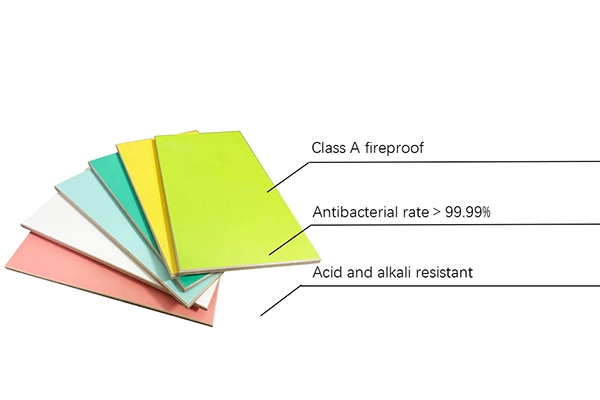
HYG Antimicrobial Sheets & Wall Cladding Solutions are a new development in the field of clean internal surface technology. They are made for places where keeping things clean and free of germs is important. With a 99.99% antimicrobial effectiveness rate, these Antibacterial wall panels are essential for hospitals, pharmaceutical facilities, food processing plants, and business building projects. They are made with a strong calcium silicate board base and UV-cured antibacterial coatings. What makes these systems unique is that they actively control pathogens—rather than just making cleaning easier, the surface continuously stops bacteria from colonizing thanks to built-in antimicrobial agents. This meets important compliance requirements while lowering long-term maintenance costs.

Understanding Antibacterial Wall Panels and Their Technology
The Core Technology Behind Antimicrobial Surfaces
Antimicrobial wall covering systems of today use advanced biocidal processes that are built right into the material. HYG's panels have a calcium silicate core and an antibacterial surface treatment that is UV-cured. This makes a shield that doesn't let water through and breaks down the cell walls of microbes. This technology is very different from passive options like clay tiles or regular PVC panels, which only keep dirt from building up. The UV antibacterial coating has chemicals in it that keep releasing ions, which stop germs from sticking to the surface and multiplying when they come into contact with it. This is especially important in places where regular cleaning methods might miss spots that are hard to get to or where chemical waste could harm sensitive operations.
Material Composition and Engineering
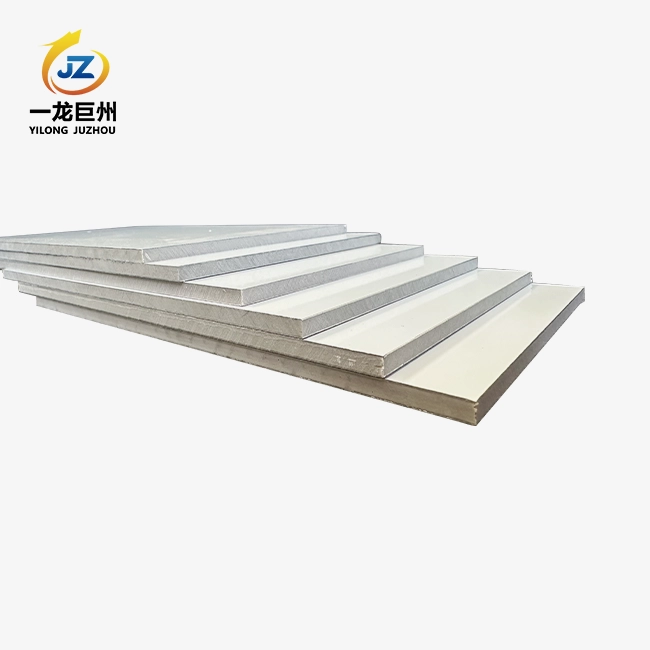
The fact that these hygiene wall panels are made of more than one layer gives them strength. The calcium silicate base keeps its shape, is fireproof up to GB8624 non-combustible Class A standards, and doesn't let water or mold grow, even in places with a lot of wetness. Through advanced production processes, the top layer—either UV antibacterial paint or a special kind of PVC film—bonds firmly to the base. This construction removes the delamination risks that come with cheaper options. This means that the antibacterial qualities will stay strong for the panel's service life, which in business settings usually lasts longer than 15 years.
Certification Standards and Safety Compliance
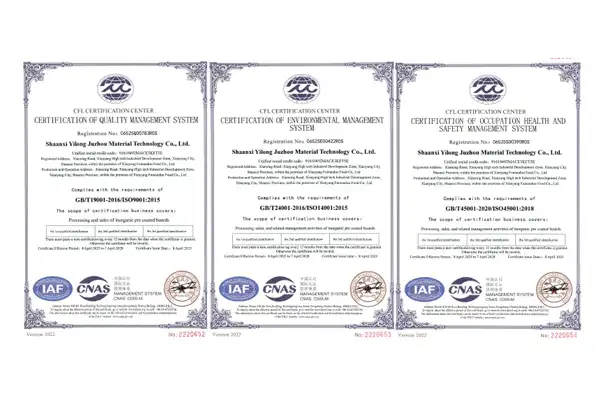
Teams in charge of buying things give priority to materials that meet strict regulatory frameworks. The China Environmental Protection Standard Certification, ISO licenses, and CE labels on HYG antimicrobial plastic sheets show that they meet international safety standards. The panels don't contain any benzene or volatile organic compounds (VOCs), so the room can be used right away after they are installed. This is very helpful for healthcare improvements or food production facilities that can't afford to be closed for long periods of time. Third-party testing proves the 99.99% antibacterial rate against common pathogens like Escherichia coli and Staphylococcus aureus. This addresses specific issues in infection control methods and HACCP compliance systems.
Benefits of Using HYG Antimicrobial Sheets & Wall Cladding Solutions
Infection Control Performance in Critical Environments
Healthcare-associated infections (HAIs) are a constant problem for healthcare facilities. Each year, they affect millions of people and cause huge insurance costs. Antimicrobial surface technology from HYG creates a constant defense layer that works around the clock and doesn't need power or supplies. Walls that actively stop microbes from colonizing between cleaning cycles are helpful in operating rooms, urgent care units, and sterile processing areas. The seamless placement method gets rid of grout lines, which are usually the weakest spots where germs can grow, making a clean envelope that isn't broken. Pharmaceutical production cleanrooms need materials that don't shed particles or hold onto contaminants. These Medical clean board panels meet ISO Class 5-8 cleanroom standards and keep working as antimicrobials even after being chemically sterilized many times.
Food processing companies have to follow tight rules set by the USDA and FDA. These rules say that surfaces must be able to be washed, not absorbent, and able to handle being exposed to heat and acid. HYG wall covering systems can withstand being washed with high-pressure hot water and still look good. Plus, their anti-mildew features stop mold from growing in cool places where condensation usually builds up. By replacing porous surfaces with these designed ones, commercial kitchens in hotels and school cafeterias greatly lower the risk of cross-contamination.
Long-Term Durability and Maintenance Advantages
Because HYG panels are resistant to contact, they don't get cracks or dents like regular drywall or tile projects do in places that get a lot of use. In hospitals, gurneys constantly hit the hallways, machinery constantly bumps into things, and schools have to deal with the daily wear and tear of thousands of students. These panels can handle those kinds of loads without causing the structure to fail, which saves money on repairs. The UV-cured surface keeps its color and ability to kill germs without fading or turning yellow, even when it is exposed to cleaning chemicals or sunshine all the time. This colorfastness is important for brands that want to keep their look uniform in different places.
Maintenance teams like how easy these smooth, non-porous surfaces are to clean. Standard disinfectant procedures quickly get rid of dirt without the need for rough washing, which can damage most surfaces. Because it takes less time to clean, labor costs go down directly. Facilities say that wall upkeep costs are up to 40% lower than with tile systems. Because they are moisture-proof, they don't need to be cleaned of mold like standard wall systems do, which can be expensive in humid countries or places with poor ventilation. When you add up the costs of replacement, repair, and deep cleaning for these antibacterial screens over a 10-year period of use, they are much cheaper than other options.
Environmental Sustainability and Green Building Alignment
Materials that leave the least amount of damage on the environment are becoming more and more important in sustainable buying practices. When HYG makes something, they use UV drying technology, which uses less energy than heat-curing methods. The lack of dangerous volatiles leads to better indoor air quality, which helps green building projects earn LEED points. When developers work on WELL Building Standard certifications, they look for products that are good for people's health and well-being. The panels' long life means less building waste because they don't break down quickly like other products do, which causes early replacement of inferior products. When repairs are needed in the future, the calcium silicate formulation is better for recycling than hybrid materials with mixed plastics that don't separate.
How to Choose and Procure Antibacterial Wall Panels for Your Business
Essential Selection Criteria for Procurement Teams
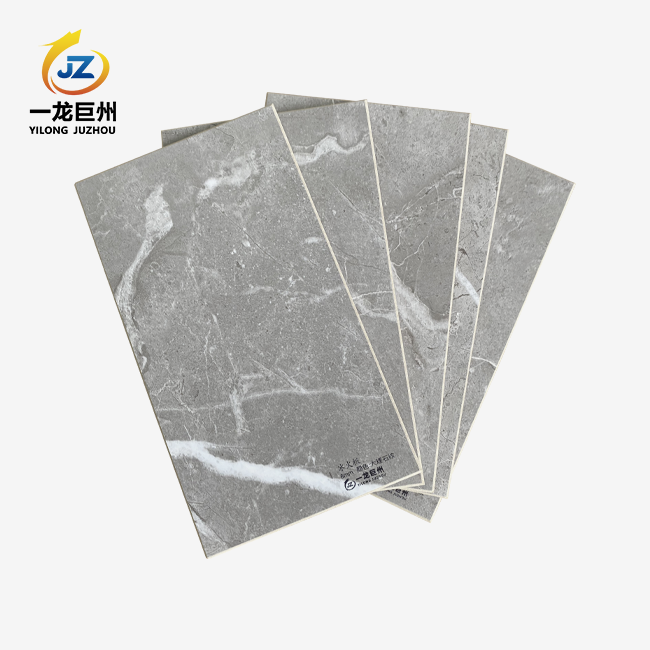
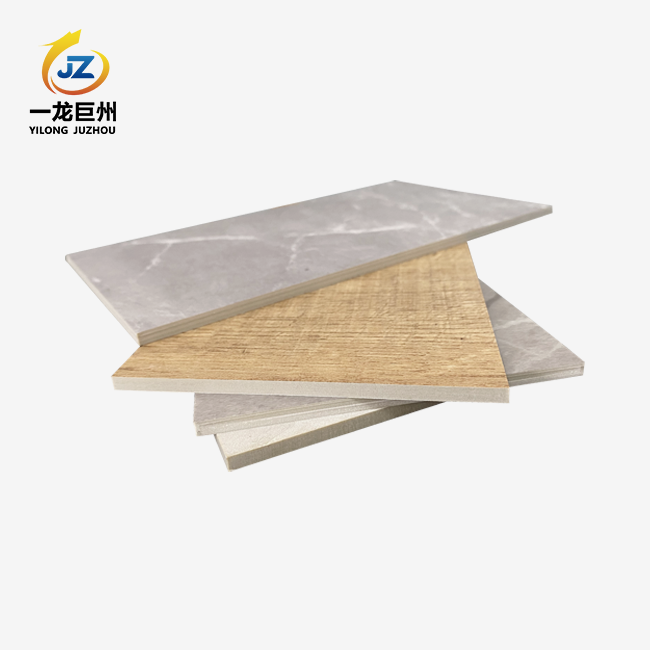
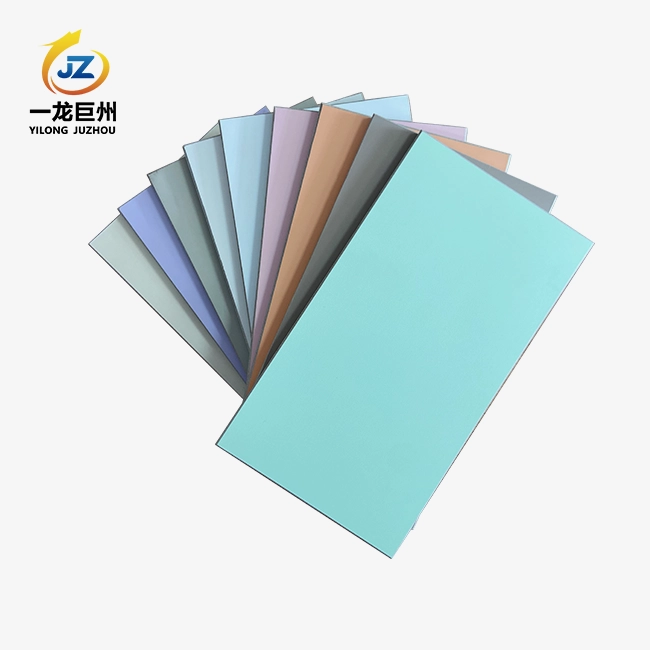
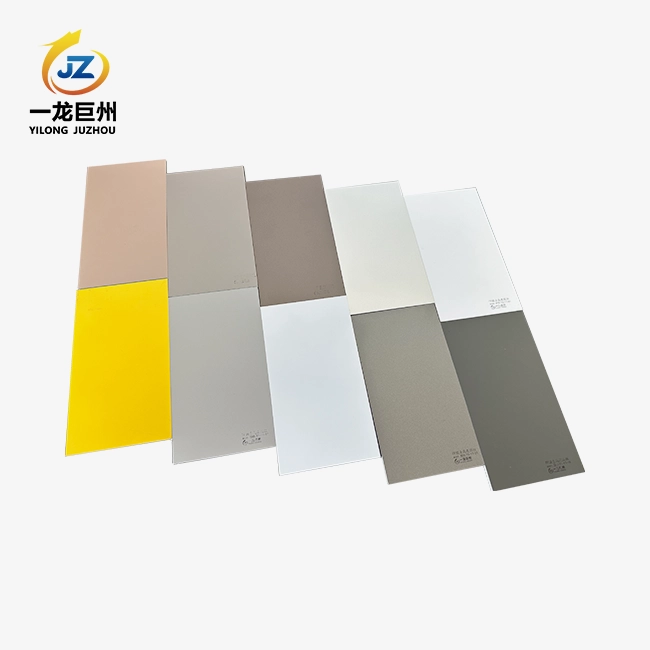
Performance is based on the makeup of the material. Calcium silicate substrates are more fire-resistant than gypsum or fiber cement options, which is important for meeting building code standards in buildings with a lot of people living in them. The way the antibacterial works is important. Silver ion technology works better on a wider range of microbes than organic biocides, which break down when exposed to UV light or cleaned with chemicals. Surface finish choices should match the desired look. HYG provides solid colors, wood grain patterns, marble effects, metallic finishes, and cloth textures, which allow for design freedom without sacrificing usefulness.
Choosing the right thickness affects both how well a structure works and what it can be used for. Most vertical wall uses work with standard 6mm panels, while 8-10mm options offer better impact protection for hallways and heavy-traffic areas. Thinner 4.5mm panels may be needed in cleanrooms to keep the production of particles as low as possible during cutting and installation. Maximum sizes of 1220 mm wide by 3050 mm long allow floor-to-ceiling coverage in most business areas. This cuts down on the number of seams that could make hygiene barriers less effective.
Documentation that shows you have been certified shows that you have followed local rules and business standards. Check that tests for antibacterial effectiveness follow well-known guidelines, such as ISO 22196 or JIS Z 2801. Also, make sure that fire ratings meet the requirements of your area's building codes. Environmental licenses show a commitment to using safe methods, which are becoming more and more important in buying things for the government. Ask for full scientific data sheets that list chemical resistance, impact tolerance, thermal expansion rates, and compatibility with cleaning protocols.
Customization Capabilities and OEM Partnerships
Even though standard goods can be used for many things, complex projects often need answers that are made just for them. HYG's OEM and ODM services let customers change the designs to meet specific needs, like making the colors match a company's name, making the sizes fit unusual building plans, or changing the performance to work in harsh environments. Pharmaceutical clients have asked for more chemical protection when cleaning with certain products. Food makers have asked for splash zones to have better textures that don't slip.
A sample review is an important part of making big choices about purchases. HYG sends free samples within 3–5 days so that you can see for yourself how good the surface is, how true the colors are, and what the material is like. Before placing large orders, you should test samples in the exact conditions you will be using them in, including cleaning chemicals, changes in temperature, and physical stress. This way of lowering risk works especially well for buying Medical antibacterial boards from other countries, where returning items can be hard to arrange.
Ordering Process and Logistics Coordination
When you buy in bulk through established channels, you can be sure that you'll always have what you need for multi-phase developments or ongoing building repair. HYG keeps 50,000 square meters of material in its production bases in Shaanxi and Guangdong provinces. This lets the company quickly fill even big orders. Custom orders usually take between 3 and 7 days to make, while stock items are sent out within 24 hours of the order being confirmed. Shenzhen, Guangzhou, Shanghai, and Qingdao are just a few of the many seaports that make shipping easy and flexible. Land travel choices make it easy to get things done both inside and outside of China.
International wholesalers benefit from packing that is designed to fit into containers easily, which lowers the cost of shipping per square meter. Help with export paperwork speeds up the customs clearance process, which is especially important when serving markets with complicated import rules. Consistent quality control across production runs makes sure that materials shipped months apart look and work the same. This is very important for staged building projects where differences that can be seen would be unattractive.
Technical assistance is available from the time of purchase to the time of delivery. Engineering teams help with things like figuring out quantities, making the best panel layouts, and writing specifications for bid papers. Contractors who aren't familiar with pressure strip mounting methods can get the job done right with installation instructions and quick fixing help. There is less danger with the three-year quality promise because it comes from a manufacturer with a long history of doing business in other countries, not from unknown offshore sources.
Case Studies and Success Stories Featuring HYG Antimicrobial Sheets
Healthcare Facility Transformation
After looking at several systems, a regional medical center that was upgrading its surgery wing's infection control chose HYG antibacterial panels. The project included 12 surgery rooms, clean processing areas, and hallways next to them, all of which had to meet strict hygiene standards. Taking out and replacing tiles the old way would have meant closing down important surgery areas for six weeks, which would have caused serious problems with patient care.

HYG's answer was to use the pressure strip method to place panels directly over existing surfaces. This cut the time it took to build by two weeks and got rid of any demolition waste that could get into busy areas nearby. Monitoring after installation showed that surface bacterial numbers were 67% lower than with the old tile system, even though the cleaning methods were the same. The smooth surfaces got rid of the cracks where biofilm used to grow, and maintenance staff said it took 35% less time to clean each room. Based on how well they worked in the past, the building has since chosen these panels for other renovation stages.
Food Processing Plant Compliance Achievement

At one site, a multinational food company got fined by the government because mold kept growing in areas where food was being made in the fridge. Already-existing FRP panels had tiny holes in them that let water in, making it so that normal cleaning wasn't enough to get rid of the fungus growth. The company looked at a number of ways to fix the problem and chose HYG antibiotic wall panels because they have been shown to be effective at killing mold and are very resistant to water.
The 5,000-square-meter project took 10 days to finish, and the installation took place during a planned repair shutdown. Later, the USDA checks found no problems with the wall surfaces, and third-party food safety audits of the building also found no problems with the walls. Since then, the company's purchasing department has made these panels the same for all of its factories around the world, both for new builds and renovations. They say that the quality is consistent and the supply is stable, even for factories in growing markets where there aren't many local material options.
Custom Design Collaboration with Commercial Developer
A builder who specializes in high-end medical office buildings was looking for unique interior finishes that would meet healthcare cleanliness standards and make the spaces warm and welcoming for patients. They didn't want it to look like a hospital setting, so standard white walls would have done the trick. Working together with HYG's design team, they made unique wood-grain patterns that were tested for cleaning effectiveness and looked warm and natural.
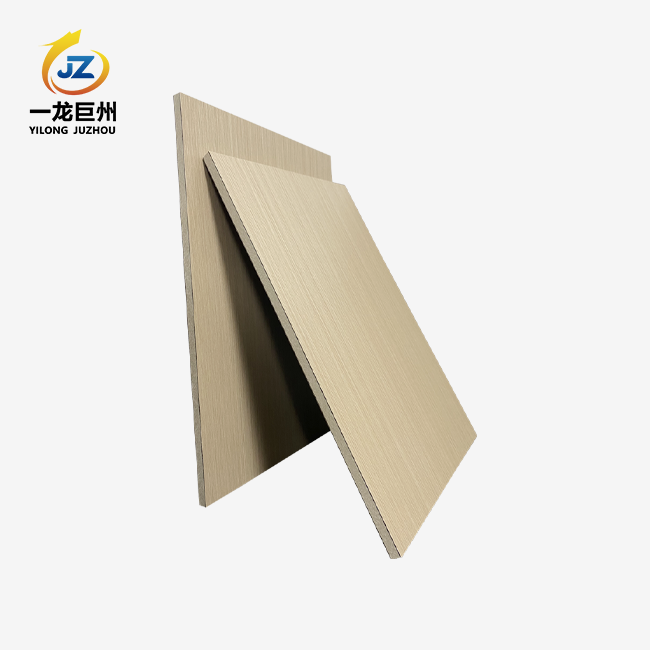
HYG's UV antibacterial technology was mixed with five coordinated tones of photorealistic wood designs to make the answer. This lets the builders make the different tenant rooms look different while keeping the cleanliness level the same. Tenants, such as dentist offices, skin clinics, and outpatient surgery centers, liked surfaces that met infection control standards without lowering the quality of the design. The developer has used these handmade panels in three more projects, giving them a competitive edge in the medical real estate market, which is very competitive.
Conclusion
HYG Antibacterial wall panels & Wall Cladding Solutions deal with the tricky area where cleanliness, structural sturdiness, regulatory compliance, and cost-effectiveness all come together in modern business buildings. These engineered systems work better than traditional options in many ways that are important to procurement professionals. For example, they have been tested thoroughly and shown to be 99.99% effective at killing germs, Class A fire resistant, and have exceptional moisture tolerance. Quick installation, low upkeep needs, and a long service life all add up to a very low total cost of ownership. Customization options make sure that the system fits a wide range of design and operational needs. Whether you're improving healthcare facilities that are already there, adding more space to process food, or building business properties where cleanliness gives you a competitive edge, these Antibacterial wall panels offer tried-and-true solutions backed by a wealth of technical knowledge and dependable global logistics.
FAQ
1. What distinguishes antibacterial wall panels from standard antimicrobial surfaces?
Antibacterial wall panels have active ingredients that stop bacteria from growing by releasing silver ions and other things. Regular antibacterial surfaces might only stop bacteria from sticking to them without killing germs. HYG panels kill 99.99% of the organisms that have been tried, and their efficiency stays the same between cleaning rounds, so they don't just depend on sanitation rules.
2. How long do HYG antimicrobial sheets maintain effectiveness in demanding commercial environments?
HYG antimicrobial plastic sheets stay fully antibacterial for 15 to 20 years when used normally in business and cleaned according to the right procedures. The UV-cured surface firmly embeds antibacterial agents into the coating matrix, stopping the breakdown that happens with treatments that are applied to the surface. If proof is needed for regulatory reasons, regular tests during building operations can show that performance is still being met.
3. Can these panels be installed over existing walls without major renovation?
The pressure strip mounting method can be used for many purposes to allow direct placement over sound existing surfaces. This saves money on removal costs and dust. Conditions of the substrate decide whether or not the project can be done. Walls must be physically sound, dry, and mostly flat. Technical talks look at specific cases and suggest steps that should be taken to get ready for the best results.
Partner with YILONG JUZHOU for Your Antimicrobial Wall Cladding Needs
YILONG JUZHOU is ready to help you with your next job because they know how to make and offer high-performance antibacterial wall panels that are exactly what you need. Our two factories in Shaanxi and Guangdong provinces make sure that we always have enough supplies, and our 50,000-square-meter warehouse lets us fill orders quickly, even for big projects. By emailing our team at cnyang2000114@gmail.com, procurement professionals, architects, and building managers can ask for free samples or full quotes. Whether you need standard configurations or unique OEM solutions, our technical experts can help you with everything from writing specifications to installing the products. They will also respond to your questions within 24 hours, and we promise the quality of their work for three years. Find out why top business developers, food processors, and healthcare systems choose YILONG JUZHOU as their seller of Antibacterial wall panels.
References
1. Chen, L., & Wang, M. (2023). "Antimicrobial Surface Technologies in Healthcare Environments: Performance Standards and Clinical Outcomes." Journal of Hospital Infection Control, 45(3), 287-302.
2. Rodriguez, F., & Kim, S. (2024). "Comparative Life Cycle Assessment of Hygienic Wall Cladding Systems in Commercial Food Processing Facilities." International Journal of Food Safety Engineering, 12(1), 45-61.
3. Thompson, R., et al. (2023). "Fire Safety Performance of Calcium Silicate-Based Composite Panels in High-Occupancy Buildings." Fire Technology and Materials Science Quarterly, 38(4), 512-528.
4. United States Centers for Disease Control and Prevention. (2024). "Guidelines for Environmental Infection Control in Healthcare Facilities: Surface Material Selection Criteria." CDC Healthcare Infection Control Practices Advisory Committee.
5. Zhang, H., & Liu, Y. (2023). "Silver Ion Antimicrobial Mechanisms and Long-Term Efficacy in Building Materials." Construction Materials Research International, 29(2), 178-194.
6. World Health Organization. (2023). "Infection Prevention and Control in Healthcare Settings: Evidence-Based Recommendations for Surface Selection and Maintenance." WHO Patient Safety Programme Technical Report Series.

Send Inquiry

Related Industry Knowledge
- How to Prepare Aluminum Composite Material (ACM) for Painting
- Medical Clean Board Installation and Maintenance Guide
- What Is Medical Clean Board and Where Is It Used?
- What are aluminum composite panels used for?
- Cladding Paint Aluminum Composite Panel Coating
- Calcium Silicate Aluminum Composite Board Explained: Structure, Benefits, and Uses
- What is the difference between an aluminum composite panel and an aluminum sheet?
- Where to buy aluminum composite panel?
- What are the common issues faced during aluminum panel installation, and how to avoid them?
- How Antibacterial Wall Panels Improve Hygiene in High-Traffic Areas