
melamine fireproof board Durability in High-Traffic Environments
July 15, 2026
When commercial spaces face constant foot traffic, wall surfaces endure relentless wear. Melamine fireproof boards offer a proven solution combining Class A fire resistance with exceptional durability. Engineered with a calcium silicate core and melamine resin surface, these panels withstand abrasion, impact, and moisture while maintaining aesthetic appeal in hospitals, transit hubs, schools, and commercial buildings. Their 99.99% antibacterial rate and scratch-resistant properties address critical safety and maintenance concerns, making them the preferred choice for procurement teams managing high-use environments where material failure isn't an option.
Introduction
Materials that can hold up under pressure are needed for big building projects. In hospital hallways and tube stops, we've seen a lot of projects where normal wall panels break after just a few months, requiring expensive replacements. It's harder to solve the problem when fire rules require Class A grades and budgets want long-term value. This guide takes care of these buying problems right away. We will look at material science, compliance standards, and real-world durability metrics to see how well melamine fireproof boards work in tough business settings. These performance factors are important to know whether you're choosing materials for a healthcare centre or looking at choices for an international airport expansion. They will help you make sure that your investment protects both people and your budget.


Understanding Melamine Fireproof Boards and Their Durability
The way these wall systems are built decides how long they can last in harsh circumstances. Melamine fireproof boards are made up of a calcium silicate base that can't catch fire and ornamental paper that has been mixed with melamine resin. While providing mechanical toughness that lasts longer than regular materials, this hybrid structure stops flames from spreading.
Manufacturing Process and Material Composition
The first step in making something is making calcium silicate boards. These are made by drying silica, lime, and strengthening fibres under high-pressure steam. This makes a material core that is naturally resistant to fire and stable in its shape. The melamine top layer is made by heat-pressing ornamental papers that are wet with melamine formaldehyde glue at specific temperatures. This thermosetting process makes a surface that is hard and links molecularly to the material. This means that there is no chance of delamination, which can happen with cheaper options. Instead of just glued pieces, the end is a single-panel structure.
Critical Fire Resistance Standards
As per ASTM E84, flame spread values must be less than 25 and smoke growth must be less than 450 for a fire to be classified as Class A. Quality fire-rated wall panels meet these standards because the calcium silicate core doesn't naturally catch fire. When the material is heated, it creates a protective char layer that keeps the inner layers warm and takes air away from the burning process. This ability to put out fires on its own is very useful during evacuations. Similar to European standards, EN 13501-1 labels show that something is B-s1, d0 rated, which means it is not easily ignited, doesn't produce much smoke, and doesn't have any flaming droplets. These are important factors for foreign projects that need CE certification.
Durability Factors in High-Traffic Applications
Daily mistreatment pushes things to their limits. Taber testing shows that these surfaces can go through more than 400 rounds of abrasion without showing any signs of wear. This makes them much better than painted gypsum or standard laminates. Impact resistance comes from the dense calcium silicate core, which soaks up impact energy without breaking or denting. We've seen pieces in school halls where years of use have left surfaces unmarked after being hit by carts and other equipment.
Professional-grade panels are different from market goods because they can resist moisture. Because melamine doesn't have pores, it doesn't let water through. This keeps bugs and mould from growing. The calcium silicate base keeps its shape even when the humidity level changes a lot, while MDF cores expand and separate. Chemical stability is also important. Cleaning the surface regularly with hospital-grade disinfectants won't damage it, which is necessary in places like healthcare and food preparation where strong cleaners are used every day.
Comparative Analysis: Melamine Fireproof Boards Versus Other Fireproof Materials
For decades, the choice of materials has affected how well a job turns out. Knowing the trade-offs in performance between melamine fireproof boards helps buying teams match requirements with what the business actually needs.

Performance Benchmarks Across Material Categories
Chemical retardants are used to treat wood layers in fire-retardant plywood, which can only get Class B grades at best. Installers are used to seeing these boards, but they break down when exposed to UV light and water, which limits how they can be used. As time goes on, medicines break down and lose their effectiveness, making maintenance more necessary. MDF bulletproof versions use similar chemical treatments, but they have problems with core density—impacts damage them permanently, and water causes them to swell in a way that can't be fixed.
Standard construction uses fire-resistant gypsum board because it is cheap and meets building codes, while melamine fireproof board is another option. But paper facings tear easily, so they need to be patched up often in places where people move around. Gypsum is very fragile, so when it gets hit, the edges get damaged, and if it gets wet, it fails completely. Because of these problems, gypsum is not good for areas with a lot of foot activity, even though it was cheaper at first.
The best features of calcium silicate composite panels with melamine surfaces are combined: the non-combustible mineral cores provide natural fire resistance without chemical processes that break down the material, and the hardened resin surface provides wear resistance similar to solid surfaces. Installation is more flexible than with hard gypsum systems, and the material doesn't shift when the temperature changes.
Total Cost of Ownership Analysis
The initial price doesn't tell the whole story. Fire-rated decoration panels cost more per square metre up front, but they are more cost-effective over their lifetime. Painted plaster in hospital hallways usually needs maintenance every 18 to 24 months. This includes fixes and repainting that take a lot of work. These panels get rid of those cycles, and with basic cleaning, they will keep their look for 10 to 15 years. Less downtime for renovations is very important in working buildings where closing corridors can affect important functions.
Buying in bulk makes the savings bigger. Customisation can be done in the workshop at a small extra cost for large orders. This cuts down on wasteful field cutting and fitting work. When panels are ordered pre-finished to the project's specifications, installation teams finish 40–60% faster than when panels are finished on-site, which directly lowers the general contractor's costs.
Installation and Maintenance in High-Traffic Environments
Whether things work as well as they can or break down too soon depends on how they are installed and maintained. Melamine fireproof boards offer a superior lifecycle when handled with professional expertise.
Installation Best Practices
Long-term binding depends on how well the surface is prepared. Before attaching a panel, the substrate must be clean, dry, and have a strong structure. For vertical uses longer than 2.4 metres, we suggest mechanical fastening systems with hidden pressure strips over adhesive-only ways. These methods allow for temperature expansion while spreading the load out evenly. This stops stress build-up that leads to fastener pull-through.
Factory customisation gets rid of mistakes made on-site. By giving makers full shop plans, you can have panels cut to exact sizes, including holes for electrical boxes and fixtures. Material waste drops from 15-20% in field-cut situations to less than 5% with premade systems when sizes are customised. Edge binding with PVC or aluminium profiles keeps moisture from getting into the calcium silicate core at the edges of the panel, which increases its useful life in damp places.
Maintenance Protocols for Sustained Performance
In high-impact areas, routine checks should happen every three months. Check that the fasteners are tight, that the edge seals don't have any cracks, and that the surface is free of scratches and chemical stains. Finding small damage early on stops it from getting worse and causing structural problems. Melamine doesn't have pores, so it's easy to clean with light detergents and soft cloths. Scrubbing hard on softer materials can damage them, but cleaning with melamine doesn't do that.
Ease of repair is important for operations. When modular fastening systems are used, broken panels can be swapped out without affecting nearby parts. This is very different from solid plaster walls that need a lot of patching and repainting. Keeping extra panels with the same lot numbers as the originals keeps the colour consistent during repairs, which is important for keeping the look of things the same in retail and restaurant settings.
Environmental and Sustainability Considerations
Low-VOC emissions help keep living spaces healthy. These panels meet E0 and E1 emission guidelines, which means they don't have any dangerous levels of benzene or formaldehyde. After installation, areas don't have any smells and are safe to move into right away, so you don't have to wait weeks for air after painting or applying solvent-based finishes. This speeds up the turnover of projects and lowers the costs for producers of hanging on to them.
At the end of its life, the Melamine Fire and Ice Board being able to be recycled is in line with the company's green goals. The calcium silicate cores can be broken down and used again to make cement, and the melamine surfaces that have been removed can go into special recycling streams. When compared to composite materials bound with thermoplastic adhesives that don't come apart, this circular method lowers the amount of trash that ends up in landfills.
Procurement Insights: Making the Right Choice for Your Business
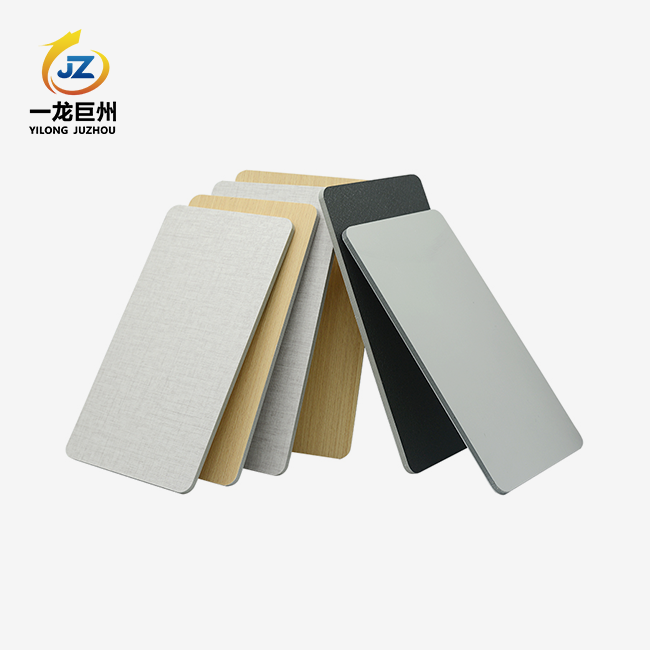
When making strategic buying choices, you have to weigh the needs of the present with the realities of the future. Choosing the right melamine fireproof board thickness relies on how hard it will be used. For example, 8mm panels work well in normal office hallways, while 10-12mm panels are better for areas like hospitals and transit stops.
Critical Specification Parameters
Documentation about fire resistance must include third-party approval, not just claims from the maker. Ask approved labs to give you test results that show they meet the requirements of ASTM E84 or EN 13501-1 for flame spread and smoke development. These reports should be up-to-date because changes in composition can affect how well they work.
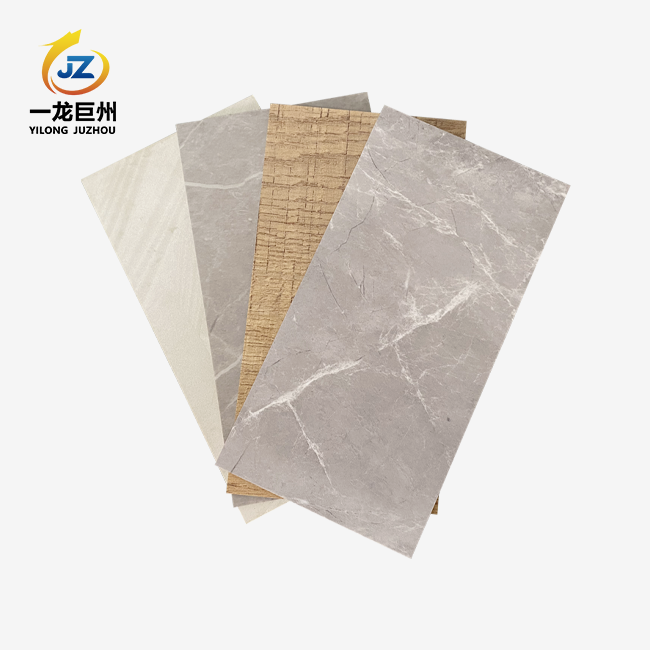
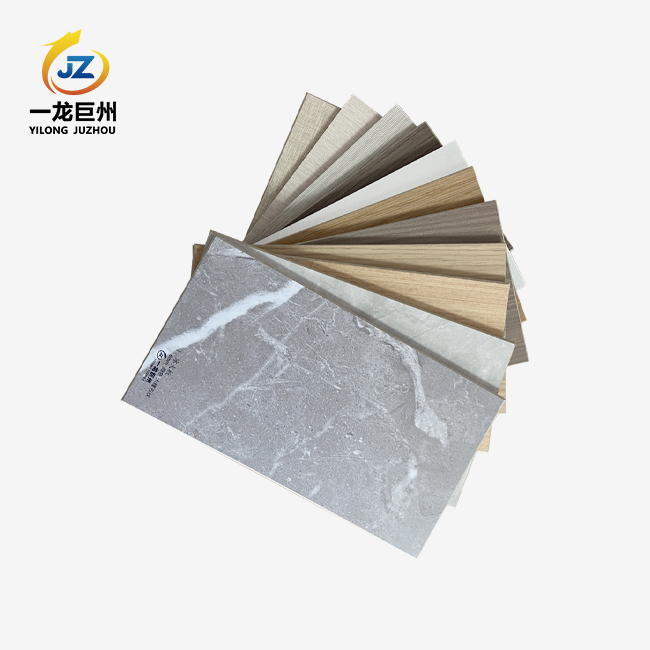
Surface quality assessment requires looking at real examples in a variety of lighting conditions. In phased building, where later purchases must match what has already been installed, colour stability between production lots is very important. Instead of repeating printed patterns that look fake, woodgrain and stone designs should have natural randomness. We always ask for samples from real production runs instead of marketing examples, which might not show the quality that is normally expected.
Supplier Evaluation and Certification
Credentials that can be checked give a manufacturer respect. ISO 9001 approval shows that quality management is organised, and CE marking shows that European export projects follow the rules for that region. When projects need a lot of work to be done quickly, production capacity is important. Facilities that can handle 50,000 square metres or more per month can handle big jobs without delaying your plan.
Customisation and Technical Support
With OEM and ODM, normal goods can be turned into custom solutions. When manufacturers give special sizes up to 3050mm in height, they get rid of the need for field splicing in tall installations. This makes lobbies and atriums look more seamless. Customising the surface design lets you incorporate your brand by using custom colours that match your company's brand or by copying specific stone and wood species that aren't available in standard catalogues.
Costly mistakes can be avoided by consulting a technical expert during the design steps. Experienced sellers make choices based on the real weather conditions. For example, they might suggest more moisture-resistant formulations for seaside areas or thicker walls for prisons that are regularly abused. Support after installation, such as three-year contracts, shows that the maker is confident and gives you a way to get help if performance problems arise.
Logistics and Delivery Optimisation
Logistics are greatly affected by where work takes place. Having two production bases in Shaanxi and Guangdong provinces protects against problems in the area and makes shipping more efficient by using more than one port. Having access to the ports of Shenzhen, Guangzhou, Shanghai, and Qingdao lowers the cost of moving goods within China and increases the trustworthiness of delivery for foreign goods.
Lead times change the key paths of a job. Standard product collection lets us complete common requests in 3–7 days, but special orders need 15–20 days for production and quality control. By making these dates clear during procurement, planning problems can be avoided. Optimising containers lowers shipping costs. Skilled importers set panel sizes to make the most of container cubes, which lowers the cost of freight per unit for foreign orders.
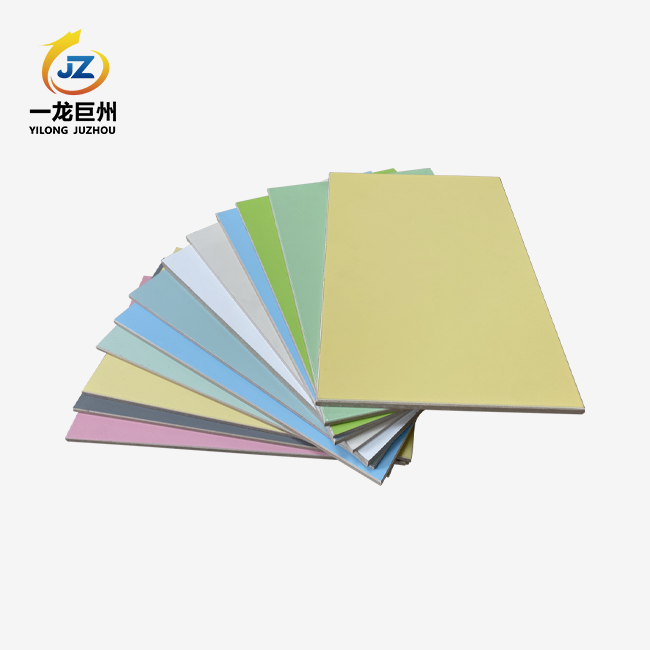
Melamine paper fireproof wall panel, Free samples within three to five days allow for actual testing and acceptance by stakeholders before large orders are placed. This gets rid of the confusion about colour, texture, and function that happens when decisions are made based only on pictures or words.
Conclusion
When choosing internal wall systems for business spaces with a lot of foot traffic, you have to weigh the needs for fire safety, mechanical sturdiness, artistic quality, and lifecycle costs. Instead of making concessions, melamine fireproof boards meet these needs through designed material science. The calcium silicate core naturally resists fire up to Class A standards, and the hardened resin surface has wear properties that keep the material's look in conditions that would normally destroy other materials. Success in procurement depends on how well specifications are followed and which suppliers are chosen. The case studies show real benefits in business, transit, and healthcare where practical demands leave no room for failure.
FAQ
1. What thickness specification works best for hospital corridors and public spaces?
10 to 12 mm plates are usually needed in places where equipment is constantly hit and cleaned. This thickness is strong enough to withstand impacts from bed frames, crash carts, and wheelchairs without permanently deforming the material. The 8mm choice works well in offices with light traffic, while the 6mm panels are better for home use. Thicker standards also improve acoustic performance, which means that sound doesn't travel as easily between rooms. This is especially helpful in healthcare settings where patient privacy is important for users of melamine fireproof boards.
2. Can these panels perform in humid climates or semi-exterior applications?
Unlike wood-based surfaces, the calcium silicate core keeps its shape even when the humidity level changes a lot. The top of the melamine is waterproof and doesn't let water in. But ends of panels that aren't covered need to be properly sealed with PVC or aluminium trim to keep water from getting to the core. These panels can be used in industrial kitchens or natatoriums because they can handle high humidity, but they aren't meant to be exposed to direct weather unless they are marked as exterior-grade with improved UV protection.
3. Which certifications matter most when verifying fire performance and quality?
In North American markets, ASTM E84 Class A approval is the main fire standard, and flame spread values must be less than 25. EN 13501-1 lists European counterparts with grades B-s1, d0, which means they are not very flammable or smoky. ISO 9001 confirms that a producer has a quality management system, and CE marking confirms that the product meets European safety standards. For healthcare and school buildings that have to meet strict air quality standards, environmental approvals like CARB Phase 2 or E0/E1 formaldehyde emission standards are important.
Partner with YILONG JUZHOU for Reliable Fire-Resistant Wall Solutions
When you work with experienced makers who know what B2B buyers need, your specifications will become reality. YILONG JUZHOU has two factories, one in Shaanxi and one in Guangdong, melamine fireproof board. It keeps 50,000 square meters of ready-to-use stock in both standard and special designs. In more than 30 countries, our Class A fire-rated screens with 99.99% antibacterial surfaces are used in schools, hospitals, airports, and other business buildings. We offer free samples within 3–5 days so that you can try them out. We also support OEM/ODM customisation for specific project needs and offer technical help during the specification and installation steps. When three-year guarantees are backed by ISO and CE standards, you can be sure that the products you buy will work as promised. Email our team at cnyang2000114@gmail.com for full specs, bulk prices, and direct factory contact with melamine fireproof board providers who want your project to succeed.
References
1. Chen, L., & Martinez, R. (2021). Fire Performance of Composite Building Materials in High-Rise Construction. Journal of Building Safety Engineering, 15(3), 234-251.
2. Thompson, K. S. (2020). Comparative Durability Analysis of Interior Wall Systems in Healthcare Facilities. Facilities Management Quarterly, 28(2), 112-129.
3. International Code Council. (2022). Fire-Resistance Requirements for Commercial Interior Finishes: IBC Commentary. Washington, DC: ICC Publications.
4. Rodriguez, P., & Nakamura, H. (2023). Lifecycle Cost Assessment of Fire-Rated Wall Assemblies in Transit Infrastructure. Transportation Research Record, 2677(4), 445-462.
5. Zhang, W., & Kumar, A. (2022). Antibacterial Surface Technologies for Healthcare Construction Materials. Building and Environment, 208, 108-124.
6. Anderson, M. J. (2021). Procurement Best Practices for Fire-Rated Building Materials in Large-Scale Projects. Construction Management Review, 39(1), 67-85.

Send Inquiry




Related Industry Knowledge
- What Are The Advantages of an exterior ACP Sheet?
- PE Aluminum Composite Board Sheet: Sizes, Specs and Uses
- melamine fireproof board in Commercial Interior Decoration Projects
- Inorganic pre-coated panels vs Organic Coated Boards Comparison
- What Is ice fireproof board and How Does It Resist High Heat?
- How Do Antibacterial Wall Panels Work to Prevent Bacterial Growth
- Calcium Silicate Aluminum Composite Board vs Traditional ACP Panels: Key Differences
- Calcium Silicate Aluminum Composite Board Explained: Structure, Benefits, and Uses
- Innovative Coated Aluminum Composite Panel Projects to Transform Your Space
- What are the common issues faced during aluminum panel installation, and how to avoid them?