
What Is ice fireproof board and How Does It Resist High Heat?
July 6, 2026
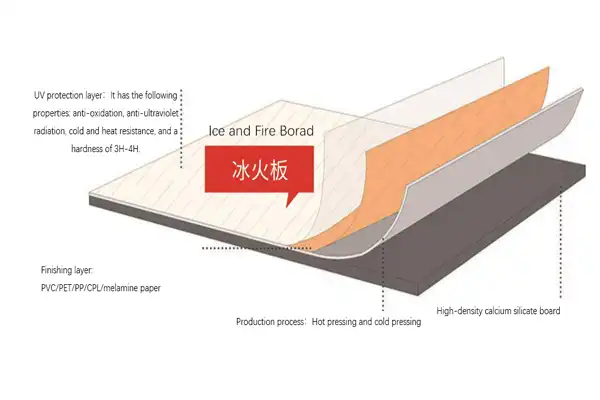
Ice fireproof board is a big step forward in safety in business buildings. This high-performance material has a calcium silicate core and film-coated layers on the outside, which can be made of PVC, PET, melamine paper, or HPL. It has Class A fire protection. Its artificial makeup keeps it from igniting and stops heat from moving, and the calcium silicate base keeps its shape at temperatures above 1000°C. This board doesn't have any organic resins that could start fires like some other options, so it's important for places where fire safety can't be ignored. The chemical bonds in calcium silicate crystals keep them solid even when they are exposed to very high temperatures.
Understanding Ice Fireproof Board: Definition and Core Properties
Engineered Construction Material for High-Performance Applications
More and more architects and project managers are coming to us looking for internal wall options that look good and meet strict safety standards. Traditional gypsum boards and wood-based panels have problems with high temperatures or don't meet new fire rules, which led to the creation of this type of material.
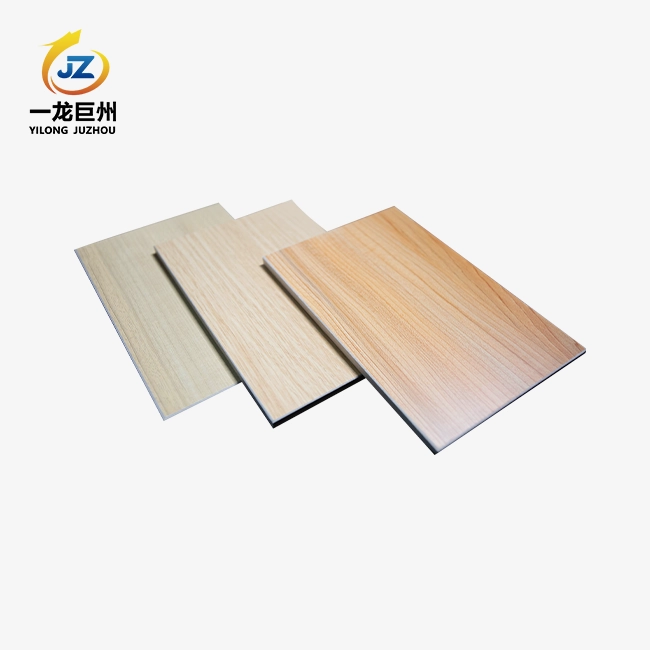
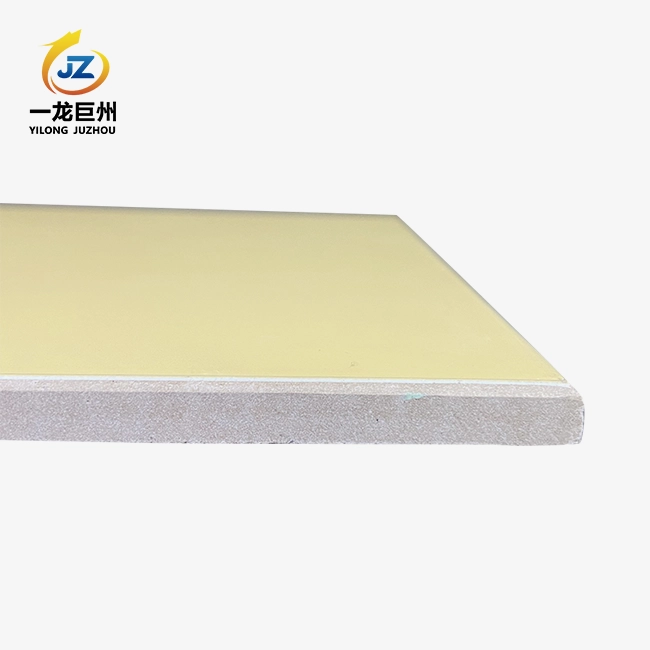
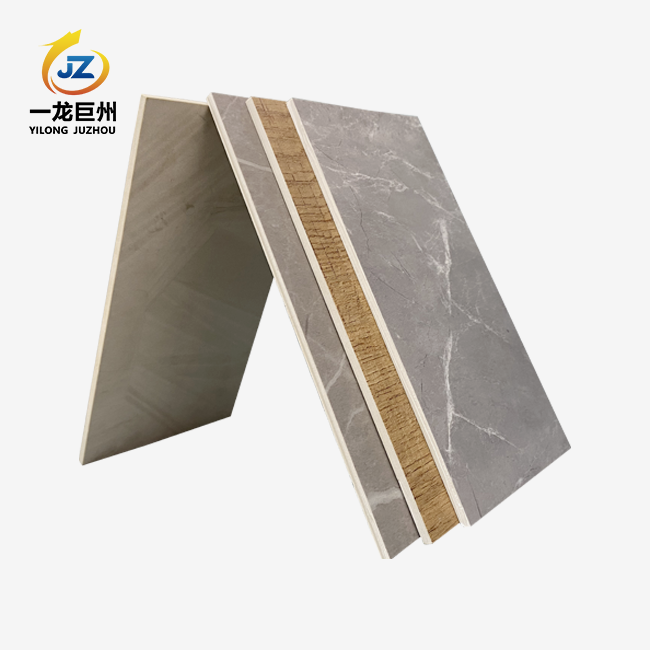
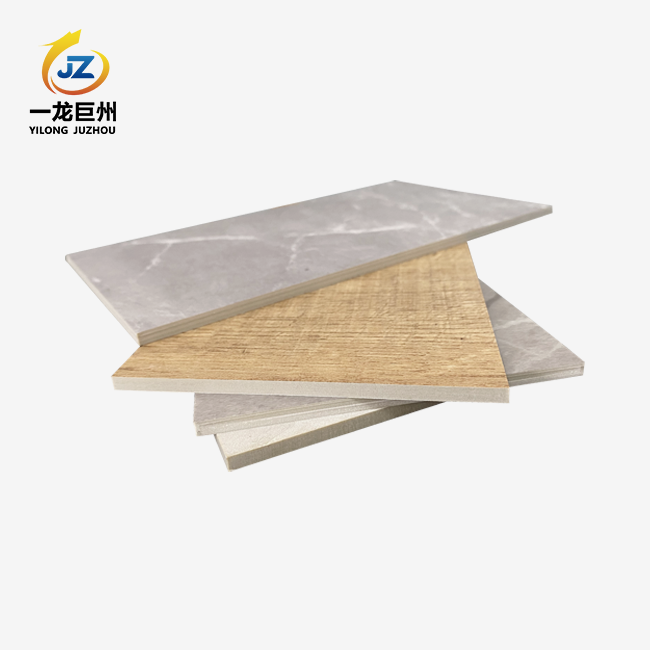
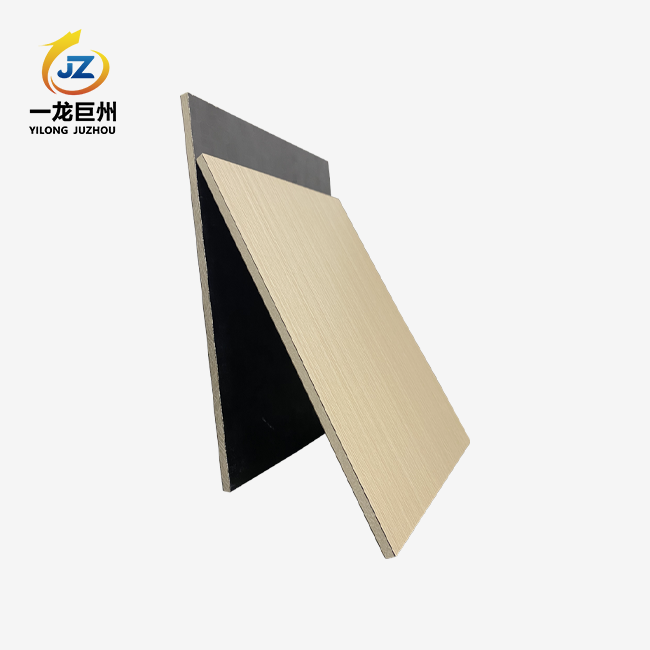
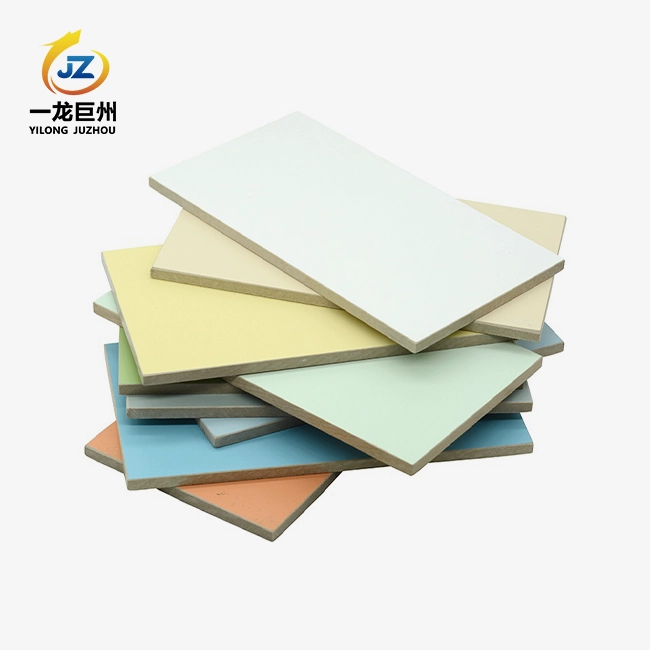
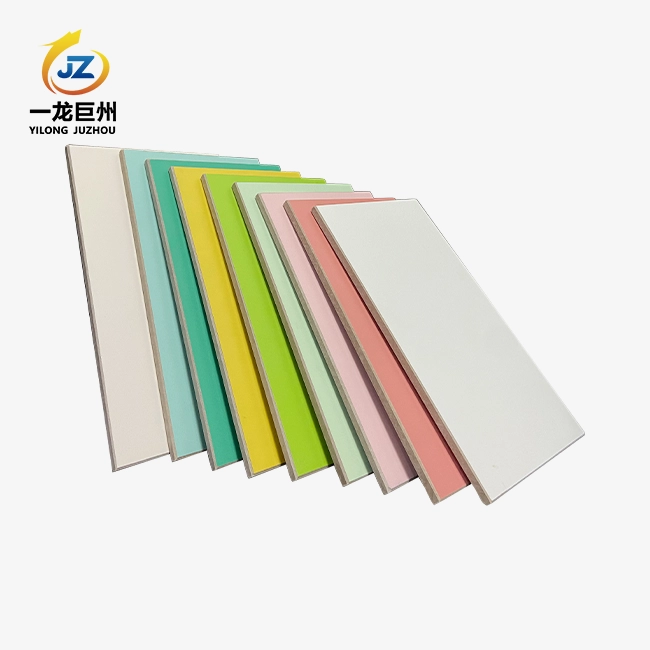
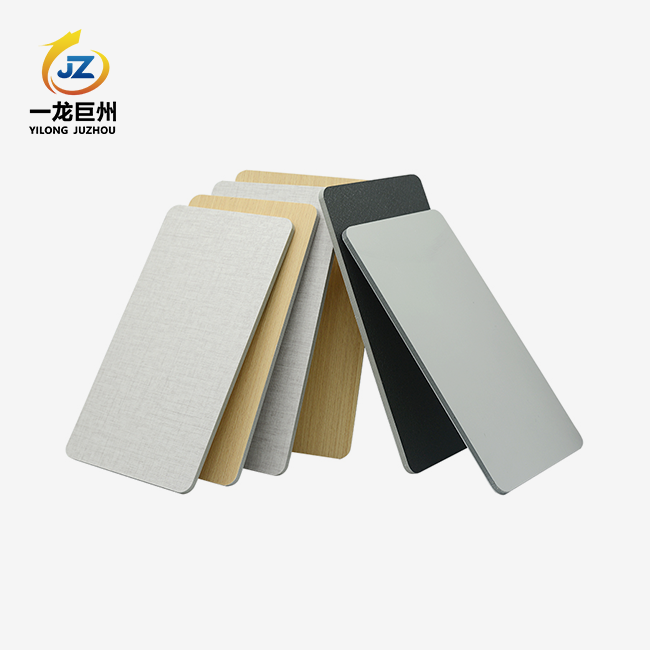
Decorative surface films, such as solid colors, woodgrain patterns, marble patterns, and shiny finishes, are bonded to a calcium silicate board base through high-pressure lamination to make these panels. This product comes in a range of thicknesses, from 4.5 mm to 15 mm, and normal sizes, from 1220 mm wide to 2440 mm long (with custom heights up to 3050 mm). It can be used in a wide range of building settings. This structure's design keeps its shape and stops it from twisting in damp places, which is a common place for failure in food processing and healthcare facilities.
Fire Resistance Mechanisms and Thermal Performance
Minerals in the body make a shield that stops heat from getting in. When heated, calcium silicate doesn't break down or give off harmful gases. This is a big plus over phenolic resin-based HPL boards, which, even though they're strong, only get Class B grades for combustibility. The inorganic substrate keeps the rate of water uptake below 10%. This stops the internal moisture growth that weakens structures under heat stress.

Protocols for testing that are in line with ASTM E84 and EN 13501 standards show that smoke production rates stay low during burning scenarios. This feature saves people during evacuations because less harmful smoke gives people more time to get out safely. The UV-cured coating on the surface layer makes it last longer by keeping the protective seal that keeps base particles in and stopping discoloration.
Compliance with International Safety Standards
For projects that need official bid reviews, it's often necessary to show proof that they meet environmental and fire safety standards. These boards meet ISO 14001 standards for environmental management and get E0 formaldehyde emission rates. This means they don't release benzene or volatile organic compounds, which slow down the time it takes to move in after traditional setups. Third-party certificates give procurement teams the proof they need to please the government agencies that watch over hospitals, schools, and government buildings.
Key Benefits and Applications of Ice Fireproof Board in Industrial Settings
Safety and Regulatory Compliance
The Class A fire rating meets the strictest building rules for public infrastructure projects and business real estate developments. In contrast to wood-based decorative pieces that need extra fire-retardant processes that break down over time, this material is naturally safe. Project managers like this durability because it means that the building won't need to be treated or re-certified for compliance over and over again.
With antibacterial treatments on the surface that kill 99.99% of microbes, these boards can be used in clean rooms. Surfaces that don't break down when exposed to strong disinfectants are useful in hospital surgery rooms and cleanrooms where drugs are made. The finish doesn't let germs grow in the grout lines and gaps, which is a problem that always comes up with regular tiling systems.
Durability Under Harsh Operating Conditions
Wall systems in factories, ice fireproof board are subject to changes in temperature, chemical contact, and mechanical effects that break down most materials very quickly. These panels are very good at not rusting when cleaned with acidic or alkaline chemicals that are common in food processing plants. Surfaces with hardness grades above 3H don't get scratches or abrasions in airport and train station hallways with a lot of foot traffic, so they look nice without having to be replaced often.
The ability to keep out water and mold is very useful in tunnels and other underground transportation hubs. In these kinds of conditions, regular plasterboard systems start to delaminate within months. But the calcium silicate substrate's ability to keep its shape even when humidity changes stops this from happening. This means that upkeep costs will go down and there will be longer periods between renovations.
Environmental and Installation Advantages

Material choices are being affected by sustainability issues more and more, especially for LEED-certified projects. The inorganic core's reusable content fits with green building efforts, and its zero-VOC formulation lets you move in right away after installation, which is very helpful for phased construction schedules. The fast installation method uses dry-hanging systems or structural glue instead of wet trades that take longer to finish, which is good for property developers who are working on multiple projects at once.
Because panels can be customized at the plant, they come already cut to size and finished, so there is no need for cutting dust and waste on-site. Compared to the usual way of tiling and painting, this method cuts down on labor costs by up to 40%. This efficiency is especially useful for contractors working on hotel or office building renovations because it keeps busy areas as quiet as possible.
Comparing Ice Fireproof Board with Other Fireproof Materials
Performance Differentiators Against Common Alternatives
When procurement workers are looking at different types of materials, they often compare calcium silicate composite panels to cement board, mineral wool, and regular gypsum wallboard. Cement board is pretty fireproof, but the surface finish isn't very flexible, so you can't add any other decorations to it. Although mineral wool is a great insulator against heat loss, it needs to be protected with a covering, which increases the cost and makes fitting more difficult.
Gypsum board is still used as a standard because it is so common in the market. The water in gypsum escapes when it is exposed to direct heat, and the board breaks apart when calcination happens. Calcium silicate can keep its shape at very high temperatures for a long time, while this material can't. Surface layer choices, such as melamine paper and CPL laminates, give you more style options than gypsum's paper facing, which you can't get without painting or wallpapering.
When it comes to longevity, HPL boards are more of a match. Both materials can handle hits and wear well, but HPL's phenolic resin core raises worries about fire safety. Because HPL has a Class B fire rating, it might not be able to work on projects that need to meet strict safety standards, like those in healthcare or educational centers. In addition, HPL setups usually need a substrate backing, but these polymer panels can work on their own.
Cost-Effectiveness and Wholesale Pricing Considerations
The initial prices of the materials seem higher than the cost of basic gypsum board, but the total costs of the job tell a different story. By not having to paint, cutting down on labor hours, and avoiding replacing things often, the overall cost factor changes in a good way. When bulk buyers negotiate large contracts for multi-phase developments, they can often get prices that are lower than mid-tier options while still meeting higher performance standards.
The product (fireproof wall board) is always available and can be made in large quantities, which is good for distributors who work with area builders. With factories in Shaanxi and Guangdong provinces, production times are always predictable: 3–7 days on average, and 50,000m² of stock is kept on hand for instant needs. This dependability helps keep project plans on track even when materials are late, which can happen with speciality imports.
Customization Capabilities for Specialized Requirements
Engineers can find the right mix between fire resistance needs and weight concerns in different structural uses by changing the thickness from 4.5mm to 15mm. Thinner profiles work well for partition walls in office fit-outs, while thicker boards are better at resisting impact in school hallways where equipment carts are used. The variety of colors and patterns—including solid colors, woodgrain models, marble looks, metallic finishes, and cloth textures—meets the needs of a wide range of architects without the need for custom production delays.
When an OEM and an ODM work together, they can add custom surface techniques or size requirements that work with flexible building systems. This gives industrial clients who are making prefabricated cleanroom panels or wall kits for pharmaceutical facilities more freedom to make complete solutions that make installation easier in the field.
Installation, Maintenance, and Performance Assurance
Surface Preparation and Fastening Methods
Assessing the foundation is the first step to a successful fitting. For bonding to work, wall surfaces must be clean, dry, and physically sound. Uneven brickwork or broken plasterboard needs to be fixed before the panels are put up, because holes in the barrier make it less effective. Aluminum profile dry-hanging systems spread out weight and allow for heat expansion without putting stress on panel edges for large-format installations in business halls or hotel atriums.
For smaller jobs, neutral structure glue and double-sided tape work well together to hold things in place temporarily while they cure. Installers should stay away from adhesives that are acidic or solvent-based because they can damage surface films or make calcium silicate bonding weaker. The quick pressure strip fitting method described in the product specs lets people who aren't skilled do professional work, which cuts down on the need for contractors and the costs that come with them.
To keep fire safety going all the time, seam repair needs to be done with care. Joint solutions made for calcium silicate boards keep buildings from breaking as they settle, and color-matched silicone sealants keep the look of the edges of the panels consistent. Cutting produces less dust than working with cement board, but it's still best to wear respirators and make sure there is enough air flow during production.
Long-Term Maintenance and Inspection Protocols
Facility managers in charge of large areas like these surfaces because they are easy to clean and don't need much upkeep. Cleaning the surface regularly with water and light soaps keeps it in good shape without any special treatments. The UV-cured finish doesn't damage and doesn't need to be painted as often as plaster systems do, which saves money over the life of the building.
Fasteners should be checked for harm, and fastener strength should be checked on a regular basis in high-traffic areas. Unlike materials that easily get damaged by water, these boards can handle small leaks without breaking completely. However, sources of moisture must be fixed quickly to stop mold growth behind panels. Reputable makers offer a three-year quality warranty that covers problems with the way the product was made. This gives procurement teams a way to get their money back if something fails too soon.
Because the top layer of interior fireproof wall board is built in, deep scratches are hard to fix. When damage is severe, panels need to be replaced instead of just patched. This is why safety steps are important in places with a lot of equipment. Light scratches on the surface can often be fixed by buffing them with special resin wax formulas that make the panel look good again without having to replace the whole thing.

Conclusion
Ice fireproof board technology fills in important holes in the range of industrial building materials available. This type of material is a complete answer for tough settings because it is resistant to Class A fires, has an antibacterial surface, and can look good with a variety of styles. It has a calcium silicate core that keeps the structure stable and saves people inside during fires. It also has a variety of surface choices that meet the needs of architects in the healthcare, transportation, hospitality, and industrial sectors. The value argument is strengthened by the ease of installation and low upkeep needs for procurement teams that are watching their budgets and trying to balance performance needs with lifecycle cost management. As building rules get tougher on safety, materials that are made to fight fire rather than ones that are treated after the fact are smart long-term investments.
FAQ
1. Can this material be used for exterior applications?
Standard formulas are made for decorating walls and ceilings inside. For use outside, you need special PVDF fluorocarbon coats that don't break down in UV light or get worn down by the weather. Long-term contact with the sun without this protection turns things yellow and breaks down surfaces. For the best use of the material's fire protection and cleanliness qualities, it should be used inside of subways, airports, hospitals, schools, hotels, and shopping malls.
2. How does antibacterial performance remain effective over time?
The 99.99% antibacterial rate comes from treatments that are built into the surface during making, not from applications that are put on the skin and then wear off. This safety doesn't get weaker with regular cleaning with hospital-grade disinfectants, so the boards can be used in operating rooms and clean rooms for pharmaceuticals. Bacteria can't grow in the tiny cracks and spaces in a non-porous surface, which is a problem that always comes up with grout lines and textured finishes.
3. What installation methods work best for different project types?
Aluminum profile dry-hanging systems work well for large industrial setups because they can adapt to building movement and make panel replacement easier if needed. Neutral structure adhesives and temporary tape are often used for smaller repairs while the glue cures. The factory-customized method lets the exact measurements be cut out ahead of time, which cuts down on the need for changes to be made on-site and the dust that comes with them. Because it has no volatile organic compounds (VOCs), installation can happen in either a new or existing area.
Partner with YILONG JUZHOU for Superior Fireproof Wall Solutions
To get high-performance internal fireproof wall board, you need to work with skilled makers who know about both material science and real-world building conditions. YILONG JUZHOU has modern production sites in both Shaanxi and Guangdong. They keep 50,000m² of inventory on hand and can serve custom orders in 3–7 days. Our calcium silicate composite panels have been approved by CE and ISO and are used in more than 30 countries in hospitals, subway systems, and industrial buildings. Procurement managers, contractors, and resellers are welcome to ask for free samples and expert advice. Our team helps with planning, gives advice on installation, and gives you competitive quotes that are made just for your job. Get in touch with us at cnyang2000114@gmail.com to find out how working with a reputable ice fireproof board maker can help you meet safety standards and finish your projects faster.
References
1. Chen, W., & Zhang, L. (2021). Fire Resistance Performance of Calcium Silicate Composite Panels in Commercial Buildings. Journal of Building Materials Science, 18(3), 245-259.
2. International Code Council. (2022). Fire-Rated Interior Finish Materials: Compliance and Testing Standards. ICC Building Safety Publications.
3. Kumar, R., & Patel, S. (2020). Comparative Analysis of Non-Combustible Wall Systems for Healthcare Facilities. Construction Materials Technology Review, 12(4), 112-128.
4. National Fire Protection Association. (2023). NFPA 101 Life Safety Code: Interior Wall and Ceiling Finish Requirements. NFPA Standards Manual.
5. Thompson, J. (2022). Sustainable Building Materials: Lifecycle Assessment of Inorganic Composite Panels. Green Construction Journal, 9(2), 78-94.
6. Wang, H., & Liu, M. (2021). Thermal Stability and Heat Resistance Mechanisms in Calcium Silicate Building Materials. Materials Science and Engineering Review, 14(1), 34-52.

Send Inquiry
Related Industry Knowledge
- What is an aluminum composite panel?
- What Is Medical Clean Board and Where Is It Used?
- What are the key steps for installing aluminum composite panels?
- Innovative Coated Aluminum Composite Panel Projects to Transform Your Space
- How to spray paint on aluminum composite panels
- Unlock the Power of Aluminium Composite Panel
- Where to buy aluminum composite panel?
- How do I choose the right aluminum composite panels for my building?
- Things to Know About Aluminium Composite Panels
- How to Choose the Best Medical Clean Board